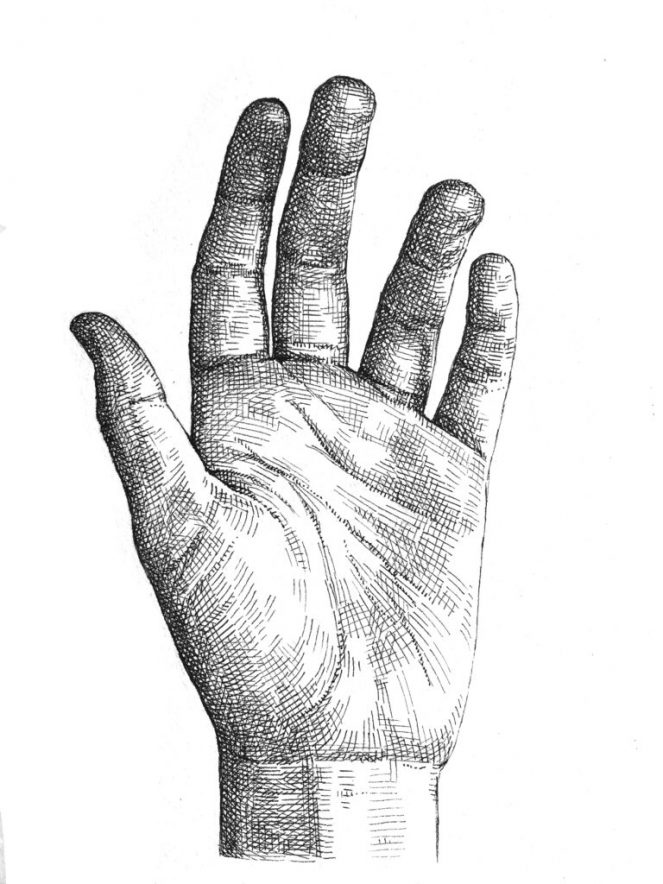
Hand

The Woman of Colour is an epistolary novel at heart and thus explores letter writing within the novel’s main character, Olivia. Without even thinking about it, Olivia is using her hands as a channel to write and regress into her life back in Jamaica. In addition, the novel also holds slavery and racism at its core. Thus, these hands also embody the labor and cruelties … Continue reading Hand


Poor

“Poor” in conjunction with “black” As previously discussed in this project, the repeated use of “black” as a negative and oppressive descriptor throughout the novel conveys the chronic othering of black individuals during the Romantic period. Similarly, Olivia and Dido, her faithful black servant, often use the words “poor” and “black” simultaneously when referring to each other, further conveying the hegemonic perception of black socioeconomic … Continue reading Poor

Father

While some may argue that the word “father” only has one meaning in its biological sense, I argue that the word carries different interpretations as demonstrated throughout the text of The Woman of Colour: A Tale. A pattern of repetition is significant in the context of this word for a plethora of reasons. Throughout history, society has deemed the father of the family the protector. … Continue reading Father

Will

The term “will” can be defined in many ways—and its versatility is in part why it is such a rich term within The Woman of Colour, A Tale. It is the auxiliary verb used to describe a future action, persistence, consent, and inevitability. It is the noun used to describe the document left behind after someone passes, instructing what to do with the things and … Continue reading Will