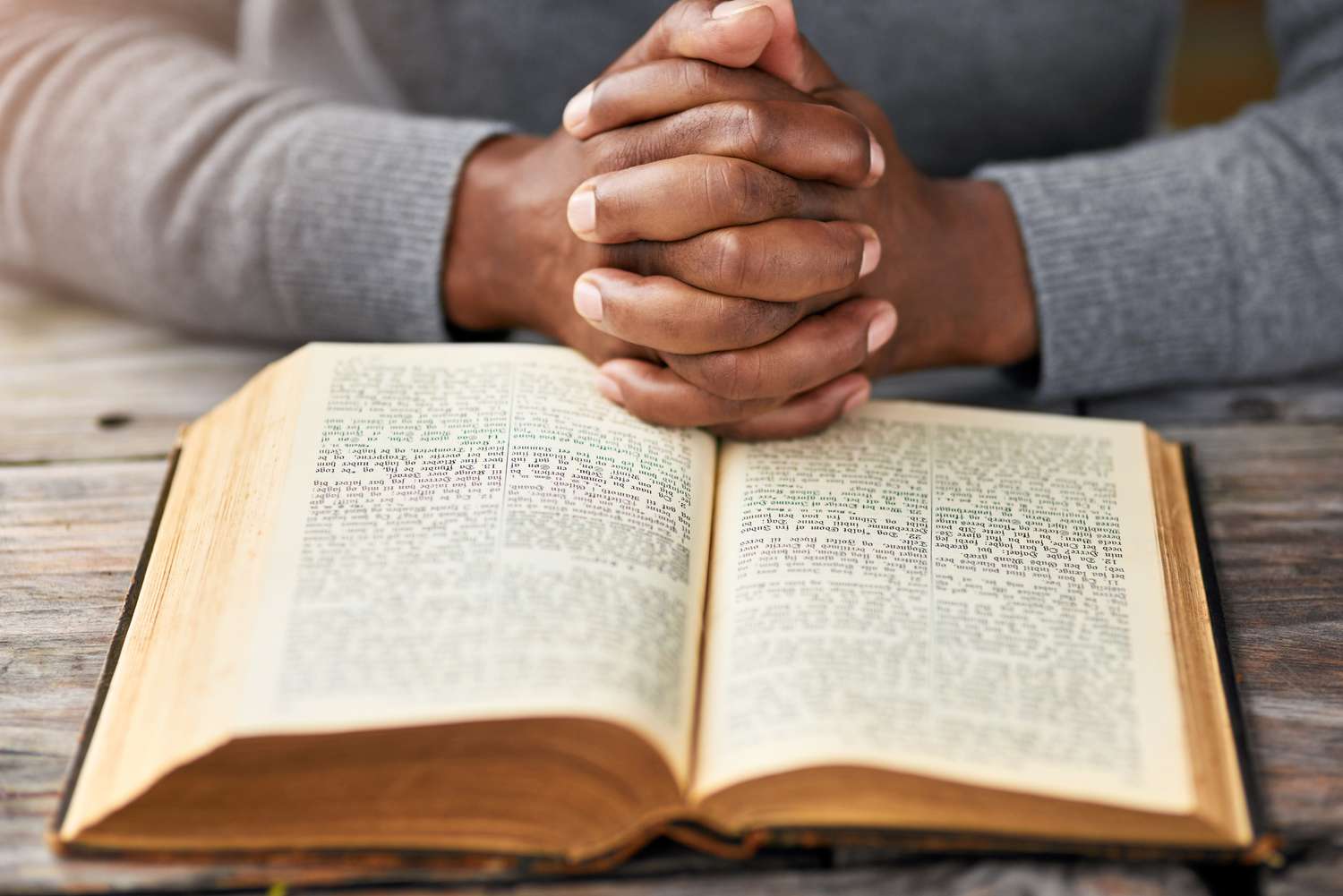
A prevailing theme within Olivia Fairfield’s story is her faith and how that shapes her journey. She is forced to balance a new home with very little security and guidance, but faith gives her what she is lacking. Olivia is able to turn to God and the Christianity that she is practicing to better understand herself and her situation. One term that is commonly used is pray or prayer, which is used when Olivia becomes off track and needs to find herself again. She turns to God and her faith when she is unsure of herself and her new environment to feel grounded again. The word pray has a deeper meaning for Olivia, as it is reflective of her sense of self throughout her story. Looking at the use of the word pray in The Woman of Colour: A Tale, the reader is able to see how Olivia Fairfield finds her sense of self and home through her faith in Christianity throughout her journey in England.
Olivia tells her story while writing a series of letters to her mentor back in Jamaica, Mrs. Milbanke. These letters serve as a tool for Olivia to feel connected to her home where she feels more herself when she is discovering her life in England. In these letters she expresses many of her emotions and with that comes her doubts and uncertainties. When she writes to Mrs. Milbanke, Olivia often asks her to keep her in her thoughts and prayers. An example of this is when she says, “Adieu, my dearest Mrs. Milbanke! Continue to pray for one who must always pray for, and love you, OLIVIA FAIRFIELD” (Anonymous). While she is asking Mrs. Milbanke to truly pray for her, this is also her way of asking her not to forget about her. When she is asking Mrs. Milbanke to remember her, she hopes that she will not lose the memories and sense of home she has in Jamaica. Mrs. Milbanke is the link Olivia has left to Jamaica and through asking for these prayers, she is asking for her home to stay in her memories. In this letter to Mrs. Milbanke, the concept of praying is a sense of belonging and home that Olivia is lacking in her new life in England.
The relationship between Olivia and Augustus is complicated and they often do not have the same feelings towards each other and the world around them. Olivia is often more infatuated with Augustus than Augustus is with her. This disparity in feeling is a troubling issue for Olivia and she finds herself becoming worried over this. The happiness Olivia has that she wishes Augustus to share with her is seen when she states: “I am thankful to Heaven, for my happy, thrice happy lot: and humbly pray, that my Augustus’s happiness may be as perfect as my own” (Anonymous). Olivia is again using praying as a sense of hope in the context of belonging but related to love. She is longing to be loved by Augustus because she feels a sense of belonging when she is appreciated by him. However, Augustus still loves another woman and Olivia eventually finds out he has another family. She still holds this hope and prayer towards wanting Augustus to love her the way she loves him. In praying for this wish she is literally praying but also holding out hope for something that seems hard to reach.
The way Olivia is viewed by those around her is a prominent theme mentioned throughout the story. Usually in relation to power dynamics, this concept is something that shapes how Olivia interacts with herself and others. There is a sense of judgment that individuals feel towards Olivia and her situation which plays a large role in her journey. The reader can see how this impacts Olivia when she says, “All the servants stood to catch a view of me as I walked across the hall; they reverenced my sorrows: but I heard their whispered prayers and blessings as I passed” (Anonymous). While prayer is seen as a sense of hope in most uses of the word, here Olivia uses it as a sense of worry. There is this worry that the people in Olivia’s life feel towards her situation. When they are saying these prayers towards her they are praying to potentially help her and what she is going through. Olivia is aware that they are feeling this way and it is clear that is affecting her view of herself and her situation. If individuals are constantly worrying and praying for her, she will begin to question herself and her hope.
Religion plays a large role in the dynamic between Olivia and the people around her, but there is much more to her interactions. Nikrouz Jafarzadeh challenges that while religion is an important factor in how Olivia is treated, the ultimate determinants are race and gender. These aspects of Olivia’s identity all lead to the marginalization of her and her voice throughout the novel. Jafarzadeh argues that the time period Olivia is living through in England causes everyone around her to view her as inferior because of her identity. Therefore, my argument about religion being the ultimate factor in Olivia’s experiences would be false to Jafarzadeh. He would put forth the idea that gender and race have an equally large impact on what religion individuals identified with. Ultimately, there is more than just religion and praying that shape the way individuals view Olivia and her identity in her story.
When Olivia is forced to leave Jamaica and move to England she is also forced to adjust to a new environment with new factors. One of the largest factors is the people around her and the status she holds in relation to them. There are many parts of Olivia’s identity that play a role in how she is treated and she is able to handle a lot of those issues with religion. The largest parts of her identity that shape her interactions in her story are religion, race and gender. I believe that she is able to use religion as a tool to help her in her experience and many times she uses religious words to demonstrate the underlying factors. This means that when she mentions praying, she references a hope to get out of her situation caused by her race and gender. Nikrouz Jararzadeh specifically touches on how important race and gender are in the story, but I believe religion plays just as much of a role in her interactions. Religion and praying allows Olivia to have a sense of hope for her situation that her identity has placed her in.
Religion is also a prevailing theme in Stella by Émeric Bergeaud in a similar way to Olivia’s story. Romulus and Remus in the story are forced to tackle hard topics in regards to slavery and their role in it. They find themselves turning to Stella for a lot of guidance; she serves as a reflection of religion in their journey. Stella is seen as an angel like being in their lives who gives them advice on challenging aspects of their life. There are a lot of biblical references made within Stella’s story that also feed into the importance of prayer and faith. Many times women are seen as angel-like beings in men’s lives that give them guidance, similar to God. This dynamic creates a large importance on faith and praying for many of the individuals in the story. However, praying specifically is not referenced by the dynamic between Romulus, Remus and Stella is very similar to how an individual would turn to God for guidance in prayer. The concept of faith and prayer for guidance becomes a key aspect for Olivia and Stella throughout their narratives.
Works Cited
Bergeaud, Emeric. Stella, A Novel of the Haitian Revolution. Ed. Lesley S. Curtis and Christen Mucher. New York University Press, 2015. Print
Dominique, Lyndon Janson. The Woman of Colour: A Tale. Broadview editions, 2008.
Nikrouz, Jafarzadeh. Race, Mimicry, Ambivalence, and Third Space in The Woman of Colour: A Tale (1808). Mar. 2022.