Category Archives: Uncategorized

Life in the Grey: Ambiguity and Ownership

Life begins in the grey. The space between the black and white, where decisions are undefined and feeling lost is only relative to how you navigate this space. At its core, this undefined area forces you to stop and think, why? Why do I care? Why should I care? Why don’t I care? Do I care?

In the grey we can hide, run away or remain steadfast, but the grey will not go away. Only when we enter the grey with an open mind equipped with self-reflection and a love-led heart can we navigate and grow in the grey. Though the grey may seem ominous, this is where we find the reasons why we wake up in the morning, why we make sacrifices for one another, and why we act with compassion. The interconnectedness of humans and the universe thrives in the grey. And in a world that continues to shrink and shake, it beckons.
Screen Shot 2015-11-21 at 1.30.12 AM

This summer, I expanded my experience with the grey, and the countless questions different people face. Often, for those living in developing nations, the grey is thicker and less tolerant in many respects. When I reflect on the time I was asked for money by a Ugandan friend who needed $7 USD to feed his family of 4 or when another Ugandan friend had a knife held to her throat because a thief wanted my laptop I remember that the grey has darker shades, but only we can choose our response. As humans of various cultural backgrounds intersect with historical contexts riddled with violence, prejudice, and conquest the grey also has many obstacles and privileges that pervade all nations.

In the United States we face many challenges with inequity, heavily perpetuated by our institutions, and only changing at the rate we choose to foster dialogue and reflect on how our experience compares to others. In Europe, many perceive their cultures to be under threat and fiercely shun the “other” while continuing to resist integration and equality. As these Europeans try to run from navigating the grey with love and self reflection, it only fuels violence in their disenfranchised and marginalized youth. We are all interconnected. As a human collective, we face a changing climate, an ocean that continues to fill with plastic and other non-organics, food systems which leave the poor without access to proper nutrition, and the reengineering of life to suite our needs, among other global environmental challenges. These are not human acts led by love, rather in ignorance or addiction (oil), and sadly, harm others disproportionately. Ultimately, how we interact with our shared world resides in the common grey that we as a collective species share.

How does one navigate the grey? The grey is not physical, yet it’s omnipresent. In the grey, your life map has a route that is never stagnant. The route is constantly changing, influenced by your family, friends, peers, colleagues, values, spiritual beliefs, physical world, and ultimately, how you learn from your experiences. In the grey you will be faced with choices, for me, in my final year at Santa Clara my vocational path is most prominent. Gone is the blanket of another year of education ahead, what awaits will be a product of how I navigate the grey.

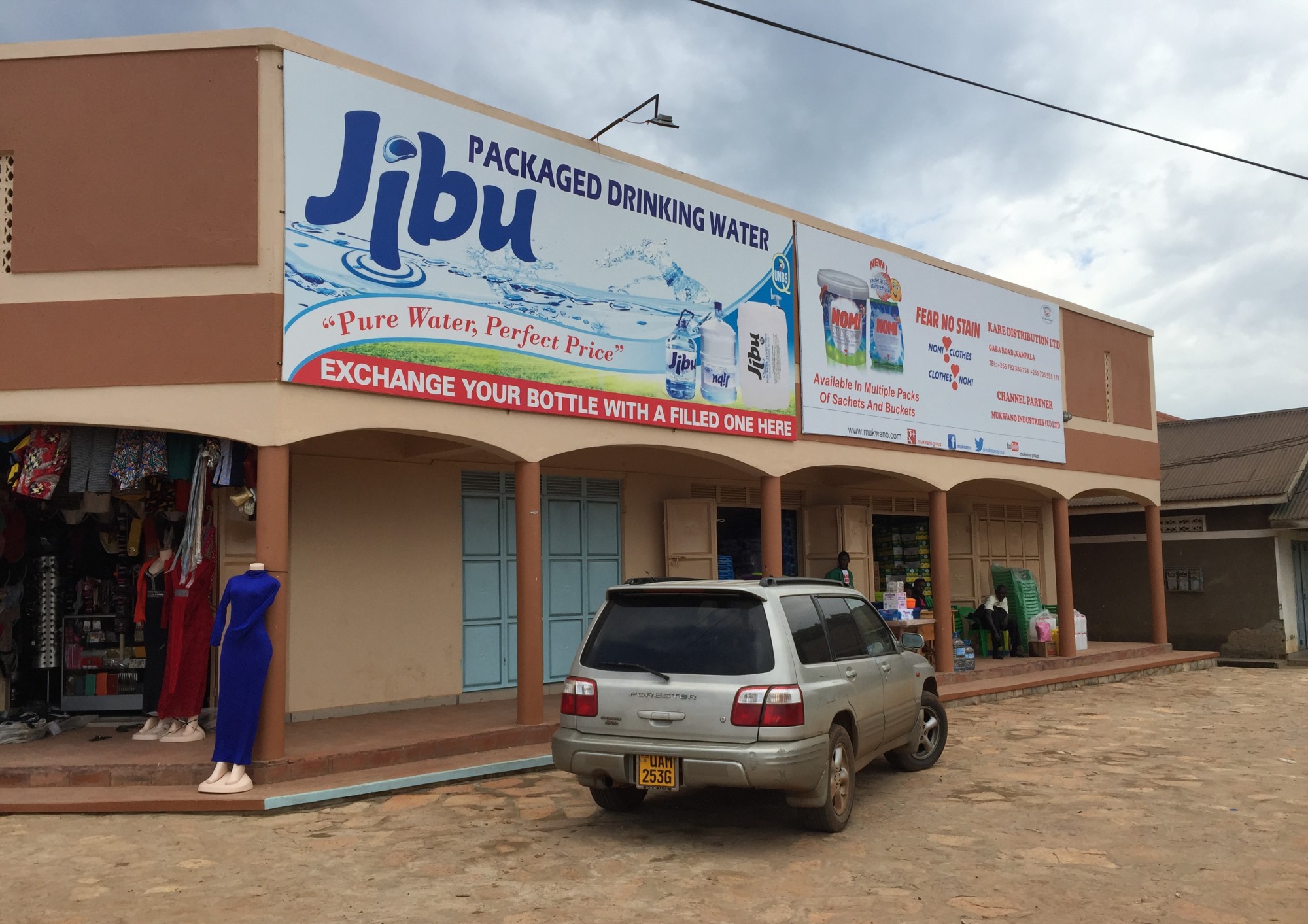
Though there are many tools that give us confidence and direction in the grey, my experiences through the Global Social Benefit Fellowship have given me insight into one navigational tool, ownership. This is not ownership in the sense of entitlement to control or being the top of the top, this in ownership in the emotional responsibility and commitment one cultivates when owning an idea, a business, or an experience through shared collaboration and passion. This is the ownership I glimpsed and felt in my own work and the work of Jibu franchisees.

Take a moment to examine your life, for many, the path and vision has been stable. Childhood, school, and on to a career, though there have been ups and downs, they haven’t had to live in fear going hungry, drinking polluted water or failing to provide an education for their child. In developed countries we take this vision for granted, the ability to see a future ahead of us and from this shaping our decisions toward a longer term goal. In this stability we do not discount the future like many of the poor do. Without a vision or emotional commitment to one’s future, gambling one’s weekly earnings among other irresponsible uses of money becomes commonplace, a practice pervasive throughout the developing world. With this lack of vision, many remain in poverty traps, squandering their earnings as they remain in disempowered positions. This can be combated with ownership.

If our passion and aspirations are the fuel that propels us along our vision, then ownership is both the train and the rails that will get you there. The train gives us something to love and channel our energy through and the rails give us the tangible path that shape our short and long term decisions. With a culture and an opportunity built around ownership, Jibu showed me the power of ownership through its franchisees who are given a chance to build a vision through their franchises. Ownership makes you accountable and invested, as it reflects you directly, it directly connects you to the grey as your decisions and actions become connected to your values and beliefs. For developing countries these are the type of solutions we need, one’s that engage local community members with an opportunity to engage in social entrepreneurship, allowing them to navigate the grey with a vision.

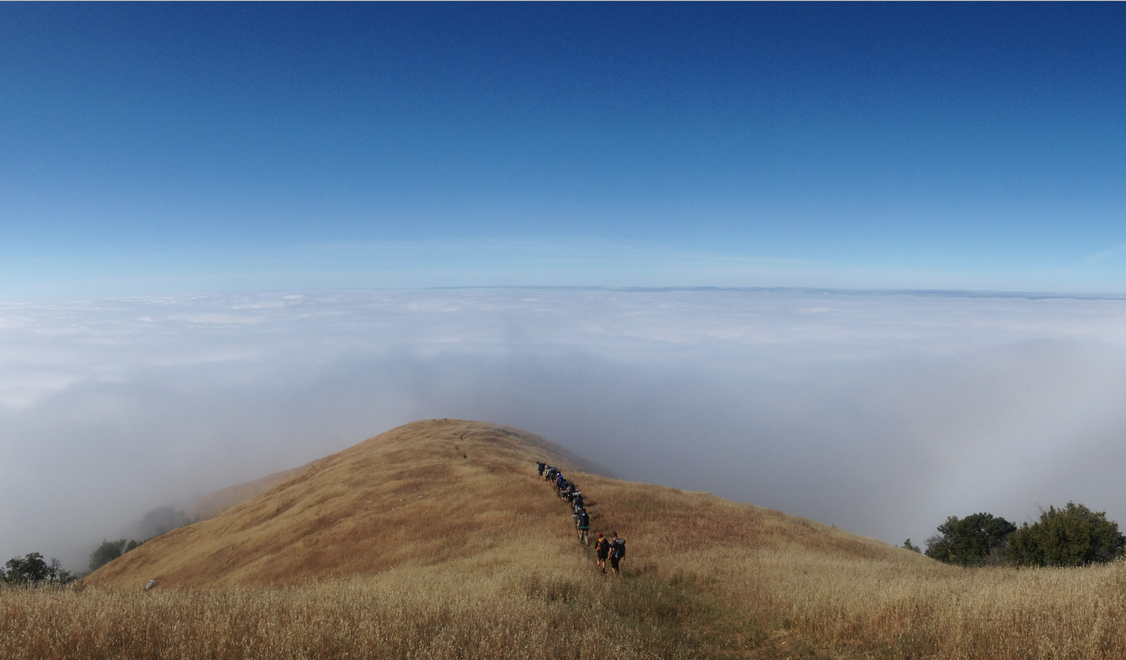
Reflecting on my college education I feel that I have learned the most from my close friends, my experiences studying and living abroad in Denmark, and my time in Uganda and Rwanda through GSBF. Ownership has made all the difference. In an educational environment riddled with tests, papers and letter grades, it is rare that we encounter an experiential learning opportunity where we are accountable for the preparation, research, and follow through. As I have walked through these different phases of the my action research I have felt my experience paralleling the transformative experience of the Jibu franchisees I met. Ownership of a project forces you to think critically and to be creative, to be thorough even when there is no clear direction, and ultimately leaves you accountable for the quality and care of the completion. Ownership through the fellowship has helped me take ownership of my life as I plan to hike the Pacific Crest Trail post-graduation and re-engage my impact in the developing world through research or working directly with a social enterprise. Ownership through my action research fellowship has helped me better own my future and is a betterment strategy that needs to be embedded into development solutions for the developing world.

The lessons of ownership are both personal and practical. Ownership in our personal experiences strengthens our learning and allows us to better navigate the grey areas of our future while also driving the passion and commitment needed for development around the world. Seek ownership in the grey.
Screen Shot 2015-11-21 at 1.19.34 AM

Being Human

“How was Africa?”

and

“Oh wow, that sounds like fun”

Too often this is where my conversation with friends, family, and strangers begin and end. I know what I want to say, and there are many ways to say it, but there are too many layers of understand how it feels from the ground in Kampala. In Uganda, our humanity seems to manifest in a different way. It pervades through a community of smiles, from street vendors to motorcycle drivers, there seems to be an appreciation for life that has largely escaped more developed communities. Where corruption and poverty pervade, community and faith seem to grow like a glue that expands and contracts, holding together our humanity through time.

While my experiences touch on different facets of learning from the cultural history of Africa to business operations in a developing context, and from personal insight to new interpersonal connections I was left with an overwhelming sense that humans around the world, regardless of their nationality, all seek fulfillment, love, and stability in our short lives. Our world seems so vast and different until we look around and engage one another. Despite our cultural differences, climates, and histories, humans thrive when our family is together, healthy and happy, and experience a great sense of joy when we help one another and are reminded of journey of life long journey we all share.

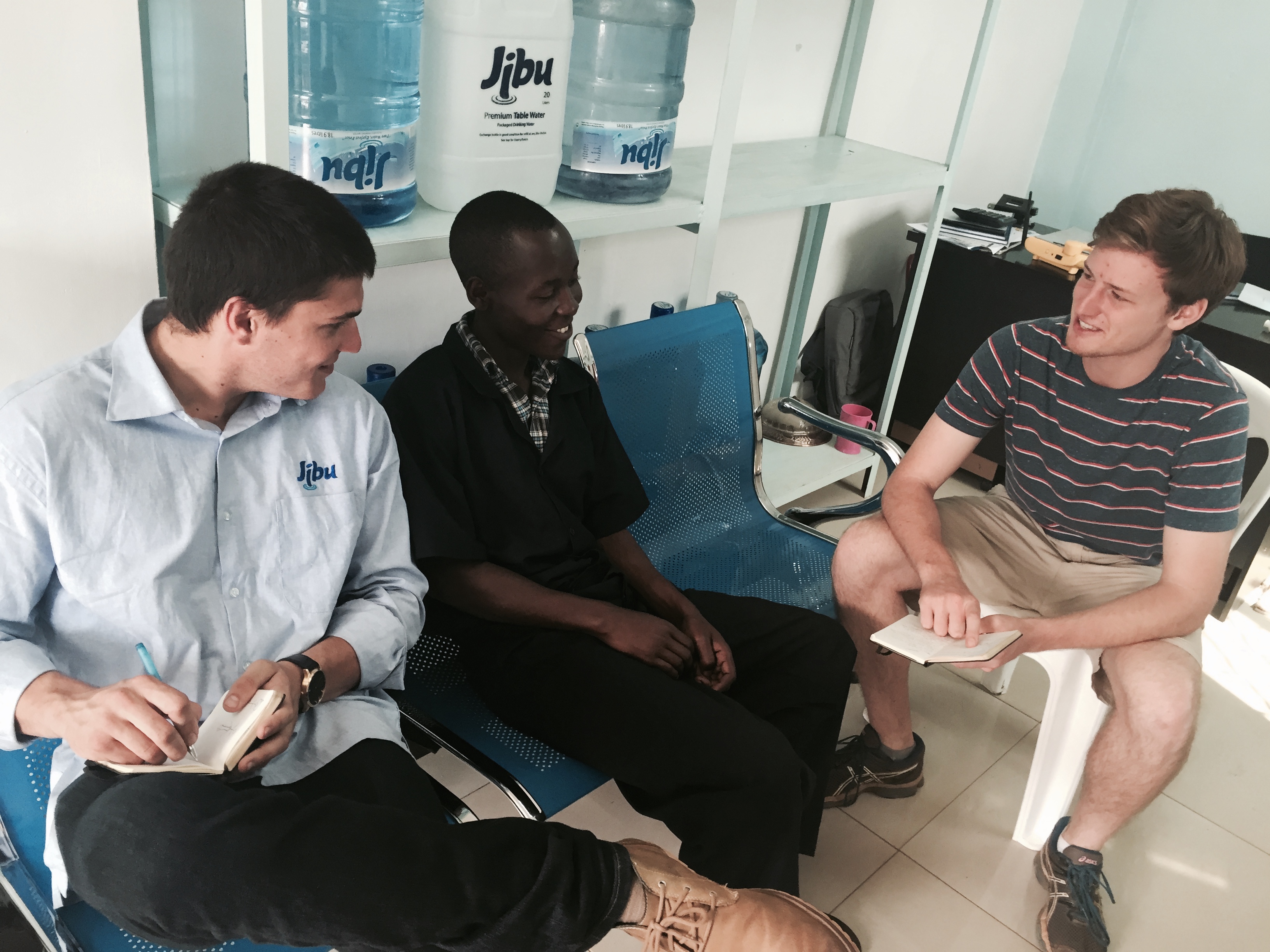
IMG_3014

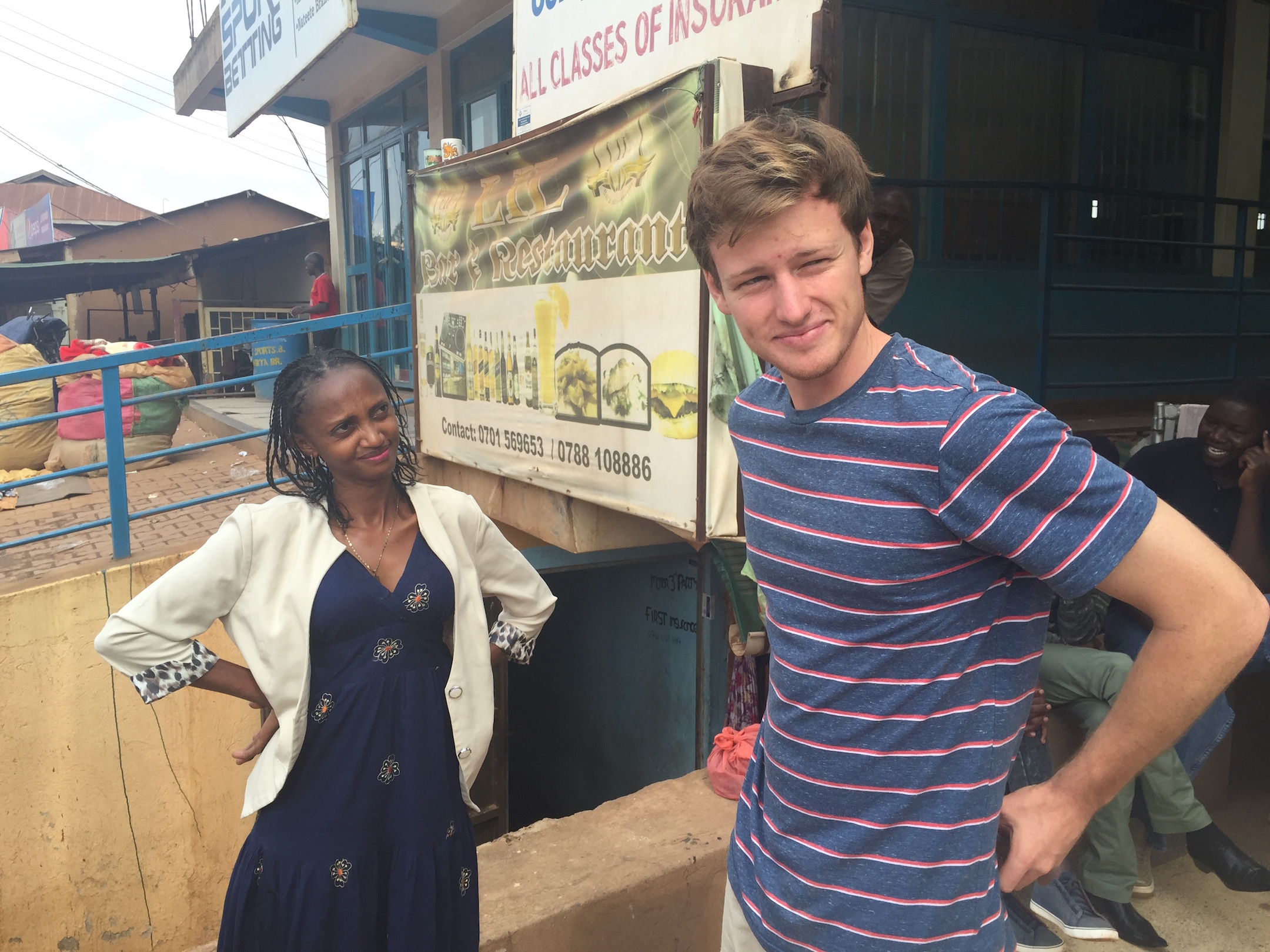
“Our world seems so vast and different until we look around and engage one another.” Location: Jibu Corporate Headquarters in Kampala, Uganda

Jibu allowed me to take a deep dive into Uganda’s culture in a short matter of time, I was blessed to acquire a snapshot of local perspective through the help of the many Jibu employees I worked with and above all wish to thank them for the love and hospitality they showed me while I was there. Feeling welcomed to a new community brings about comfort like none other, but we must be willing to embrace new perspective to do so. Our remembrance that we are all sharing the human experience is critical to continuing to build our global community and solving the increasingly complex challenges we face. Yet still, our societies begin at a community level, and it is only from our willingness to be open to listen to our everyday experiences that we continue to grow.

IMG_2969

“Feeling welcomed to a new community brings about comfort like none other, but we must be willing to embrace new perspective to do so.” Location: Jibu Corporate Headquarters in Kampala, Uganda

I reaffirmed the value of this skill in my the time of my fellowship and wish to share a few anecdotes that run along the heart of what I learned from the slums of Kampala to the back office of Jibu headquarters:

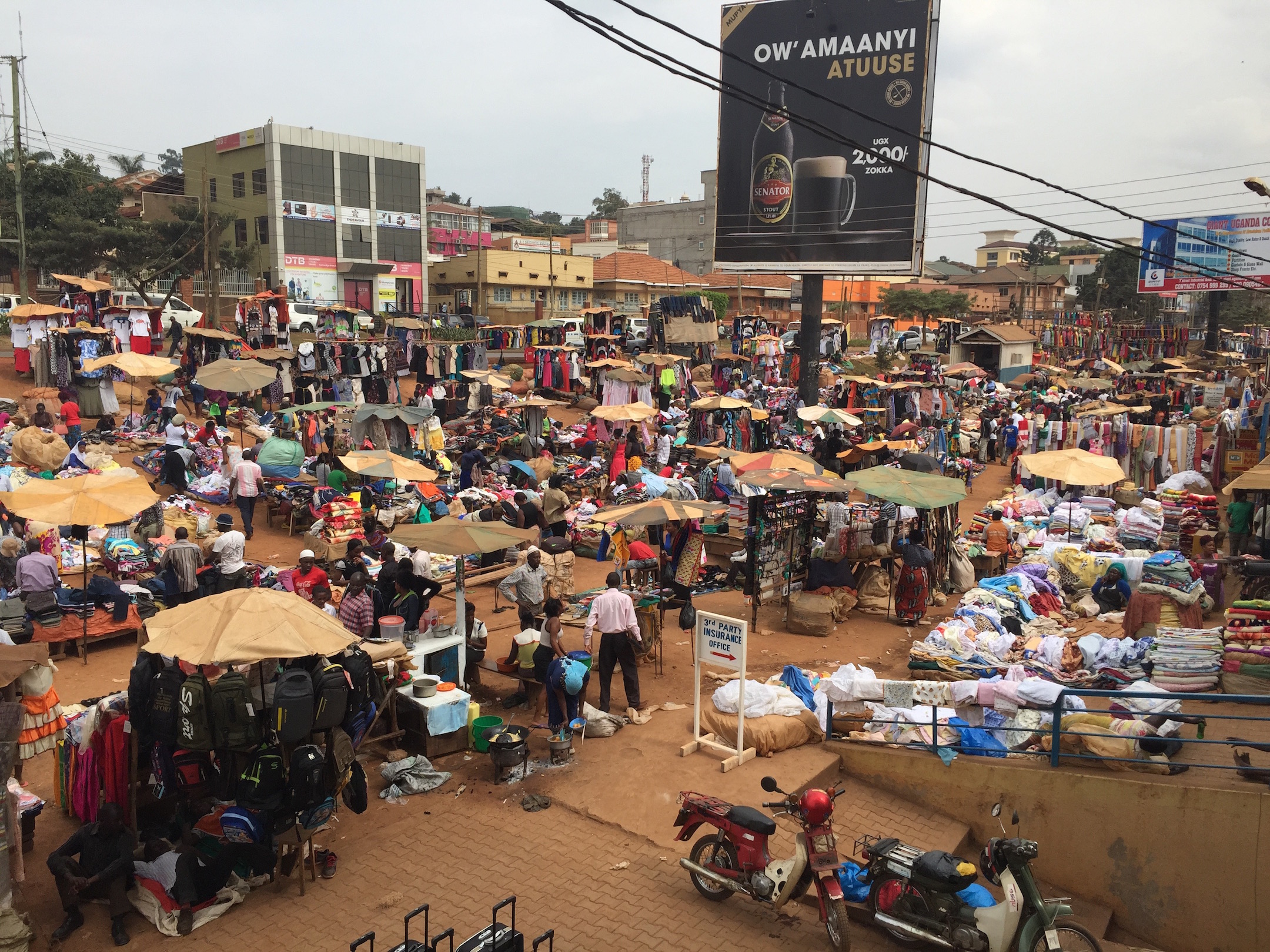
It was a hot, humid summer afternoon on the streets of Kamowkya Market as my partner and I carried a large box down from our favorite lunch spot, Cafe Javas. We received the usual stares and “Mzungu how are you?” chants from the smaller children running about, and eventually climbed the stairs to the office. After a few whispers and coordinated movements the entire team shuffled their way into the office to find a large birthday cake with 8 lit candles, complemented by 2 liters of Orange Fanta, Gloria’s favorite. Only 6 years older than myself I felt in a shadow of wisdom Gloria possessed as a single Rwandan mother who had lived through years of challenges, but persevered through her faith. Overcome by gratitude, Gloria collapsed to the floor upon the sight of our cake, crying with gratitude. Though a cake is a basic expectation for any birthday back home, we soon realized that this act had a profound impact on a woman who had not been celebrated for over 7 years. Tragedy and strife had taken away many of her closest family members and for most, an incomprehensible situation. The naive kindness of my partner and I left me reeling in appreciation’s incredible impact on the human spirit. I was reminded and overcome by the simple strength of this simple gesture, and reminded that fulfilment is a shared experience, bound by the simplest of exchange.

IMG_6511

“It was a hot, humid summer afternoon on the streets of Kamowkya Market as my partner and I carried a large box down from our favorite lunch spot, Cafe Javas.” Location: Kamowkya Market in Central Kampala, Uganda

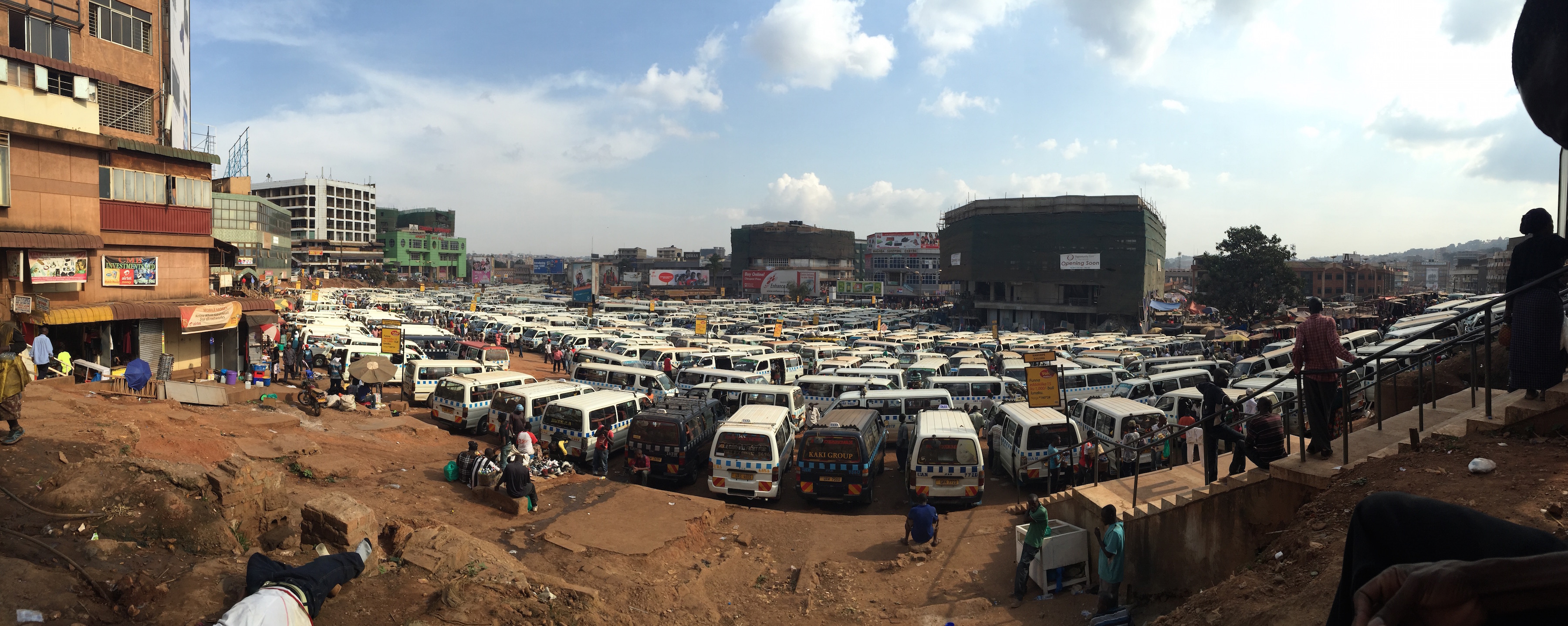
Being a Mzungu (foreigner) comes with the privilege of respect and trust from most Ugandans. From my time shadowing Sales Agents as they sold Jibu water door to door to riding on the back of a boda (motorcycle) to work, I faced an unsettlingly blatant separation from the others around me. To most older Ugandans Mzungus come around in one way or another, and in the city center, one can find Mzungus dotted about, but for many younger Ugandans, the site of me was curiously terrifying. One night, as I was sitting on in a 15 passenger taxi on my way home from dinner with a friend I looked to my right and saw a young girl staring at me from over her mother’s legs. Unlike babies, who often expressed sheer terror and immediately began balling at the sight of my partner and I, this girl stared at me with a sense of uncomfortable skepticism. After a few more peers, her mother finally grasped her hand and placed it on my arm. “Mzungu” her mother said gently, and then removed her daughter’s hand and replaced it several times more repeating “Mzungu” until she smiled back. With a helping hand and willingness to engage the uncomfortable it seemed we weren’t so different after all. For me this symbolized much of why I was here, and the critical value perspective brings about.

IMG_6454

“One night, as I was sitting on in a 15 passenger taxi on my way home from dinner with a friend I looked to my right and saw a young girl staring at me from over her mother’s legs.” Location: Taxi Station in Central Kampala, Uganda

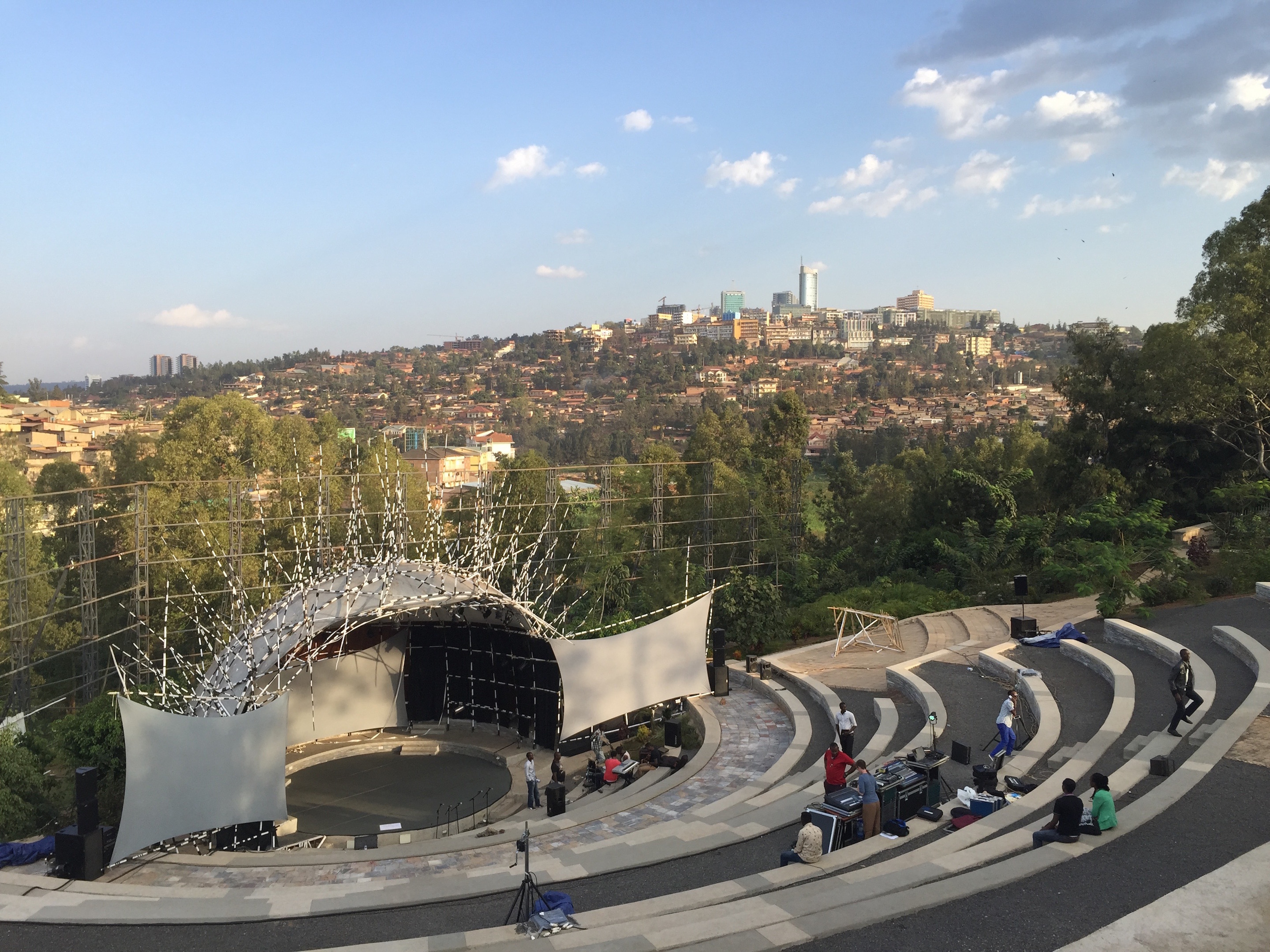
While my time in Rwanda was short, my perspective was profoundly impacted by my experience at the Rwandan Genocide Memorial. A tourist spot for some, a symbol of remembrance for others, for me I learned that a genocide does not die with the people who are killed. No part of this experience was sugar coated and neither were the anecdotes captured and preserved by the survivors whose stories were share on the walls of the museum. As I walked past a case full of bones and photos of the deceased a chapter of this “bad dream” came alive and I couldn’t help but stare and ponder the role of European powers in laying the framework for this chaos and the darker side of our humanity unleashed and untamed. Emerging from this experience on a cloudy afternoon, I looked around realizing that anyone my age or older around me had likely lived through this experience. Thousands live without family members, yet those who remain have come face to face with the impact of this atrocity and has arguably benefitted Rwanda’s culture for the long run. That day I learned that some challenges take time and carefully preserved history both physically and culturally to build a future of peace.

IMG_6419

“I looked around realizing that anyone my age or older around me had likely lived through this experience.” Location: Genocide Memorial in Kigali, Rwanda

Creative solutions begin with a complex problem, and the continued collective effort to improve communities around the world shows the thriving presence of our human goodness. While social entrepreneurship is not the silver bullet, Jibu’s business model stands as a beacon of creativity parallel by few and continues to reshape the lives of the local communities its franchises serve. The businesses of our future need to be ever striding toward incorporating environmental and social sustainability into their business models. These are the leaders of today and the symbols of tomorrow.

IMG_6122

Creative solutions begin with a problem…” Location: Namuwongo marketplace in Kampala, Uganda

My journey with Jibu was not a revelation or a far off adventure, but a reminder of what it means to be human. We all have our own unique problems that stem heavily from our local environment, but are collectively working to leave an impact on the lives of those around us. While my career may not be set in stone, I will continue to pursue the perspective that lives about and know that impact through change begins with the daily interactions we share with one another.

IMG_6260

“We all have our own unique problems that heavily stem from our local environment, but are collectively working to leave an impact on the lives of those around us” Location: Neighborhood near Namuwongo in Kampala, Uganda

The-Faces-of-Kampala-1

The Faces of Kampala’s Boda Drivers

My name is Ronald, and I am a Boda Driver.

In August of 2012 I left the northern province of Arua, Uganda in search of work. The village I grew up in had become increasingly unstable and work was scarce. One of my 3 brothers, Rogers, had moved out from home in 2008 to Kampala, the city of opportunity. In his time there he would share tales of bright lights, beautiful women, and late nights driving until I used up the little Airtime I had each week. I feel asleep wondering what my future held, and where Rogers was in Uganda’s heart. I had not seen him for many years but when I turned 20 he offered to have me stay with him in his small apartment in town. He was a boda driver and introduced me to his friends at the stage upon my arrival. They were jovial and fun, but I could tell the hot sun, dust, and bustle had weathered them from years on the road. The crowded streets were overwhelming at first, I had only been to Kampala once when I was very young and spent most of my days in my village working in the fields.

After Rogers showed me around the city I started to get my bearings and learned the places most commuters and the occasional mzungu needed to go. After a few weeks of looking for work it was clear that thousands were in the same position as me, out of a stable job and forced to be their own entrepreneurs. For many, this was selling fruit or cooking chapati on the side of the road. Others tried their luck selling clothes at the Friday market. Some even worked for free as long as there employers paid for lunch. The lucky ones were able to become security guards or even had there own shops, but you had to know someone to get there. Without a minimum wage its a slippery slope into uncertainty.

One night when I was out with my brother and his friends, I got talking to one of the men named Joseph about my failed job search. He told me the man he was renting from had a Boda available but it would go quick if I didn’t rent it soon. I had heard stories of drivers getting side-swiped in the traffic or even mugged by their riders, but at that point I was willing to take the risk. I asked Joseph if I could speak to this man first thing in the morning, he agreed.

The next morning Joseph took me to Donald’s office in the center of town. I had not yet explored this place much but the day heated up quick and soon we reached the garage. As we spoke to Joseph it was clear that owning Bodas made you more wealthy than renting them. Joseph’s grizzled confidence showed years of experience renting and I knew this guy was a pro. Having no driving history or credit I had very little negotiating power with the man as he asked me few questions about where I was from, who I knew, and if I had any past experience. He requested I pay 60,000 shillings per week in exchange for the Boda he had in his garage. The vehicle was shiny but clearly well used. The dials and gauges had stopped working years ago and the chipped paint and dents showed signs of heavy usage. I really didn’t know if this was a reasonable rate, but had discussed with my brother how much he was paying and it was close.

IMG_6106_2

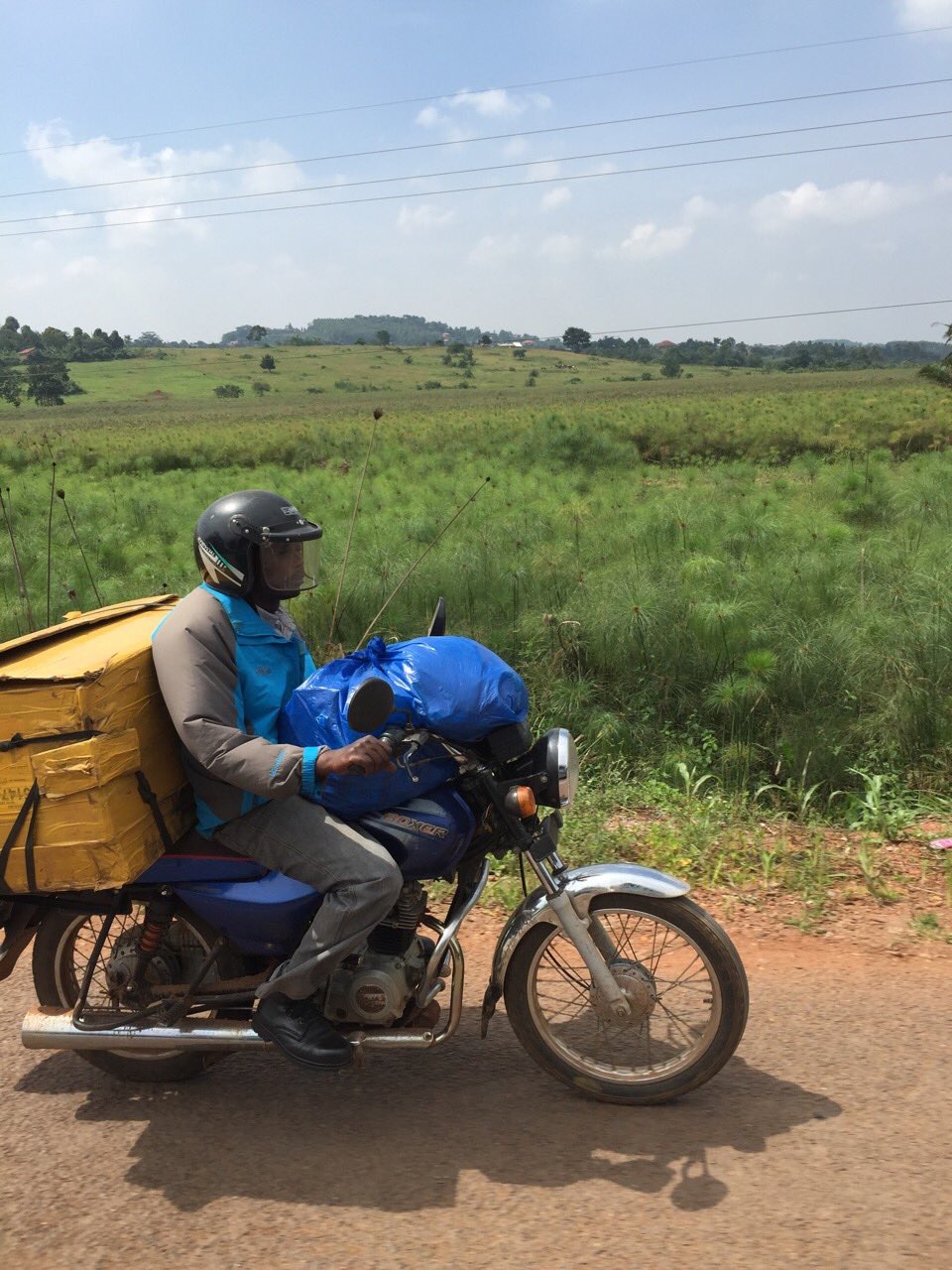
The first couple days were wild. The bustle, the night-life, I was finally gaining some control of my income, but it wasn’t going to come easy. Now that I had my own vehicle the hundreds of bodas that swarmed around me everywhere I went was ever more apparent. I quickly came to learn that one always has to be on high alert. Watching where people are standing, how they are walking, what they look like (especially the Mzungus), and their eyes, the eyes always tell you their intention. I had many other drivers cut me off as I darted to reach a customer, at first I was bitter, but soon realized that this is just the way of the business. We are all competing, we are all renting, we all have a mouth to feed and some of us with many mouths to feed, I couldn’t blame them for being aggressive. Boda drivers are opportunists and with traffic jams that last for several hours, people are willing to take the risk and pay the price to weave through traffic to get where they need to go.

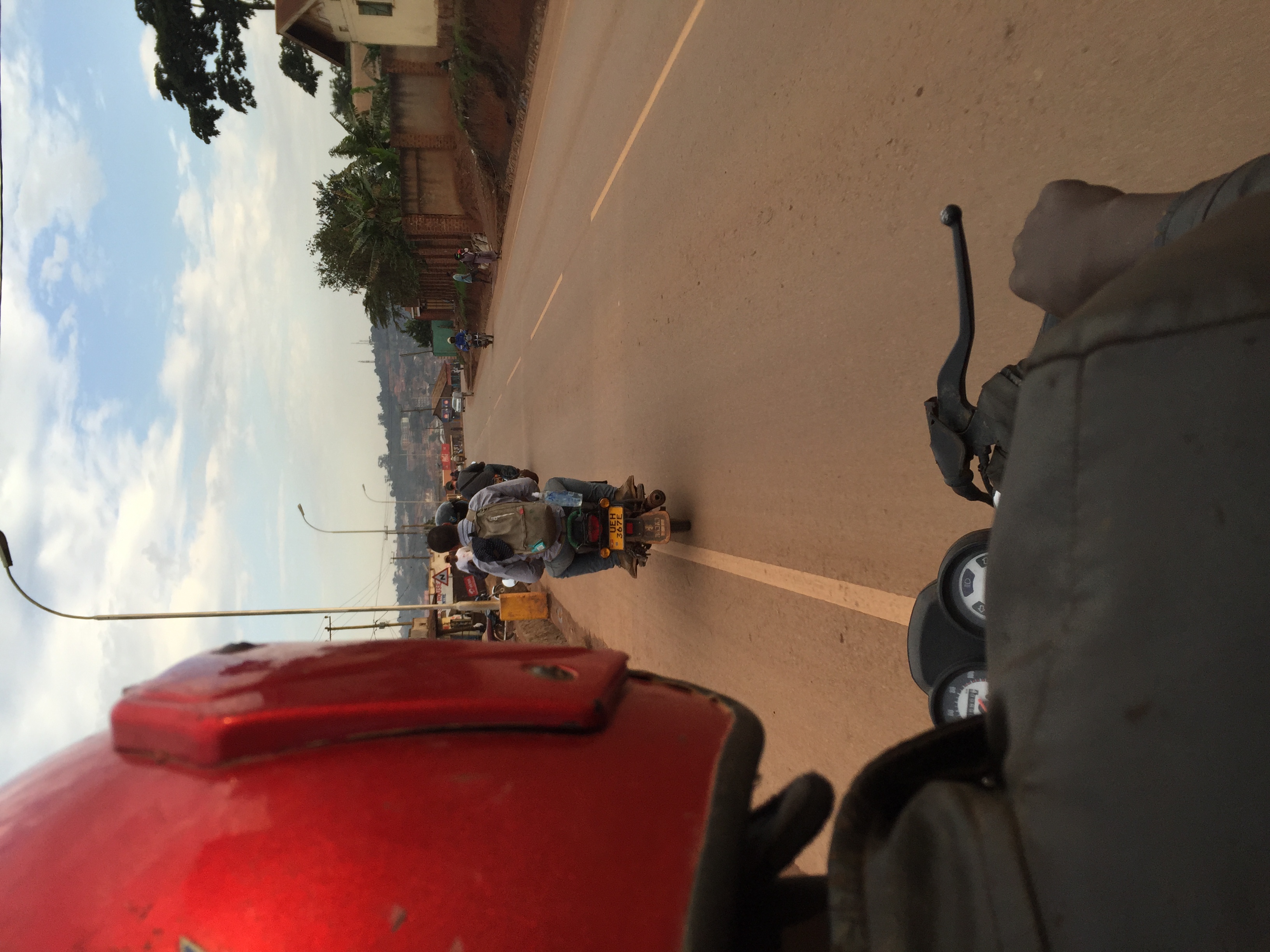
After a week it was clear I needed a helmet. I had been bumped into a few times by other drivers and was even forced off the road by an aggressive driver fed up by me cutting down the middle lane. I had been lucky, but I knew my luck would run out and I need to be prepared. I had managed to save up a few thousand shillings and after talking to my brother he said he could find me one, but it wasn’t going to be in the best of condition. The next day he returned with a red helmet. There didn’t appear to be a brand name on it, the visor was gone, and it had a large scrap running down the side but it would work, it had to work.
Driving had its ups and downs, I was able to afford my rent the first couple months and had to borrow from a friend when my kid got sick. I was aggressive and tenacious when it came to finding customers. I yelled, I shouted, I smiled, I introduced myself, I offered a fair price (a little higher for the Mzungus), I hustled. Driving wasn’t easy, but I found that I liked it. The drivers seemed to be one big community. Yeah we got into our arguments, sure we bashed each other from time to time, but in the end we all were there for each other. We helped each other drive passengers when only one of us knew where to go, we watched each other while taking turns napping on top of our vehicle, fearful of the stories about drivers who had their Boda’s stolen while sleeping, most of all we talked and laughed through the night.

IMG_6050_2

Yes we had late nights, yes our job was dangerous, but we aren’t afraid. We are the symbols of Kampala’s growth, the blood flowing through the heart and back again. The heart that never stops, the heart of a city with talent, personality, and always quick to smile. We know that over 3000 people die on our streets, but we are a community with a vision for itself. We value education and we strive to keep our families fed and happy. We smile and laugh because we know that despite the smog, the dirt, and the heat that we are a community of growth thriving in the fertility of the equatorial sun.

*Note: This is a fictional story

Rethinking Poverty, Rebuilding Business

I’ve always gone with my gut. I found that this is the best way to fully understand oneself and the world around you. Growing up in La Jolla, California I can confidently say I was exposed to a skewed perception of our world in many ways. Crowded beaches were my only opportunities to experience natural beauty, the neighborhoods I explored were full of oversized houses and expensive cars, this I took for granted. I played sports, biked with my friends, and enjoyed the year round sunshine. I was always told how lucky I am to have grown up in “America’s Finest City,” but something about that always seemed incomplete about my understanding of the world around me.

It wasn’t until high school that I began to gain new perspective. I joined an on-campus club called “Interact” (the student division of Rotary International) whose members set up and managed food-drives, car washes, bake sales, raffles, as well as participated in other community events to both enrich the community and collect food/money for local charities. While I found these events to be enjoyable and rewarding, they often seemed to be disconnected from the heart of the problem itself. I couldn’t help but wonder, were we really empowering anyone?

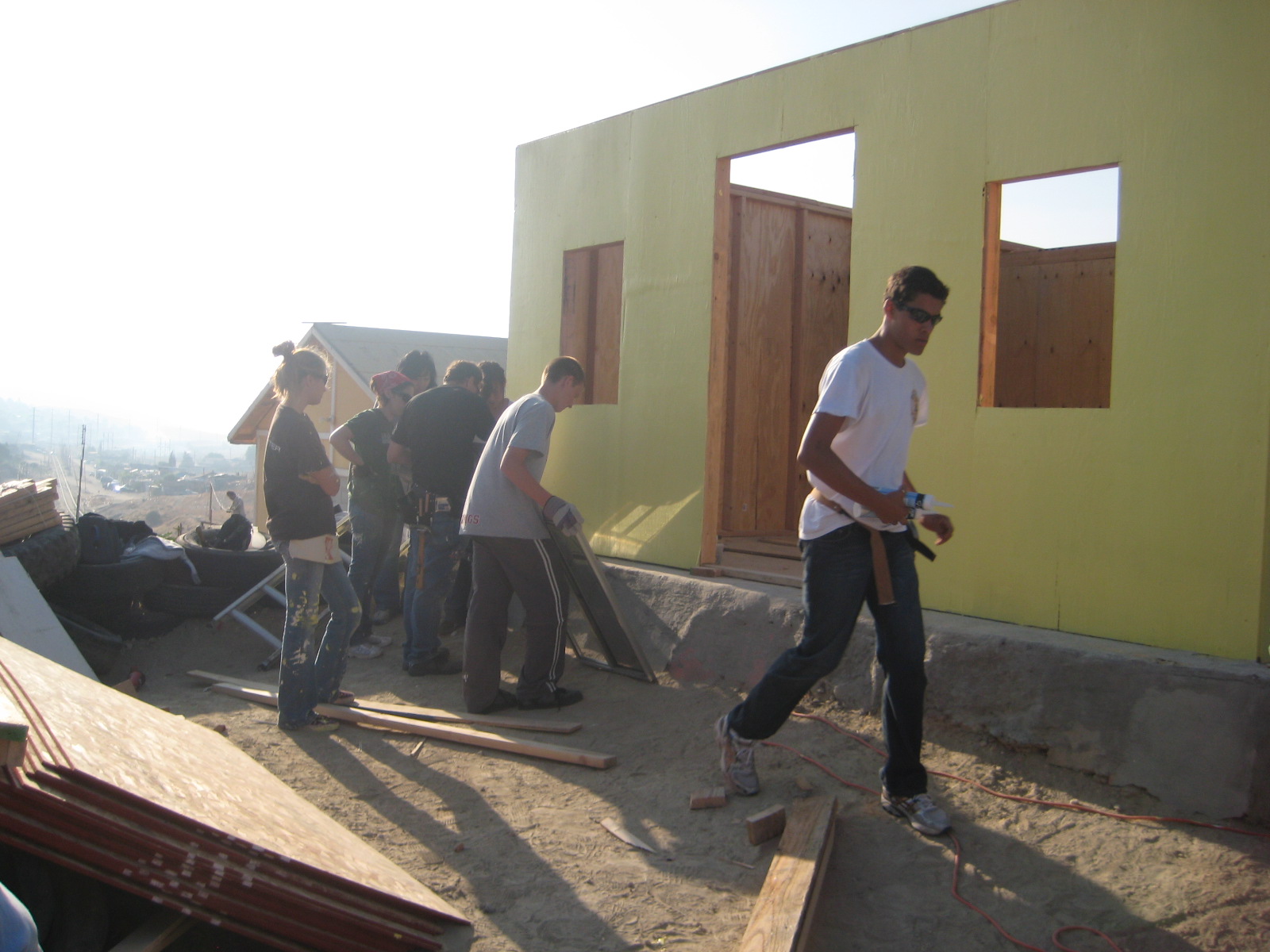
My eyes were eventually opened to the heart several times. I was fortunate to travel to Tijuana, Mexico for several day trips home building events with around twelve volunteers and I. Our trip consisted of a 2 hour drive south into a community of small homes with dirt roads and clear poverty. I was shocked to see that only a short car ride from my neighborhood, thousands were living without access to reliable sanitation, electricity, and clean water. I felt that I had taken my first step into a larger world of poverty that I had known little about.

tom helping with outer wall

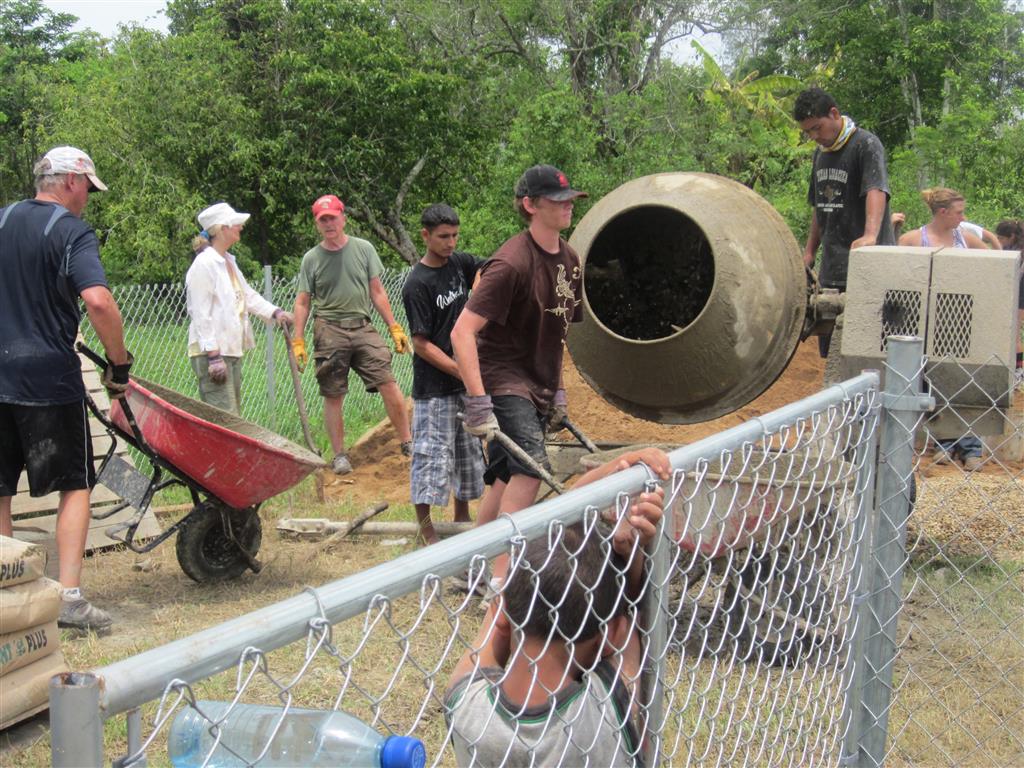
My second step took me a to a farming community in Belize, the smallest country in Central America. Through my local church I participated in a week long mission trip to construct the foundation for a hurricane shelter next to the local one-room school. We were a group of around 18 Americans who all wished to help a community through sweat and hard work. Temperatures reached the 100s while we were there and the humidity was exhausting, but we all left feeling that we had made an impact on a community in need. Here I was exposed to a different kind of poverty, though most people lived in very small, simple homes on dirt roads and primarily relied on farming to meet their basic necessities, there seemed to be a sense of contentness among the community that I had rarely seen in my own.

IMG_0242 (Medium)

Upon reflection, I see these events as having been critical to developing a sense of connection to the larger environmental and public health challenges we see today, but at the time I lacked the perspective to understand how these events were indicative of the larger challenges at stake, where I fit into the picture, and if I was really making a difference.

I can confidently say that my time and experiences at Santa Clara have given me that perspective in many ways and have radically changed who I am and the way I see the world today. When choosing a major, I went in direction that none of my family had pursued or discussed before. I felt strongly connected to my AP Environmental Science class senior year and enjoyed my lengthy conversations with my professor about the subject matter and the larger context of topics like climate change, industrial agriculture, GMOs, and plastic pollution in the ocean. I felt a draw toward these issues and that learning about and addressing these challenges would open doors to opportunity and understanding I could never find in La Jolla, CA. I went with my gut.

My time at Santa Clara has helped me dive into better understanding the global sustainability challenges we face in ways I could have never envisioned growing up. As and Environmental Science major and an Entrepreneurship minor I see myself working at the crux of how we view and interact with our environment for the subsistence it provides us, the spiritual immersion it gives us, and its dynamic beauty that can be found throughout our world (among many others). Exposing myself to education in both a business and science realm has introduced me to a holistic understanding of how our physical environment and business environment operate, and how they can work together. My experiences leading Into the Wild (our outdoor adventure organization here on campus) trips have also given me a sense of community and a way to further my exposure to the natural beauty that is hard to come by in Santa Clara, CA. I have seen the way the profound sense of awe in a wilderness context humbles both myself and those around me. From this I have learned how ones physical context has on one’s perception, attitude, and understanding of the world. My time abroad in Copenhagen, Denmark also gave me the opportunity to see how sustainability and social challenges are viewed in the context of a more progressive and collaborative culture than my own. Here I was able to envision where other countries could be with a rethinking of the way we conduct our societal systems.

I see my opportunity with this fellowship as a critical step toward applying my skills, knowledge, and experiences from Santa Clara in the context of a business that has taken a major step, among many, toward reshaping the way we conduct business around the world. I hope to continue to fuel my passion for addressing global challenges through business leadership during my time working with Jibu in Uganda and Rwanda. I see Jibu’s impact as critically indicative of the fact that we can rethink the way the way we conduct business. It requires creativity, a vision, but most importantly passionate leadership and going with your gut, even if it may seem unreasonable, for a mission greater than profit. We must understand that there is no one size fits all solution to problems like global poverty, climate change, disease, and pollution, but it is critical that we are educated, passionate, and involved in reshaping our relationship with each other and our environment for a better future. I wish to be a part of this change and know that the solutions lie at the heart of practical experience working with informed perspective.