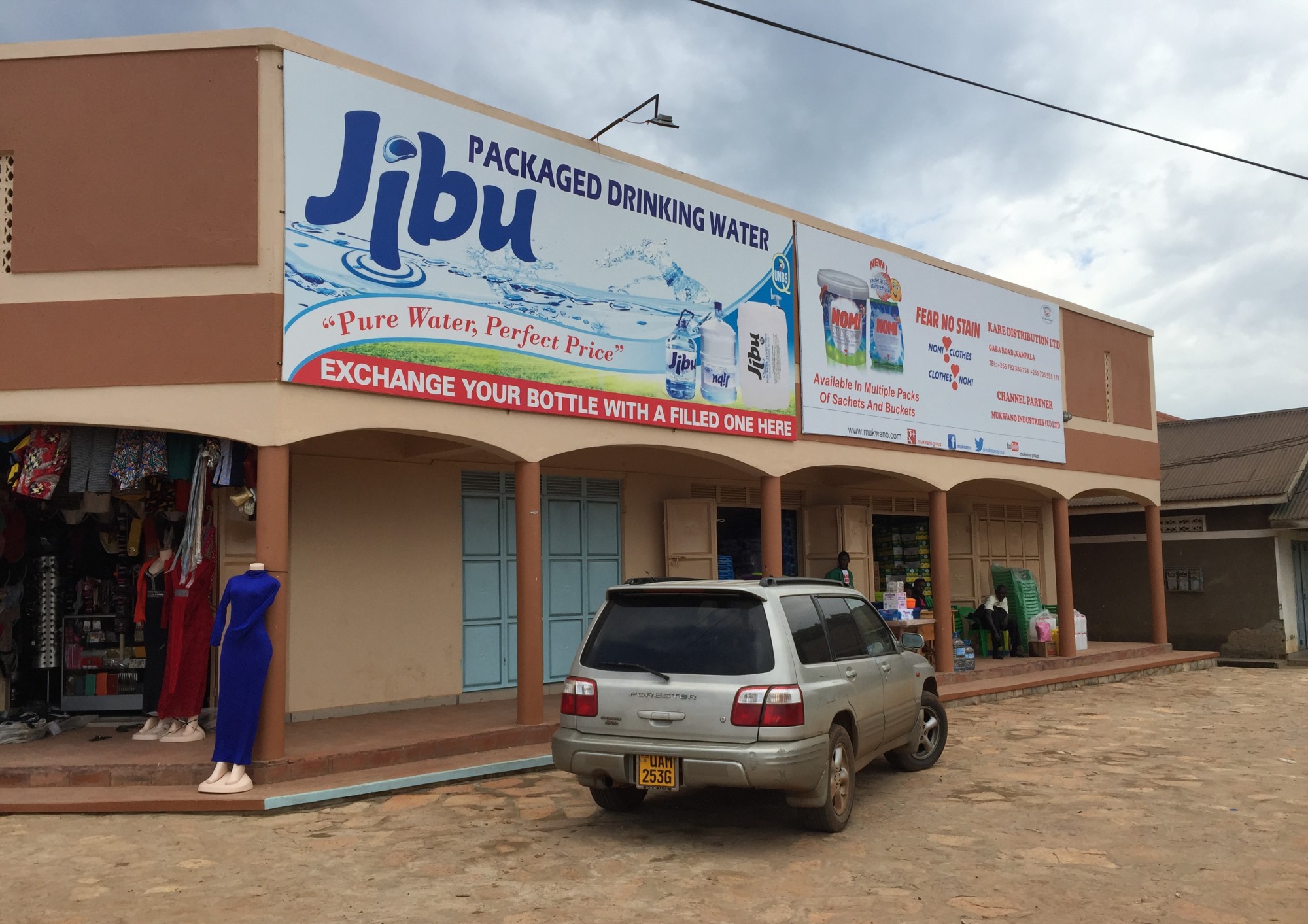
“How was Africa?”
and
“Oh wow, that sounds like fun”
Too often this is where my conversation with friends, family, and strangers begin and end. I know what I want to say, and there are many ways to say it, but there are too many layers of understand how it feels from the ground in Kampala. In Uganda, our humanity seems to manifest in a different way. It pervades through a community of smiles, from street vendors to motorcycle drivers, there seems to be an appreciation for life that has largely escaped more developed communities. Where corruption and poverty pervade, community and faith seem to grow like a glue that expands and contracts, holding together our humanity through time.
While my experiences touch on different facets of learning from the cultural history of Africa to business operations in a developing context, and from personal insight to new interpersonal connections I was left with an overwhelming sense that humans around the world, regardless of their nationality, all seek fulfillment, love, and stability in our short lives. Our world seems so vast and different until we look around and engage one another. Despite our cultural differences, climates, and histories, humans thrive when our family is together, healthy and happy, and experience a great sense of joy when we help one another and are reminded of journey of life long journey we all share.
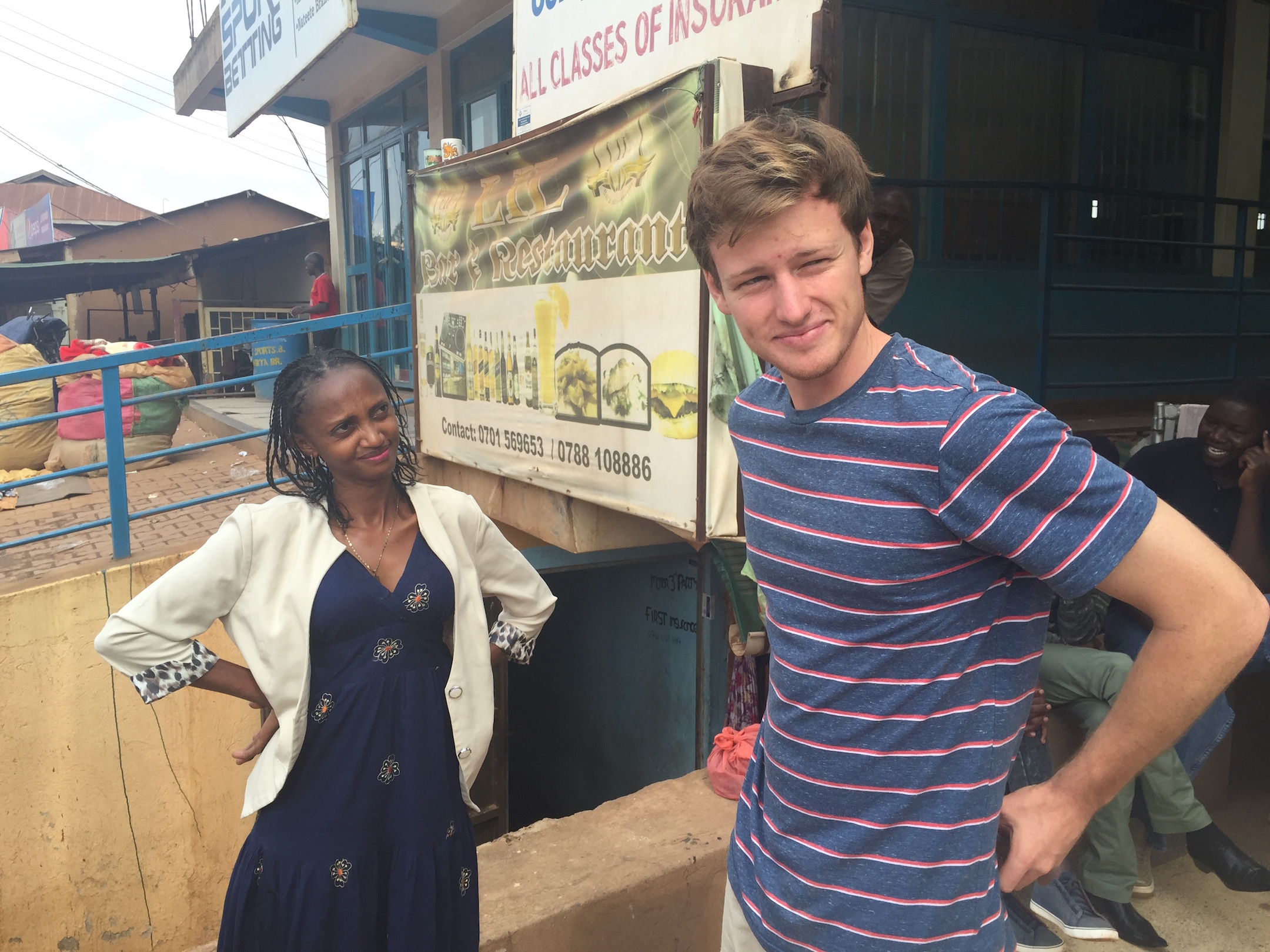
“Our world seems so vast and different until we look around and engage one another.” Location: Jibu Corporate Headquarters in Kampala, Uganda
Jibu allowed me to take a deep dive into Uganda’s culture in a short matter of time, I was blessed to acquire a snapshot of local perspective through the help of the many Jibu employees I worked with and above all wish to thank them for the love and hospitality they showed me while I was there. Feeling welcomed to a new community brings about comfort like none other, but we must be willing to embrace new perspective to do so. Our remembrance that we are all sharing the human experience is critical to continuing to build our global community and solving the increasingly complex challenges we face. Yet still, our societies begin at a community level, and it is only from our willingness to be open to listen to our everyday experiences that we continue to grow.
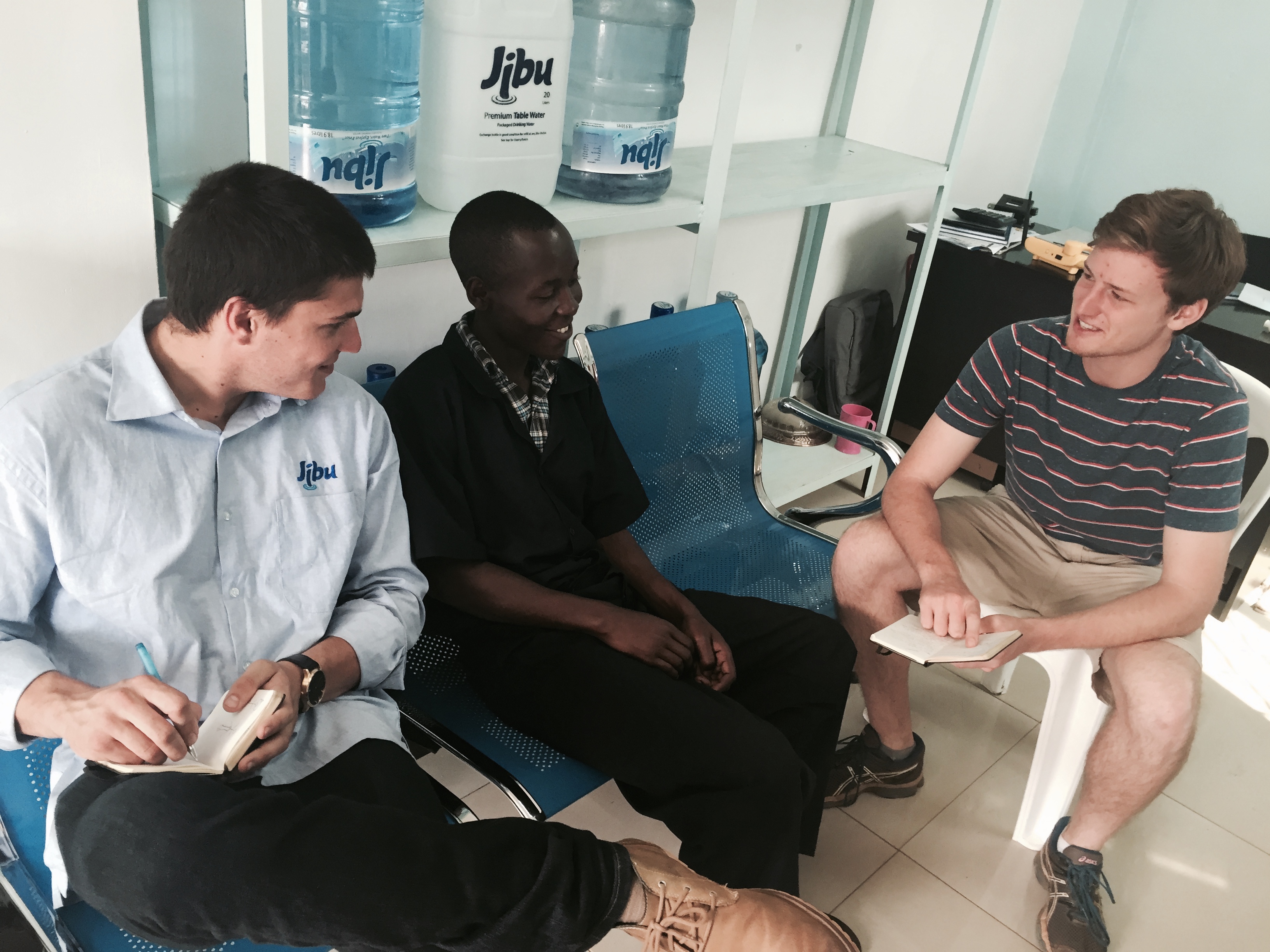
“Feeling welcomed to a new community brings about comfort like none other, but we must be willing to embrace new perspective to do so.” Location: Jibu Corporate Headquarters in Kampala, Uganda
I reaffirmed the value of this skill in my the time of my fellowship and wish to share a few anecdotes that run along the heart of what I learned from the slums of Kampala to the back office of Jibu headquarters:
It was a hot, humid summer afternoon on the streets of Kamowkya Market as my partner and I carried a large box down from our favorite lunch spot, Cafe Javas. We received the usual stares and “Mzungu how are you?” chants from the smaller children running about, and eventually climbed the stairs to the office. After a few whispers and coordinated movements the entire team shuffled their way into the office to find a large birthday cake with 8 lit candles, complemented by 2 liters of Orange Fanta, Gloria’s favorite. Only 6 years older than myself I felt in a shadow of wisdom Gloria possessed as a single Rwandan mother who had lived through years of challenges, but persevered through her faith. Overcome by gratitude, Gloria collapsed to the floor upon the sight of our cake, crying with gratitude. Though a cake is a basic expectation for any birthday back home, we soon realized that this act had a profound impact on a woman who had not been celebrated for over 7 years. Tragedy and strife had taken away many of her closest family members and for most, an incomprehensible situation. The naive kindness of my partner and I left me reeling in appreciation’s incredible impact on the human spirit. I was reminded and overcome by the simple strength of this simple gesture, and reminded that fulfilment is a shared experience, bound by the simplest of exchange.
“It was a hot, humid summer afternoon on the streets of Kamowkya Market as my partner and I carried a large box down from our favorite lunch spot, Cafe Javas.” Location: Kamowkya Market in Central Kampala, Uganda
Being a Mzungu (foreigner) comes with the privilege of respect and trust from most Ugandans. From my time shadowing Sales Agents as they sold Jibu water door to door to riding on the back of a boda (motorcycle) to work, I faced an unsettlingly blatant separation from the others around me. To most older Ugandans Mzungus come around in one way or another, and in the city center, one can find Mzungus dotted about, but for many younger Ugandans, the site of me was curiously terrifying. One night, as I was sitting on in a 15 passenger taxi on my way home from dinner with a friend I looked to my right and saw a young girl staring at me from over her mother’s legs. Unlike babies, who often expressed sheer terror and immediately began balling at the sight of my partner and I, this girl stared at me with a sense of uncomfortable skepticism. After a few more peers, her mother finally grasped her hand and placed it on my arm. “Mzungu” her mother said gently, and then removed her daughter’s hand and replaced it several times more repeating “Mzungu” until she smiled back. With a helping hand and willingness to engage the uncomfortable it seemed we weren’t so different after all. For me this symbolized much of why I was here, and the critical value perspective brings about.
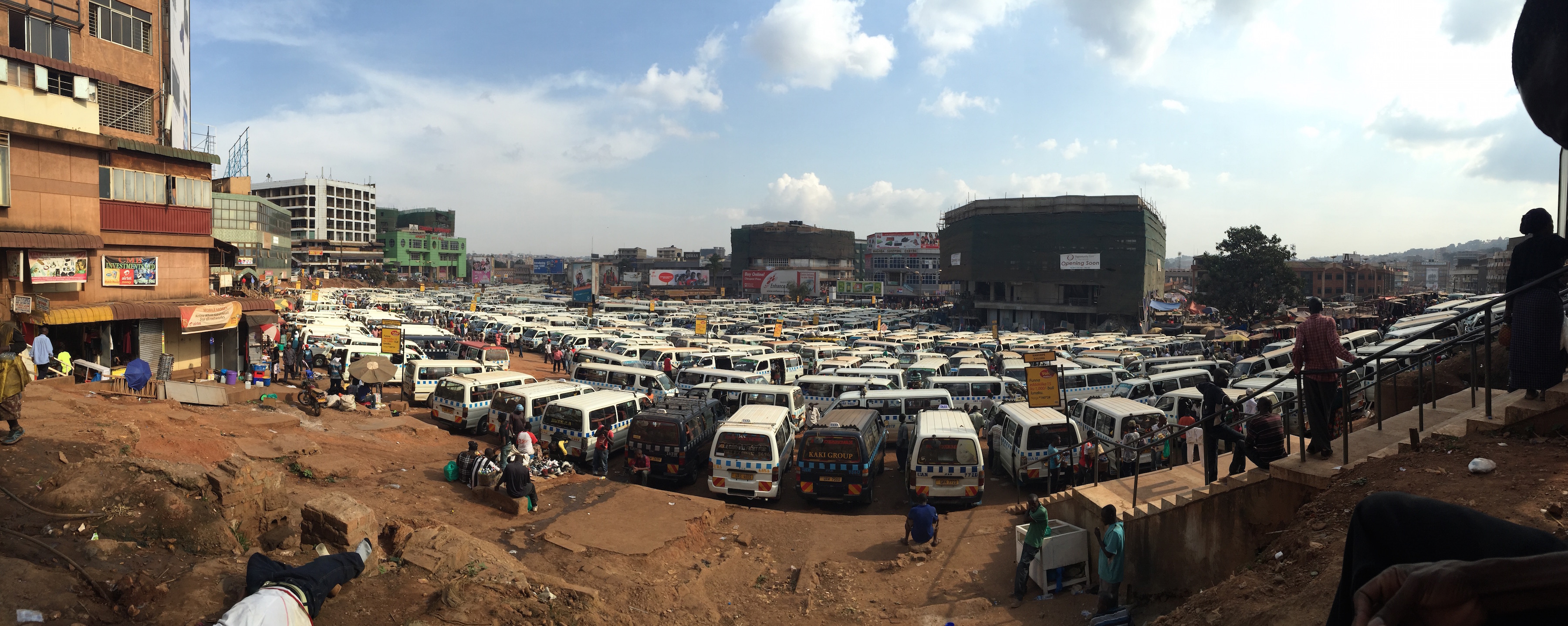
“One night, as I was sitting on in a 15 passenger taxi on my way home from dinner with a friend I looked to my right and saw a young girl staring at me from over her mother’s legs.” Location: Taxi Station in Central Kampala, Uganda
While my time in Rwanda was short, my perspective was profoundly impacted by my experience at the Rwandan Genocide Memorial. A tourist spot for some, a symbol of remembrance for others, for me I learned that a genocide does not die with the people who are killed. No part of this experience was sugar coated and neither were the anecdotes captured and preserved by the survivors whose stories were share on the walls of the museum. As I walked past a case full of bones and photos of the deceased a chapter of this “bad dream” came alive and I couldn’t help but stare and ponder the role of European powers in laying the framework for this chaos and the darker side of our humanity unleashed and untamed. Emerging from this experience on a cloudy afternoon, I looked around realizing that anyone my age or older around me had likely lived through this experience. Thousands live without family members, yet those who remain have come face to face with the impact of this atrocity and has arguably benefitted Rwanda’s culture for the long run. That day I learned that some challenges take time and carefully preserved history both physically and culturally to build a future of peace.
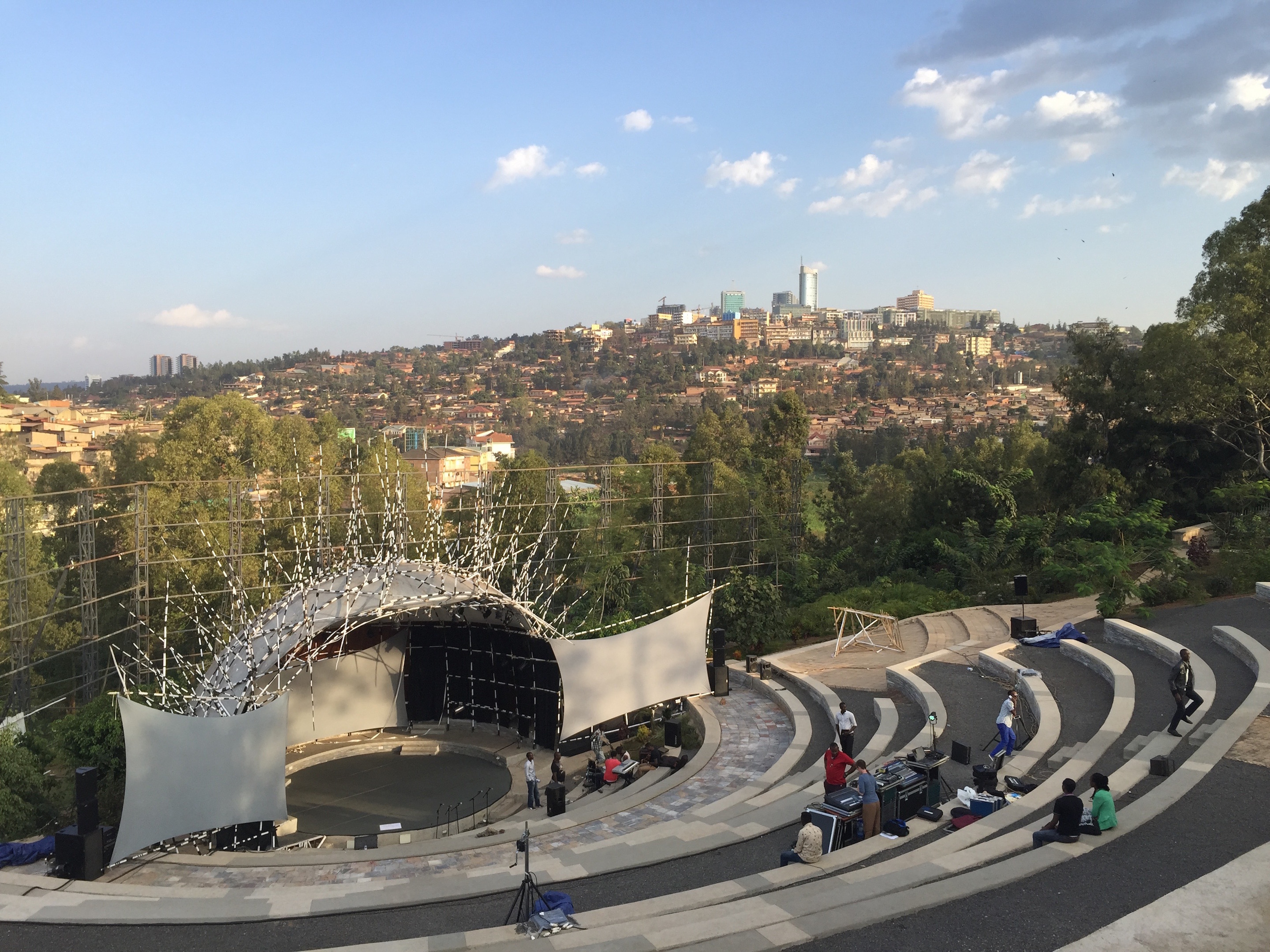
“I looked around realizing that anyone my age or older around me had likely lived through this experience.” Location: Genocide Memorial in Kigali, Rwanda
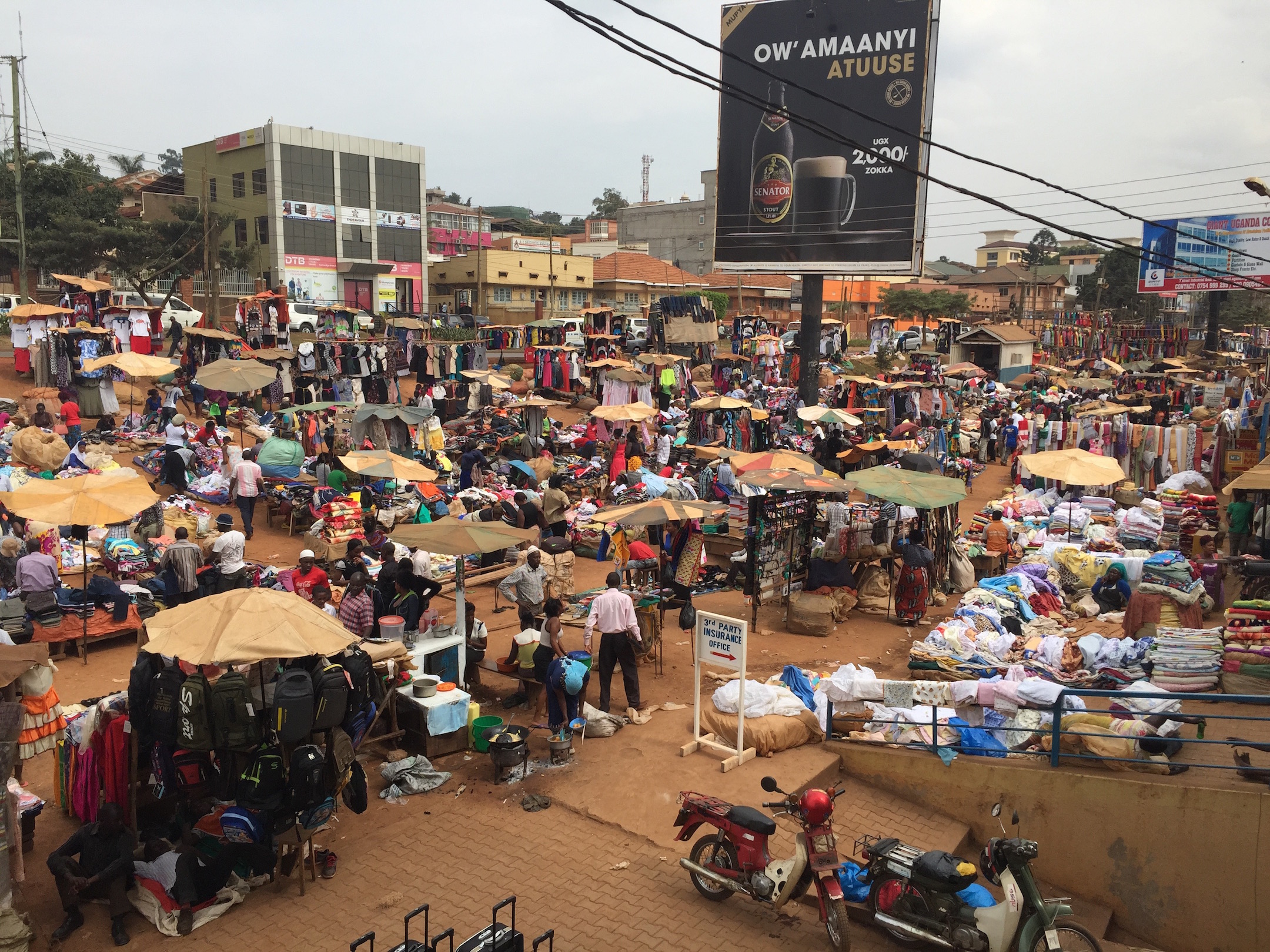
Creative solutions begin with a complex problem, and the continued collective effort to improve communities around the world shows the thriving presence of our human goodness. While social entrepreneurship is not the silver bullet, Jibu’s business model stands as a beacon of creativity parallel by few and continues to reshape the lives of the local communities its franchises serve. The businesses of our future need to be ever striding toward incorporating environmental and social sustainability into their business models. These are the leaders of today and the symbols of tomorrow.
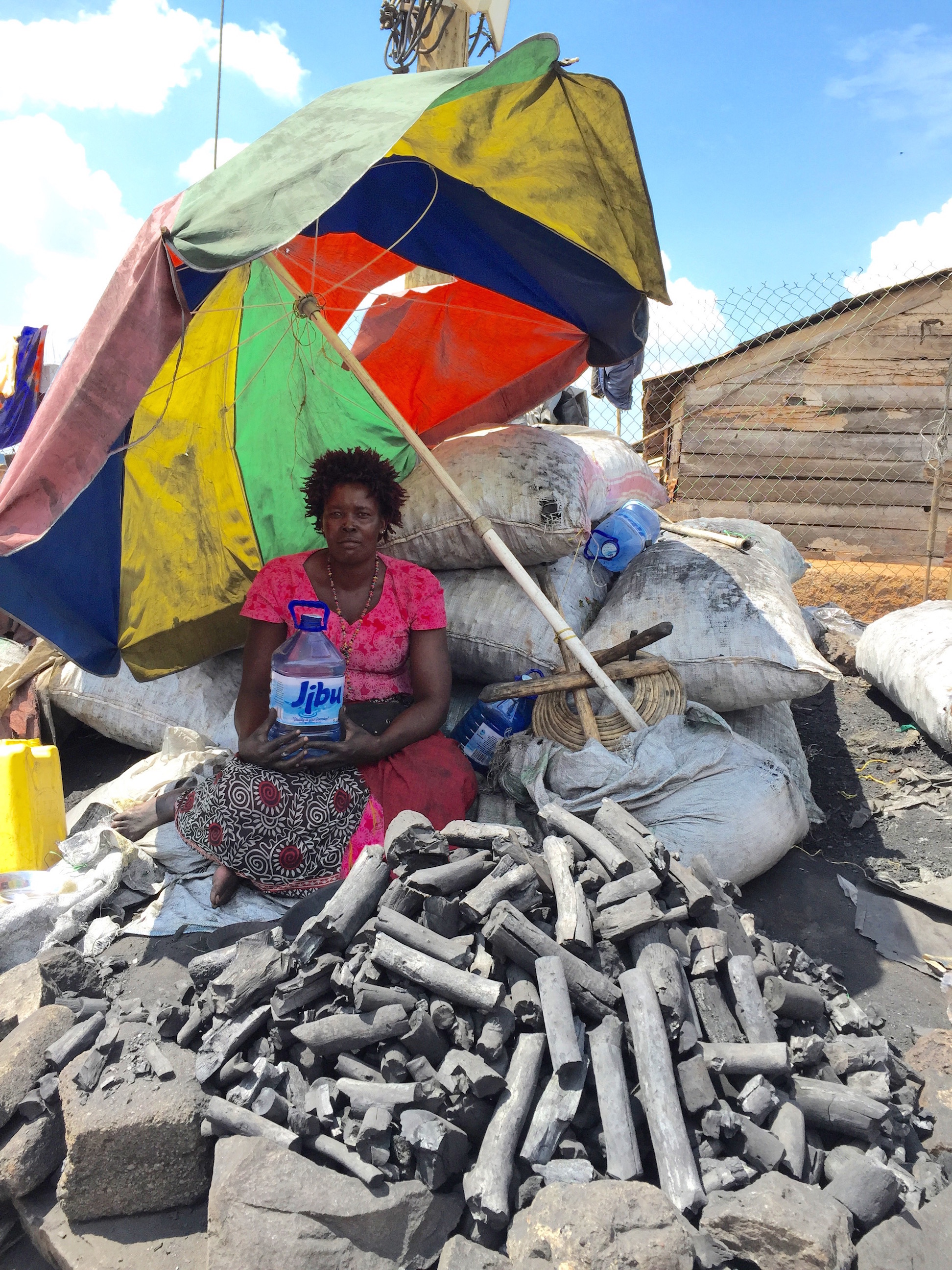
Creative solutions begin with a problem…” Location: Namuwongo marketplace in Kampala, Uganda
My journey with Jibu was not a revelation or a far off adventure, but a reminder of what it means to be human. We all have our own unique problems that stem heavily from our local environment, but are collectively working to leave an impact on the lives of those around us. While my career may not be set in stone, I will continue to pursue the perspective that lives about and know that impact through change begins with the daily interactions we share with one another.
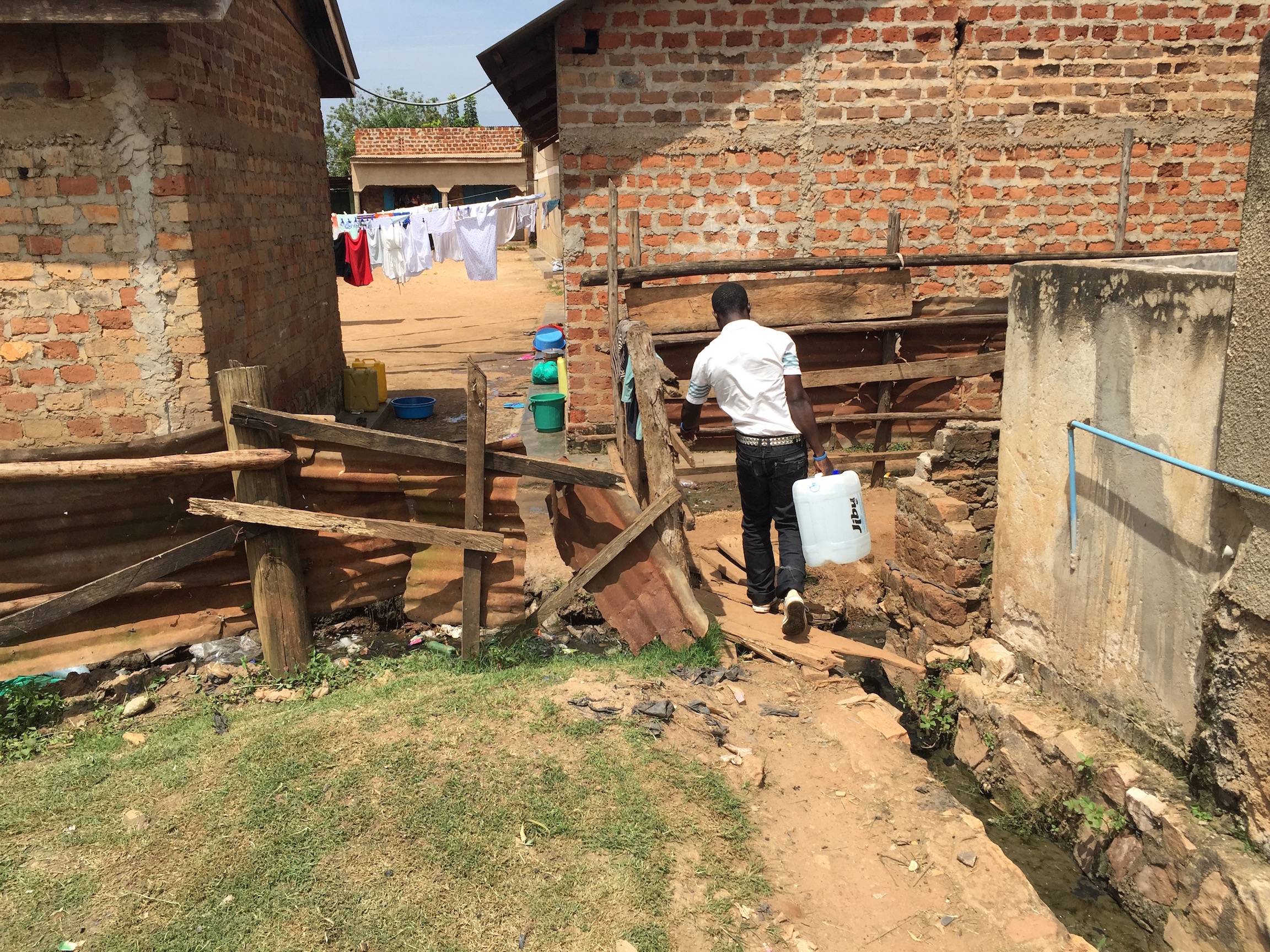
“We all have our own unique problems that heavily stem from our local environment, but are collectively working to leave an impact on the lives of those around us” Location: Neighborhood near Namuwongo in Kampala, Uganda