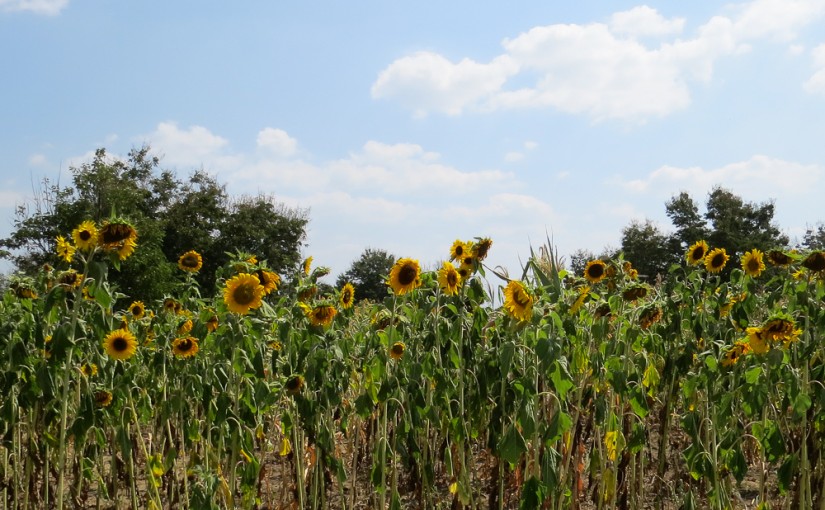
When we first arrived in Tanzania, we drove past endless fields of sunflowers stretching along the two-lane highway. Alizeti: the Swahili word for “sunflower.” Seas of flowers craned their necks to point their faces toward the sun. A week later, as we left Arusha for our first set of field visits, we saw the sunflowers again as we drove into more rural areas. It hit me then that we were truly leaving the city life as we had known it in Arusha. After all our preparation over the past three months, we were finally headed out to meet face-to-face with Solar Sister entrepreneurs and their customers.
Into the field
Our first field visit spanned four full days of travel and field research. We drove over six hours east from Arusha, stopping in districts in the Kilimanjaro and Tanga regions. We traveled from the dry, dusty farming village of Mforo (Mwanga district) to rainy, forested villages up in the Usambara Mountains (Lushoto district) to a secluded Maasai village (Handeni district) to meet with Solar Sister sales associates and their entrepreneurs.

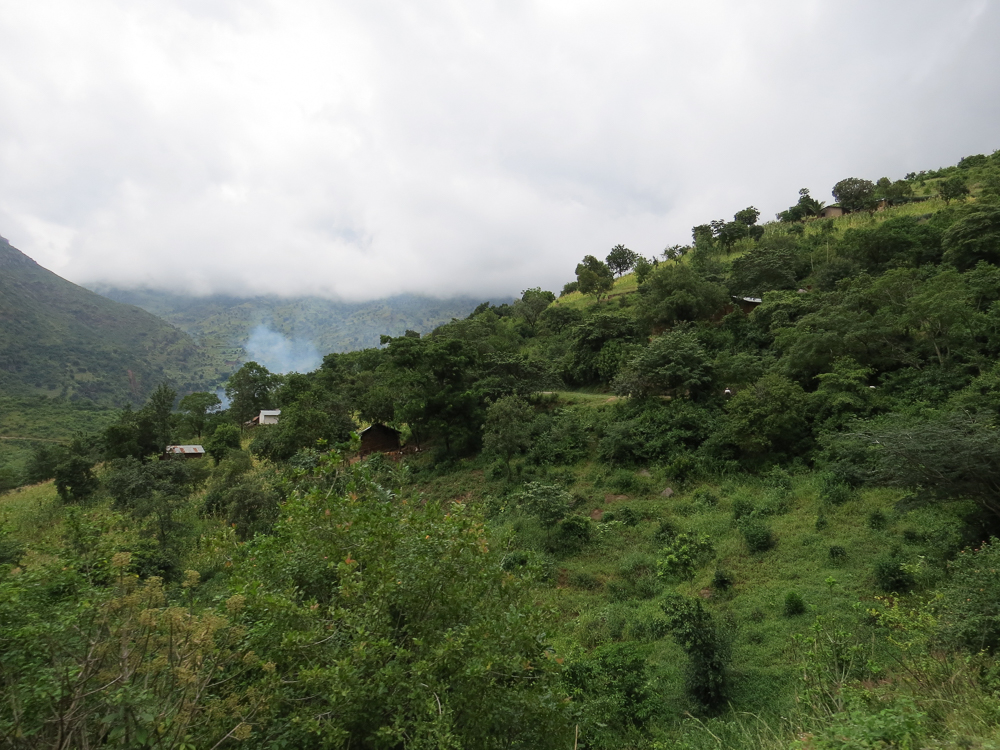
In our meetings, Lindsey and I (with help in translation by Fatma Muzo, Tanzania’s Country Manager, and basically our Tanzanian mother) facilitated conversations in group interviews with Solar Sister entrepreneurs. They shared with us their successes, from the growth of their social networks to increased independence from their husbands. They also told us about their challenges, how they sometimes travel hours by foot without any guarantee of selling product.
In addition to holding group interviews, we have been surveying the Solar Sister entrepreneurs. The survey is designed to capture quantitative data that might not otherwise come through during the interview, where we tend to discover more qualitative anecdotes. Together, the interviews and surveys will provide us a multidimensional understanding of the social impact of Solar Sister on these individuals. Ultimately, what we want to understand is how has Solar Sister affected your life?
No matter where we went, we continued to listen in amazement as these women (and men) shared their stories. They revealed to us their resilience and innovative characteristics that make them the successful entrepreneurs that they are within their communities. Like alizeti, they turn their faces toward the sun, toward safe, clean solar energy, and they also work to spread solar and clean technologies throughout their communities.
Utilizing connections at the roots
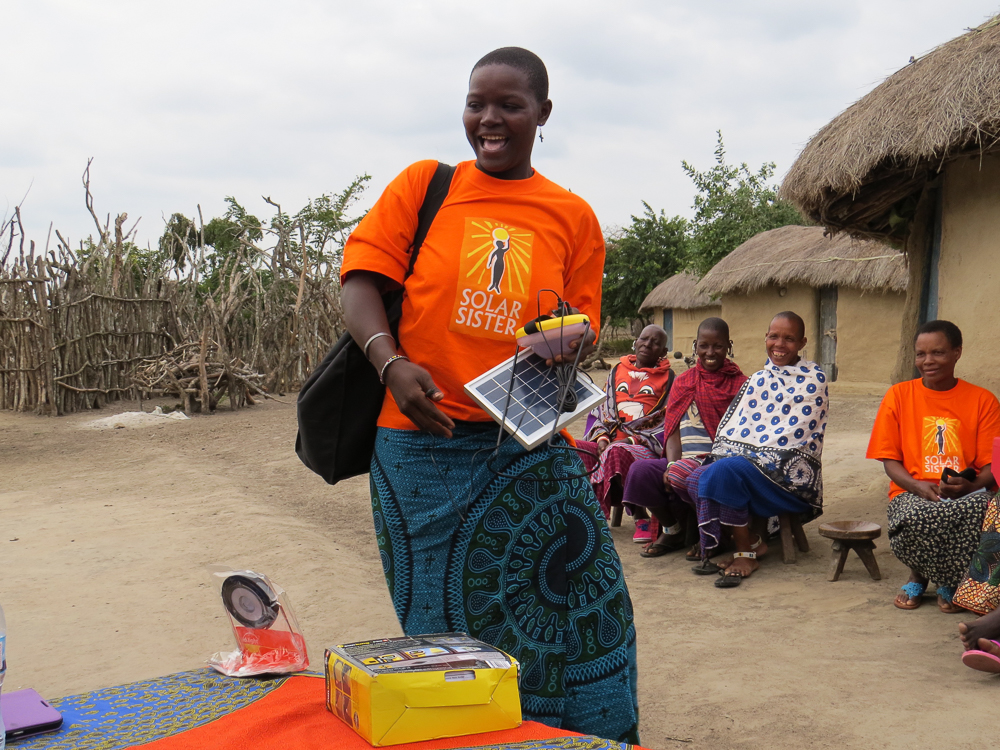
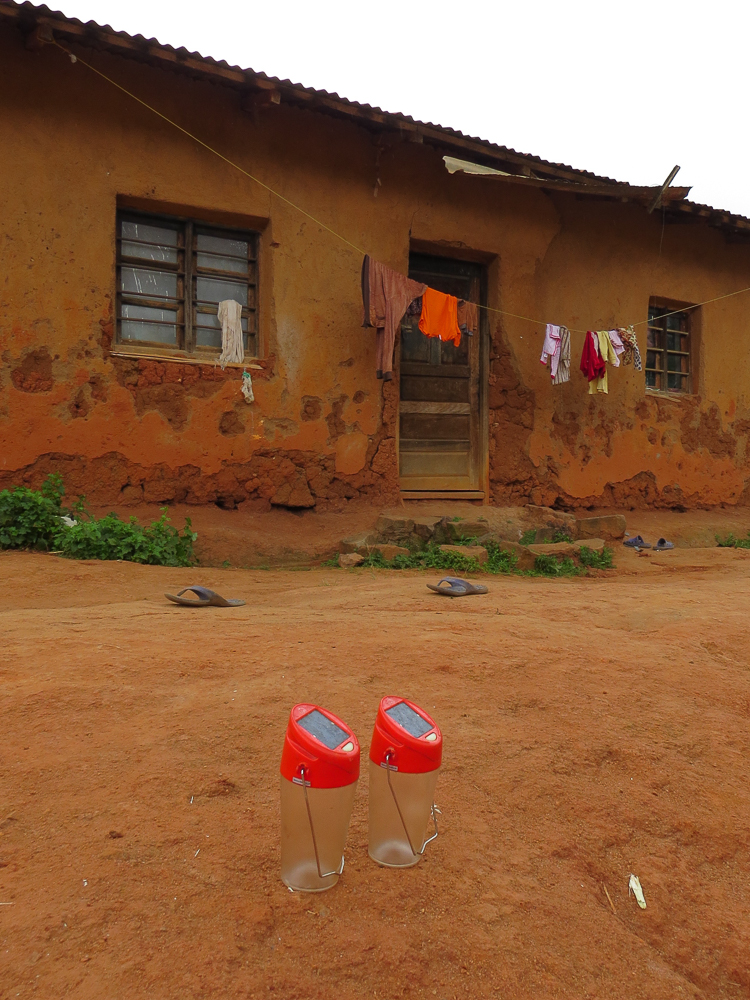
Solar Sister is a social enterprise that strives to eradicate energy poverty through the sales and distribution of solar lanterns and clean cookstoves. The population in East Africa is 70-90% off the grid, and even those connect to electricity deal with regular power outages. People commonly burn kerosene or wood for light and cooking, both of which present a range of health and safety problems.
The component that sets Solar Sister apart from other solar/clean energy distributors is their direct sales distribution model. Solar Sister partners closely with existing networks of women, such as the African Wildlife Foundation, World Vision, and Village Life Outreach, to name a few of their partners in Tanzania. Solar Sister trains and mentors the women in business and entrepreneurial skills, and these women become their sales force—Solar Sister entrepreneurs. The entrepreneurs make sales through their existing social networks with friends and family, and many establish themselves within their community and sell to people they may not know personally. Through this model, Solar Sister works toward last mile distribution and empowering women through economic opportunity.
Coincidentally, our first field visit was to a district in Kilimanjaro region called Mwanga, which means “light” in Swahili. Here in Mforo Village, we met with our first four Solar Sister entrepreneurs: Grace, Mwanaidi, Grece, and Fatuma. As women from farming households, they supplement their seasonal income from crop harvests with additional income from the sales of solar lanterns. They found that providing their phone numbers and contact information to customers fostered trust between them as well as in the product. Also, many customers grew to like the solar lanterns so much that they referred their own friends and family to the Solar Sister entrepreneur they had originally purchased the product from.
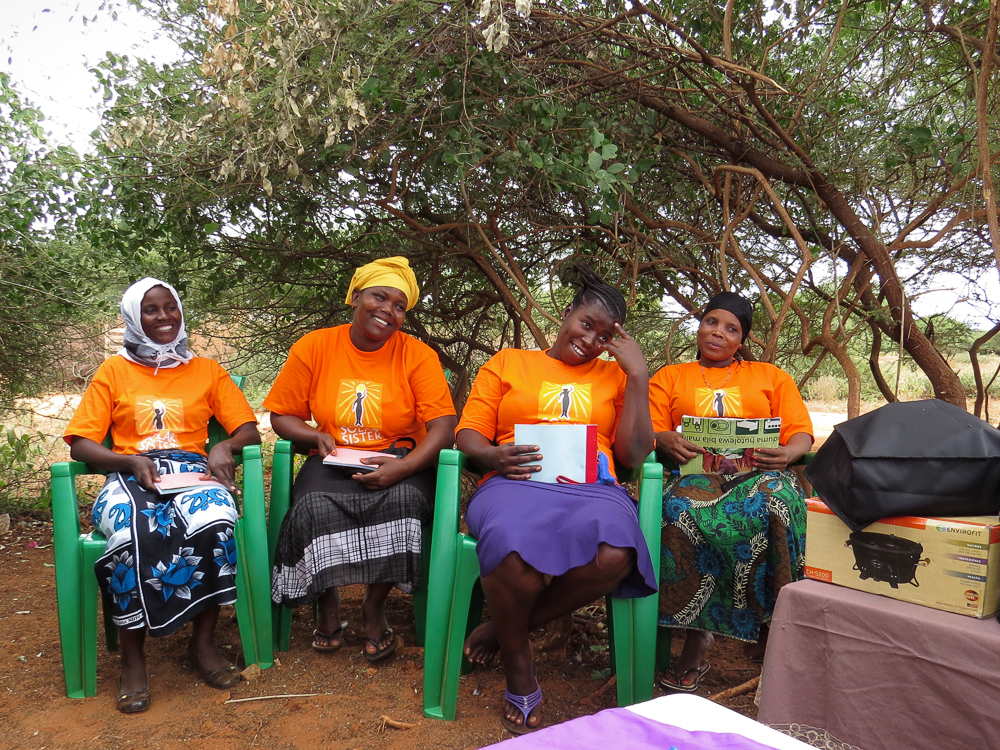
From the visits to our first four locations, I have noticed that the entrepreneurs share stories with very similar themes. They have all spoken of clean, safe light providing their children opportunities for education. After the sun goes down, these women—mothers, wives, farmers, teachers, businesswomen—can now cook safely, complete house chores, and even further their own businesses. Their additional income allows them to make their own purchasing decisions, whether for children’s school supplies, groceries, or personal expenses, without relying on their husbands.
But each Solar Sister entrepreneur holds a unique story, and she has blossomed because of her own personal background, social networks, and skills. She is a teacher who sells to her students and their families. He is a Solar “Brother” who works with his wife to further their sales of solar lanterns. She is the first Solar Sister entrepreneur in her village, who inspires other women in her community to become Solar Sister entrepreneurs.
Chasing the sun
This is just the start of much more field research to come. In only four days, we have already visited drastically different communities and spoken with entrepreneurs and customers with such unique stories to share. Our goal is to keep chasing the light, the hope and passion that Solar Sister entrepreneurs spread to their communities.
To learn more about Solar Sister, visit their website here. And to read more about the Santa Clara University’s Global Social Benefit Fellowship, click here. Also, you can browse some of my photos from my time in the field.