
Field visits were always days full of a pleasant chaos, a day where I shook dozens of hands while muttering “ete sen,” smiling and nodding as the farmers laughed at my rudimentary Twi. Field days were days my name became Akua, the Ashanti name for Wednesday born. Sometimes there were days I felt like I was on display as the girl with the white skin, wealth, and privilege in a rural village. But there were also days where I was able to sit down with farmers and listen as they let me learn about their lives. They would tell me about their kids, their husbands or wives, their recent struggles or a death in the family. Rose invited me to her husbands funeral, Richard told me about his children studying medicine in Accra, and Margaret and Yaw, who were siblings, bragged about the other as they told me about how their farms had evolved over the years. The original purpose of these conversations was to record data for our case studies, but that data felt secondary to the stories I was gathering and the people I built brief relationships with.
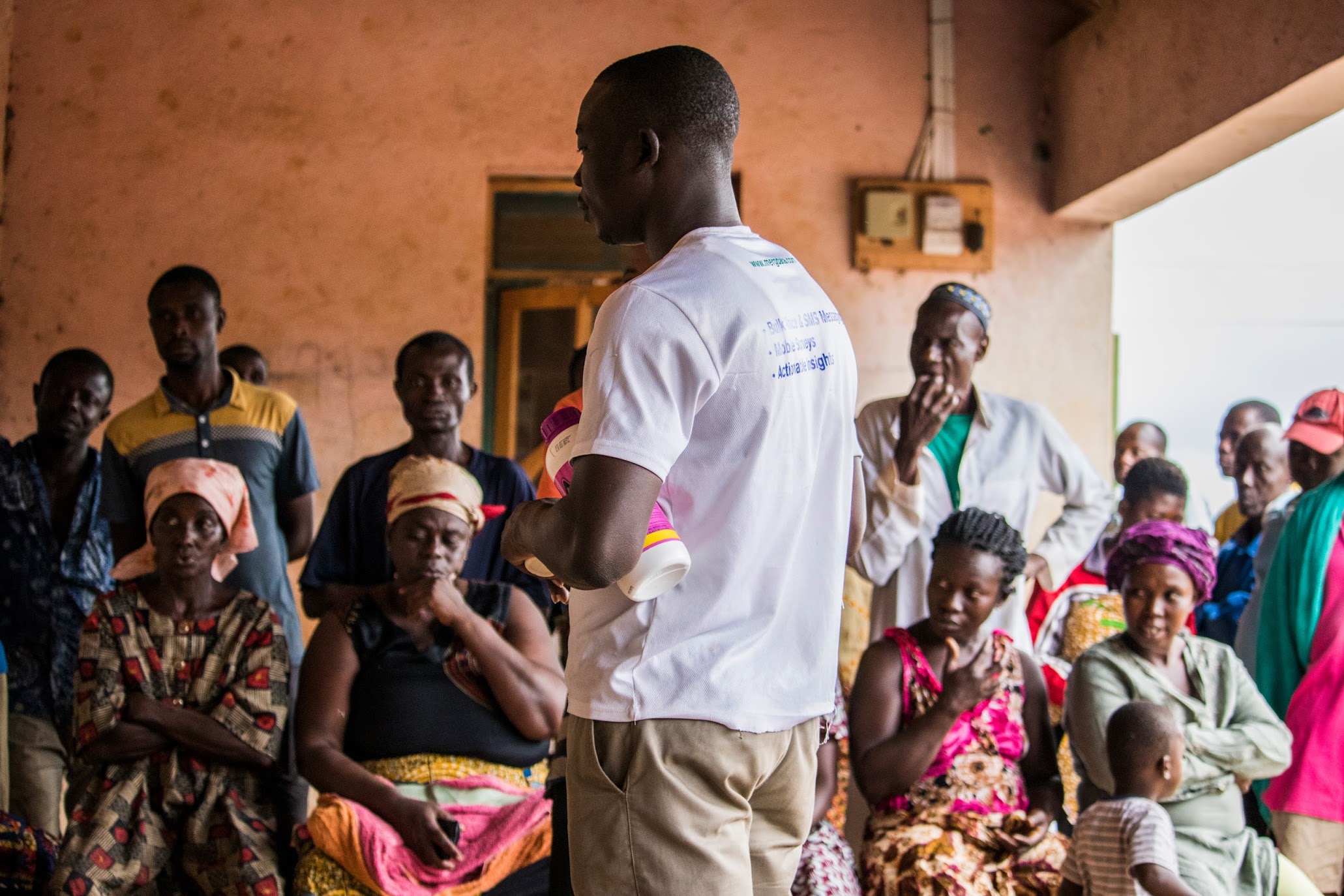
One of my more memorable field visits was to a community called Ahinsan. To get to this community we had a very bumpy car ride as we dove off the main road to weave down a rutted out road.
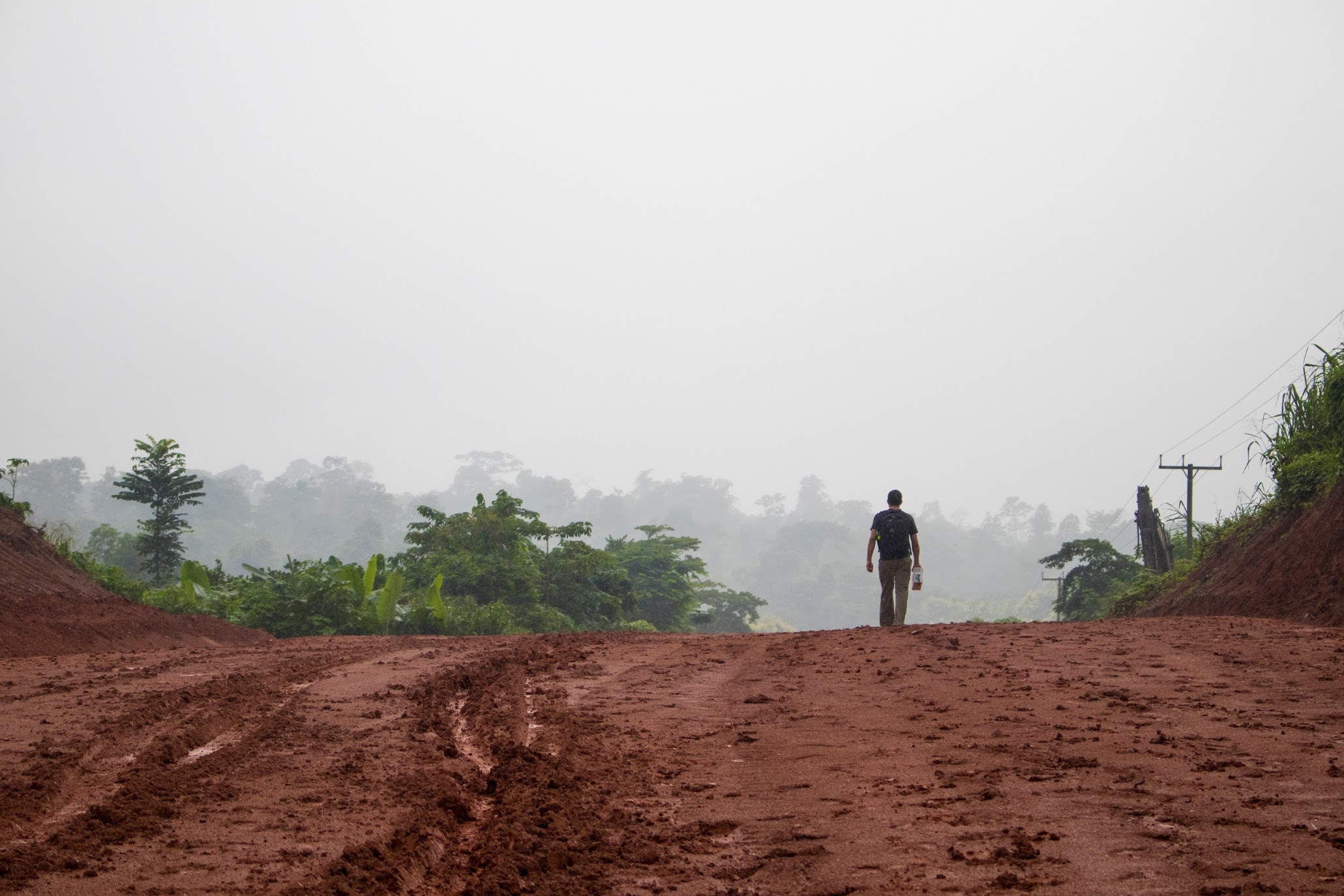
At Ahinsan I met a farmer named Dickson. It started out like a normal interview with fairly typical answers to our questions: what do you need? – labor. Are you able to access inputs? – Inconsistently etc. But then, as the questions began to turn into a conversation, Dickson’s answers began to weave together to make a story. He is the oldest of six kids, his father had recently died, and his mother was too old and frail to work on the farm. Dickson had taken over the family fields in order to be able to send his younger siblings to school. Despite the time it takes for him to work his farm, Dickson is heavily involved in his community – he left the farmer workshop early for another meeting he had organized of young farmers. This involvement is motivated by a a slew of ideas he has about what could be done in order to improve the lives of the people in his community. He told me of his plan to build a dam to create irrigation for the cabbage fields. This type of system would allow the local farmers to sell cabbage in the dry season when the prices are significantly higher. He told me about how he grows cocoa as a cash crop, but in his other field he crows maize because he can save the seed and sell it when the price rises. As Dickson told me about his business plans and his drive to start initiatives in his community I was blown away by his passion for the community.
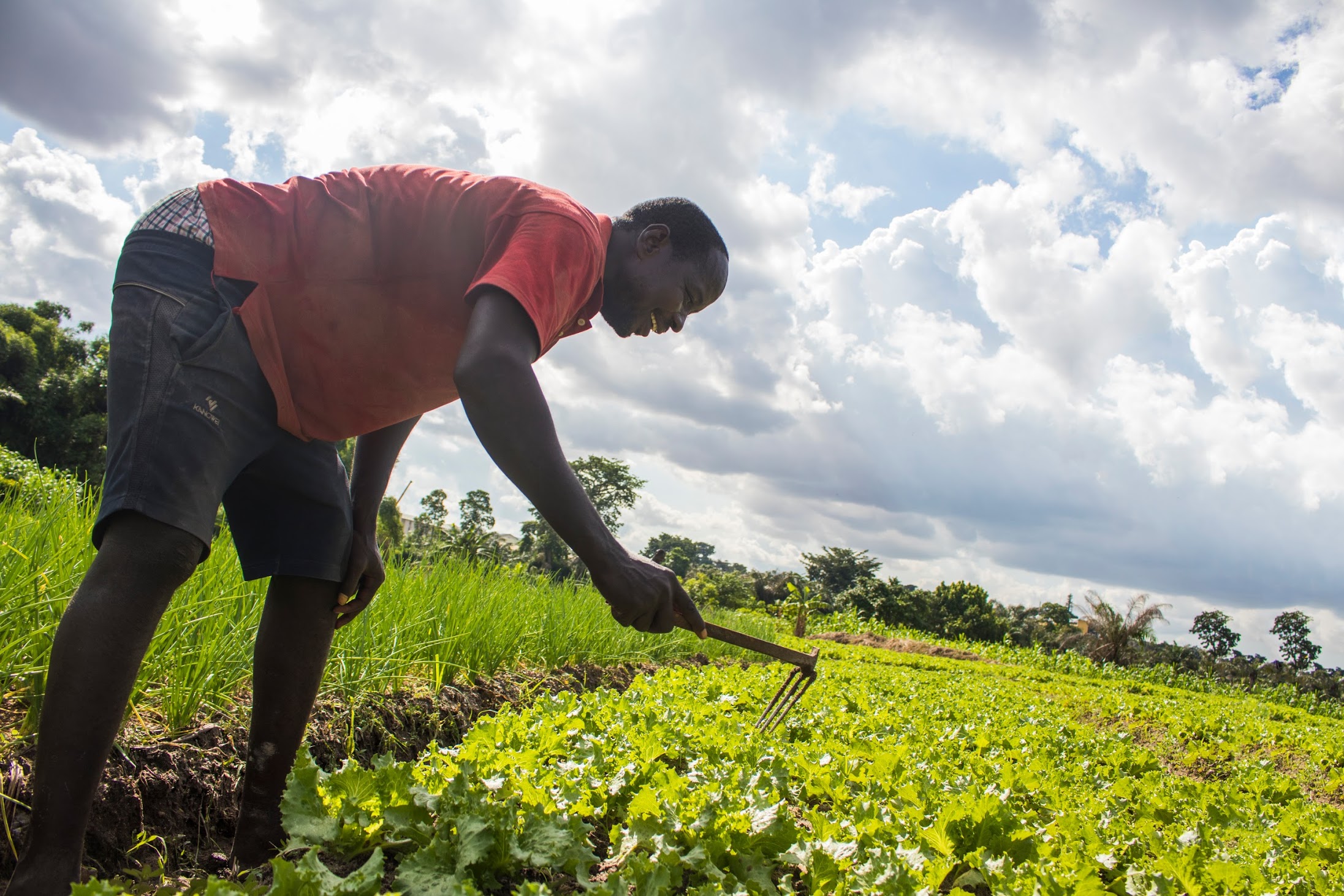
This is a farmer, one of those 3 billion smallholder farmers you read about in stacks of academic papers and NGO reports that are often toted as some of the most disadvantaged people on earth. This is a farmer who dropped out of school in elementary to help take care of his family, who lives miles away from any major city center. This is a farmer serving as a leader and generating ideas that will improve the lives of his community. Dickson’s passion was tangible and his motivation relentless.I was excited by his ideas and I related to his relentless optimism. But I cannot tell you if Ahinsan will be able to build a dam or create irrigation systems anytime in the near future.
I talked to another farmer who was an economics teacher at the local school. He was significantly less optimistic than Dickson; he spoke of corruption in the government and how this corruption prevents extension officers from being able to offer resources to farmers. He spoke of how the cocoa board hurts farmers by controlling prices and how Ghanaian yields are significantly lower than the surrounding countries because farmers do not have the inputs to make their fields productive. From this teacher’s perspective, a dam would never happen because Dickson would not be able to obtain the loan and the community members would be unable to sacrifice time from their own fields to help build it.
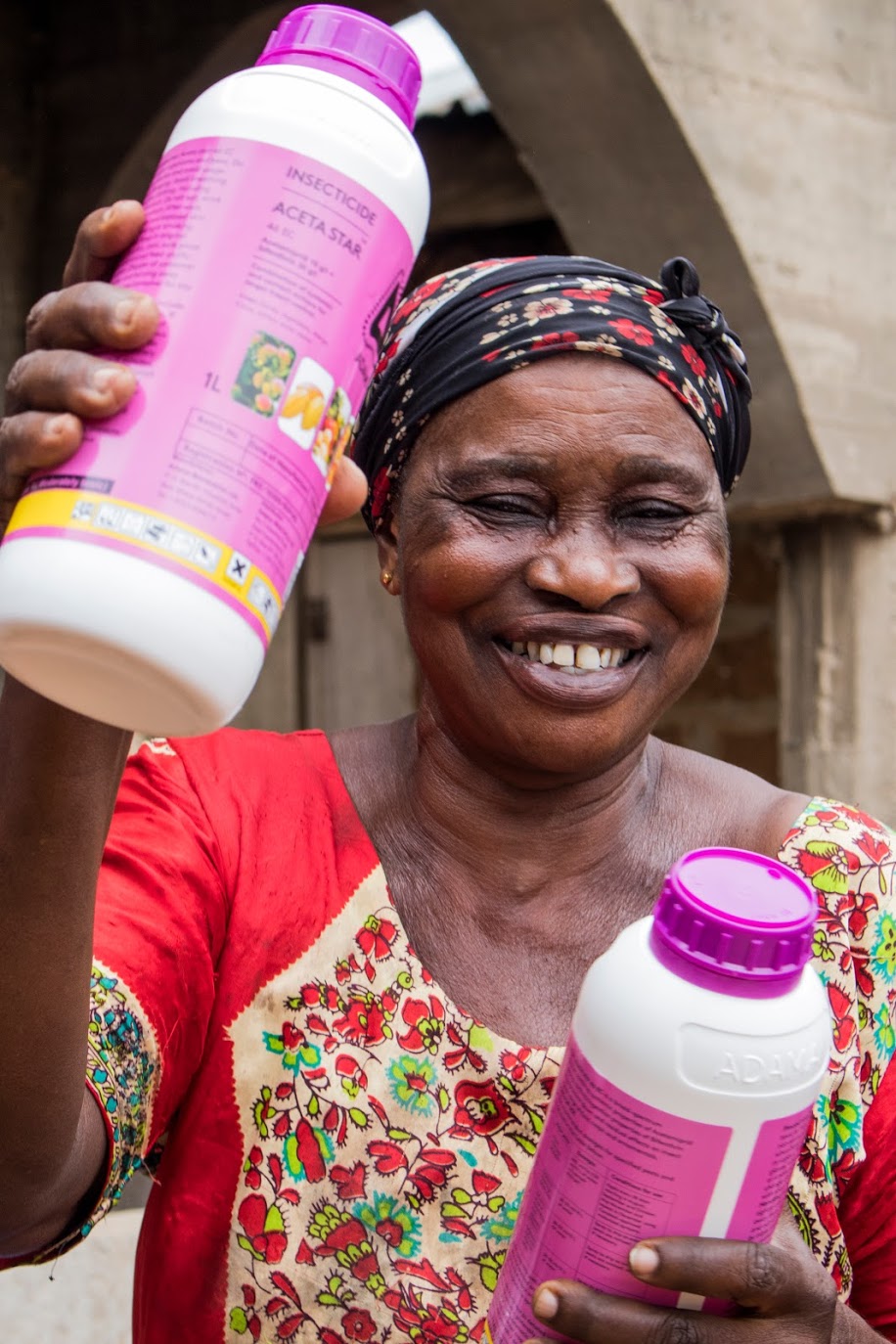
This is when I realized that Dickson’s optimism does not have the same potential as my optimism to become a reality. At Santa Clara when I get the motivated, passionate fervor I saw in Dickson I have an army of people that will help me reach that goal or see my ideas to fruition. I have grants that I can apply for, professors who work overtime to help me, middle class parents that continue to help support me financially and emotionally, and a world class education to build my ideas from. Dickson works full time on his farm, financially supports his five siblings and mother, and lives in a community that is unknown to the world. His thoughts are valid, intelligent, well thought out ways to make his community better but he does not have the resources to turn them into a reality.
On the car ride back to Kumasi I kept thinking about Dickson and all of his ideas. I became frustrated for Dickson. My mind ran in circles as I tried to come up with a way to extend some of my own privilege to him, to offer him even just a fraction of the opportunity I have been surrounded by my entire life so that he can build the irrigation system he has such a grand vision for. This is when I really began to understand Farmerline’s importance. While Farmerline was not able to offer Dickson the funding for a dam (yet), they are extending opportunity to farmers that are otherwise forgotten or unreachable.
As this clicked in my head, I realized that working to offer support to people like Dickson is what I want to be doing. Farmerline is not a hand out service; it is transforming farmers into successful entrepreneurs. It is acknowledging the knowledge, motivation, and skills the farmers already have while offering the resources they have no way to access. Working in an environment like Farmerline’s would allow me to continue learning about sustainable agriculture while helping farmers improve their lives in the way they see best. It’s a type of extension that allows me to offer my opportunities to and use my privilege to offer advantages to those who were not granted the same lot in the lottery as me, while I learn about hard work, passion, and love from the farmers.