Car Conversations

In Ghana we spent an inordinate amount of time shoved three across in small taxis driving across bumpy roads. While the early morning drives were mostly comprised of sleeping, the rides home were opportunities I took to ask question after question of my Ghanaian coworkers. I wanted to hear about their lives, how they ended up working at Farmerline when startup culture is not as coveted as it is in the Bay Area, and what experiences we shared and which ones were totally different. Despite my incessant, sometimes ignorant questions, they happily obliged. I learned a tremendous amount about the Ashanti culture and Twi language from Schandorf who is part of a royal family in his local community. From Lily, I learned about the Ghanaian education system and how to cook Ghanaian food.
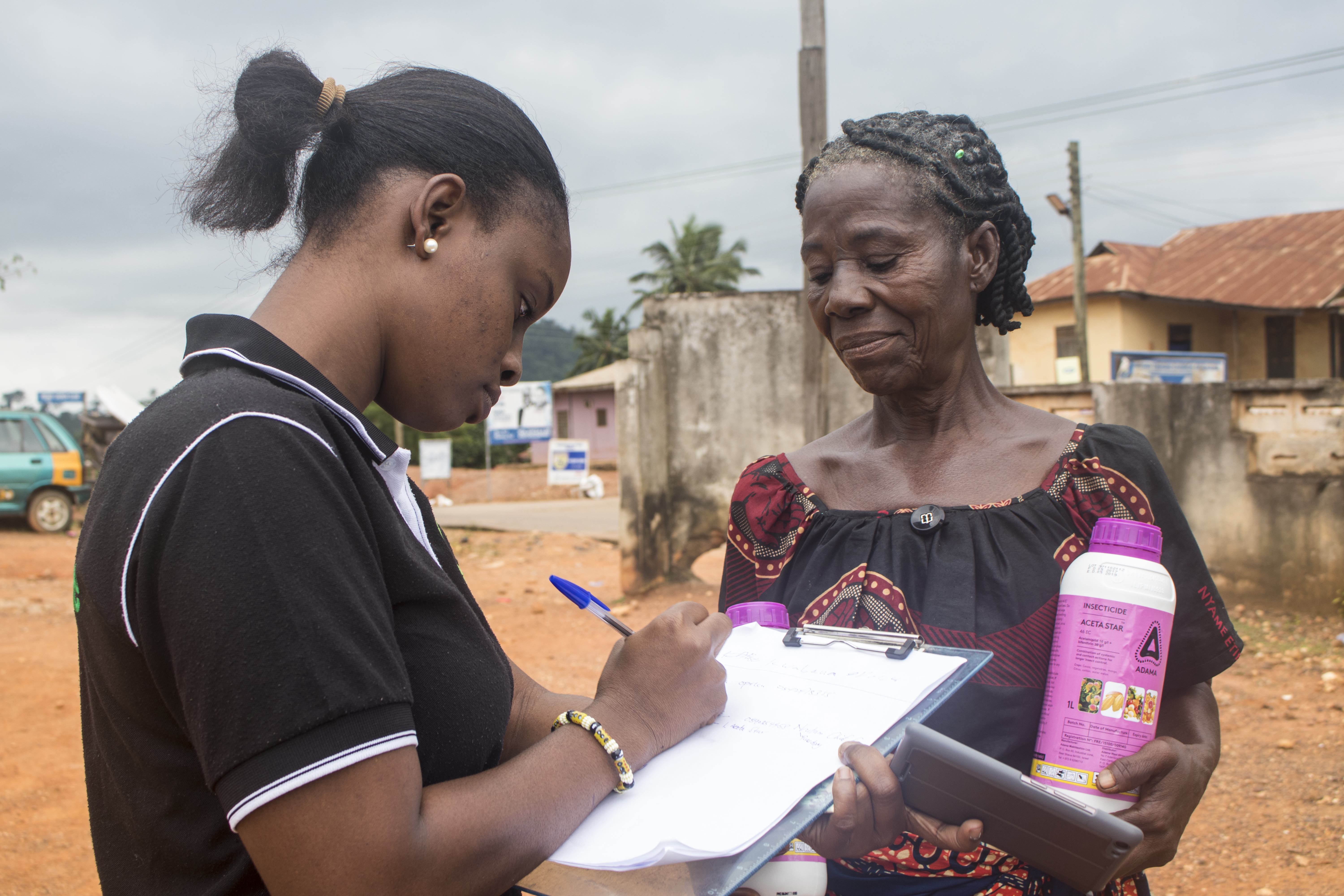
Lily registering a farmer

After a particularly long field day our conversation took a different turn. At the community we visited, rather than the typical small meeting and famer registration, we had walked into a massive town hall that had multiple chiefs present, Cocoa Board members, and a government extension officer. Among a myriad of issues raised in this meeting was the extremely high teenage pregnancy rate in the community. One of the chiefs thanked the female extension officer for being an example to the young women in their community. On our ride home this encounter is the first thing Lily brought up once I had squeezed myself between her and Ben in the middle seat of the taxi. This is the first time that the specific issue of gender inequality had been brought up in our 5 weeks of field visits. She began to explain the gender gaps present in rural areas, women’s access to education, cultural expectations of what girls do etc.

Honestly, it’s not even an issue that had been on my mind. I had been so focused on getting the right candidates for interviews and hearing stories I had not even thought about ways to address the inequalities so present in the rural, agriculturally based communities in Ghana. But as Lily began to talk about ways that we could somehow incorporate a women’s empowerment program into Farmerline’s farmer services team a switch turned on in my brain. All these questions began flooding in: why were there so many less women at these community meetings than men? Why did so many of these women have to use their neighbors or husbands phones to use Farmerline services? etc.
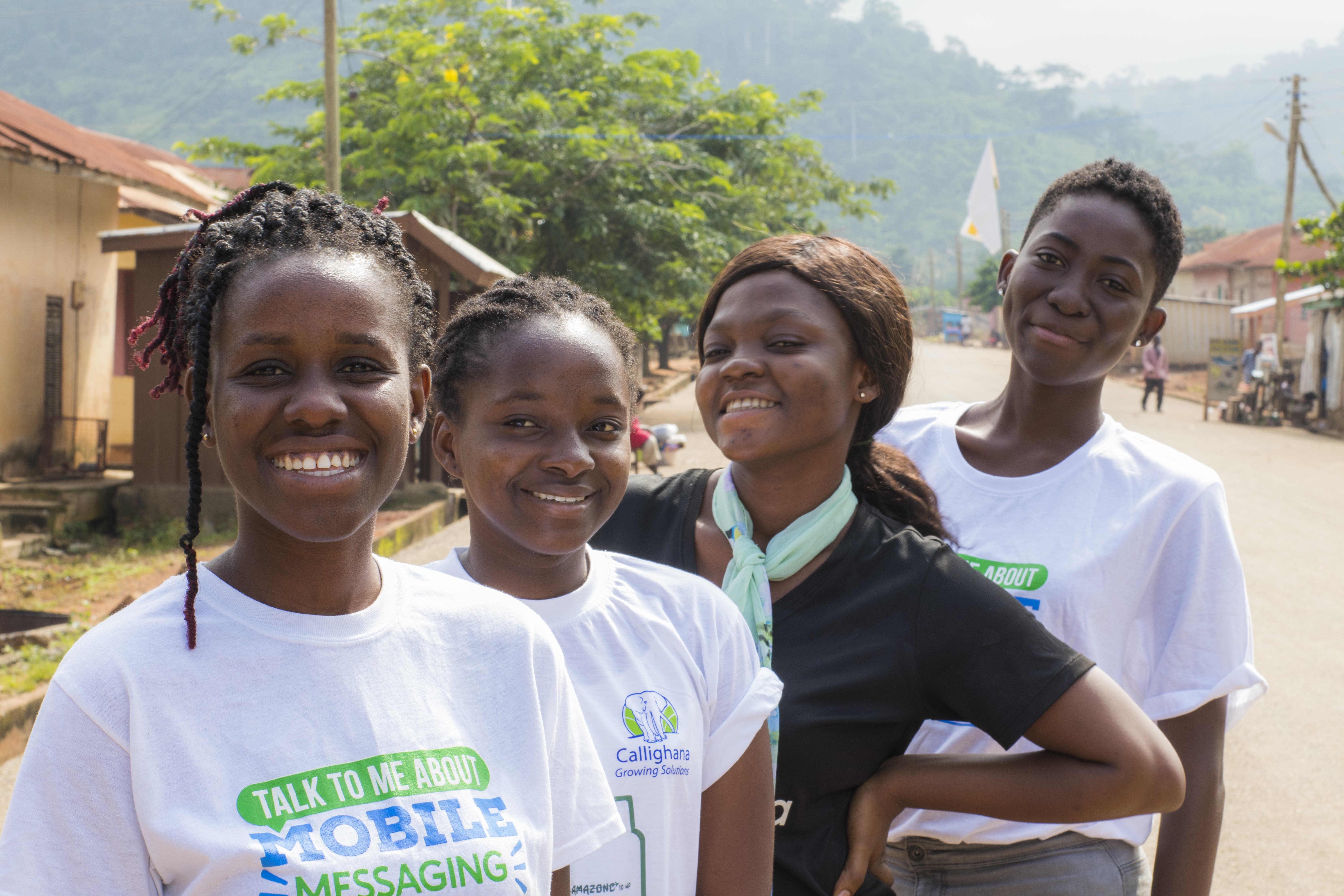
Frida, Akua, Bernice, and Georgette some of the amazing women working with Farmerline

We got back to the office and I immediately began digging up the pile of “Women’s Rising” resources buried in our spring curriculum for the GSBF class. I had skimmed these items before but had not dedicated true time to learning them because our project had no direct correlation to women’s agency and growth. Suddenly, I was questioning why not. As I read these materials I was shooting question after question across the table to Lily and we were soon excitedly chatting about ways to include women in Farmerline’s business model. The next day there was a Farmer Service’s team meeting, at the end I stood up and obstinately pitched more inclusion of women in Farmerline’s team. I was immediately shot down. Not because Alloysius and Schandorf were uninterested in incorporating women’s empowerment into farmer service’s operations, but because it was a bad pitch.

But if I learned anything from my time at Farmerline and watching my entrepreneurial co-workers constantly brainstorm, create, innovate, edit, and fix, was that no was simply not an answer for an issue that really matters. So I abandoned my fellowship case study responsibilities for a day or two and worked on creating a feasible and effective idea of incorporating women into Farmerline’s business model. I asked question after question to my extremely patient coworkers trying to figure out what new pilots could have the highest potential for intentional women’s inclusion. Then I made a slide deck, sat Schandorf, Lily and Alloysius down over lunch one day and delivered my pitch. It was well received, unlike my other pitch, and Lily and I were given the go ahead to work on it.
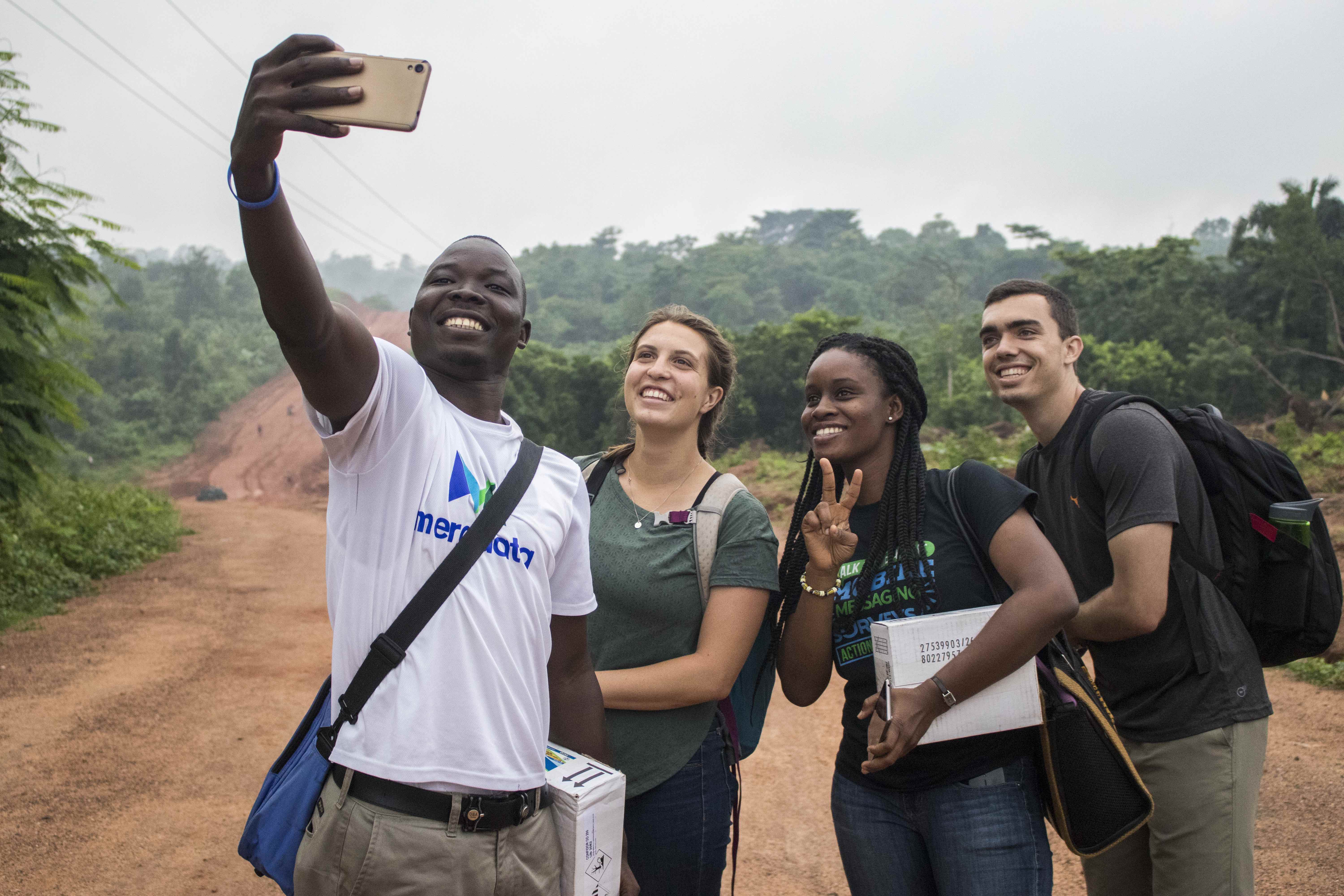
Schandorf, Me, Lily, and Ben walking inputs into a village because the roads were too rutted to drive

When I began the fellowship I never imagined sitting at the table with the CEO and upper management of my assigned social enterprise, pitching them an idea. Women’s empowerment, while important had never been a focal point for me. I never imagined actually being able to actively make a difference. Yet, the days spent in the field learning about these women and hearing their stories and the hours spent in the office where every idea was encouraged gave me the passion and the confidence to give innovation a shot. The feeling I got when I was working on this idea was equivalent to the feeling I get when I have a good running race; floating through the research stage, butterflies during the pitch, the rush of endorphins and motivation to continue working afterwards. This is when I knew the world of social entrepreneurship is where I wanted to be.
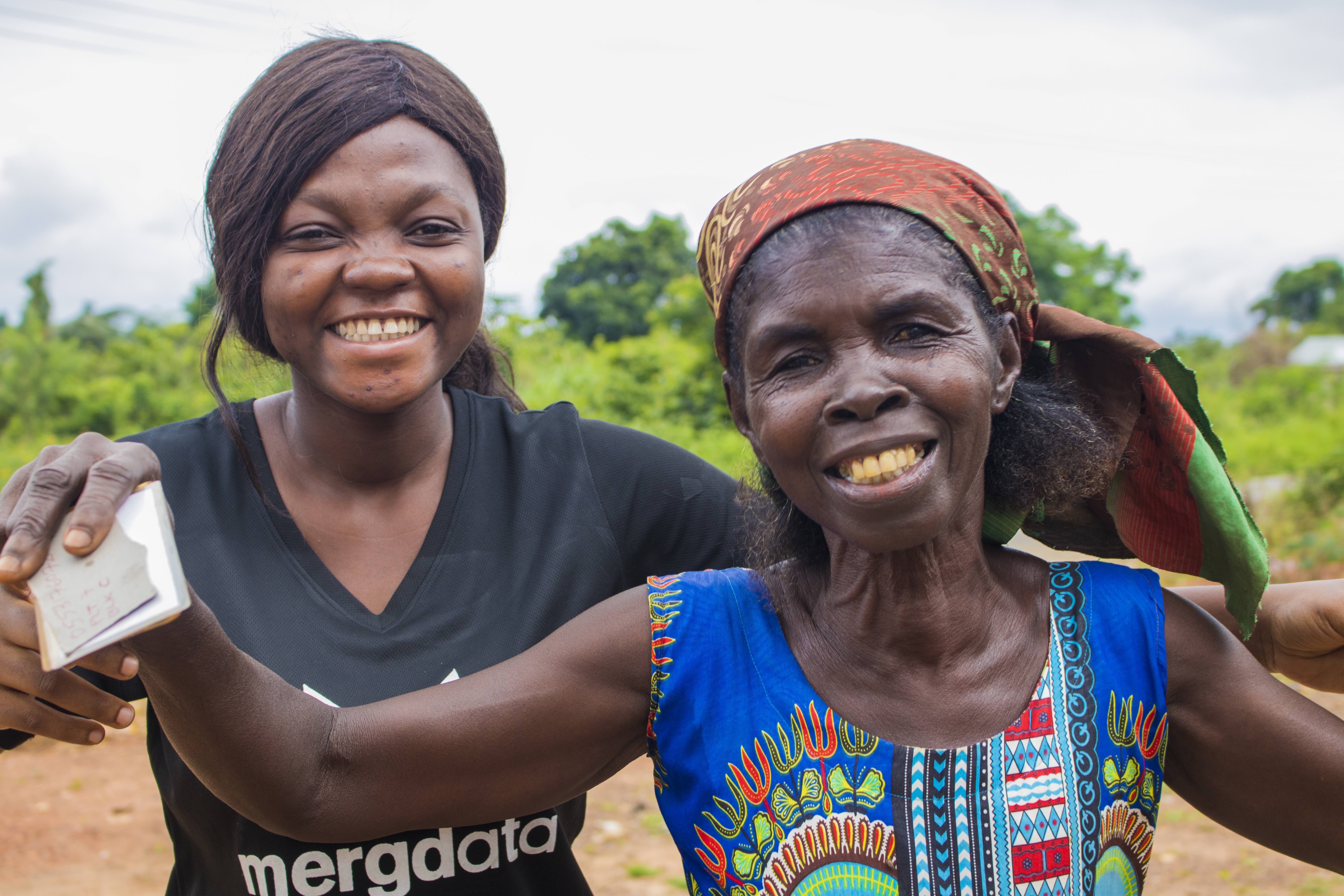
Some of the many smiles that helped me fall in love with the work

I have always been a relentless optimist but buried in my environmental science classes, I has become more and more cynical as issue after issue was raised: sea level rise, wetland depletion, air pollution, heaps of garbage, water scarcity, food insecurity, the list goes on and on. I hadn’t even realized how lost I had become in academia and the doom and gloom of environmental research. For as long as I can remember I knew I wanted to do “something to help people” but the cliche nature of those words grated against my ears. I knew I had no real solution to achieve that. Being immersed in a company that has such a strong vision for local, farmer-focused innovation that integrates human and environmental issues reignited my optimism and the energy that accompanies it.  Farmerline showed me how much difference can be made and what passion is able to achieve. My belief in small-scale impact leading to systematic changes was reinforced.  I learned that the most important thing I can do is listen, really listen, to the stories of others, see statistics as individual people, learn from those on the ground every day, and do my best to amplify their voices with a relentless commitment to innovation.

I will be forever grateful to the Miller Center, Thane and Keith, and my partners Ben and Caleb, and my coworkers at Farmerline for leading me to a vocation I cannot wait to begin actively pursuing.
How to build a dam

Field visits were always days full of a pleasant chaos, a day where I shook dozens of hands while muttering “ete sen,” smiling and nodding as the farmers laughed at my rudimentary Twi. Field days were days my name became Akua, the Ashanti name for Wednesday born. Sometimes there were days I felt like I was on display as the girl with the white skin, wealth, and privilege in a rural village. But there were also days where I was able to sit down with farmers and listen as they let me learn about their lives. They would tell me about their kids, their husbands or wives, their recent struggles or a death in the family. Rose invited me to her husbands funeral, Richard told me about his children studying medicine in Accra, and Margaret and Yaw, who were siblings, bragged about the other as they told me about how their farms had evolved over the years. The original purpose of these conversations was to record data for our case studies, but that data felt secondary to the stories I was gathering and the people I built brief relationships with.

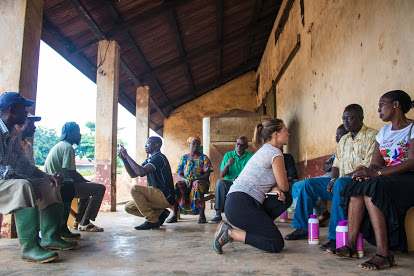
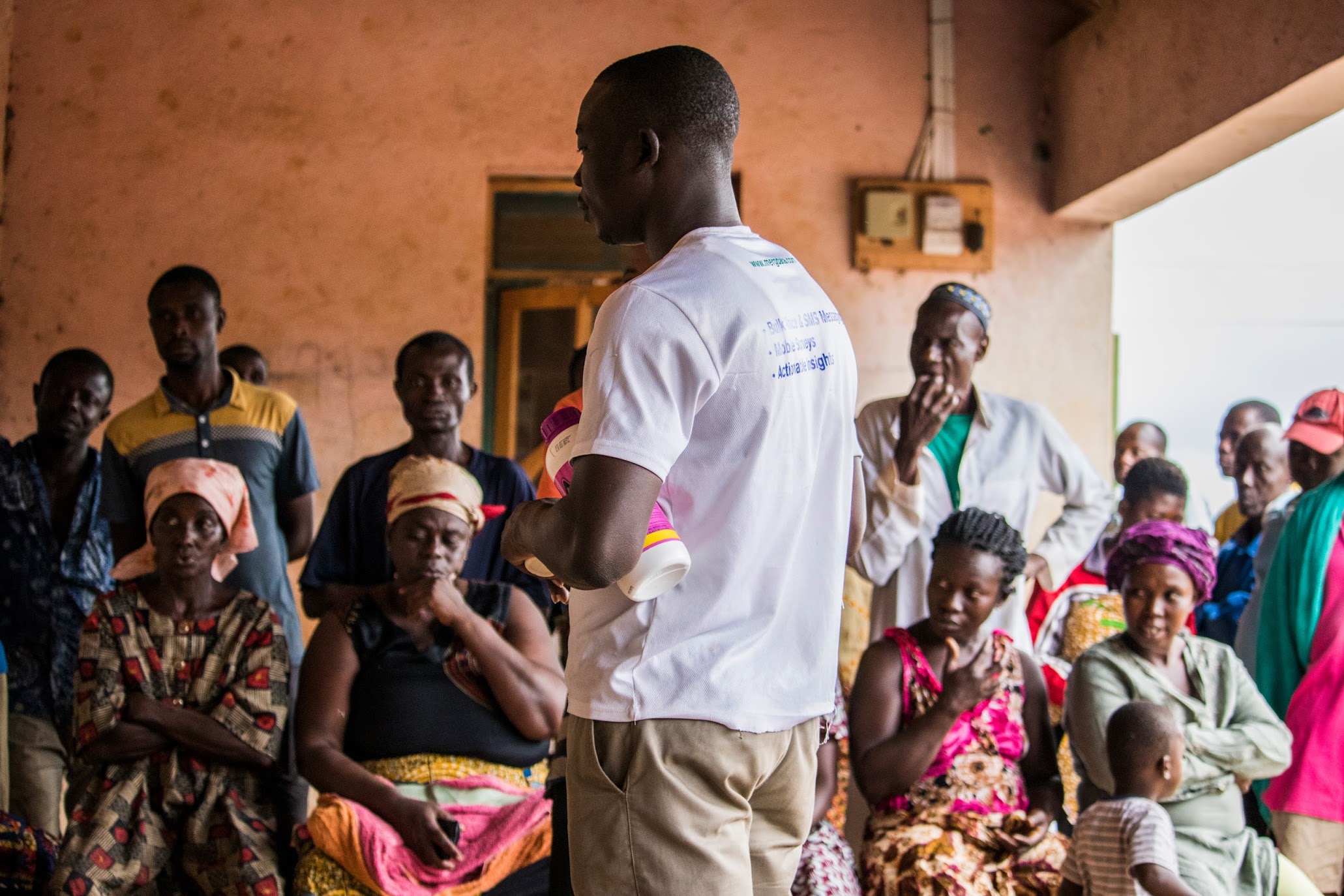
Schandorf, one of our co-workers explaining Farmerline services to a group of farmers.

One of my more memorable field visits was to a community called Ahinsan. To get to this community we had a very bumpy car ride as we dove off the main road to weave down a rutted out road.

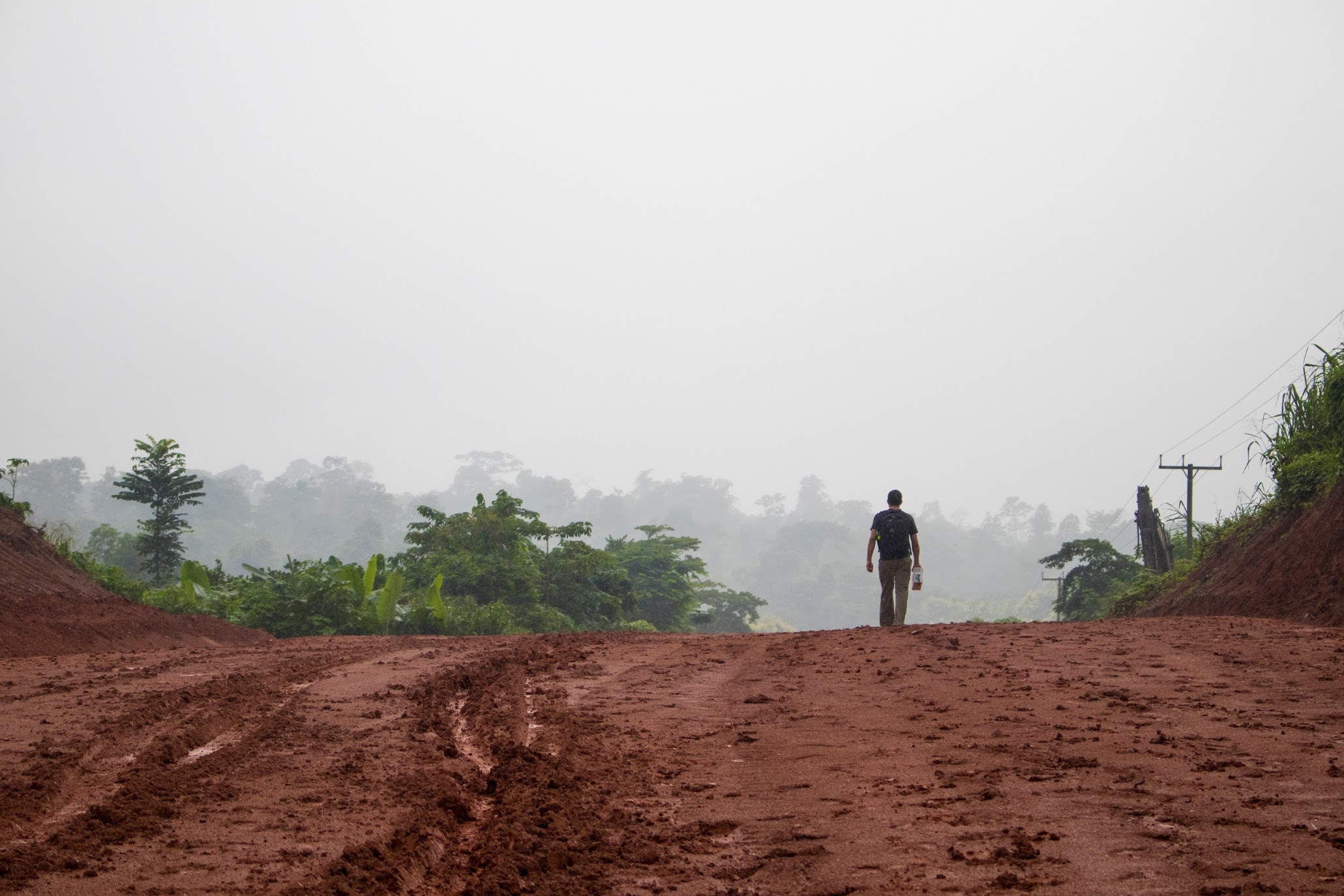
Some roads to reach communities were un-driveable so we would walk in to conduct farmer workshops

At Ahinsan I met a farmer named Dickson. It started out like a normal interview with fairly typical answers to our questions: what do you need? – labor. Are you able to access inputs? – Inconsistently etc. But then, as the questions began to turn into a conversation, Dickson’s answers began to weave together to make a story. He is the oldest of six kids, his father had recently died, and his mother was too old and frail to work on the farm. Dickson had taken over the family fields in order to be able to send his younger siblings to school. Despite the time it takes for him to work his farm, Dickson is heavily involved in his community – he left the farmer workshop early for another meeting he had organized of young farmers. This involvement is motivated by a a slew of ideas he has about what could be done in order to improve the lives of the people in his community. He told me of his plan to build a dam to create irrigation for the cabbage fields. This type of system would allow the local farmers to sell cabbage in the dry season when the prices are significantly higher. He told me about how he grows cocoa as a cash crop, but in his other field he crows maize because he can save the seed and sell it when the price rises. As Dickson told me about his business plans and his drive to start initiatives in his community I was blown away by his passion for the community.

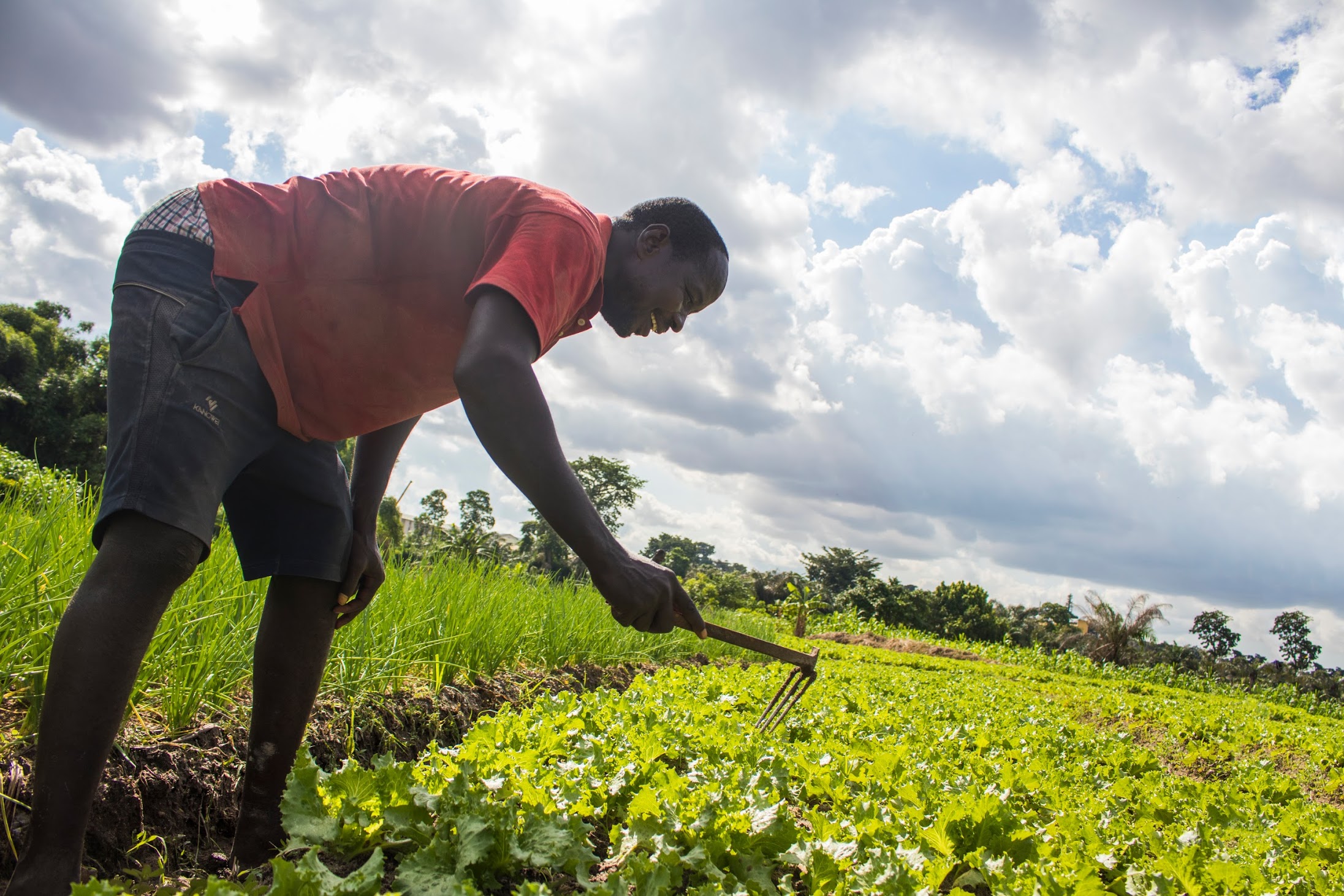
This is Charles, a farmer who works in fields supported by a university in Kumasi. This is the type of irrigated vegetable agriculture Dickson envisions for his community.

This is a farmer, one of those 3 billion smallholder farmers you read about in stacks of academic papers and NGO reports that are often toted as some of the most disadvantaged people on earth. This is a farmer who dropped out of school in elementary to help take care of his family, who lives miles away from any major city center. This is a farmer serving as a leader and generating ideas that will improve the lives of his community. Dickson’s passion was tangible and his motivation relentless.I was excited by his ideas and I related to his relentless optimism. But I cannot tell you if Ahinsan will be able to build a dam or create irrigation systems anytime in the near future.

I talked to another farmer who was an economics teacher at the local school. He was significantly less optimistic than Dickson; he spoke of corruption in the government and how this corruption prevents extension officers from being able to offer resources to farmers. He spoke of how the cocoa board hurts farmers by controlling prices and how Ghanaian yields are significantly lower than the surrounding countries because farmers do not have the inputs to make their fields productive. From this teacher’s perspective, a dam would never happen because Dickson would not be able to obtain the loan and the community members would be unable to sacrifice time from their own fields to help build it.

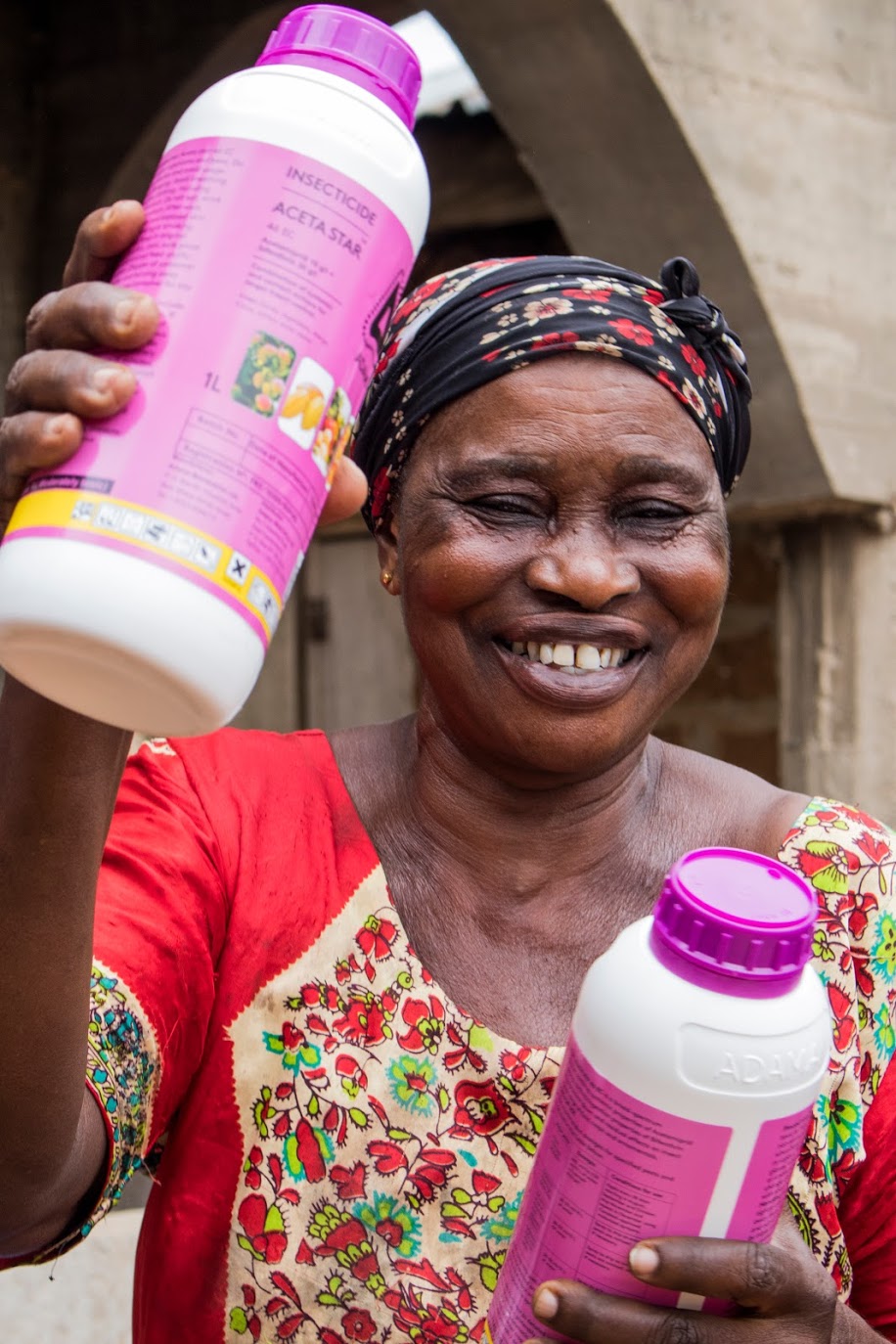
A farmer celebrating having access to inputs

This is when I realized that Dickson’s optimism does not have the same potential as my optimism to become a reality. At Santa Clara when I get the motivated, passionate fervor I saw in Dickson I have an army of people that will help me reach that goal or see my ideas to fruition. I have grants that I can apply for, professors who work overtime to help me, middle class parents that continue to help support me financially and emotionally, and a world class education to build my ideas from. Dickson works full time on his farm, financially supports his five siblings and mother, and lives in a community that is unknown to the world. His thoughts are valid, intelligent, well thought out ways to make his community better but he does not have the resources to turn them into a reality.

On the car ride back to Kumasi I kept thinking about Dickson and all of his ideas. I became frustrated for Dickson. My mind ran in circles as I tried to come up with a way to extend some of my own privilege to him, to offer him even just a fraction of the opportunity I have been surrounded by my entire life so that he can build the irrigation system he has such a grand vision for. This is when I really began to understand Farmerline’s importance. While Farmerline was not able to offer Dickson the funding for a dam (yet), they are extending opportunity to farmers that are otherwise forgotten or unreachable.

As this clicked in my head, I realized that working to offer support to people like Dickson is what I want to be doing. Farmerline is not a hand out service; it is transforming farmers into successful entrepreneurs. It is acknowledging the knowledge, motivation, and skills the farmers already have while offering the resources they have no way to access. Working in an environment like Farmerline’s would allow me to continue learning about sustainable agriculture while helping farmers improve their lives in the way they see best. It’s a type of extension that allows me to offer my opportunities to and use my privilege to offer advantages to those who were not granted the same lot in the lottery as me, while I learn about hard work, passion, and love from the farmers.

You Are Welcome

Akwaaba is the twi, the language of the Asante kingdom, word for welcome. It was the very first word I learned here in Ghana. It is yelled at me by passer-byers while walking down the street and by an old woman who works a corn stand by our house. When we go to the field I shake hand after hand, always met with a large smile and a farmer saying, “Akwaaba, you are welcome.”

Farmers Margaret and Yaw telling me about their farms

On our first field visit, I met a woman named Rose. She did not speak much English and my twi has yet to get past the level of a three-year-old making our conversation rudimentary at best. Even still Rose talked enthusiastically about her farm, about her family, and when she fell at a loss for words she just stared at me, held my hands and beamed. I beamed back at Rose but I couldn’t help my mid-Western tendencies alarm bells going off in my head wondering why a stranger so readily told me about her recently deceased husband and so willingly invited me to be privy to her life. When it was time to go Rose hugged me three different times, each time smiling wider and exclaiming unknown but seemingly positive things in twi. As I turned to go she invited me back to the village to attend her husband’s funeral. Unfortunately I had to refuse because the funeral is scheduled for after we leave but the gesture was clear. As I got in the car my coworkers all laughed and asked me if I had understood anything. While they joked, I reflected on the openness with which Rose received me, a complete stranger who walked into her community with a notebook, a lot of questions, and twi that couldn’t get past “how are you?”

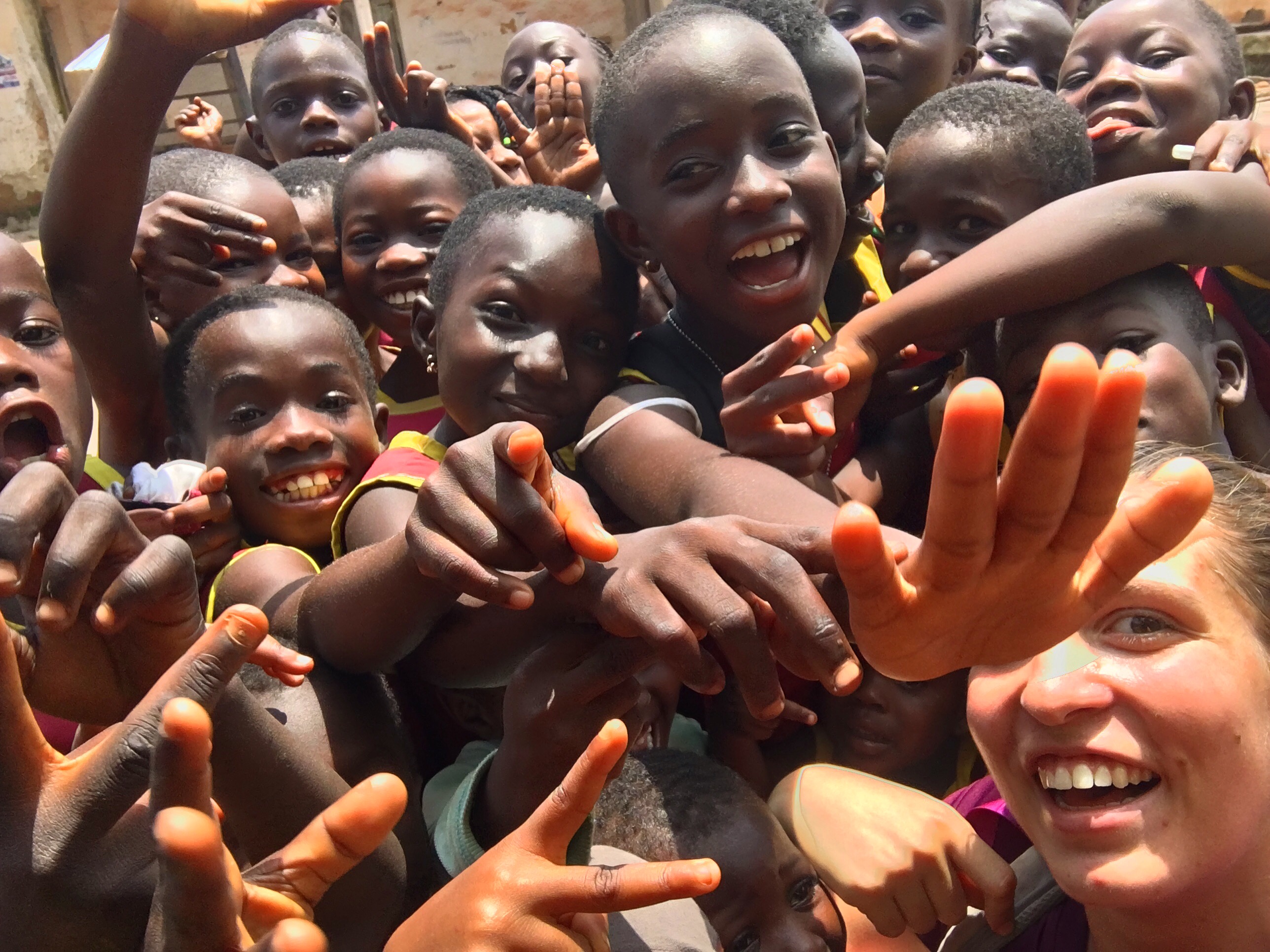
Akwaaba from local school girls

The only answer I have for this open arms treatment is the spirit of akwaaba. That word I hear every day from random strangers, so surprising at first and so different from what I am accustomed to in the US. I have been welcomed by my coworkers, by our host family, by the people we have met in the field, and the friendly strangers on the tro-tros that help the three obronis get off at the right stop. When asked to write this post, we were asked not to sugar coat anything, to be honest. This is honest. Akwaaba has enveloped me here in Kumasi and made me effortlessly sink into the rhythm. Akwaaba has made me realize the true impact our host enterprise has on the farmers it works for and the passion that keeps our coworkers in the office long after 5pm and much earlier than 8am. Akwaaba has opened my eyes to the fact that even half way across the world, surrounded by the unfamiliar I can feel perfectly at home.

Ready to Dive

Loving our Lands

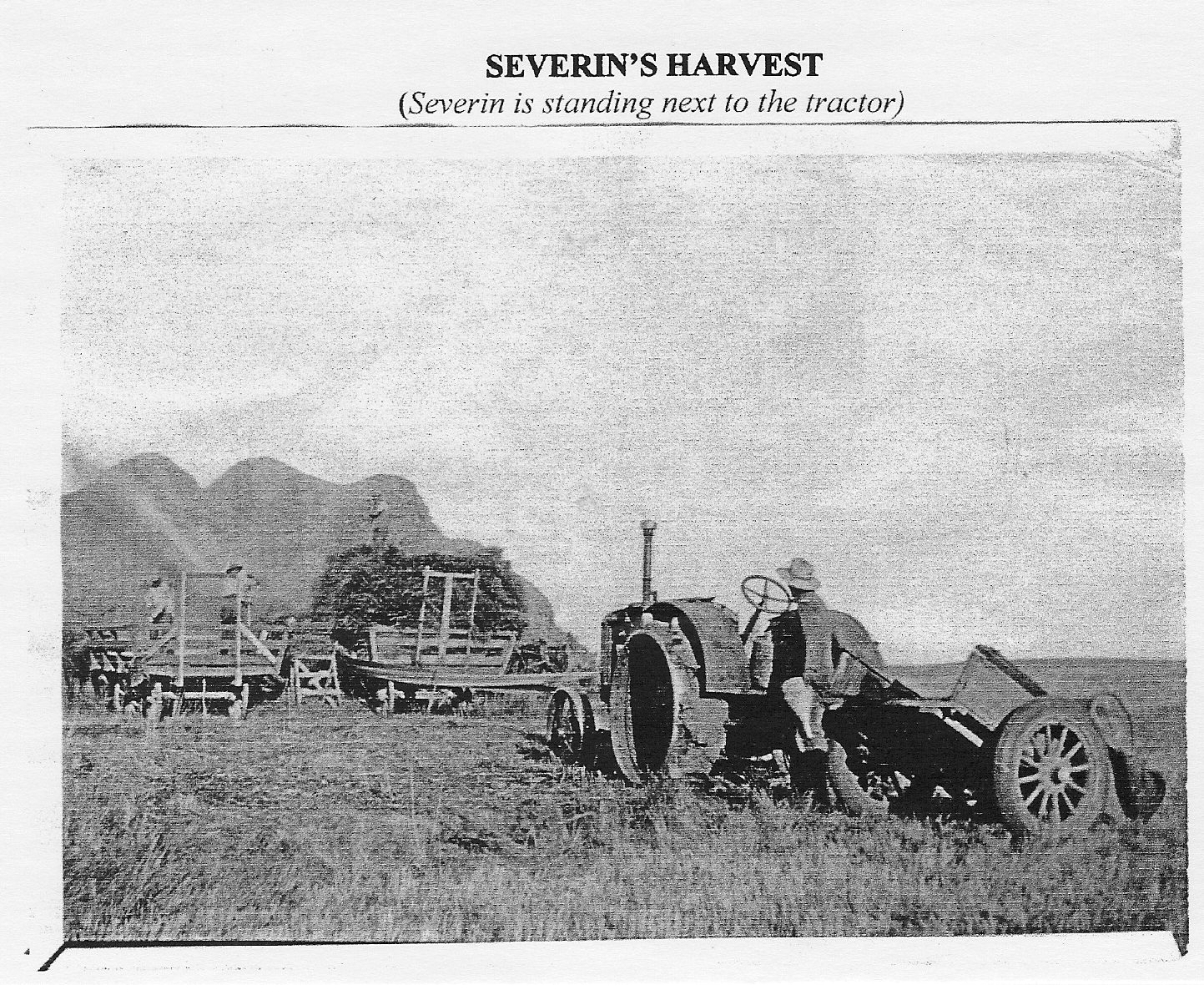
In 1905 two farming families came to the United States from Norway and settled in North Dakota. Eleven years later, my great-great-grandparents were married. They started a farm outside of Starkweather, North Dakota, which is still a part of my family today. I have very distinct memories of visiting this farm as a child, wandering around the barn, and touching the old manual farming machines. My great-uncle would take us on tours of the fields, boring my brother and I with talk of durum and wheat harvest. The farm was fun, but it was quaint and old-fashioned. I was always ready to go home when the time came. Little did I know that ten years later I would be following in the footsteps of my family, embracing the tradition of caring for the land and reaping its benefits.

                                 My great-great-grandfather on the farm                                                                                     

The farm was not the only place I learned to love the land that surrounds us. Some of my earliest and fondest memories are of climbing out of a sleeping bag and crawling into my Grandpa’s lap, earnestly peering into his spotting scope perfectly lined up for me so I could watch the birds wake with the sun rise. Or bouncing up trails, always leading the pack on my short, elementary legs as my aunt hands me berries picked from the side, citing both the common and scientific names of the flora surrounding us. I learned how to build bird boxes, identify rocks, follow migratory patterns of bison, and listen for birdcalls. My grandpa worked for the Forest Service and my aunt for the National Park Service; I have grown up watching and listening to their stories of dedicating their lives to protecting and preserving the American wild.

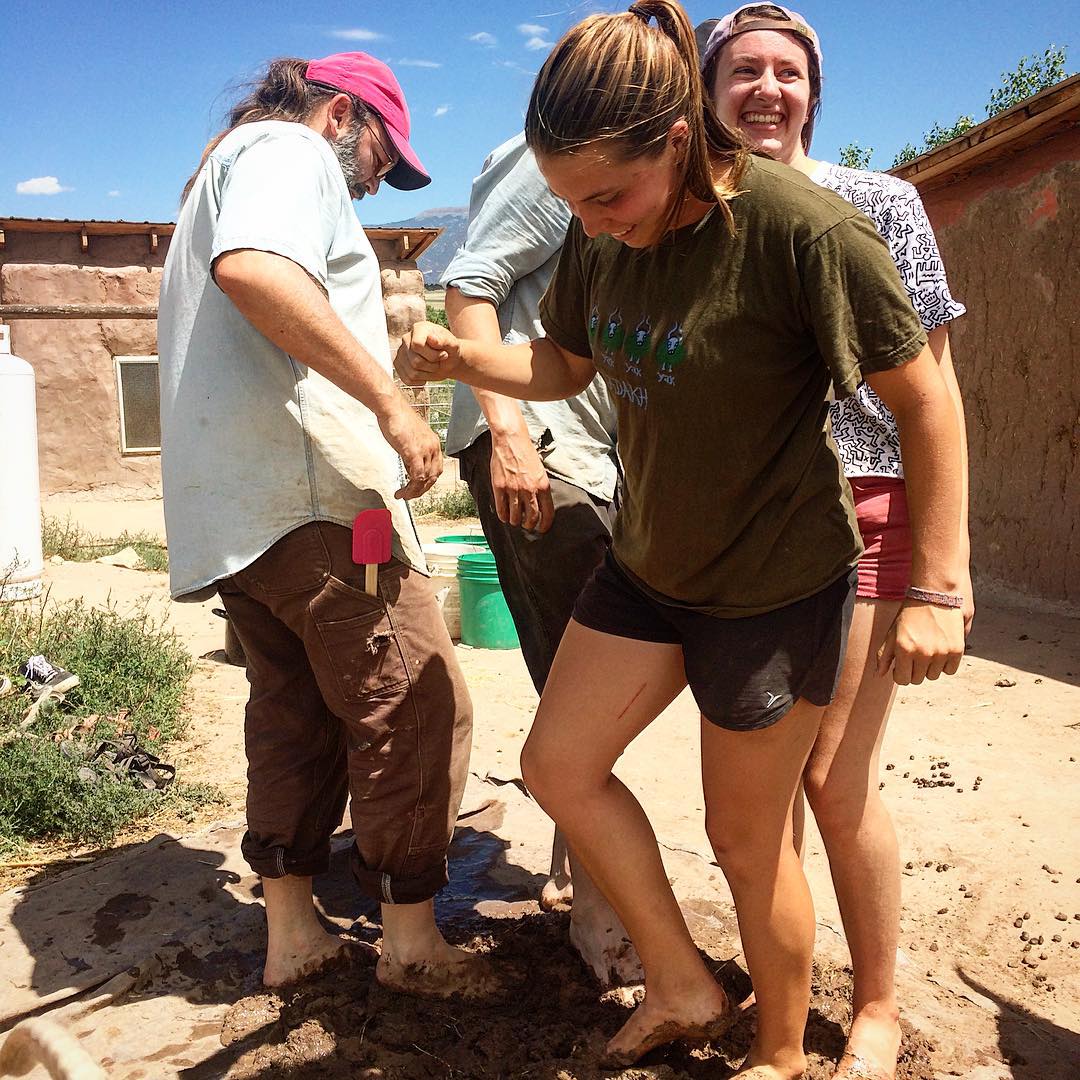
This exposure to nature inspired me to live on a self-sustaining farm in the middle of “no-where” Southern Colorado after my freshman year of college. Here I tended to the goats and the chickens, weeded, planted, tilled, harvested, repaired the coops, made cheese, and worked the farmer’s markets. For those two months I was surrounded with the ineffable beauty of scrubby desert landscape encased by fourteen thousand foot peaks and rolling foothills. The entire six weeks I did not touch a single dollar bill because everything I needed came from the farm. Technically we were living “below the poverty line” but we were surrounded by the plenty produced from the acres we tilled. Here I gained an appreciation for the effort, time, and patience it takes to create food and the community such arduous labor can create. While thinning the carrots or weeding the tomatoes my mind would wander off picturing what it must have been like for my great-great grandparents in the barren land of North Dakota starting their own farm. I am in awe of the family I have come from. I began to truly appreciate the discipline required of my family to create lives out of the land.

Making earth plaster to fix the barn walls at the farm in Southern Colorado

The following summer I continued to pursue agricultural but gained a new perspective by studying the large conventional farms littering California. I worked as a research assistant examining on-farm food waste in industrial farms. This position took me all over the Salinas Valley and Central Valley in California where I interviewed farmers, surveyed fields, and ventured even deeper into the complexity of the food system. These experiences made me want to travel back to the days when my great-uncle was explaining the harvest systems at our family farm, because I would find them fascinating. Seven-year-old me turned up my nose at a career in agriculture, now I found myself fully embracing all aspects of the field.

Learning to Swim

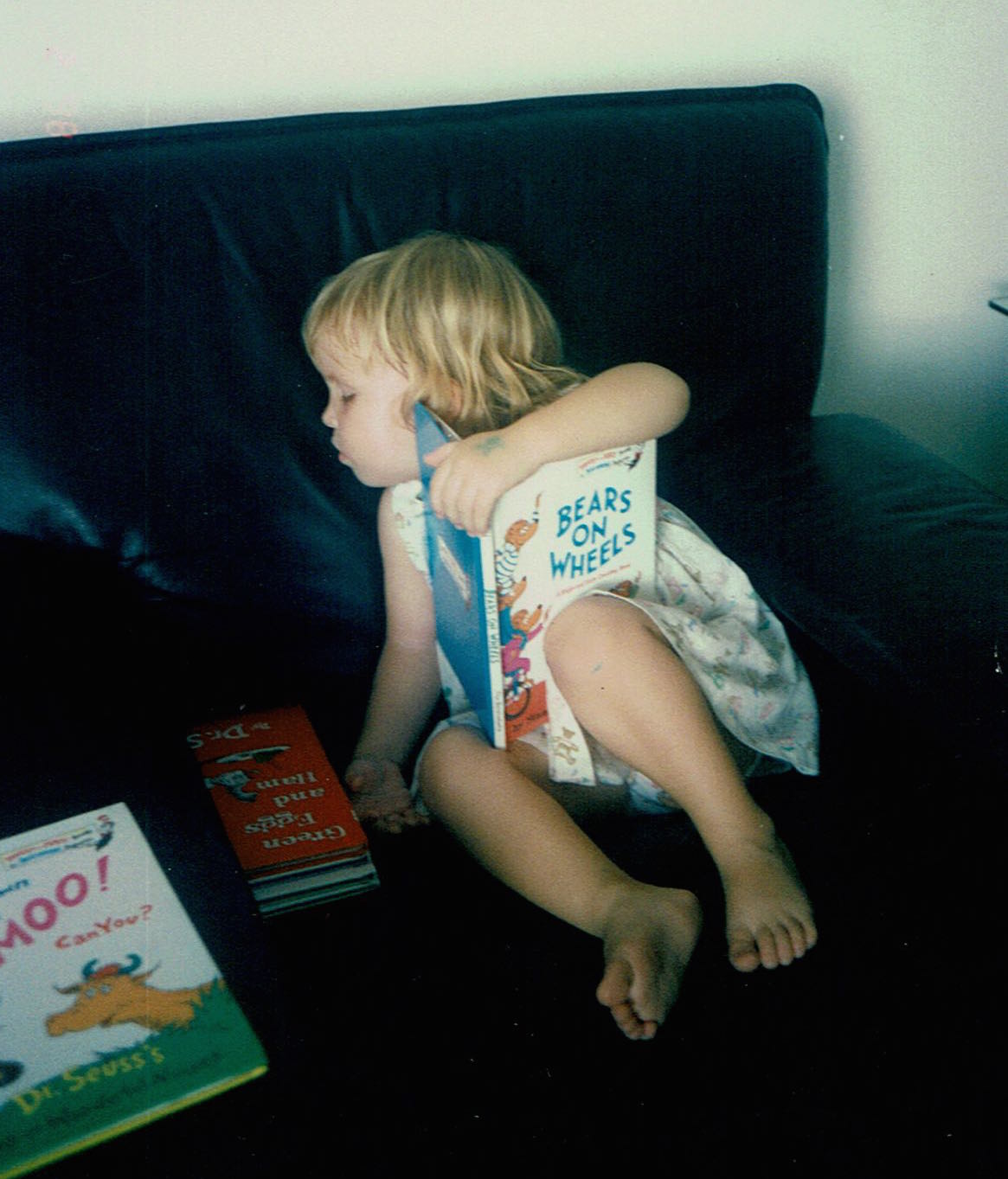
When I asked my parents what I was like as a child, they both laughed. “You were very… strong-willed, you set your mind on something and it happened” my mom replied. My wonderful parents taught my brother and I to turn our will into productive power. I was a voracious reader ever since I first learned how to interpret letters on paper. In several parent-teacher conferences my parents got a stern talking to because I often was reading books “past my age” and attempting to sneakily read them under my desk during lectures. Despite my second-grade teachers perturbation at this habit, it instilled in me a deep desire to dig deep into subjects and engulf myself with information. I still refuse to leave the house without a book in my bag and spend my early mornings off curled up on the porch diving into fictional worlds or the complexities of our world in non-fiction.

             Some of my earliest literary forays

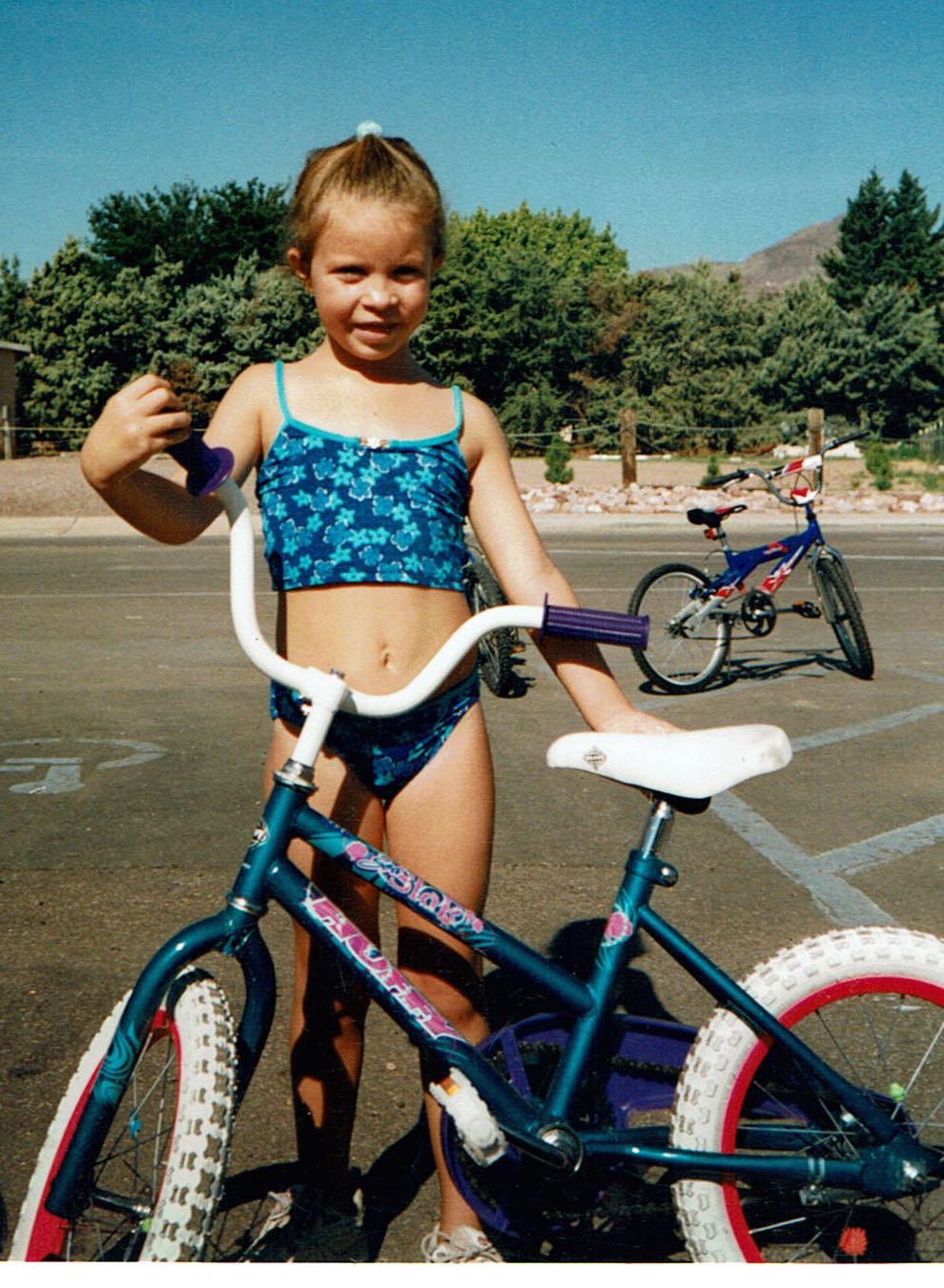
This stubborn determination transferred to athletics as well. My dad was a college football player, my mom a marathon runner. You could say being active is in my blood. I competed in my first triathlon when I was four years old, despite the five-year-old age cut-off. Daredevil me had learned to swim by fearlessly jump into the pool at two and a half, sometimes forcing my fully clothed parents to jump in after me. While my ability to think rationally about such life threatening decisions may have improved with age, the principle remains the same. I’m not a toe-dipper; I am a diver.

       Getting prepped for my first triathlon!

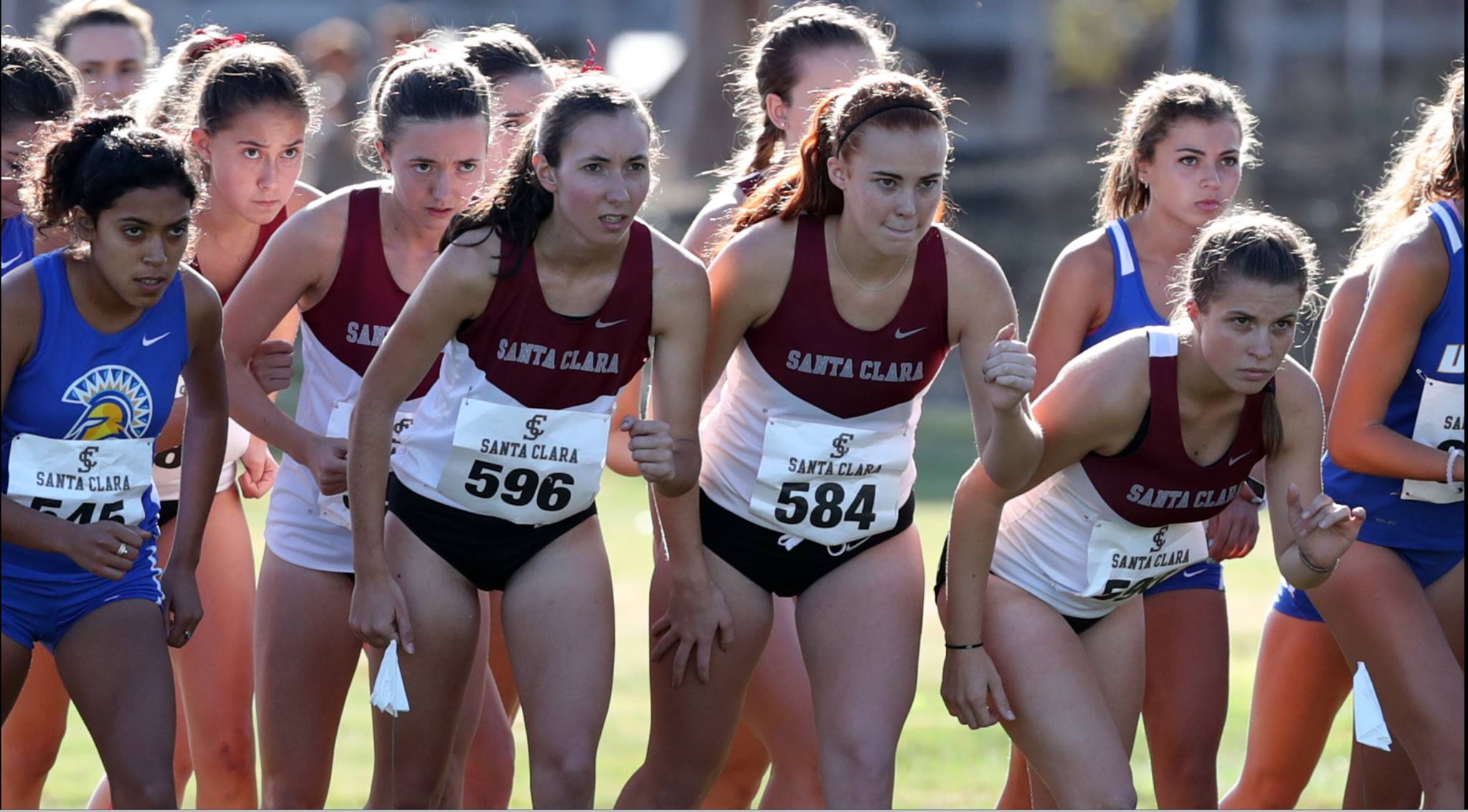
When I came to college I was not done with my competitive adventure so I plunged deeper by becoming a member of the D1 cross-country team at Santa Clara. But the journey to this competitive level has been a roller coaster. If you know anything about running, it’s not easy. There will be weeks, months, or even seasons where I feel like I’m running on empty, where successes are few and far between and getting out of bed for early morning practices after a night of late studying seems nearly impossible. Yet, every time I question whether I should continue the sport, I have a day where I feel like I’m flying, an experience with teammates where we push each other around the track or up a hill, or just a beautiful run that restores my love for the sport. Running cross country and track for almost ten years now has instilled in me the value of an unrelenting work ethic combined with patience. I have acquired the skill to take failure again and again by transforming it into a learning experience, the fuel to become better and stronger. I have learned that success is no reason to stop because there is always a new best time to be had or a steeper hill to climb.

                On the line running for Santa Clara (I’m the in the red farthest to the right)


Embarking on a New Journey

The love of a challenge and my exposure to agriculture has brought me where I am today, pursuing an Environmental Science and Political Science degree at Santa Clara University. For years I have been inundated with experiences emphasizing the importance of land to my daily existence. Santa Clara allowed me to contextualize this deep seeded knowledge by teaching me that environmental issues are at their root, people issues. By reflecting on how my family ended up where we are today, I realized the importance of such a connection. My education at Santa Clara has informed me the intricacy of these issues but years of competition have taught me to never stand back from a challenge. Now, taking on the challenge of being a Global Social Benefit Fellow I hope to dive even deeper into the world of agriculture and learn of new ways that the environment is so intimately connected to both the struggles and success of the people who live off it.


Vocational Reflections of a Global Social Benefit Fellow