
Loving our Lands
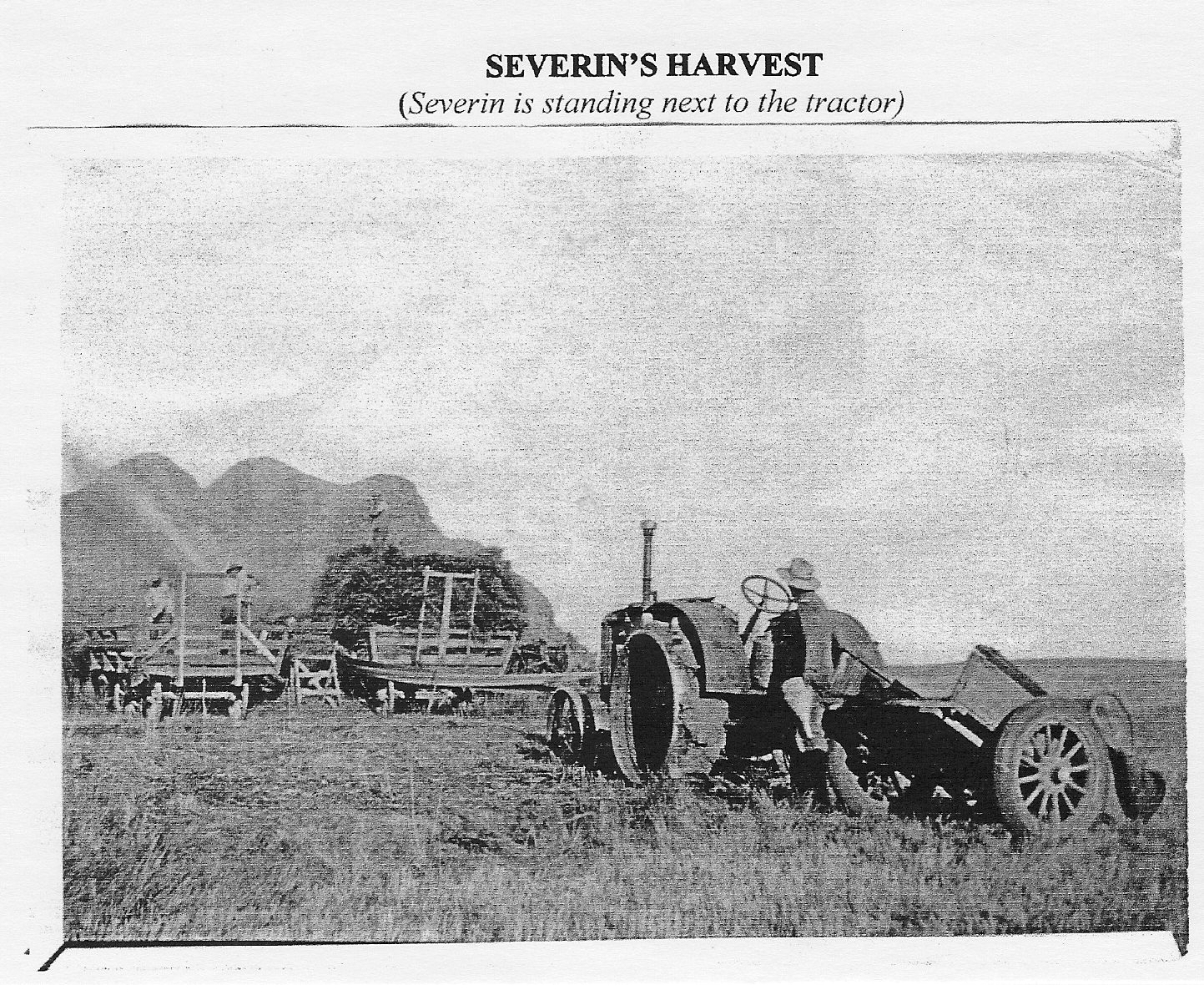
In 1905 two farming families came to the United States from Norway and settled in North Dakota. Eleven years later, my great-great-grandparents were married. They started a farm outside of Starkweather, North Dakota, which is still a part of my family today. I have very distinct memories of visiting this farm as a child, wandering around the barn, and touching the old manual farming machines. My great-uncle would take us on tours of the fields, boring my brother and I with talk of durum and wheat harvest. The farm was fun, but it was quaint and old-fashioned. I was always ready to go home when the time came. Little did I know that ten years later I would be following in the footsteps of my family, embracing the tradition of caring for the land and reaping its benefits.
The farm was not the only place I learned to love the land that surrounds us. Some of my earliest and fondest memories are of climbing out of a sleeping bag and crawling into my Grandpa’s lap, earnestly peering into his spotting scope perfectly lined up for me so I could watch the birds wake with the sun rise. Or bouncing up trails, always leading the pack on my short, elementary legs as my aunt hands me berries picked from the side, citing both the common and scientific names of the flora surrounding us. I learned how to build bird boxes, identify rocks, follow migratory patterns of bison, and listen for birdcalls. My grandpa worked for the Forest Service and my aunt for the National Park Service; I have grown up watching and listening to their stories of dedicating their lives to protecting and preserving the American wild.
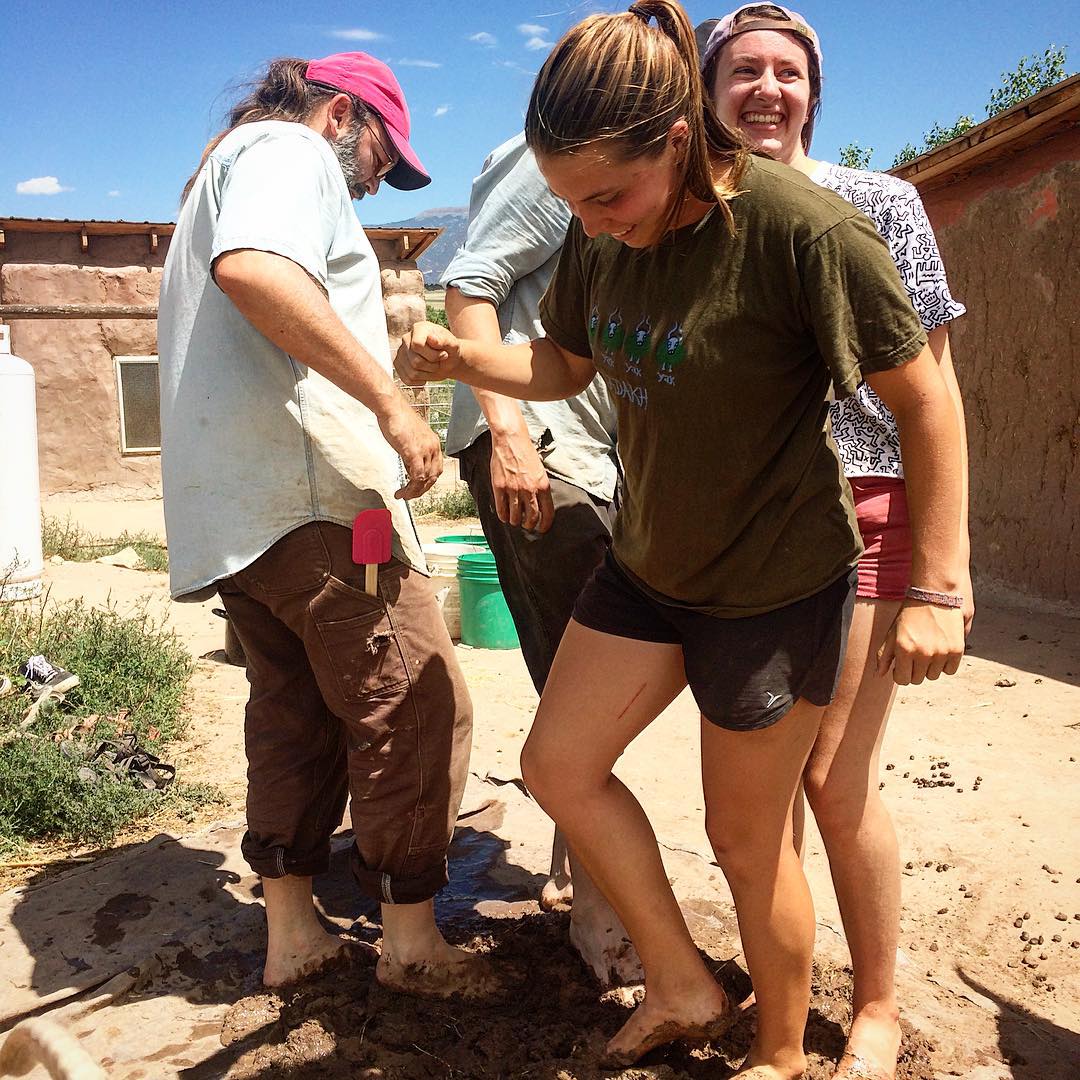
This exposure to nature inspired me to live on a self-sustaining farm in the middle of “no-where” Southern Colorado after my freshman year of college. Here I tended to the goats and the chickens, weeded, planted, tilled, harvested, repaired the coops, made cheese, and worked the farmer’s markets. For those two months I was surrounded with the ineffable beauty of scrubby desert landscape encased by fourteen thousand foot peaks and rolling foothills. The entire six weeks I did not touch a single dollar bill because everything I needed came from the farm. Technically we were living “below the poverty line” but we were surrounded by the plenty produced from the acres we tilled. Here I gained an appreciation for the effort, time, and patience it takes to create food and the community such arduous labor can create. While thinning the carrots or weeding the tomatoes my mind would wander off picturing what it must have been like for my great-great grandparents in the barren land of North Dakota starting their own farm. I am in awe of the family I have come from. I began to truly appreciate the discipline required of my family to create lives out of the land.
The following summer I continued to pursue agricultural but gained a new perspective by studying the large conventional farms littering California. I worked as a research assistant examining on-farm food waste in industrial farms. This position took me all over the Salinas Valley and Central Valley in California where I interviewed farmers, surveyed fields, and ventured even deeper into the complexity of the food system. These experiences made me want to travel back to the days when my great-uncle was explaining the harvest systems at our family farm, because I would find them fascinating. Seven-year-old me turned up my nose at a career in agriculture, now I found myself fully embracing all aspects of the field.
Learning to Swim
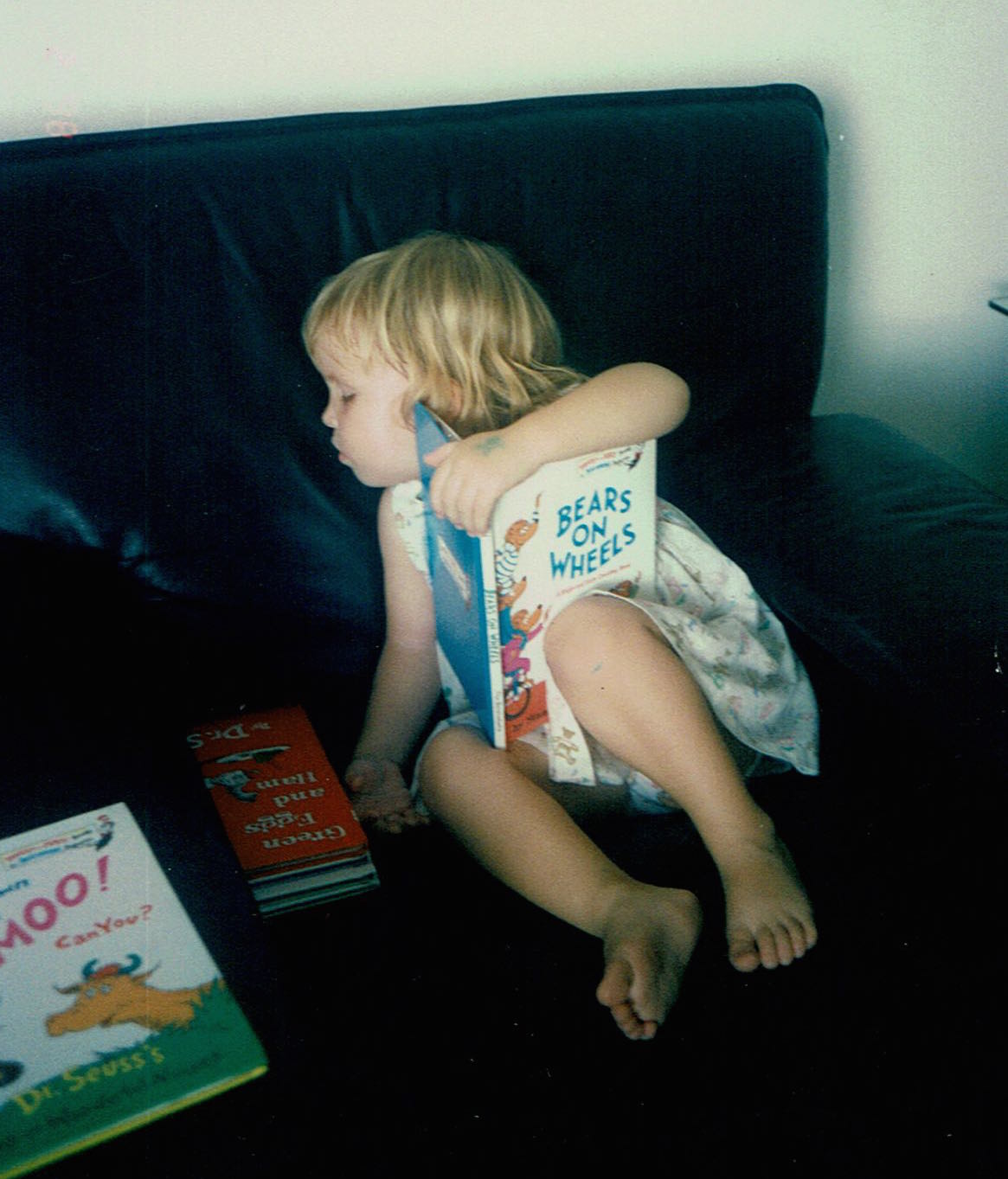
When I asked my parents what I was like as a child, they both laughed. “You were very… strong-willed, you set your mind on something and it happened” my mom replied. My wonderful parents taught my brother and I to turn our will into productive power. I was a voracious reader ever since I first learned how to interpret letters on paper. In several parent-teacher conferences my parents got a stern talking to because I often was reading books “past my age” and attempting to sneakily read them under my desk during lectures. Despite my second-grade teachers perturbation at this habit, it instilled in me a deep desire to dig deep into subjects and engulf myself with information. I still refuse to leave the house without a book in my bag and spend my early mornings off curled up on the porch diving into fictional worlds or the complexities of our world in non-fiction.
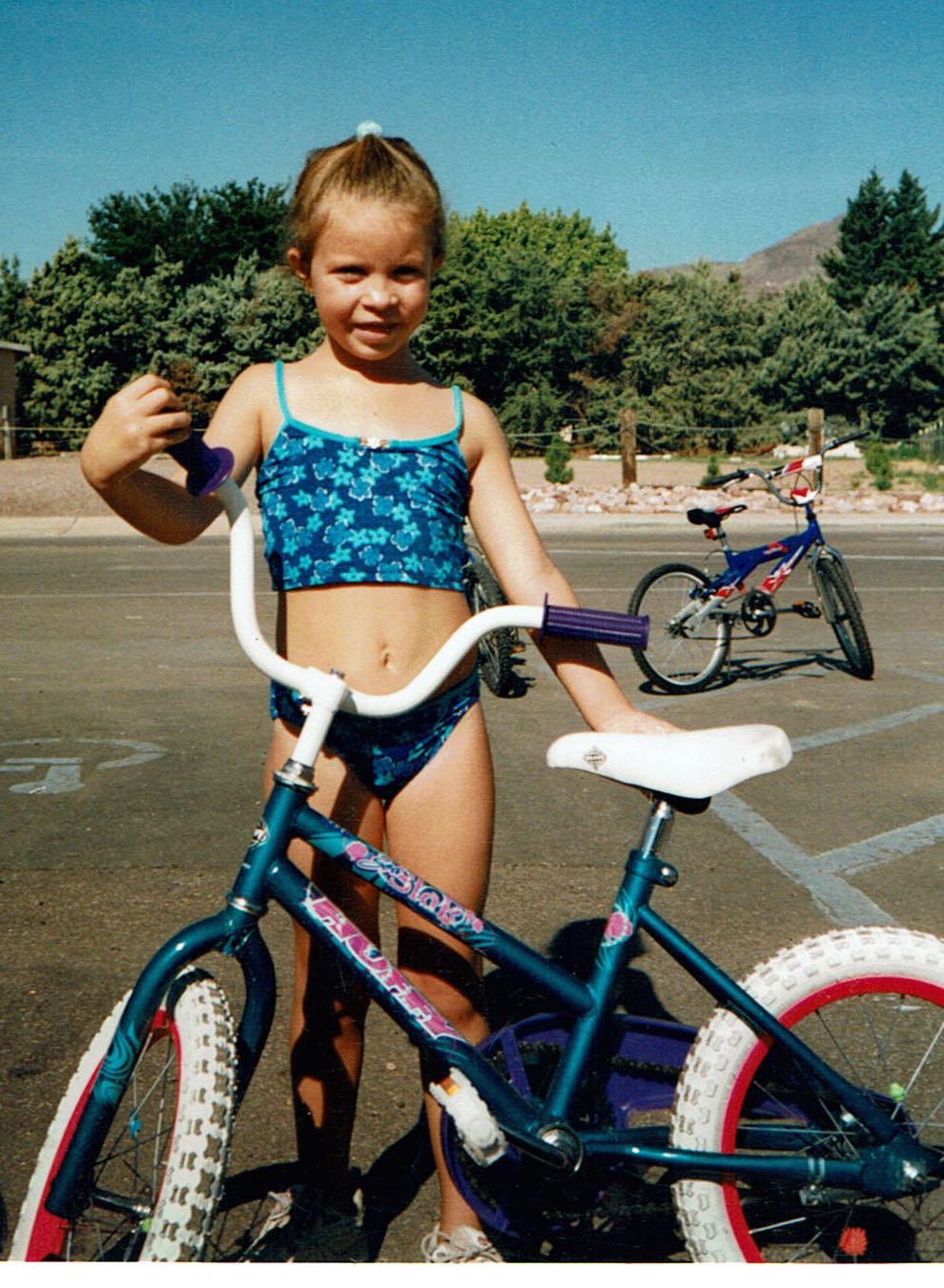
This stubborn determination transferred to athletics as well. My dad was a college football player, my mom a marathon runner. You could say being active is in my blood. I competed in my first triathlon when I was four years old, despite the five-year-old age cut-off. Daredevil me had learned to swim by fearlessly jump into the pool at two and a half, sometimes forcing my fully clothed parents to jump in after me. While my ability to think rationally about such life threatening decisions may have improved with age, the principle remains the same. I’m not a toe-dipper; I am a diver.
When I came to college I was not done with my competitive adventure so I plunged deeper by becoming a member of the D1 cross-country team at Santa Clara. But the journey to this competitive level has been a roller coaster. If you know anything about running, it’s not easy. There will be weeks, months, or even seasons where I feel like I’m running on empty, where successes are few and far between and getting out of bed for early morning practices after a night of late studying seems nearly impossible. Yet, every time I question whether I should continue the sport, I have a day where I feel like I’m flying, an experience with teammates where we push each other around the track or up a hill, or just a beautiful run that restores my love for the sport. Running cross country and track for almost ten years now has instilled in me the value of an unrelenting work ethic combined with patience. I have acquired the skill to take failure again and again by transforming it into a learning experience, the fuel to become better and stronger. I have learned that success is no reason to stop because there is always a new best time to be had or a steeper hill to climb.

Embarking on a New Journey
The love of a challenge and my exposure to agriculture has brought me where I am today, pursuing an Environmental Science and Political Science degree at Santa Clara University. For years I have been inundated with experiences emphasizing the importance of land to my daily existence. Santa Clara allowed me to contextualize this deep seeded knowledge by teaching me that environmental issues are at their root, people issues. By reflecting on how my family ended up where we are today, I realized the importance of such a connection. My education at Santa Clara has informed me the intricacy of these issues but years of competition have taught me to never stand back from a challenge. Now, taking on the challenge of being a Global Social Benefit Fellow I hope to dive even deeper into the world of agriculture and learn of new ways that the environment is so intimately connected to both the struggles and success of the people who live off it.