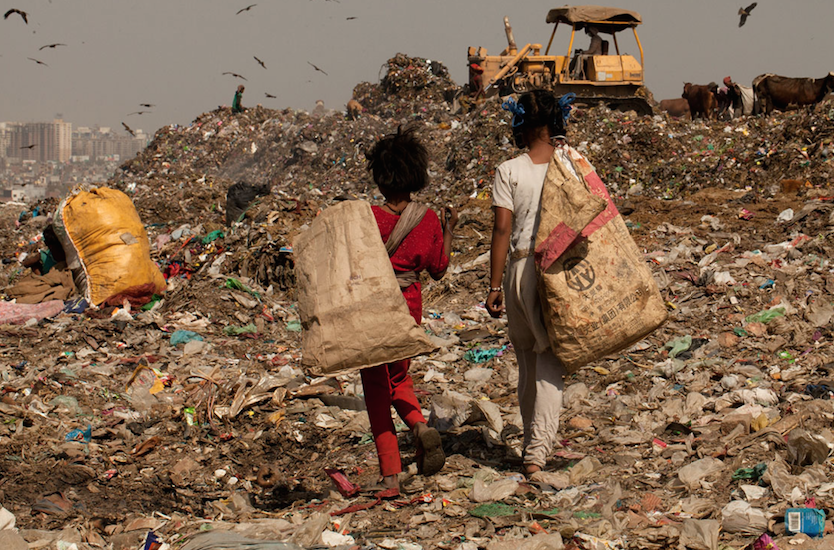
A question I have gotten a lot since returning from India is “was it hard to see all of the poverty there?” I never know quite how to answer this: I know the answer that people want and expect to hear, yet it doesn’t completely match with what I saw or experienced while working at Sankara Eye Care. India: the notoriously dirty, over populated, poverty stricken country of South Asia – when I tell people how I spent my summer, I can practically see the wheels in their brains turning as they picture me picking my way through hoards of homeless children and slums in a scene straight out of Slum Dog Millionaire. There is no question that that level of extreme poverty exists in India, and I did see certain aspects of it, but a far more defining aspect of my time at Sankara involved interacting with people while going about their daily lives in a manner not so different from mine.
I went into this field placement with some built up expectations. I expected to be challenged, for our project to change and to be confronted with tough working environments and situations. Some of my assumptions were correct; our project changed within an hour of getting to the Sankara hospital, I was pushed out of my comfort zone and we conducted a lot of surveys. That’s pretty much where the list stops. I came into Sankara with a very one-dimensional picture of India. I was expecting my perspective to drastically change because I would be confronted with such an impoverished population and living with people I had little in common with. And while my worldview did change drastically, it was the human similarities – not the differences – that challenged my preconceived ideas.
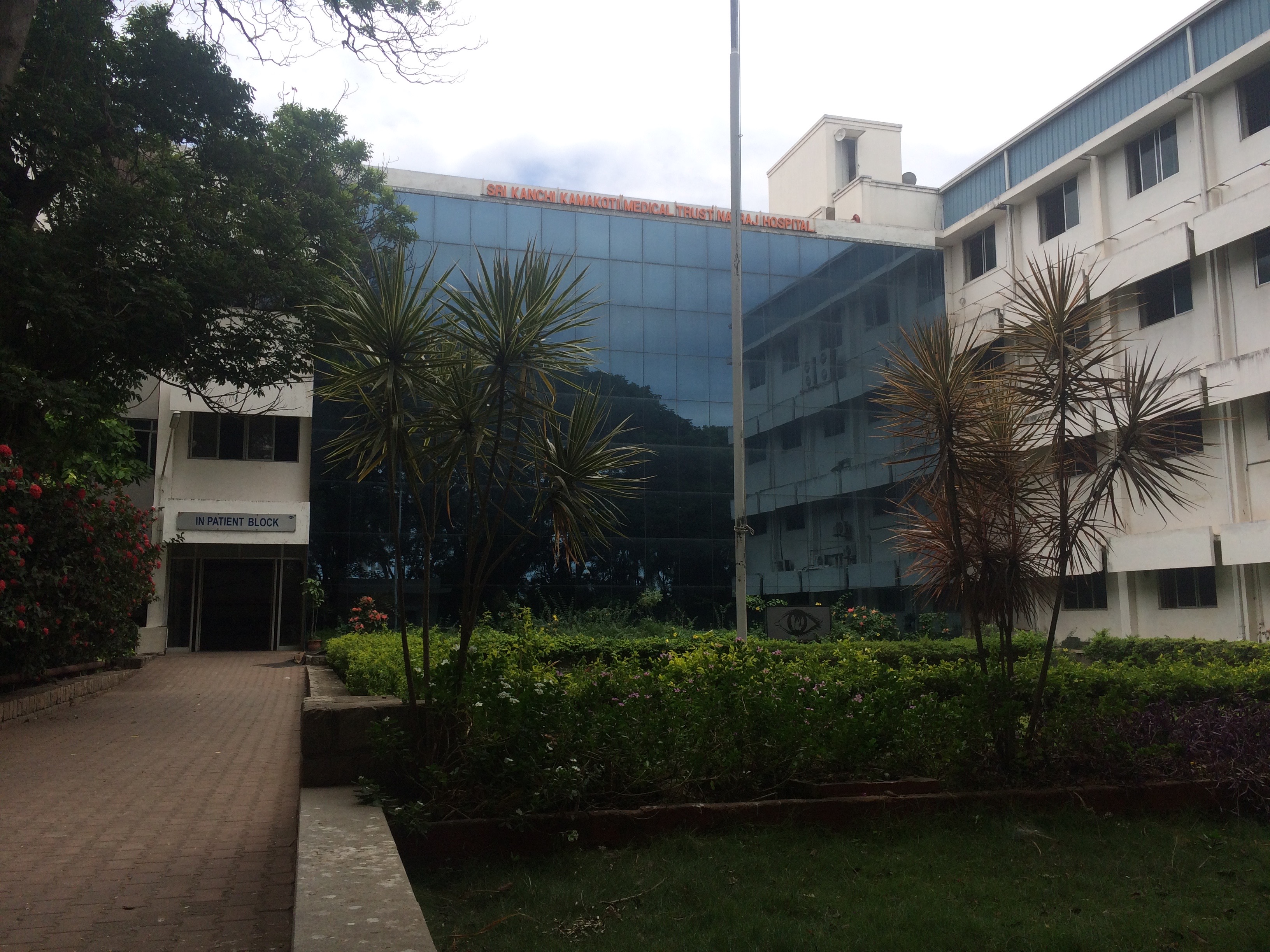
Jana and I spent the majority of our time at Sankara’s base hospital in Coimbatore. We conducted nearly all of our interviews there, slept in resident doctors’ dorms and ate in the canteen beside staff members and patients. At first, being at the hospital 24/7 extremely frustrated me. I felt like I wasn’t being immersed enough into “the real India” and as though my time at the hospital was sheltering me and forcing me to miss out on what I thought would be a more authentic experience. I thrive on a packed schedule and being in one place with lots of down time and loosely structured, unpredictable days was very challenging for me throughout the entire trip. And although frustrating at times, living at the hospital full time allowed me to settle into the Sankara community and gain a sense of what day to day life in India is really like. Over time I began to realize that this was the so called “real India” I had wanted to see, it was just a side of the country that I had never thought about before: one that involved people just going about their daily routines. Not living in total squalor, not surrounded by overwhelming poverty, just people going to work.
This spring, Jana and I were assigned an article from The Economist about the way India is often portrayed by government entities and the media. The article described the “Oxfam view,” or the promotion of the idea that India is ruled by “poverty, inequality and oppression” and that this characterization only captures a fraction of the narrative. Although I read it, the article quickly got lost and forgotten in the chaos of the quarter. I reread it recently and I think it really hits the nail on the head. Because India is still developing in many ways, it can still benefit from the work many foreign aid organizations, like Oxfam. However, this view doesn’t acknowledge the fast growth rate of India’s economy or the technological and innovative breakthroughs that are also taking place in the country every day. The challenge lies in painting a picture of India that accurately displays the balance between these two realities.
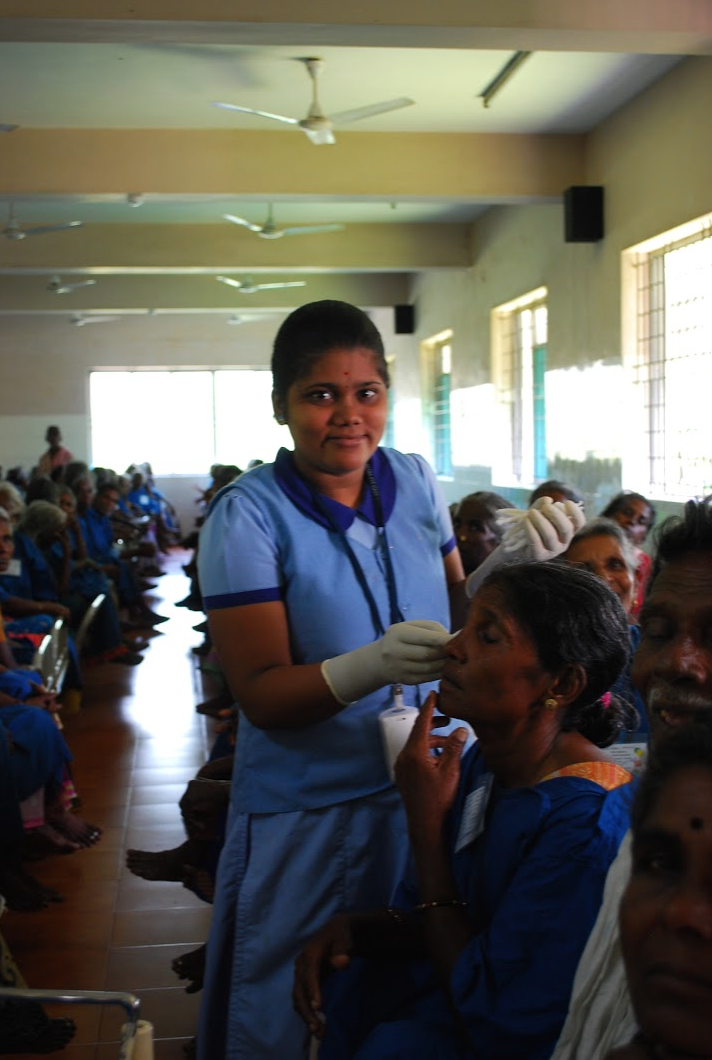
Dichotomies are everywhere in India. Innovation and poverty, five star hotels next to slums and Sankara’s quiet organization in the midst of chaos. Despite impossible circumstances, Sankara has developed a system that can operate efficiently – even in India’s seemingly disordered rural villages. Sankara doesn’t just coexist with local communities: it integrates with them and remains reliant on people at the base of the pyramid to increase program impact. Patients share stories about their positive experiences with friends and family, local leaders help publicize and host eye camps, and vision care technicians are recruited from villages all over India. This method allows Sankara not only to simply survive in the challenging business environment of India, but also thrive.
The question of whether or not poverty was hard to witness doesn’t have a clean answer. The poverty is present, but so are a million other equally relevant facets of India’s identity. There are two sides to every developmental story. Before going to India, I had a good idea about the two extremes that existed: the poverty found in rural villages and urban slums, and the success stories, like those of Sankara and Aravind. What I didn’t think about were the people in the middle: the people who are going to work, laughing with friends and living with a daily routine, much like people in any other city. The details of our lives may vary, but our core experiences are essentially the same.
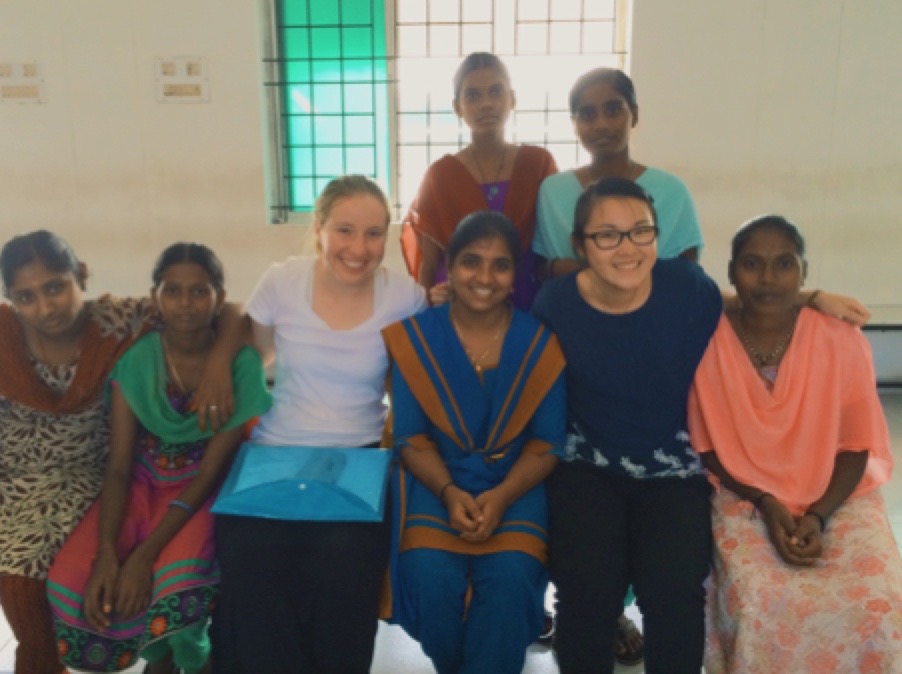
This summer pushed me out of my comfort zone and challenged me in many ways, but I think the most significant thing I gained was a better-rounded global perspective. The knowledge and understanding that I can have so much in common and that I can connect with people who at face value are so different from me made me more self aware and empathetic. I feel more connected to the world around me, which has increased my desire to work in the global development field – not only because it is a topic that interests me, but also because I have found through this experience that it is a way to productively engage others and learn much about myself by doing so.