Crossroads.
One year ago, I was living in Rabat, Morocco and feeling lost. I was doing journalistic research, working on assignments while traveling throughout the country. I had come to a realization that journalism wasn’t for me – but living and working in a developing country was. I enjoyed the fieldwork – the opportunity to engage with people from another culture and discuss about the challenges they faced. Hearing how they were striving to solve those challenges activated my thirst for community engagement and put it on a global level. I didn’t want to write about the problems that the international developing community faces. I wanted to be apart of the solution.
For a long time, I thought that my major in Political Science and minor in Communication pigeonholed me into a career of either law, public policy, or journalism. I became frustrated, always feeling removed from the societal issues that I studied. I found ways to become active in my local community, but it was still difficult for me to reconcile both hands-on engagement with community problems and analysis for the policymaking purposes.
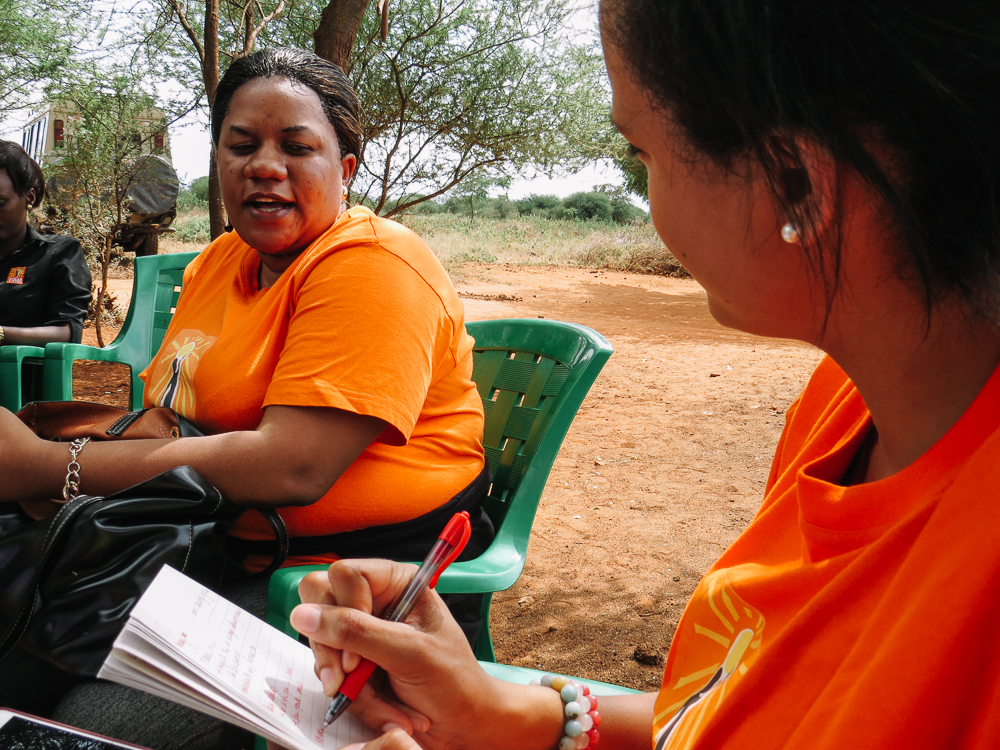
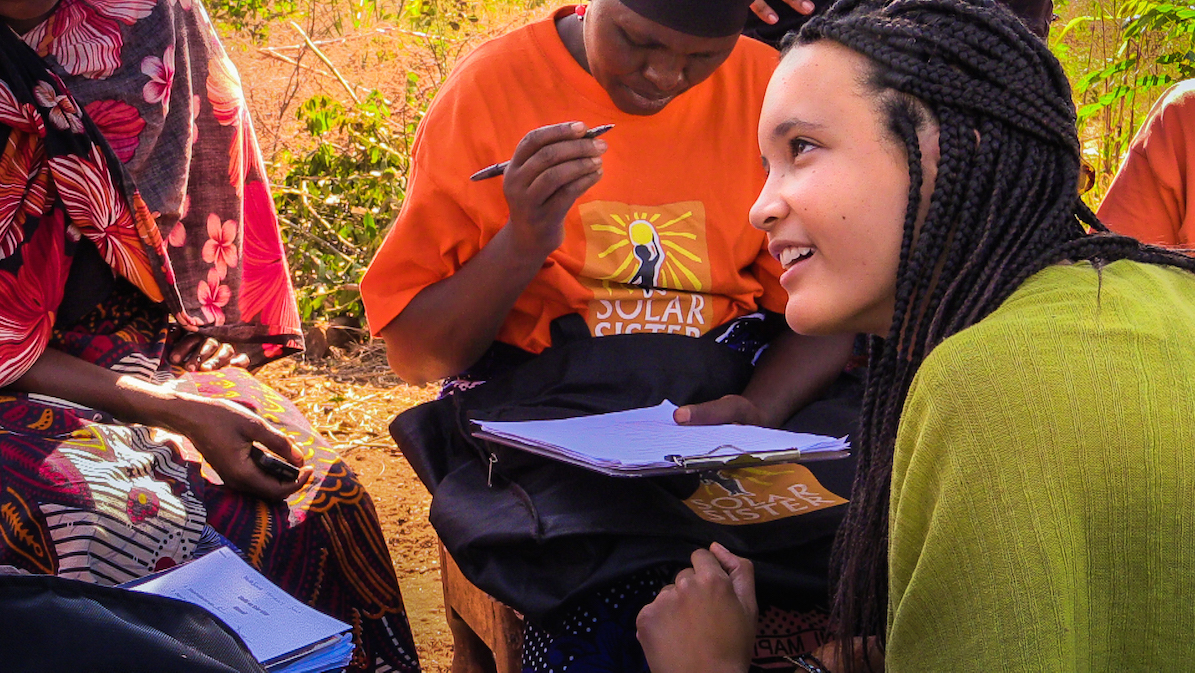
I applied to the Global Social Benefit Fellowship wanting further constructive contact with the developing world and to explore the intersection between social science and business. My two months of fieldwork documenting social impact in East Africa alongside Solar Sister gave me that and more.
“Light. Hope. Opportunity.”
One night, we drove down a dirt path from one farm to another, bracing ourselves as the car struck the inevitable bumps and small ditches that lined the makeshift road. Inside the car was my research partner, Serena, myself, and the video team. We had just spent about five hours with a Solar Sister entrepreneur named Moshi, interviewing her, her children, and sharing a dinner with her that came from her clean cookstove.
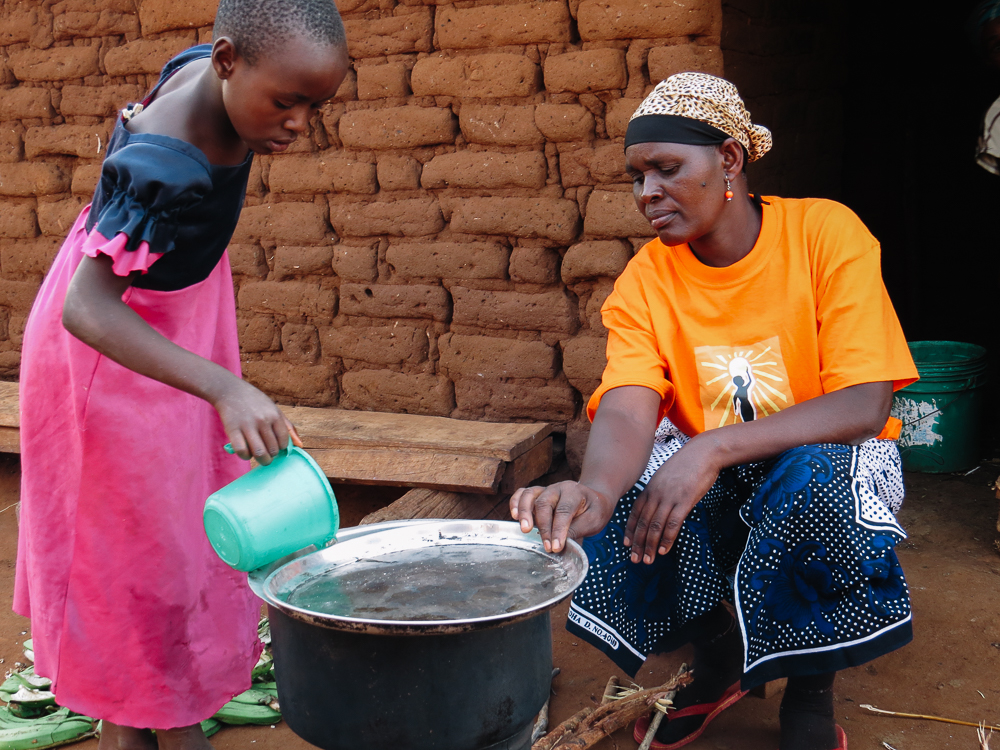
During our interviews, she explained that she had encountered the Solar Sister opportunity during a presentation at a farmer’s union meeting. She was attracted to both the opportunity to acquire money to help relieve the burden of home expenses and the idea that she could help provide clean energy access to her village. She remarked that once she realized that she alone could not eradicate energy poverty in the entire village, she recruited three friends to become Solar Sisters too. The four women estimated that about 75% of their village was using solar lanterns purchased from them.
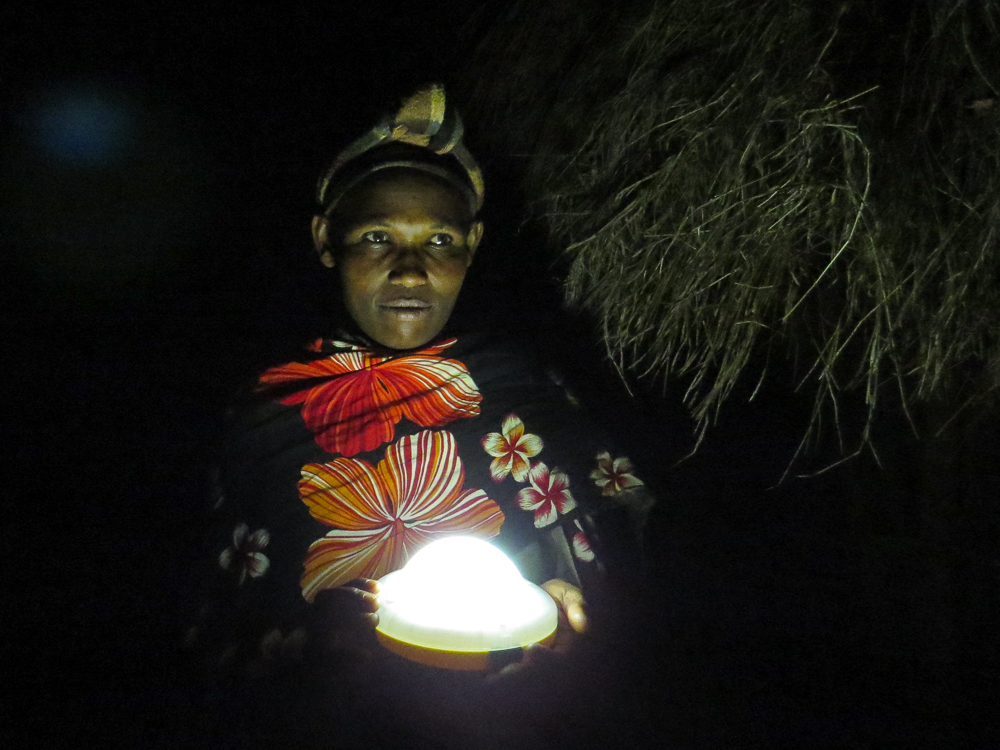
After dinner, Moshi volunteered to take us to visit one of her customers and see how they use their solar light at night. Inside the car, I peered outside the window and was struck by what I saw. The darkness that enveloped the energy poor village was brought to life by the starry sky. I looked down and saw more little white circles pass as we drove. “Are those solar lanterns?” I asked Moshi. A translation later, she confirmed that the white dots that shined as bright as the stars above were solar lights she had personally sold to her neighbors and friends. This was unsurprising coming from Moshi – a woman that had sold 250 lanterns and gone through 5 receipt books during her first year as a Solar Sister.
Reflection.
A month earlier, during one of my first mornings in Uganda, I sat at breakfast with Katherine Lucey, one of the founders of Solar Sister. When I got to the table, she was in the middle of discussing the Solar Sister brand and past marketing campaigns. She explained that Solar Sister had made a conscious effort to stray from tragic photos of kerosene-burned children or other visual effects of the kerosene health hazard. She shook her head as she made it clear that was absolutely not Solar Sister’s narrative.
Solar Sister’s story is comprised of the women, like Moshi, who are a powerful force of social impact for their communities and their own families. I understood generally what Katherine Lucey meant while sitting at that table. But it wasn’t until I went into the field and began documenting social impact that I truly felt why it was important to get the narrative right.
Learning what drives the women of Solar Sister to create impact in their own lives and the livelihoods of the people in their communities was inspiring. I feel empowered to be a social change leader through to seeking out solutions to global problems, while simultaneously continuing to pursue and engage in self-discovery. I returned to Santa Clara with a better understanding that my educational background gives me a needed analytical knowledge base to help me identify innovative solutions to the obstacles to development issues that I want to address.
Now that I’ve seen the impact an experienced social enterprise can have, I’m passionate about finding ways to contribute to the growth of younger social entrepreneurial ecosystems. I believe using what I learned this summer to cultivate the potential of a younger enterprise environment creates opportunity for more sustainable growth and life improvement where it is needed the most.