Why am I here?
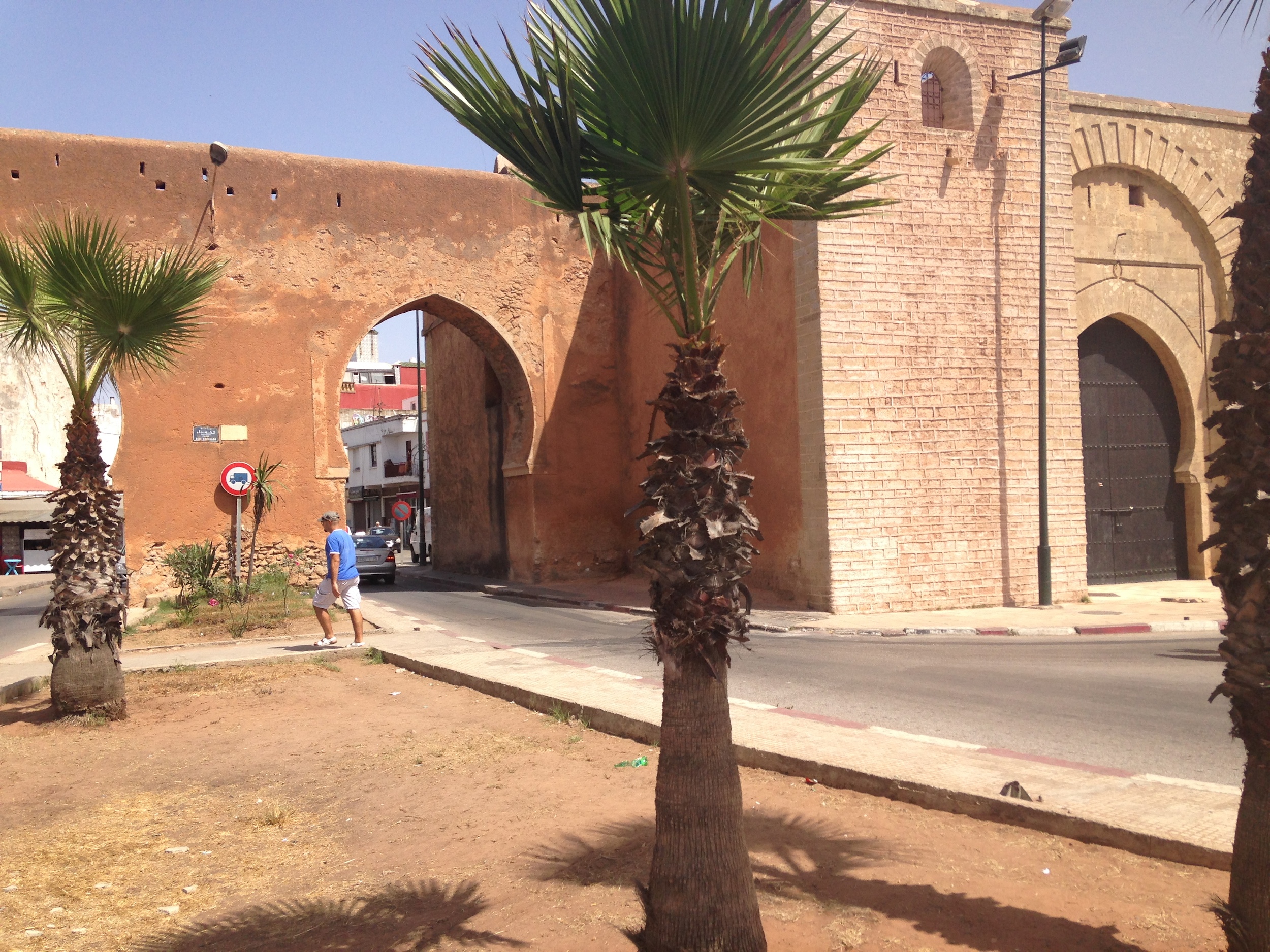
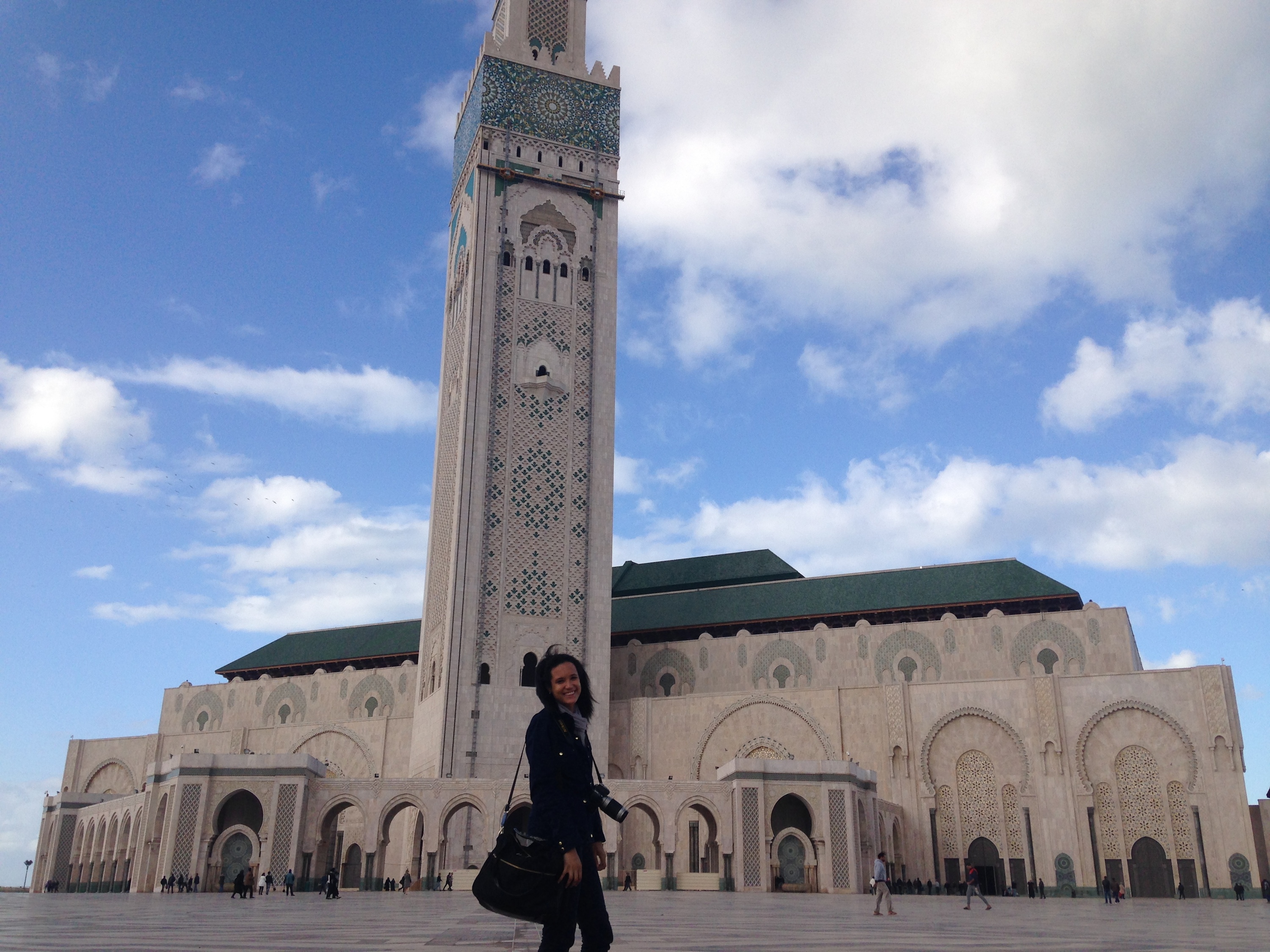
Recently, I heard someone say that spending time in the developing world teaches you to “question what is considered normal.” This phrase reminded me of the four months I spent living and studying in Morocco, where I was exposed to new definitions of normal. What I had considered to be normal in the comfort of my Chicagoland area home was definitely not the normal I experienced living within the walls of a 12th century medina.
I decided to live in Morocco for three and a half months to engage the skills I had gained from studying Arabic for two years prior. Since I enjoyed writing, I thought the best way to apply my love of research and community engagement was through journalism.
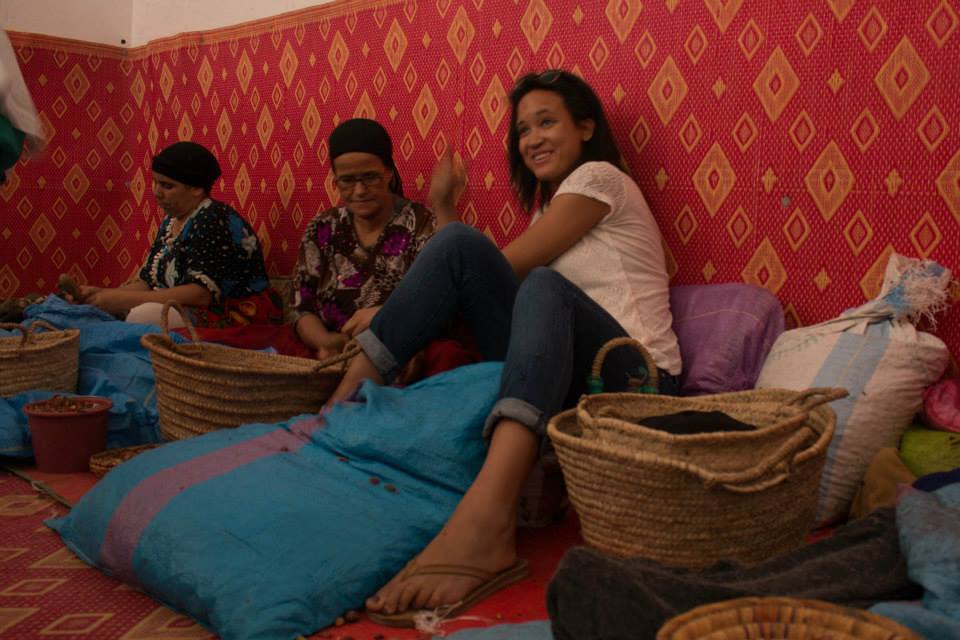
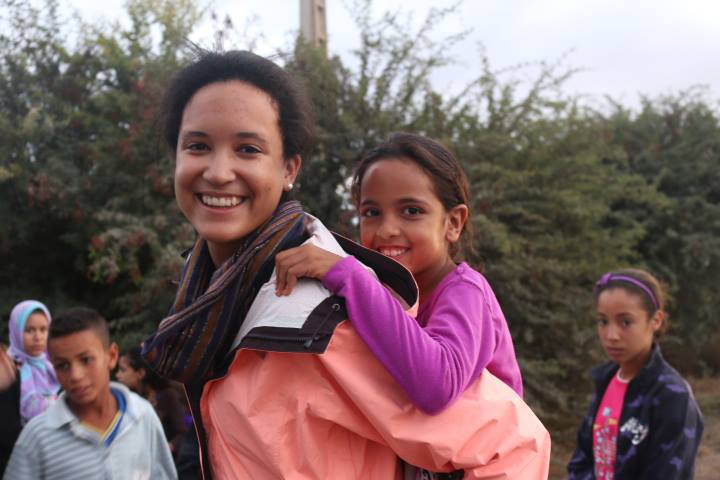
I spent a week in a small agricultural village outside of Fez, where I profiled a young woman whose typical day involved running an NGO that teaches vocational skills to other village women who have been forced to drop out of school early to prepare for marriage. I discovered another normal when I visited an argon oil cooperative in Southern Morocco, where Amazigh women create a human assembly line and accomplish what no machine can. While working in Casablanca on a story about discrimination against leprosy patients, I found, for 75-year-old Mohammed Belarbi, normal meant feeling more comfortable at a leprosy hospital than his home village.
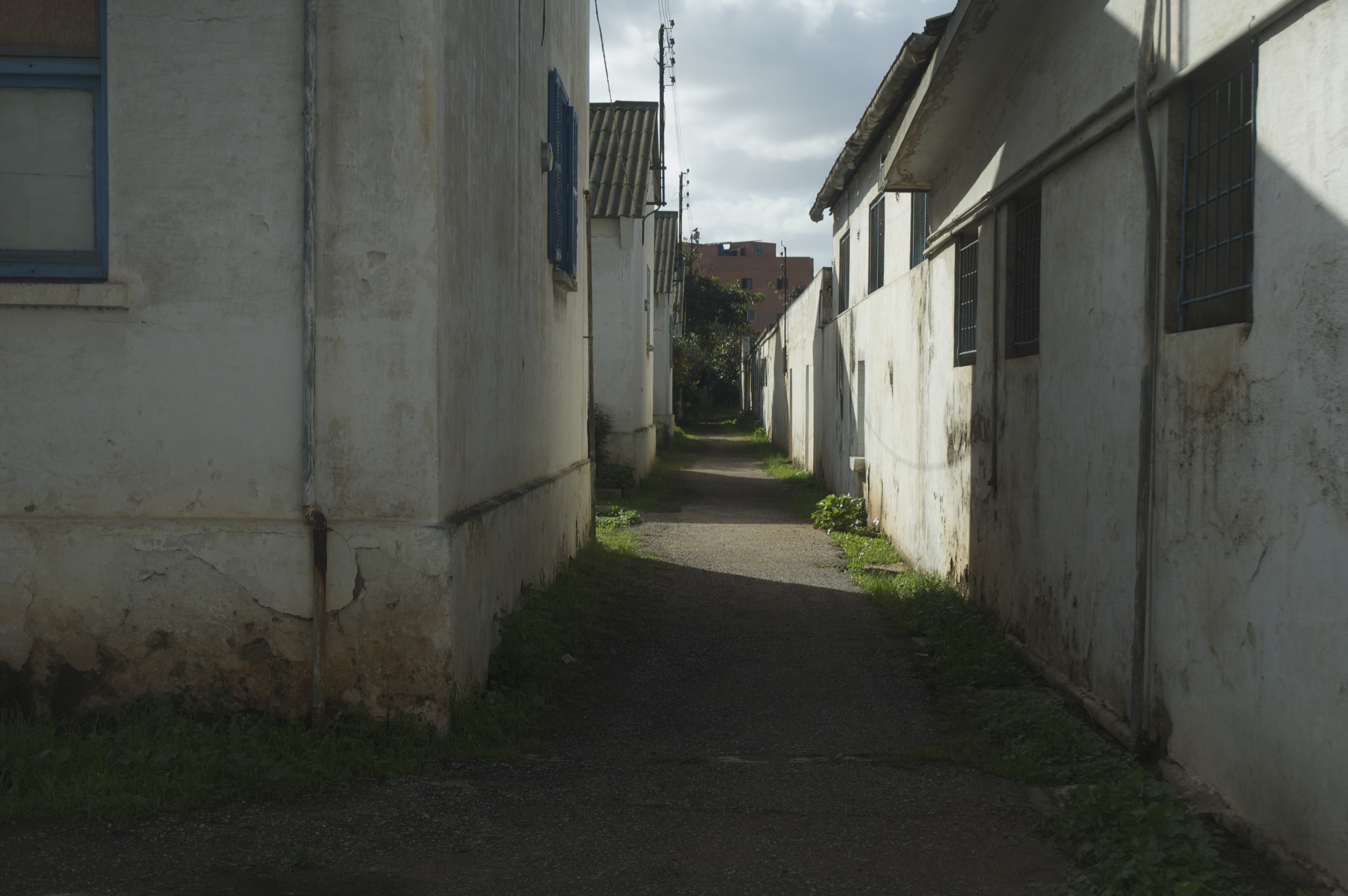
When I left Morocco, I was nowhere near fluent in Arabic and I had no desire to pursue journalism – but I did leave with a deeper sense of purpose and self-understanding. I am forever changed by the new norms I learned about and lived through. Morocco helped me realize that I want to use my ability to discover and share untold stories for global impact. Being selected for the Global Social Benefit Fellowship has given me the opportunity to further engage with the developing world in a practical way.
Background
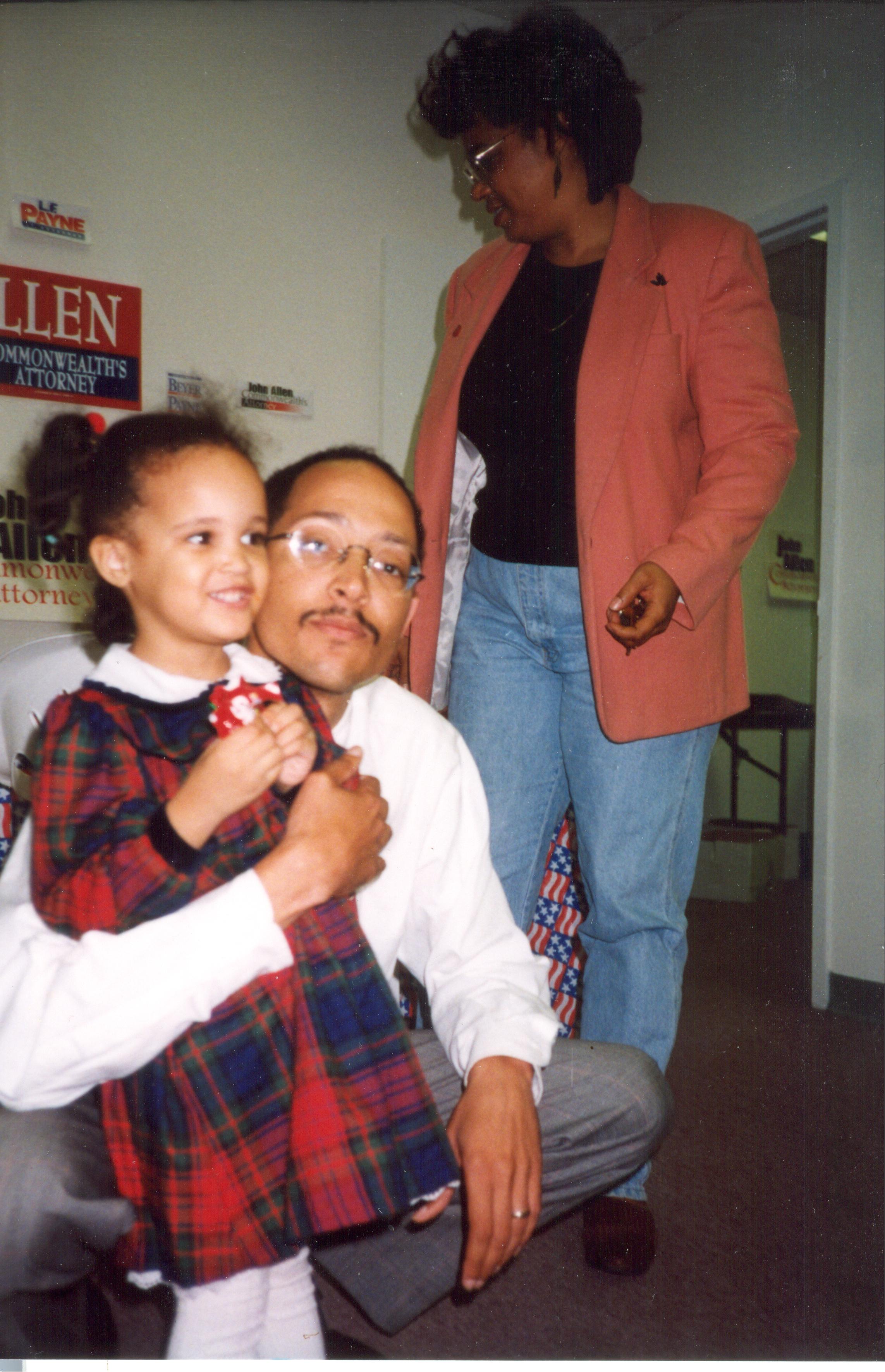
Born into a family of political activists and lawyers, I was raised to be engaged, thoughtful and sensitive to my community and the issues that allow fairness and equality to flourish. Years of listening to heated debates fly across our dinner tables instilled a deep sense of curiosity within me – a desire to better understand the information around me.
Growing up on the near west side of Chicago provided me with experience in confronting obstacles to community development. My hometown, Oak Park, Illinois, was confronted with the paradox of being able to advertise diversity and acceptance at face value because of demographics, yet still plagued with consistent institutional barriers that caused separation within the community. While the issues caused by these barriers were somewhat subtle to those unaffected by them, they were insurmountable for those who were not born with the tools or access to overcome them.
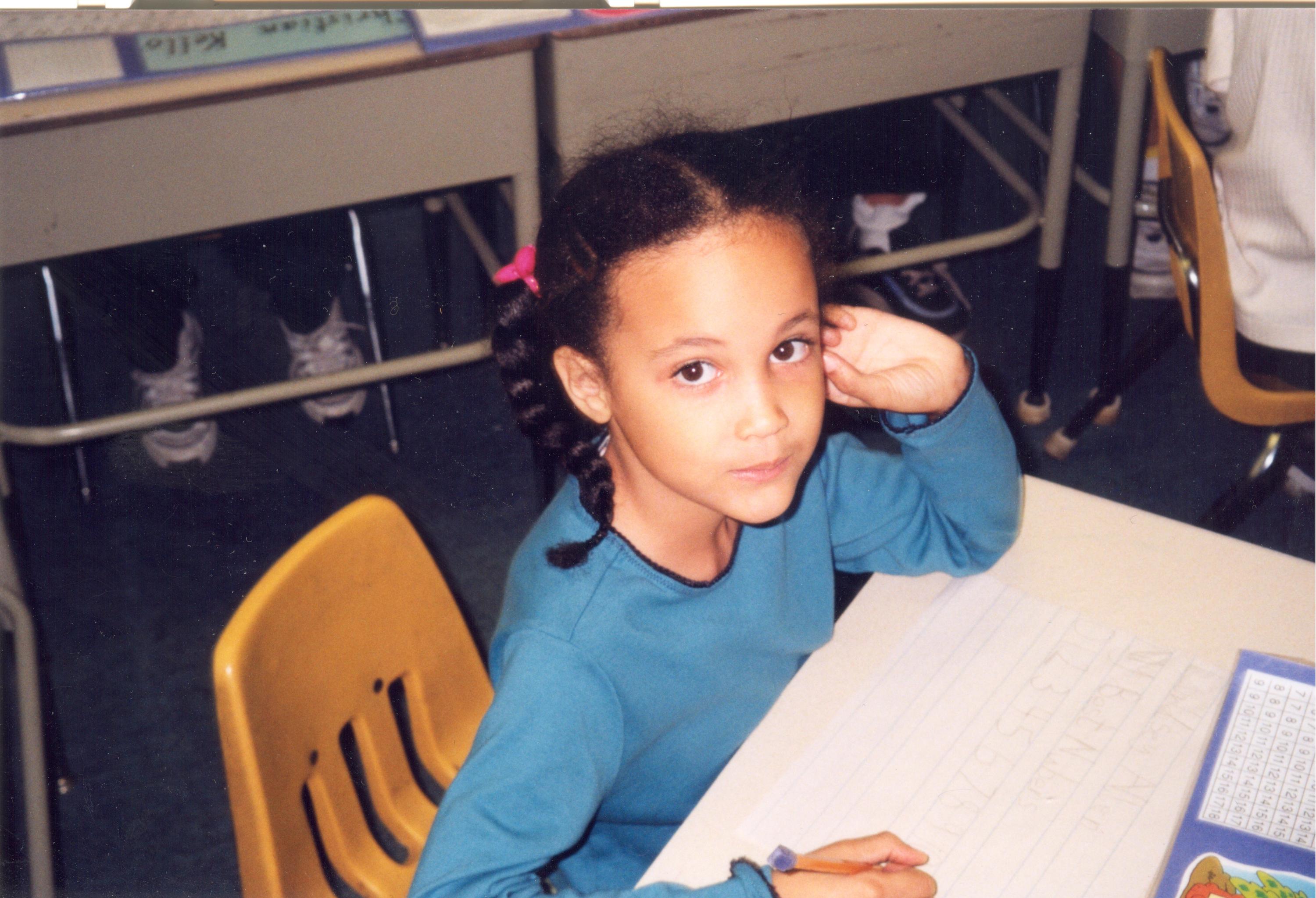
One barrier in particular that affected me was the tracking system in place at my local high school, which separated students into specific classes based on their academic achievement levels. This system is intended to support academic success amongst all ability levels; however, in effect at Oak Park and River Forest High School, tracking results in low-track classes being mainly comprised of low-income and minority students. Because of this, students from successful socioeconomic background further benefit from the advantages of dominating the high track, while the low-track students are not stimulated and are put at further disadvantage. Not only did this create an achievement gap at my school between blacks and whites, but it also created a cultural gap – high-track Caucasian students often did not have any cross-cultural exposure to African-American students who were commonly assigned to low-track classes. As the only black student in the majority of my Advanced Placement classes, I personally experienced the consequences of this structure. While I was able to laugh off or ignore certain interactions with my high-track peers, such as “Is your hair able to blow in the wind?” or “You’re so articulate”, there others that made my brain spin, like “How are your parents successful?” or “You’re so white”. The fact that the tracking-caused achievement gap led to high-achieving white students to be confused or unable to fathom the idea of a high-achieving black student was indicative of a fundamental problem in my community.
While this was disheartening for me, it activated my thirst for understanding community dynamics and put it in the context of addressing a systematic, unsolved problem. I created a goal for myself to make an impact on this issue and my high school experience was largely shaped around my motivation to reach this goal. I ended up being part of a team that created a documentary in which we asked our peers about their perspective on the achievement gap. We shared the student stories with our school’s Board of Education, and gave the decision makers new insight.
Looking back, one of the most valuable lessons I learned from that high school experience was to not be afraid to use my curiosity to question and confront established norms.
Looking Forward
I think the time I spent living in the developing world combined with my upbringing is what drives my motivation to contribute to global community development. I am excited for the experience and opportunity that awaits me as a Global Social Benefit Fellow.