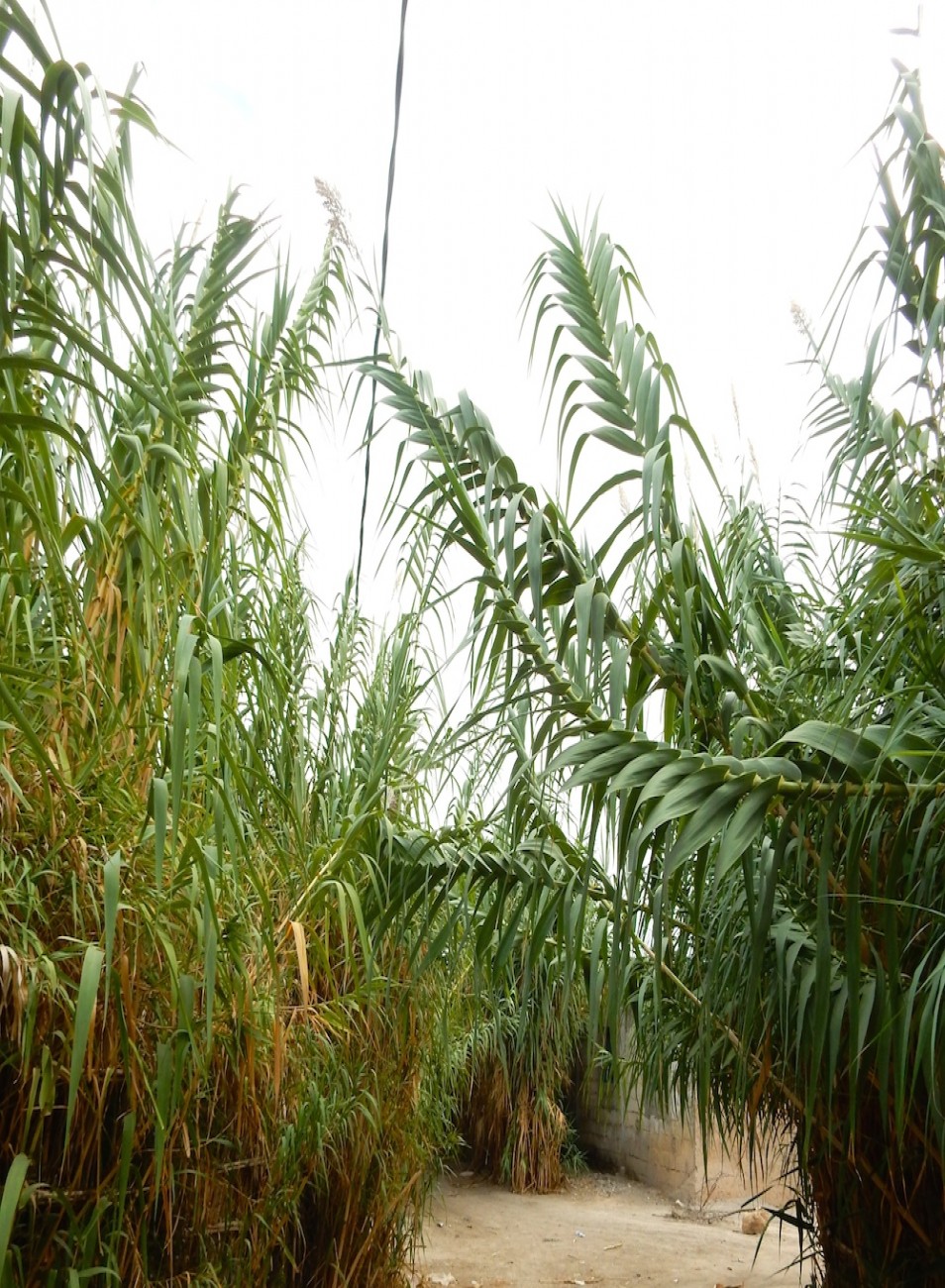
First Glimpse
The first thing I noticed when the plane descended onto Entebbe Airport at 9pm was the darkness. Having researched energy poverty in East Africa in preparation for documenting the social impact of Solar Sister, I was very much aware that 90% of Ugandans are off the electrical power grid. However, it is one thing to read and memorize a fact, and a completely different phenomenon to see that fact come to life – and see how that fact affects those who are most exposed to it.
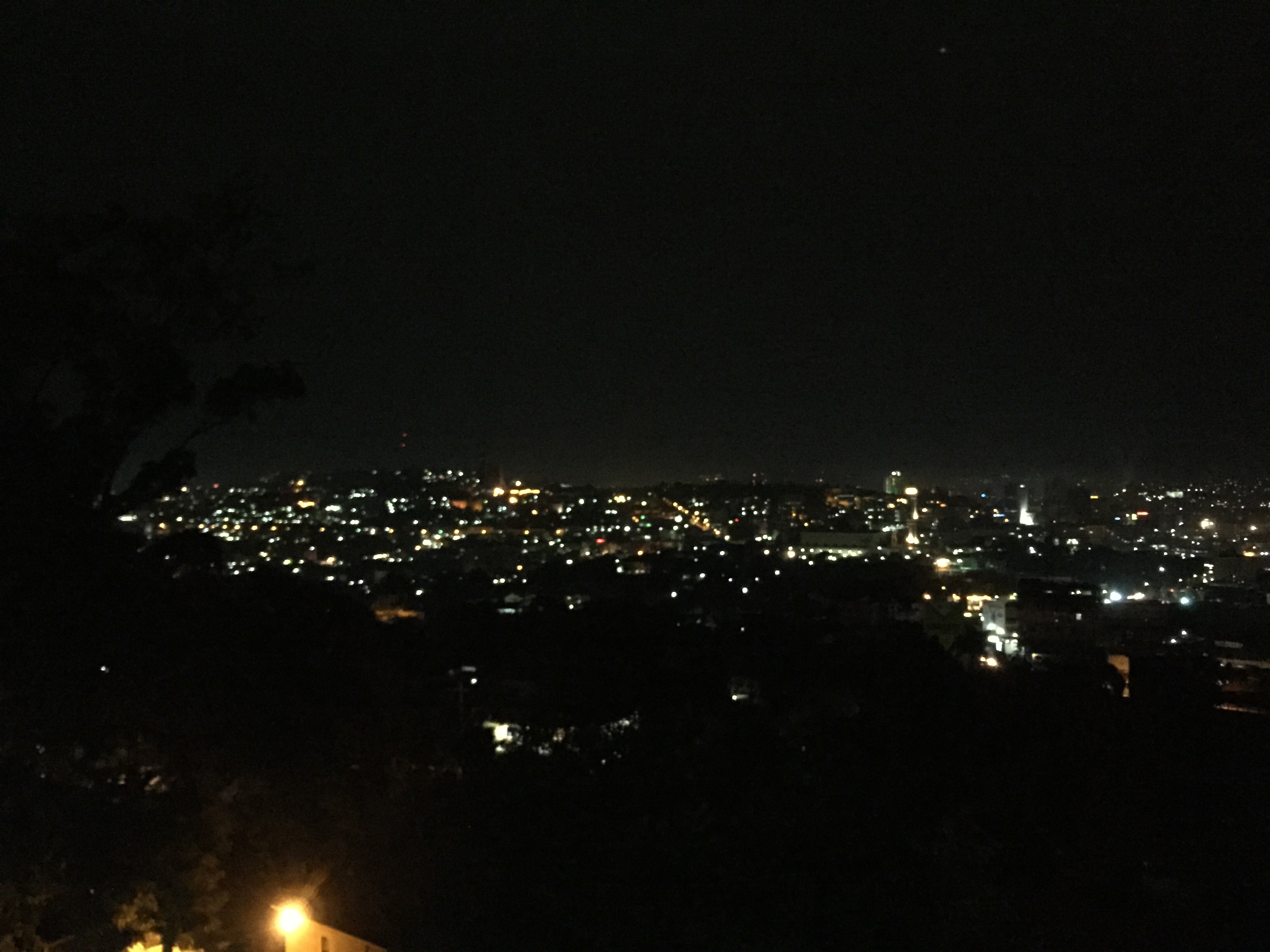
Kampala’s bustling, lively atmosphere doesn’t go down when the sunlight does. After the sun has set at 7pm, you can find the streets still lined with market stalls lit by kerosene and candlelight. As I watched buyers crowd around a dimly lit fruit stand one evening, while stuck in one of Kampala’s notorious traffic jams, my mind jumped around imagining all the possible accidents that could occur from a group of people exposed to an open flame.
“Because I know her.”
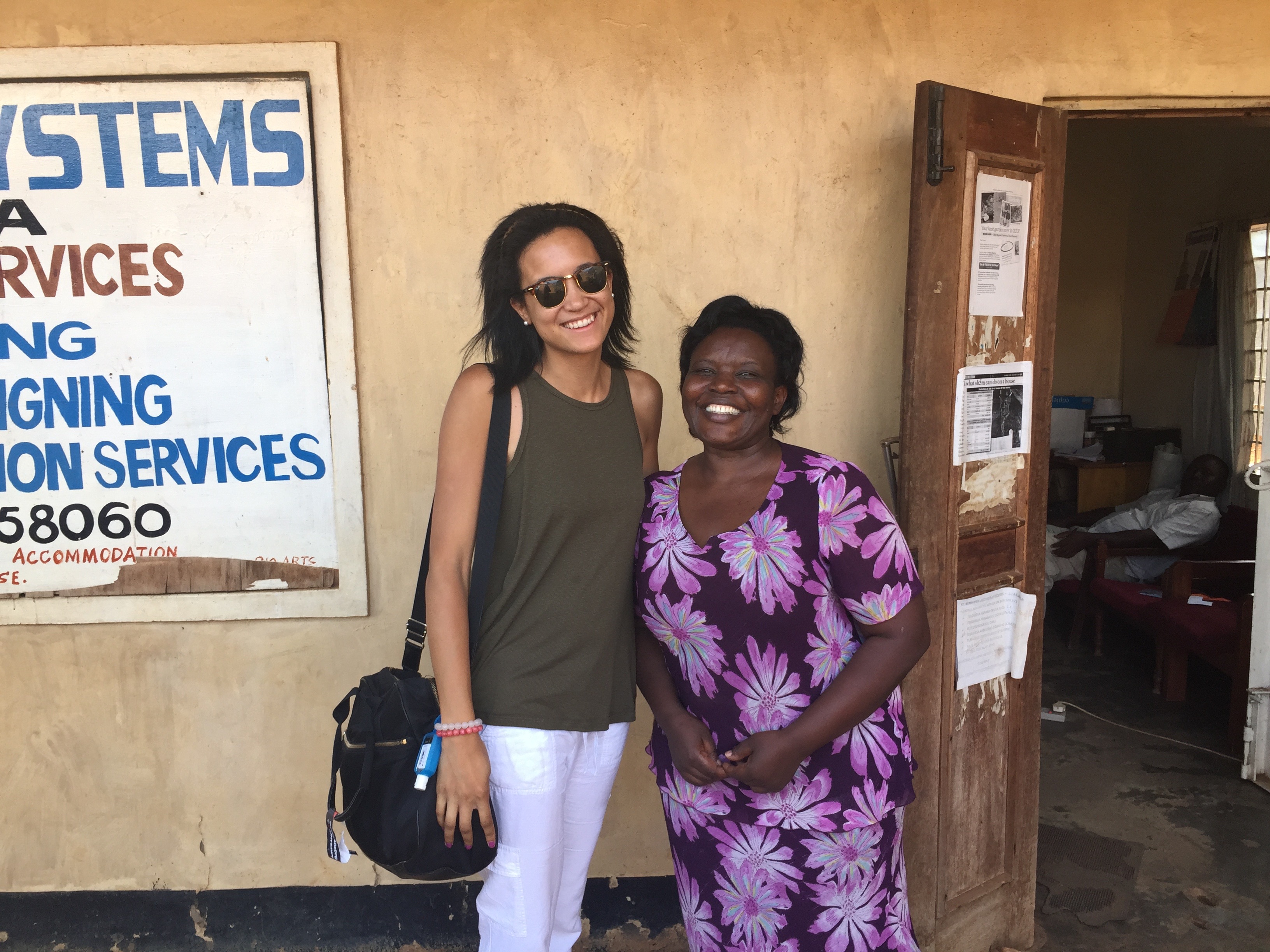
Last Wednesday, we had the opportunity to visit Florence, one of the Solar Sister Uganda program’s most active microentrepreneurs. Twelve of us gathered together in her business development and cyber café shop as we listened to her talk about selling safe solar energy products. She lit up in a prideful smile as she discussed how she was able to apply her entrepreneurship training to her small business, and how her network had grown as a result of utilizing her community ties to increase sales.
It became clear very quickly why we were being introduced to her. Florence’s story of how she was able to use her trust networks to increase her income and investment in her daughter’s education was both inspiring and intriguing. But it was even better to see it in action.
As we were leaving Florence’s store, she spotted someone she knew. Within the blink of an eye she grabbed the product out of her sales associate’s hands, walked over to her friend, and pulled up a chair next to his. As she handed him the SunKing Home lighting system to inspect, she asked “How do you light your home?”. His response was “Power” and, raising an eyebrow at him, she followed up with, “Well what do you do when there’s a blackout?”. She continued the conversation in Luganda, explaining how the solar-powered hanging lanterns were sure to come in handy. In Uganda, even the 10-12% of the 38 million who are connected to the electrical grid experience power outages on a regular basis.
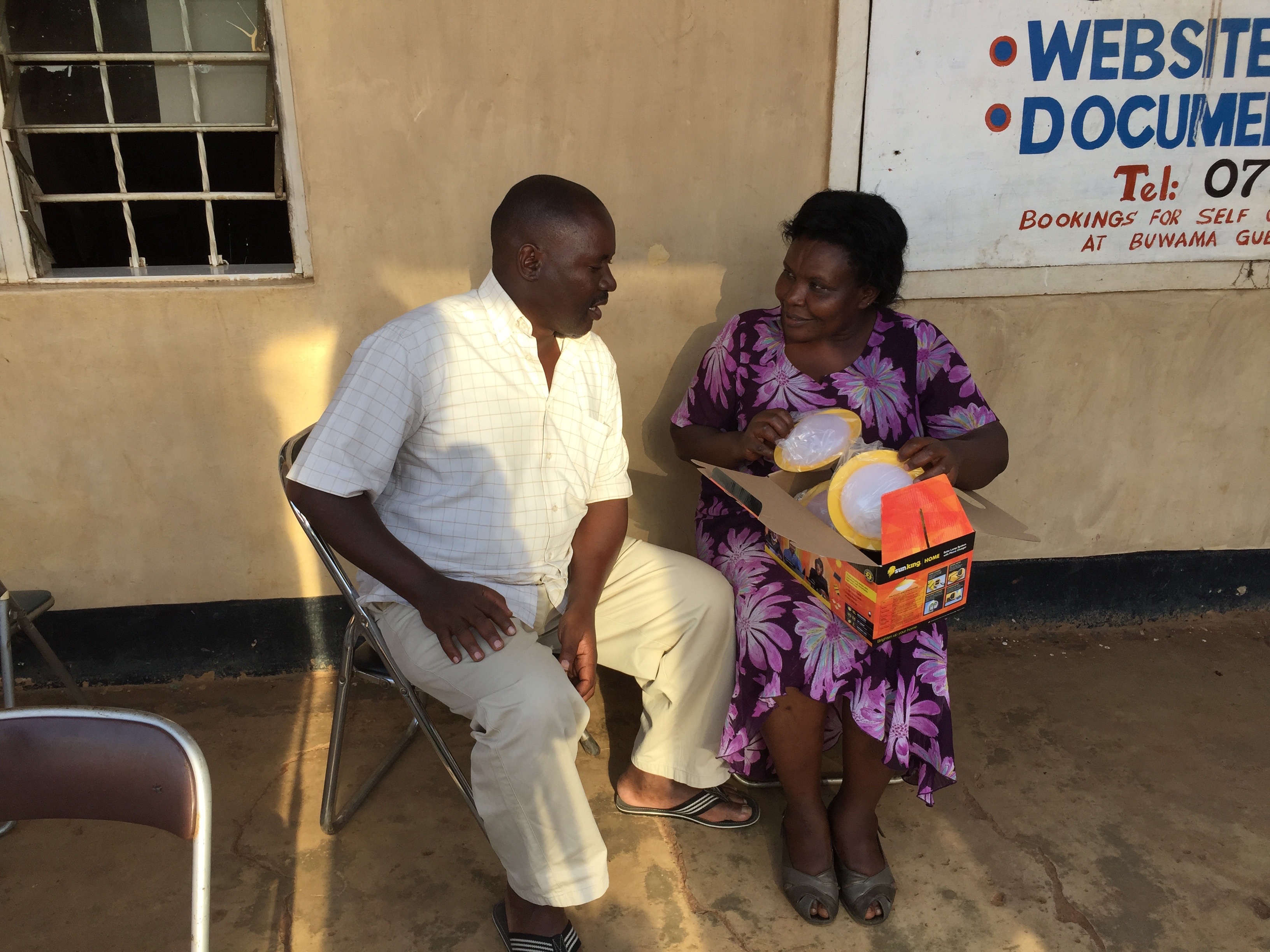
Two minutes later, Florence looked at me and flashed another prideful smile, “He’s buying the lights”. I walked closer and asked him why he decided to finally buy the lights. “Because I know her. I know where to find her,” he responded matter-of-factly.
To be Continued
Since meeting with Florence, my partner and I have traveled to Arusha and begun preparing to enter the field in rural Tanzania next week to meet more Solar Sister entrepreneurs. After studying the role of trust networks in distribution models for increasing social impact, and seeing the phenomenon come to life with Florence, I look forward to collecting data to better understand how the relationship between networks and impact manifests in the Tanzanian cultural context.
For more background information about Solar Sister, click here.