Category Archives: Reflections

Trust yourself.

About a year ago, when people used to ask me, “What are your plans after graduation?”, I would nervously reply “social entrepreneurship.” I wasn’t nervous because I didn’t know what I wanted to do. And I wasn’t nervous because I didn’t know how to explain the mysterious new field of social enterprise. I was nervous because I didn’t think that I could give a good enough reason why I wanted to do that. I didn’t have very many logical reasons for my interest in this area, nor did I have a good idea of what a job description for a social entrepreneur would look like. I still don’t, but now I don’t think it’s as necessary. Vocation means calling, and I have been called to my vocation not with words, but with deep and authentic feelings.

As I was preparing to write this final reflection, I decided to read through the journal that I kept while working with BanaPads this summer. I would like to share an excerpt from my last journal entry, which I wrote after a particularly long day of workshops and meetings.

July 27th, 2014                                                                                             I believe that each of us was put on this earth for a special reason. Some of us were born to be great leaders, others great thinkers, and others great nurturers. But in addition to our own personal calling, I feel that we are all called to be here for the sake of each other. Humankind was created as a unit, not as just a sum of individuals […] If I’ve learned anything from my time with the people of Uganda, it’s the incredible value of being connected to something greater.

I recall being struck by how, only weeks before, I had been feeling  homesick and was having a difficult time engaging with the people around me, but it didn’t take very long to feel like a part of a community. The people that I worked with on a regular basis were very intelligent and caring people, and I loved spending long days with them working towards a common goal. I’ve always considered myself somewhat of an introvert, but I found that I drew a lot of my energy from people I was working with on projects for BanaPads. I really enjoyed collaborating with the people I worked with, and I knew that my work would not end when I left. I found this kind of sustainable community engagement especially fulfilling.
IMG_4929 - Copy

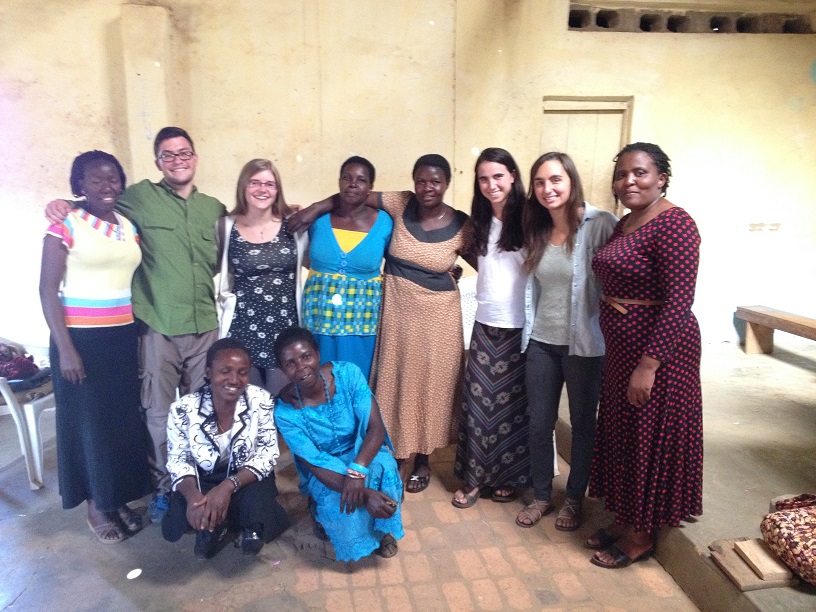
The lovely ladies of BanaPads (and Ty)

Feeling called to do something is an emotional experience and can’t always be explained with logic. Richard Bbaale, the founder of BanaPads, didn’t start his business because he would make a lot of money, or because it was an obvious path after graduating college. He started BanaPads because he had a personal connection to the issue and was spurred into action by something greater than himself. When he was growing up, he noticed that his sister would miss a few days of school each month but he didn’t know why. He would later find out that it was because she didn’t have sanitary pads and was too embarassed to attend school. He was shocked and inspired by his sister’s story to ensure that no other could would have to miss school because of this issue. His business wasn’t started because he wanted to make a lot of money–he started his business because he needed to.

Richard Bbaale

Richard Bbaale, founder and CEO of BanaPads. Source: One.org

This fellowship experience has reaffirmed my belief in social entrepreneurship as a catalyst for social change and assured me of my own personal aspirations. Oftentimes, emotional decisions are thought of as irrational and irresponsible. But the decisions that I’ve made by following my gut have been some of the best decisions of my life. I knew that I needed to study abroad in Thailand rather than study in Europe. I know that I needed to apply for this fellowship rather than try to secure a high paying internship. Intuition, divine intervention, however you want to label it, can be an immensely powerful force. I have learned though that it’s okay to trust those feelings, even when you can’t explain it.
Do something.

In the last few years, the term “global citizen” has become a fairly trendy thing to call someone. It can mean different things to different people, but in general, people usually describe it as feeling a sort of connectedness to all people, regardless of where they live.  As someone who now thinks of herself as a global citizen, I would like to push that definition a little further. Being a global citizen isn’t just feeling connected with the rest of the world–it’s feeling connected with the rest of the world and engaging with it. It’s easy to watch a 30 minute video about Joseph Kony forcing kids to become child soldiers in Uganda and feel sad, even outraged. But when people actually do something about it is where global citizens are really . And this is where real change can happen.

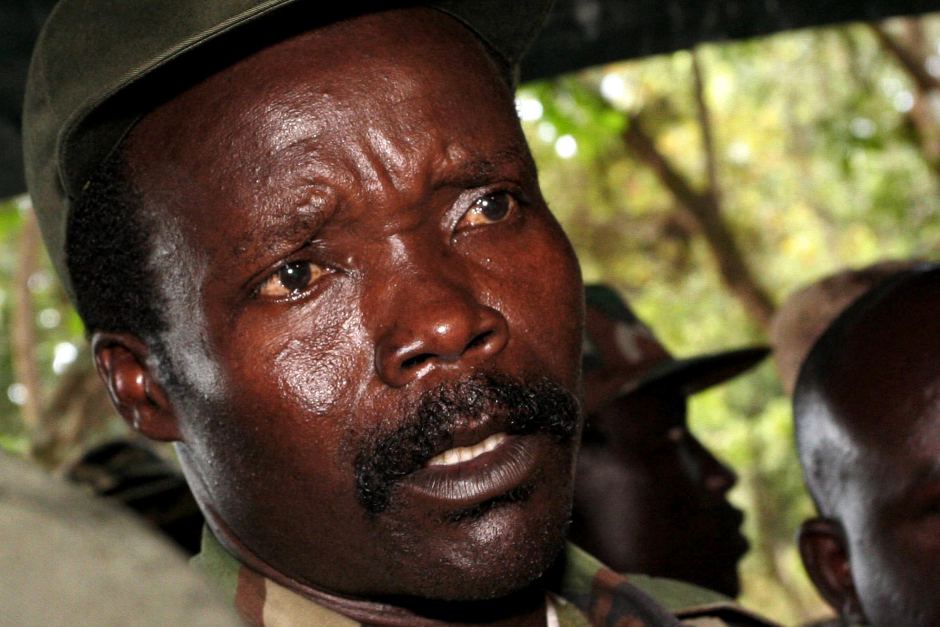
Joseph Kony, made internationally recognizable by the Kony 2012 campaign
Joseph Kony, made internationally recognizable by the Kony 2012 campaign. Source: abc.net.au

I’ve always been easily affected by sad stories in the news about kids getting abducted or some community being oppressed by a corrupt government. But I was really getting tired of just being a bystander and not doing anything to change the situation. This summer in Uganda, I was more than a bystander. I was a friend. I was a coworker. I was an active participant in a community that was completely unfamiliar to me. And I learned more about this world and the people in it than I could have imagined.

I know everyone who has ever traveled to the developing world ever comes back all starry-eyed, saying that the people they encountered on their journey were some of the most inspiring, innovative, hard-working and happy people they have ever met. And while it’s easy to silently be annoyed by their rosy view of poverty, I know exactly what they’re talking about.

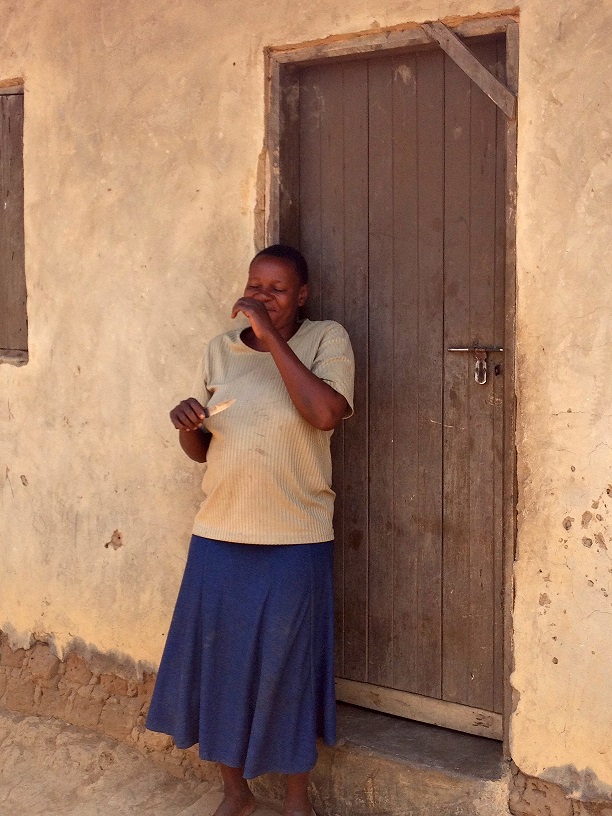
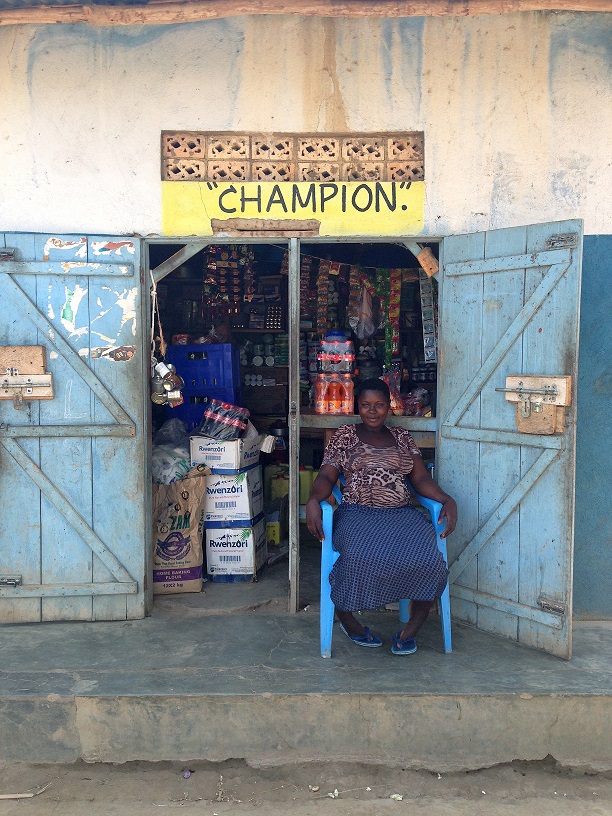
One of the most memorable personal stories that we heard during our time getting to know our community in Uganda was the story of a woman named Grace. Grace was one of the first Champions hired by BanaPads in 2010. She was a young mother trying to care for her children and look for ways to pay their school fees. Once she was hired by BanaPads, she started selling the pads to her neighbors and local fisherman who would walk by her house. But then she started to save her earnings, eventually saving enough money to open her own store. Although she has no formal education in business, she has her own system of keeping track of inventory and is always thinking of new ways to take her business to the next level.

Grace in front of her shop

When we asked her what her favorite part about being a Champion was, she replied, “I love waking up in the morning and knowing that I have my own business. It keeps me working and moving, and I live a better life because of it.” Simply feeling that she is in control of what happens to her and what path she will take in life is enough to keep her going.

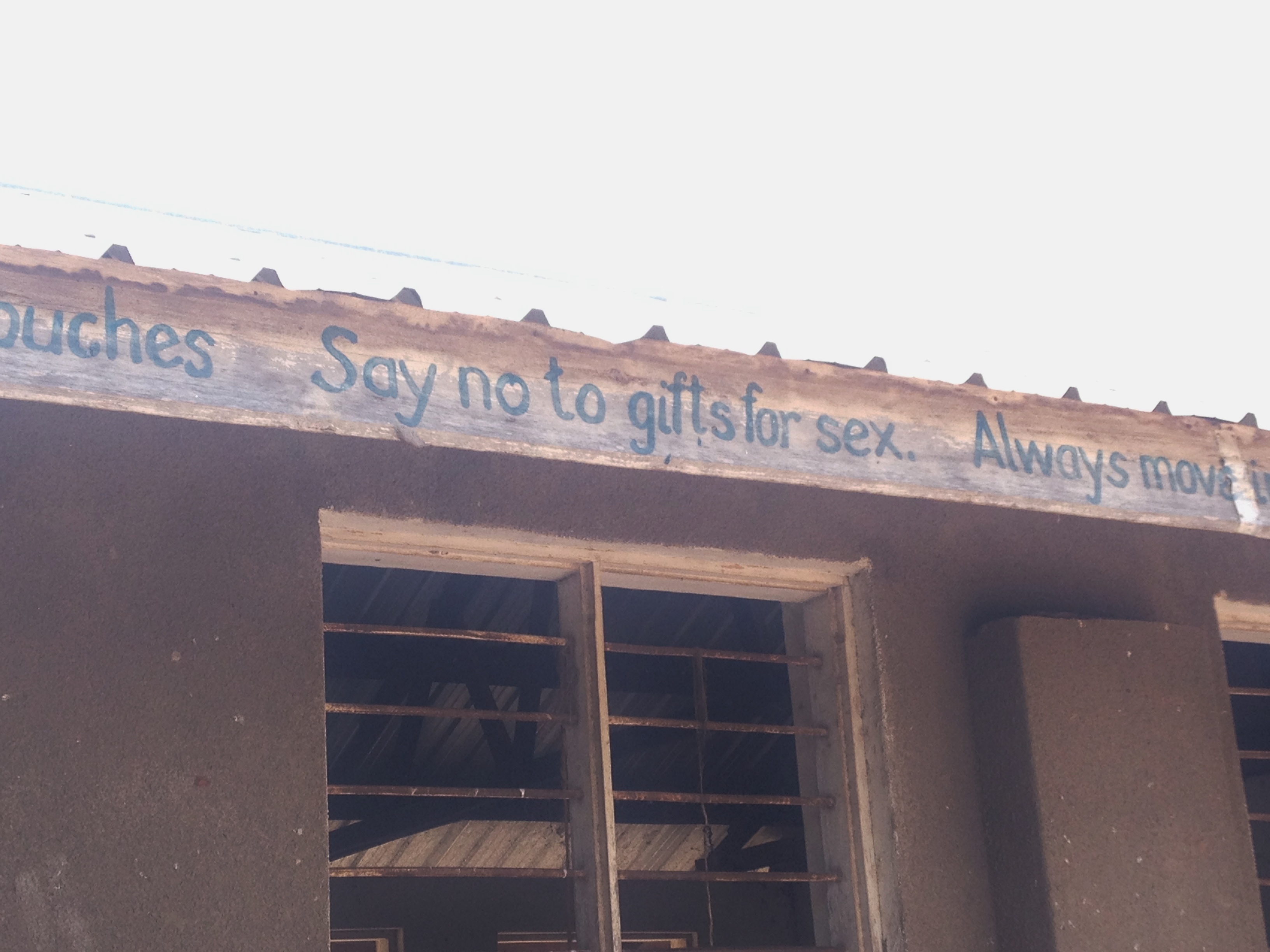
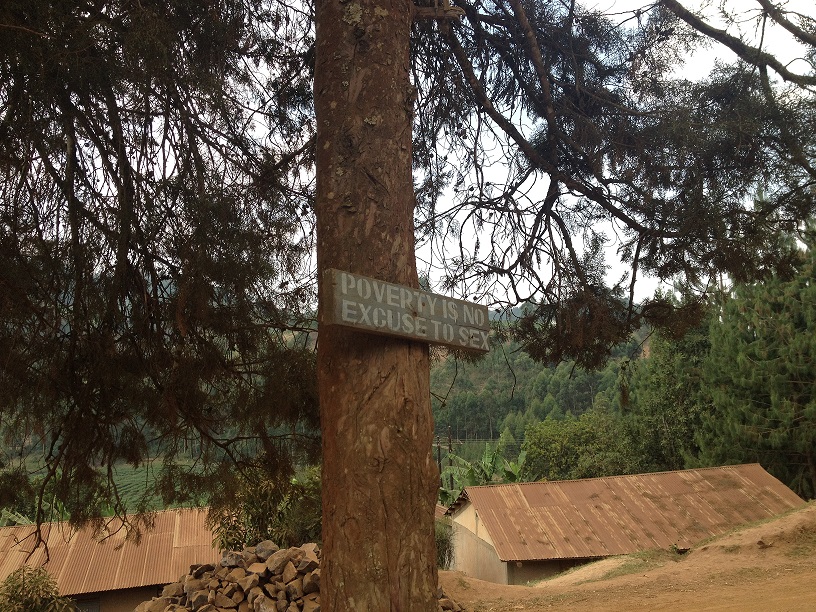
After this encounter with Grace, I started to notice this desire for personal autonomy in the other people we talked to. Almost every Champion we talked to said that they felt so much happier now that they could pay for their kids’ school fees. Several high school students we talked to had dreams of going to University to make a life for themselves. I saw signs at almost every school encouraging young people to stand up for themselves and not to fall prey to people who might take advantage of them. Everywhere, I saw small business owners and community efforts run by people who wanted to make a change in their own life and in others’ lives.

IMG_4857      IMG_5207 - Copy

The ability to have control over your own life seems like such a fundamental human right, but unfortunately not everyone gets that chance. People all over the world are struggling to survive and many rely on traditional forms of charity to provide them with their basic needs. But what these groups take away from the people they are trying to help is the ability to feel responsible for their fates.

I’m not saying that all international aid is toxic and needs to be cut off completely, but the potential of local solutions to make a far more sustainable change is enormous. Before this summer, I thought I wanted to work at an international charity or a non-profit abroad. The conversations with my Ugandan friends have thoroughly convinced me of the power that small businesses can have on an individual and a community. My emotions have a profound effect on the way I view the world and react to it, and I’ve realized that this aspect of my personality can be used for social good.

Living in poverty is not fun. Trying to feed your family and prosper on less than $1 per day is next to impossible. But the people that I met in the villages in Uganda were incredibly innovative and possessed a faith in themselves that I have never encountered before. They really were some of the happiest people that I’ve met, and I hope that I will someday get the chance to pass along their infectious spirit to others living in poverty. I can never be just a bystander again.

IMG_5836 - Copy IMG_5820 - Copy IMG_5828 - Copy

Not all who wander are lost.

If you asked me a few years ago what I wanted to do after graduating college, I would have explained to you my surprisingly detailed ten year plan. After graduating with a degree in Biology, I would take a gap year volunteering for Teach For America before 3 years of full-time dental school in San Francisco. Then I would start working at a private practice, and after 5 years start my own practice. I would have 2 kids, one boy and one girl. We would live in a small but comfortable apartment in the city, where the kids could play with the other kids in the building.

I was always a “planner” growing up. By age 12, I knew that I wanted to go to school in California. I was 14 when I decided that I wanted to be a dentist or orthodontist. It was comforting to have a clear plan, but I had never really asked myself why I wanted these things. I knew I wanted to serve others, and I suppose clinical medicine was the only way I knew how to do that while still making a decent income at a stable job. I liked knowing that I would have a secure, predictable life.

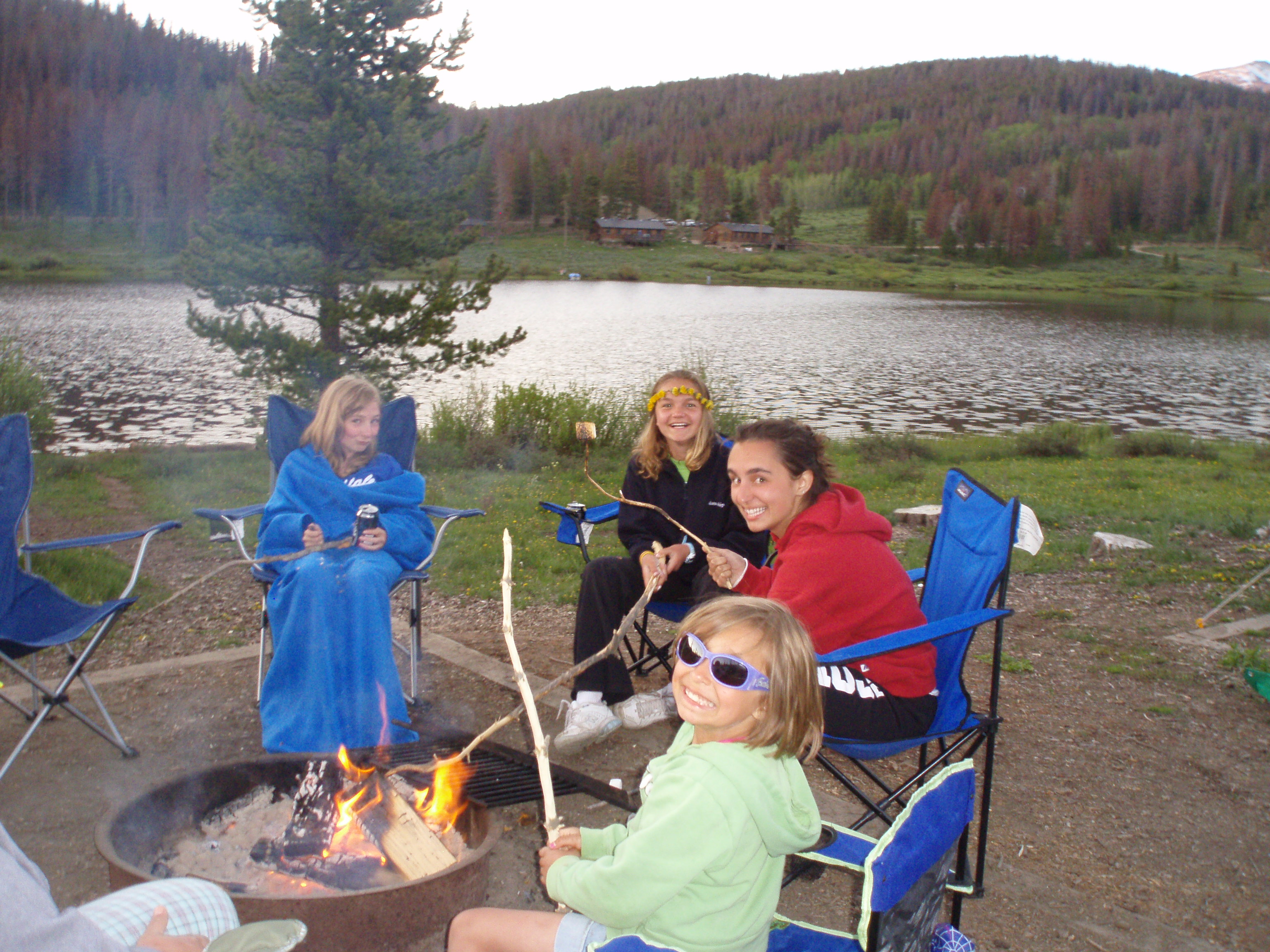
My first real experience with the unpredictable nature of life was in third grade, when my dad was laid off from his high paying engineering job. After discussing things with my mom, he decided to start his own consulting company. This went well for a few years, but towards the end we were struggling to make ends meet. So we decided to cut back on things that we didn’t need, like gas, cable and cell phones. I remember the last summer we lived in Minnesota when I was in 9th grade, we were showering using solar powered showers and cooking using a camping stove. When my friends came over, I was proud to show them the sun bags on the porch heating up the water for our showers that night. I was proud to tell them why I wasn’t using a cell phone anymore. Although this is not at all what my dad had envisioned when he set out to own his own company, I think this was the best possible outcome. We all learned the value of minimalist living, and actually learned to love it. I think this is why frugal innovation particularly appeals to me.

Enjoying the simple life while camping

I never really felt like I was telling the truth when I told people that I was pre-med. It was not until the fall of my Sophomore year when I took a class called “Technology for Social Justice,” where I was exposed to a world that I never knew existed, and I desperately wanted to be a part of it. Towards the end of the class, I was prompted to reflect on my vocation and my knee-jerk response of “doctor” felt even less true. I realized that my need to serve others and my professional goals did not line up. I had never felt called to be a doctor or a dentist, and I found that my true passion was in frugal health technology in developing countries. It was hard for me to let go of my initial plan, but I knew this was exactly what I needed to be doing. I walked right over to the Public Health Department and changed my major to Public Health from Psychology.

This new-found passion eventually led me to Khon Kaen, Thailand, were I was participating in a study abroad program with other Public Health students. While I was abroad, I met dozens of other students who had a passion for global health issues like I did, but none of them had heard of social entrepreneurship or frugal innovation. We conducted hours and hours of research in the villages, and we gave a presentation to the village to share our findings. Many people in my program felt more connected to each other and spent their free time at the bars around campus. But I think I felt the most joy in my program when I was working with the Thai people. My favorite part of my program was when me any my research group sat down with the people in the village we were working with and simply asked them what their biggest concerns were and what we could do to help. Their answers were much different from what we had originally expected. Although our final presentation was much different than we had envisioned, it more appropriately addressed the specific needs of the community and we found it to be much more fulfilling work.

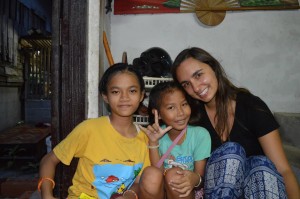
My host sisters in Bahn Mitraphap, Khon Kaen, Thailand

All of these experiences have led me to where I am now, and I could not be more grateful. I have come to know the true value of flexibility and that things don’t always turn out the way you originally had hoped. My long-term career goal of working in health technology in the developing world does not have as crystal clear of a path as being a doctor or dentist, but it feels much more genuine. Now when I tell friends and family what I want to do after I graduate, even if it sounds like I’m dreaming, I no longer feel like I’m lying. I am excited to see where this fellowship leads me and I cannot wait to finally work with people who find joy in the same things that I do.