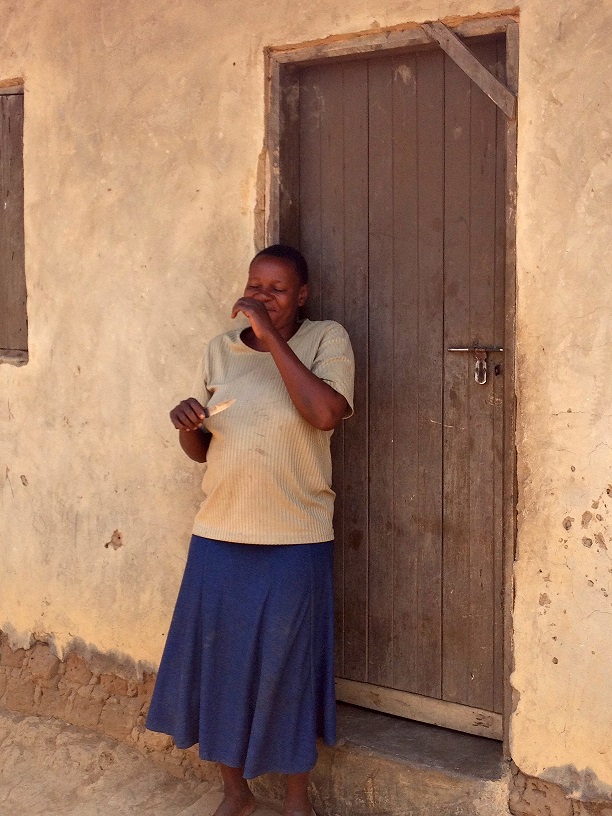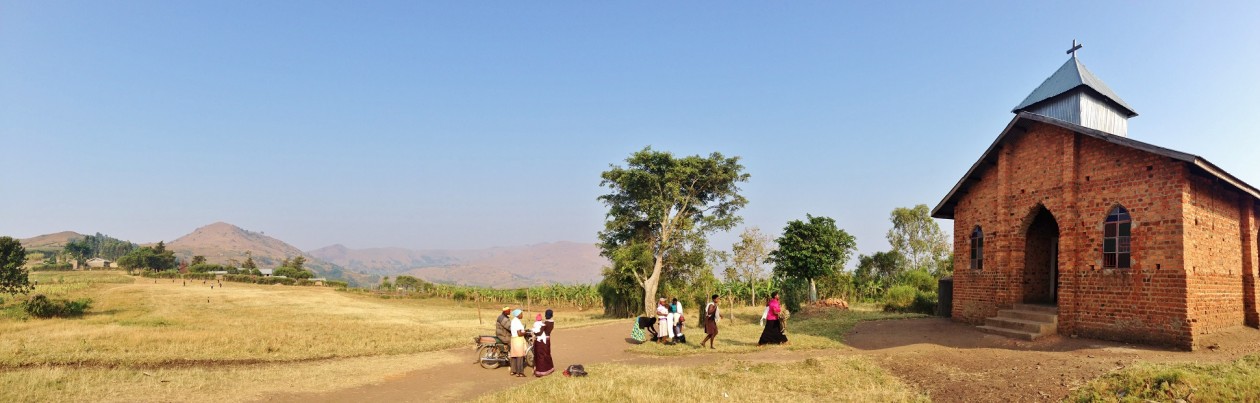
In the last few years, the term “global citizen” has become a fairly trendy thing to call someone. It can mean different things to different people, but in general, people usually describe it as feeling a sort of connectedness to all people, regardless of where they live. As someone who now thinks of herself as a global citizen, I would like to push that definition a little further. Being a global citizen isn’t just feeling connected with the rest of the world–it’s feeling connected with the rest of the world and engaging with it. It’s easy to watch a 30 minute video about Joseph Kony forcing kids to become child soldiers in Uganda and feel sad, even outraged. But when people actually do something about it is where global citizens are really . And this is where real change can happen.
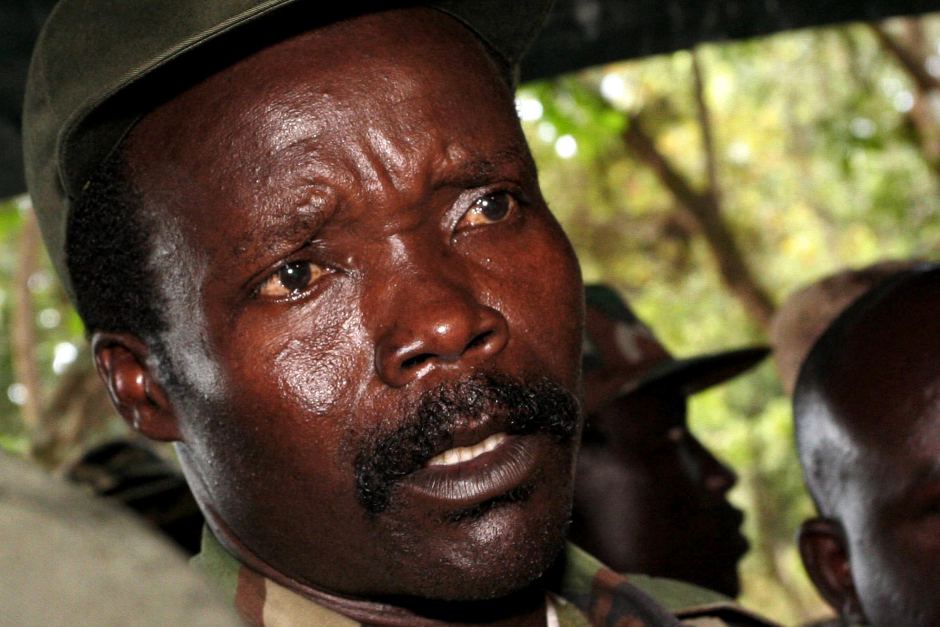
I’ve always been easily affected by sad stories in the news about kids getting abducted or some community being oppressed by a corrupt government. But I was really getting tired of just being a bystander and not doing anything to change the situation. This summer in Uganda, I was more than a bystander. I was a friend. I was a coworker. I was an active participant in a community that was completely unfamiliar to me. And I learned more about this world and the people in it than I could have imagined.
I know everyone who has ever traveled to the developing world ever comes back all starry-eyed, saying that the people they encountered on their journey were some of the most inspiring, innovative, hard-working and happy people they have ever met. And while it’s easy to silently be annoyed by their rosy view of poverty, I know exactly what they’re talking about.
One of the most memorable personal stories that we heard during our time getting to know our community in Uganda was the story of a woman named Grace. Grace was one of the first Champions hired by BanaPads in 2010. She was a young mother trying to care for her children and look for ways to pay their school fees. Once she was hired by BanaPads, she started selling the pads to her neighbors and local fisherman who would walk by her house. But then she started to save her earnings, eventually saving enough money to open her own store. Although she has no formal education in business, she has her own system of keeping track of inventory and is always thinking of new ways to take her business to the next level.
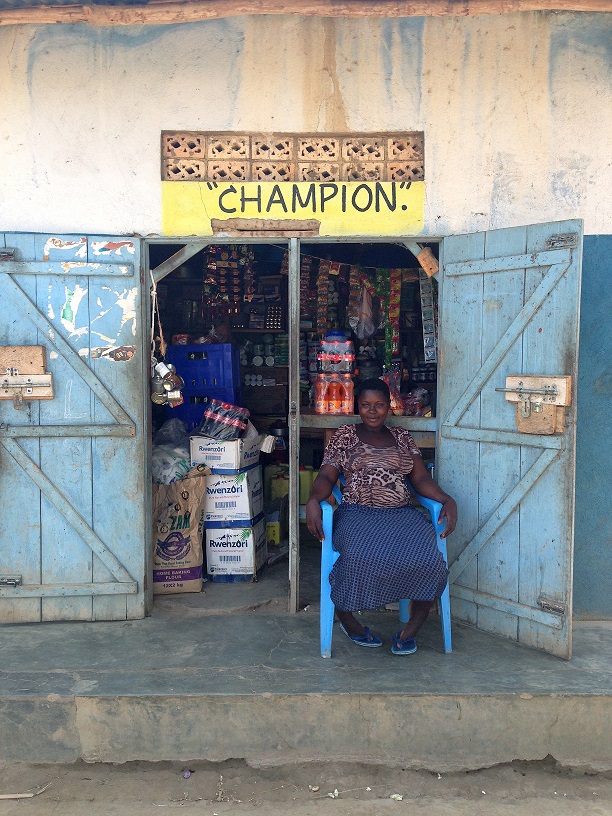
When we asked her what her favorite part about being a Champion was, she replied, “I love waking up in the morning and knowing that I have my own business. It keeps me working and moving, and I live a better life because of it.” Simply feeling that she is in control of what happens to her and what path she will take in life is enough to keep her going.
After this encounter with Grace, I started to notice this desire for personal autonomy in the other people we talked to. Almost every Champion we talked to said that they felt so much happier now that they could pay for their kids’ school fees. Several high school students we talked to had dreams of going to University to make a life for themselves. I saw signs at almost every school encouraging young people to stand up for themselves and not to fall prey to people who might take advantage of them. Everywhere, I saw small business owners and community efforts run by people who wanted to make a change in their own life and in others’ lives.
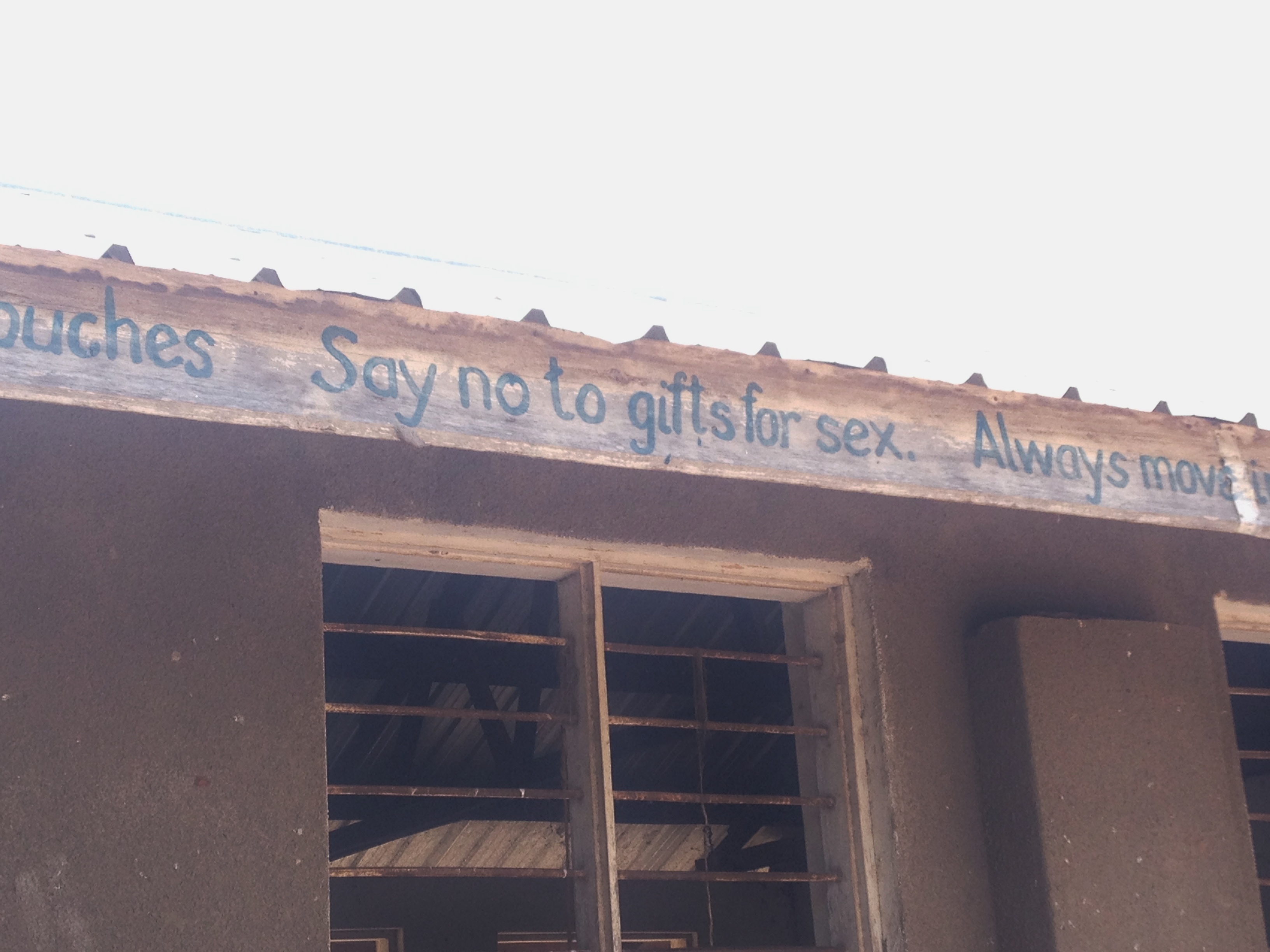
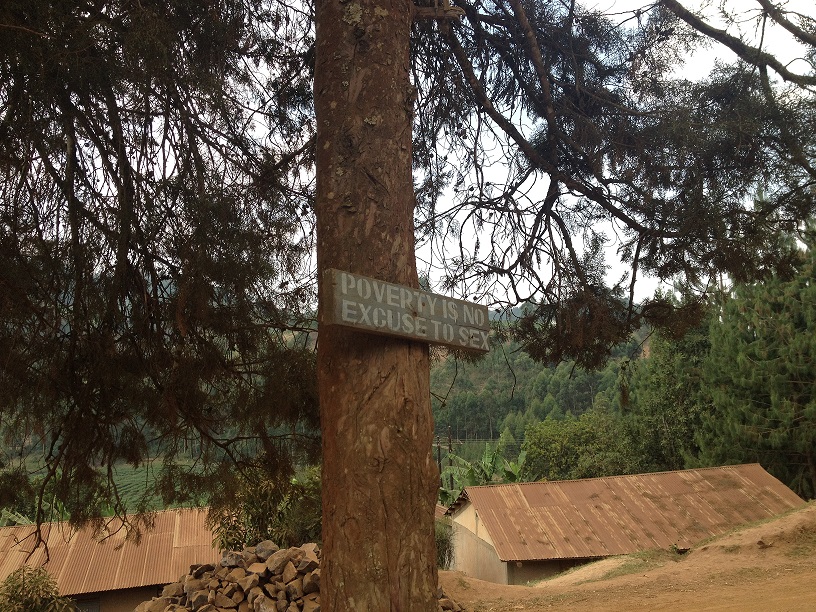
The ability to have control over your own life seems like such a fundamental human right, but unfortunately not everyone gets that chance. People all over the world are struggling to survive and many rely on traditional forms of charity to provide them with their basic needs. But what these groups take away from the people they are trying to help is the ability to feel responsible for their fates.
I’m not saying that all international aid is toxic and needs to be cut off completely, but the potential of local solutions to make a far more sustainable change is enormous. Before this summer, I thought I wanted to work at an international charity or a non-profit abroad. The conversations with my Ugandan friends have thoroughly convinced me of the power that small businesses can have on an individual and a community. My emotions have a profound effect on the way I view the world and react to it, and I’ve realized that this aspect of my personality can be used for social good.
Living in poverty is not fun. Trying to feed your family and prosper on less than $1 per day is next to impossible. But the people that I met in the villages in Uganda were incredibly innovative and possessed a faith in themselves that I have never encountered before. They really were some of the happiest people that I’ve met, and I hope that I will someday get the chance to pass along their infectious spirit to others living in poverty. I can never be just a bystander again.