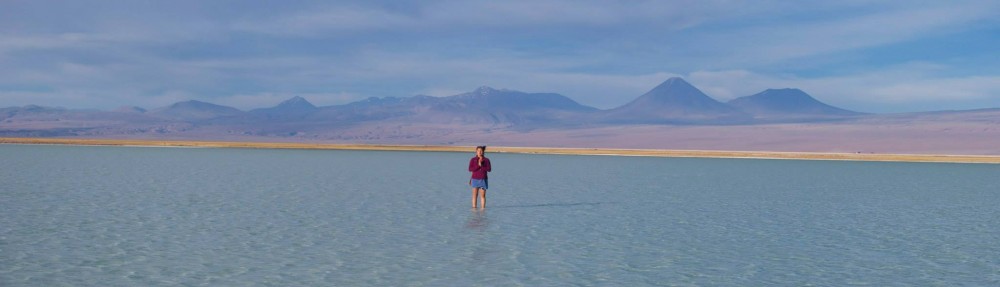
It’s been two months since I’ve stepped on Mexico soil. I’m not talking about the concrete jungle that is Mexico City, with bustling businessmen, traffic, and smog levels comparable to Los Angeles, but the Mexico where nature and family have formed intrinsic parts of society. Where wives rise at 4am to begin making tortillas for their husband’s lunches; where school children learn the traditional dances of their ancestors instead of our typical American P.E. classes; where it is completely normal for baby chicks, puppies, and piglets to run around the house at all hours of the day.
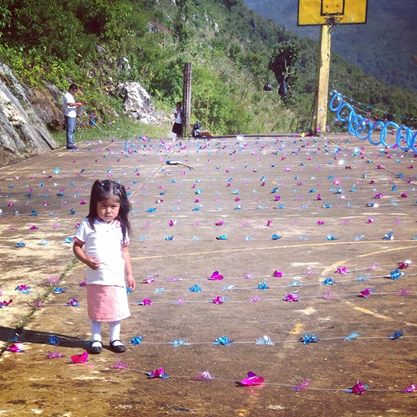
Kindergarten graduation in Oaxaca
Although each community had similar characteristics (rural, low-income, houses made of wooden planks with woven palm-leaf or tin planks roofs), each place was unique. Some communities were fairly spread out, with houses sprinkled throughout an open field. Some were buried in the hills, so that it took a 25-minute walk just to get to the front porch. People had talking parrots, motor scooters, hammocks, stereos, a random combination of everything. As I walked through each village, I tried to picture what my life would have been like if I had grown up in those areas. It was difficult. I had never been in that environment before, nor did I know many people who had.
The lifestyles of those reading this blog cannot compare to those of the rural residents of Campeche or Oaxaca. Imagine your grandmother trekking up a rocky mountain for an hour, with bags full of groceries, only to arrive home and begin cooking dinner for a family of six. Imagine chopping reeds with a machete in the backyard for 5 hours in 100 degree weather and humidity so that your family can keep warm when the temperature drops at night. Imagine life without the convenience of running water, electricity, large-scale grocery stores, food diversity, a cold beer on a hot day, ice cubes.
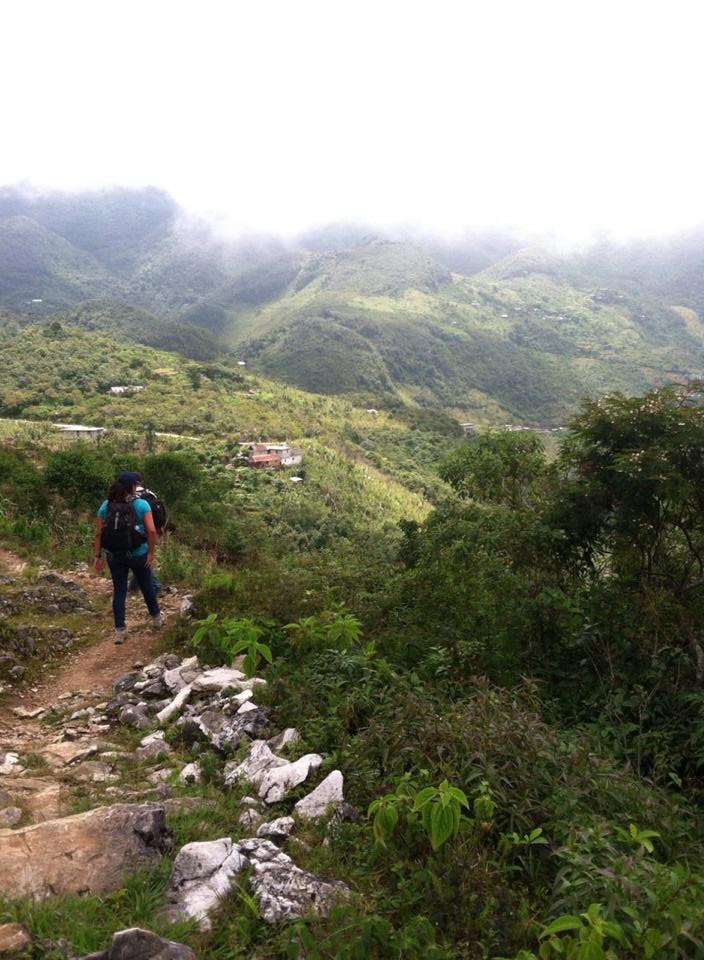
Hike to a community
Even with all of these differences, we are one in the same. When interviewing a mother of three children, she described to us how thankful she was that her children could now do their homework after the sun goes down. Now, they have the ability to learn more, have access to better jobs, and create a more comfortable life for themselves compared to previous generations. The success she wishes for her children is the same kind of hope that parents in the Bay Area have for their future toddler CEOs and entrepreneurs.
I saw these connections in each community. In Balancax, Campeche, we approached a blue house with a tin roof and tarps on the windows to keep in the “cool” air. We were welcomed by 5 people, one of who reluctantly looked us over. Before we could explain ourselves, he knew us. He knew we were there to question, to “investigate.” He was the equivalent of the mayor of the community, and asked us at least 10 minutes worth of questions before we gained his trust, were given permission to survey his community, and later received a parting gift of frozen milk and coconut, the coldest food available in the village. Don’t we all wish public officials showed so much care for communities? That they would serve as protectors, then resources, and finally friends?
Local community members receiving their solar systems
Now that time has distanced me from my experience, it is easier for me to look back and say, “Is there really a difference?” Aren’t stubborn grandparents in Oaxaca, Mexico the same as my stubborn grandma in California? Don’t the school children in Campeche still play, laugh, cause trouble, and have the same possibility to succeed as the students in Sacramento? The aspects that separate us most are resources and opportunities. The resources needed to be a healthy human being, communicate, trade: clean water, energy, food, infrastructure; and the opportunities to become something greater than previous generations: prime location, healthy economy, sound finances. These are not minor things, but they are commodities and ideas that can be constructed, and with help, built into society. I do not wish to modernize these areas, and turn them into places that lack connection with culture, tradition, and their relationship with nature. I simply seek to find the natural balance between economic efficiency and happiness. Difficult? By all means, yes. Impossible? Never.
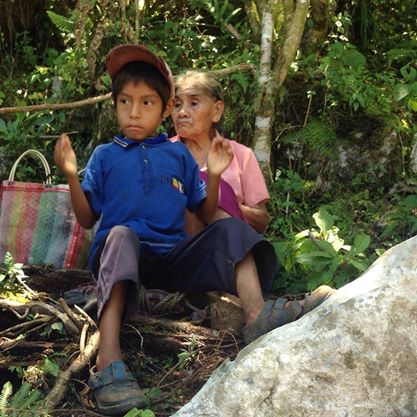
Grandmother and grandson, waiting in the shade for their solar system
At Santa Clara University, the values of the Jesuit philosophy, such as social justice, sustainability, and global awareness, are built into every aspect of the curriculum. We have great immersion trips, community service programs, and study abroad opportunities that allow students to get a taste of what the world outside of the “SCU bubble” is like. Upon graduation, we source many students to our top-three employers: Google, Apple, and Cisco, where they can build valuable skill sets to earn, not just a modest living, but a living that will allow them and their families to live a comfortable lifestyle in the Silicon Valley. These companies focus on personal development, skill-building, technological innovation, and building their brand. All of these are important, but where is the social aspect? How do we know that these successful corporations are positively contributing to society, or even positively contributing to individual happiness?
Say I get a job at Apple. I’ll make good money, I’ll learn a lot in the process, and my parents will be proud. Behind the brand name, past the gold iPhone 6+ and the newest Macbook, are laborers overseas who create Apple’s products. As they scrape by with low wages, working overtime to support their families back home, I am on the design team for a new iPhone 8. The product is a hit, and enters the market at $700 each. We all celebrate by going out to dinner and getting a raise. Do the laborers overseas recieve a raise? Where is the justness of it all? Yes, these corporations are changing the world, but is it for the better?
I find myself floating here, in a foggy mist of opportunity, surrounded by dreams of luxuriant technology-based companies that will allow me to have a life any 20-something year old would want. And then, just when I convince myself that a job in financial consulting or investment banking is a solid foundation for my future, I remember how fortunate I already am. How many more resources I have available to me compared to other 20-year-olds around the world. And I think, why wait? Why not start helping now?
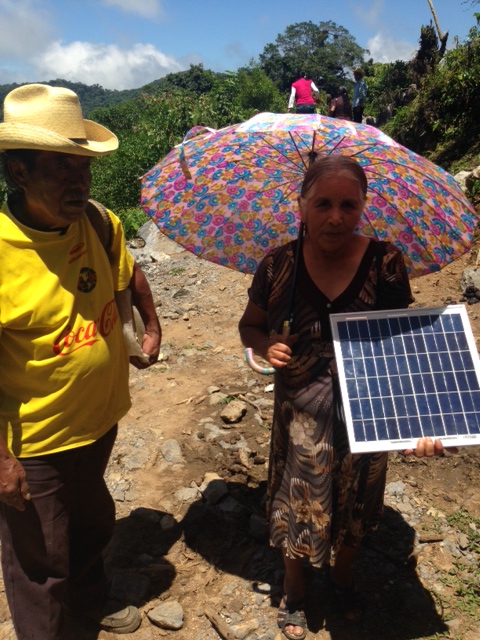
Couple with their first solar system
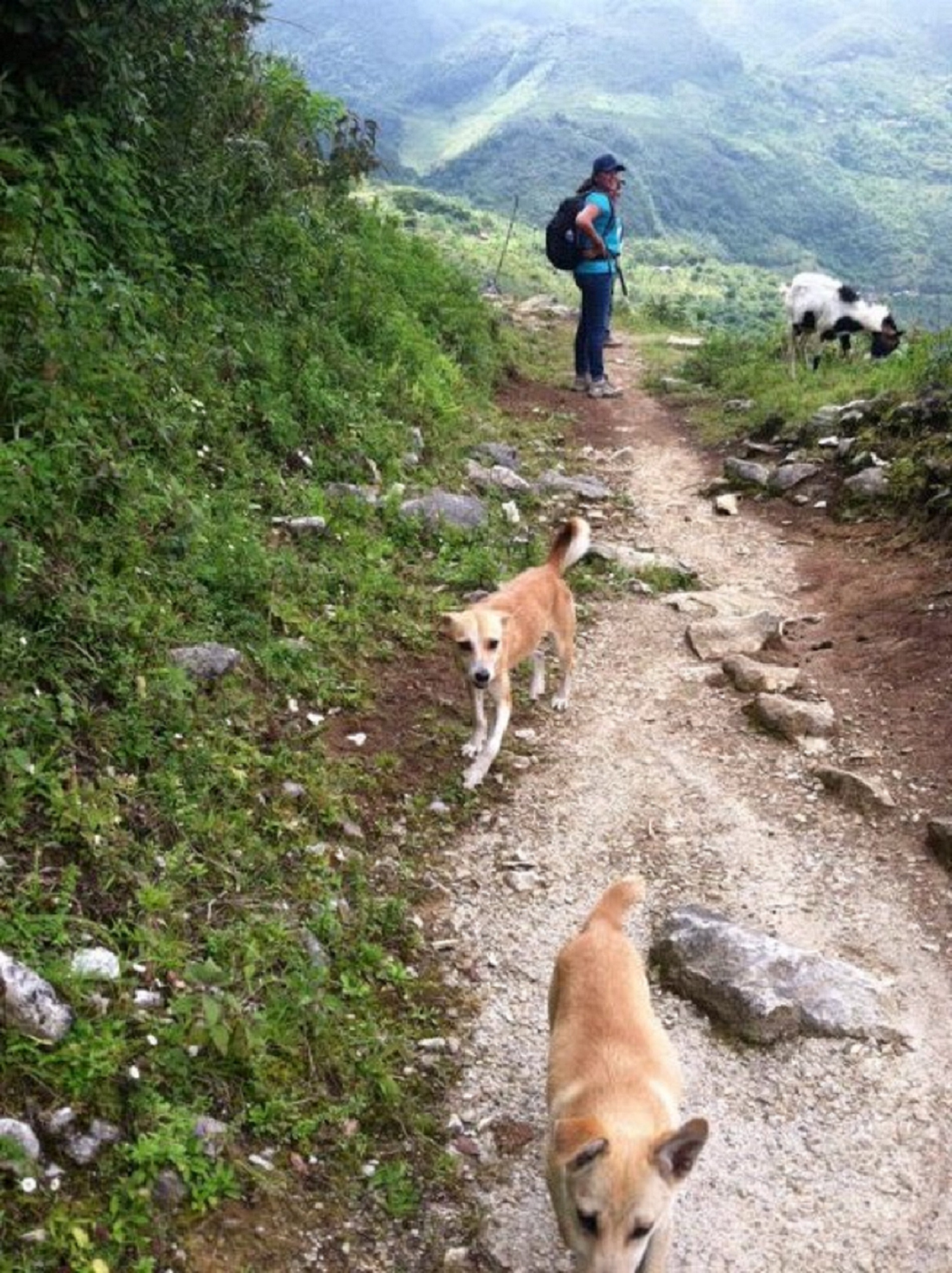
A typical day at “the office”