Keep Learning

Screen Shot 2015-11-20 at 4.02.02 PM

It is surreal to think that the fellowship is coming to a close. From all of the planning that took place in the spring to being at Sankara to attending accelerator and compiling deliverables, it has been nine months full of learning, experience and vocational discernment. Although the ever present question of “what am I doing after college?” has been in the back of my mind for a while now, it is only recently that I have had time to really start unpacking this experience in my head and figure out how it will play into my next steps and ultimately the life I want to create for myself.

Looking back, the medical service trip I took to Ghana my sophomore year has proven to be a more pivotal event in my life than I could have ever imagined at the time. I felt completely ineffectual and embarrassed to be part of a team that was clearly not doing much good. I could see that the problem was much larger than just the fact that a village didn’t have a clinic, and I knew I was interested in being a part of that larger solution. This feeling was what first motivated me to apply to the fellowship, and this program has given me a framework for thinking about and processing the problems developing countries face. I remember sitting in class early spring quarter when we had just started to go through some social enterprise models thinking, “Yes! This makes so much sense!” This excitement and hunger to learn more about how business can be used as a tool to generate sustainable change has only strengthened as the fellowship has progressed.

Social entrepreneurship creates an intersection where many of the things I am interested in and passionate about come together: business, economic empowerment, public health and social justice. In addition, many of the ideas that are fundamental to most social enterprises have grounded some of the more abstract beliefs I had before starting the fellowship, such as the fact that giving people a hand out is usually not the answer – instead, we need to understand the ecosystem of a community before trying to affect change within it and such change often works best and is most sustainable when it is community driven.
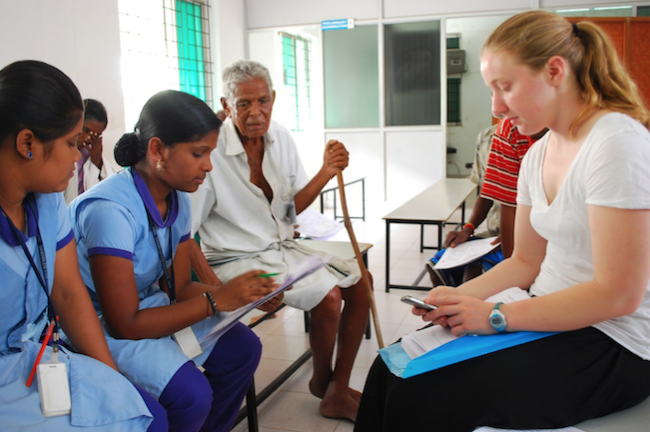
Surveying patients in Coimbatore.

Working with Sankara exposed me to a whole new set of working conditions, challenges and rewards that I would not have experienced at a more traditional summer internship. While in the field, I found I was the most energized when Jana and I were confronted with a challenge we needed to solve fast. One example that comes to mind was when we found out we needed to design a patient survey and essentially change our entire project 48 hours before leaving for our first eye screening camp. This confirmed that I work best when under pressure and need to solve a problem using multiple resources.

Though Sankara is able to deliver amazingly efficient and fast patient care, our ability to obtain needed resources and conduct interviews was decidedly the opposite. The generally slow pace of getting things done and the seemingly boundless amount of time spent waiting around or trying to articulate what we needed was incredibly frustrating and by far the most challenging aspect of being in the field for me. This was valuable information in and of itself, as I have realized just how much I value good communication and productivity while surrounded by people who feel the same way.

One facet that really surprised me was how much I learned from and enjoyed writing the final report. Synthesizing the data and the observations we made in the field into a compelling story was a challenge I found both stimulating and very rewarding. As the writing process progressed, I found I knew much more about Sankara than I realized and that details or events I had gotten so used to seeing while in the field were actually very relevant and valuable. I enjoy working with data and analyzing information, but I have also found that using a more qualitative process can be equally interesting and add an incredible amount of value to quantitative information. This process is definitely something that I can envision myself doing again in the future. Overall, this experience has helped me form a better idea of the type of environment where I work best: somewhere fast paced, where I need to be resourceful to solve problems while still holding some autonomy.

Over the past several years, my dream career has bounced around from professional rider to doctor, to lawyer and back to professional rider pretty consistently. When I stumbled across international development sophomore year, I was immediately fascinated. It sounded like it would be a great fit because of the multidisciplinary approach and global focus. The fellowship experience has confirmed both my desire to work in this field and that what I have chosen to study, economics and public health, will help me get there. There will be many big decisions to make in the coming months and though I am still trying to figure out exactly what I want to do, there is no question that my experience as a global social benefit fellow will help me make them. I am certain I want to do something that will allow me to engage with the world around me and continue to learn and explore. This fellowship has given me much more confidence in my vocational path and has made more willing to take risks. I am now sure I want to go to graduate school to continue learning about international development, if not next year then very soon. Applying to grad school this year is both a very exciting thought and a terrifying one that I would have never even considered a year ago.
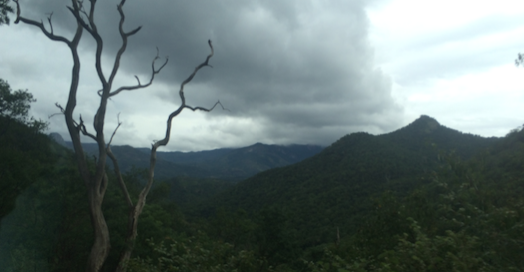
Exploring the South India jungle!

The tools and increased self-awareness that I have gained from this fellowship will useful wherever I end up next year and in the years to come. Maybe it will be grad school or maybe it will be somewhere else, yet I know now that I am more curious about the world than ever and I cannot wait to continue learning from this experience, finding new ways to engage with the world around me.
 

Two Sides to Every Story

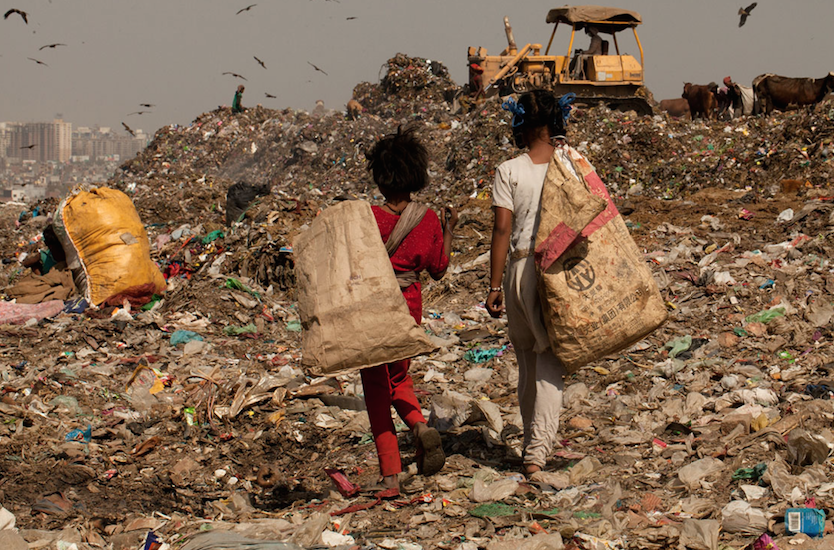
A question I have gotten a lot since returning from India is “was it hard to see all of the poverty there?” I never know quite how to answer this: I know the answer that people want and expect to hear, yet it doesn’t completely match with what I saw or experienced while working at Sankara Eye Care. India: the notoriously dirty, over populated, poverty stricken country of South Asia – when I tell people how I spent my summer, I can practically see the wheels in their brains turning as they picture me picking my way through hoards of homeless children and slums in a scene straight out of Slum Dog Millionaire. There is no question that that level of extreme poverty exists in India, and I did see certain aspects of it, but a far more defining aspect of my time at Sankara involved interacting with people while going about their daily lives in a manner not so different from mine.

One of the first images that comes up when google searching "India" and type of scene most often associated with the country.
One of the first images that comes up when google searching “India” and type of scene most often associated with the country.

I went into this field placement with some built up expectations. I expected to be challenged, for our project to change and to be confronted with tough working environments and situations. Some of my assumptions were correct; our project changed within an hour of getting to the Sankara hospital, I was pushed out of my comfort zone and we conducted a lot of surveys. That’s pretty much where the list stops. I came into Sankara with a very one-dimensional picture of India. I was expecting my perspective to drastically change because I would be confronted with such an impoverished population and living with people I had little in common with. And while my worldview did change drastically, it was the human similarities – not the differences – that challenged my preconceived ideas.

IMG_2776
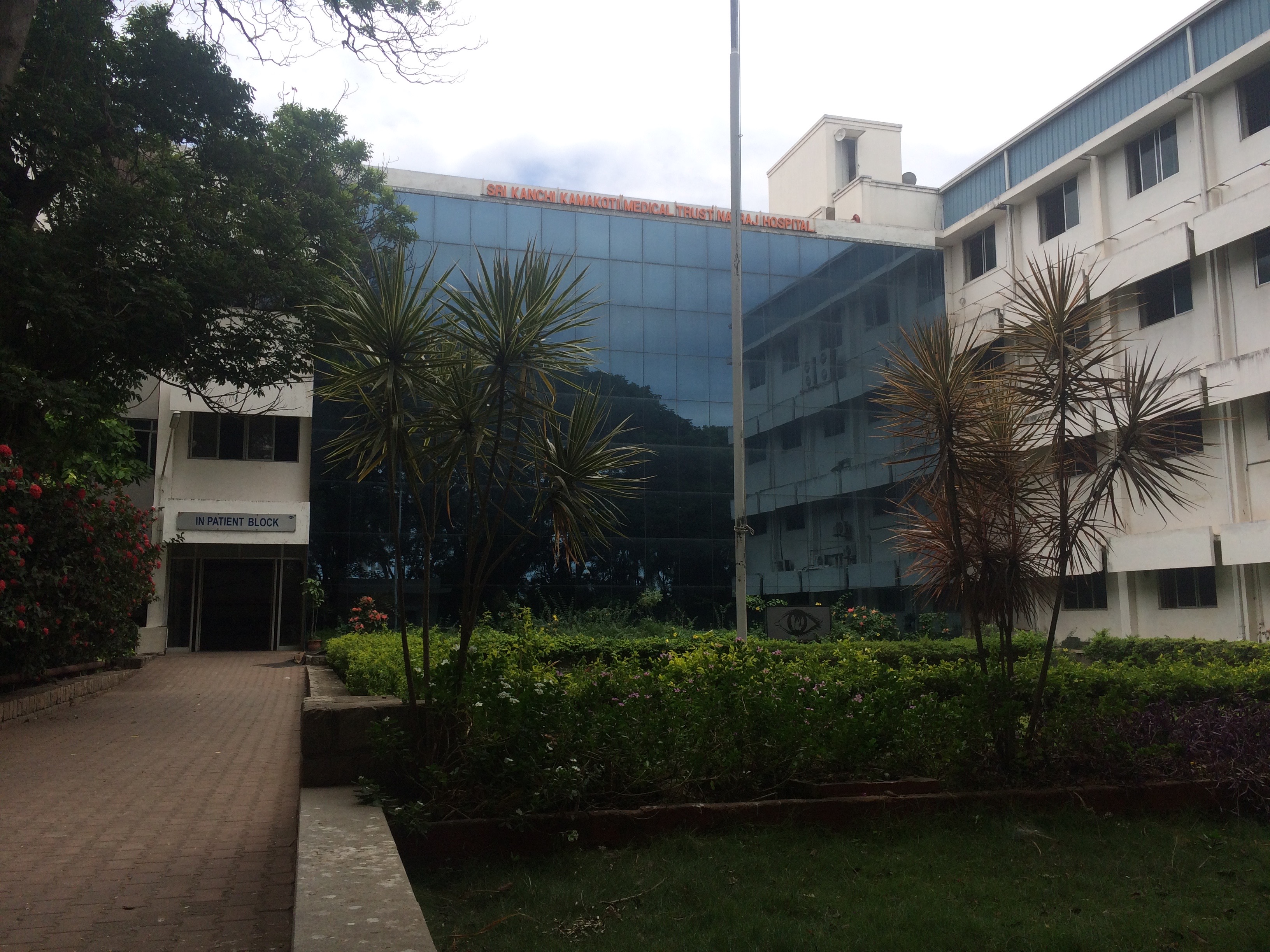
The Sankara base hospital. A very different place than I was expecting.

Jana and I spent the majority of our time at Sankara’s base hospital in Coimbatore. We conducted nearly all of our interviews there, slept in resident doctors’ dorms and ate in the canteen beside staff members and patients. At first, being at the hospital 24/7 extremely frustrated me. I felt like I wasn’t being immersed enough into “the real India” and as though my time at the hospital was sheltering me and forcing me to miss out on what I thought would be a more authentic experience. I thrive on a packed schedule and being in one place with lots of down time and loosely structured, unpredictable days was very challenging for me throughout the entire trip. And although frustrating at times, living at the hospital full time allowed me to settle into the Sankara community and gain a sense of what day to day life in India is really like. Over time I began to realize that this was the so called “real India” I had wanted to see, it was just a side of the country that I had never thought about before: one that involved people just going about their daily routines. Not living in total squalor, not surrounded by overwhelming poverty, just people going to work.

This spring, Jana and I were assigned an article from The Economist about the way India is often portrayed by government entities and the media. The article described the “Oxfam view,” or the promotion of the idea that India is ruled by “poverty, inequality and oppression” and that this characterization only captures a fraction of the narrative. Although I read it, the article quickly got lost and forgotten in the chaos of the quarter. I reread it recently and I think it really hits the nail on the head. Because India is still developing in many ways, it can still benefit from the work many foreign aid organizations, like Oxfam. However, this view doesn’t acknowledge the fast growth rate of India’s economy or the technological and innovative breakthroughs that are also taking place in the country every day. The challenge lies in painting a picture of India that accurately displays the balance between these two realities.

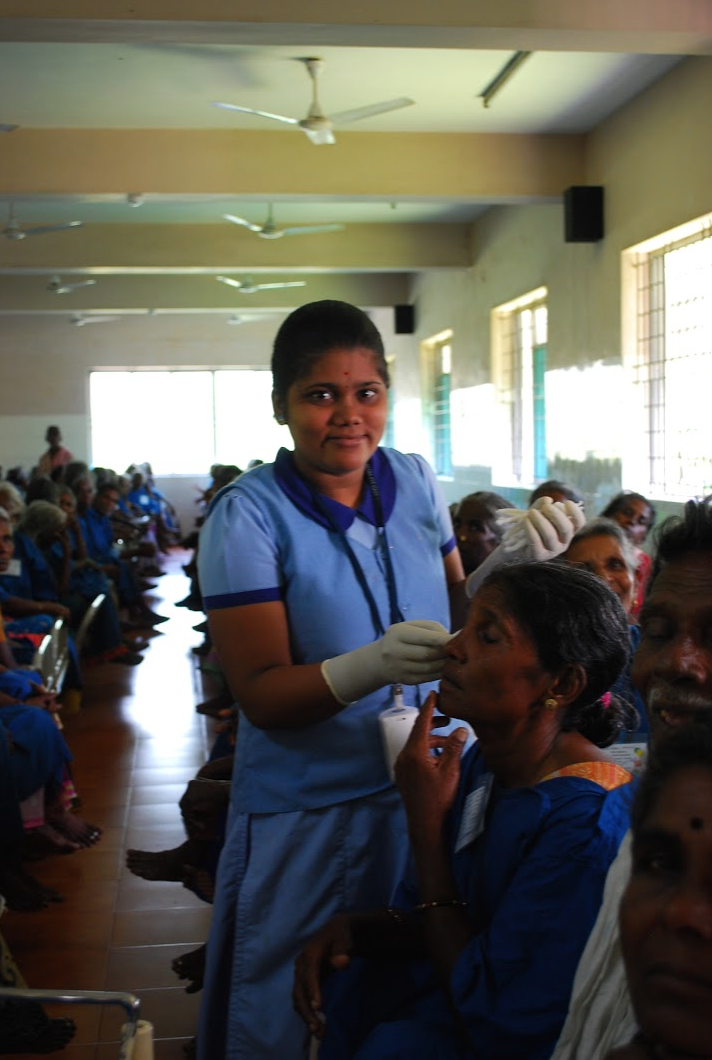
A VCT conducts redresses a patient's eye post-surgery. VCTs are just one example of people the "Oxfam view" misrepresents.
A VCT conducts redresses a patient’s eye post-surgery. VCTs are just one example of people the “Oxfam view” misrepresents. PC: Jana Lee.

Dichotomies are everywhere in India. Innovation and poverty, five star hotels next to slums and Sankara’s quiet organization in the midst of chaos. Despite impossible circumstances, Sankara has developed a system that can operate efficiently – even in India’s seemingly disordered rural villages. Sankara doesn’t just coexist with local communities: it integrates with them and remains reliant on people at the base of the pyramid to increase program impact. Patients share stories about their positive experiences with friends and family, local leaders help publicize and host eye camps, and vision care technicians are recruited from villages all over India. This method allows Sankara not only to simply survive in the challenging business environment of India, but also thrive.

The question of whether or not poverty was hard to witness doesn’t have a clean answer. The poverty is present, but so are a million other equally relevant facets of India’s identity. There are two sides to every developmental story. Before going to India, I had a good idea about the two extremes that existed: the poverty found in rural villages and urban slums, and the success stories, like those of Sankara and Aravind. What I didn’t think about were the people in the middle: the people who are going to work, laughing with friends and living with a daily routine, much like people in any other city. The details of our lives may vary, but our core experiences are essentially the same.

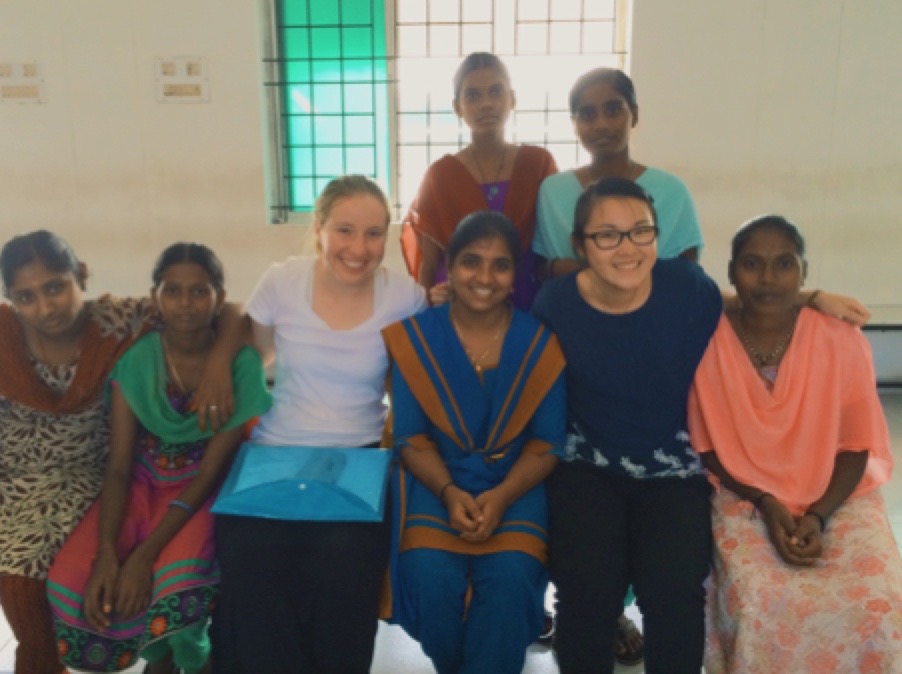
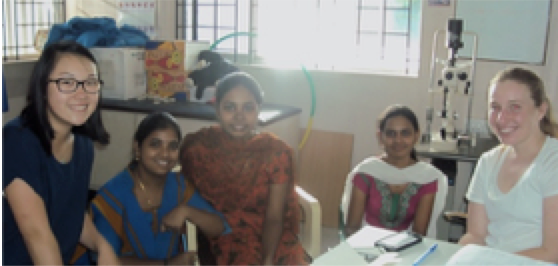
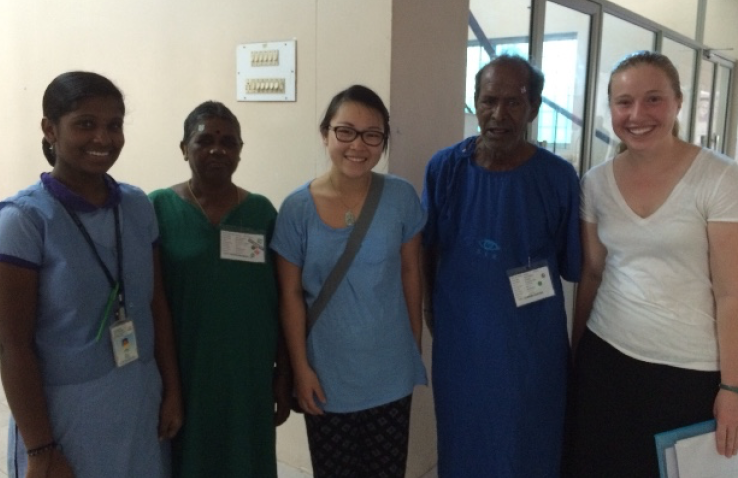
Jana and I spending time with VCTs after competing interviews.

This summer pushed me out of my comfort zone and challenged me in many ways, but I think the most significant thing I gained was a better-rounded global perspective. The knowledge and understanding that I can have so much in common and that I can connect with people who at face value are so different from me made me more self aware and empathetic. I feel more connected to the world around me, which has increased my desire to work in the global development field – not only because it is a topic that interests me, but also because I have found through this experience that it is a way to productively engage others and learn much about myself by doing so.

Communities and Comfort Zones

A crowd of patients encloses around us on all sides, yelling in Tamil, pushing each other and shoving their charts towards us. Jana, our VCT translator and I frantically try to manage the growing group while checking patient numbers and interviewing the patients that are on the list from our previous round of interviews. This scene from our most recent Sunday review camp is very different from the events of Saturday’s camp, where patients waited quietly in line while we checked numbers and quickly surveyed post-op patients.

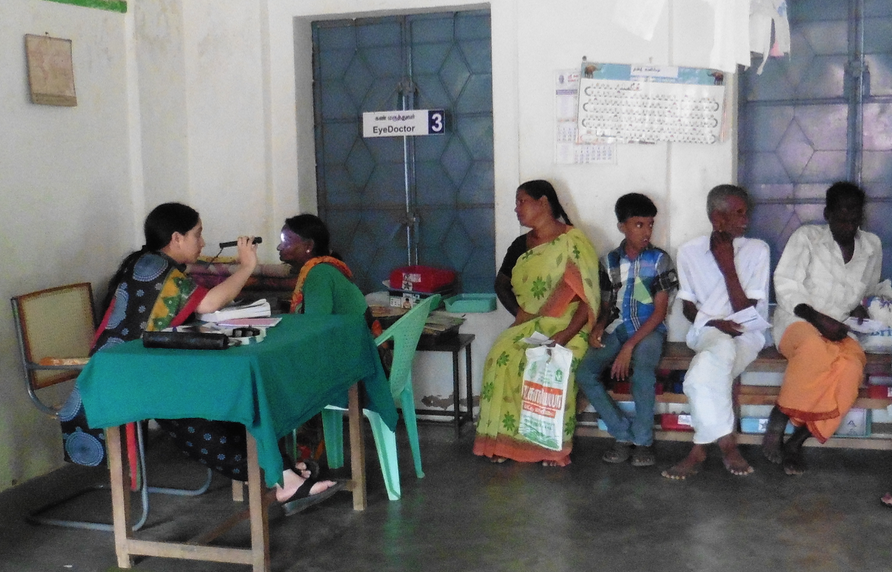
Patient screening at a local camp

My Tamil knowledge is limited to “welcome,” “thank you,” and “have you watched TV in the past month?” In other words, no phrases that are particularly helpful when trying to impose any sort of system or organization on a group. The language barrier has continued to be one of my biggest frustrations while working in India, but it has also forced me to look at things using a different perspective. For starters, I’m realizing how much I take for granted being able to easily express my thoughts and what I mean as well as understand what other people are saying. Secondly, since I can’t rely on what people are saying to gain a sense of their personalities and stories, I find I focus more on people’s body language and how they interact with each other. The thing that I have noticed over and over is the strong sense of community within the various groups here.

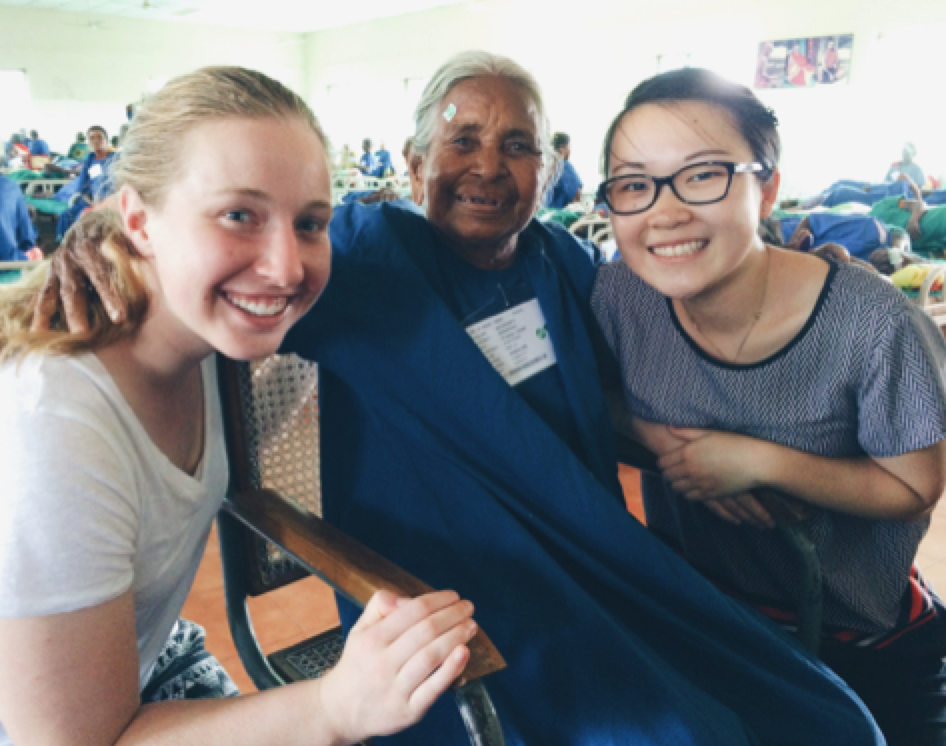
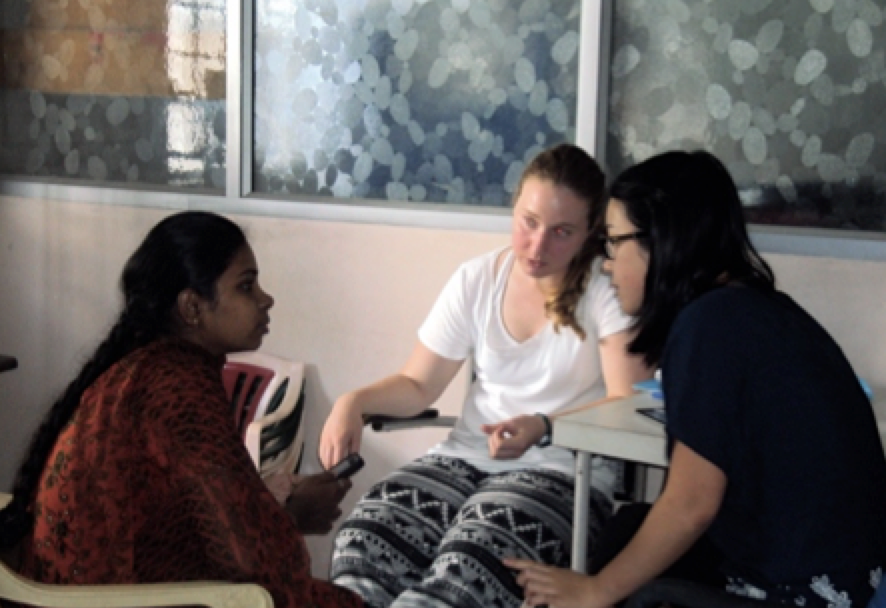
Interviewing patients at the Coimbatore base hospital

Though our survey experience on Sunday was perhaps not the best example of this community mentality, the strong ties between villagers can frequently be seen throughout the camps as well as at the hospital. Patients move in small groups through the different stations at the camps; they wait for their friends to finish and then all move on to the next phase of screening, adults come to help guide their aging parents through the camp and someone is always there to hold the hand of a patient afraid of the finger prick required for checking blood sugar. This continues when patients arrive at the hospitals. Patients stick with their friends while navigating the halls and sit on beds talking to each other in the wards. Attendants patiently sit on the beds or walk with patients who need additional assistance. They are eager to fold us into their group. They walk up to us to talk, grab our hands and pinch our cheeks or just simply nod and smile at us while walking by. Even though I have no idea what they are saying, it is clear that this is a culture driven by human connection.

Talking to some VCTs

Another place where this group comradery is particularly evident is with the Vision Care Technicians. VCTs are recruited from villages all over India and train for three years at either the Sankara hospital in Coimbatore or the hospital in Bangalore. One of our projects is to document the impact of this program, so over the past few weeks we have been interviewing past VCT who now work at various Sankara hospitals as well as surveying the students just starting the program in Coimbatore. In addition, VCTs also act as our translators, so we are around them often. It seems like we never end up talking to just one. They travel in packs. Walking down the hallways holding hands or hanging on each other’s shoulders while standing at a desk. Personal space does not exist here. As soon as we start talking to one, at least five others rush over and push themselves into the conversation. While many things here are different than they are at home, this lack of boundaries and need to be close together is something that has taken the most getting used to.

VCT Interviews
VCT Interviews

Since most of our data collection is complete, we will be spending our final week at Sankara beginning to pull together our findings and preparing for our presentation to the board. Our project looks very different than it did two months ago. Over the past seven weeks, we have conducted over two hundred surveys, researched archival systems and interviewed patients. I know that we have concrete data to analyze, but I have trouble seeing how we will present it in a way that truly captures what I have learned and experienced here. The surveys don’t show the patient who started crying when we asked her about her family or the man whose face lit up when asked if he would recommend Sankara. The VCT interviews don’t communicate the fact that there were fifteen other students huddled around, laughing, clinging to each other and helping translate questions when one was misunderstood. It’s frustrating to not know exactly how to package this information so it adequately represents the way Sankara fits into and impacts this broader Indian community. Like not knowing the language or having people consistently invade my personal space, this unknown is way outside of my comfort zone. As with the language barrier, I know the challenge of interpreting this data will make me step back and look at things in a way I’m not used to. For now, I’m trying to trust the process, embrace the fact that I don’t know exactly what is coming and look forward to piecing it all together.

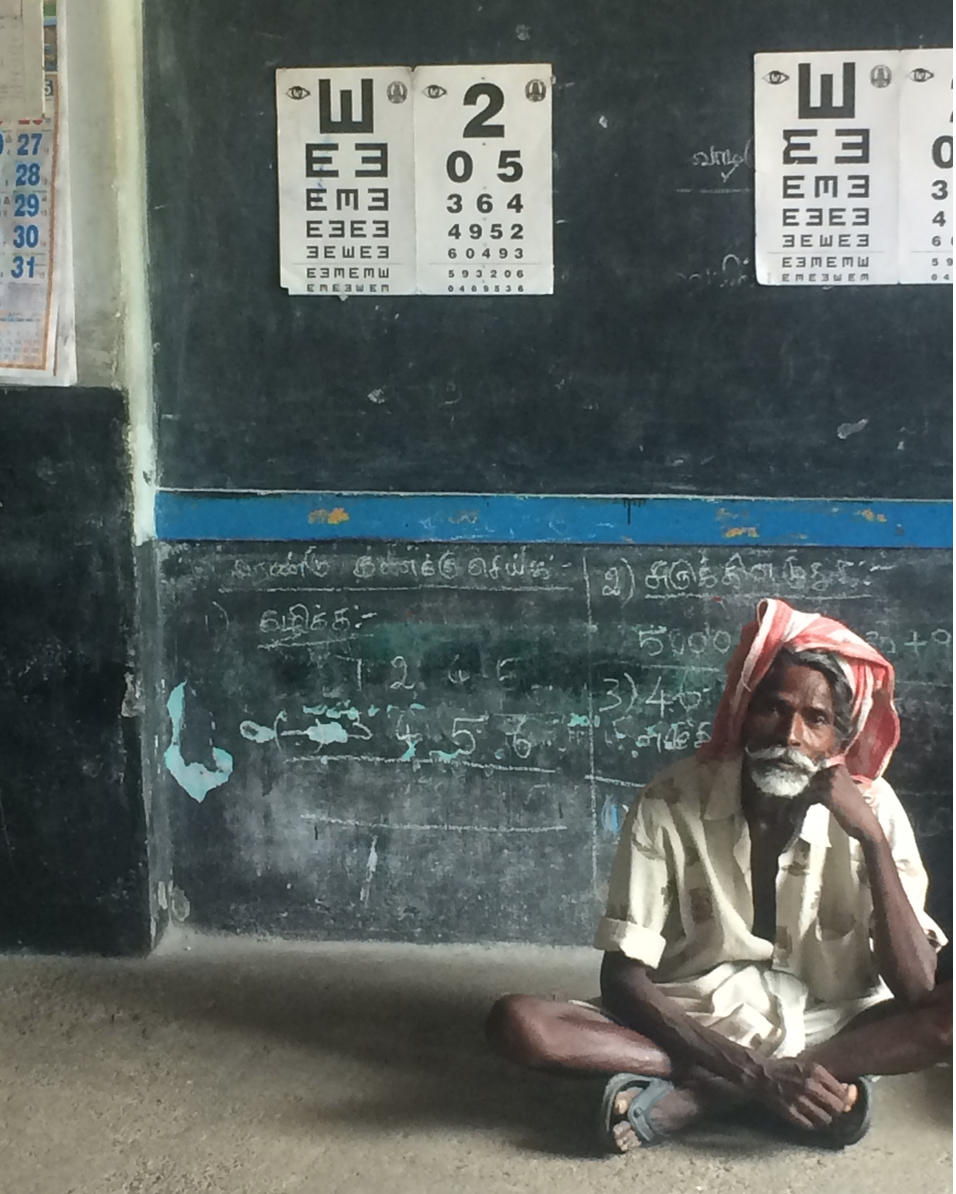
A patient waiting to be screened in the village of Mangalore

First Few Weeks at Sankara

The chaos of the Coimbatore streets stops as soon as you enter the Sankara campus. The organization and efficiency of the hospital are apparent in every detail. Ramps connect the four floors of the hospital to make it easier for the elderly, sight-impaired patients to navigate through the different stations. Blue sari clad nurses walk briskly up and down the halls leading groups of patients through the different stages of treatment. All patients are either referred to as “Patti,” grandmother, or “Ta Tha,” grandfather, while nurses and vision care technicians refer to each other as “sister.” Although the separation between the paying and free patients is clear, it isn’t extreme. The ground floor of the hospital is devoted to paying patients, the second floor houses areas for both customer segments and the top two floors are dedicated almost exclusively to the free patients. Even though I read the statistics on the numbers of patients that Sankara treats many times before coming here, seeing their system in action is very different. When I heard that patients moved through the surgery process in groups, I envisioned groups of ten, not over a hundred. We have been here for almost three weeks now and I still can’t believe the massive number of patients that easily move through surgery each day.

Screen Shot 2015-07-03 at 8.09.31 PM
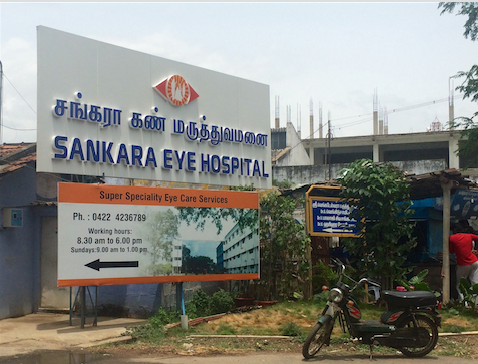
Sankara Entrence

We’ve done a lot in our few weeks here. Everyone has been extremely welcoming and is curious about what our project and how we ended up at Sankara all the way from California. On our first day, Pooja, our in Sankara research mentor, introduced us to as many as people as possible. This ended up ranging from meeting with the Sankara founder and the head of the outreach department to the lab technician and kitchen staff. At the end of our first week, we attended a local eye camp in Coimbatore. This camp was pretty quite and mostly just so we could get to know how the camps work.

While our second week at Sankara started off relatively quietly, it certainty did not end that way. The big news of the week was that our project had changed from just case studies to a more comprehensive social impact study. Jana and I figured this out about thirty-six hours before leaving for the weekend to go two eye camps where we were supposed to start surveying patients, so the pressure was on to write and test our survey.

The eye camps we traveled to for the weekend were held in South Tamil Nadu, about a six-hour drive away from the base hospital in Coimbatore. Driving to the camps was an adventure in and of its self. The town centers we passed were full of action. Endless storefronts and various vendors lined the narrow streets; carts pulled by oxen practically outnumbered cars, there were even a few camel and monkey sightings. When we arrived at the first camp the next morning, there were already lines of people waiting to be screened. Although this looked like a ton of patients to me, when I mentioned this to one of the nurses, she laughed and proceeded to tell me this was way fewer people than normal. Like the hospital, the camps operate in a way that allows a shocking number of patients to be screened, diagnosed and selected for surgery in a short amount of time. Within fifteen minutes of the first patient being registered all eight stations of the camp were in full swing. We sat down with our translators, two Vision Care Technicians, and got to work. When we got to the camp on Sunday, I immediately saw why the nurse was saying the previous camp had been small. Because this camp was also a review camp for patients who received surgery a month ago, there was an even larger group waiting when our Sankara van pulled up.

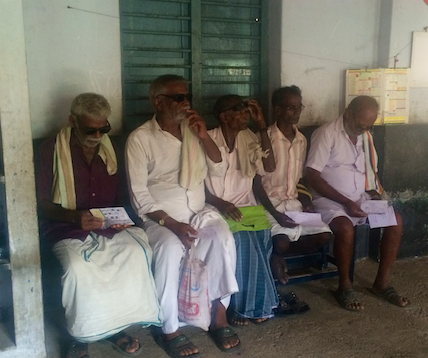
Patients waiting at Sunday eye camp

Now that we are back at the hospital, we are continuing our interviews with the patients from the recent camps. In addition, we are working on revising the post-op survey that we will give to patients at the review camp in one month. I am quickly learning that creating a survey that will produce meaningful data is pretty tricky. By far the most frustrating aspect of our data collection has been the fact that we have to rely on translators and we can’t speak directly to the patients. I think we are probably missing out on a lot of valuable information because of this. There has definitely been a learning curve in figuring out how write questions that we can explain to the VCT helping us that she can then explain to the patient being interviewed without losing too much meaning. I’m sure that our team’s struggle is not unique to anyone trying to collect data in a region where they do not speak the language, but it definitely takes some figuring out. I’m looking forward to taking what we have learned conducting this survey and applying it to our post-op and VCT program surveys. While this process has been slow and tedious at times I can’t wait to continue learning the ropes of social impact assessment over the next five weeks here.

The Road Less Traveled

I have never gone about things in traditional or expected ways. This hasn’t always been a conscious decision, what I have wanted to do has never really aligned with what others are doing and I’m not afraid to stray off the beaten path. Looking back, I believe this has a lot to do with the way I was raised. I grew up in Seattle with two extremely socially active and conscious parents. My up bringing made very aware of social justice and equality issues from a young age. Both my parents were successful in turning their passions into their vocations and were extremely involved in the community. Some of my earliest memories involve going with my Mom to her environmental law practice. It was from her that I first learned the value of lifelong learning, doing something you love and the importance of giving back.

417489_10150522785030978_536069781_n
Competing in Indio, CA

I rode horses competitively for 10 years. After high school, I chose to take a gap year and move to Portland, OR to train and work full time at one of the best show jumping barns on the West coast. This year tested my determination and work ethic in many ways and pushed me out of my comfort zone. I was surrounded by people who expected excellence and I was able to successfully compete at a national and international level. More importantly, I had the opportunity to experience working hard at something I was passionate about and spend time in a demanding environment where I was able to excel. This year was my first exposure to the feeling of turning a passion into a job.

When I came to college, I was eager to find that feeling again. Santa Clara University’s core values of competence, conscious and compassion resonate strongly with me and the Jesuit mission of social justice aligns closely with the way I was raised. I was ready to expand on these ideas, however my freshman year was the first time I had to navigate life without riding and I was forced to recognize that I had very little direction or sense of identity without it. I was concerned that I wouldn’t ever find something I was interested enough to work in and that I would wind up with a typical office job that hated for lack of any better options. As I became more involved at Santa Clara, my worldview slowly started to expand.

I have always been interested in medicine and healthcare, but it didn’t seem like a career in it would be a good fit. On whim I took a few introductory economics courses and found that I loved learning about how global markets fit together and looking at how and why people make choices in different countries, particularly in the developing world. I am a very logical thinker and I enjoy looking at the big picture to figure out different ways to solve a problem. Pursuing economics and public health seemed like a clear choice because the two combine both of my interests and allow me to learn about global problems from two different perspectives.

These two fields seemed completely disconnected until I went on a medical service trip to Ghana my sophomore year. Our group was tasked with setting up a mobile clinic in a rural community and then helping to treat patients and provide the prescribed medication. Not only was our group completely unqualified to doing this, it seemed like we were actively getting in the way of the local doctors who were also working in the clinic.

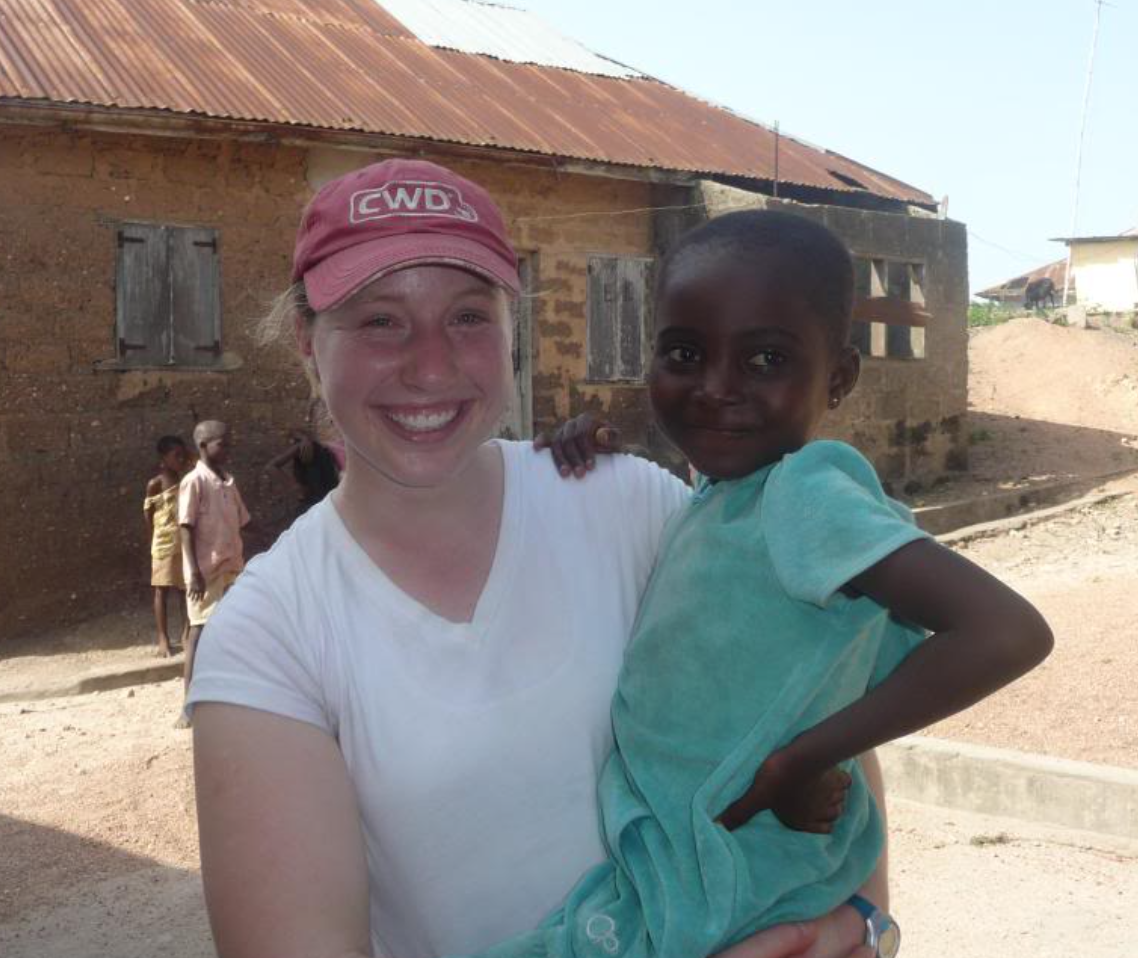
Some downtime in Ghana

I enjoyed speaking to the people in the community and playing with the kids during our public health lessons at the local school, but this trip was definitely for us, not them. I struggled with how ineffectual or efforts felt. We were not contributing to a sustainable solution for the lack of healthcare access in the area and it seemed that we actually might have been making the problem worse. Once we got back to Santa Clara, our group had several discussions about how the healthcare system in Ghana could be improved. These discussions opened my eyes to how multifaceted the issue of poverty in developing countries is and how little I understood it. Every possible solution we talked for healthcare had ramifications for different parts of the community. It reminded me of a giant puzzle; all pieces would have to fit perfectly with each other in order for any solution to be effective. Figuring out ways to fit the pieces together in order to solve a problem is a challenge I find both interesting and exciting. Realizing so many factors were interconnected gave me an idea of how combined knowledge of economics and public health could be useful to me in the future.

Screen Shot 2015-04-15 at 10.20.23 PM
Sankara Eye Care, Bangalore, India. (P.C. Sankara Eye Foundation)

My biggest take away from my experience in Ghana was that it can be very difficult to help local communities. External parties are not always effective in providing what a community needs and local organizations that fully understand the complex needs of an area are the key to generating sustainable change. While going to Ghana was a hugely important learning experience for me in many ways, I did not feel that I had a positive impact on the people I was trying to help. What appeals to me most about the Global Social Benefit Fellowship is that it provides an opportunity to learn how to be part of an effective solution and apply the skills I have gained at Santa Clara in order add value to a social enterprise. Working with Sankara Eye Care seems like a natural way to combine my desire to create social impact and my interest in implementing frugal healthcare systems. I am ecstatic to be a part of this unique program and I cannot wait to see what learning the next nine months have in store.