After reading the seventh chapter in Borderlands, I learned that having multiple identities has the potential to cause problems within oneself. These conflicts emerge when people struggle to define a harmonious relationship internally, as their mixed backgrounds perpetually tug at different directions. Anzaldua states that the aftermath includes “insecurity and indecisiveness”, which is “plagued by psychic restlessness” (100). Because I am full Korean, I have yet to face trouble within my own ethnic background. Furthermore, coming from Cupertino, I grew up in a city that is dominated by Asians, which is why I did not encounter racial discrimination.

I believe this attributes to why I felt a little different when I first came to Santa Clara, as I became a distinguishable minority. I met people from all over the world and saw the predominantly white student body and faculty. However, I have not seen racist outlashes against anyone, and I believe that this is constituted by Anzaldua’s theory on reaching harmony. She states that we must be able to combine our identities by moving from a position that excludes to includes. At SCU, many are open to accepting students the way they are. By learning to be flexible, only then can we “stretch the psyche horizontally and vertically” (101). Anzaldua implies that through this flexibility, individuals can incorporate dualistic thinking, which may be the solution to ending rape, violence, and war (102).
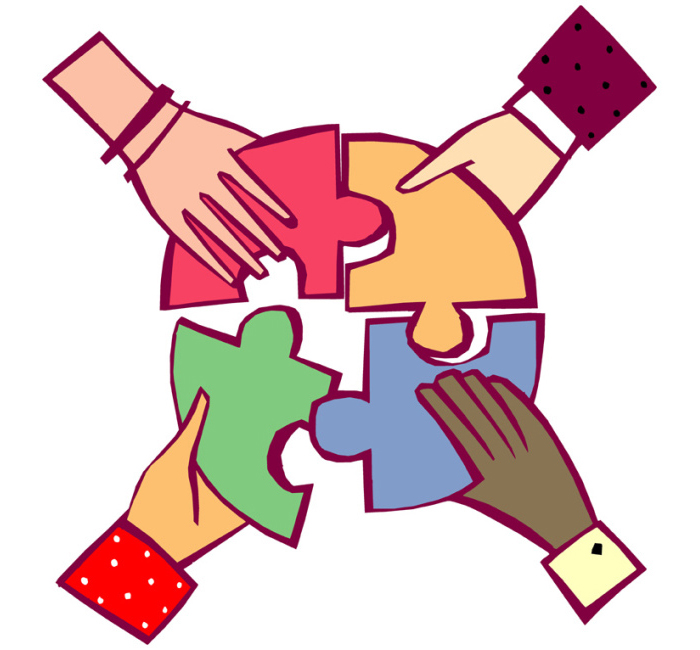
I understand Anzaldua’s thought process, as conflicts are sorted by finding a mutual solution for both sides. The first step to identifying such means is to be open to both sides, which is what Anzaldua dubs as “flexibility”. This may develop our characters to form collective consciousness, which is how we are able to come to a negotiation between two disagreeing positions.
Sources:
http://www.clker.com/cliparts/w/T/j/1/r/Q/all-the-same-md.png
http://clipart-library.com/clipart/2090143.htm
http://clipart-library.com/clipart/359898.htm