This week’s reading was somewhat unconventional, as our article was a comic book. Although I had never watched the television show, The Walking Dead in cartoon form was very interesting to read. Even within the first few sections of the book, there were various parallels to Cohen’s The Undead.
For example, in one of the scenes, the main character sees a zombie and cries the first time. In his second encounter, he pulls the trigger on the zombie, but does it reluctantly, and ends up crying once more. Just as Cohen argues that there is more to an essence of a zombie than a horrendous, diseased creature who loves eating brains, in this comic, this zombie is a reflection of a potential friend, partner, or distant relative of the protagonist.
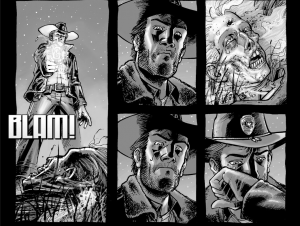
One interesting feature of zombies that I noticed is the fact that zombies are not vicious towards each other. When Rick and Glenn go into the city to get guns, they are protected from other zombies temporarily, as they rubbed zombie residue all over themselves to recreate the smell. However, this only lasted for a short amount of time, as the rain began to wash away the scent. When relating this to Cohen’s claim, it seems that zombies, otherwise dubbed “fears”, are not harmful to each other, but have the potential to be very deadly to humans. However, much like the way zombies did not harm Rick and Glenn when they were scented, when we learn to embrace our fears, we are capable of making ourselves immune to our weaknesses.

Sources:
http://readcomiconline.to/Comic/The-Walking-Dead/Issue-1?id=1715
https://www.gograph.com/illustration/accept-button-gg61835774.html
https://www.gograph.com/illustration/green-arrow-over-wall-means-overcome-obstacles-gg63088456.html
 creatures, he celebrates how zombies give us a way to give form to various aspects of our lives (408).
 fears, but as they learn to accept these zombie-esque beings, the characters take their first step in overcoming what they fear (410). In light of this phenomenon, Cohen expresses how zombies so vividly represent our fears, and thus, we are able to more effectively overcome them.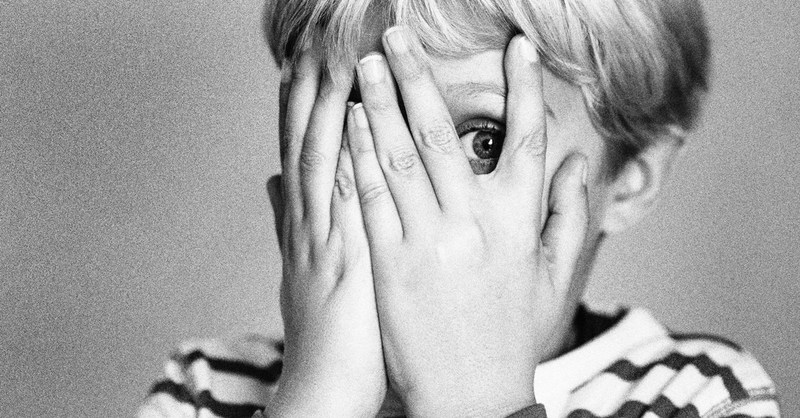
 recording what they find. Furthermore, our bias leads us to grasp onto our beliefs in a way that prevents us from retaining information objectively.
.jpg)


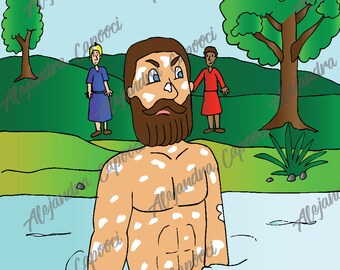 Cohen states that monsters “inhabit the gap between the time of upheaval that created it and the moment into which it is received, which essentially means that the monster’s significance is defined by the culture that perceives it (Cohen 4). I agree with this argument, as there have been instances in the past when individuals with physical and/or mental disabilities were dubbed as degenerates of society. For example, those who had leprosy were often ostracized by the community around him/her, as the rest of society did not want to associate with that individual. However, today, the sick are very well-cared for by not just those in the medical field, but also by those around them within their community. Although the ailing were once categorized as monsters by their society, now they are not condemned as degenerates but are encouraged as human beings.