While I have tried throughout my life to be a great storyteller, I have always been better at listening to the stories of others. I love learning how people got to where they are today. In 2017 there are countless channels through which one can read, watch, and listen to stories about other people. Since coming to college, I have been listening to lots of podcasts because I feel like I can really get a sense of people’s personalities when I hear their voices. Unlike documentaries or newspaper articles, podcasts such This American Life, Radiolab, and The Tim Ferriss Show are mostly uncensored, so you can really get a good sense of what the interviewee is like. While it’s great to hear someone’s story through a pair of headphones, I always feel like there are more questions I want to ask the interviewee. Therefore, I was excited to be able to interview vulnerable Ugandans this summer as part of my action research project for the Global Social Benefit Fellowship.
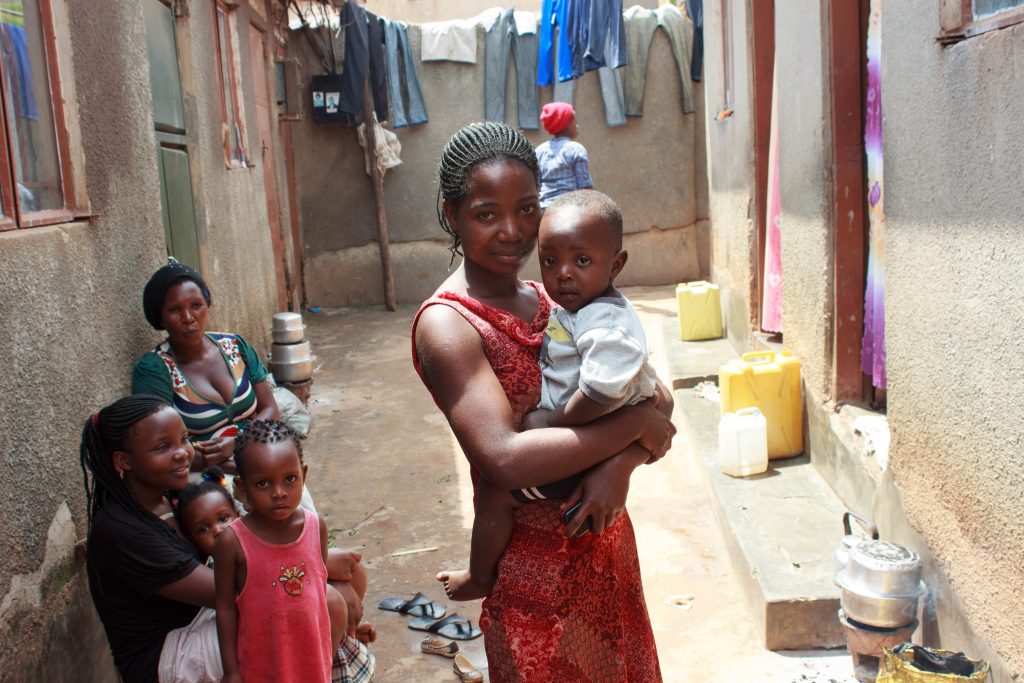
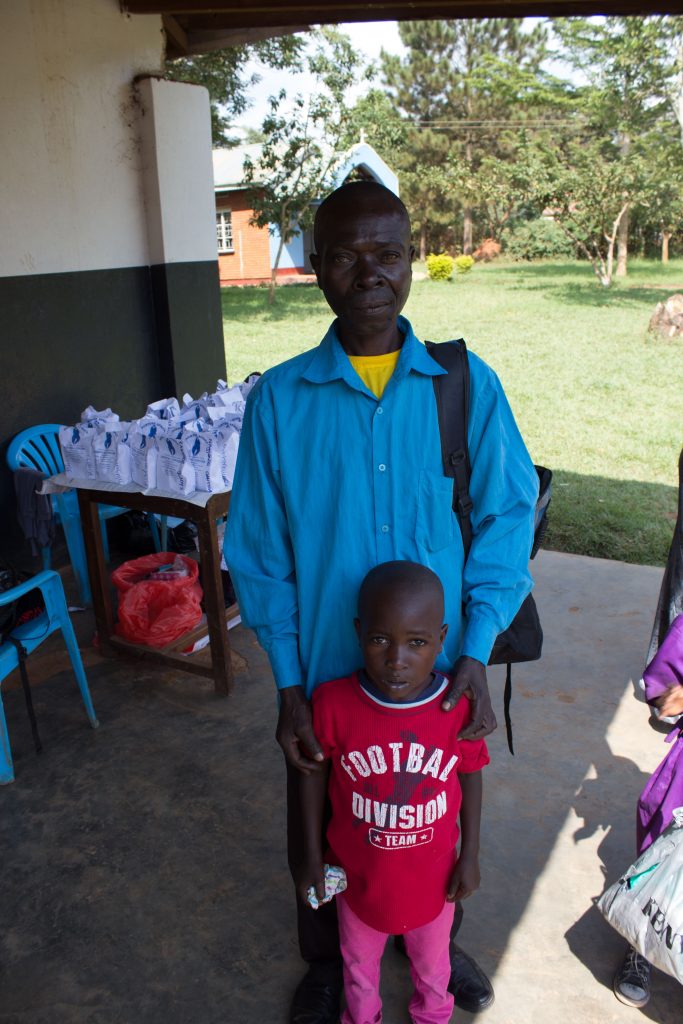
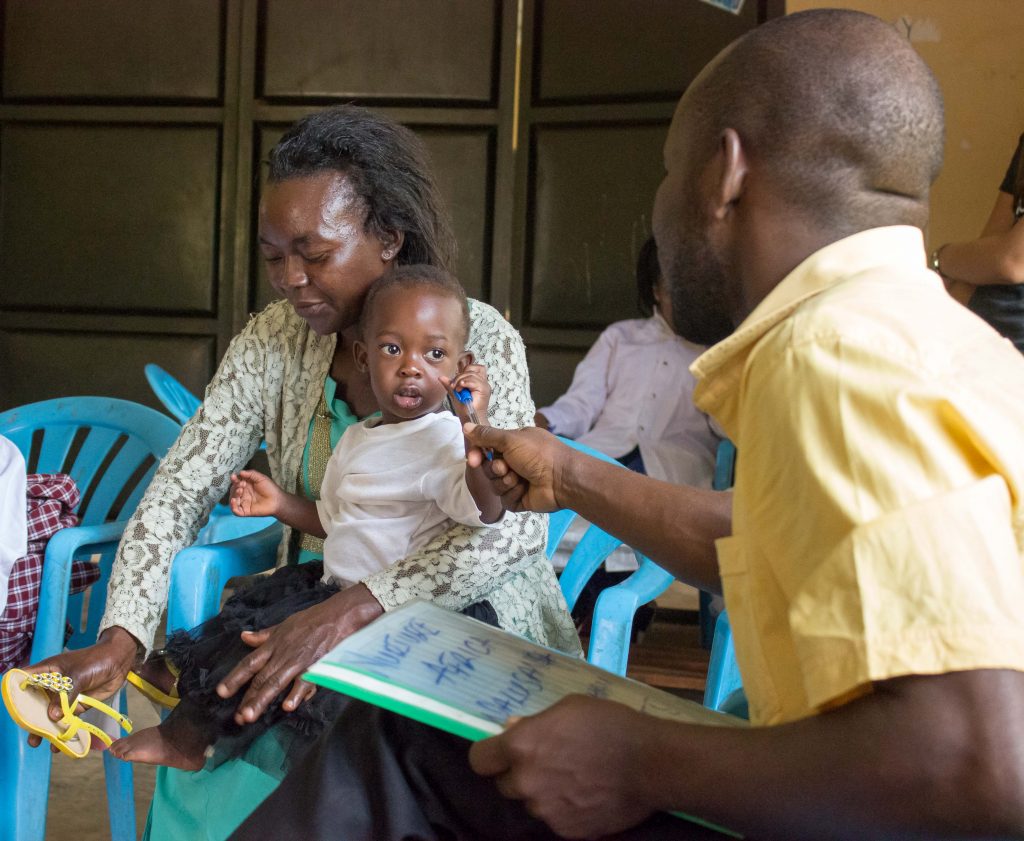
My experience working with Nurture Africa this summer afforded me a unique opportunity to hear the stories of people whose lives are so different from mine. I spoke with former clients of Nurture Africa to learn the unique set of circumstances that made it difficult for each of them to afford to pay for primary health care services. Interviewing these vulnerable Ugandans helped me appreciate the challenges that Nurture Africa faces in delivering primary health care services to its clients. There are so many different factors that affect Ugandan families’ abilities to pay for health care, especially because most of them were used to receiving free primary health care services from Nurture Africa in the past. Moreover, these interviews also helped to reinforce my belief that all socially-minded organizations should have a deep understanding of their target beneficiaries.
Social enterprises are positioned well to have a large pool of knowledge about their beneficiaries. The “bottom-up” approach of social entrepreneurship brings the organization closer to the consumers, and the long-term success of most social enterprises is tied to their abilities to address the needs of those beneficiaries. This is in contrast to many nonprofits, which can still function without truly addressing the needs of their beneficiaries. I was struck by the dichotomy of spending a quarter at Santa Clara learning about the virtues of social entrepreneurship, then immediately going into the field and seeing a nonprofit struggle to achieve its mission by serving its target beneficiaries.
Attending the GSBI Accelerator In-Residence upon returning to Santa Clara served to strengthen my belief in the power of understanding need. I met dozens of social entrepreneurs, many of whom told personal stories of how they discovered a need in the communities where their enterprises work. I realized how powerful a motivating force that personal connection is. I saw this across an array of enterprises that seek to alleviate different aspects of poverty all over the world.
This realization was important for me as I think about the direction I want my career to take. After studying bioengineering for nearly four years at Santa Clara, I’ve discovered a number of sub-fields within biotechnology that interest me. I know that in my career, I want to ultimately be involved in developing solutions that address the needs of the disadvantaged. Before working with people in Uganda, I thought that I would like to work in a lab, engineering cells under a hood. However, my experiences during the Global Social Benefit Fellowship proved to me that I can best contribute to human health by understanding the needs of patients and translating those needs into new products or systems that will ultimately lead to better health outcomes. Rather than working in a lab, I would now like to work on the clinical side as a clinical research coordinator or, eventually, a physician.
The excitement and energy of the GSBI Accelerator In-Residence in August, and the opportunity to learn from social entrepreneurs and their mentors, made me excited at the prospect of working for a social enterprise. However, I also think that my experience could help me have a positive impact on an established biotech company. Most pharmaceutical and medical device companies in Silicon Valley develop complex, expensive products that are geared towards wealthy western consumers, but they have the resources to design frugal solutions aimed at the poorest communities in the world. After our GSBF cohort had the opportunity to learn about MenAfriVac, and its success due to a combination of top-down and bottom-up approaches, I am hopeful at the prospect of a career in biotech social intrapreneurship.
There’s no clear path ahead of me. While I’ve been fortunate to speak with people involved in social entrepreneurship, biotech and medicine, I don’t plan on following in any of their footsteps. I’ll be mapping out my path as I go, I am excited to see where my journey towards finding the intersection between social entrepreneurship and biotech takes me. Without my experiences during my fellowship, I never would have imagined this as a vocation, nor would I have the nerve to think that I can go in this direction. For that, I’m immeasurably thankful for the opportunity to be a Global Social Benefit Fellow.