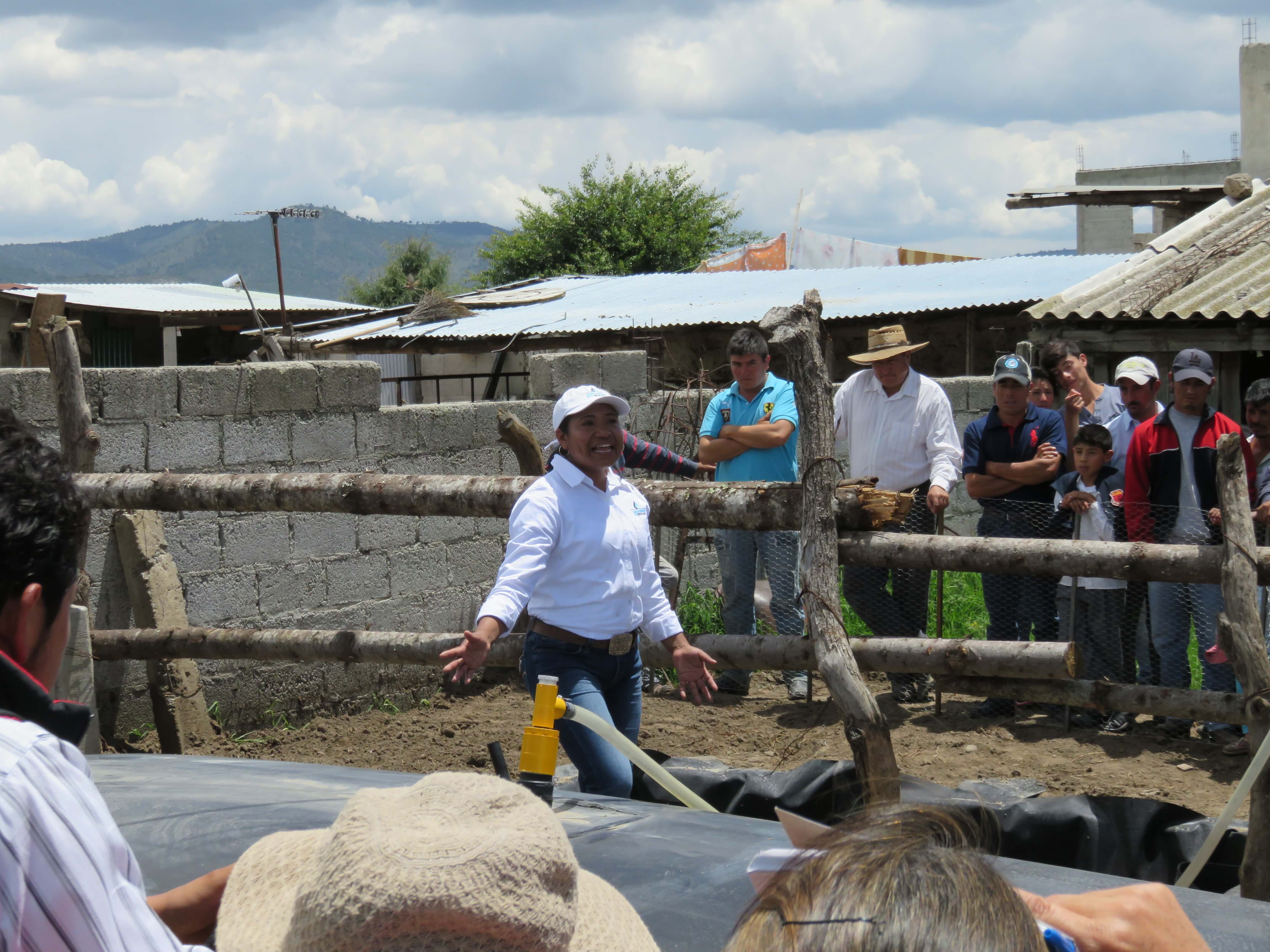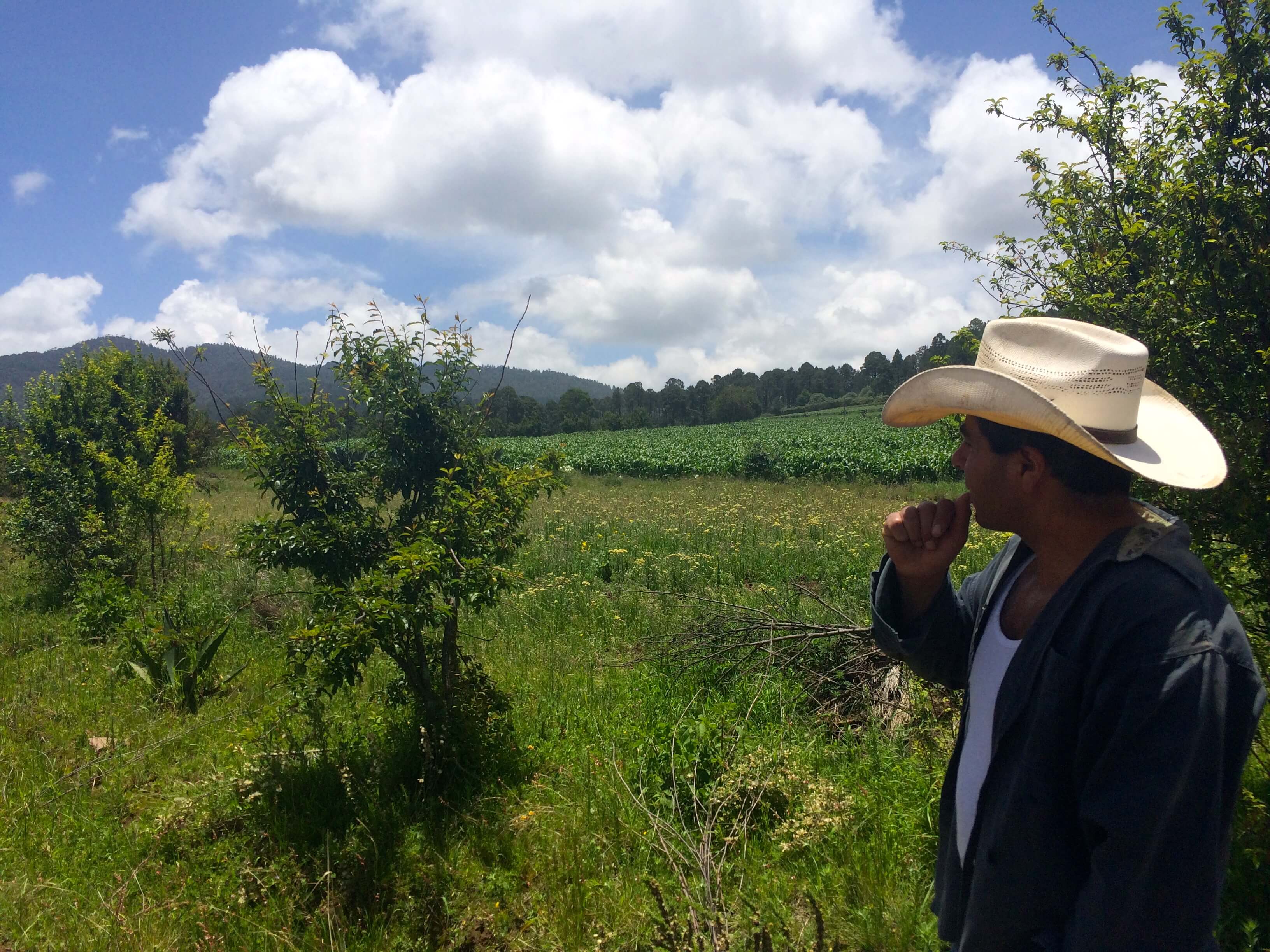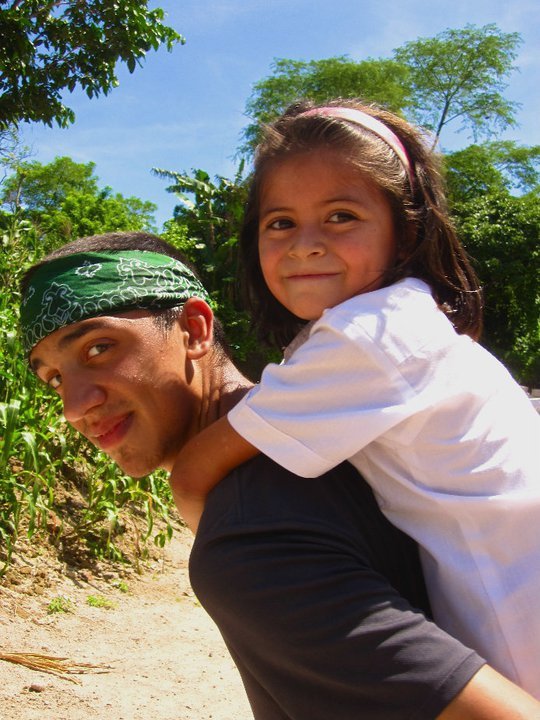
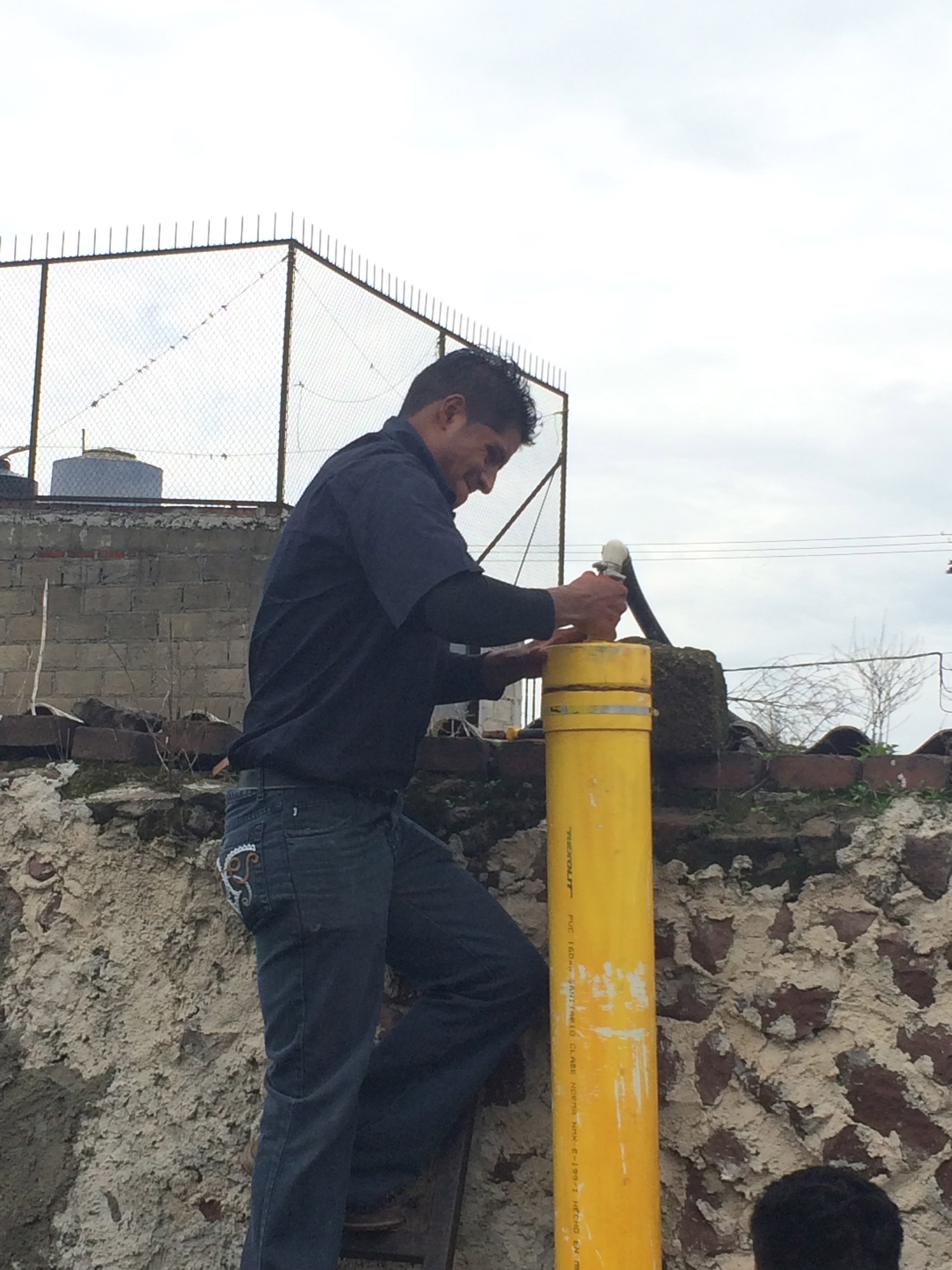
“Technology”, “innovation”, “disruption”. These words are thrown around Silicon Valley so often that I believe we have forgotten what they really mean. I certainly had when our plane landed in Mexico City last June. If you had asked me then what the benefits of an anaerobic biodigestor were, I would have listed the technical specs, mentioned how it saves money, reduces methane emissions and promotes healthier farming practices. I was right, but I still missed the point. I was so hung up on the device itself that I failed to realized the secondary and tertiary effects on its users.
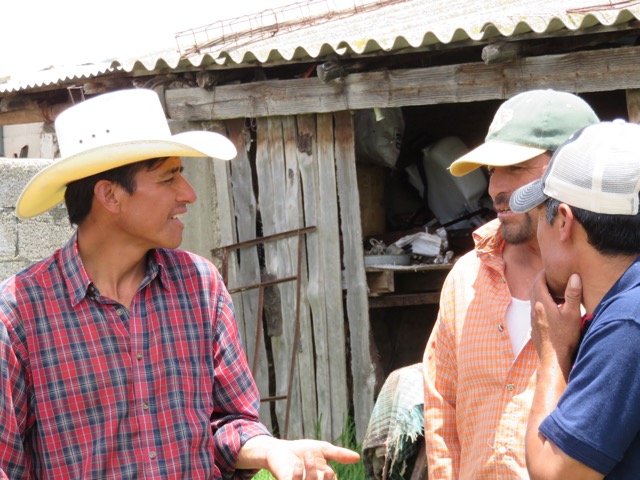
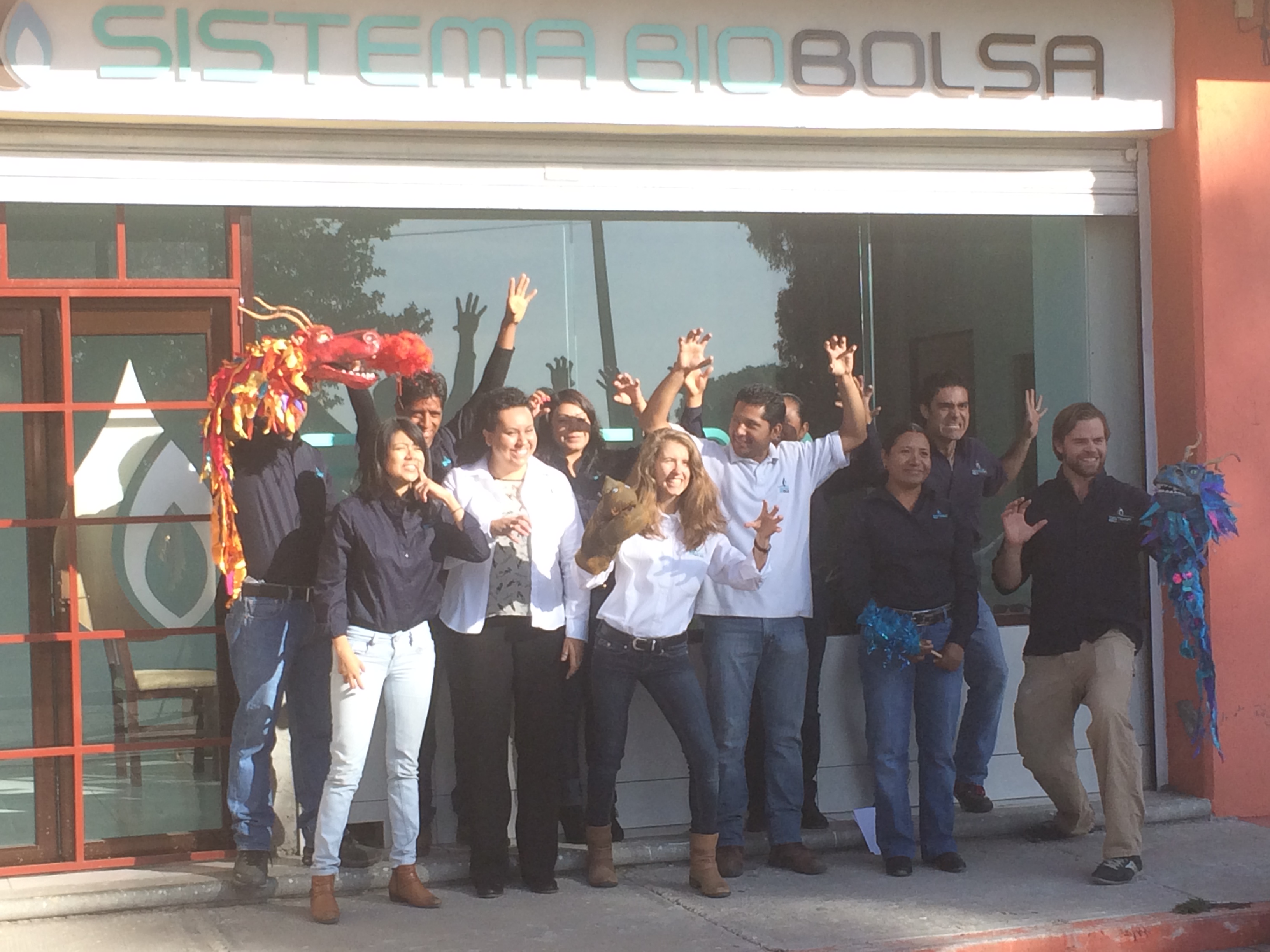
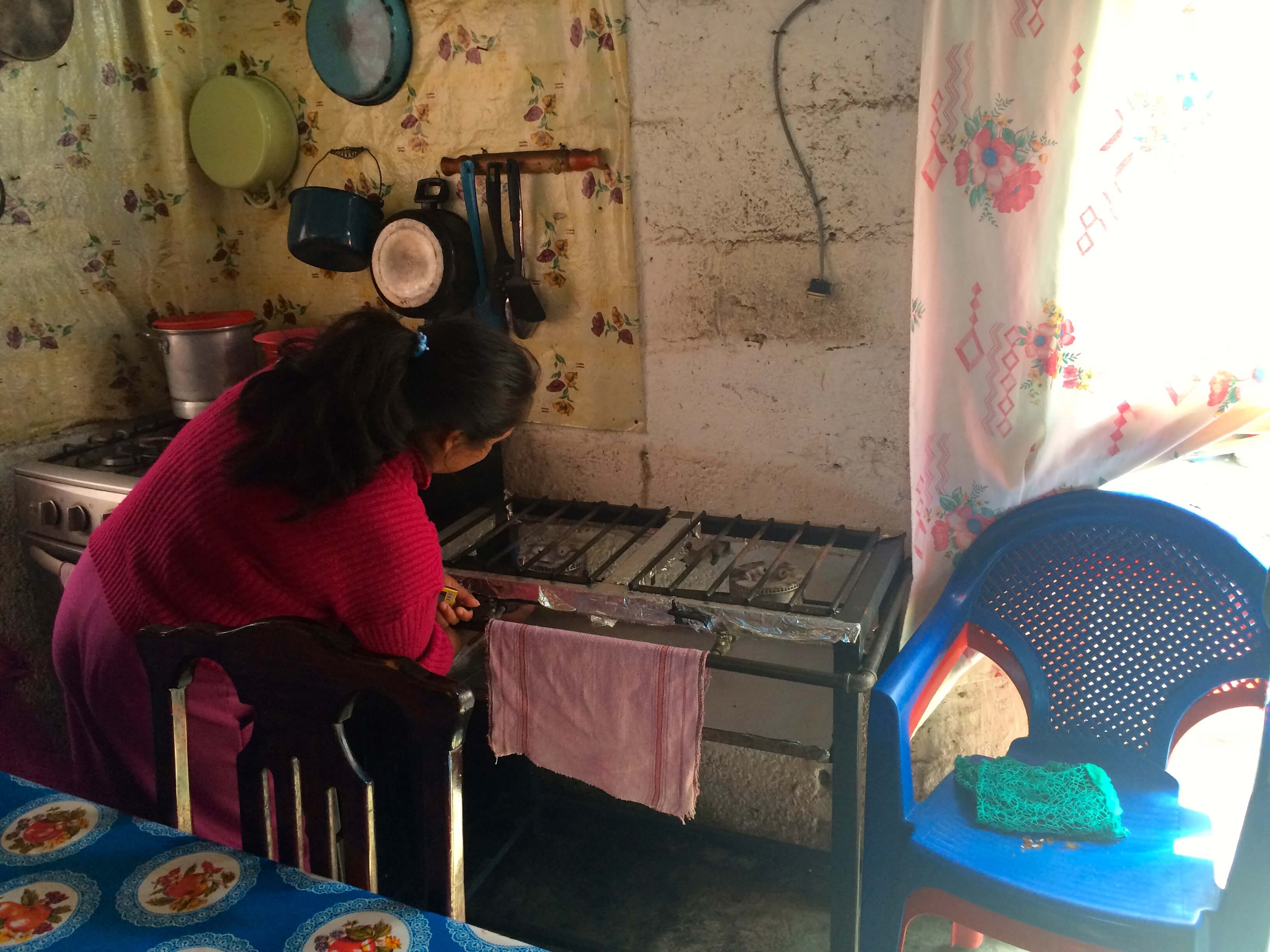
On one of our final days in Puebla, the Mexico City team drove down to the field office for the day. They had all sorts of important business to attend to, which made it all the more curious why Alex (Sistema’s cofounder) walked into the office with a pack of markers and a stack of paper. After greeting the team, Alex gathered everyone together and passed out the supplies explaining that we would be drawing what Sistema meant to us on the pieces of paper and then presenting them. If you had asked me to guess when I stepped off the plane what people would write on their pieces of paper, I would have guessed savings, or sustainability, or environmental protection…I couldn’t have been more wrong. I looked around the room and I saw “love”, “family”, “community”, “food”. THIS was Sistema’s real impact, and this is what real disruption looks like, families being able to cook all day and invite their neighbors over without having to worry about how much propane costs, or the health risks of burning wood inside. It was something families were proud of, that they could show off to their friends. It meant that their families could worry about money a little bit less. THAT is disruptive innovation.
I learned more this summer than I can necessarily put into words, and more than I even really am aware of yet. This Fall we were faced with the scary term “vocational discernment”. The most daunting thing about it was, how were we to translate this experience into the tech-obsessed world of the Silicon Valley. Should we join a non-profit? Go work in the developing world? Start our own social enterprise? I don’t have answers to all these questions yet, but I did learn important lessons about what I do and do not want out of my career.
First, I learned that for-profit vs non-profit vs social enterprise is not the most important factor for me. Non-profits do not have a monopoly on meaningful, socially impactful work. The structure of the organization is less important that what they actual goals of the organization and how they pursue those goals. If a organization is challenging large systemic problems like health or financial technology, there will often be ways to make a profit and an impact. This leads into my second insights, that I crave audacious challenges.
Second, I learned that I want to be working within organizations that are taking moon-shots; where the goal is something truly ambitious and which returns to first principles. Marginal improvements are important, but they are not for me. I found Sistema Biobolsa electrifying because there was no guidebook for what they were attempting to do. No rules had been established and there was very little competition because very few people were crazy enough to try. This can terrify some because of the uncertainty, and while there is certainly risk, there is also incredible possibilities if it works. At its core, this is a realization that I want from my career is less about rising up the ranks of a company, but rather having a feeling of giddy excitement about the work I do. I have been fortunate enough to find this at both Sistema Biobolsa and Kiva where even after long days, coworkers still want to talk about the organization, and where they see it going. This is not exclusive to start-ups and non-profits, its a very specific corporate culture.
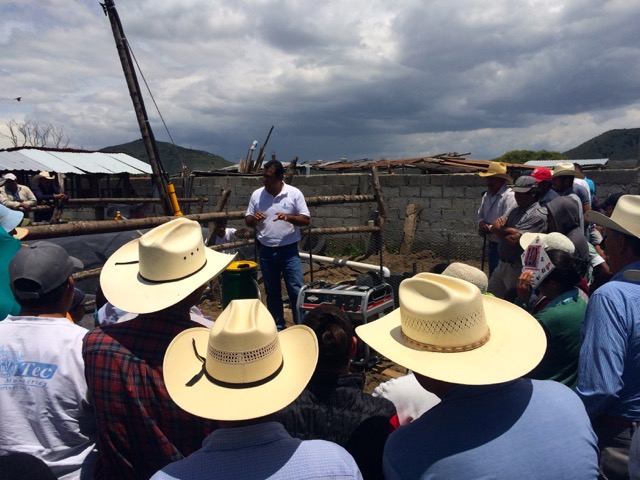
Third, I have learned the areas I want to focus in my career: financial technology and healthcare. The democratization of capital that’s happening with crowdfunding, mobile money, and peer to peer lending is creating opportunities for people who were previously financial excluded and its happening around the world. Breakthroughs in disease identification and prevention have the potential to revolutionize healthcare world wide and allow people to lead more humane and dignified lives. There are any number of areas to commit effort to, but for me, these are the two that look to have the greatest power to alleviate poverty world wide.
To be honest, I don’t know where I’ll be in a year, much less 10 years, but I do know that this fellowship will dramatically change how I get there. Lessons I learned from the importance of personal stories, to the snowballing effects of social conscious innovation, to the need to stay curious and adapt in ambiguous circumstances, will, without a doubt shape how I approach my career, as well as the world. I learned a tremendous amount about myself and my place in the world. Above all, I learned that the problems of the poor and marginalized are not simply something to drive us to donate a few sympathy dollars every year, but urgent and pressing issues that must be address with all the ingenuity and radical entrepreneurialism that has made the Silicon Valley famous. I am continually grateful for the opportunity this fellowship provided and am excited for what is to come.