
The Road Ahead


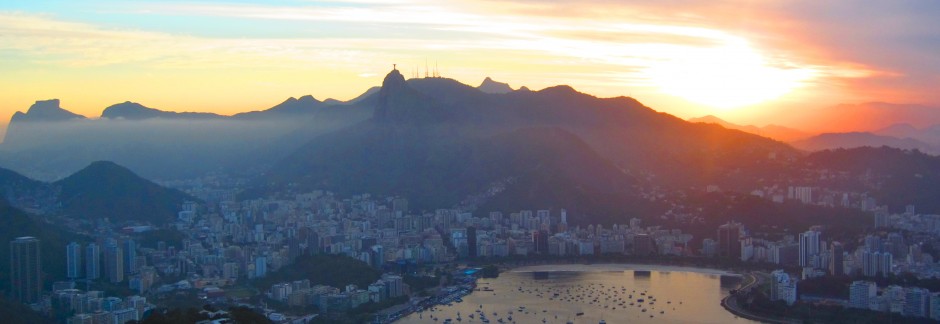
Spectacular sunset over Rio de Janeiro

As I sit to write this reflection essay, I pour myself a cup a chai tea, my favorite, and open my computer only to be greeted by my desktop picture of the magnificent sunset from Sugarloaf in Rio de Janiero, Brazil. I find this fitting, for in a similar way the sun is setting on my experience as a Global Social Benefit Fellow. As I bask in the last fleeting moments of sunlight I reflect on the past nine months of my life. These nine months have been filled with times of new academic challenges, personal courage and determination, and profound vocational and spiritual consideration. Unbeknownst to me then, my experiences as a Global Social Benefit Fellow would expose me to some of the harsh realities of the world, but leave me with a sense of hope in humanity’s ability to rally together to address these most pressing issues.

Entering into the fellowship as a wide-eyed and ambitious junior, I had just returned from a semester in Copenhagen, Denmark. Having the privilege to travel all around Europe I was itching to see what the other corners of the world had to offer. With previous volunteer experience in Latin America and an interest in global health, a partnership with Solar Ear in Sao Paulo seemed like a harmonious combination. Reminiscing on my outlook nine months ago, I now realize that I have vastly different perspectives on the value and skills of impaired communities.

Before my summer in Brazil I had never engaged in lengthy activities with impaired populations. In fact, I had never spoken to anyone who was blind or had a hearing impairment. I was unsure of how easy or difficult it was going to be to communicate with them. I had no idea how many of these individuals we would be interacting with and what their opinion of us as Americans would be. Within minutes of first meeting some of the Solar Ear employees who were hearing impaired, one mystery was solved: these individuals were incredibly intelligent in ways I could never achieve. One man that struck me with his courage and intellect was Daniel, a twenty-year old who was appointed to be our official sign language teacher. This young man had been severely deaf since birth. Given the opportunity to wear hearing aids he turned them down because he found the overall noise and inability to selectively tune out stimuli frustrating
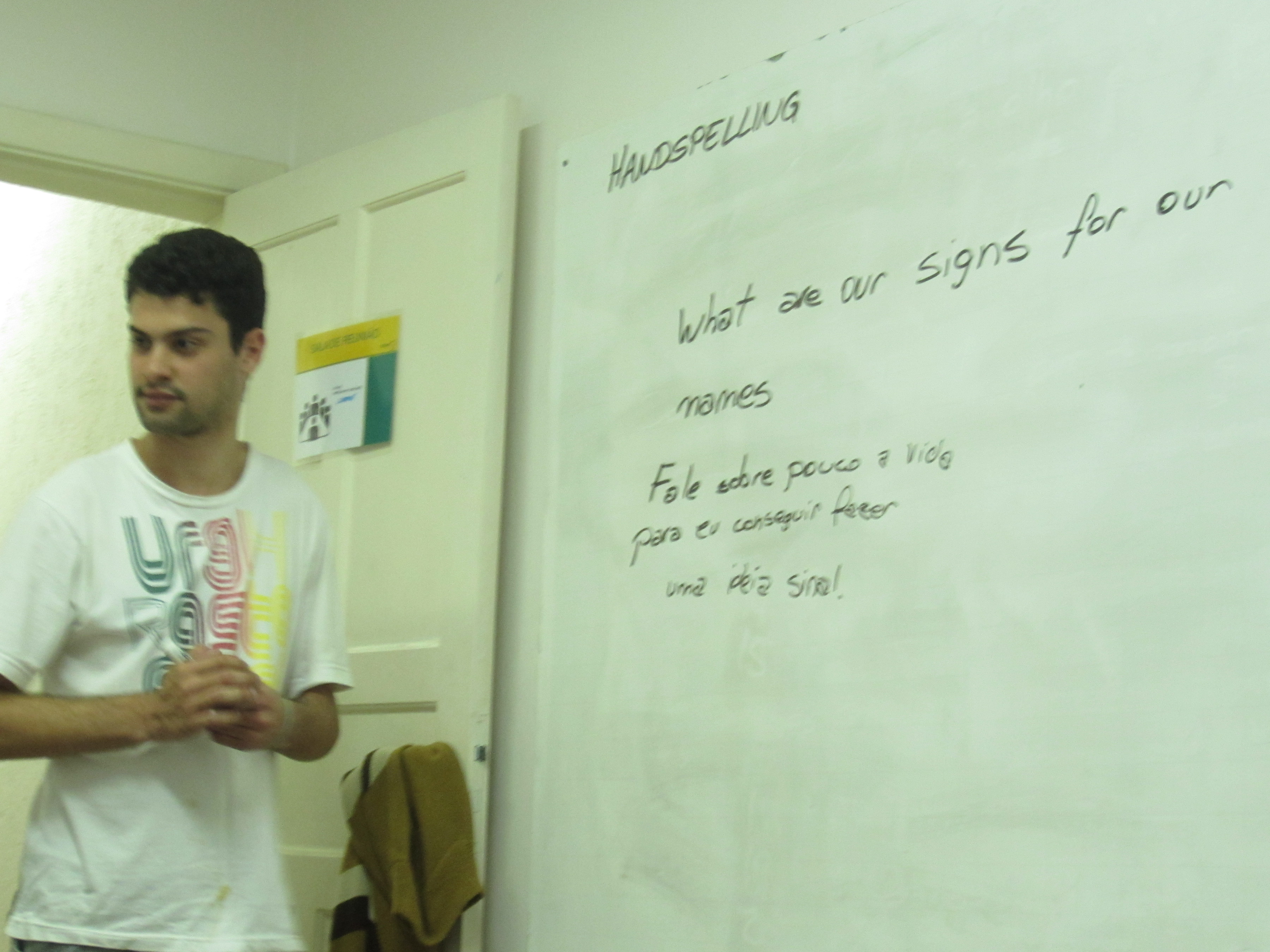
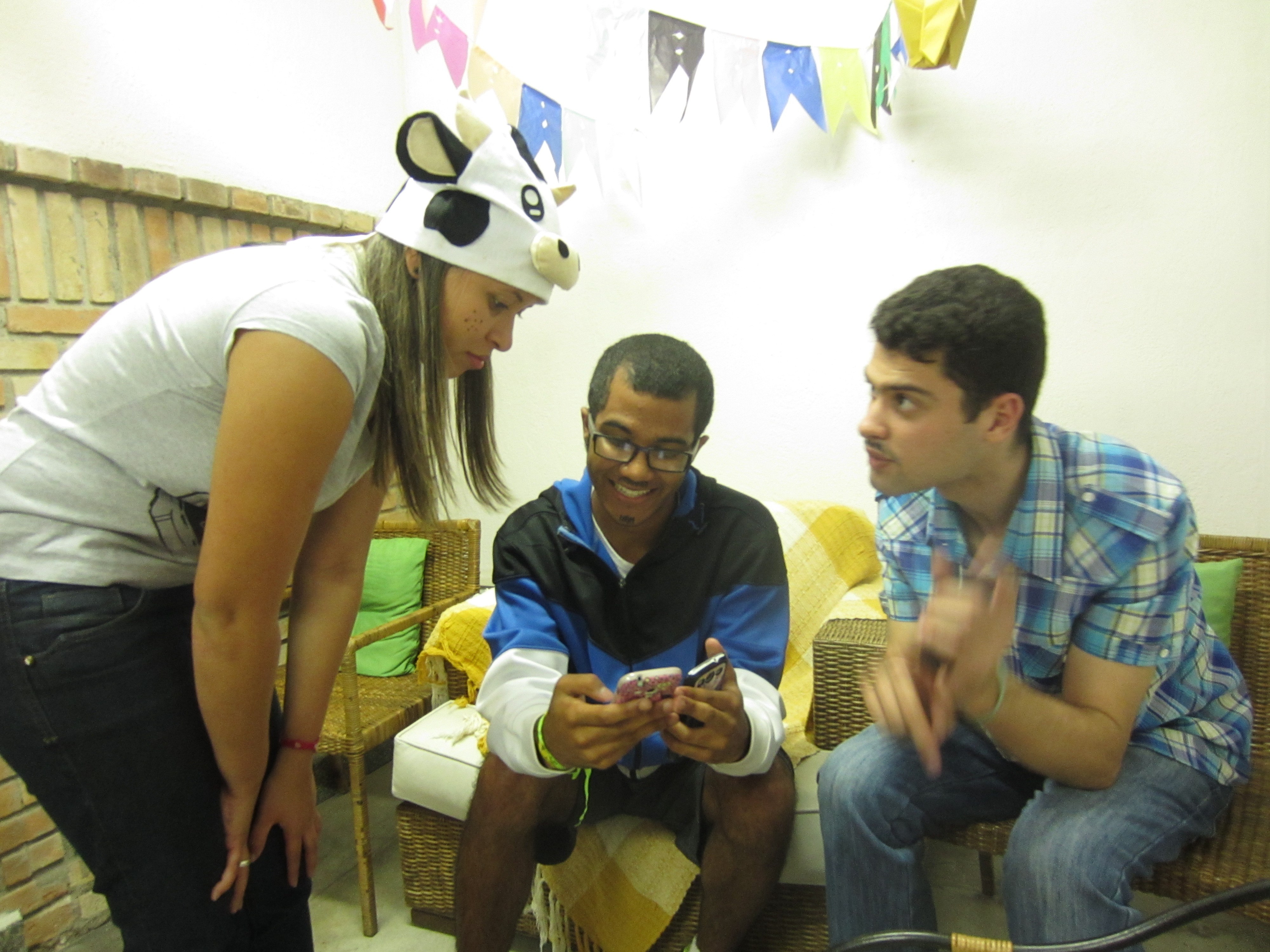
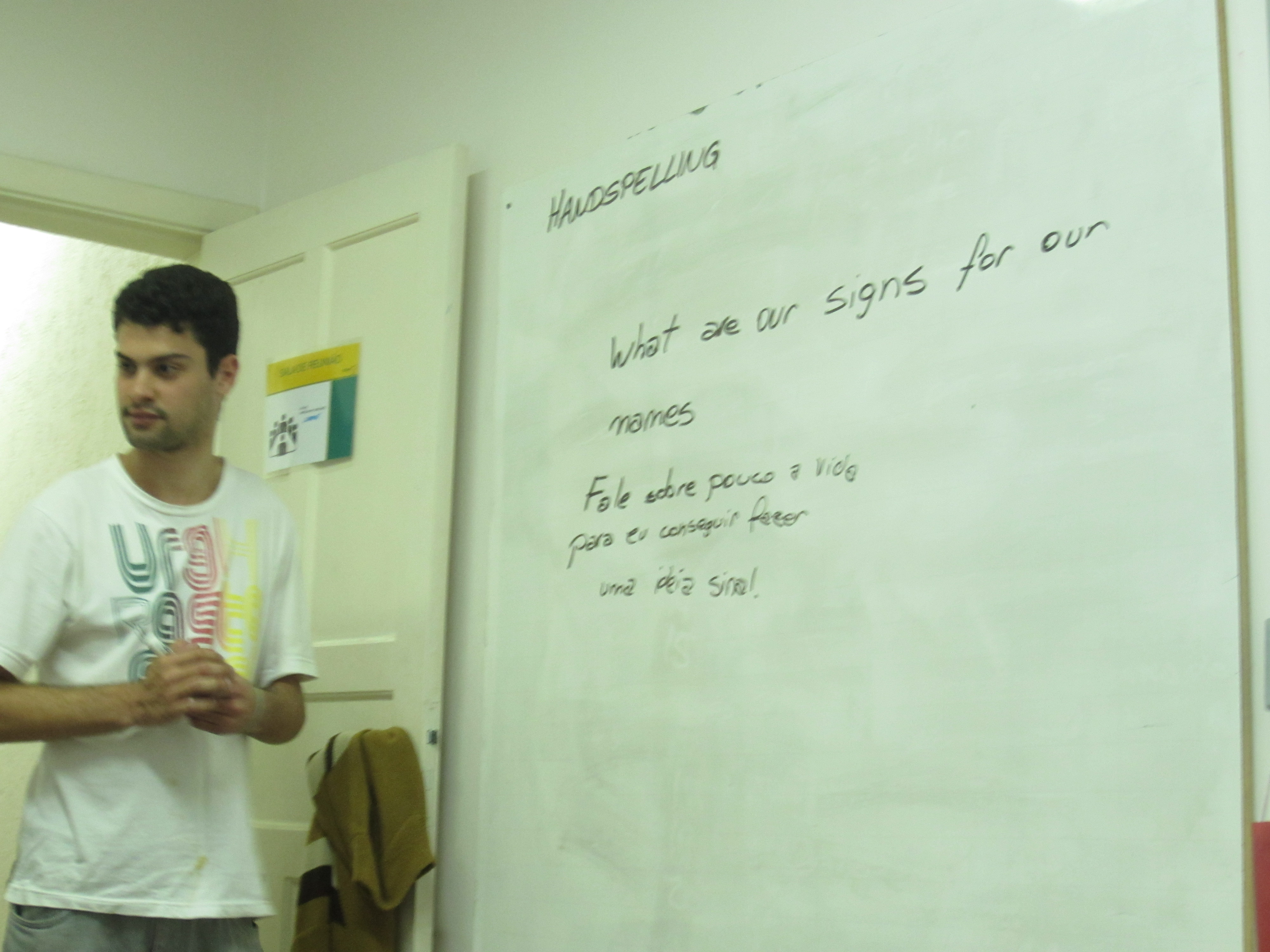
Top: Daniel teaching our team sign language. Bottom: Solar Ear employees taught us to communicate in creative ways, such a messaging on phones.

and distracting. Now, he was a master of languages. Fluent in both Brazilian and American Sign Language, Daniel could also read lips in both Portuguese and English as well as write in both languages. Most remarkably he taught himself all these skills.

I soon cherished the lessons we received from Daniel. He had a calming presence to him and I found a refuge in the silence of the room, a stark dichotomy from the bustling world outside. Ostracized from his family due to his “inability” to communicate this young man had countless reasons to be bitter and frustrated. His family had rejected him and in a way society had. Music and language are such a part of the culture in Brazil that an inability to fully experience these arts must make a person feel like an outsider.

Never before had I imaged what life would be like without music. I listen to music as I run, as I wake up in the mornings, and I too confidentially sing along to the radio as I drive. I find refuge and inspiration in music and did not realize the value in that until I imaged my life without it.

The time we spent with Daniel I fill forever remember clearly, sitting in modest couches in gentle silence as the honks and yells of the outside world carried on without us. His unwavering perseverance and intelligence was overwhelming at times. He taught me to never judge a person or group of people before meeting them. In my own narrow-minded way I had placed preconceived judgments on the hearing impaired community, assuming they may lack social skills or operate at a lower functioning status. I subconsciously and inadvertently predicted that I would have the greater source of knowledge and they would be the learners. I was quickly put in my place. Working with the hearing impaired communities of Brazil made me realize the ways in which all individuals differ in the type of their intelligence, and that no particular type of intelligence is better than the other. Such marginalized communities possess incomparable amounts of human motivation and commitment. Given the right opportunities to apply their skills, these individuals can be the most valuable human capital. Nine months ago I never would have been concerned about such marginalized communities as hearing impaired individuals. But now I see from the inside their struggles and heartaches and unconditionally respect them for their perseverance.
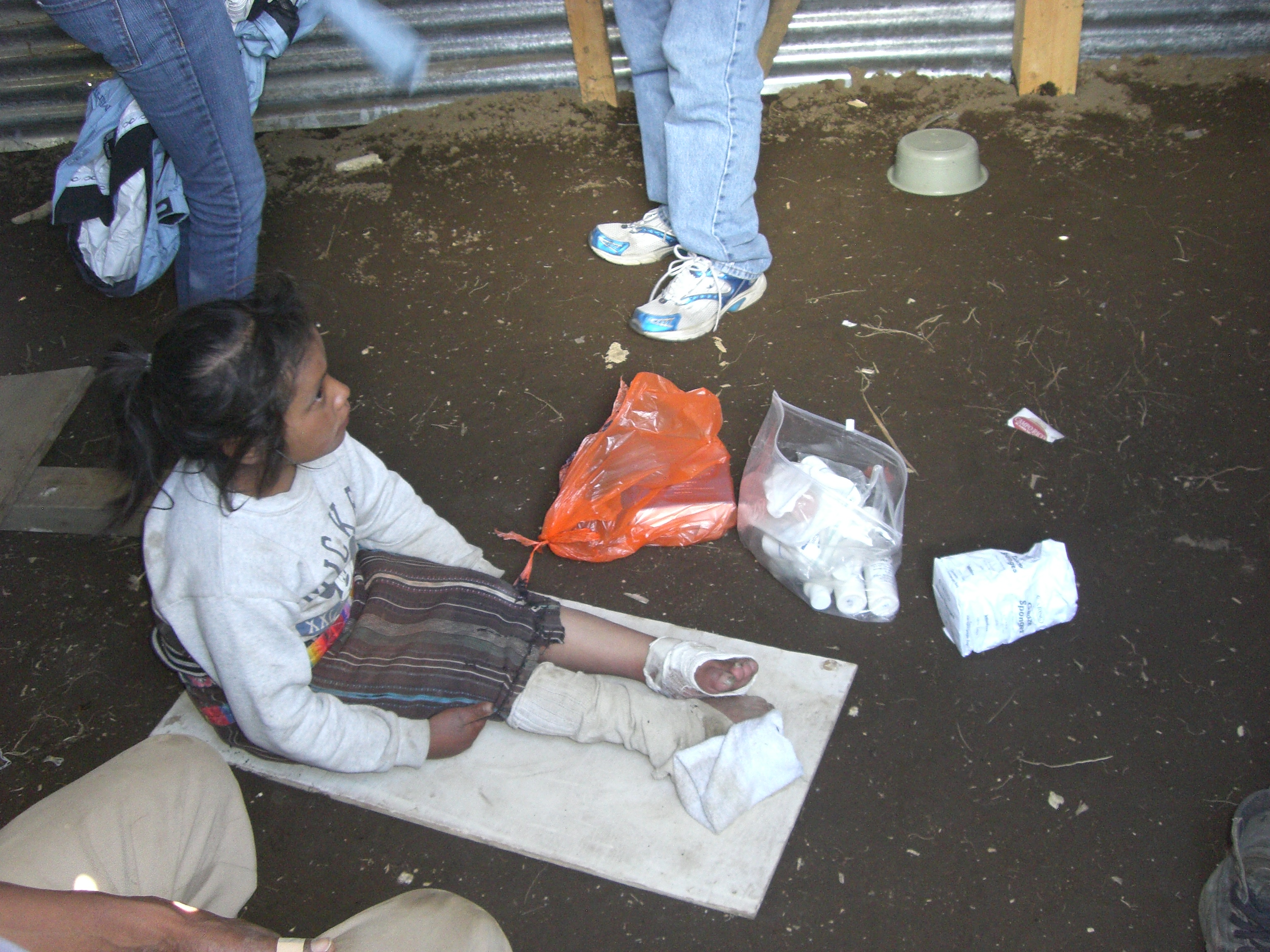
Young girl suffering from infections in both legs
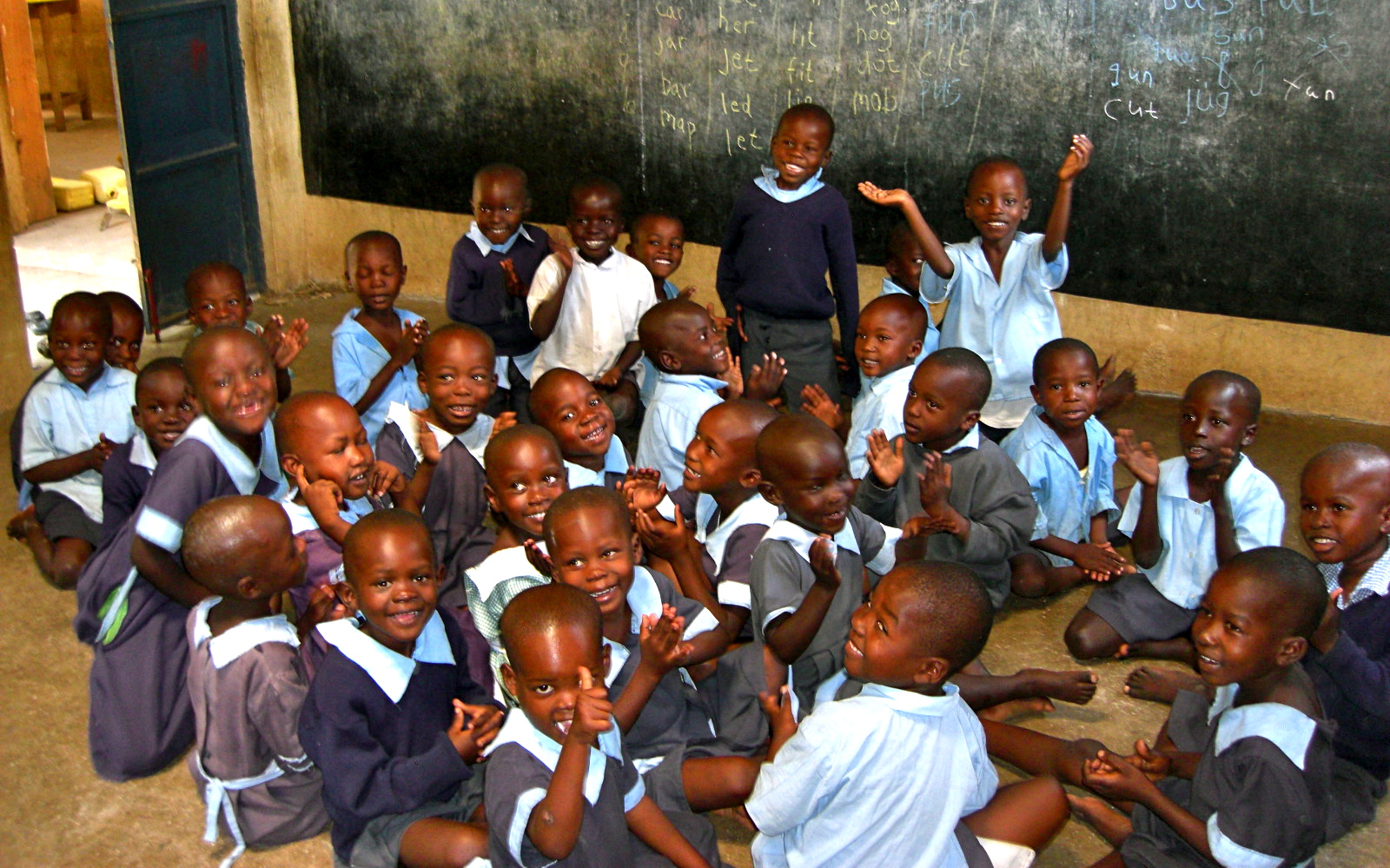
Vivacious children I met on Rusinga Island, Kenya

With these lessons learned, I turn to face the future. As much as I may wish to never leave college I cannot deny the inevitable. My grandma used to tell me that we are not called upon to do all the good that is possible, but only that which we can do. This is the attitude that is guiding me as I enter the next chapter of this journey called life. With my passion for medicine and global health I have seen a lot of sickness both here in America and all across the world. The circumstances that boil my blood every time are the cases of human suffering that result from preventable situations. The cases where, give the proper resources, better infrastructure or access to information, lives could have been saved or suffering reduced. There is so much sickness in the world that a person would not only go insane but be insane thinking they could cure it all. But something can be done about those who suffer from preventable illnesses. For me I am referring to the young Mayan girl I met in Guatemala who lost all function of both legs due to polio because she did not have access to simple antibiotics; to hundreds of children in Kenya and sub-Saharan Africa who die of dehydration because they drink contaminated water and have no way of being re-hydrated; to the mothers and infants who die in childbirth because of complications that arose while giving birth in the dark; to the individuals who cannot communicate their symptoms to their doctor because they are deaf. These are all preventable situations. I may not be able to find the cure for cancer, eradicate HIV and AIDS or reverse the damage done by Parkinson’s disease, but perhaps one day I can help eliminate these preventable situations.

When it comes to combining one’s talents and passions with the greatest needs of the world, my father has set a great example as to how this can be achieved. An avid tennis player since childhood, my father initially pursued this passion by traveling all across Africa and Australia playing in tennis tournaments, living with host families and immersing himself in different cultures. Once back in the United States with a family, he realized the joy tennis brought him and saw a need to spread that passion and happiness to children around the world. With the relationships he maintained while traveling and playing tennis tournaments my dad was able to collect hundreds of tennis racquets here in the United States and take them to children all over the world who needed an activity to motivate them, an activity to challenge them, an activity to keep them out of trouble. For some of these children learning tennis may have been a way into college. For others this activity was an incentive to stay healthy. These children learned the values of discipline and hard work. Meanwhile my dad was simply doing what he loved, but changing the lives of children simultaneously. My whole life my dad has traveled and participated in these tennis camps. He saw a need and stepped in with this talents and passions. That is what I hope to one day look back and say that I have done.

My experiences this summer have confirmed my interest in medicine and global health and reignited my love for Latin America. Before visiting Brazil I did not know the range of wealth and culture that could exists within one country. I knew nothing of the unique talents and knowledge that hearing impaired individuals employ everyday. Working hard this summer to create a measurement and evaluation that will help Solar Ear expand and impact the lives of hundreds more individuals has given me hope in my ability to apply my interests in a way that addresses the needs of the world. Looking at the road ahead I see a meandering path that may lead me to medical school and hopefully to service in Latin America. When exactly these events may happen is part of what is to be discovered along the way. I may not be able to do all the good that is possible, but I can jump into the future striving to do all the good I am capable of.
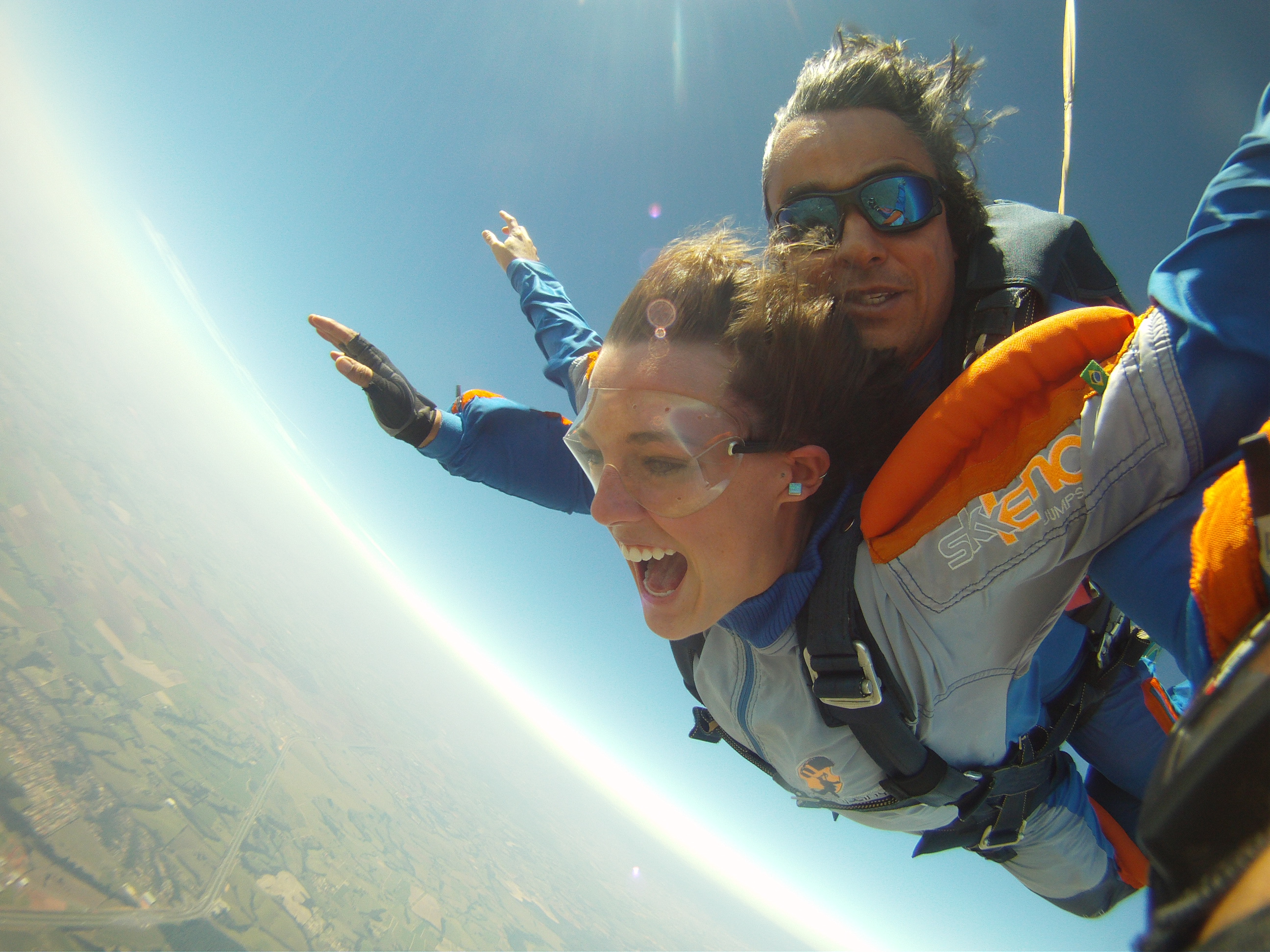
Taking the ultimate jump!
Taking the ultimate jump!


Posted in Uncategorized | Leave a comment

A Roller Coaster of a Ride

Since the days of summer camp, I have always been one to prepare for a trip and pack my bags in early anticipation. As our departure date approached, I could not contain the excitement I felt for my trip to Brazil. During spring quarter I had taken a class to prepare for the fellowship and felt as though I was ready to take on any challenge that may arise while working with the social enterprise, Solar Ear. I was familiar with the business plan of the enterprise and confident in what my role as a student would be during my five-week field placement. After learning about social entrepreneurship in class I was thrilled to be able to work alongside such inspirational, and some would say unreasonable, entrepreneurs. Metaphorically speaking, I had all my supplies nicely folded and packed in my bag and was ready to embark on the experience of a lifetime. Within moments of disembarking the plane, I realized that my five weeks in Brazil would be filled with new challenges that at times seemed insurmountable. Working intimately with the hearing impaired community forced me to re-evaluate my own preconceptions and prejudices and view such marginalized communities not as a uniform mass of people but unique and talented individuals.

I departed the plane in Salvador, Brazil slightly uncomfortable from several awkward sleeping positions and with a hint of butterflies in my stomach, not knowing what to expect. As we made our way through customs and out of the airport, we were presented with our first challenge: the language barrier. Surrounded by a buzz of Portuguese, we searched for the driver who was supposed to pick us up and deliver us to our first location. After searching a see of faces we identified a man holding a sign with our three names sketched on in close to illegible handwriting. This was a step in the right direction at least. The man greeted us with a brief one armed hug and headed towards the car, or so we thought. With absolutely no means of communication, we followed this man around as he walked laps in the parking garage, finally making the conclusion that he had forgotten where the car was parked. There was a light drizzle and a pungent smell of fish in the air. Just what we needed. And to top it off the Airlines had lost my bag, with all my supplies in it. With no means of communication we had no choice but to wait in patience and be supportive of each other. Looking back, this slight hiccup in our plans showed us the necessity of supporting each other as a team, encouraging each other to maintain optimistic attitudes.

After a few short days in Salvador touring several deaf institutes and getting ourselves acquainted with Brazilian culture, we relocated to São Paulo, the concrete sea that would be our home for the following weeks. I had never been to a city of such magnitude and had no idea what to expect of the city and of the Solar Ear employees.

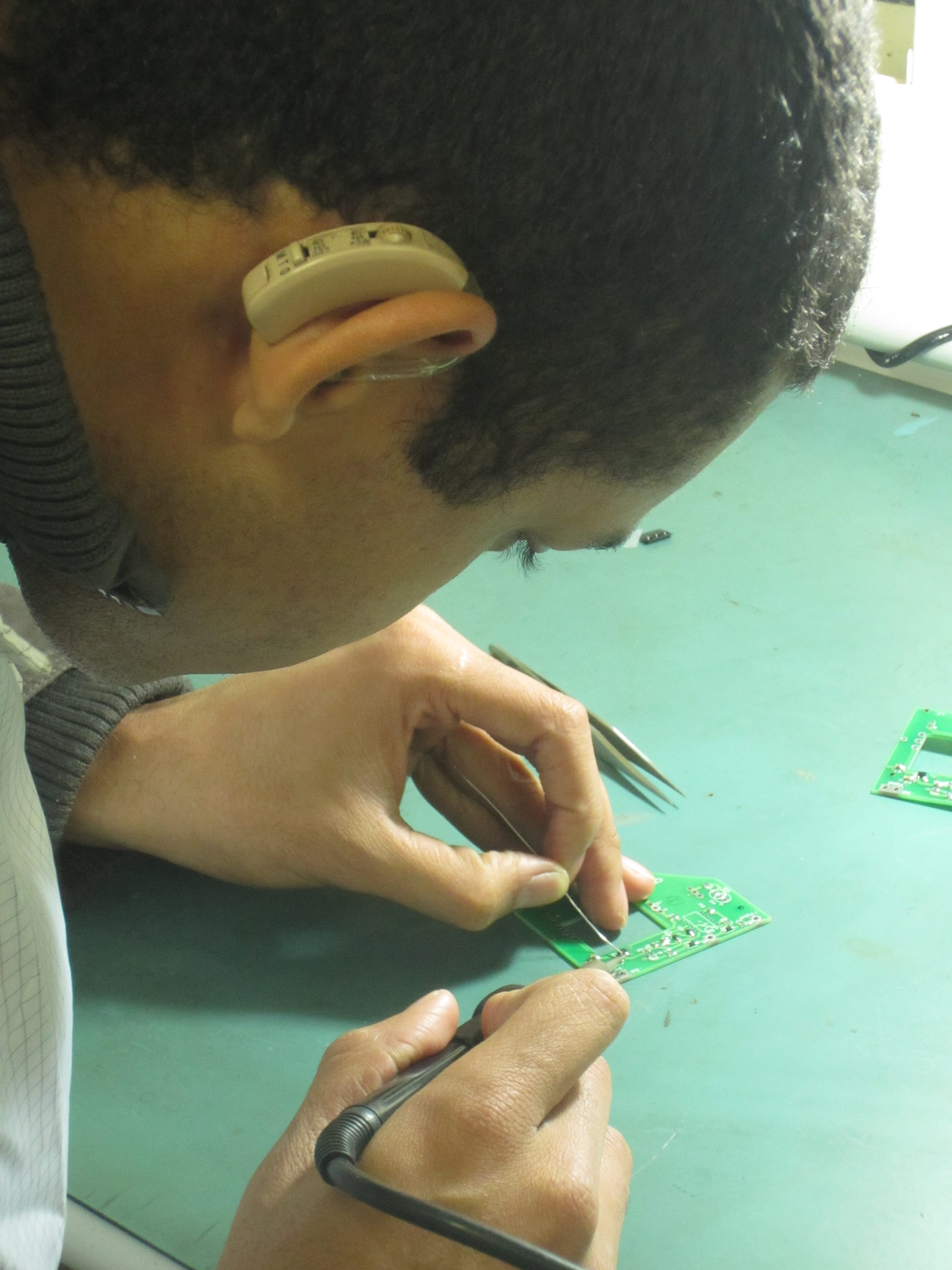
Solar Ear Employee

Solar Ear employee assembling parts for the solar panel.

Upon introduction I was taken aback by the extent to which the Solar Ear employees welcomed us into their company, giving us a personalized tour guide to Sao Paulo and introducing us to all the employees. One particular individual amazed me with his intelligence and patience. This young man, Daniel, had been born with severe hearing impairment and by the mere age of twenty had learned both American and Brazilian sign language, as well as Portuguese and English. As if that wasn’t impressive enough, he could also read lips in both English and Portuguese. I was completely taken aback by the level of language mastery that this young man had achieved given his condition. During our first days with Solar Ear we met with him to learn a little Brazilian sign language, to provide us with a small but helpful foundation of communication with many of the individuals we would interact with.

As three Americans with no background in sign language or Portuguese we were not the easiest students and yet I never once saw Daniel get impatient or frustrated with us when he had to repeat himself multiple times. I remember sitting in those classes with a smile permanently plastered to my face as I marveled at this young man’s intelligence. Before interacting with Daniel I had this

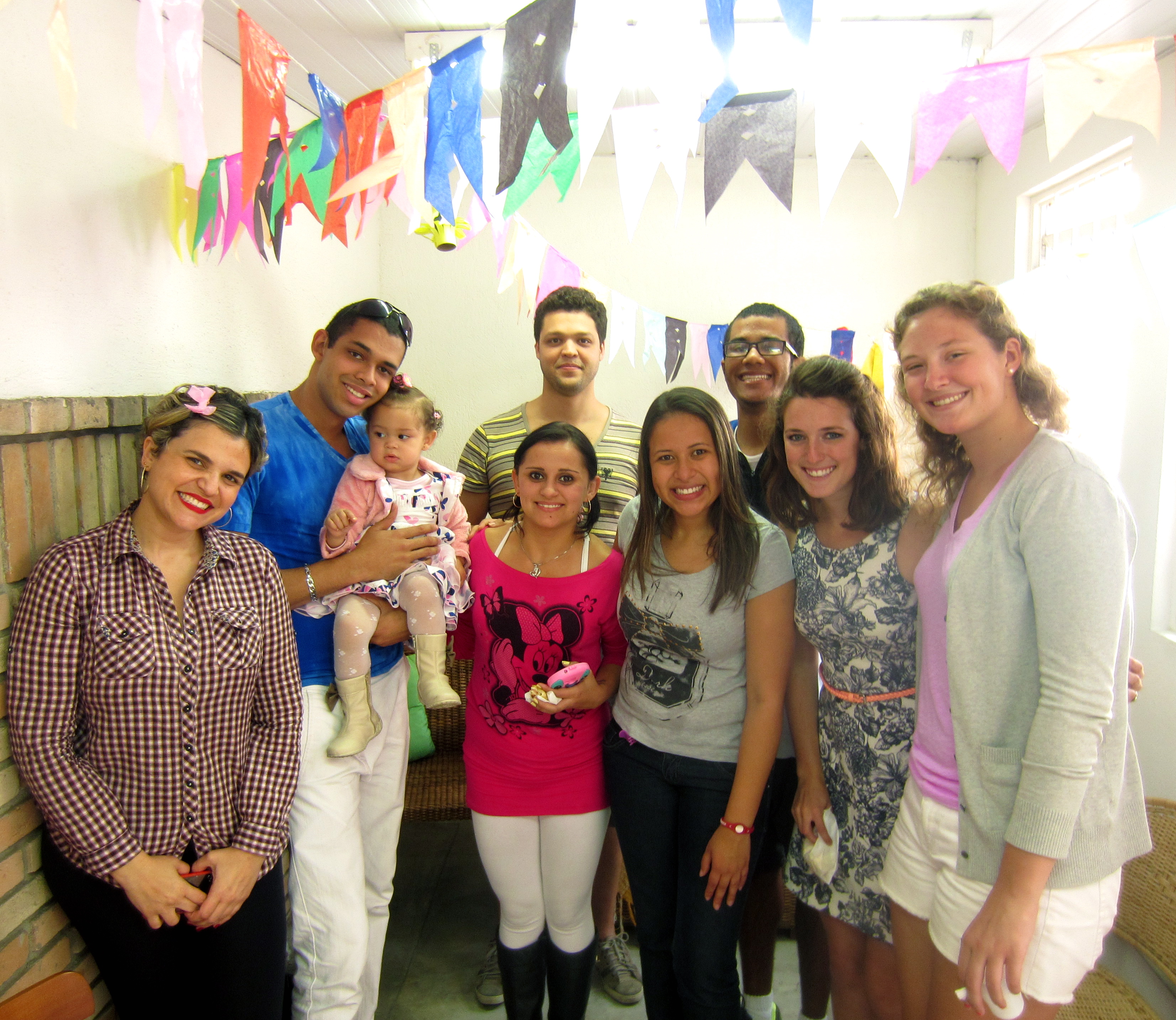
During one of our sigh language lessons with Daniel.

During one of our sign language lessons with Daniel.

preconception that hearing impaired individuals, due to their inability to assimilate into the mainstream educational system, would be socially withdrawal. The friendship with Daniel that I built while in São Paulo forced me to deconstruct that prejudice. Just because these individuals had a momentous barrier to overcome growing up, in no way were these individuals stunted in their social interactions. In fact, I found all the Solar Ear employees to be incredibly social, with a genuine curiosity about American culture and society, and a heartwarming fascination with Disneyland. Getting to interact with a variety of hearing impaired individuals taught me that I should no longer categorize individuals in a marginalized group as homogenous. Just as all Muslims do not share identical religious beliefs, or just as all Americans do not drive SUVs, I learned that the hearing impaired population is composed of unique and unwavering individuals, each with their own story to tell.

Outside of the Solar Ear office, I was slowly learning to navigate my way through the monstrosity of São Paulo. As we were shuttled around from appointment to appointment by our wonderful driver Katia, I was often left in silence in the back seat of the car as I witnessed the diverse demograp

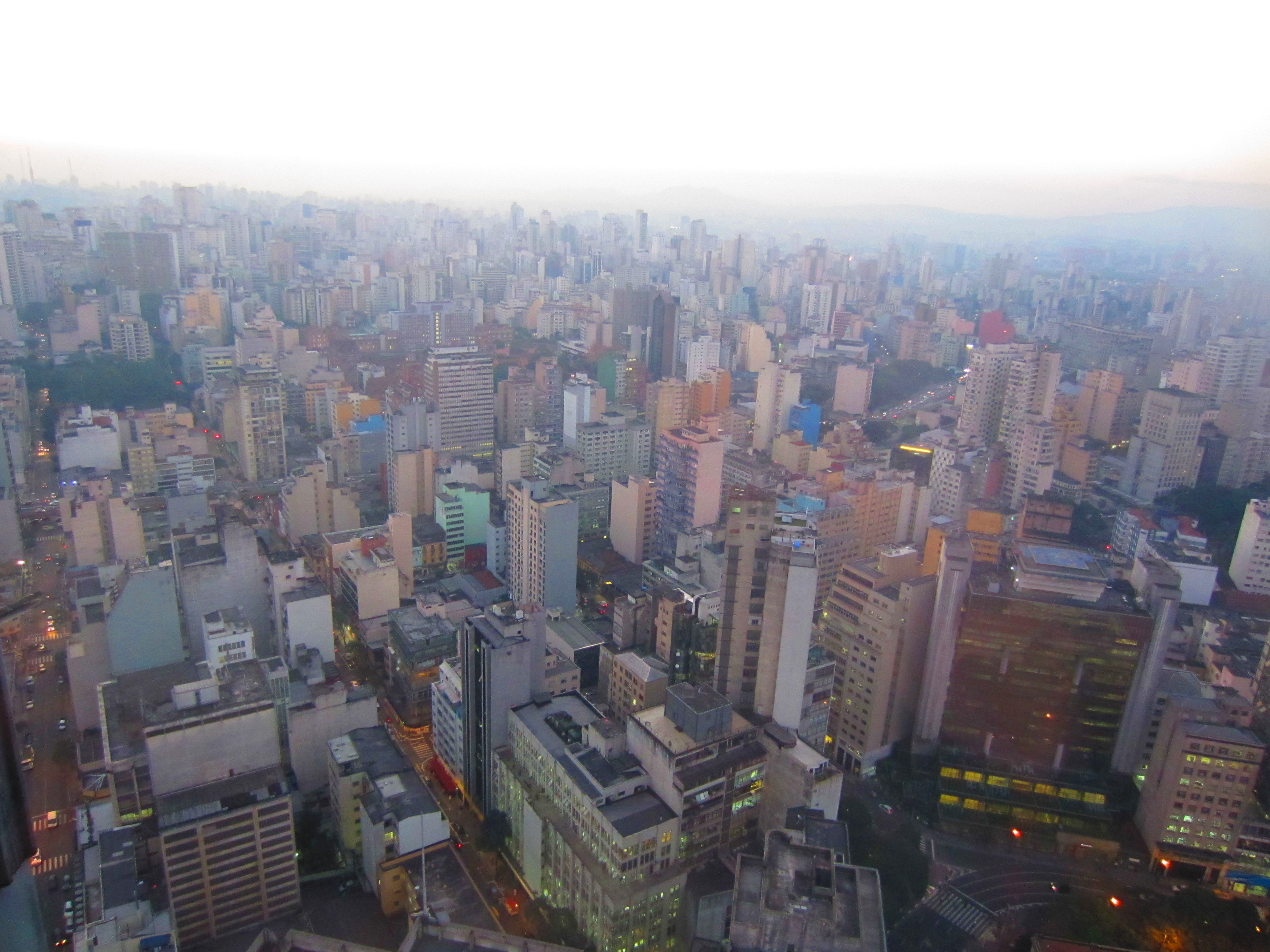
View of the economic disparity hidden within the skyscrapers of Sao Paulo.

View of the economic disparity hidden within the skyscrapers of Sao Paulo.

hics that flashed past the window. Never before had I been in a city of such economic disparity. One minute we were winding our way through posh neighborhoods with gated houses and personal helicopters. One simple turn would bring us close to a favela, where living spaces were staked haphazardly on top of one another, with no formal electricity or plumbing. It was very common to have apartment high rises looking out over the mass sprawl of a favela. One Brazilian told me that at night, when the favela was illuminated with whatever sporadic lighting could be found, the resultant view looked like “a Christmas tree lit up at night.” I remember the slight feeling of nausea that swept over me when I heard this. How could individuals find beauty from such a grim reality? I realized that I was developing a prejudice against the rich of São Paulo, for how could they live in their mansions and helicopters while their neighbors fought a constant battle against hunger and drug violence in the favelas. I wanted the Brazilians to take actions themselves to support their fellow citizens. Although Solar Ear was slowly chipping away at the economic disparity by empowering hearing impaired individuals, I was not yet convinced that our work was actually changing people’s lives. Perhaps I had come into Brazil with too high of expectations regarding the impact we could make. Little did I know that these feelings of discouragement would soon by washed away by one young boy.

Several weeks into our time in São Paulo we embarked on a week long trip into the field to set up hearing clinics in the rural towns of Assis and Candido Mota. During this week we hoped tocollect the majority of our data, interviewing around one-hundred hearing aid recipients. My hopes were high and my enthusiasm pulsing. These feelings of purpose and determination soon shattered when we realized that our translator did not have the proper mastery of English in order to help us conduct our interviews. I felt as if our ten weeks of preparation during spring quarter were all a waste. Here we were isolated in the countryside without a reliable means of communicating with our target population. I found myself simply going through the actions of the day, feeling incredibly discouraged and slightly resentful towards the Solar Ear employees. Just as I was loosing grasp of any motivation I had left in me, one boy and his father walked into the clinic and changed my perspective entirely.

This young boy was four-years old and had been deaf since birth due to a progressive infection. As a single parent, the father struggled to make ends meet financially and did not have surplus money to put towards his son’s condition. They had come to Solar Ear that day with desperation and heavy hearts. Thanks to the support of Rotary International, all Solar Ear services and products were subsidized and given out for free that week. Consequentially, this young boy received his first hearing aids, but more importantly, his ability to hear! My heart warmed with joy as I saw this little boy light up with joy as he took in the novel world around him. My cheeks ached from smiling so much as the father stifled his tears to express his gratitude. This one experience changed my entire perspective about our week out in the field. Despite the inevitable frustrations of working with a social entrepreneurship in the developing world, I could now see that Solar Ear was making huge strides to overcome socioeconomic barriers that seemed insurmountable while in Sao Paulo.

Any given day in Brazil, I was either inspired by the sunshine, frustrated by my inability to effectively communicate, annoyed at the unreliable time schedule of the developing world or unsettled by the economic disparity. To say the least, my experience was a roller coaster. I learned that I could not dwell on minor speed bumps on the road but had to keep my energy focused on the big picture of why we had come to Brazil-to help an aspiring social enterprise prove the social benefit of their product. However that goal manifested itself each day, we learned to adapt and make the best of the situation. By building personal relationships with the hearing impaired I realized that these individuals were similar to me in so many ways that I often forgot the major barrier that they had overcome. At times I felt as though our work was IMG_4289not directly affecting any of the Brazilians we interacted with. I felt like a small fish in the big sea that was São Paulo. However, no great change is achieved overnight. I learned to focus on the small progressions- Daniel’s success story and the joy of the 4-year old boy. These memories are the ones that still bring a smile to my face and will forever inspire me to pursue a career that impacts the developing world.


Posted in Uncategorized | Leave a comment