I had never been to a country with such a language barrier before. I have traveled plenty, but never to countries where even in their major cities there was so little English. Upon embarking on my trip Brazil, I made flashcards, spoke some Spanish and no Portuguese and figured this would be my first step to communicating with Brazilians. It did not take long for me to realize that knowing short phrases was only half the battle because the pronunciation of these words was essential to Brazilians understanding what I was trying to say. I was nervous as I attempted to use the Portuguese I had tried to learn, and became even more nervous when I received confused looks in return. I found that my normally friendly and outgoing demeanor were lessening as I became less confident in my attempts at the language.
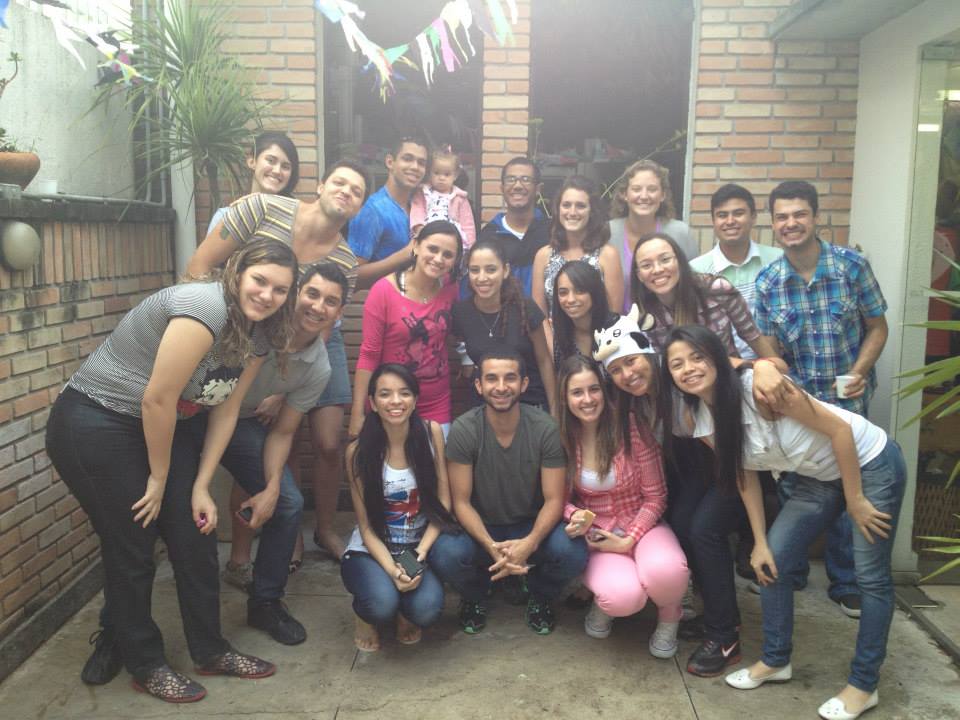
During our first week in Sao Paulo, we attended a party at the Solar Ear Office in honor of Saint John. There were colorful streamers hung all over the office and platters of a variety of typical Brazilian sweets. One of which reminded us of peanut butter – it was absolutely delicious and was the perfect cure to any existing homesickness. 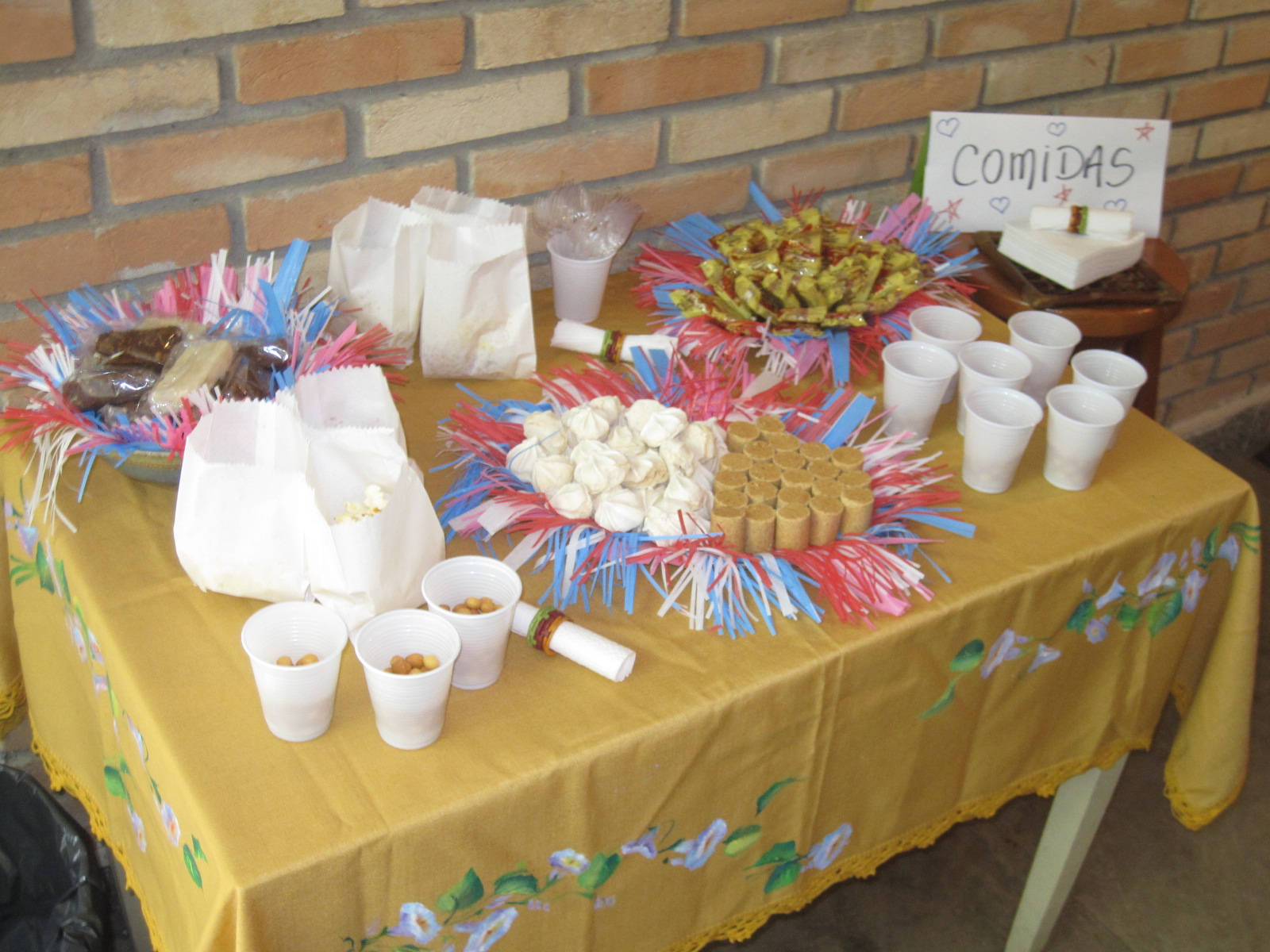 Beyond expanding our knowledge of snacks and delicious goods, it was our first time meeting many of the friends and employees of Solar Ear. Andrea spoke English so we were confident in our ability to communicate with her; however, not only would there be a Portuguese language barrier at this party, but many of the attendees would also be deaf.
As the party moved forward, we had to find ways to communicate with the men and women around us. We tried to use the Portuguese sign language we had learned in our first sign language lesson with Daniel, the Solar Ear employee. Daniel was a good person for us to have around because he not only knew written English and Portuguese, but also signed English and Portuguese because he was completely deaf and chose not to use a hearing aid. However, he had not shown up yet and our lesson had not prepared us for how fast people signed when they are conversing. We watched in awe smiling and trying to pick up on any of what we knew. As time progressed, we were able to introduce ourselves by signing our names, where we were from, and how much each of us liked Disneyland- a popular place for Brazilians. When Daniel did arrive later with a friend of his who had been studying English with him for a year, he helped us with the words we did not know.
After the basic information had been covered, we realized that our phones were the perfect communication tool. We were able to type out whatever questions we couldn’t sign to one another on our phones. I learned that Daniel likes to read and loves action films. They learned that I like romance films and find the view of Sao Paulo to look a lot like New York City. Although this way of conversing worked perfectly, it was with two people who were able to write and read in English. Next, two girls came over and began speaking with us in sign. One girl moved slowly and we were able to pick up on some of what she said, but Daniel and Andrea helped interpret what we could not. The other girl moved in next to Myles and they found that they both shared a love for games. Both of them smiled wide as they worked to solve what ad symbolized what company. Myles had a lot of fun playing cell phone games because he was able to take what he learned in sign language class and spell out some words using the sign language alphabet.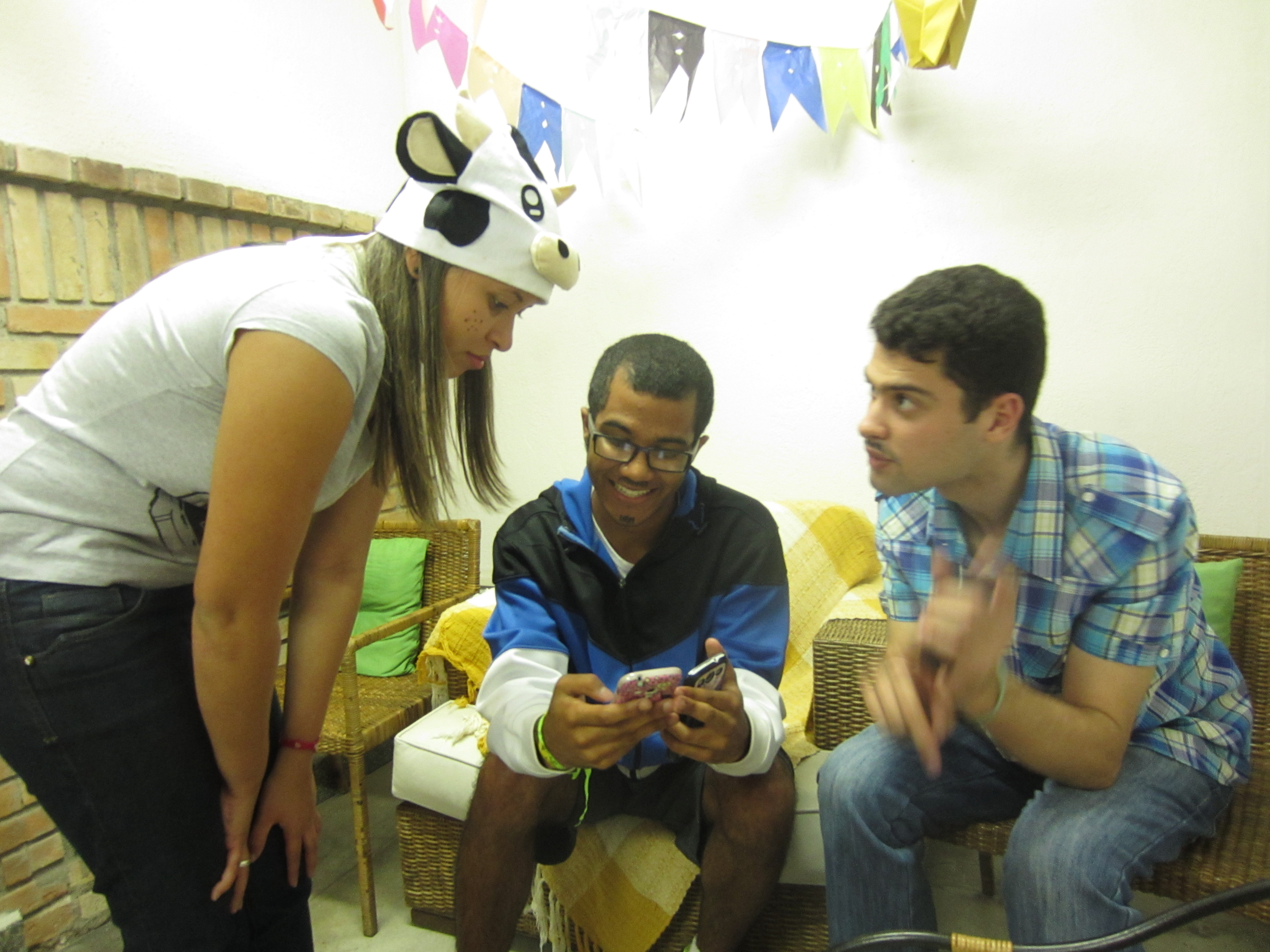 Watching them interact and laugh together was something I still remember so fondly because I truly could see him connecting with these men and women that he had just met. They laughed for hours as they played different games and bonded over similar interests. I think it was the first time I saw Myles really relax and connect without letting the language barrier intimidate him. From an outsider’s perspective, it was just a common group of teenagers playing a game on a cell phone and enjoying one another’s company.
We had a great time laughing with everyone and it really pushed us out of our comfort zones, but also showed exactly what Andrea had been saying at Solar Ear on Thursday. These men and women are our age and just like us. We have the same interests, we love to smile, and we love to learn. They welcomed us in during a time when we could have easily felt out of place.
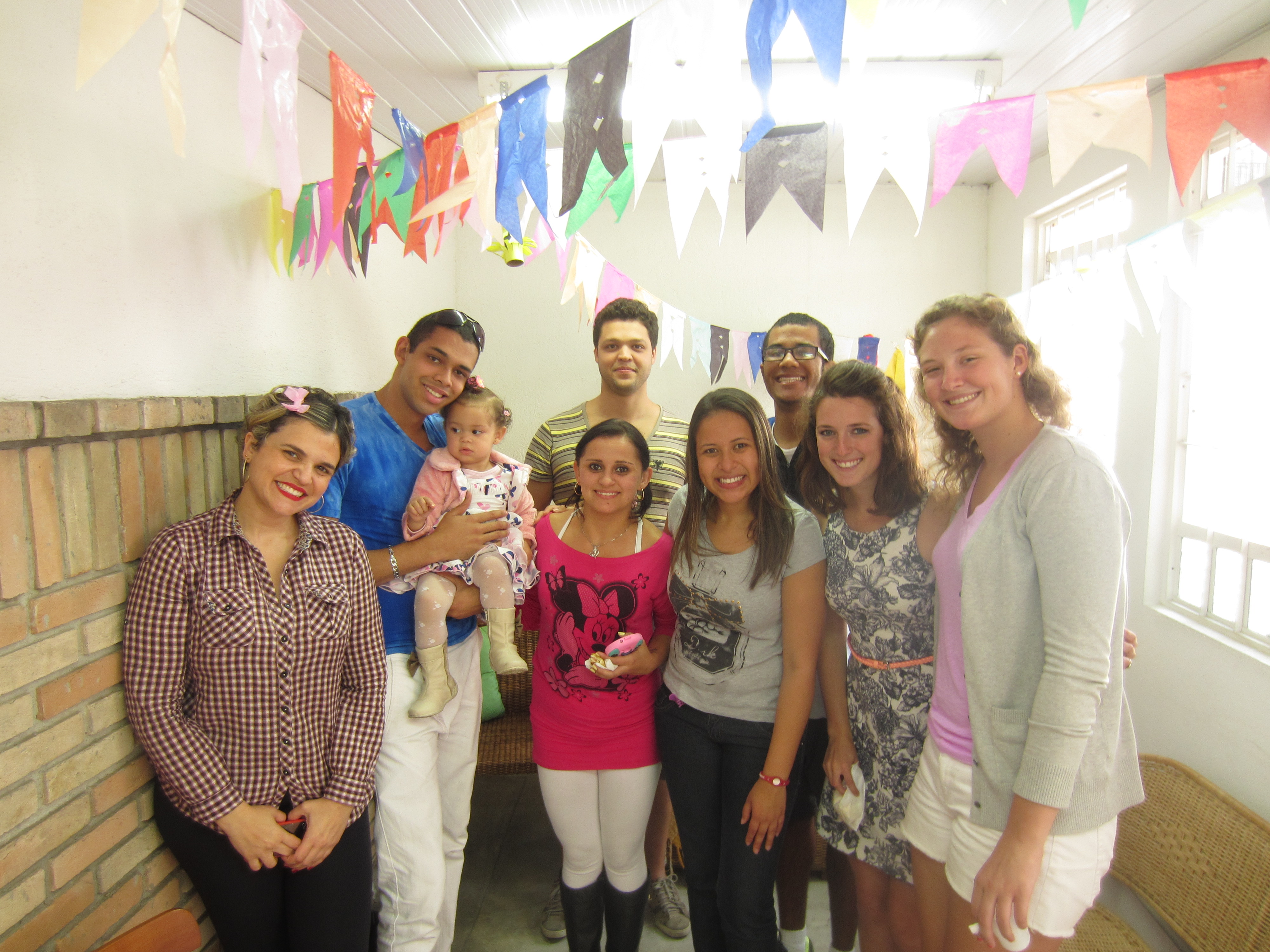
As we said and signed “chao” to the men and women as they left, Andrea’s English speaking boyfriend said, “It’s sad you know, a lot of them don’t have anything to go do on the weekends. Many just go home to their parents and many of their parents don’t know how to sign.” This really stopped us in our tracks. Just because of something so out of their control, they weren’t able to participate in day-to-day activities that we are lucky enough to participate in. On the one hand, it made us realize just how important it must be that Solar Ear creates this deaf community for people who are hearing impaired and of that age, but at the same time it did remind us of this stigma we had just seen firsthand is not a truth by any means.
On our way home, we spoke to one-another about the reality of deafness and some of the struggles they face that we hadn’t thought about until the party. There was a young couple that had brought young three-year-old daughter. Andrea explained that the little girl was not hearing impaired, but both of her parents are. As we walked we discussed several points. What if both parents can’t afford a hearing aid, can they not hear when their child cries? When their child laughs? The child’s first words? Myles brought up that when one person wants to get the attention of another, instead of interrupting or raising their voice, they must find a way to get their attention or find eye contact in order to then begin signing. We saw this several times when someone on one side of the room wished to sign to someone on the other side, they had to wave and hope the person eventually saw them. When seeing this community first-hand we learned so much about signing and it was our first time interacting with so many people who are hearing impaired; however, it brought more to our attention about the importance of the work Solar Ear is doing. Now, we all think of being deaf as just speaking another language. Communicating with them is no different than communicating with someone who speaks Portuguese or any other foreign language.
I felt a deeper connection with some of the people I met in Brazil than I have in my four years here at Santa Clara. Looking back, many of those people are deaf, some of them spoke no English, and some spoke broken English. However, it is not only through speaking the same language that people can find a common ground to connect on. I realized that despite cultural differences, we are still all humans that can find ways to relate to one another.