Gentle Support Can Make Daily Life Feel Less Overwhelming
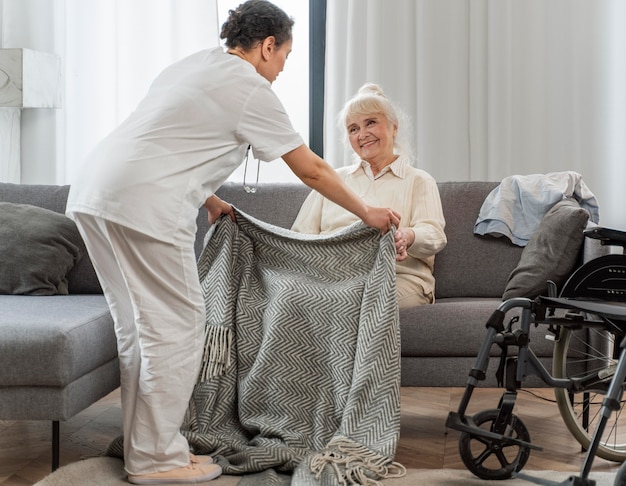
Needing help at home can feel emotional for a senior. It is not always about the task itself. Sometimes it is about what the task represents.
A parent who once handled everything alone may now need help getting dressed. A spouse who used to cook every meal may feel tired standing at the stove. A loved one who enjoyed walking outside may now feel nervous about falling. These changes can be hard to accept, especially for someone who values privacy and independence.
That is why compassionate Home care in Phoenix, AZ matters. Gentle support can help seniors receive the care they need without feeling rushed, judged, or controlled.
For many families, the goal is simple: help their loved one stay safe at home while still feeling respected. The right caregiver does more than complete tasks. They bring patience, warmth, encouragement, and calm into the home.
Care should never feel cold. It should feel human.
Why Some Seniors Need a Softer Kind of Care
Not every senior responds well to a fast or task-focused approach. Some need time. Some need reassurance. Some need someone who understands that accepting help can feel uncomfortable.
A softer kind of care may be especially helpful for seniors who are:
- Recovering after illness or surgery
- Feeling weak or unsteady
- Experiencing memory changes
- Grieving the loss of a spouse or friend
- Living alone
- Nervous about falling
- Struggling with bathing or dressing
- Feeling embarrassed about needing help
- Becoming more isolated
- Resistant to family assistance
Aging can bring physical changes, but it can also bring emotional ones. A senior may feel frustrated because everyday routines now take longer. They may feel anxious when family members worry. They may avoid asking for help because they do not want to be a burden.
Gentle senior care recognizes all of that. It does not push. It does not shame. It supports the person at their pace.
That kind of care can make it easier for seniors to accept help and feel comfortable at home.
Phoenix Families Are Looking for Care That Feels Personal
Phoenix is home to more than 1.6 million people, and many families across the city are planning for the needs of aging parents, grandparents, spouses, and older loved ones. As more seniors choose to remain at home, families are looking for support that feels flexible, dependable, and personal.
In Phoenix, care needs can look different from one household to another. Some seniors live alone and need companionship. Others live with family but still need help during the day. Some need support with meals and transportation. Others need help staying safe during hot weather, remembering hydration, or getting to appointments.
For families, the right care is not only about availability. It is about trust.
They want someone who will speak kindly. Someone who will notice changes. Someone who will respect the senior’s home, privacy, and routine. Someone who understands that care is personal because the home is personal.
That is why relationship-based support matters so much.
What Compassionate Home Care Really Means
Compassionate home care is non-medical support that helps seniors with everyday routines while treating them with dignity and patience. It is designed to help older adults remain at home more safely and comfortably.
It may include:
- Personal care, such as bathing, grooming, dressing, and toileting
- Companion care, such as conversation, hobbies, meals together, and social support
- Meal preparation
- Medication reminders
- Light housekeeping
- Laundry
- Transportation to appointments or errands
- Mobility support
- Hydration reminders
- Safety check-ins
- Respite care for family caregivers
What makes care compassionate is the way it is delivered.
A caregiver may help a senior shower, but they do it with privacy and respect. They may remind someone to drink water, but they do it kindly. They may support walking, but they do not make the senior feel helpless.
Small details matter. Tone matters. Patience matters. The senior should feel supported, not managed.
Gentle Help With Daily Routines and Personal Care
Daily routines can become difficult with age, illness, pain, weakness, memory changes, or fear of falling. Tasks that once felt automatic may start to feel tiring or unsafe.
A senior may avoid bathing because the bathroom feels slippery. They may wear the same clothes because changing is difficult. They may skip meals because cooking takes too much effort. They may forget medications because the schedule has become confusing.
A compassionate caregiver can help with these routines in a calm and respectful way.
Support may include:
- Bathing or sponge bathing
- Dressing
- Grooming
- Toileting support
- Meal preparation
- Medication reminders
- Walking assistance
- Light housekeeping
- Laundry
- Transportation
- Companionship
Many of these tasks are connected to activities of daily living, which include basic self-care needs like bathing, dressing, eating, toileting, transferring, and moving safely.
When support is gentle, seniors often feel less embarrassed. They can receive help while still feeling like adults with choices, preferences, and dignity.
Why Patience Matters When Seniors Accept Help
Patience is one of the most important qualities in home care.
A senior who refuses help may not be trying to be difficult. They may be scared. They may feel embarrassed. They may worry that accepting care means losing independence. They may not want someone new in their private space.
A patient caregiver understands that trust takes time.
Instead of rushing, they may begin with small, comfortable tasks like:
- Preparing a meal
- Sharing conversation
- Helping with laundry
- Taking a short walk
- Organizing mail
- Running errands
- Offering transportation
Over time, the senior may become more comfortable accepting help with more personal routines.
This gradual approach can work especially well for seniors who are private or independent. It allows them to feel some control over the process.
Good care does not force trust. It earns it.
Emotional Comfort Is Part of Senior Care
Physical support is important, but emotional comfort matters too.
Many seniors deal with loneliness, especially if they live alone or have lost people close to them. Some feel anxious after a fall. Others feel discouraged because their body no longer works the way it once did. Some become quieter, less social, or less interested in daily activities.
A compassionate caregiver can help make the home feel less lonely.
They may:
- Sit with the senior during meals
- Share conversation
- Encourage hobbies
- Listen to stories
- Take short walks together
- Help with phone calls or video chats
- Play games or read aloud
- Offer reassurance during anxious moments
- Notice mood changes
These moments may seem small, but they can make a senior feel seen.
For someone who spends many hours alone, a kind caregiver can become a steady part of the week. That emotional support can improve comfort, confidence, and cooperation with daily care.
Supporting Safety Without Making Seniors Feel Controlled
Safety matters, but no senior wants to feel watched every second. The goal is to support safety while still respecting independence.
This is especially important in Phoenix, where heat, hydration, transportation, and mobility can all affect daily comfort and safety. Seniors may need reminders to drink water, avoid overexertion, wear appropriate clothing, or keep appointments during safer times of day.
Caregivers can support safety by helping with:
- Clear walkways
- Bathroom safety
- Safe transfers from chairs or beds
- Proper use of walkers or canes
- Hydration reminders
- Meal routines
- Medication reminders
- Gentle mobility support
- Light housekeeping
- Transportation
Support should not feel controlling. A caregiver can offer help in a way that respects the senior’s choices.
For example, instead of saying, “You cannot walk alone,” they might say, “Let me walk beside you so you feel steady.” That small difference in tone can protect both safety and dignity.
Helping Seniors Keep Independence at Home

Many seniors want to stay in their own homes as they age. They want familiar rooms, daily routines, privacy, family memories, and control over their environment.
This is often called aging in place.
But aging in place works best when the right support is available. Independence does not always mean doing everything without help. Sometimes it means having enough support to keep making choices safely.
A caregiver may help a senior remain independent by:
- Preparing meals while the senior chooses what they want to eat
- Offering walking support instead of discouraging movement
- Helping with buttons or shoes while the senior chooses clothing
- Providing reminders without taking over decisions
- Supporting bathing while respecting privacy
- Encouraging favorite activities and routines
This kind of care helps seniors keep more control over their day.
The goal is not to make the senior dependent. The goal is to help them keep doing what they can safely do.
A Gentle Care Checklist for Families
Families often know their loved one needs help, but they may not know where to start. A simple checklist can make the conversation easier.
| Area to Review | Questions to Ask |
| Personal care | Is bathing, grooming, or dressing becoming difficult? |
| Meals | Is your loved one eating regularly and safely? |
| Hydration | Are they drinking enough water, especially during hot days? |
| Mobility | Are they steady when walking or standing? |
| Medications | Are doses being missed or confused? |
| Home safety | Are there rugs, clutter, poor lighting, or bathroom risks? |
| Mood | Are they lonely, anxious, withdrawn, or frustrated? |
| Family stress | Are family caregivers feeling overwhelmed? |
| Transportation | Are appointments or errands becoming harder? |
| Daily routine | Has their normal rhythm changed noticeably? |
This checklist does not need to be used all at once. Families can start with the biggest concern and build support from there.
Sometimes a few hours of help each week can make a major difference.
Home Care vs. Family Caregiving Alone
Family caregivers often do everything they can to help. They bring meals, drive to appointments, check medications, clean the house, and provide emotional support. But doing everything alone can become exhausting.
A professional caregiver can help share the responsibility.
| Care Need | Family Caregiving Alone | With Compassionate Home Care |
| Personal care | May feel uncomfortable for family | Provided with privacy and respect |
| Meals | Can depend on family availability | Meal support can be scheduled |
| Companionship | May be limited by family schedules | Social support becomes more consistent |
| Medication reminders | Family may worry from a distance | Reminders can be part of visits |
| Mobility support | Family may not always be nearby | Caregiver can assist during risky times |
| Respite | Often overlooked | Family breaks can be planned |
| Stress level | Burnout risk increases | Responsibilities are shared |
Home care does not replace family love. It supports it.
When family members are less overwhelmed, they can spend more relaxed time with their loved one instead of always focusing on tasks.
How Compassionate Care Supports Family Caregivers Too
Family caregivers need care too.
A spouse may be helping day and night. An adult child may be juggling work, parenting, and check-ins. A relative may be managing appointments, groceries, bills, and personal care. Over time, this can lead to burnout.
Signs of caregiver stress may include:
- Poor sleep
- Irritability
- Constant worry
- Feeling guilty when resting
- Missing work
- Physical exhaustion
- Less patience
- Social withdrawal
Respite care gives family caregivers a chance to breathe. It allows them to rest, work, run errands, attend appointments, or simply have time to themselves.
Compassionate care supports the whole family. It gives seniors steady help and gives family members relief from carrying every responsibility alone.
When Gentle Support Needs to Increase
Care needs can change over time. A senior who only needs light help now may need more support later.
Families may need to increase care after:
- A fall
- Surgery
- A hospital stay
- New medication changes
- Increased confusion
- Poor nutrition
- Weight loss
- Missed hygiene routines
- Greater isolation
- Family caregiver burnout
- More difficulty walking
- Increased anxiety
Care can often grow gradually. A senior may start with companionship and meal support, then add personal care or more frequent visits later.
This flexibility makes it easier to respond to changing needs without making sudden decisions during a crisis.
Choosing a Care Team That Understands Gentle Support
The right care team should understand that seniors are people first. They have preferences, fears, habits, and boundaries. Care should be customized around those details.
When comparing providers such as AmeriCare, families may want to ask:
- Are caregivers background checked and trained?
- How are caregivers matched with seniors?
- Can care be customized around routines and preferences?
- Is backup care available?
- Can schedules change if needs increase?
- How does communication with family work?
- Can caregivers help with personal care, companionship, meals, and transportation?
- How often is the care plan reviewed?
A good provider should listen carefully. They should ask about the senior’s personality, daily rhythm, home safety, comfort level, family support, and long-term goals.
Gentle care starts with understanding.
Comfort, Safety, and Dignity Can All Work Together
Seniors should not have to choose between safety and dignity. They deserve both.
The right caregiver can help with daily routines, personal care, companionship, meals, reminders, mobility, and family support while still respecting the senior’s privacy and independence.
With compassionate Home care in Phoenix, AZ, families can help their loved ones stay safer and more comfortable at home without making care feel overwhelming.
Gentle support can make daily life easier. It can help seniors feel less alone. It can give families peace of mind. And most importantly, it can help older adults continue feeling respected in the place they know best.
Leave a Reply