Healing Feels Easier When Home Still Feels Like Home
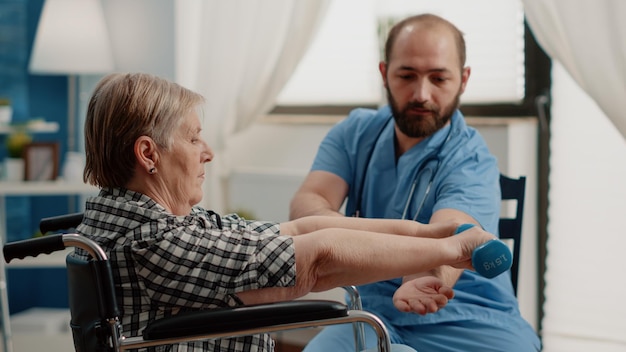
Recovering at home can feel comforting, but it can also feel overwhelming. A senior may leave the hospital after surgery, an illness, a fall, or a serious health setback and suddenly realize that everyday tasks are harder than expected.
Getting out of bed may take more effort. Showering may feel risky. Meals may not sound appealing. Medications may be confusing. Even walking from the bedroom to the kitchen can feel like a challenge.
That is where compassionate home care in Chicago, IL can make a meaningful difference. It gives older adults the support they need while allowing them to recover in a place that already feels familiar.
For many families, this matters deeply. Home is not just a setting. It is where a senior knows the rooms, the routines, the sounds, the neighbors, and the small comforts that help them feel like themselves.
Why Recovery at Home Matters for Chicago Seniors
Chicago is home to more than 2.7 million residents, and about 13.8% of the city’s population is age 65 or older. That means thousands of families across the city are helping parents, grandparents, spouses, and older loved ones recover after hospital stays, surgeries, falls, illnesses, or long-term health changes.
For seniors, the home environment can offer emotional stability. They can sleep in their own bed, eat familiar foods, keep their preferred schedule, and stay close to family.
That sense of comfort can be powerful.
Recovery is not only physical. It is also emotional. A senior who feels calm, respected, and supported may be more willing to follow care instructions, eat properly, move safely, and ask for help when needed.
Home care helps bridge the gap between “I’m home from the hospital” and “I feel steady again.” It provides practical support during the days or weeks when a senior may still be weak, tired, or unsure.
The First Few Days at Home Can Be the Hardest
Many families feel relieved when a loved one is discharged from the hospital. But once they get home, reality sets in quickly.
The senior may still be dealing with pain, fatigue, dizziness, weakness, or confusion. Family members may receive discharge instructions but feel unsure how to manage them. Medications may have changed. Follow-up appointments may need to be scheduled. Meals, bathing, laundry, and mobility all need attention.
The first few days can be especially difficult because the senior is adjusting while the family is also trying to figure out what level of help is needed.
Common challenges include:
- Trouble getting in and out of bed
- Fear of falling
- Missed or confusing medication schedules
- Low appetite
- Poor hydration
- Difficulty bathing or dressing
- Weakness after surgery or illness
- Anxiety about being alone
- Trouble keeping up with doctor instructions
- Family caregiver stress
This is often when extra support matters most. A trained caregiver can help with the small daily tasks that keep recovery moving in the right direction.
How Compassionate Home Care Supports a Safer Recovery
The word “compassionate” matters. Seniors recovering at home do not only need someone to complete tasks. They need someone patient, kind, observant, and respectful.
Good senior care is not rushed. It pays attention to how the person is feeling, what they are struggling with, and what helps them feel more confident.
A caregiver may help with:
- Personal care, including bathing, grooming, dressing, and toileting
- Meal preparation and hydration reminders
- Medication reminders
- Light housekeeping
- Laundry and changing linens
- Safe movement around the home
- Transportation to follow-up appointments
- Companionship and conversation
- Family updates
- Respite support for family caregivers
These services can help seniors avoid overexertion. Instead of trying to do too much too soon, they can conserve energy for healing.
For example, a senior recovering from surgery may feel strong enough to walk to the bathroom but not steady enough to shower alone. A caregiver can provide standby support, help with clothing, and make sure the bathroom routine is safer.
That kind of help protects dignity. It allows the senior to participate in their own care without feeling abandoned or unsafe.
Everyday Tasks That Can Slow Recovery Without Help
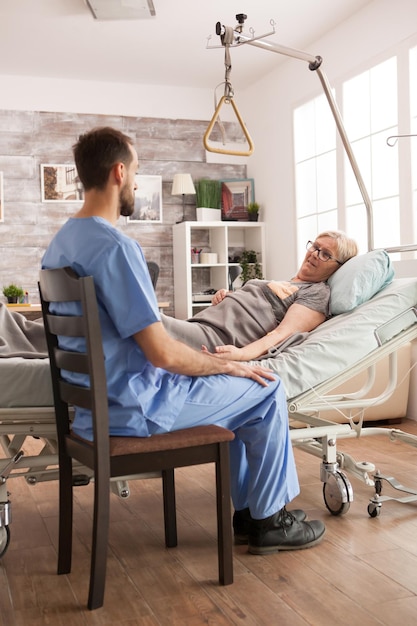
Recovery can be affected by tasks that seem simple on a normal day. When a senior is weak or healing, those same tasks can become barriers.
Think about making breakfast. It may require standing, reaching, lifting, remembering dietary instructions, and cleaning up afterward. For a senior recovering from illness or surgery, that can be exhausting.
The same is true for bathing. A shower may involve slippery floors, stepping over a tub edge, bending, standing for several minutes, and drying off safely.
Even getting dressed can be difficult if the senior has pain, stiffness, limited range of motion, or balance problems.
Caregivers can help with activities of daily living, which are the basic personal tasks people need to manage day to day. These often include bathing, dressing, eating, toileting, transferring, and moving around safely.
When those tasks are supported, recovery feels less stressful.
Instead of using all their energy just to get through the morning, seniors can focus on rest, nutrition, movement, and healing.
Emotional Support Is Part of Physical Healing
Recovering seniors often face emotional challenges that families may not notice right away.
A parent who seems quiet may be scared. A spouse who refuses help may feel frustrated or embarrassed. A senior who says, “I’m fine,” may actually be worried about falling again.
Illness, surgery, and hospitalization can shake a person’s confidence. Seniors may wonder if they will ever feel independent again. They may feel like a burden. They may become lonely if family members cannot be there throughout the day.
This is where companion care becomes valuable.
A caregiver can offer conversation, encouragement, and calm reassurance. They can sit with the senior during meals, help them take a short walk, remind them of progress, and make the day feel less isolated.
Sometimes the emotional support is simple:
- “Let’s take this slowly.”
- “You’re doing better than yesterday.”
- “I’ll stay nearby while you walk.”
- “You don’t have to rush.”
- “Let’s call your daughter after lunch.”
Those small moments can help seniors feel safer and less alone.
Helping Seniors Prevent Falls During Recovery
Falls are one of the biggest concerns for older adults, especially after a hospital stay or illness. More than one in four adults age 65 and older reports falling each year, and many of those falls lead to injuries that require medical attention or limit daily activity.
During recovery, fall risk can increase because of weakness, pain medications, dizziness, poor sleep, dehydration, or limited mobility.
Fall prevention at home does not have to be complicated, but it does need attention.
Families can help by:
- Clearing walkways
- Removing loose rugs
- Improving lighting
- Keeping commonly used items within reach
- Adding grab bars in the bathroom
- Making sure shoes fit properly
- Encouraging slow position changes
- Keeping water nearby
- Using mobility aids correctly
- Avoiding clutter near the bed or bathroom
A caregiver can also provide standby assistance when the senior walks, showers, dresses, or moves from one room to another.
That extra presence can prevent risky moments. It can also help seniors regain confidence without pushing themselves too fast.
A Practical Recovery-at-Home Checklist for Families
When a loved one comes home after a health setback, it helps to have a simple plan.
Here is a practical checklist families can use:
| Recovery Need | What to Prepare |
| Medication routine | Create a clear schedule and note any changes |
| Follow-up care | Write down appointments and transportation needs |
| Meals | Plan easy, nutritious meals and hydration reminders |
| Home safety | Clear clutter, improve lighting, check bathroom safety |
| Mobility | Keep walkers, canes, or other aids within reach |
| Personal care | Plan help for bathing, dressing, and grooming |
| Emergency contacts | Keep important phone numbers visible |
| Family schedule | Decide who is checking in and when |
| Caregiver support | Arrange help for the hours family cannot cover |
| Progress notes | Track appetite, pain, mood, sleep, and mobility changes |
This checklist does not replace medical instructions, but it can help families stay organized.
Recovery often becomes stressful when everyone is trying to remember everything at once. A clear plan makes the home feel calmer and safer.
Home Care vs. Family Caregiving Alone

Family caregivers play a powerful role in recovery. They know the senior’s personality, preferences, fears, and routines. But caregiving after a hospital stay can quickly become exhausting.
Professional support does not replace family love. It supports it.
| Care Need | Family Caregiving Alone | With Home Care Support |
| Daily tasks | Family handles everything | Caregiver shares routine responsibilities |
| Bathing and dressing | May feel physically or emotionally difficult | Support is respectful and consistent |
| Medication reminders | Family may worry about missed doses | Reminders can be part of the daily routine |
| Mobility support | Family may not always be available | Caregiver can assist during higher-risk times |
| Companionship | Depends on family schedules | Senior has extra social interaction |
| Caregiver stress | Burnout risk can increase | Family gets time to rest and reset |
| Communication | Family may feel scattered | Care notes can help everyone stay informed |
A caregiver can help reduce pressure on adult children, spouses, and relatives who are trying to balance work, family, and caregiving.
This support can be especially helpful in Chicago, where traffic, work schedules, winter weather, and distance across neighborhoods can make daily family visits harder.
Why Many Older Adults Prefer Staying in Their Own Homes
Most older adults want to stay connected to their homes and communities as they age. Around 75% of adults age 50 and older say they want to remain in their current homes, and about 73% want to stay in their communities.
That preference is easy to understand.
Home gives people familiarity. It gives them privacy. It gives them control over small daily choices that can feel very important during recovery.
A senior recovering at home can decide when to rest, what blanket to use, which chair feels best, and when they want quiet. Those choices may seem small, but they can help a person feel more human during a vulnerable time.
Compassionate home care in Chicago, IL supports that preference by helping seniors stay home more safely. It adds structure without taking away comfort.
Choosing the Right Support After a Hospital Stay or Health Setback
Not every senior needs the same kind of help after a hospital stay. Some need short-term support for a few weeks. Others need ongoing care because their health has changed.
Families should look for support that fits the senior’s condition, personality, and recovery goals.
Important questions to ask include:
- What tasks does my loved one need help with right now?
- Are they safe walking alone?
- Can they shower without support?
- Are they eating and drinking enough?
- Do they understand their medications?
- Are they anxious about being alone?
- Can family members provide consistent help?
- Do they need transportation to follow-up appointments?
- Could needs change over the next few weeks?
When choosing a care provider, families should also ask about caregiver training, scheduling flexibility, communication, background checks, backup care, and customized care plans. Providers such as Always Best Care can help families think through daily support needs and create a care plan that fits the senior’s recovery routine.
A good care plan should feel practical, not generic. It should match the senior’s real day.
When Home Care May Not Be Enough
Home care can help with many recovery needs, but it is not the right solution for every situation.
Some seniors may need medical home health, rehabilitation, skilled nursing, or facility-based care. This may be true if they need wound care, injections, complex medical monitoring, intensive therapy, or 24/7 supervision.
Home care is typically non-medical. It can help with daily routines, safety, companionship, meals, reminders, and personal support. Medical care should come from licensed healthcare professionals when needed.
Families should speak with the senior’s doctor, discharge planner, or care team if they are unsure what level of care is appropriate.
The goal is not simply to keep someone at home. The goal is to keep them safe, supported, and cared for in the right way.
Helping Your Loved One Regain Confidence One Day at a Time
Recovery does not always happen quickly. Some days are encouraging. Others feel slow. A senior may feel strong one morning and tired the next afternoon.
That is normal.
What matters is having the right support in place so the senior does not feel alone, rushed, or unsafe.
Compassionate care at home can help seniors rebuild confidence little by little. It can make bathing safer, meals easier, medications more organized, and daily movement less intimidating. It can also give families peace of mind knowing someone kind and attentive is there to help.
For many Chicago families, that is the real value of home care. It allows a loved one to recover with dignity, comfort, and steady support in the place they know best.
Leave a Reply