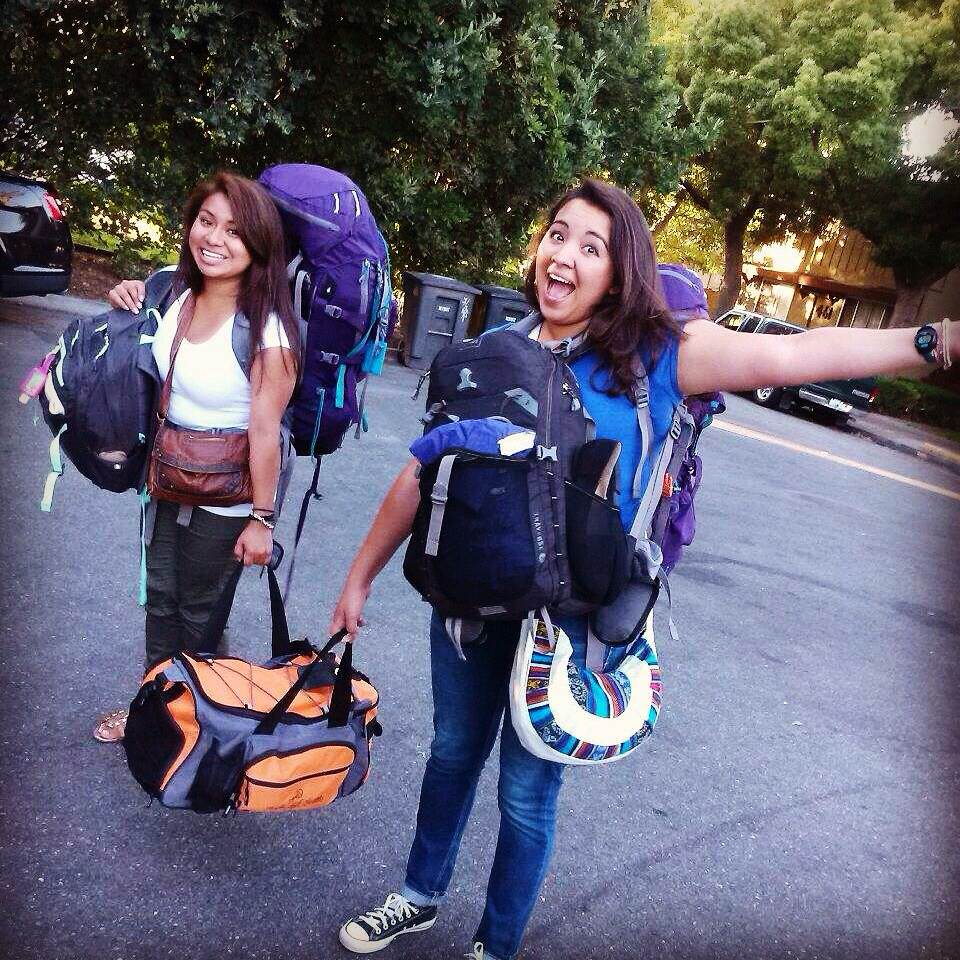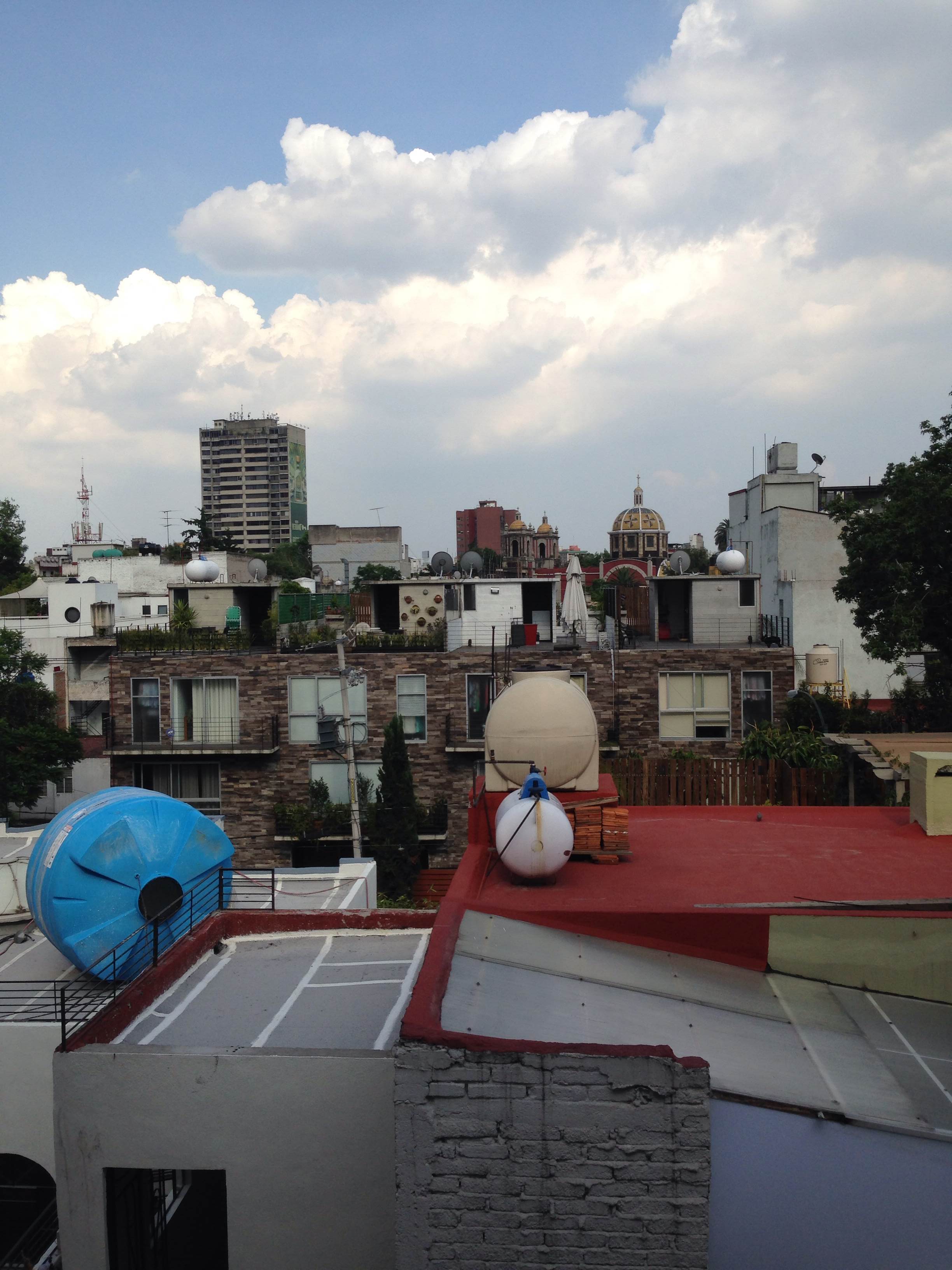
Our first week flashed before my eyes faster than the bolts of lightning that have been striking the city since we arrived. With a flexible daily schedule of working at the office in preparation for the field, attempting to try food from every single comida corrida truck in the local vicinity, and sprinkling-in typical tourist activities (museums, historic castles, and a performance of the Ballet Folklorico), we stayed busy and tried our best to keep dry. After spending a week in our posh, comfortable hostel in the heart of the “hipster” colonia of Mexico City, Kiara and I boarded our two-hour flight to Campeche, a Mexican state located in the Yucatán Peninsula.
We flew into the airport, which sat alongside Campeche’s beautiful tropical beaches. For just a second, it felt as if we were going on a relaxing honeymoon. This quickly changed as we exited the plane and the humidity smacked us in the face like a damp dish towel. Even as I opened my mouth to speak, the air felt thick and I sensed that I was eating very small, hot water droplets. Gaspar, one of the local Iluméxico engineers, picked us up from the airport in what we would come to consider Mexico Time (MT= 30 minutes late is still early). As soon as he began to speak, I knew the language barrier would be more like a brick wall; and while Kiara was armed with a ladder and a rope, I felt as though I was left with a small step stool. We hopped into the Iluméxico truck and headed on our way “home” to Escárcega for the next couple weeks. After reaching for the seatbelt and finding that there was none, I sensed it was about to be an interesting adventure.
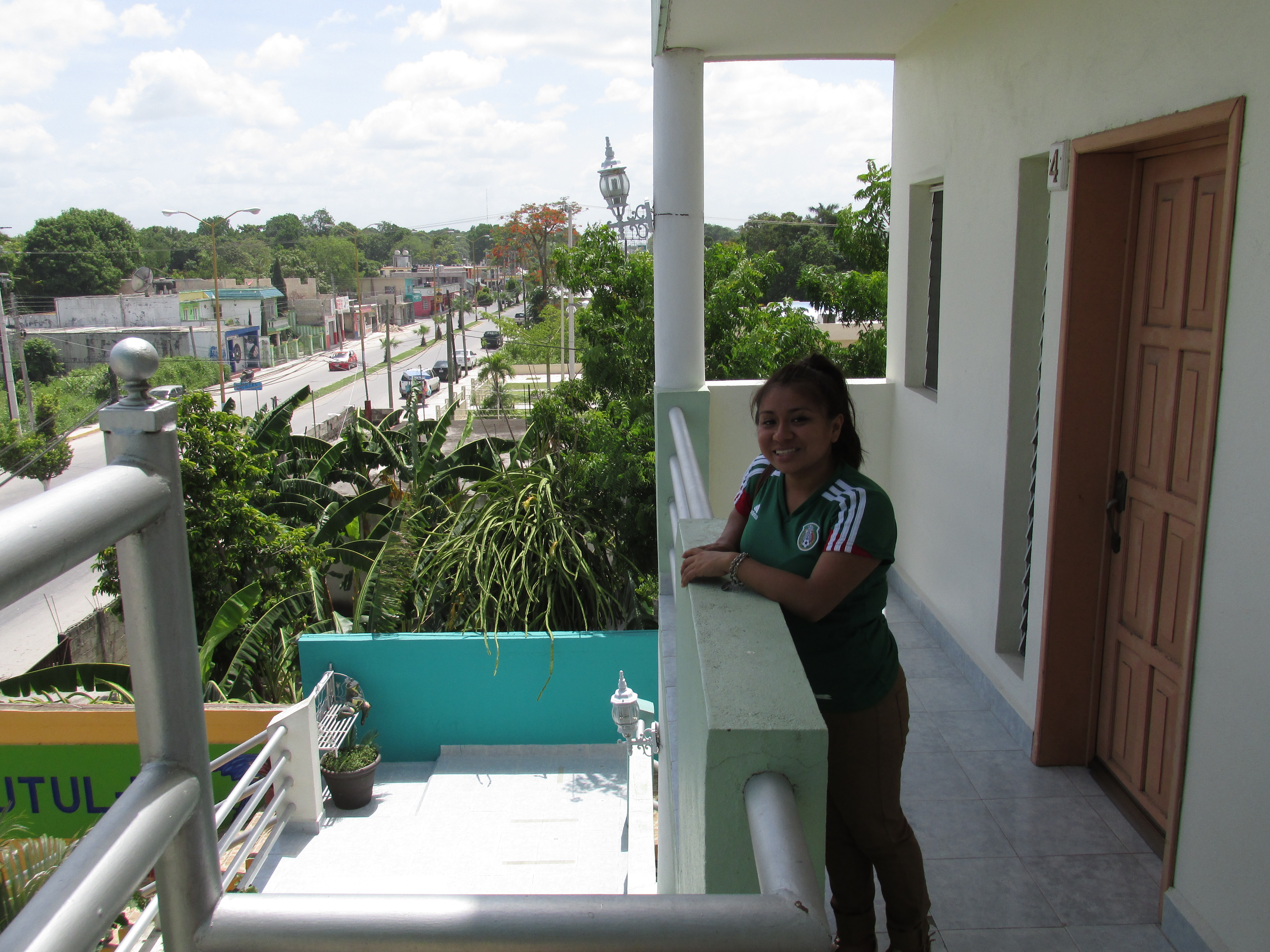
Home sweet home
I seem to remember as much about our first day in the field as I do about my co-worker’s lesson on Mexican slang: everything seems jumbled and I’m not sure if anything will come out sounding normal. The three muchachos that represent Iluméxico-Campeche came for us at 8am. The five of us crammed into the small truck, and we drove…and drove…and drove…until almost two hours later, we had left all signs of civilization except for the fences made of wooden posts and barbed wire that divided various properties along the dirt road. As we approached a dead end into the jungle, we saw a one-room school house, recently constructed by the federal government (as the sign read), and a scattering of about seven dwellings a few hundred yards back from the road. I would say houses, but if I did, you would imagine the wrong kind of building. These homes weren’t like anything I had seen in person; they reminded me of the pictures of developing countries that we see in the media, or maybe even the grass huts on the beach that appear in Sandals commercials (minus the romantic couple lying in lounge chairs). And here, in the middle of who-knows-where, with the sweltering sunlight, the humidity that soaked my clothes as I stood, and the lack of any kind of familiar bathroom system or English-speaking guide, they left us. With other clients to attend to that lived close by, they said they would return in a couple hours after we had finished our surveying.
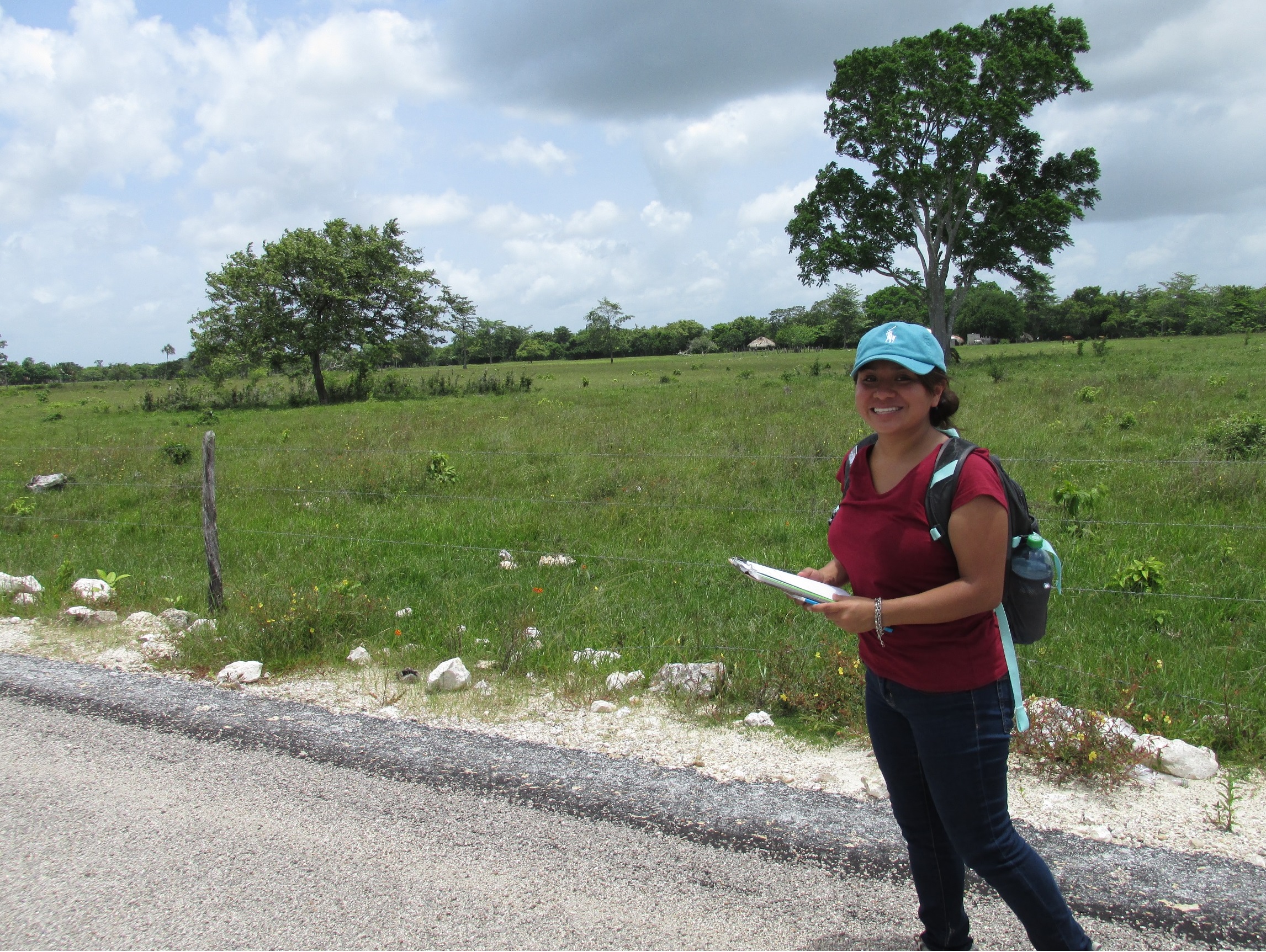
First day on the job
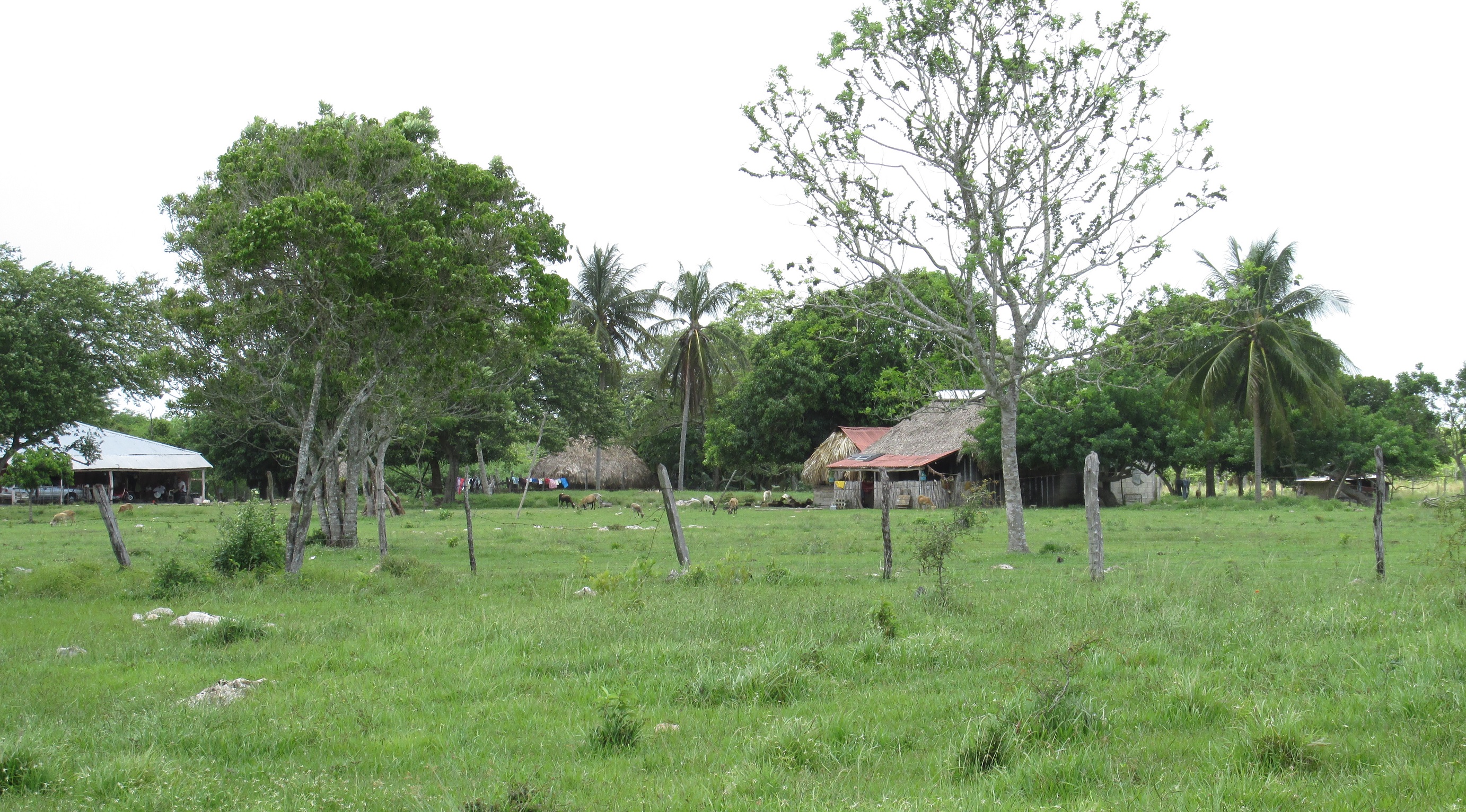
Home is where the heart is
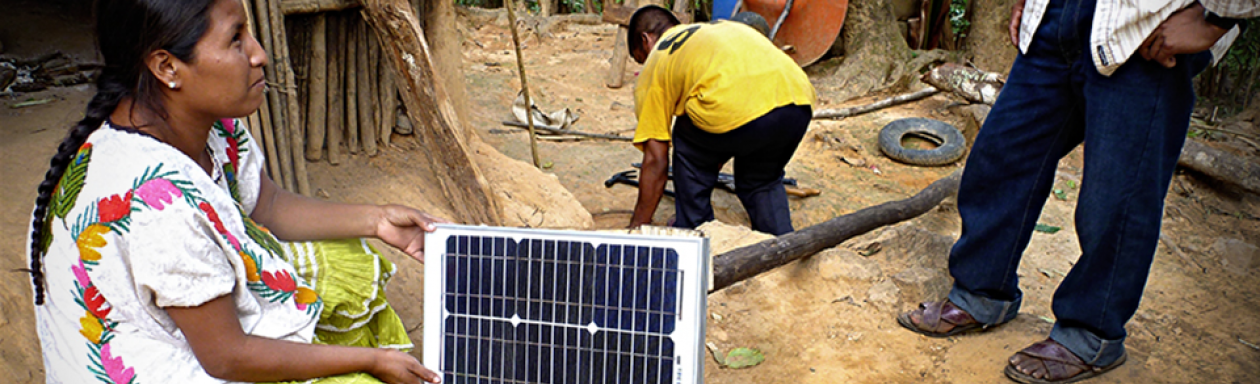
So, off we went. That day, much like the day after, and the day after that, was like nothing I had ever experienced before. Walking through high shrubbery (with hopes that nothing that rubs against us is poisonous), three-inch thick mud, up cerros, half-walking, half-sliding down rocky hillsides, we go from home to home, introducing ourselves, our purpose, and asking customers about their Iluméxico experience. Some families live in huts constructed of palm leaves and misfit wooden planks, with small children playing with the cochinitos (piglets) and pollitos (chicks) outside, while the older children help with household chores like cooking, washing clothes, and even dragging large branches from the jungle for firewood. Other families live in government-built homes made of brick and cement, fit with a television, a house phone, and sometimes, we can even hear the rhythmic beats of a stereo bass inside. No matter the house, every household has at least one maca (hammock), at least two kinds of animals (whether they be turkeys, a litter of dogs, or parrots), and will offer us to come stand in the shade or take a seat inside.
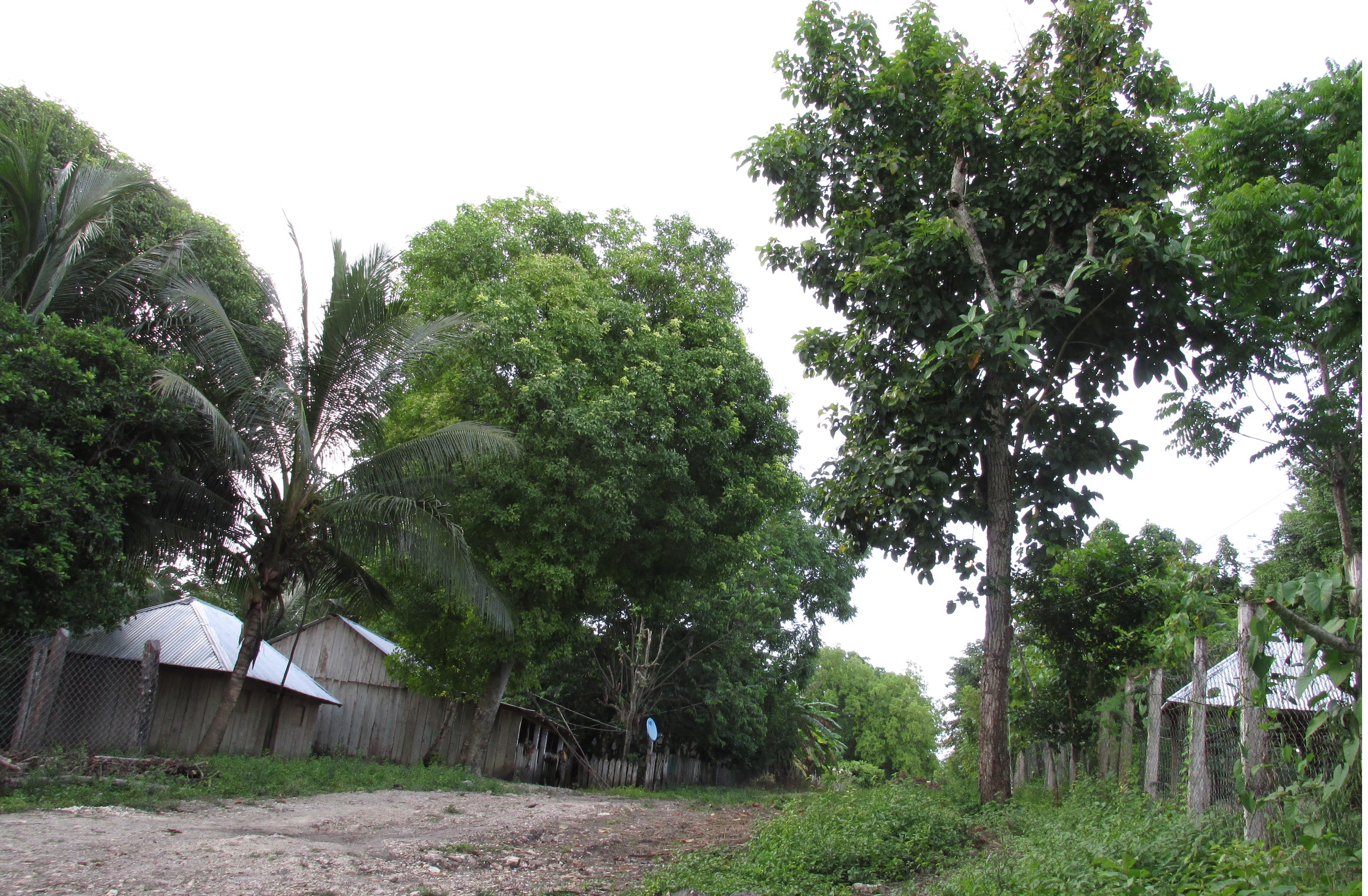
The view
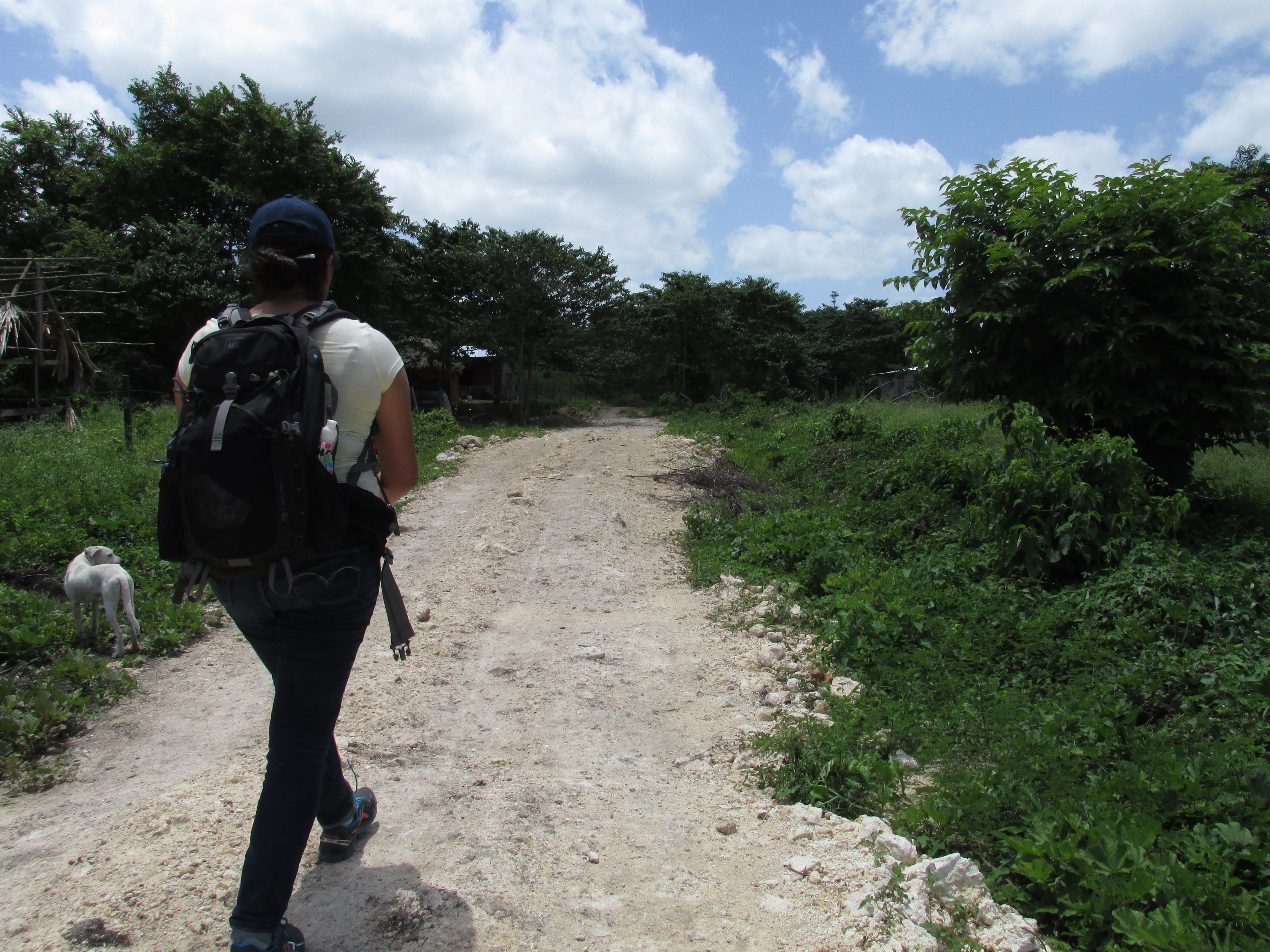
A day on the job
While I would like to say that these first few days have gone better than anything I could have imagined, I would be lying. In fact, as I sit here typing this blog, I have a cold washcloth on the back of my neck to soothe the sunburn, and Cortizone cream on my arms to calm the bug bites. We wake early, go to bed late, and sweat more than I ever have in any of my water polo workouts. While we have been testing ways to better communicate our questions to Iluméxico users, we also face the chance that people may not like us simply because of our nationality. With no wifi, cellphone service, or local contacts, we also feel more distant from the world we are familiar with than we ever have before.
Finding comfort in friendly faces, familiar and delicious foods, and the idea that our work will be a great benefit to Iluméxico, we look forward to each day with a renewed energy (that, in all honesty, starts to fade after we’ve surveyed about 15 houses and Kiara’s stomach starts to growl). BUT, this does not stop us, and we continue to be thankful for the opportunity to travel to new communities, meet the people who live there, and make a greater impact on the world we live in. Stay tuned for more stories on Alex’s newest bug bites, Kiara’s search for the perfect mole, and developments on our research!