Ch-Ch-Ch-Ch-Changes

As I reflect back on the past nine months as a fellow, but also on the past four years as a student at Santa Clara, I see how much I have changed. Some changes have been slow and hardly visible to anyone other than myself, like how much stronger and more flexible I’ve become after practicing yoga for four years. Other changes, have unfolded more like earthquakes, a sudden shift in balance and an immense release of tension that renders the familiar almost unrecognizable. Much like the time I sat in my host mother’s kitchen in El Salvador listening to her explain to me that the reason she takes high blood pressure medicine everyday now is because ever since her 18-year-old son has left home to make the incredibly dangerous journey to the US, not a moment has passed without her feeling terrified and helpless in protecting him. It’s nearly impossible not to be left drastically changed by these encounters.

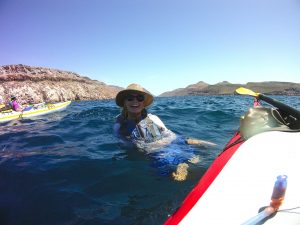
They way that I see it, there have been two big processes happening over these past four years at Santa Clara. The first, is that I’ve put myself out there for all of these different opportunities and experiences that have shaped who I am, what I stand for, and what I want to do with my life; things like majoring in Environmental Science, traveling to El Salvador on an immersion trip, studying natural history in Baja Mexico, and studying ecology and conservation in South Africa. The second, has been this process of the fog clearing from my glasses and me beginning to be able to see who I have become, what I’ve accomplished, and all that I’m capable of. This second process has largely occurred over the course of this fellowship.
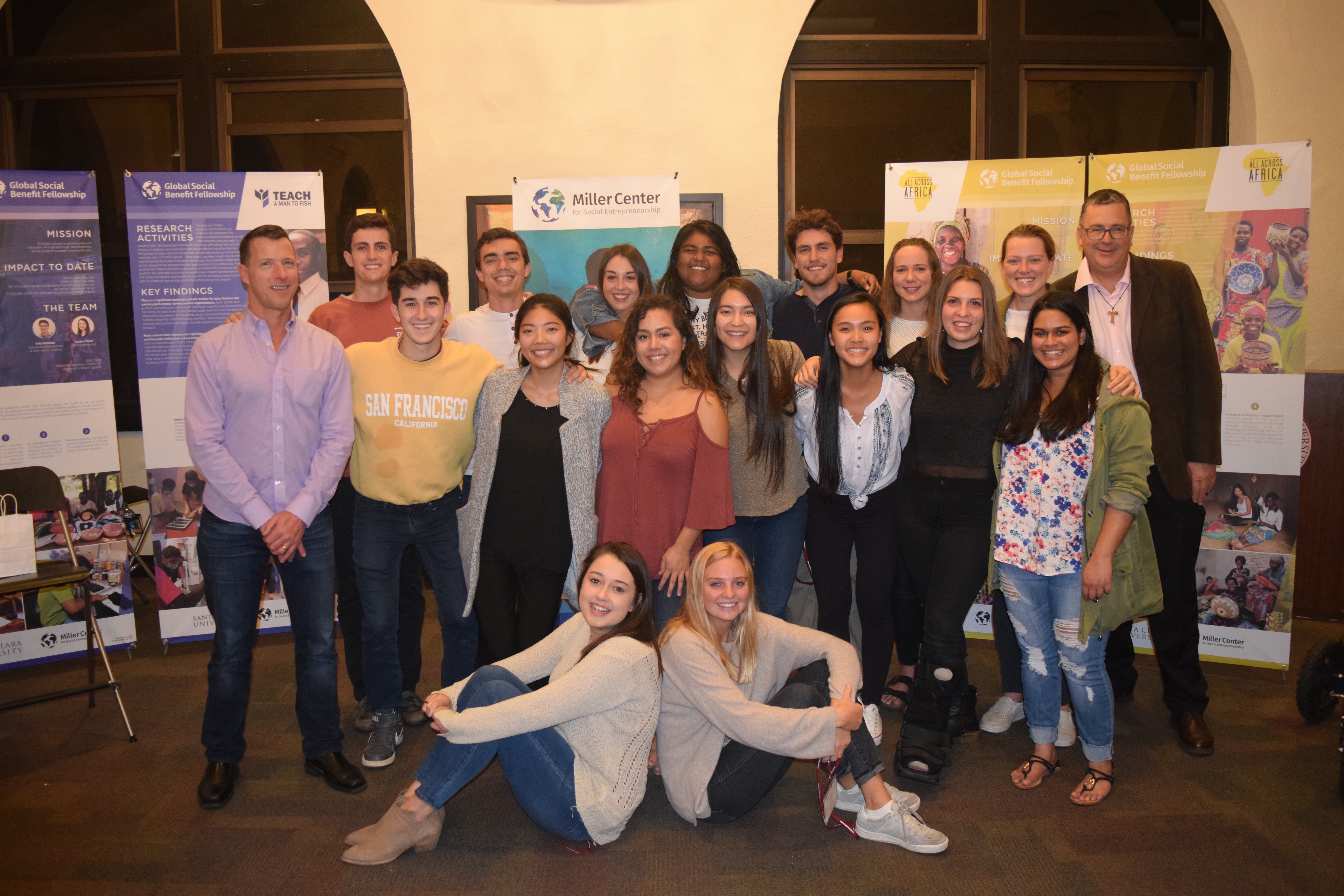
Our GSBF Family

I am passionate about finding solutions that address environmental challenges while also improving people’s lives. Social entrepreneurs all across the globe are constantly working towards these solutions and making them available to those who need it most. This summer, I was able to witness firsthand how one good idea and the right team can change the world for the better. To see the impact of this work was incredibly inspiring and left me filled with renewed hope and a sense of urgency to figure out how I can best contribute.

To be successful as a social entrepreneur one must be innovative, in order to respond quickly to the unique challenges presented by working within the developing world, driven by efficiency, in order to sustain a business while keeping costs to customers as low as possible, but also empathetic and driven by a deep desire to help others. My experiences both in the field with Sistema Biobolsa and in the bay area with the Miller Center community now motivate me to do better and to do more. I feel called to do this work. It is what makes me feel alive and happiest and I don’t know if I would have realized this so early had I not been a fellow.
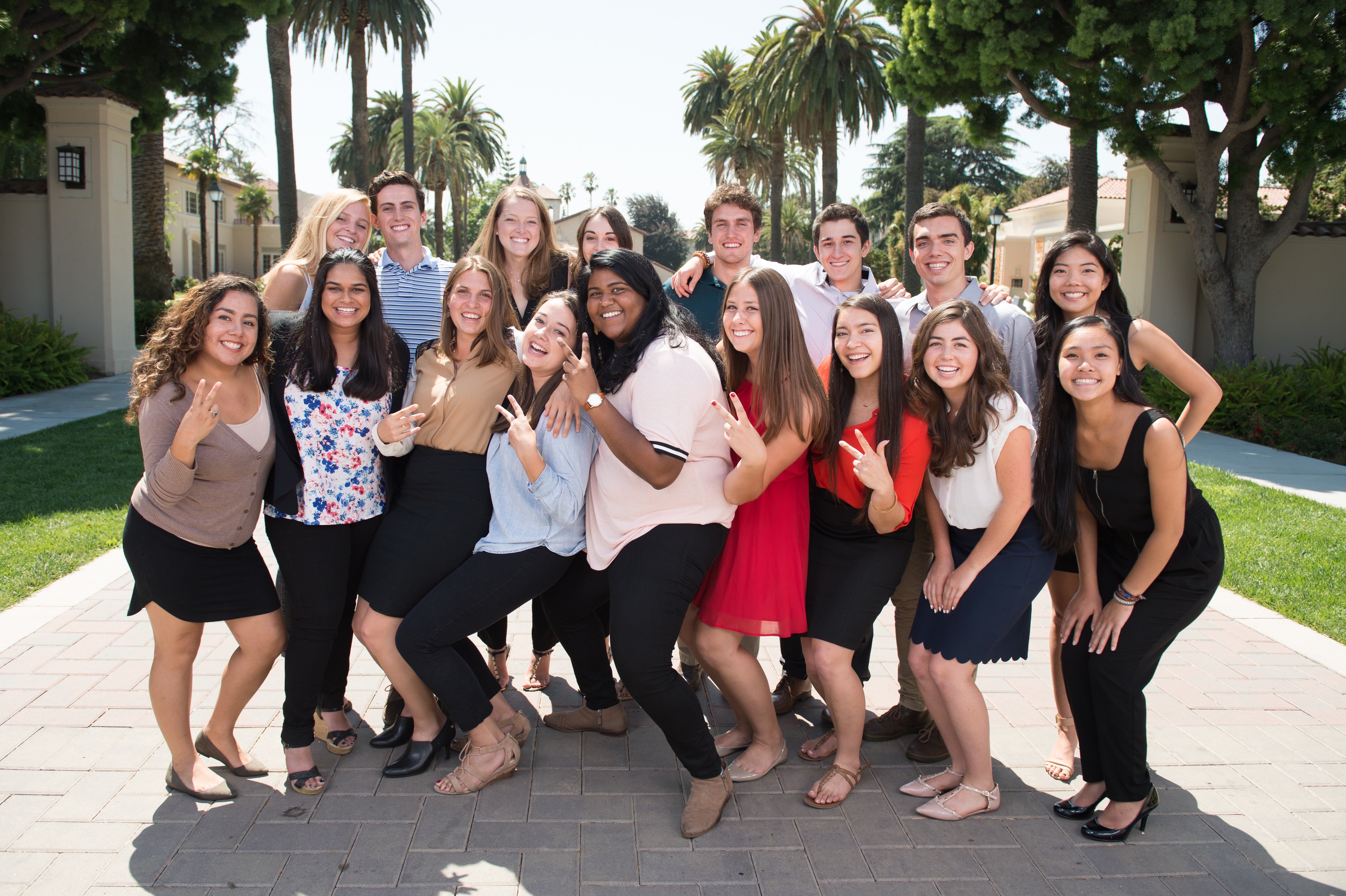
The amazing friends I’ve made over the course of the fellowship

There are few topics that get me as fired up as the ocean and the ways in which humans interact with it. Last month, I had the chance to interview a connection from Mexico City, Lorena Luna, who currently works for an organization called Smartfish that facilitates sustainable fishing in Baja California Sur. It was interesting to hear how social entrepreneurship is being applied to the issue of ocean conservation and the sustainable use of marine resources. I see a lot of potential in social entrepreneurship to help to solve some of the toughest challenges in ocean conservation such as overfishing, and I hope to be a part of the solution be it by working directly with an existing enterprise, working with an organization to accelerate the impact of growing enterprises, or perhaps one day leading a social enterprise of my own.

Knowing both what I’m passionate about and the field that I want to work within makes me extremely excited for the future. Yes, it is uncertain, and no, I haven’t signed any dotted lines yet, so it can be nerve-wracking at times. However, I am not hesitant to enter the working world, I am not dreading a nine to five schedule, rather I am chomping at the bit to get out there and apply what I’ve learned to change the world. This fellowship has provided me with a new set of skills and experiences, countless mentors who continue to offer me inspiration and guidance, and the confidence in myself and my abilities which collectively has prepared me to in the words of St. Ignatius of Loyola, “go forth and set the world on fire”.
Summer Field Experience Reflection

As I filled out my application to become a Global Social Benefit Fellow, I pictured myself spending the summer working in an impoverished community in a far flung corner of the world. When I accepted my placement in Mexico City with Sistema Biobolsa, I was excited to give something back to a place that I had visited multiple times as a tourist. What I envisioned my summer looking like changed slightly, my flight would be only 4 hours while the rest of the teams of fellows would have to endure 10 to 12 hour journeys, but I still pictured myself roughing it.

As I learned more and more about Mexico City and Sistema Biobolsa, my expectations evolved until I had a relatively accurate idea of what my field experience would look like. When I arrived in Mexico City, I definitely had to adjust to not being able to communicate very well with the people around me, but living and working in Mexico City wasn’t all that different from living and working in the US. We had a clean place to stay, running water, reliable electricity, and pizza hut would deliver to our hostel within 30 minutes. That being said, my idea of what working to alleviate poverty looks like changed during my time spent in Mexico City. I realized that the picture that pops into most of our heads when we think of a vocation dedicated to serving the poor, isn’t necessarily correct.

Upon entering the office, I was intimidated, everyone was very busy, engrossed in their work, and speaking in a language I was not proficient in. But through showing us their favorite lunch spots, teaching us bits of Mexico City history, and letting us in on their favorite salsa cafés, everyone in the office made us feel very welcomed. Julie and I were genuinely interested in their lives and the path that had led them to work at Sistema Biobolsa, and they were genuinely interested in our lives as well. The more time we spent with each of them, the less foreign Mexico City and its inhabitants seemed.

Over the course of seven weeks, I got to know each of the Sistema Biobolsa employees very well. Our lives and stories are obviously different to a degree but, we enjoy similar things, have similar values and passions, and share many commonalities. It was through getting to know these people that I came to realize that social entrepreneurs are definitely in a way, superheroes, but they are also normal human beings who appreciate being comfortable and like to relax with a cold cerveza after a long day of work. The relationships I developed with Jesús, Xunaxi, Montserrat, Jaime, Angelica, Esteph, Esther, and Alex were the greatest parts of my field experience.

Mexico City itself is lively and full of history, so Julie and I made it our mission to take advantage of our location by learning and experiencing as much as we could in seven weeks. We visited museums, went on tours, explored every street within walking distance, and made many friends along the way. One advantage of sticking out as much as I did, was that many people would start conversations with me, curious to know where I was from and what I was doing there. I enjoyed explaining the fellowship and Sistema’s mission to those who were interested, and I really enjoyed hearing about their own lives and passions.

As I learned more about Mexico City and explored the area, I came to like it a lot there, but I was periodically reminded that I had a very privileged view of the city. One night at a restaurant, I was talking with a local about my experience in Mexico so far, and I said, “I love Mexico, it’s a beautiful country”, and a passerby stopped and looked at me and said “Mexico sucks”. His comment served as a cautionary reminder that while my experience was relatively immersive and authentic, I was still very much a privileged visitor, who wasn’t subject to the harsh political and economic realities of the country, and who could, in theory, pick up and leave whenever I needed to.

Another conversation with a local reminded me of the problematic pattern of “voluntourism”. He explained to me that he likes Americans who come to live in Mexico, because, since they choose to live in a place with a lower standard of living than they are used to and they experience things like bed bugs, they’re “tougher and more chill”. Before my experience as a fellow, I think I would have felt a slight sense of heroism in response to his comment. But instead, now, I was unsettled. I am not better than Mexico, and this experience isn’t about going and living in a place that’s less comfortable than my home and toughening up. This experience is about coming to a place where something really cool is going on and learning from it. I came to Mexico to earn the friendship and trust of the people that I worked with and to give them something valuable in return for the opportunity to be a part of their business and all that they had taught me along the way.

My experiences in Mexico City deepened my feeling of connection to all humans. I strongly believe that we are all brothers and sisters, and I just happen to be lucky enough to be born into circumstances that allow me to live a very comfortable life. But I believe that we’re all in this together, and therefore, I should know how my brothers and sisters in Mexico are living. I feel a sense of duty to go see how they’re doing and figure out a way to improve their lives. They’ve got enough on their plates trying to figure out how to keep food on the table year round and send their kids to school, so since I’m lucky enough to not have to worry about these things, it’s my duty to use my freedom in vocation to better the lives of others. If you know someone you care about lost his or her job and is struggling, you don’t ignore them. You ask how they’re doing, and figure out how to help. I see all human beings as my brothers and sisters, so I’ll keep being concerned with how they’re doing and how I can help them for the rest of my life. That doesn’t make me tougher or better than any other American it just makes me human.

Working with Sistema Biobolsa and getting to know the people who make it happen, as well as seeing the impact the business has had on the lives of the customers it serves confirmed my desire to incorporate social entrepreneurship into my vocation. When I began the fellowship, I saw social entrepreneurship as a potential solution to poverty as well as environmental degradation. After my experience with Sistema Biobolsa, I am encouraged, that a business whose mission is to create value from waste, has been successful enough not only to sustain itself but to begin to scale and impact even more lives. As my time as a fellow draws to a close, I am excited to carry this passion for social entrepreneurship and everything that I have learned with me as I begin the next chapter of my life.


Focusing on the details

I am not a details person. If you took me to an art museum, I would stand really far away from a painting and look at it. I would take it in, as a whole, from far away, and then once I’m sure I fully appreciate it from back there, I’d take a little step forward. I’d get a little bit closer and notice new things, look at the brush-strokes and individual patches of color.

This is also how I approach the work that I do. I like to think about the purpose of the work, then about what big pieces or steps will get me to the final product, then I’ll eventually get to the details. This may explain why I am notoriously slow when it comes to work.

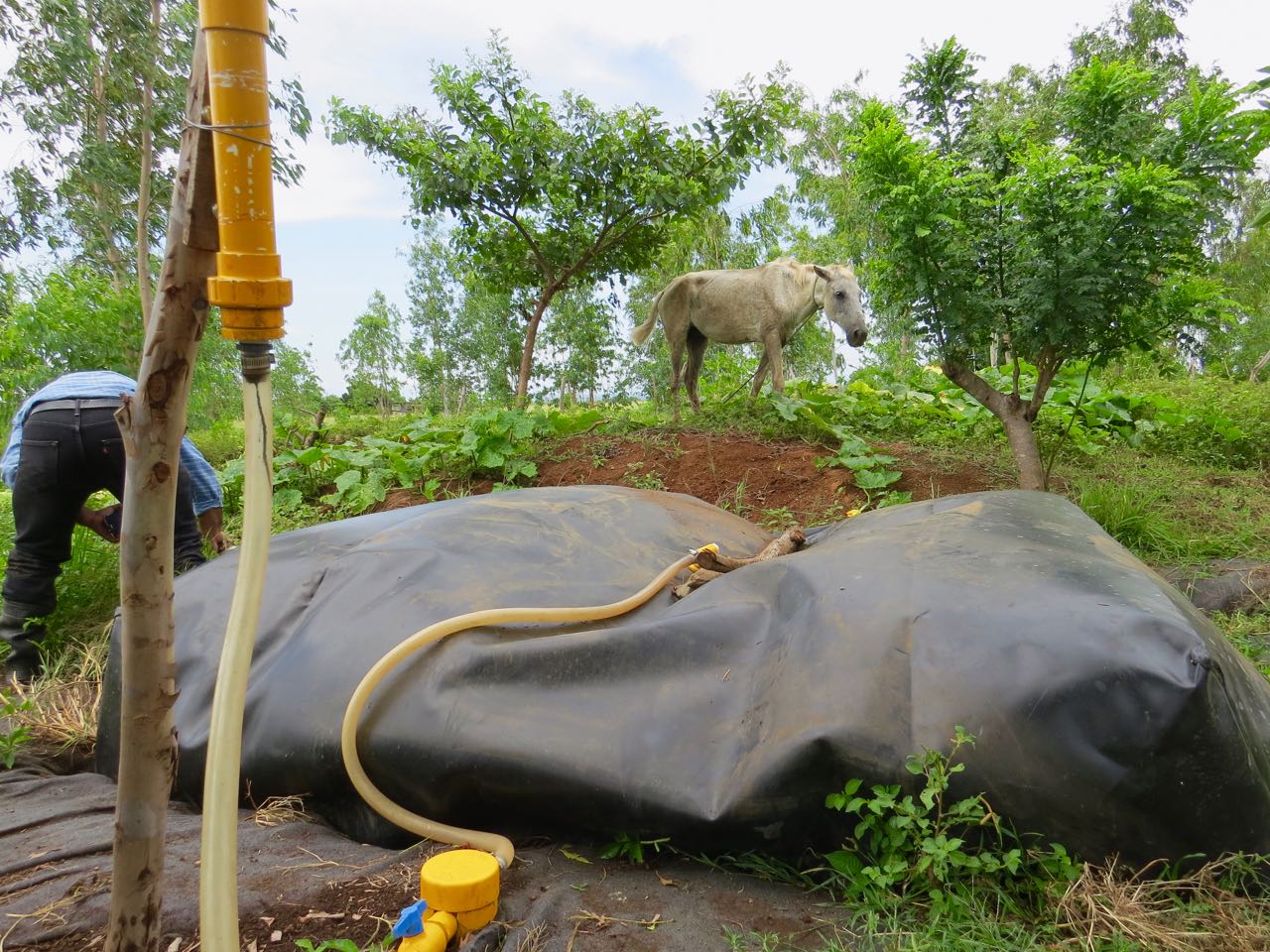
One of the first biodigesters we visited

A start-up, by nature, is the opposite of slow and big picture minded. Especially a start-up in the process of scaling, like Sistema Biobolsa. Demand is growing now, new offices are opening now, and new problems need to be fixed now, so that the business can continue to function and grow. It’s all real time.

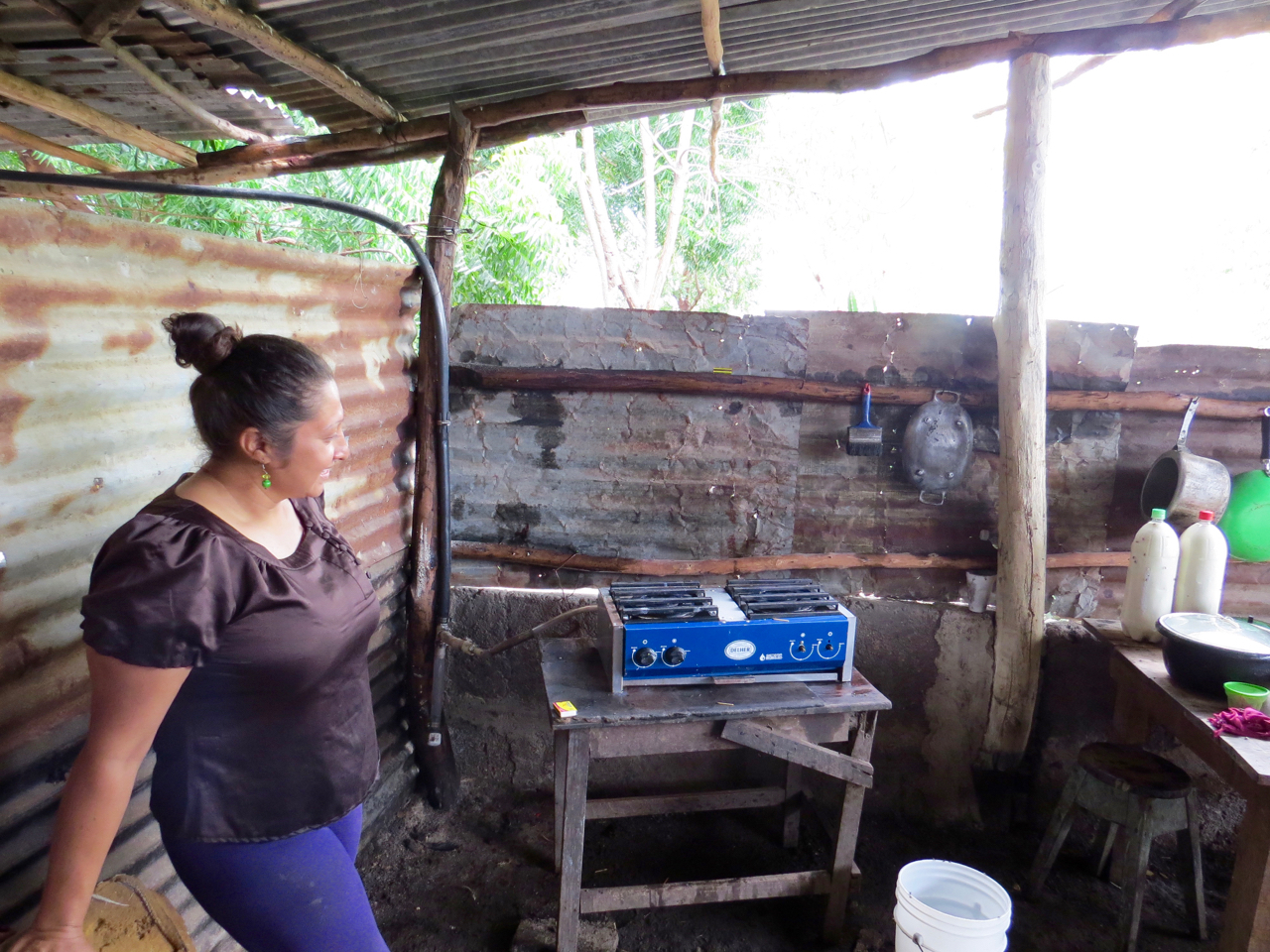
A customer and her biogas stove

The weeks prior to our time in the field, spent preparing travel plans, strategies for deliverables, methods of research etc. always felt tentative. And tentative they were. Once we finally arrived in Mexico City and began our first day in the office, it became clear that all of our work would evolve as we went along. We jumped right in and set to work on our first task.

The first couple of weeks were challenging for me, because I had to adapt and work in a way that is opposite of what is logical to me. New tasks were given to us almost daily without much context, so I wasted a lot of time trying to make sense of these tasks and how they fit into our overarching goal of what we wanted to accomplish for Sistema.

Somewhere around the third week, I came to terms with the fact that our project and deliverables really were works in progress, that would evolve and change as we went along. Just as everyone else in the office tends to what needs to be done, at that exact moment. Once I was able to accept this, I started to embrace the work that we were doing more. I dug into the details, quite literally without knowing exactly what each task would contribute to our deliverables in the grand scheme of things. I just focused on doing them well.

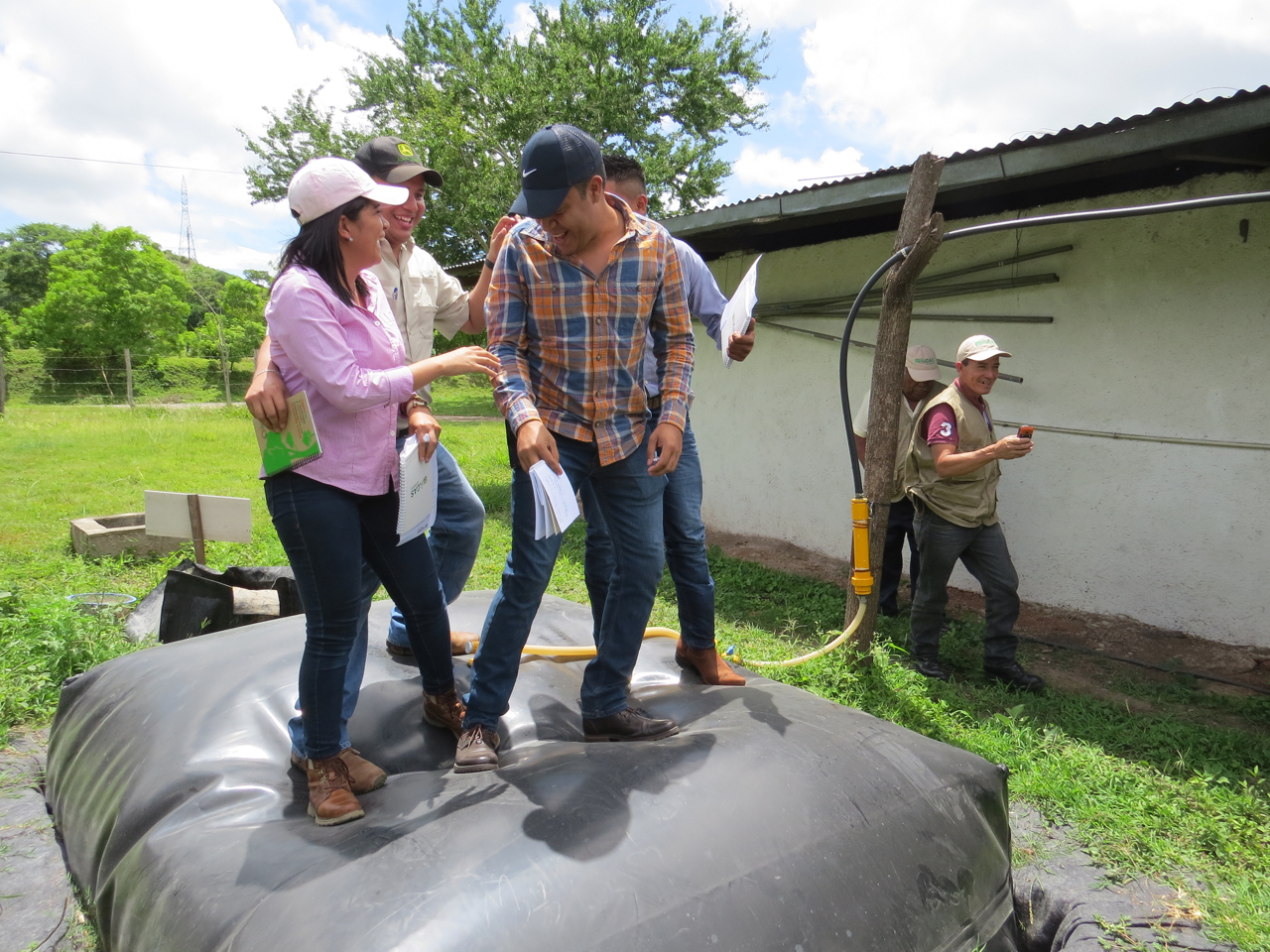
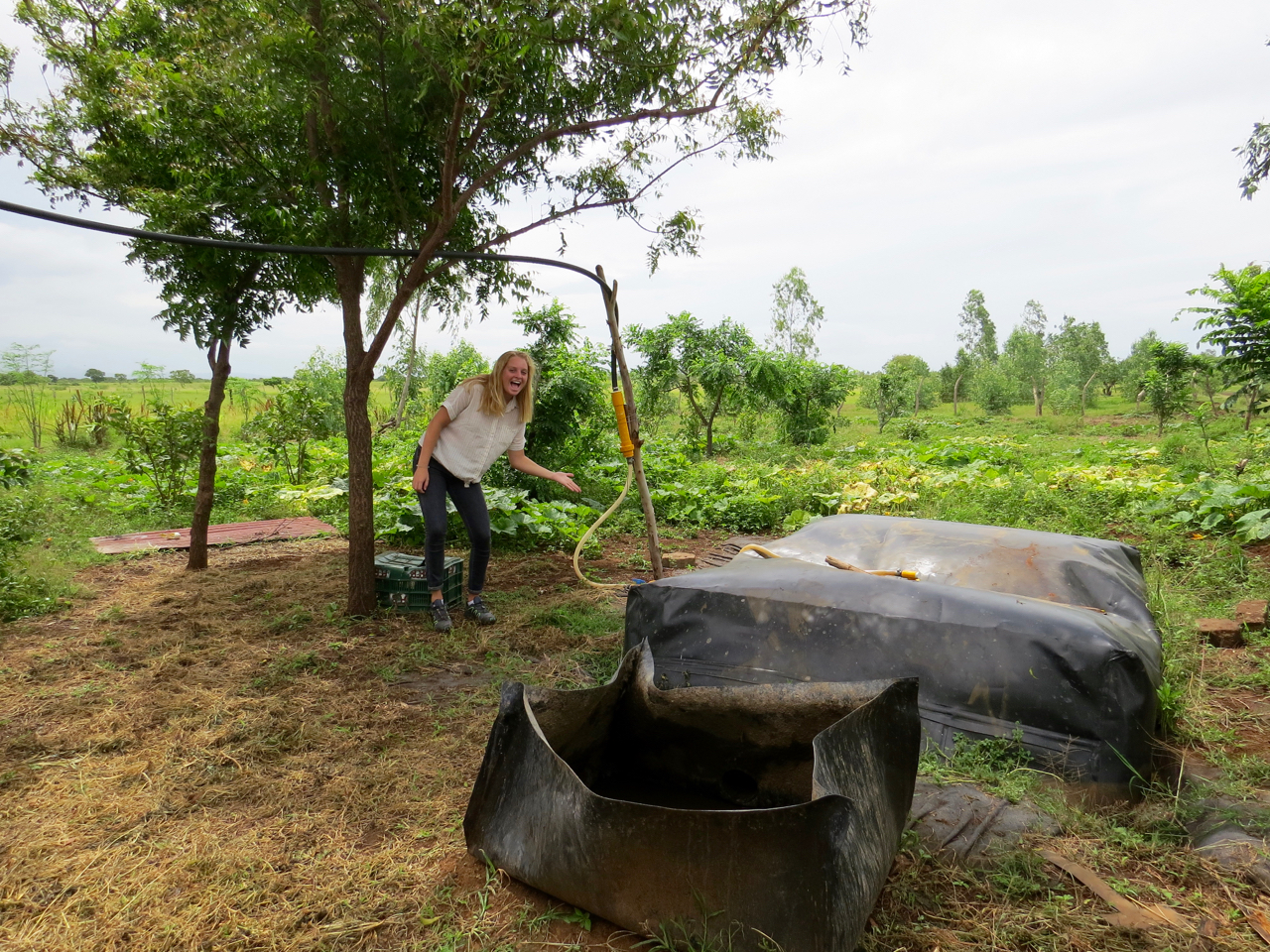
Everybody getting involved in shaking the biodigester

When we had our first meeting with the Sistema Biobolsa team to discuss what we found after doing some analysis of their database, I felt a huge sense of gratification, like the work that we were doing was important and valuable to the company. Our results would inform and change surveys that were in progress and needed right away. People reacted immediately, this is the nature of the enterprise and I was able to learn a lot from it.

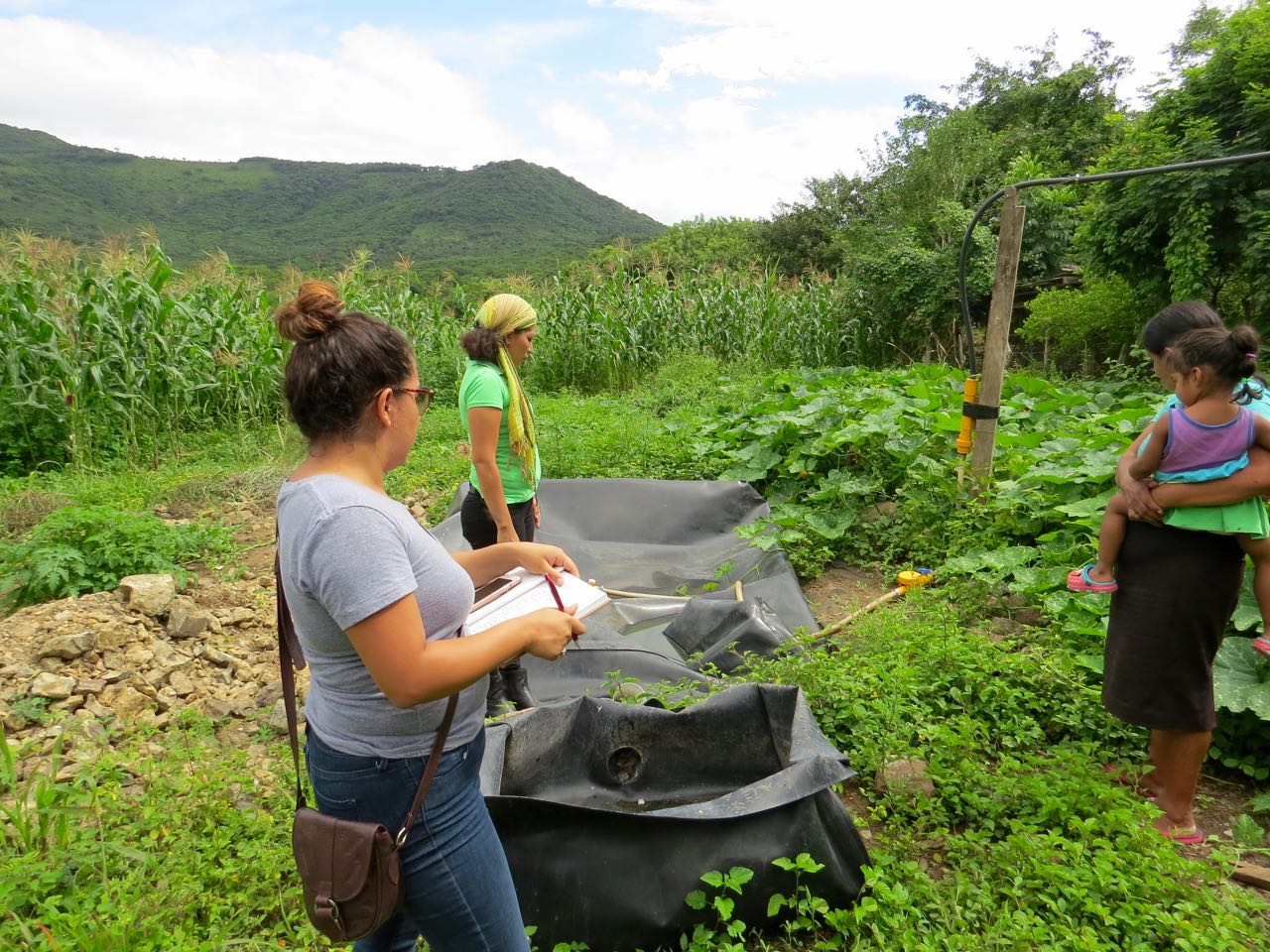
Testing a new survey in Nicaragua

I think the collaboration between our team and Sistema Biobolsa worked well in the end, because we were able to be flexible and give Sistema help where help was needed at the time, and therefore produce deliverables that would be the most valuable to the enterprise and therefore the most fulfilling for us.

Reveling in the glory of this beautiful invention

A New Adventure

As a young kid, I got lost. Often. Not because my parents were neglectful, but because I had a tendency to follow my curiosity wherever it led me. I get carried away. When asked what I wanted to be when I grew up my answer was an adventurer. I have felt the allure of new and unfamiliar experiences throughout my life and I am so thankful for the wonderful surprises I have walked into over the course of my life because of it.

My parents instilled in my sister and I a respect and appreciation for nature from a young age. Tree huggers themselves, my parents toted us along on many camping trips and outdoor adventures all across the country. Some of my earliest memories are the simple sight of the mountains in Colorado, where we spent a couple of my early summers. Coming from the flatlands of Chicago, the massive and awesome mountains captivated me and filled me with awe. That feeling that makes you giddy and lost for words for how beautiful and amazing that everything around us is is something that I try not to let myself go more than a day without feeling.

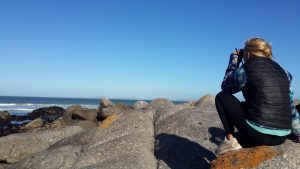
Birdwatching in South Africa

My love for the outdoors and sense of adventure led me on many escapades throughout high school; be it a school camping trip to the Grand Canyon or driving around at all hours of the night searching for a place to see the stars through the orange suburban sky glow. While taking an AP Environmental Science class during my senior year of high school, I became aware of the trouble we are now facing with our environment. Prior to this class, learning about environmental issues filled me with fear. I felt helpless, this problem was so big, what could I possibly do about it other than fearfully await the day when the oceans boil away and curse my parents and grandparents for the damage that they had done. My AP Environmental Science class helped me to gain a deeper understanding of specific environmental problems, and I made the decision then that I could and would do something about it. I told my teacher I was going to save the world, and he laughed, and I declared an environmental science major at Santa Clara.

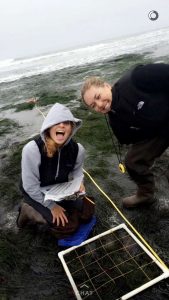
Biodiversity study in Davenport, CA

When I said that I would save the world, I naively envisioned creatively coming up with some off-the-wall solution to our problems, like a tube that extended up into space where we could send our garbage (yes… this is an actual idea that I had). Within my first couple of quarters at Santa Clara, I made great friends, learned from and looked up to phenomenal teachers and continued to explore my surroundings which helped me to learn about myself, the world around me, and my place in it. My idea of saving the world began to change.

During the summer prior to my sophomore year at Santa Clara, I participated in an immersion trip in El Salvador. I had never really seen poverty up close before, and the experience had a profound effect on me. We spent three days on a homestay with families living in the countryside. My host mother was incredibly kind and generous and during the goodbyes on the third day, she thanked us for coming and apologized for the living conditions, she said that she wished she could give us more, because we deserved so much better, but this was the best that they could offer us. This disturbed me. Why did I deserve living conditions better than this village had to offer? The people I had gotten to know here were some of the most generous, compassionate, accepting, and loving people I had met in my life. They were the ones who deserved more.

It was in El Salvador that the world wouldn’t be saved by some clever invention. I was humbled. “The world” doesn’t need saving anyway. We as humans, I realized, simply needed to treat each other and the life around us with love. I realized that if I made all my decisions out of love I couldn’t go wrong. I would be what was needed when and where it mattered. My calling became even more manageable and exciting to me when broken down into individual decisions and acts.

My ability to connect with others and the centrality that relationships with others holds in my life has allowed me to feel comfortable in unknown and foreign places. The more that I explore and push myself to get to know the unknown, people, places, activities, foods, ideologies; the more I feel at home in the world. This has allowed me to get very comfortable jumping into things that may be overwhelming or daunting to others.

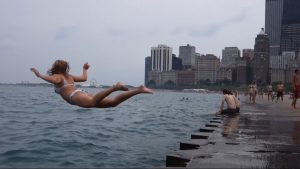
Jumping off the dock at Lake Michigan

This lead me to South Africa. I decided to spend a semester in a country I knew very little about with 24 strangers. The strangers became some of my best friends and during my time in South Africa I encountered some of the most beautiful places and people to enter my life thus far. We were engaging in ecological research within the National Parks of South Africa. It was beautiful and exciting, but we were isolated from interacting with the real people who lived in this country and that didn’t sit well with me. Finally, half-way through the program, we were able to spend time in a rural village. I connected with the family that I was staying with and began to feel conflicted about what I was doing in South Africa. How could I justify researching crocodile population dynamics when there were people living in poverty just outside the gates of the park who could benefit from someone working towards finding solutions to the problems that they face.

Upon arriving back in the states, I spent a lot of time reflecting on my experience in South Africa and where I wanted to go from there. I realized that in order to protect and restore our environment, we are going to have to find economically sustainable ways of doing so, because given the choice between saving a forest and cutting down that forest for firewood to cook food to feed your hungry family, people are always going to rightly choose to feed their families. I also began to think about how entrepreneurship could be a great way to achieve this type of change I was looking for. I believe that through entrepreneurship we can find solutions that help people while simultaneously improving and protecting our environment, and I am very excited to explore this potential through this fellowship.

Taking a break in Baja California Sur