What’s next?

09c550cc-7fa1-4a10-8a54-2f94767ef80e-min

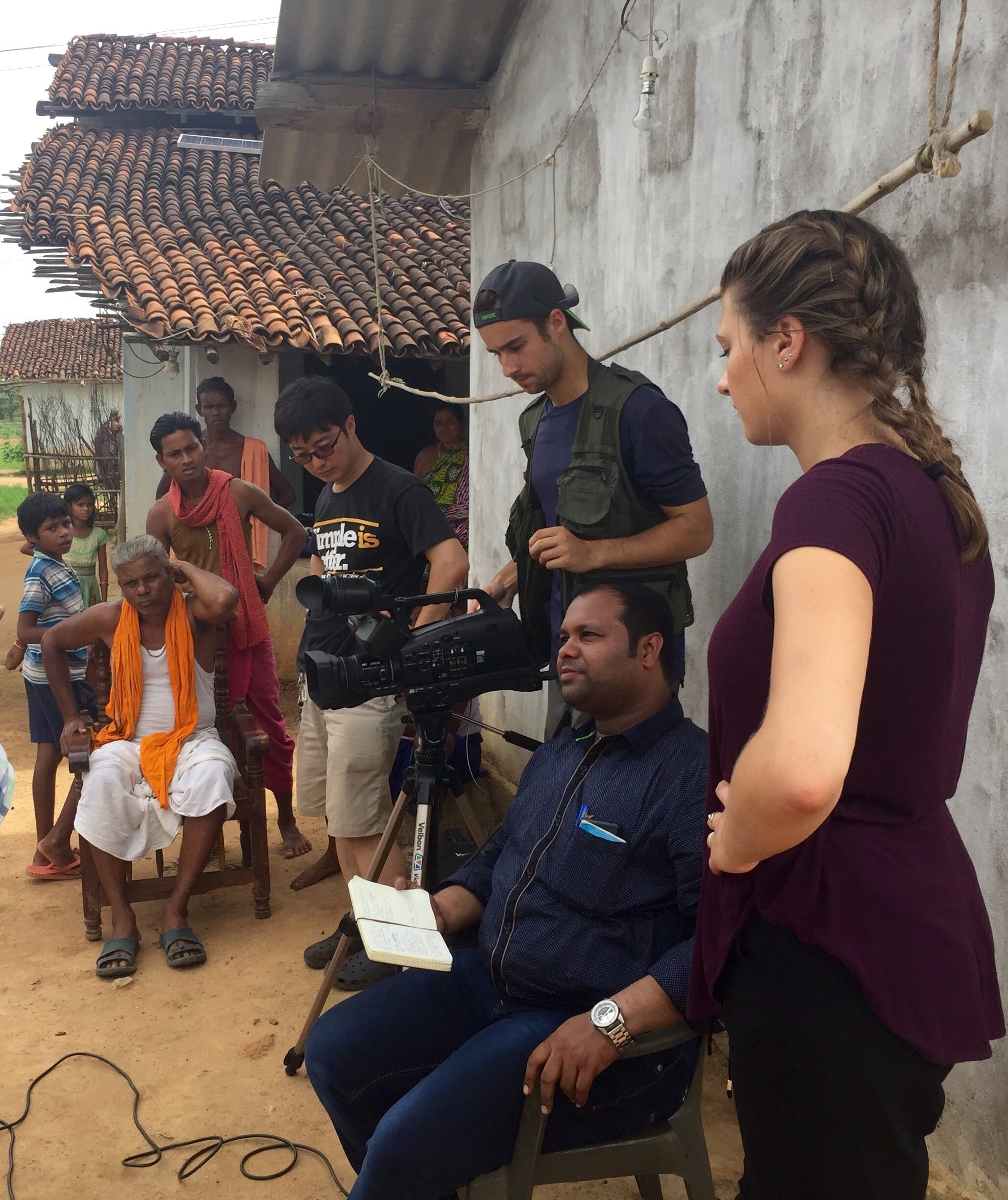
Interviewing in a village that recently installed a microgrid

    As the recruitment process for next year’s cohort of fellows ramps up, prospective applicants approach me fairly frequently asking about my thoughts on the fellowship. Everyone wants to know if it’s worth it, and if they should give up a paid summer internship for the experience. I understand their dilemma, because a year ago I was there, too, and I wasn’t sure about it either.

In these conversations I lay out rational reasons why it is a good idea to apply for the fellowship: “You’ll get research experience not many undergrads can get,” “You’ll have great professional development opportunities,” “You’ll learn about social entrepreneurship and make a tangible difference helping one scale.” These are all the reasons I chose to do the fellowship, and the reasons I find it so valuable to my professional and educational future, but there is so much more to it that I’m not even sure I can articulate.
 

img_6966-min

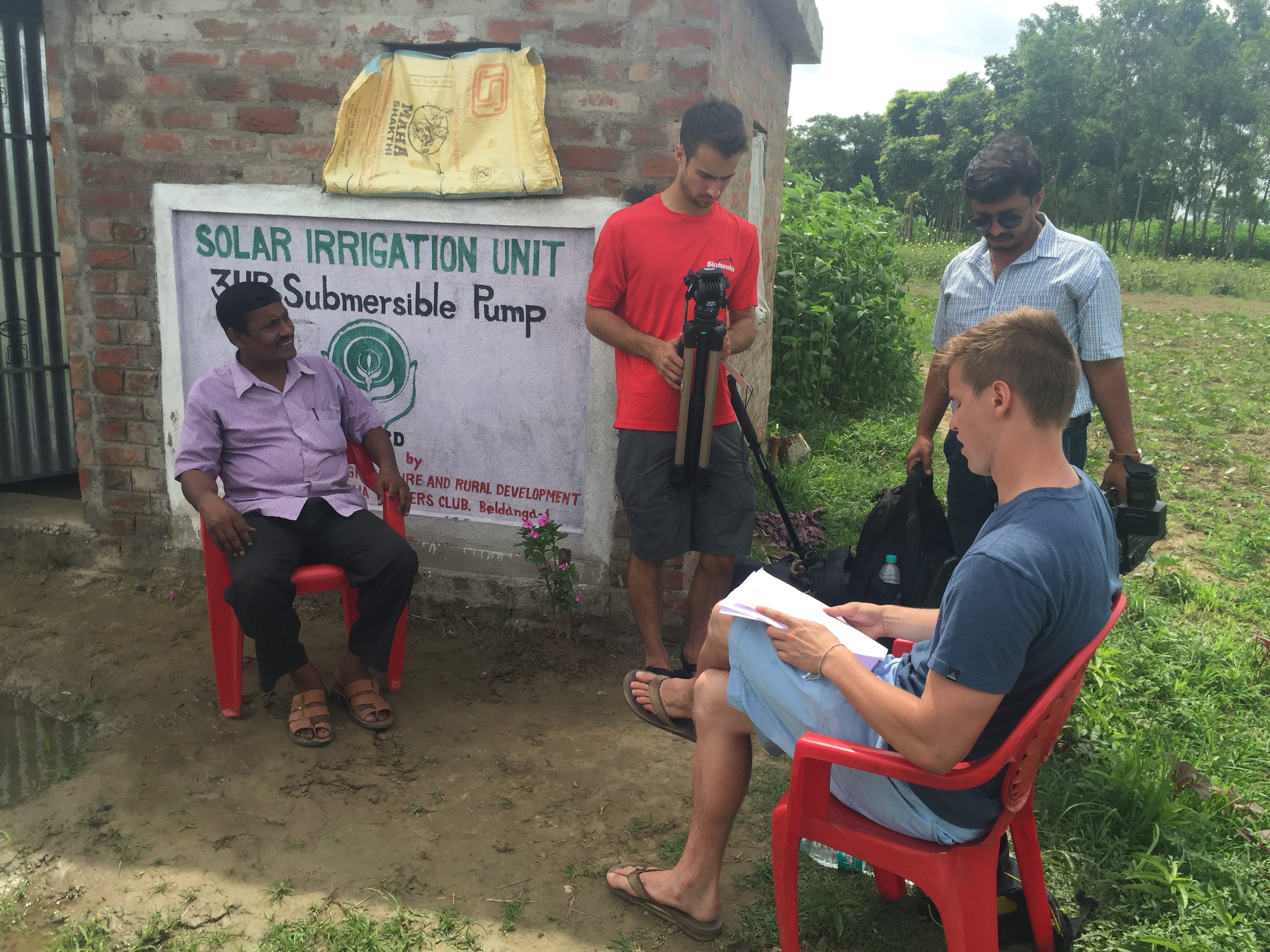
Carson interviewing the leader of a farmer’s group

At the end of every conversation I find myself saying, “Honestly, applying for this fellowship was the best decision I made in college. I can’t imagine where I’d be without it.” I realize this statement probably doesn’t mean much to a junior weighing the pros and cons of spending a summer in a developing country and essentially taking on the workload of another minor over halfway through college, but there is no other way to get across just how much this experience has meant to me.


Often, it seems like it takes about a year to fully understand what an experience like this means for me. I felt this with Global Fellows; now, a year and a half out, I can clearly explain my lessons learned and growth during that experience, but it took an entire year to get here. I’m sure it will be the same with GSBF, where I continue to find new meaning from it as I move forward, but there are already so many learnings I can point to even just five days after the official “end” of the fellowship.
img_7247-min

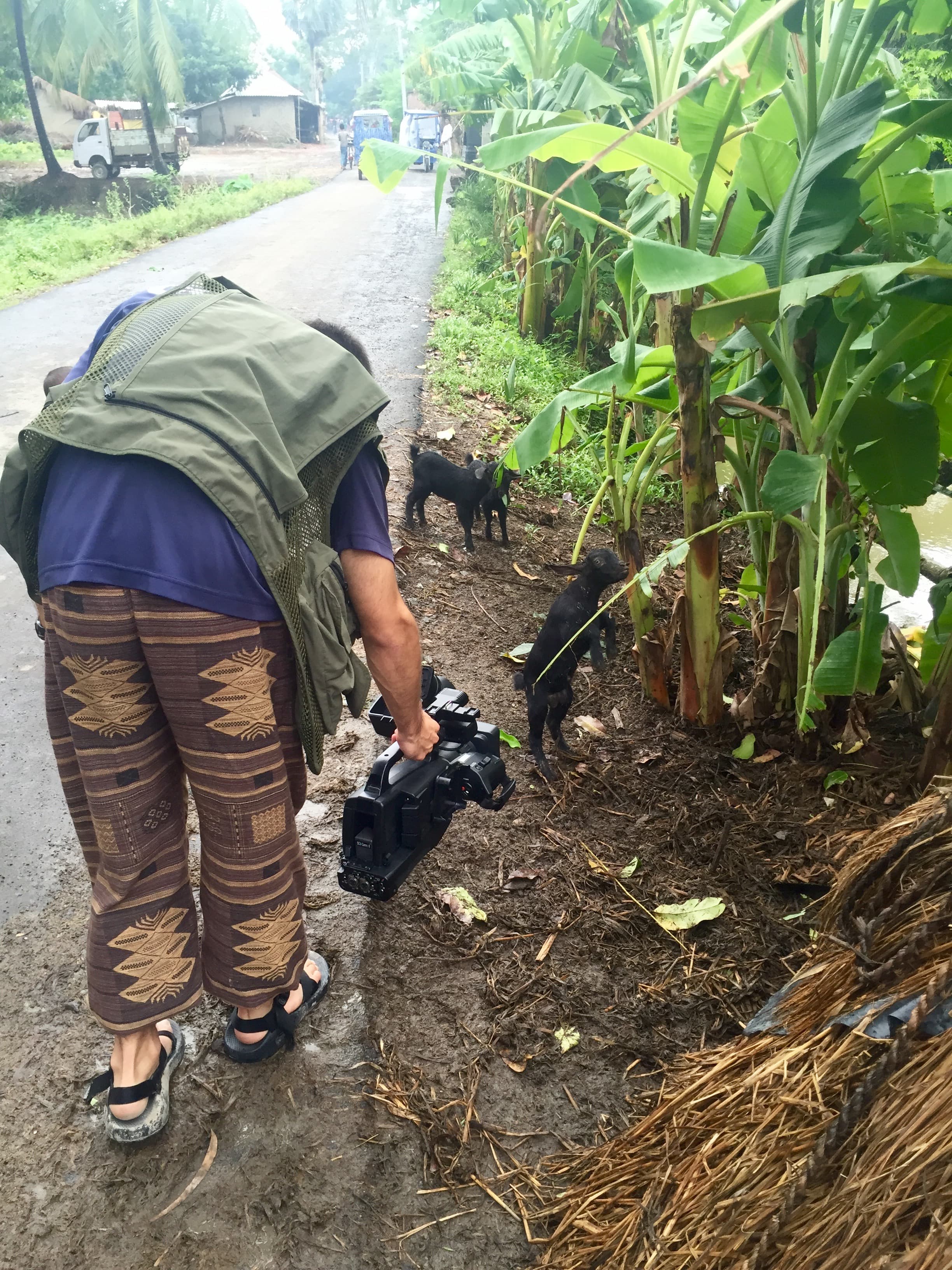
Filming some baby goats before heading to our next location

I’ve learned how important it is to have mentors who are truly committed to helping you succeed and willing to push you to excellence; I can’t thank Keith and Thane enough for putting so much faith in us this year. I’ve learned so much about my strengths and weaknesses, and how to use those to work effectively in a team setting. I’ve learned more than I probably ever needed to know about what it is like to live and work with two boys for two months. About halfway through our time there we realized we’d never spent as many consecutive days with the same people since we were babies with our moms…think about that. I’ve learned that I really enjoy being in a consultant role; identifying opportunities, coming up with a plan, and executing a project. And most importantly, I’ve learned that no matter what happens, there will always be people working their asses off to make sure the world moves forward, not back.
img_7292-min

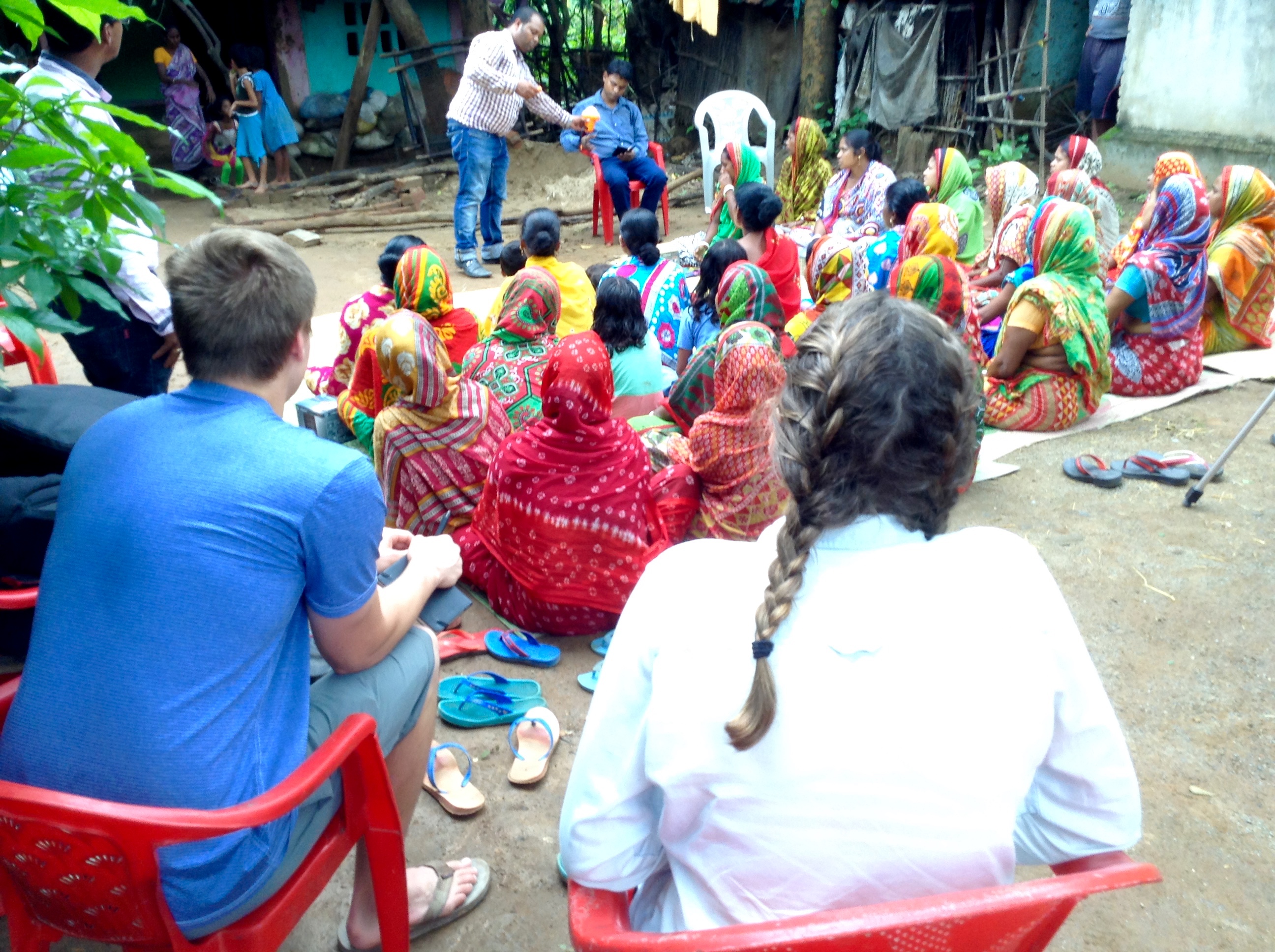
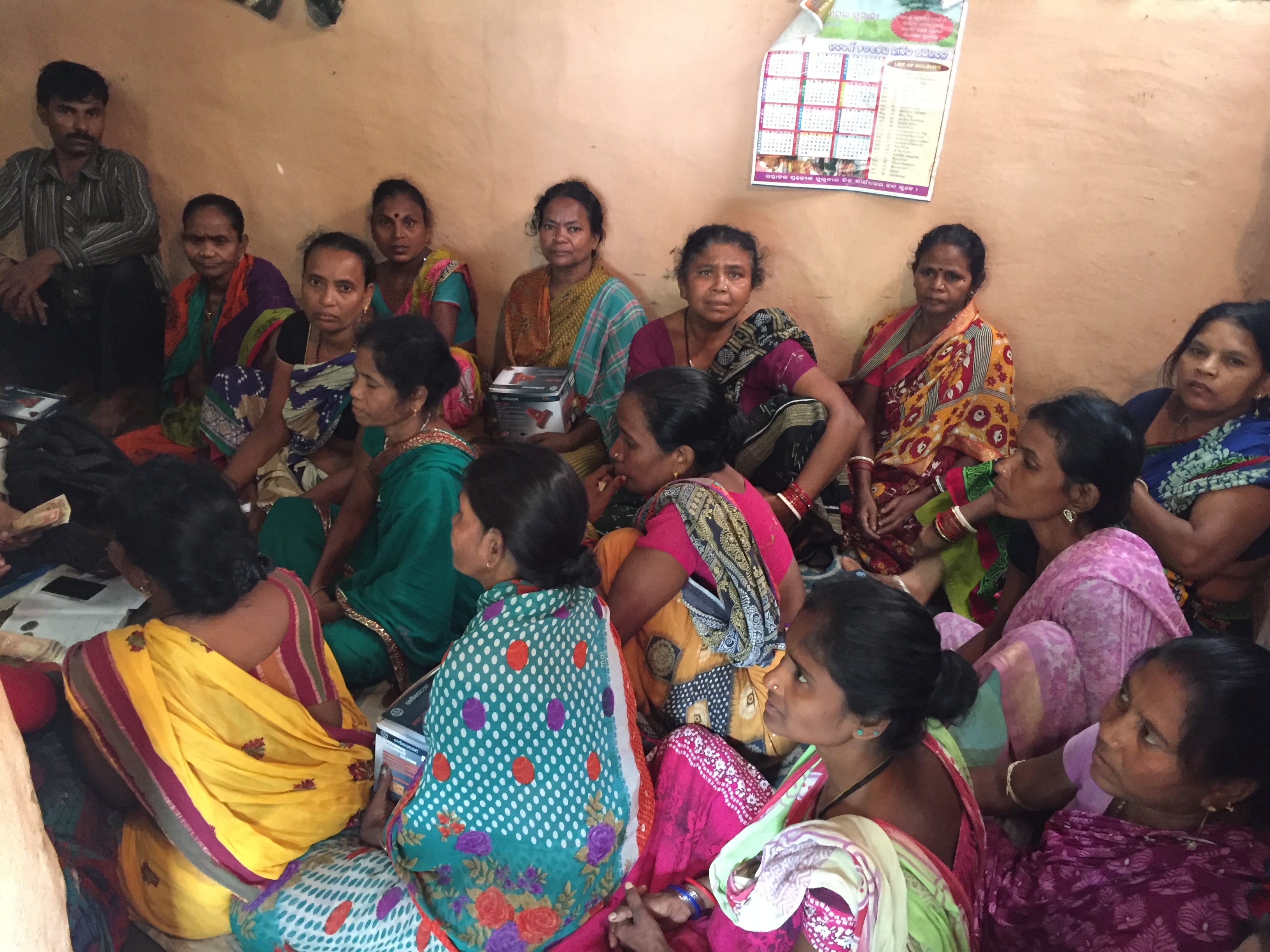
A women’s joint liability group during their weekly meeting

Moving forward in my own life, I will continue to carry the learnings from this fellowship forward with me into my career and personal life. It is looking like next year I will be working as a consulting analyst, which I am almost positive would not have occurred to me as a possibility a year ago today. I’m excited to apply what I’ve learned from working with ONergy and the Miller Center to this work, and learn new skills along the way. This experience solidified for me that I like fast-paced work with tangible goals, where I’m working for a cause I care about. 
img_3786-min

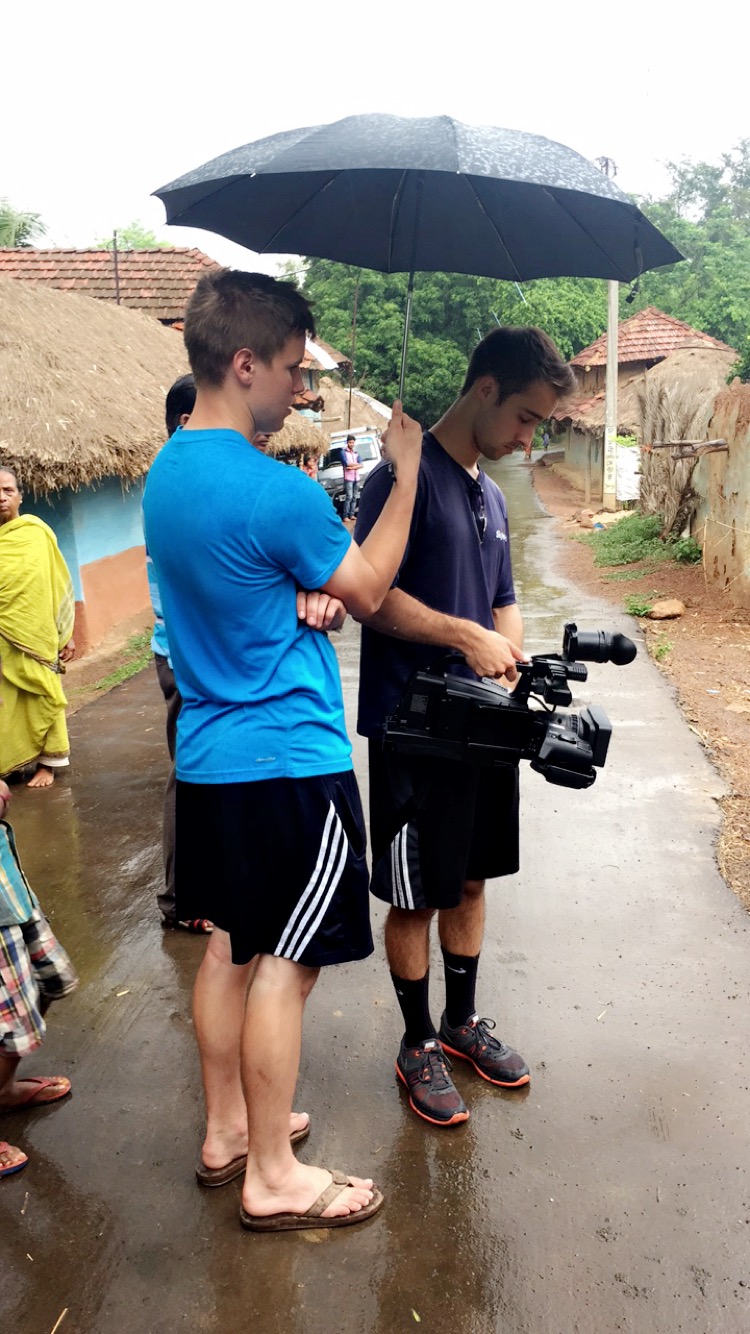
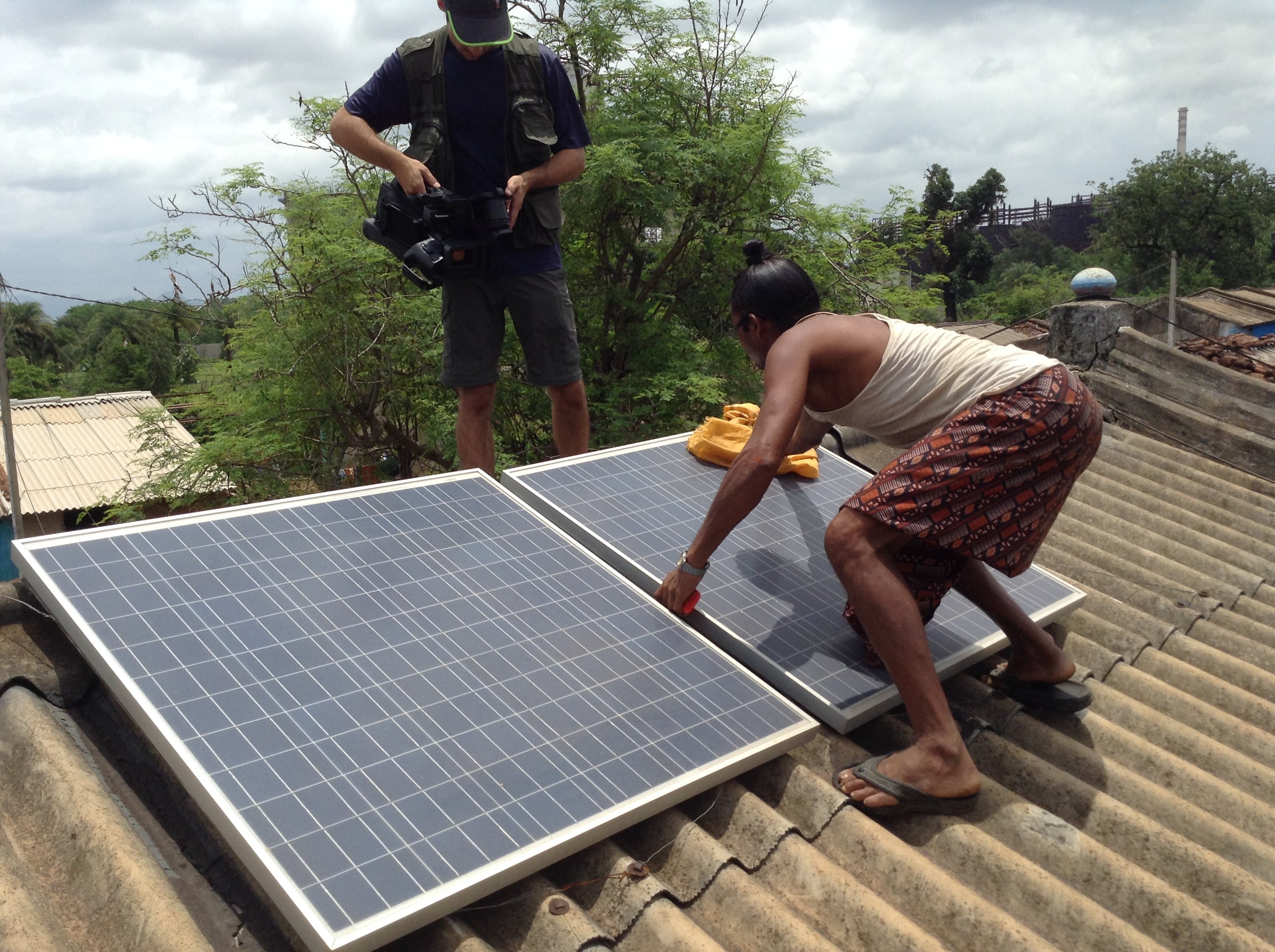
Nate films a village entrepreneur clean his solar panels

Throughout my life, I will continue to find ways to engage with social entrepreneurship, and pursue opportunities for future research or work in the area of sustainable off-grid development. Right now it is difficult for me to discern which is more important to me; the adoption of renewable energy technologies in the US or in off-grid communities around the world. However, I feel well-equipped to work towards either, or both, of these goals given the experience and skills I have gained from this fellowship and my studies. I have no doubt that I will find ways to engage with both off-grid development and “greening the grid” during my career, and I am excited to find out how.
img_7755-min

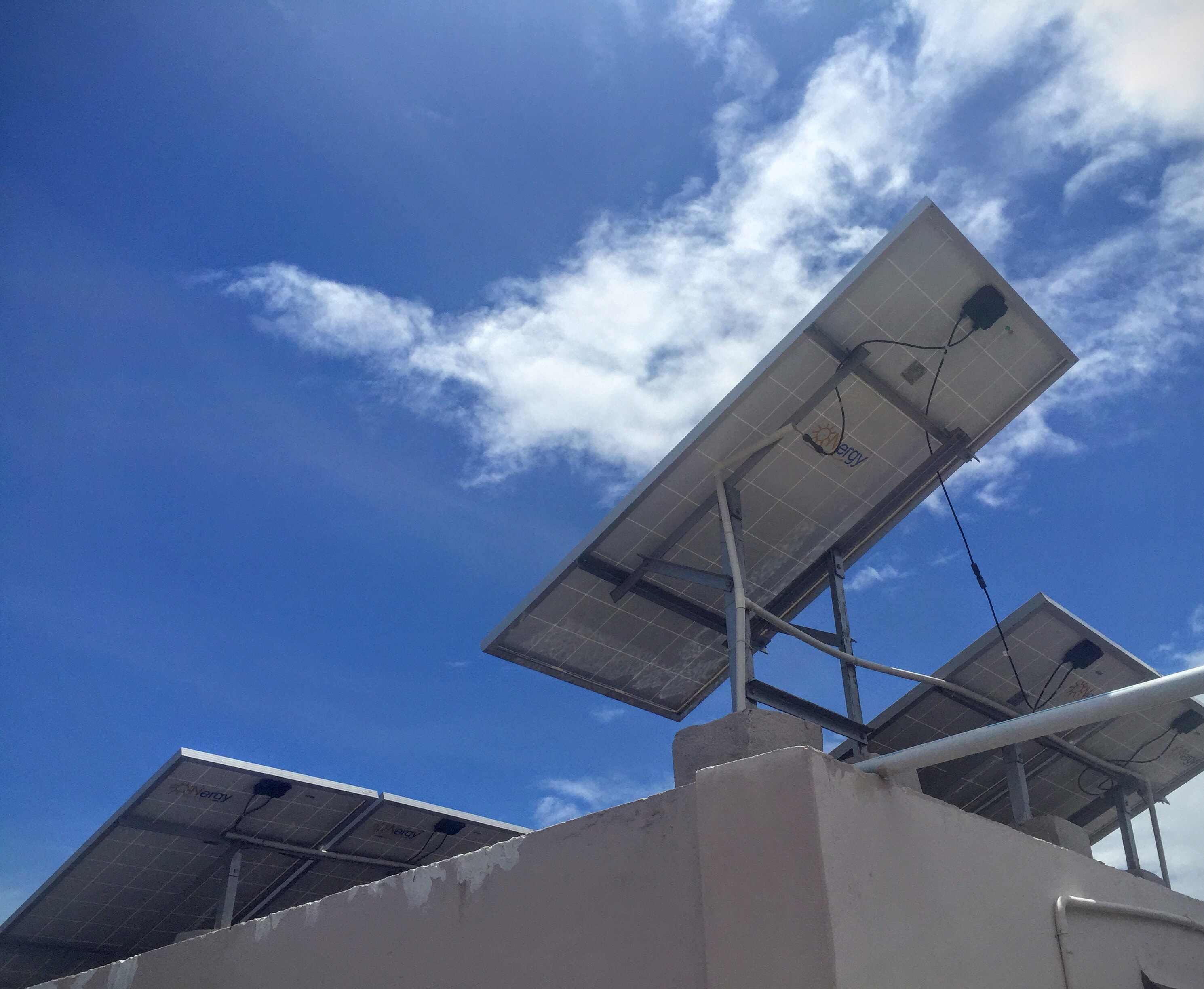
ONergy solar panels on the roof of a high-rise apartment building in Kolkata
 

Posted in Uncategorized | Leave a comment

Feeling Human

The other day, a few of the other fellows and I were commenting on the fact that we have now been back in the US longer than we were in the field. At this point, the experience feels so distant, but still plays such an important role in my understanding of where I want to be in the future. I have now decided to focus my honors thesis on the role of microgrids in addressing energy poverty; a topic I never would have landed upon before seeing ONergy’s work with solar microgrids. I’ve also realized that I enjoy being in a consultant role. I function well listening to the needs of an organization, identifying opportunities, and developing a plan to address those opportunities with a largely self-driven—or team-driven, in this case—project.

9655f202-666d-4a7e-aa96-c95999d8e06e

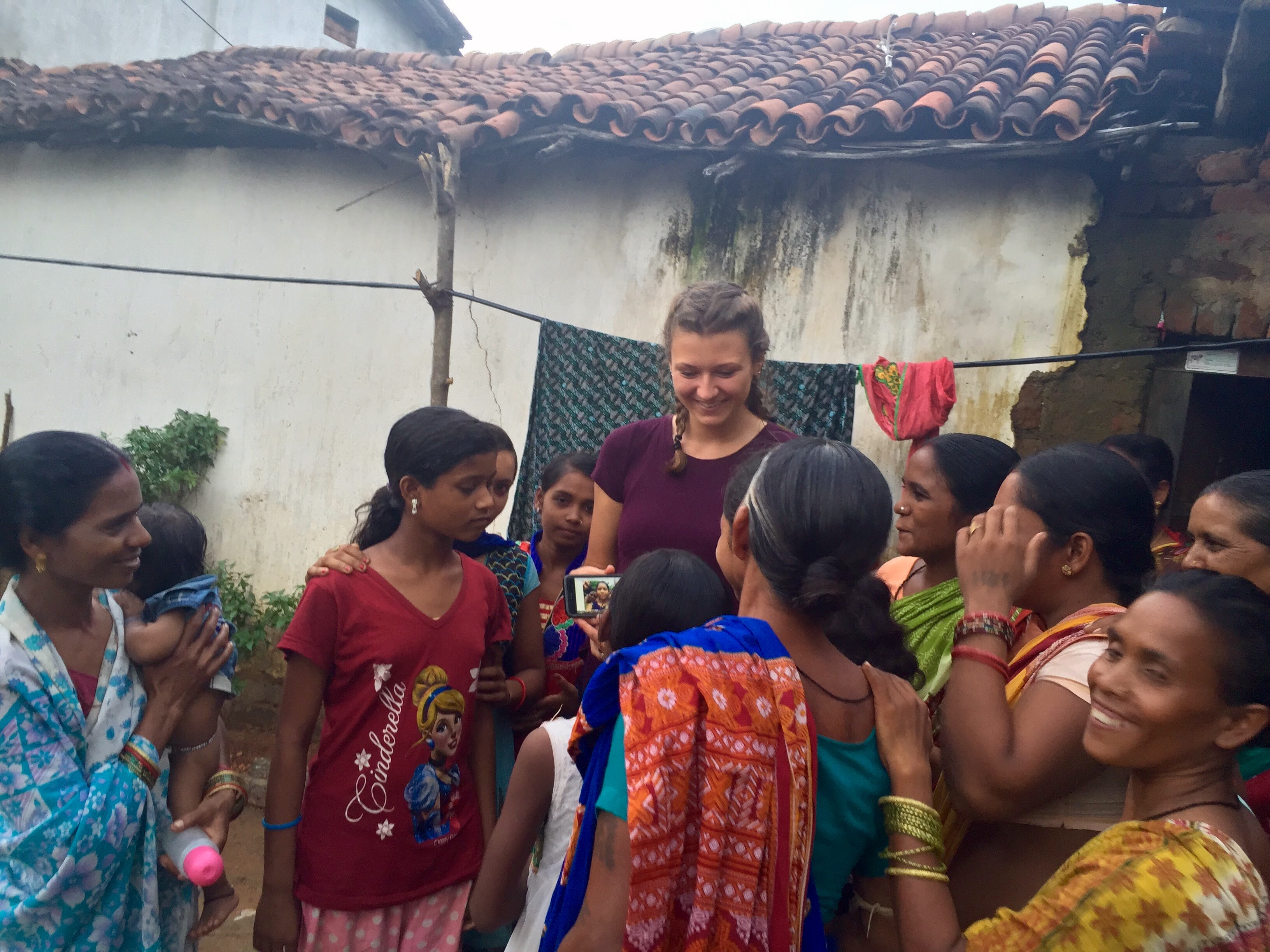
Showing a group of women in Odisha pictures of my family

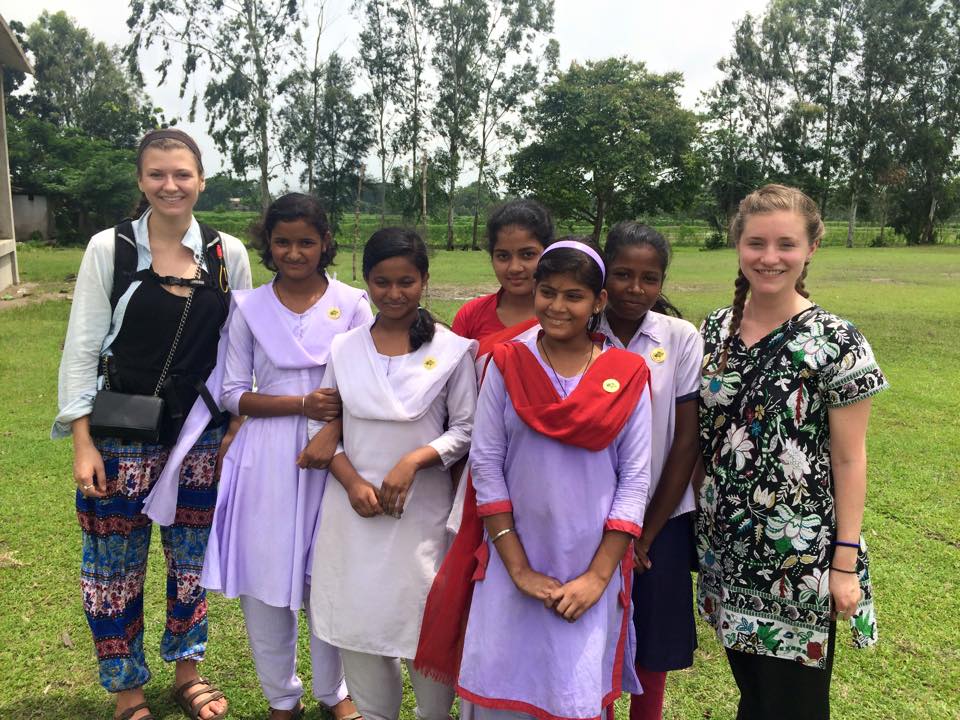
These insights transfer directly into my job search post-graduation, but do not reflect the other type of learning I experienced while in India this summer. At a most basic level, I learned more about our ability as humans to connect with people despite cultural, linguistic, and age differences. I jokingly told friends at home, “two things that can cross any language barrier are a smile and a picture of my cat,” which I found to be true throughout my experience with villagers in various regions of West Bengal and Odisha.

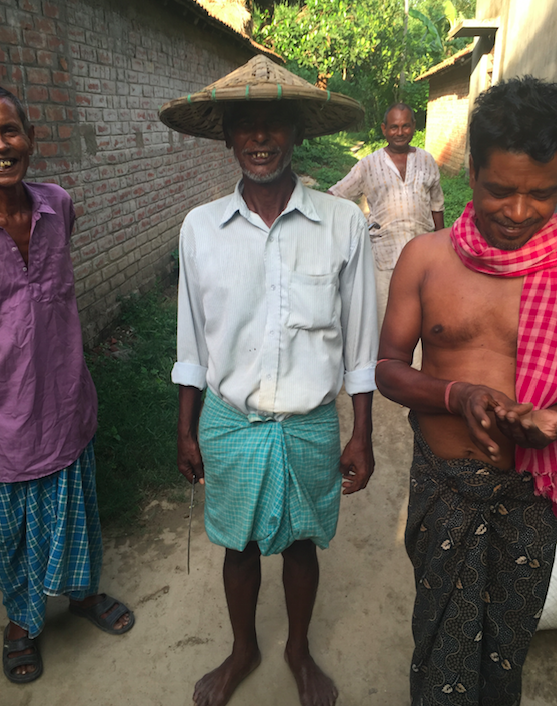
We were lucky to be able to start our field research almost immediately upon arriving in India. On the first Monday of work we were already on our way to Murshidabad, West Bengal to visit a village that recently installed a solar irrigation pump. The farmers there led us out to their fields and gathered around as we asked questions about the pump and their farms. One by one, we interviewed the farmers in the hot sun as the others patiently watched, despite it not being the usual time of day they would be working the fields. They went out of their way to make us comfortable, offering to hold an umbrella over my head to shield the sun as I interviewed them. They joked with us constantly, using the few English words they knew.

screen-shot-2016-09-30-at-4-39-20-pm

Rabin and his “helmet”

We spent the afternoon laughing and enjoying their company. One of the farmers, Rabin, came up to us with his hat on saying, “this is my helmet!” He started cracking up, and so did we, reminding me that humor is nearly always the best way to connect with someone, even if you’re not completely sure what you’re laughing about. After the interviews were done the farmers started giving us gifts of their produce; I ended up with about 20 cucumbers that I could barely fit in my backpack! Then, they insisted on showing us around the village, so we got a tour for about an hour and met nearly every person, including the village leader.

We all felt incredibly lucky to have had such a great first field experience, though as our visits to new villages got shorter and more rushed, we started to lose sight of the connections we felt with villagers before. We started to feel like our research was very one-sided, and we were simply extracting information from people who may or may not want us there. After recognizing this issue, we reached out to our mentors for advice, and were reminded to show pictures of family and friends before we started interviews to make them feel more comfortable and ensure information was being shared both ways.

Immediately after starting to do this, we realized a difference in how comfortable people were with us and on camera. I always made sure to go out of my way to show photos from home to women, who were especially excited to see my family. Usually, they wanted me to take a few pictures with them on my phone, which we scrolled through and laughed at. These small moments of bonding with people before interviews were invaluable. I have never felt more human than in those moments when I was laughing with someone from halfway around the world who had such a different life than my own. I learned a lot about relating to people by observing PJ when he was with us, because he can honestly connect with anyone. He consistently had a group of about 20 people surrounding him, and spent at least an hour hanging out with a village leader while we were busy interviewing in a village in Odisha.

img_3821

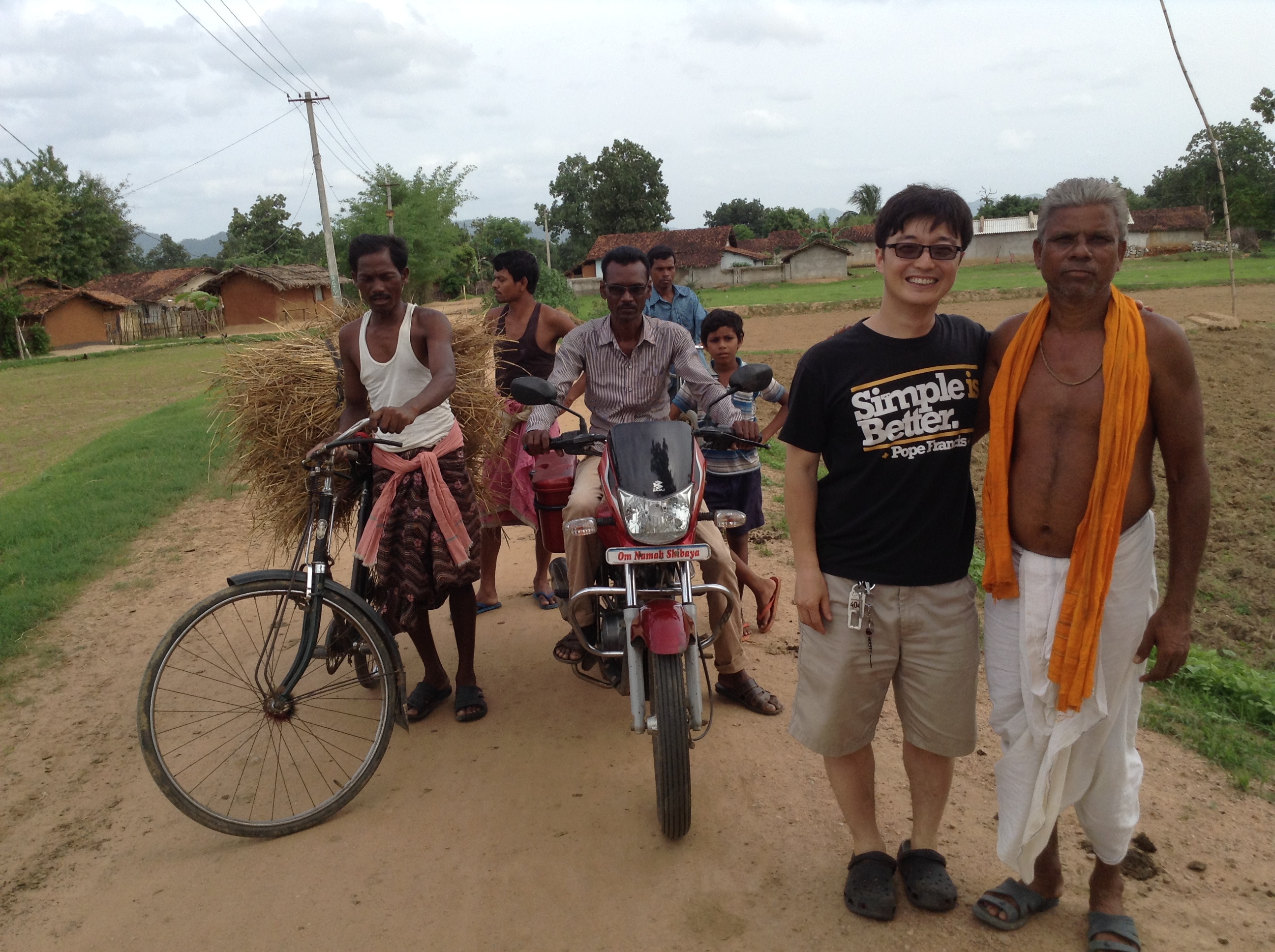
Me and PJ in a village in Odisha, India

All of these moments taught me about myself, the lives of rural villagers in India, and how we relate to each other. Cross-cultural communication is hard, and it’s a lot easier to sit back and avoid having that awkward half-conversation that takes place when you don’t speak the same language, but feeling that connection with another human being is worth taking that risk. The people I met were not helpless, they were smart, compassionate, and skilled problem-solvers. I often felt conflicted leaving villages for a hotel room with air conditioning and running water, and I’m sure that’s a feeling that I’ll continue to have in the future, but I now have a deeper understanding of the depth and complex identities of the people that live in rural India. I hope to have similar encounters in the future that strengthen my understanding of what it means to be human.

img_3740

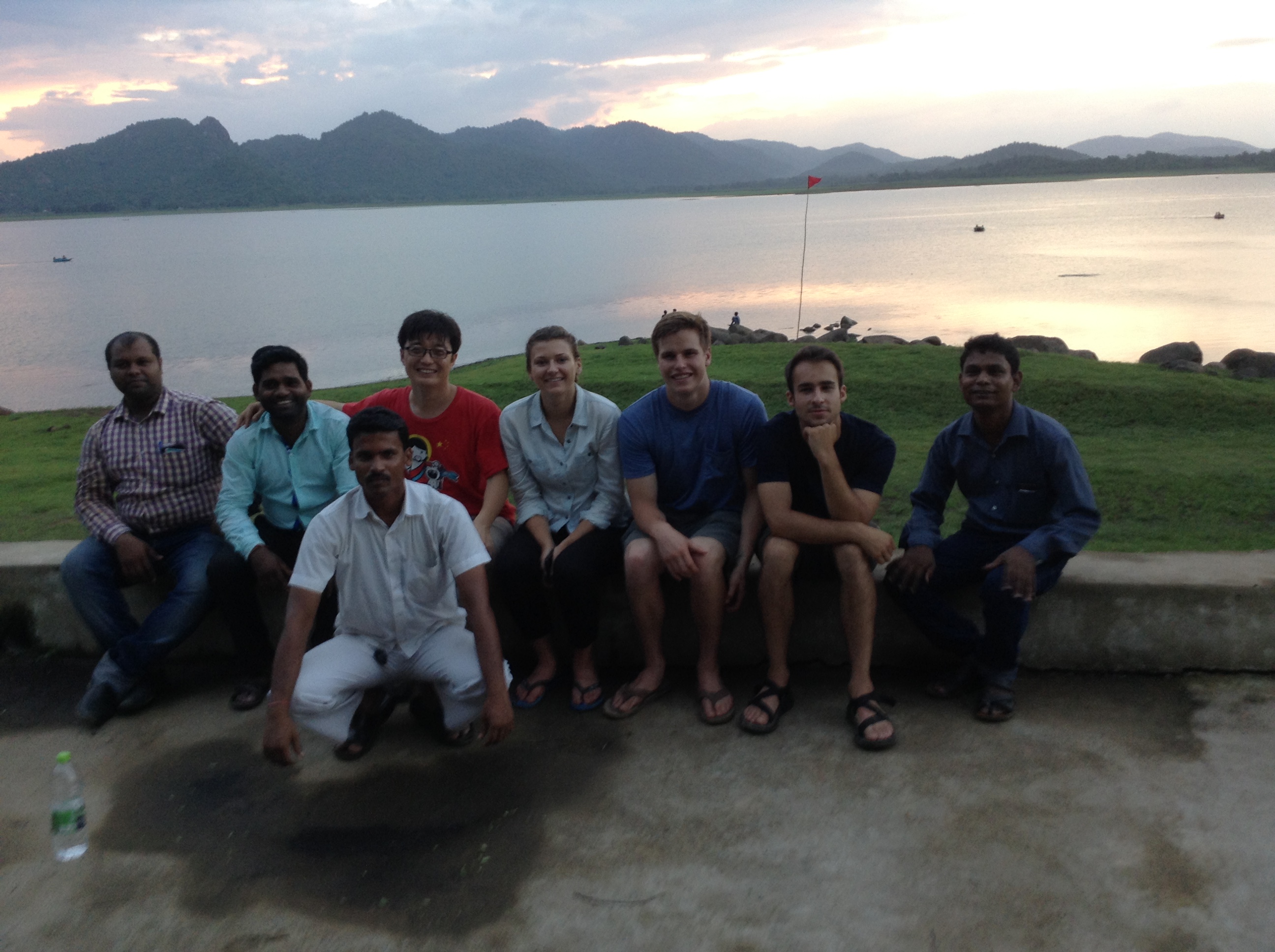
ONergy and MFI employees showing us a park in Odisha with PJ and our driver

Posted in Uncategorized | Leave a comment

Another summer in Kolkata

A few things I’m grateful for: my team, air conditioning, uber, bug bites that don’t itch, and hotels that have hot water.

A few things I miss: fresh vegetables, fresh fruit, ice, always having access to toilet paper/toilets, animals I can pet.

A few things I could live without: humidity, ear infections.

IMG_6862

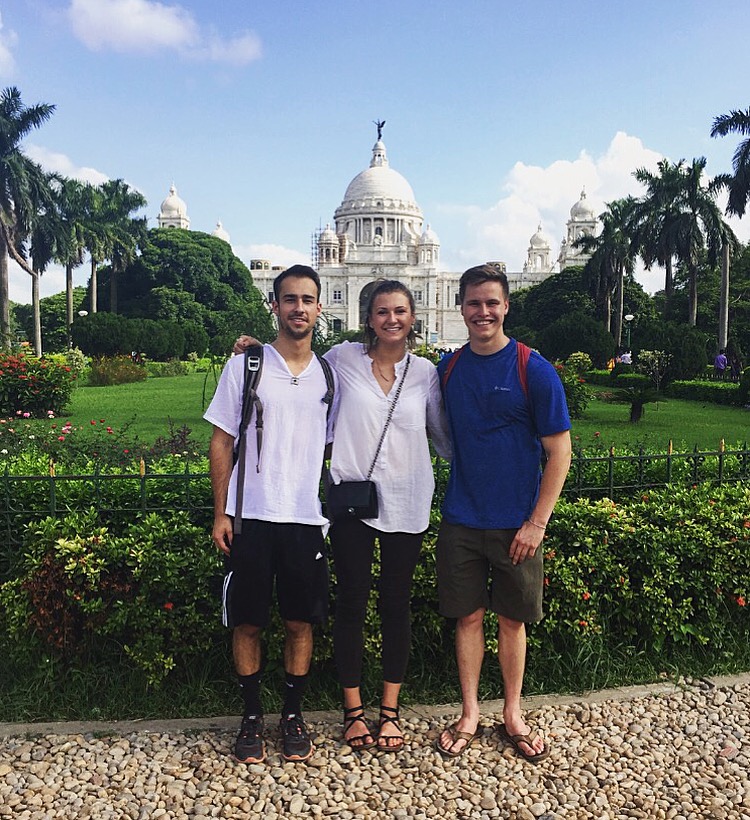
Visiting the Victoria Memorial with the guys

I’m happy to say my experience in Kolkata so far this summer has been unique. When I first found out I was headed back to the same city I lived in last summer, I was a little worried I might just be repeating the same experiences all over again. Luckily, with a new team and a new fellowship, it feels less like I am having the same experiences and more like I am building on the previous ones. It was nice to come back to a place where I already had friends and connections, knew how to get around, and most importantly, knew what to expect from the weather. I spent last summer here without AC sweating 24/7 (I wish I was exaggerating), so I spent the months leading up to this summer mentally preparing myself for the worst combination of heat, humidity, and pollution. To my surprise, the heat this summer has been a little more bearable, and having AC has truly changed my life.

IMG_3954

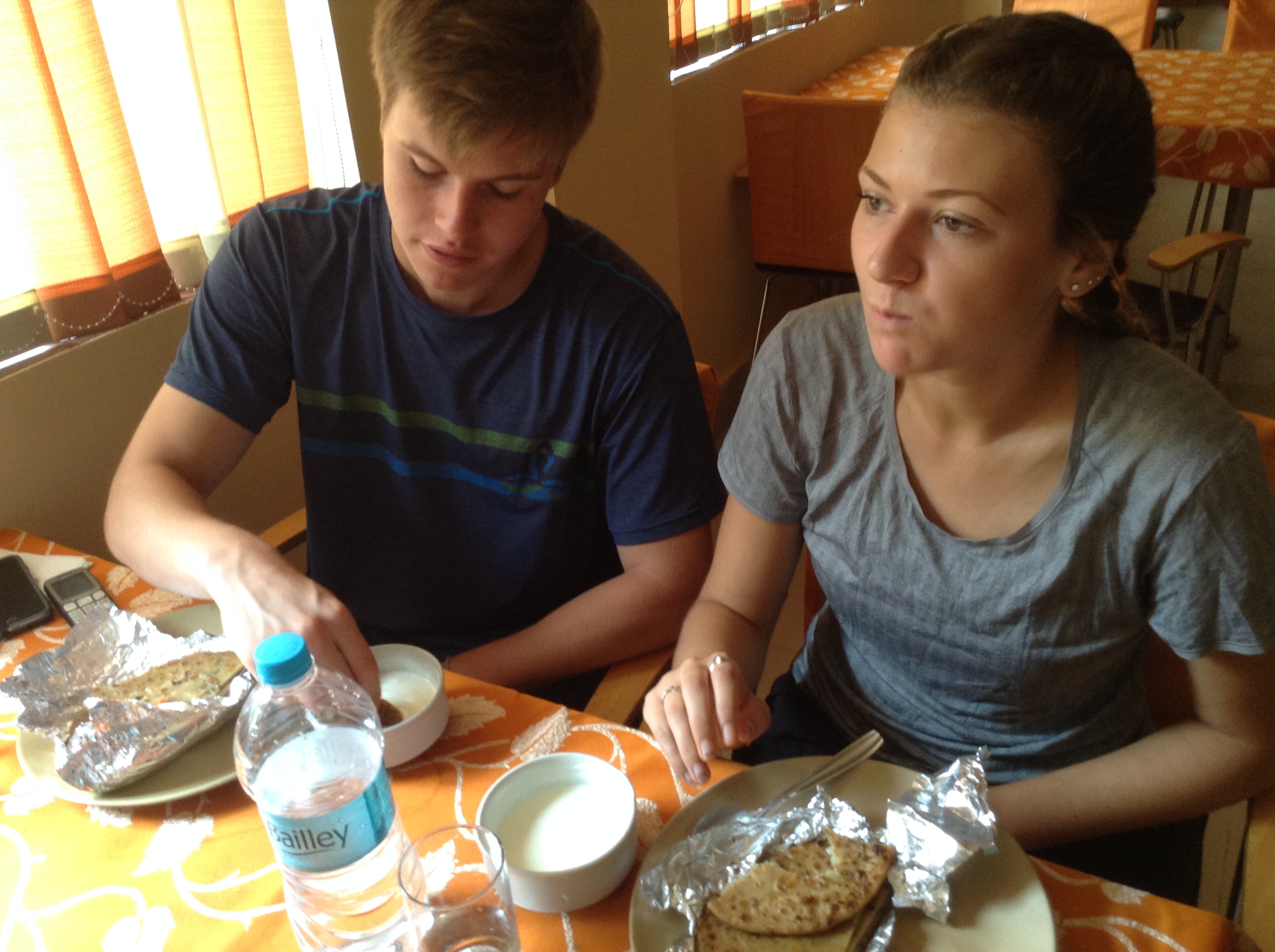
The moment I realized Aloo Paratha and curd was my new favorite breakfast dish

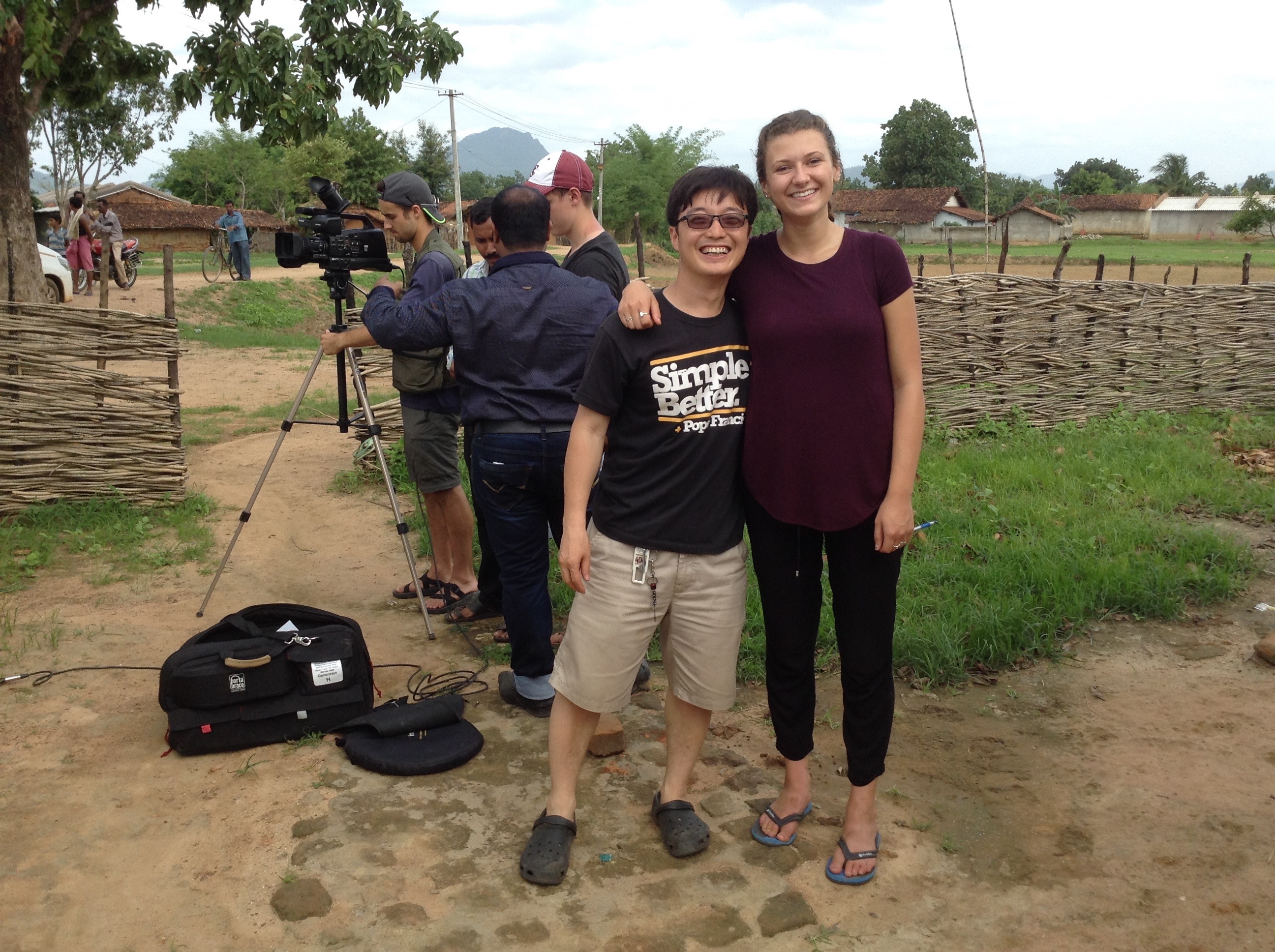
I’d also like to say that I’m really happy I got placed with Nate and Carson for this research. We’ve gotten to be close friends, and I feel comfortable talking to them about my feelings about anything. I also feel like I owe them a million favors after they went so far out of their way to help me get medicine and see a doctor when I had an ear infection. I’m glad we get along so well and work well together, but mostly I’m glad I’m the butt of all their jokes instead of some other poor soul. Carson is currently compiling an arsenal of ugly pictures of me that I can only imagine he’s holding onto until my birthday when he decides to go public with them.

On another note, I’ve realized encountering extreme poverty on a daily basis is not any easier the second time around. The first few days here I was constantly circling observations through my head, looking for answers, and realizing I didn’t have any. I brought with me the journal I kept during my time in Kolkata last summer, and decided to read through that at the end of our first week here. I couldn’t believe that a year earlier I had written down the exact thoughts that were in my head, almost word for word. A year had passed and those thoughts and questions about the world had completely left my consciousness when I went back to my familiar life in Santa Clara. A year later, I didn’t feel much closer to having any answers about the injustices in the world and my place in it.

IMG_7051

Filming a solar water pump


Luckily, I am at the very least starting to get some answers about the impact of solar energy on rural populations here. We’ve been able to interview farmers who are saving money on diesel by switching to solar irrigation pumps, teachers and students who no longer have to worry about power cuts with solar powering their schools, fathers and mothers whose children can now study using solar lights, and women who no longer have to pump water for their households by hand since the installation of solar powered water pumps. We’ve spoken with engineers who are passionate about the potential of renewable energy, and government officials who are proud to bring energy solutions to their communities.


Of all the interviews we’ve conducted so far, I think my favorite is one we did with the principal of a school that has had a solar rooftop installation for about 8 months. We spent a while talking to him in his office before the interview, where he expressed the pride he

IMG_3656

Sitting in on a women’s joint liability group meeting in Odisha

feels for his school and his confidence in renewable energy as the future of India’s energy system. His excitement was infectious, and I felt like that simple conversation reconnected me with the reason I chose to study the environment and renewable energy solutions. It’s easy to lose sight of the big picture when we’re so focused on our specific deliverables, but hearing this man reflect my feelings about the need for a drastic shift away from fossil fuels grounded me in a way I haven’t lost sight of since that conversation.

In the midst of all of our research, which has been basically non-stop since our first week here, we’ve had some pretty funny moments that I’ll share to end this post:

  1. On one of the first days we were here our uber driver abruptly pulled over to the side of the road, disappeared, and a few minutes later returned with his mom, wife and baby so he could introduce us to them.
  2. “Team bonding” for ONergy employees basically means having a dance party at work.
  3. Some people go to extreme lengths to stare at us when we’re walking down
    IMG_3824

    PJ making friends with the village leader

    the side of the road—I saw a guy almost fall out of a moving bus because he was leaning so far out the window!

  4. I had an ear infection in Odisha and when we asked to see a doctor the employee we were with told us he’d take us to a specialist…and we ended up at a gynecologist’s office.

These obviously don’t seem as funny as they were in the moment, but they are a small glimpse into the kinds of ridiculous experiences we’re having here in India that we wouldn’t have anywhere else. It’s sad knowing we only have two more weeks left here in India, but I wouldn’t trade the time I’ve had here this summer for anything.


Posted in Uncategorized | Leave a comment

How I got here

The travel bug

At the ripe young ages of 30 and 35, before us three kids were in the picture, my parents decided to quit their jobs as lawyers in Seattle and travel around the world for two years. They had no real plan; only that they would continue to travel until they ran out of money. I grew up hearing stories of their adventures—including the time they were stuck in the back of a truck somewhere in Africa with an angry duck and some soldiers with AK-47s—and seeing pictures of the incredible places they got to explore.

Traveling was a huge part of my childhood; my parents made family vacations a priority and my dad had a job that took him all over the country, so my siblings and I were often brought along for the ride. Our vacations included laying on beaches, visiting historical sites, and meeting up with family members, but mostly, they involved hiking. I can’t even begin to count the number of hikes I was taken on growing up, willingly or not.

IMG_5585

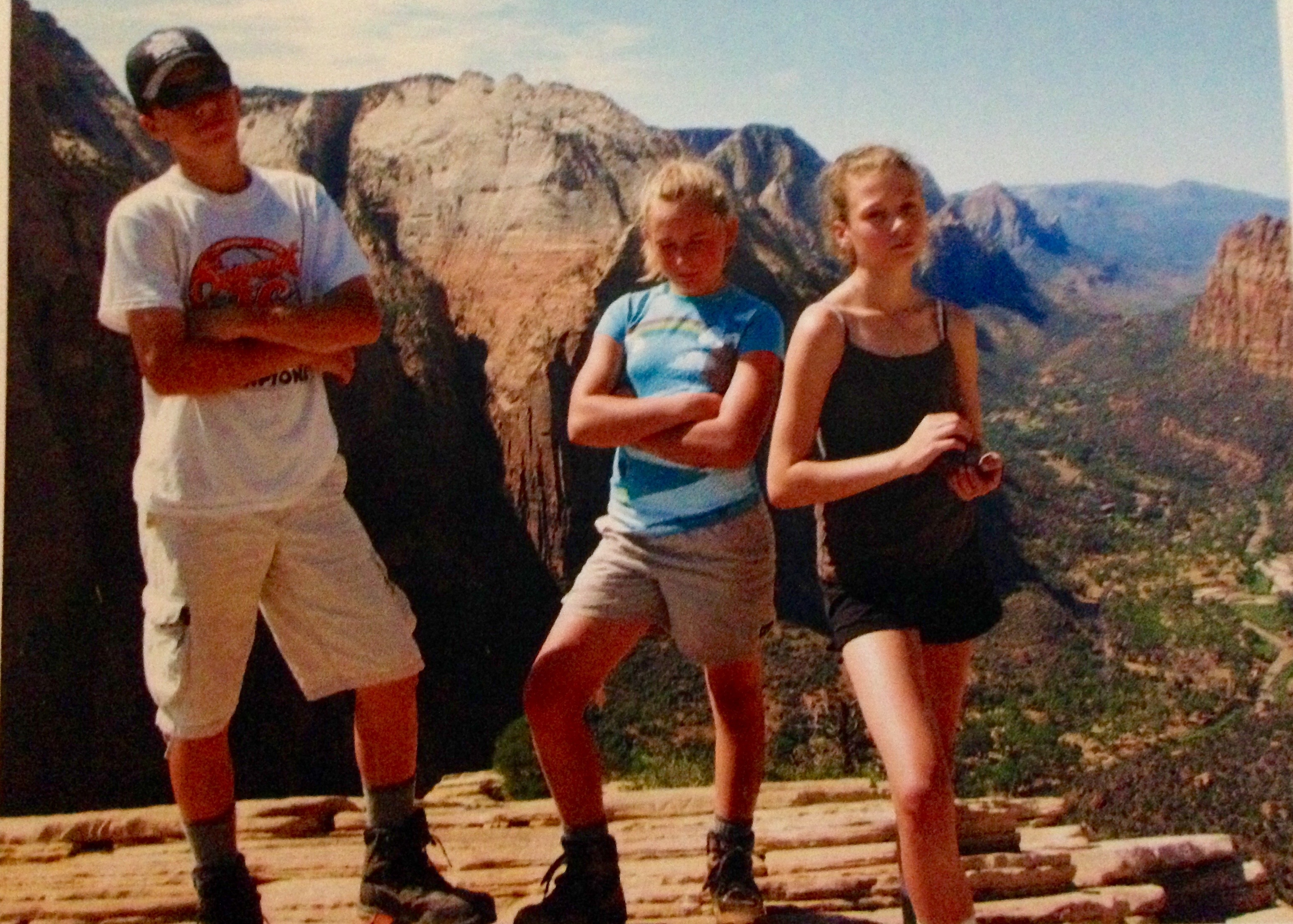
Me, my brother and our friend Hannah on top of Angel’s Landing in 2007

Some of the highlights include hiking down to the bottom of the Grand Canyon at 11 years old in 111 degree heat, spending the night, and hiking back up the next day, and on that same trip doing the Angel’s Landing hike in Zion National Park (on which six people have died in the past ten years, but apparently that wasn’t reason enough for my parents to stop us from doing it as children), which you can see in this picture of me, my brother and our friend Hannah being typical pre-teens at the top of one of the most amazing hikes in America.

My parents raised my siblings and me with a lot of trust and freedom. So much freedom, in fact, that when my 10th grade math teacher asked what my parents did behind the scenes to make my brother and me so successful in school, and I told her they didn’t even check our grades, she was completely shocked. We always knew growing up that it was our responsibility to work for what we wanted, and being the middle child between two high-achieving siblings certainly made me work harder than I would have otherwise. My brother, Dominick, is one year older than me, so keeping up with him pushed me to do my best in school. It was a constant competition in my mind— although I’m sure he couldn’t have cared less about it—and it led me have the kind of drive I have today.

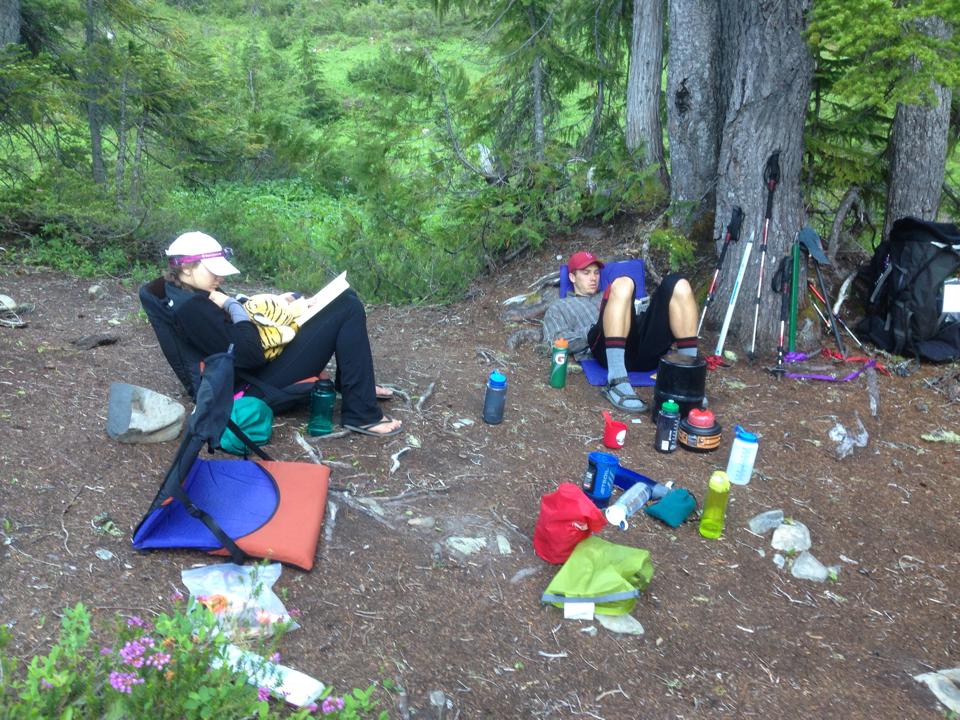
Camping

Reading at the campsite with my brother on a family backpacking trip

Interestingly, without any conscious effort on the part of my parents to steer us toward environmental careers, my siblings and I have all opted to study fields relating to the environment and see climate change mitigation as a top priority. I’m not sure if our exposure to the beauty of the earth and the environment through hiking and other outdoor activities growing up had any influence in this arena, but I am sure the values instilled by our parents have led us all to care about the future of our planet and its people.

Identity

belle

Playing “Belle” in my high school’s production of Beauty and the Beast

In high school, I knew exactly who I was. I was a ballerina who regretted quitting basketball, I was “book smart” but not “street smart” according to my friends, I was a singer and an actress, and I was, of course, “Dom’s little sister.” I was very comfortable with this identity, but I never realized how shallow my sense of self was until I stepped out of this carefully crafted identity and had to form a new one based on things other than hobbies.

In college, everyone has to choose which activities from high school they are going to continue, and which ones will be left in the past. For me, this meant essentially letting go of parts of my identity. I quit ballet senior year, I did not intend on pursuing a future in musical theater, and I could no longer benefit from the fact that people associated me with my high-achieving and personable brother. At first, all I had to cling on to from who I thought I was, was being “smart.” It wasn’t as dramatic a time as I’m making it sound, because I didn’t even realize I was going through this kind of identity transition until looking back on it later on, but subconsciously I was clearly looking for new ways to define myself.

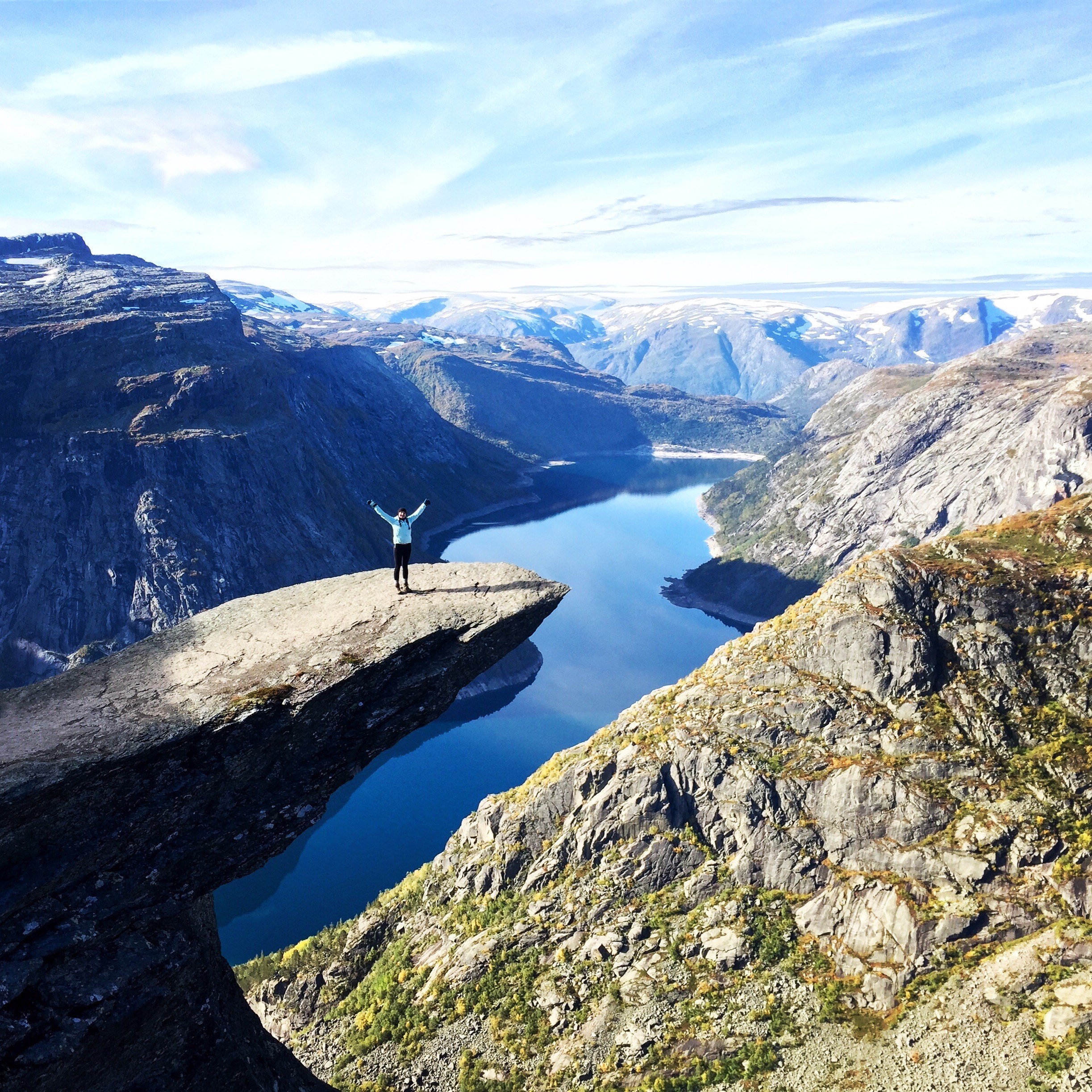
IMG_3149

Exploring Norway while abroad

My first year in college was spent exploring new areas of study in an attempt to nail down a major. Luckily, I stumbled into an environmental studies class and realized then and there that I wanted to focus my attention on this field. Sophomore year was spent searching for opportunities to travel; something that Santa Clara certainly doesn’t lack. I applied to study abroad in Copenhagen, Denmark on a sustainability program, and at the same time applied for the Global Fellows program which led me to spend six weeks in Kolkata, India working for the Association for Social and Environmental Development (ASED) during the summer after my sophomore year. Suddenly, I had discovered a more meaningful sense of self. I now saw myself as someone passionate about the ways in which social and environmental problems can be solved in tandem.

India

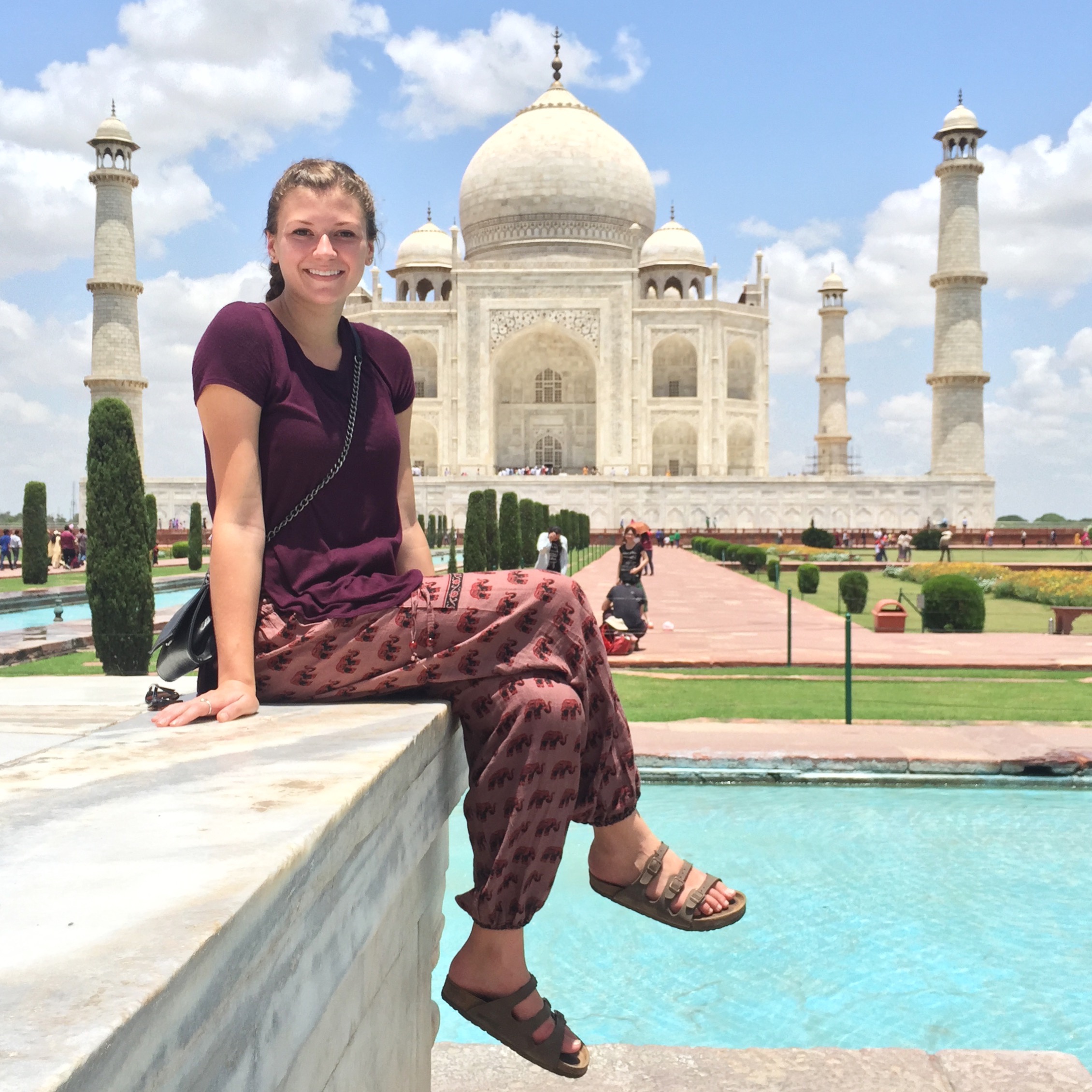
IMG_1849

Visiting the Taj Mahal

As Global Fellows working with the nonprofit ASED last summer, my partner and I were tasked with creating a promotional video for the organization with the aim of generating more funding for their Green Rhinos program. The program is designed to educate students in rural and urban schools about biodiversity and the environment, and then guide them to develop and carry out a conservation project of their own over the span of six months. When we were there last summer, the Green Rhinos in five schools in the Sundarbans, a rural area on the coast of West Bengal, were well on their way to planting and maintaining 20,000 trees.

We spent the majority of our time in Kolkata, but we visited the Sundarbans for four days, and I can easily say it was my favorite part of the entire experience. We stayed in a school in a small village that has no access to the electricity grid, but many schools and houses have solar panels on the roofs to provide energy for light and, in some cases, televisions. We began asking our coworker a lot of questions about the desires and needs of the people living in the village, as we couldn’t quite wrap our minds around why a family would choose to invest in a TV over essential items like pots and pans. Our coworker seemed a little stumped himself, but said it just depends on what they value the most.

GR

Visiting the Green Rhinos in the Sundarbans

Visiting the schools and speaking with teachers and parents led us to another discovery about what was actually valuable in this village. We found that despite the teachers caring that the children get educated about the environment, a more immediate concern was the fact that without light in the schools they could not teach on a cloudy day because the students couldn’t see the blackboard. Our boss had told us earlier that the Green Rhinos program used to give solar lamps to children to study, but they had to stop because people were asking for more and more and they could not provide that many without losing money. I found out later that the supplier of these solar lamps was ONergy, the company I will be working with this summer as a Global Social Benefit Fellow.

After these four days in the Sundarbans, I became very interested in the impact energy access has on the lives of rural populations; something I hadn’t honestly given much thought to before, despite a lot of my education being focused on renewable energy systems. Before, I mostly thought on the large scale of whole countries transitioning to renewable energy systems through policies and mandates, but I realized that I honestly care a lot more about working with communities who currently lack access to energy and learning about how technology can best be implemented to improve lives.

The GSBF was something I’d had in mind since before applying for Global Fellows, and after my experience in India I knew that I wanted to work with a social enterprise focused on providing clean energy to populations lacking access to the current energy system. Despite telling my parents I would look for an internship in the Seattle/Olympia area next summer, since I had been away from home so much over the past year after going abroad in the fall, I couldn’t let the opportunity to apply for the GSBF slip past me. My parents understood and supported me wholeheartedly; especially after I reminded them that it’s their fault I have such a desire to travel. I am extremely grateful for their support and for instilling in me a sense of adventure and a willingness to learn. Ultimately, my love for adventure and passion for environmental justice led me to ONergy, and I am thrilled to be spending yet another summer in India.

Posted in Uncategorized | 1 Comment