Category Archives: Uncategorized

“FIND SOMETHING THAT MAKES YOU FORGET TO EAT AND SLEEP AND DRINK AND THEN DO IT UNTIL YOU DIE OF THIRST” -Atticus

I have always told people that I want to become a doctor. But it wasn’t until I got back from Myanmar that I realized being a physician –a healer –isn’t just what I want to do, it’s what I need to do. My vocation is my calling.
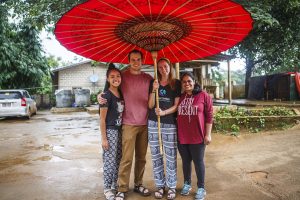
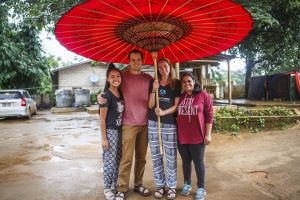
Athena, Emily, Steele, and I under an umbrella made by a family of paper makers. This has been their vocation for over a hundred years!

Omnipresent Lightning

My friends and I have a motto: “the women of Silicon Valley aren’t screwing around.” Yet, this summer, surrounded by some of the most ambitious people from all over the planet, I had the honor to observe the infinite paths and lifestyles that one’s passions may lead to. From the Myanmar mothers who sacrifice everything for the good of their babies to Mike Lwin, CEO of KKT, I quickly realized a spark in the eyes of most everybody I met, a spark that spoke to the lightning driving these people into a fulfilling future.
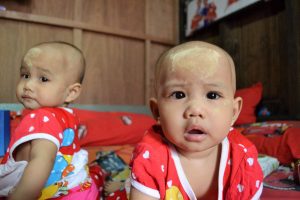
In my previous post, I said that “it was all in the eyes.” These babies offered us a beautiful glimpse into their souls, so bright and full of anticipation for their journey to come.

I talked about the beautiful people of Myanmar I met in my previous post, but here I want to recognize the men and women involved in the social entrepreneurship workplace, what I learned from them, and how this has influenced where I want to go. Immersing myself in the world of social entrepreneurship by consulting for KKT and witnessing daily the inner workings of the office, I came to appreciate the power of vocation with an emphasis in entrepreneurial thinking. Mike and the rest of KKT use their endless stores of energy and ambition to attack the seemingly impossible dream of disrupting the social equilibrium of Myanmar’s health systems via technology. This is their calling.

Having completed the fellowship, I now have a concrete definition for the conviction I have felt all along: if you have committed your life to bettering the world, if your very soul is anchored to the idea of positively affecting the lives of others, you can’t help but thirst for the tantalizing possibility that the world can, in fact, be affected through you. This is the lightning I found in others, and have now defined in myself.

I believe the manifestation of this lightning is inherently portrayed in social entrepreneurial thinking. This line of thinking requires one to recognize and take advantage of the opportunities around them to achieve the goal of social justice. This mindset asks of us consistent dedication to our callings, and therefore sources its energy from our souls. If our passion is at the forefront of our vocational mission, then we will never tire of finding new opportunities for change and world betterment, because our lifeline is so inherently dependent on our lightning.

Rediscovering My Lightning

Witnessing the systematic change resulting from the synergy between public health, technology, economics, and law was astonishing. This summer, the women and clinicians enthusiastically explained how KKT intuitively provided users with the agency to make better judgments, alter unhealthy behaviors, and access greater sources of medical care. I was impressed at the innovation which resulted from utilizing the already-present avenue of the smartphone and saw, firsthand, the possibilities personal technologies have in the future of public health and medicine.

Mike and his team work tirelessly to keep growing the social impact of KKT. However, at the beginning of the summer, I would look at Mike and think wow, I could never do that…I’m not capable of such ambition. I admired the goals of KKT, but became anxious that I did not foresee myself headed where Mike was. Social entrepreneurship dominated and overwhelmed my thoughts. It seemed to be the best and only answer to the world’s most pertinent problems, which led me to despair that I lacked aptitude and passion for what Mike was doing.  

Taken up in the fervor of enacting social justice through social entrepreneurship, part of me resolved to delay my path to medical school. After all, I am a college undergrad who has already had the honor of participating in social change in a magnificent way beyond the imagination of many. By observing, I had intentionally begun employing an entrepreneurial mindset in every area of my life. It made sense to continue with the momentum I had gathered. Mike had found the answer (social entrepreneurship), so I should follow suit. As such, I began applying for the Fulbright Scholarship upon my return from Myanmar.
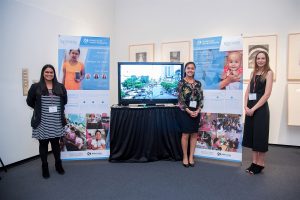
Our team at the GSBF Fall Expo! So proud of our work with KKT and to have immersed ourselves in the social entrepreneurship world.

I had a mission statement I was passionate about, the ideas to follow through, and my experience in GSBF. It was perfect: the daughter of Sri Lankan immigrants who fled a war-torn country now going back to help improve said country’s healthcare system. However, halfway through the process I found myself stressed, anxious, and distressed.

Why did I feel this way if I was pursuing the most logical next step? I soon discovered that it wasn’t what I should be doing, not yet at least.

One night before bed, I read Psalm 37:23: “If the Lord delights in [one’s] way, He will make [their] steps firm. Though [they stumble], [they] will not fall, for the Lord upholds [them] with His hand.” In the margins of my Bible, I had once written: “become a doctor.” That is when I remembered my adamant desire to go to medical school, to become a healer and work closely with individuals on a very personal level. My steps are secure because I know my desires are aligned with what the Lord has called me to. I then understood that when I felt anxious about spending a year abroad as a Fulbright Scholar, my soul was telling me to take a second look: I was distressed, but because my feet weren’t following my calling.

Instead of fixating on the obvious power and impact of social entrepreneurship, I recalled this summer’s action research and numerous interviews and interactions. I realized that I did not see myself fulfilling Mike’s role because that was not my role to fill. The Fulbright had distressed me because it wasn’t where I was to go at this time. My passion lies with social engagement at the personal level, ultimately through the avenue of medicine.  

The Last Stop

Like I mentioned in my previous post, I absolutely loved getting to know the people we interviewed and hearing their unique stories. It took a certain entrepreneurial approach (the power of a baby) to effectively connect with our interviewees, and my confidence grew as I began to understand more of who I am and how I can use my strengths and background to interact with new cultures, people, and environments. I realized that as a physician I will need to learn all I can about medicine, but no textbook can teach me how to heal another soul or how to use my gifts to affect change in the lives of other individuals. It takes, dare I say, unpredictable and profound experiences to shift one’s mindset to that of an entrepreneur.
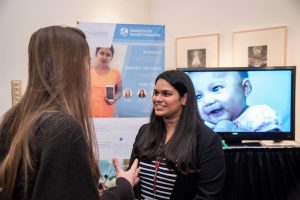
Having the time of my life at the GSBF Fall Expo! It was a thrill making new friends and communicating my summer experiences.

Working through the Fulbright application was essential for processing what had taken place over the summer. However, my fervor and excitement for social entrepreneurship momentarily distracted me from my calling to medicine. This summer was imperative to helping me make a resounding step towards my Medical Degree and changing the way I carry myself. I now see that the personal growth in the areas of confidence and determination I obtained over the summer will directly correlate to success in my medical studies and career as a physician.

So, instead of applying to the Fulbright, though I still intend to return to my homeland one day, I have been tirelessly and adamantly studying for the MCAT and am pursuing a cancer research position for my gap year before medical school. For now, I’ve decided to focus all my energies on becoming a doctor. Nevertheless, if GSBF has taught me anything, it’s that there is so much to be done in this world and there is so much I can do with the skills and life experiences God gave me. Besides, after I’m a physician, the world is my proverbial oyster, and I know God will help me discern where I should go and how to use my Medical Degree in conjunction with my newly discovered entrepreneurial mindset.

I can say without a doubt that becoming a physician is my calling in life, because when I say that, my soul rejoices and the lightning strikes.
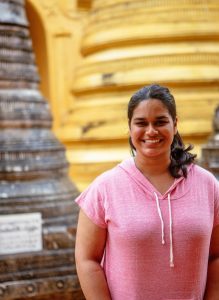
Look out world, there’s a future doctor in your midst…and she’s so ready! (taken among the golden pagodas of Myanmar)

It’s All In The Eyes

“Could the Burmese trade for themselves? Can they make machinery, ships, railways, roads? They are helpless without you. What would happen to the Burmese forests if the English were not here? They would be sold immediately to the Japanese, who would gut them and ruin them. Instead of which, in your hands, actually they are improved. And while your business men develop the resources of our country, your officials are civilising us, elevating us to their level, from pure public spirit. It is a magnificent record of self-sacrifice.” ― George Orwell, Burmese Days

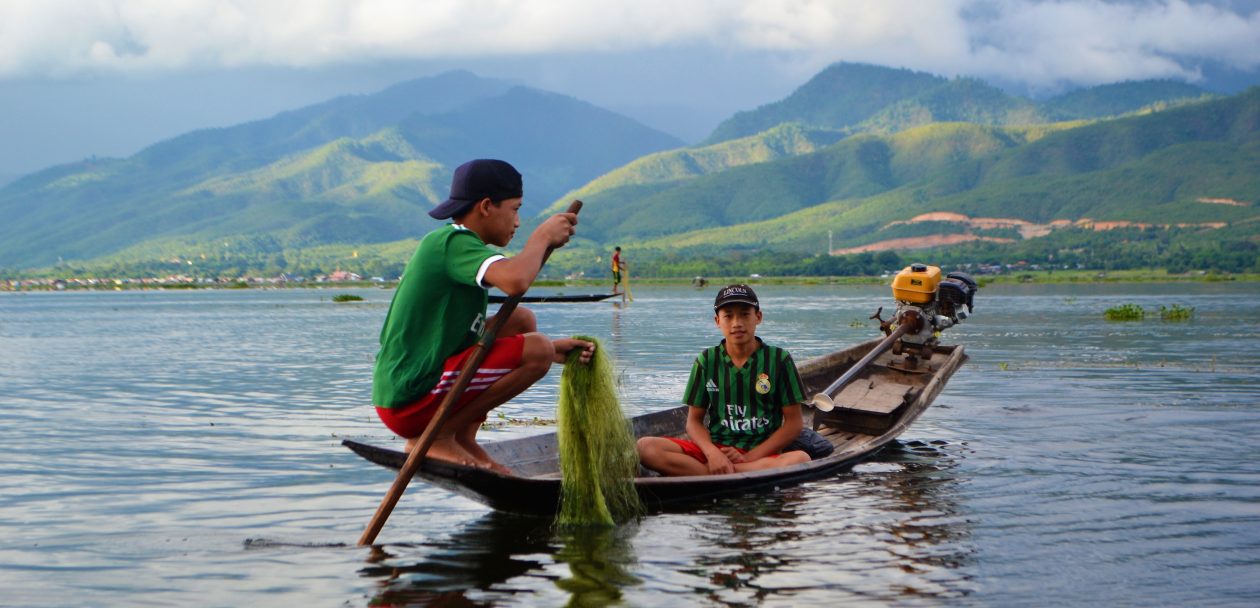
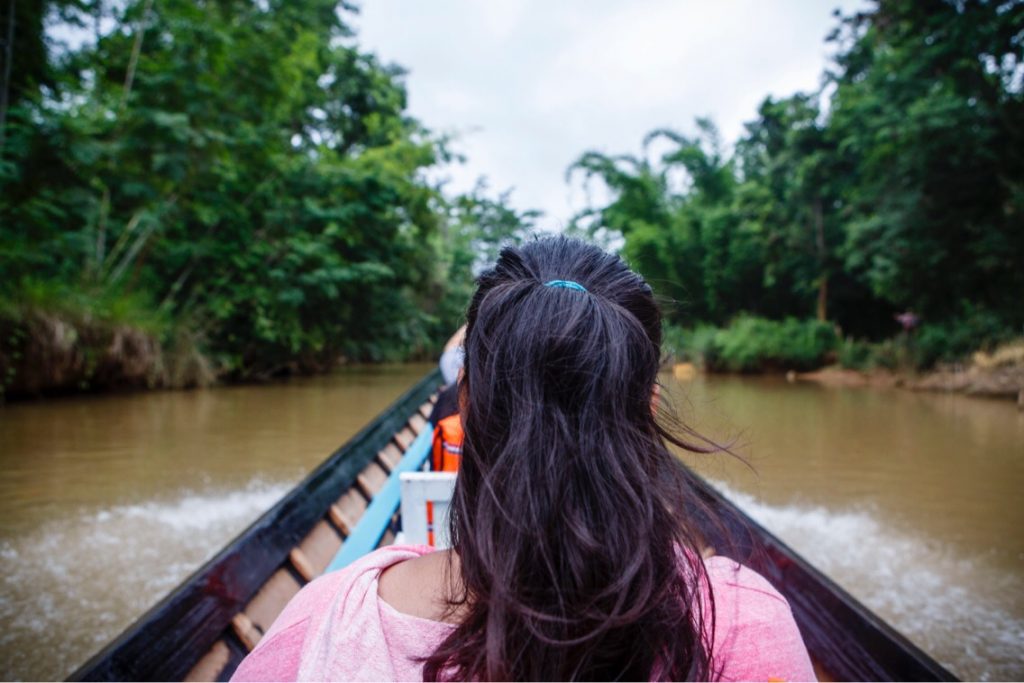
Feeling free as the wind and tranquil as the water on Inle Lake.

Yeah, I think I’ve heard of Myanmar…it’s near Brazil…right?

Before I left for Myanmar in June, none of my friends knew its location. However, now, in September, the Myanmar refugees are all over the news. Myanmar jumped from obscurity to unfavorable fame. Upon the change of its name in 1989, Burma lost its rich and tumultuous history. How many of us recall the books George Orwell wrote in the time of British colonialism–the warnings he had, the history he recorded? We do not realize that this Burmese history is, in fact, the same history of Myanmar. Burma was erased from this planet after once being the richest hub of Southeast Asian trade. Colonialism killed it. Yet now, Myanmar seems to be coming across hard times yet again with political and ethnic unrest. But what about the generations of people who have lived here? Who are they? Where do they belong? What stories hide in their eyes?

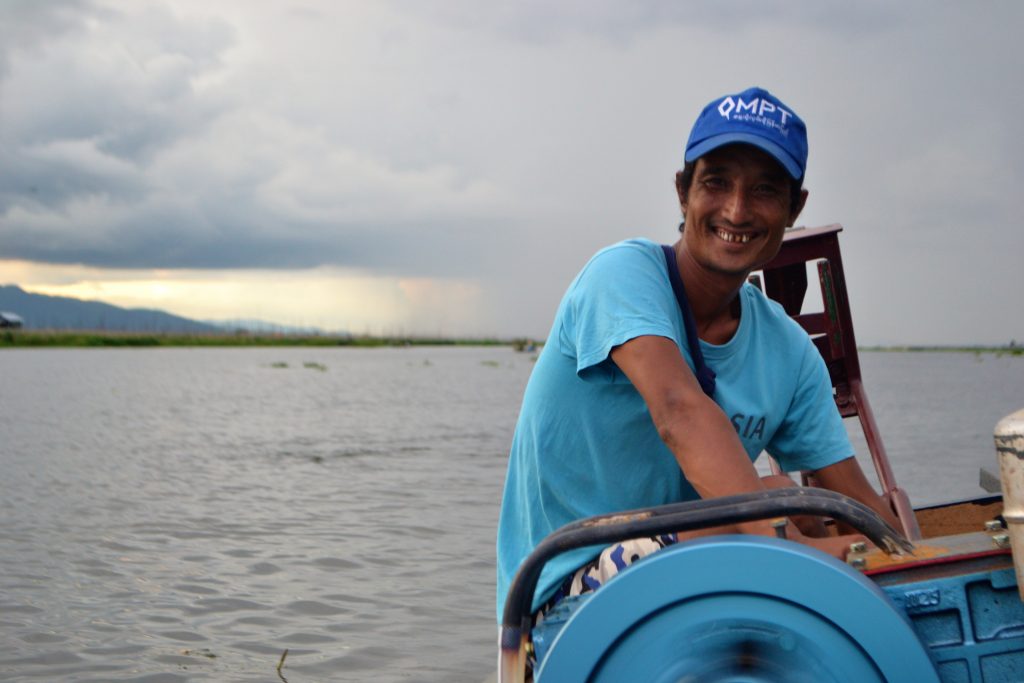
Our boatman and friend at Inle Lake. He couldn’t speak any English, but that didn’t stop us.

This summer I was invited into the homes and communities of the beautifully unique cultures that comprise Myanmar. I began to uncover Myanmar: what its history entails and who its many people are. As I worked with Koe Koe Tech –a social enterprise that is changing the local healthcare context and providing agency to men and women throughout the country –I felt the passion its employees had for the people of Myanmar as they used their talents and skills to expand the company’s impact. And in this adventure of a lifetime, I found a new dimension in my confidence and self-being as I spent time with the locals and witnessed how fundamentally interconnected we all are.

Proceed, for now you have the baby’s approval!

How do you interview someone about extremely private matters without speaking their language? How do you honor the wishes of your interviewee with respect? How do you form a bond of trust when you must speak through a translator?

I found that it’s all in the eyes.

I was humbled to be in Myanmar and have the opportunity to hear the stories of those that Koe Koe Tech has touched. Yet, I was overly self-critical of myself. Scared to repeat the history of the British coming in with a savior complex embodied by subconscious superiority, I began my time in Myanmar unsure of how to carry myself. Though I looked like one of Myanmar’s Sri Lankan neighbors, my American upbringing emitted from my being (it is very easy to spot an expat despite their apparent ethnicity). Somehow, western culture had erroneously convinced me that I should be ashamed of the way I was brought up and of my bold disposition whenever I entered a new and different culture. I was under the impression that I had to apologize for my privilege.

Yet in Myanmar, just as I did not desire to change those whom I came into contact with, I was not asked to change myself. Instead, I felt an unspoken need to understand who my new friends were and love them for that. It took some time, but as I figured out how to communicate with this new culture without a common tongue, I learned how to believe in myself and my self-worth. I centered myself, and I focused on why I was here and what my goals were.

I am an extrovert and have no problem communicating with and relating to my neighbors in the States. Because at home, I am confident and sure. I realized that it was this disposition — and not necessarily just my language — that needed to be translated across the seas. So I took a step back, and I connected: I gently looked the locals in the eyes and smiled whenever our team began an interview.

Quickly, our team learned that the interview began the moment we stepped into the household and greeted our hosts. Our very first interview consisted of a steep learning curve. We made the mistake of simply entering the house and introducing ourselves before busying ourselves with the film setup and immediately proceeding with the interview. Not only was the family uncomfortable in the presence of foreigners and the camera, but we did not know how to ask our questions in a conversational way in order to get the most robust answers. It was awkward, to say the least, because there was no empathy or trust.

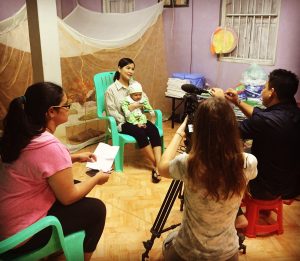
Come round two, we knew better. We entered the household, introduced ourselves to the parents, and then introduced ourselves to the newly born baby. We spent a good fifteen minutes getting to know the family. I got the joyful approval of the baby, who laughed at my playful gestures, and by the time we were ready to begin filming, the underlying and awkward tension had dissipated. The room had become filled with friends who were about to share stories.  

Guess which interview was better.

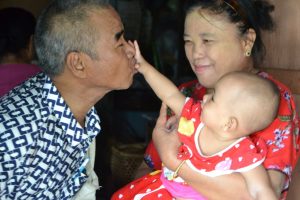
The beautiful daughter who opened our eyes and brought an atmosphere of trust into the interview. She made me feel like I could do anything simply because she laughed with me.

It was the baby in this second interview that refocused my mind and reaffirmed my heart. The moment that child acknowledged my love for her was the moment my confidence escalated and I was able to build upon this simple and fundamental connection. Her parents and I had met only five minutes earlier, and we could not easily communicate. Yet it was almost as if we all agreed on this one thing: that the precious baby before us had stolen our hearts. This fundamental shift in our emotions allowed us all to see that we were all radically connected. It allowed me the courage to look into their eyes and say that I stood in solidarity with them and wanted to hear their stories. I was able to smile genuinely and gesture appropriately in a way that portrayed my utmost respect and willingness to understand.

The laughter that ensued united us. We all wanted to hear the mother’s story. We all became fast friends. …we all got sodas after the interview…

And what did I understand in my seven weeks? I identified the pride in the husband’s eyes as his wife shared her story. I admired the abounding love in the mother’s eyes as she played with her babies. I recognized the innate strength that held these families together, generations upon generations. It is so very easy to look at the environment in which another human being inhabits and subconsciously separate oneself in judgment and aversion. I believe this is what my own western culture was trying to teach me and to keep in check. It is a learned attribute to think of another as apart from oneself, and so it is a learned attitude to disregard this and value said person. We traveled to the poorest slums of Myanmar as well as visited some very well-off families. There were houses made of cardboard and wood, and there were houses reinforced with cement. But in most every interview that we carried out, it wasn’t hard to find the common denominators: households filled with loving family members, ambition, and hope. And unique to our research in Myanmar were the gleeful eyes of a baby and his/her resounding laughter which worked so immediately to set those differences aside and help all of us remember where we come from and the innate worth that each person bears.

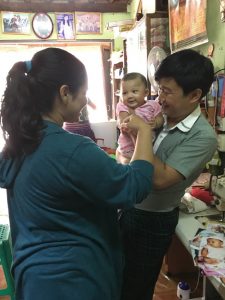
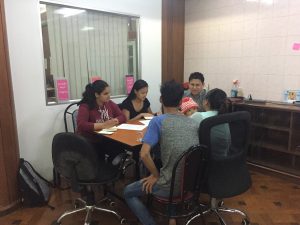
Interviews during our last weeks in Myanmar.

I won’t apologize.

I am not the British in the 1800’s. This summer was key to helping me identify my place in a global world as a global citizen. I left for Myanmar fully aware of my privileges as an American citizen and daughter of a relatively well-off family. However, this led to uncertainty in this new and contrasted environment. I froze and could not connect. Though I did find a healthy balance, I still did not know how to carry my privilege and what to do with it. I was afraid that when I went home, I would not be able to define how this experience influenced my character and understanding of my identity.

However, in my last week there, the CTO of Koe Koe Tech unknowingly summarized my struggle and gave me the answer. He told our team how lucky we are to grow up as citizens of the United States and to have so many opportunities available to us. Having prefaced this conversation by talking about his struggles in Myanmar, he encouraged us to commit our lives to taking advantage of our unique and privileged situations. He evoked the experiences we had this summer and people we met when he commended us for being some of Myanmar’s youngest expats. Why would he applaud this? Because it portrayed how we have already begun taking advantage of the gifts and opportunities this life and our families have afforded us in order to better understand the world’s many cultures and actively give back to society. The message came across loud and clear: do not approach this life with unwarranted meekness; instead, boldly prove to yourself and the world that you will not waste what has been given to you.

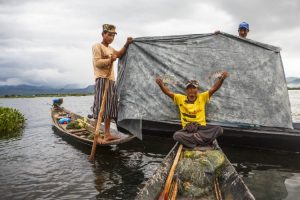
A story for another time: 3 fishermen who speak no English eagerly agree to pose for a photo on the lake with our friend Steele Burrow (professional photographer) with a tarp background in the middle of the lake. This insane endeavor was successful without verbal communication. Symbolic, no?

On to a new adventure!

I am excited to actively pursue my medical degree over the next few years. I know without a doubt that my future will consist of service and intentional living. My fundamental mission is to directly impact and love individuals both at home and abroad. Before this summer, I saw this undertaking embodied by the life of a medical missionary. Though I am still considering this profession, my eyes have now been opened to so many more diverse vocations which greatly impact the world. Nevertheless, I am fully interested in the stories of others, and I know that my passions and talents will allow me the platform to connect. I am thrilled to spend this next year focusing on my future vocation and trusting God to call me towards new opportunities for social impact. I just need to remember to keep my eyes open!

One Giant Post…

Well, hello everybody!

Those of you invested in my summer are reading this, so I profusely thank you for your support!

(If you have been keeping updated on this blog, then just scroll down half way to where I have added the rest of my adventures!)

I promised you daily blogs, but it turns out that the free version of WordPress allows for only a limited number of photos. Therefore, I have stopped the daily blogs and will simply have one, larger post. One very, very large post.

Unfortunately, due to this restriction of posts, you will not be able to hear about when the AC shuts down in the middle of the night, Athena’s rooms have bed bugs and ants, Emily wakes up to the same darn rooster at 3 am every morning, and I find amazing food here in Southeast Asia. Nonetheless, if you are interested in other photos from my adventures, please consult Instagram.

So here we go!

Overall, we have been blessed with amazing weather. I am Californian through and through, and my disposition is tied to the weather: on sunny days I am the happiest person on the planet but on rainy days I want to curl up in my bed, eat cookie dough, and watch Netflix. The latter is obviously not conducive to a good work ethic, so the limited amount of rain and favorable blue skies has been excellent for our team’s mood! However, I would like to note that I have become more bold, in that I can now comfortably walk outside in heavy showers and cross these madly trafficked streets! Kudos to me.

Misja is a 2015 Global Social Benefit Fellow who is now the Operations Manager at Koe Koe Tech (KKT). Misja has been showing us around town (and by town we mean food) and profusely helping us with our work. We love Misja.

ANC (Aung Nyein Chan) is an employee of Koe Koe Tech who is a Taekwondo master and has been driving us to our interviews and translating for us. He’s super charismatic, which has been great for our interviews and general association with the locals.

The first week (6/19) was quite slow. Among orientation and forming a hypothetical plan of action, we explored the local area.

Our findings include:

Several cafes that serve as magnets for expats. This includes a cute crepe place owned by a fun Frenchman, a café with amazing iced coffee, a café with amazing workspace (but horrible food), and a Vietnamese restaurant (which now knows my exact order).  We also found:

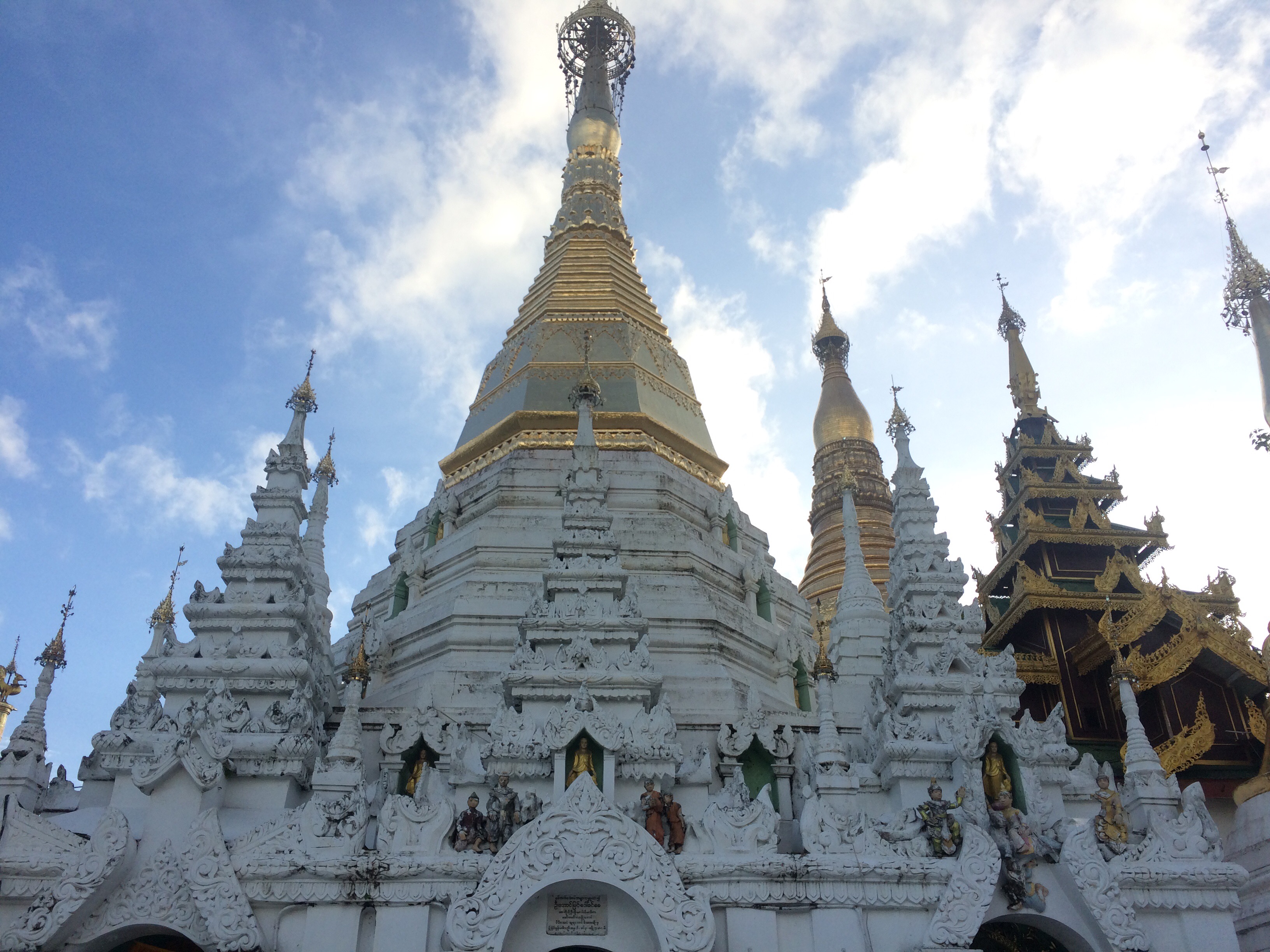
Shwedagon Pagoda (a city of freaking gold)

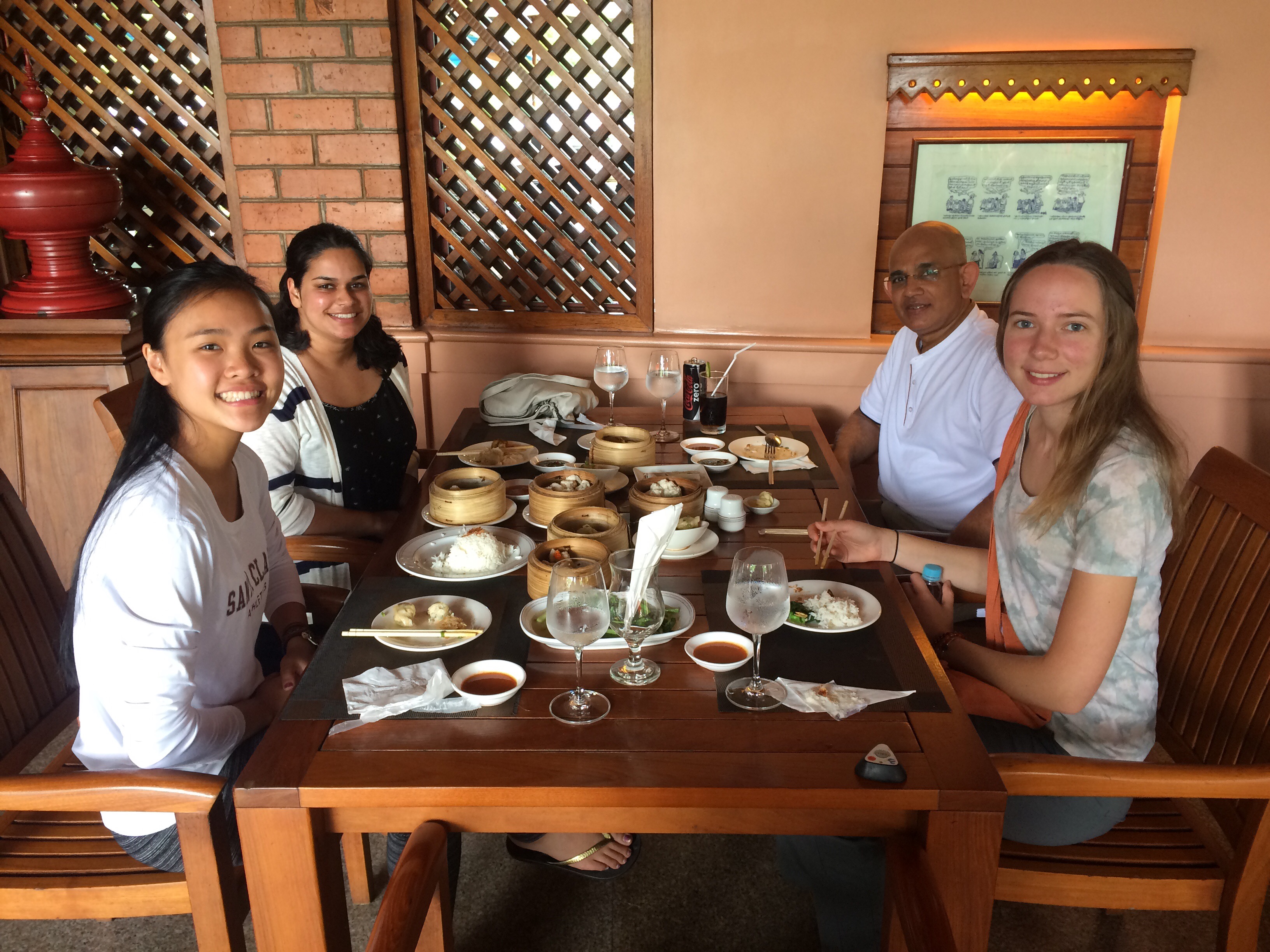
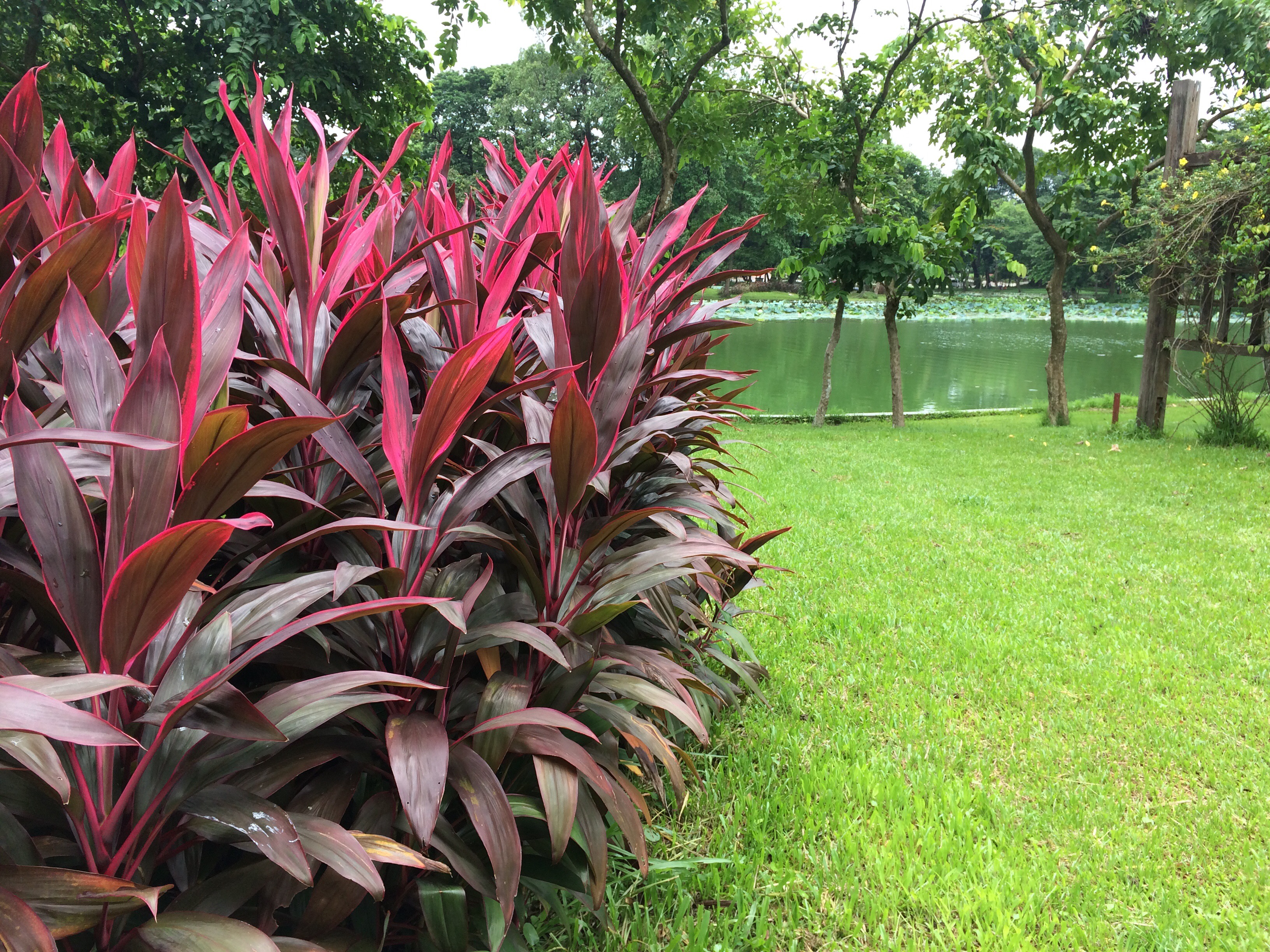
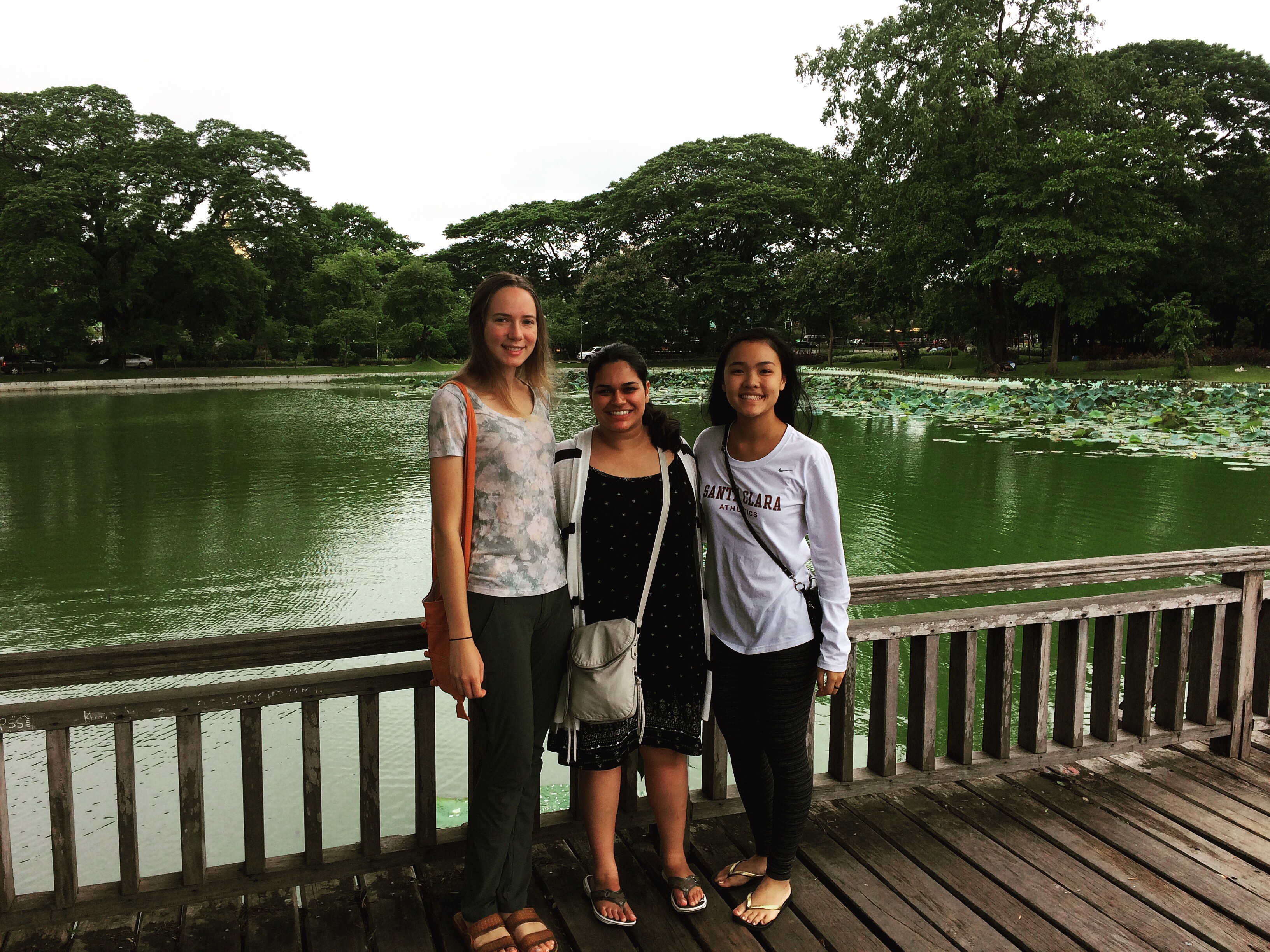
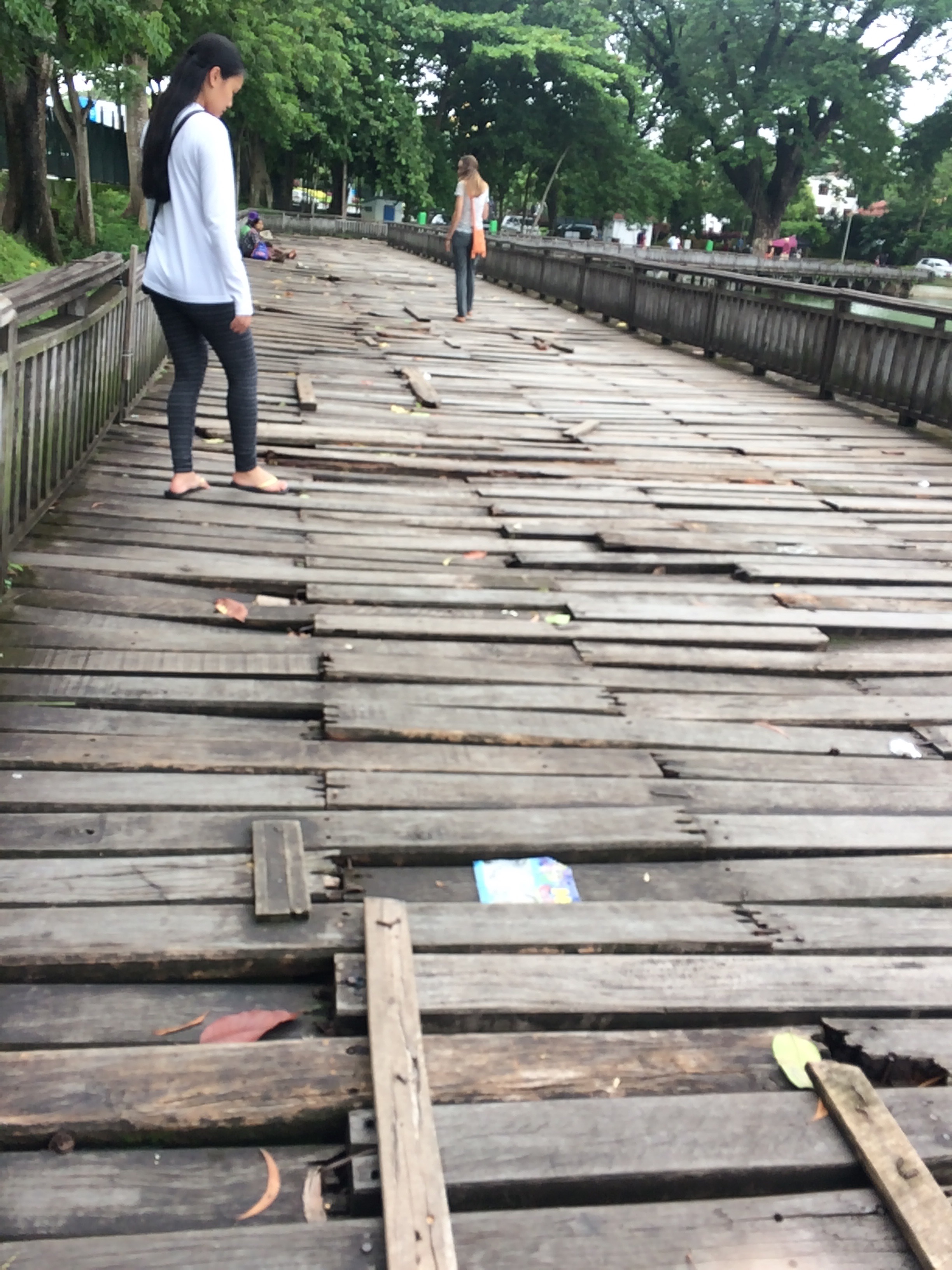
Kandawgyi Lake (amazing dim sum, beautiful foliage, and sketchy bridges)

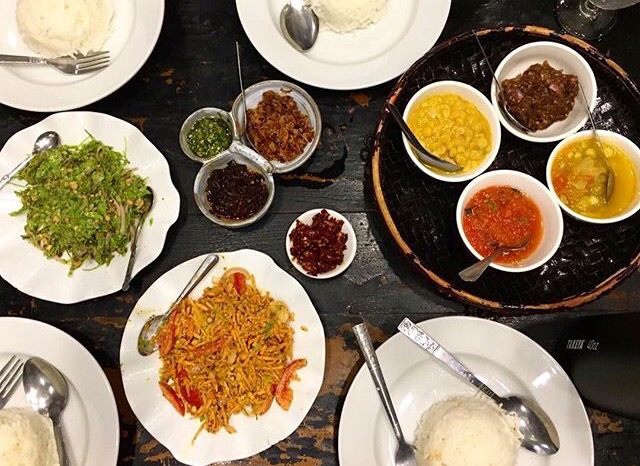
and Burmese food (sticky noodles are my life).

On the second week (6/26) we went out to the field:

On Monday, we met an MBA student –Steele Austin Burrow (lol guess what part of the world he’s from) –from Georgetown who is also consulting for KKT. Check out his ridiculous portfolio here: https://www.burrowimagery.com/

On Tuesday, we went to the local park to start some user testing on the maymay android application. A few things we noted in this young, urban population was the positive willingness to participate in the testing and the shockingly low tech literacy. Only 1 out of 4 users knew how to download an app or what a button was. This has been a huge barrier to mass adoption of the maymay app; although, this is true of most applications marketing in Myanmar. Interestingly, the most used apps, such as Facebook, are pre-downloaded onto all phones purchased in-country. This perpetuates the aforementioned downloading phenomenon, which leads to our deliverables –stay tuned ?

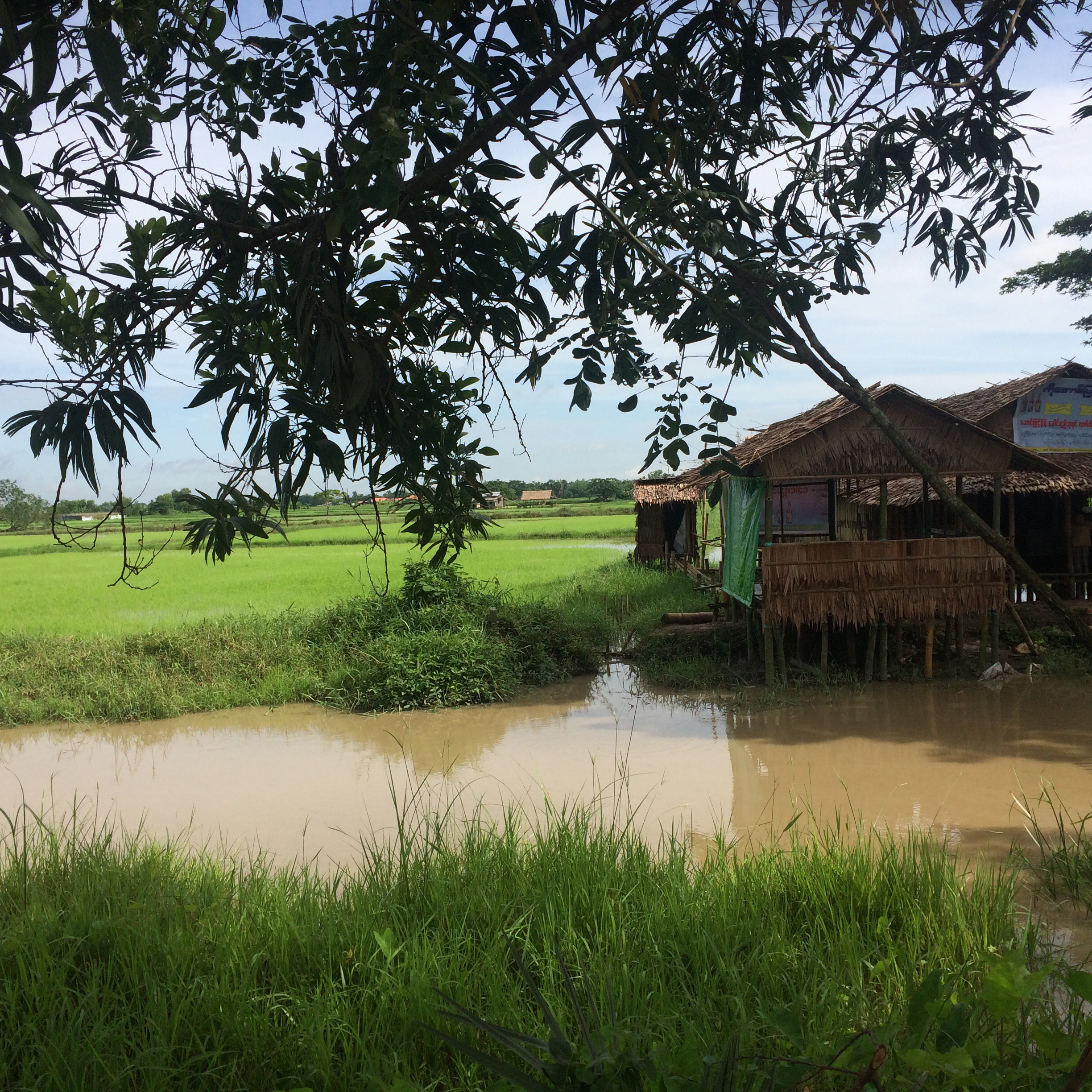
Wednesday was our first trip to the greater Yangon area! Twante is a peri-urban community, but we went out a little ways to a very rural area. Here, residents live in bamboo huts and are often very sick due to limited or no access to clinics. The closest non-military clinic is a 15-30 minute motorbike ride, but visitation is heavily dependent on the patient’s time availability, severity of illness, or income allowances.

                                                                                    Bamboo hut


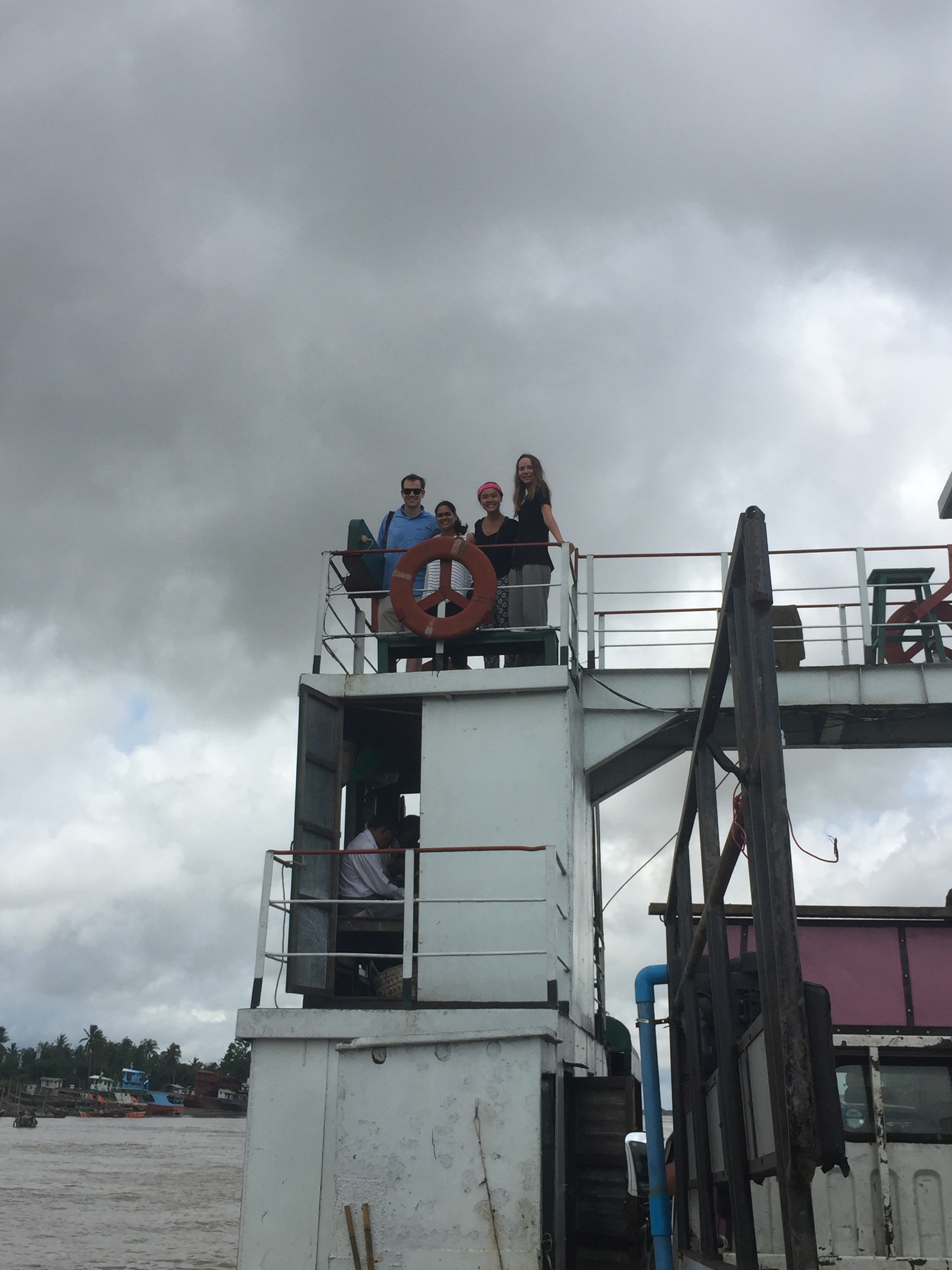
                                                 Taking the ferry back across the Hlaing river

Something interesting I noted was the similarity in Myanmar clinic operations with those of El Salvador, where I previously did a medical mission trip. For example, patients are given a record-keeping booklet at their first clinic visit (usually issued at age 5). This must be brought to all doctor visits so that clinicians have access to all of the patient’s medical information and can add to it at each consultation. However, many patients throw away the booklet after the visit, lose it, or never get it back from the nurse. This results in a loss of information and redundancy in inputs. This leads to another of our deliverables…

Thursday was a very busy day at work. I finished up a usability testing proposal for Koe Koe Tech’s CEO and our team set up a mass maymay phone survey. We have been able to rack up over 80 responses to use as quantitative data!

Week 3 (7/3) was fairly quiet –just cranking out some work.

Week 4 (7/10) was half work and half vacation:

On Tuesday, we woke up at 3 am and drove to Mandalay to do a film interview. It was a 7 hour drive squished in the back of a small Honda civic (thank Jesus I can sleep in any vehicle at any time). We then got lunch at a place called Golden Duck (guess what their specialty is) and rested before proceeding to find the interviewee’s home. This took some time, as many of the streets are not properly labeled. However, the family was extremely excited to have us come, so they dealt with the thirty minutes of phone calls and driving in circles, until the grandfather finally came out on a motorbike to show us the way to the house.

The interview went spectacularly –we’ve been struggling with having mothers elaborate on their experiences with their pregnancies and using the maymay app, but this mother was very talkative and Emily got some amazing footage. Here are a few photos of the most adorable and loving twins.

One thing I’ve noticed is the role that fathers have in obtaining interview consent and content. We have had many potential interviews with new mothers fall through because the women had to check with their husbands and the result was a resounding “no.” On the other hand, it is sweet to see husbands support their wives during the interview itself. I’ve noted the doting faces they make when they watch their spouse interact with us and the baby. They’ll sometimes bud into the conversation to have their say, but in the end it’s useful information that the wife simply did not recall in the moment. Some of my favorite footage that Emily got is of a father playing with his new daughter and hugging his wife. All in all, the only place we’ve noticed a strong power dynamic is when scheduling interviews. Otherwise, we’ve been more-or-less pleased with familial interactions in this country (in that, it is not worse than we expected, but instead slightly better).

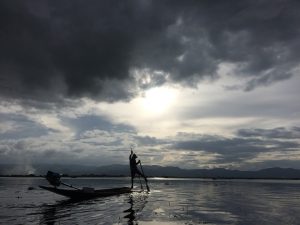
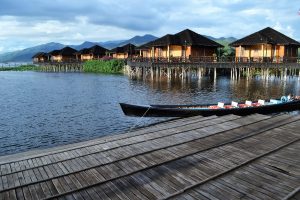
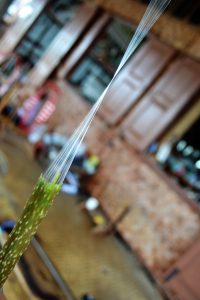
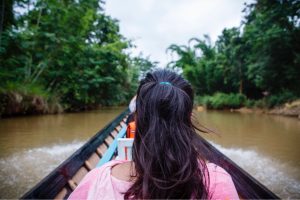
On Thursday morning, we drove with Steele (yay for traveling with a professional photographer!) to Inle Lake for a few days of vacation –and man was in serene. We ended up going on a boat tour of the lake and saw cigar makers, boat craftsmen, blacksmiths, weaving houses (where they make thread out of lotus stems!!), paper makers, traditional Inle fishermen (most known for using one leg to paddle), the Kyan people (most known for the “long neck women”), and so many freaking pagodas and buddhas. The food was amazing, the water was inviting, and the relaxation was much needed.

                                                 Inle Fisherman
                                         Our lake cottages


                  Lotus Stem –> Thread
                                     On the lake PC: Steele
     The result of 100 years of paper making from Mulberry                                                              wood

On Sunday we took a 12 hour night bus, arrived in Yangon at 5 am, took a nap, went to work at 1 pm, and promptly entered week 5!

Week 5 (7/17) was jam packed with interviews so that we could gather all the data we need to produce our deliverables. There was an average of 10 interviews per day (plus insane travel time to certain rural locations). It was crazy.

And finally, here we are in our last week of work: week 6 (7/24).

On Sunday we woke up at 4 am to drive 5 hours to rural Ayeyarwady for an interview. The roads almost flooded during our drive (in fact, BBC reported a pagoda sinking, in a flood, in this same region, on the very same day). However, that trip was worth it as we got one of our best interview content. Athena and I were also able to do more street interviews to gather a more diverse sample (especially in such a rural location). However, we overstayed our welcome after 13 interviews…

    The baby fell asleep mid-interview…it seems we were all                                                            pooped.

This leads to another finding during our stay in Myanmar: the fear of foreigners. Considering the country’s political history, this is not surprising. However, it makes research that much more difficult. Local hospitals and rural areas are afraid that (1) foreigners will mess everything up or spy on them and report to the media and (2) that the foreigners will be harmed during their stay and then blame Myanmar. This means that we are constantly walking on egg shells every time we go out for research in rural locations (Yangon is filled with expats, so people aren’t as nervous here in the city that we are staying in).

On Monday, Athena and I essentially cranked out an entire deliverable. I’m very proud of us! This is in regard to nursing training modules on how to use and share the maymay application. Athena took care of the research questions and convoluted data analysis and I took care of the training slides and in-depth talking points. We are hoping to user test these modules with local nurses and create a final iteration later this week. However, there is currently an H1N1 outbreak in the greater Yangon area, which means that many clinicians are tied up at the hospitals (and we should really get on buying health masks). Yay for unforeseen circumstances! But it’s okay –I don’t doubt that either way things will get done.

Emily is on subtitling duty and sitting down one-on-one with a professional translator. I’m super impressed with how organized and detail-oriented she is about it all! Y’all are gonna be so impressed with the final product!

So other than that, please keep us in mind as we hit a full speed sprint to finish up our work here in the office this week!

On Tuesday of week 7 we will head to Bagan for the last half of our vacation week! This is what it should look like –I’ll post pictures once we get back of what our experiences are!

All in all, I have really enjoyed working with Koe Koe Tech and my GSBF team in conducting action research with young families and the general public. Observing the impact that maymay has had is an incredible journey, as it directly touches so many lives and dependants. I couldn’t be more proud of the work Koe Koe Tech is doing! To see a solution that can be broadly applied (especially seeing similar problems in El Salvador) coming to life before my very eyes is extremely heartening.

Again, thank you to everybody for your support and prayers. It took a while to get adjusted, but my amazing team has helped a lot! I am so excited to continue working towards our goals –despite so much changing each and every day –and see what further adventures this trip holds!

Till next time y’all!

“Let her sleep, for when she wakes she will move mountains.”

Here’s my fun fact — are you ready? I’m a Sri Lankan born in Singapore with an American-Australian dual-citizenship, holding a British last name who grew up in Santa Clara, California as a small-town, Christian, country girl.

I was raised in a plethora of cultures. I don’t fit in a box. That’d be too easy, too boring. That would limit me, and I will never let anyone do that.

I was born into a family of survivors, believers, and doers.

One day, I’ll write a book about my family history; sometimes, I get nightmares thinking about the trials of my loved ones. But for now, I will say this: the Sri Lankan civil war wrecked the lives of my parents, but they made it out and moved to Australia (1985). Eventually, I was born in Singapore (1996) and my brother in America (2000).

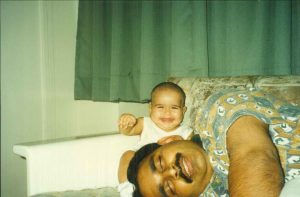
                           Baby Esther. Laughing since day 1.

My brother and I grew up in a world of privilege in the heart of Silicon Valley and all that it entails. However, we were never once allowed to forget the tribulation from which we had come. Everything we had was by the grace of God and “good ole” hard work, sweat, and tears. But all this was given to us only to teach us to pass it on. My parents told us that we were born to do two things: love the Lord our God and love our neighbors. Thus, my challenge became learning to understand my neighbor so that I could better serve and love them.

But I liked sleeping.

I was a science-fiction/fantasy nerd. I loved imagining and immersing myself in worlds where protagonists overcame the impossible and defied the status quo. Because these stories were set in alternate times or places, the limitations of my own life were strictly obsolete. In the end, through all the mystery and pain and laughter and risk, it all worked out. But my life didn’t impact worlds or governments or communities. My parents had lived the adventures of multiple lifetimes, but I seemed stuck reliving everyday like the previous one. I wasn’t testifying my neighborly love — I was too busy dreaming and sleeping.

Until I realized there was time for both.

My coming-of-age story began with marching band. My heart was ready for adventure and meaning, but my personality seemed to restrict me. I had no gumption or confidence, as my teacher would say. This was not what I wanted for myself, but I didn’t know how to change.

I attribute most of my transformation to participating in the drumline, particularly the influences of my band teacher and our band’s trip to Disneyland. I quickly learned how to stand up for myself under the mentorship of the drummers and soon adopted their contagious inclination for sarcasm and sass. My teacher taught me how to work in a team without losing myself. I was an integral part of the production: if I messed up, we all failed, if I succeeded, we were all one step closer to victory. Despite my growing confidence, however, I still remained timid and afraid to take chances to feel adrenaline. Seeing this, my teacher made me ride the California Screamin roller coaster after our performance in the Disneyland parade. It seems so simple, but this moment is marked in my heart forever. I was defying gravity like the protagonists of my books. I was understanding how to become who I wanted to be. Fear could no longer stop me.

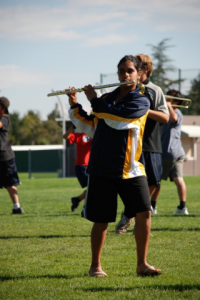
        Marching band practice for the                                      Disney Parade

My growing personality developed my confidence to embrace my neighbor, but I had yet to realize the power of cultural competence. When I was 14, my high school organized a mission trip to Tecate, Mexico. Though Mexico was practically in my backyard, the cultural juxtapositions and obvious destitution shocked me. Here were people clearly in need, and here was my mission team providing one of many solutions. But that first day required a sharp learning curve, in which I had to determine how to identify with these children from a different culture. As I interacted with them and their families, built houses and churches, and spent time working at our Kids Club, I began to realize what I wanted out of life. There was excitement and enlightenment in immersing myself in another culture, in learning to love and impact individuals in the most meaningful ways. Just as my culture and history was rich, so was theirs. It was my obligation and honor to respect their history by experiencing it and fully experiencing them.    

         Last day in Mexico surrounded by my young friends
  who had redefined my perspectives and reshaped my heart

On my quest to actively participate in the lives of others, I eagerly spent time with different people and age groups at home. In volunteering with children with special needs, I rediscovered the intrinsic worth of every individual. Though these beautiful people would never quite understand me, and I them, the opportunities to impact their lives in even the smallest of ways brought me joy. The same can be said for my interactions at a nursing home. Here, I struggled with how to display solidarity and respect for our elderly population who, despite having lived full and exciting lives, were currently in states of diminished autonomy and mental awareness.

I also spent the summer of 2015 co-leading the Jr. High ministries at Peninsula Bible Church in its entirety. I was in a distinct position of leadership and responsible for the growth of these tweens, but again, I could not effectively perform my role without first immersing myself in Jr. High culture. In respect to leadership, I matured, but I regressed in age when it came to having fun. The new perspectives I adopted and incorporated into my work ethic allowed me to become more and more versatile and aware.  

           Summer camp with a few of my students at PBC

These new experiences allowed me to live intentionally as I made the impact I had dreamed of, but as my courage and skills grew, so did my thirst for adventure.    

In the summer of 2016, I had the honor of volunteering with a medical missionary team in El Salvador. The extreme lack of health education and healthcare in that country challenged me to analyze and communicate in new ways, thus introducing me to the complexities of intercultural healthcare and inspiring me to become a missionary physician. I experienced culture shock during the five weeks I spent immersed in a place filled with religious superstition, constant danger, and financial destitution, requiring me to redefine my mindset. As I worked with a doctor in rural clinics, I came to understand the code of conduct expected from Salvadoran health professionals. Providing ethical healthcare to the patients in these clinics required more than just medical knowledge; I needed to know the culture and values of the people I was serving in order to provide them with the most effective care.

I quickly realized that the stubborn mindset of a middle-class American was not helpful. When I asked why a clinic doctor did not send his patient to the hospital for a second opinion, he explained the local rules of gang activity. The city hospital was under the territorial jurisdiction of one gang while the clinic was on another’s turf. Though patients from one side of town would require help from the hospital, the clinic doctors knew their patients would not go for valid, life-threatening reasons. Therefore, in order to help their people, the doctors would figure out alternative ways to get the patients the help they needed without subjecting them to overwhelming harm.

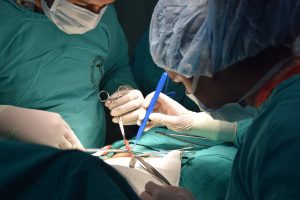
         Cauterizing in an Open Biopsy Surgery at the National                                 Hospital of Suchitoto (El Salvador)

This trip, and my many other adventures, worked to align reality, my dreams, and my sense of self. I aspire to spend each waking moment in purposeful living and rest each night envisioning the undertakings of tomorrow.   

So, mountains — beware.

I have made it my life’s mission to learn the most about new perspectives and situations and seek to grow my knowledge and intuition. In order to better impact the world I so dearly love, I must expand my horizons and strengthen my growing repertoire of cultural and situational understanding. I want to use the variety of my experiences, passions, and career path to make a lasting impact. Understanding the plurality of societal codes equips me with the professional competence necessary to uphold the dignity of my neighbors and work to better their lives so that they can pursue a sustained purpose. I am so honored and humbled to employ my passion for intercultural healthcare as a Global Social Benefit Fellow and partner with Koe Koe Tech to provide agency to women and their children. Let’s break the status quo, be our own protagonists, and move some mountains!   

                                                                      Last day in El Salvador.
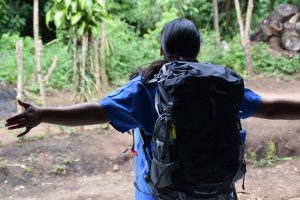
                     After hiking 4 hours, travelling by bus for 9 hours, eating five Pupusas,
                                                       nearly getting mugged by a gang member,                                                    and successfully delivering physical therapy to children in the mountains of La Ceiba,                                            I embraced the mountain I had to move to get there