I stood atop the roof of iMerit’s Metiabruz center, reflecting on the interviews I had with iMerit’s operators. The sounds of the city seemed somehow clearer up here; The bleating of goats, the laughter of children as they ran through the streets, against the flow of white-clad men exiting the mosque. Metiabruz was a tough city, but a city with a incredible story and incredible heart. A past filled with alienation and strife had led Metiabruz to become very inward-facing. Religion and culture had helped this population survive
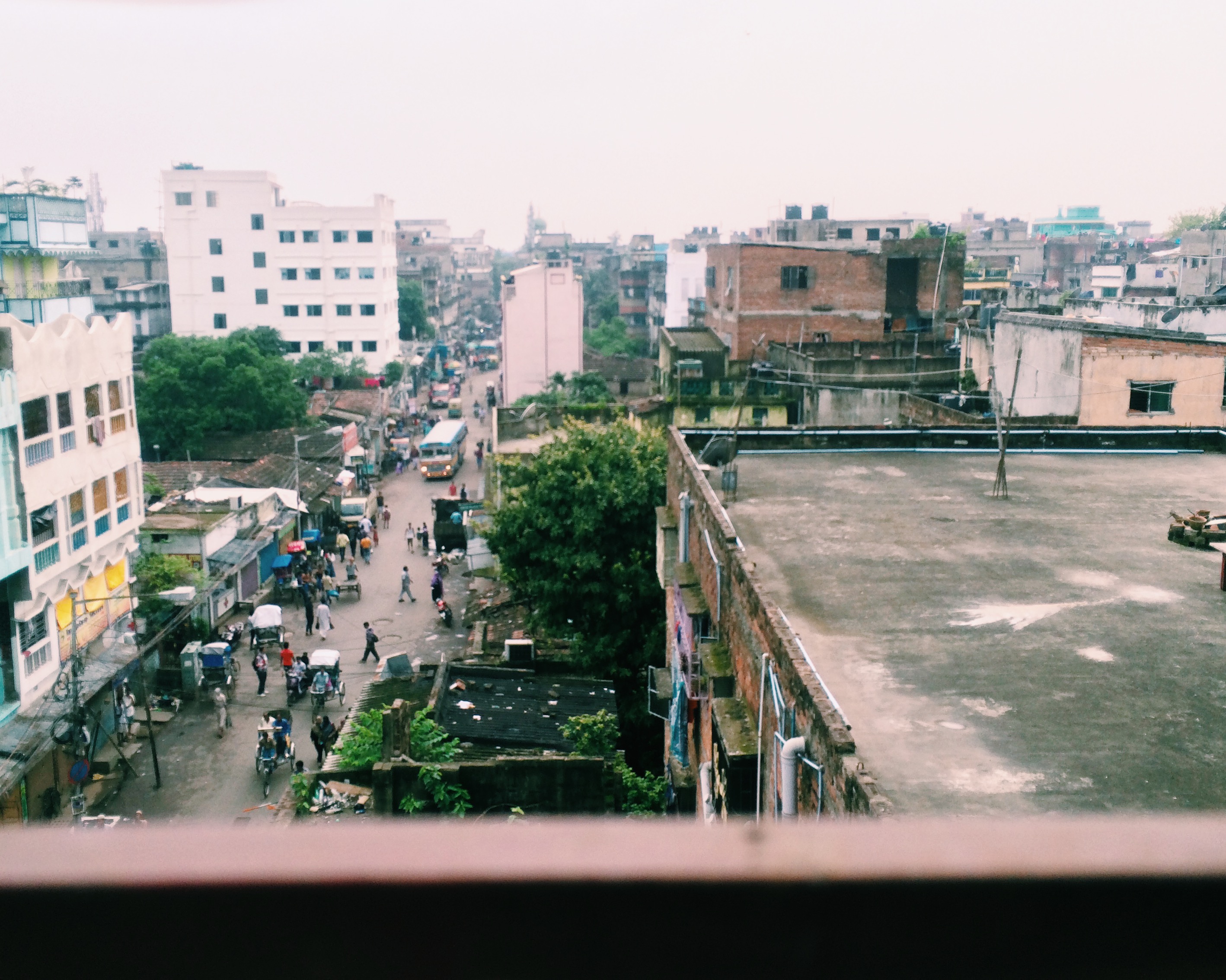
severe economic hardships and discrimination. However, whenever populations are disenfranchised in this manner, religious fundamentalism often thrives. Many of iMerit’s female operators had never traveled beyond the edges of the city. Many had battled intense pressure from local religious leaders who believed that it was not right for them to work. Despite it all, these continued to come to work every day on time. Executing tasks at an unbelievably fast rate. Watching them work, I felt an overwhelming compassion rush over me like a wave. It was a strange feeling; to be hit by that much emotion all at once. Like a warmth filling me up from my toes and slowly rising till it hit my core.
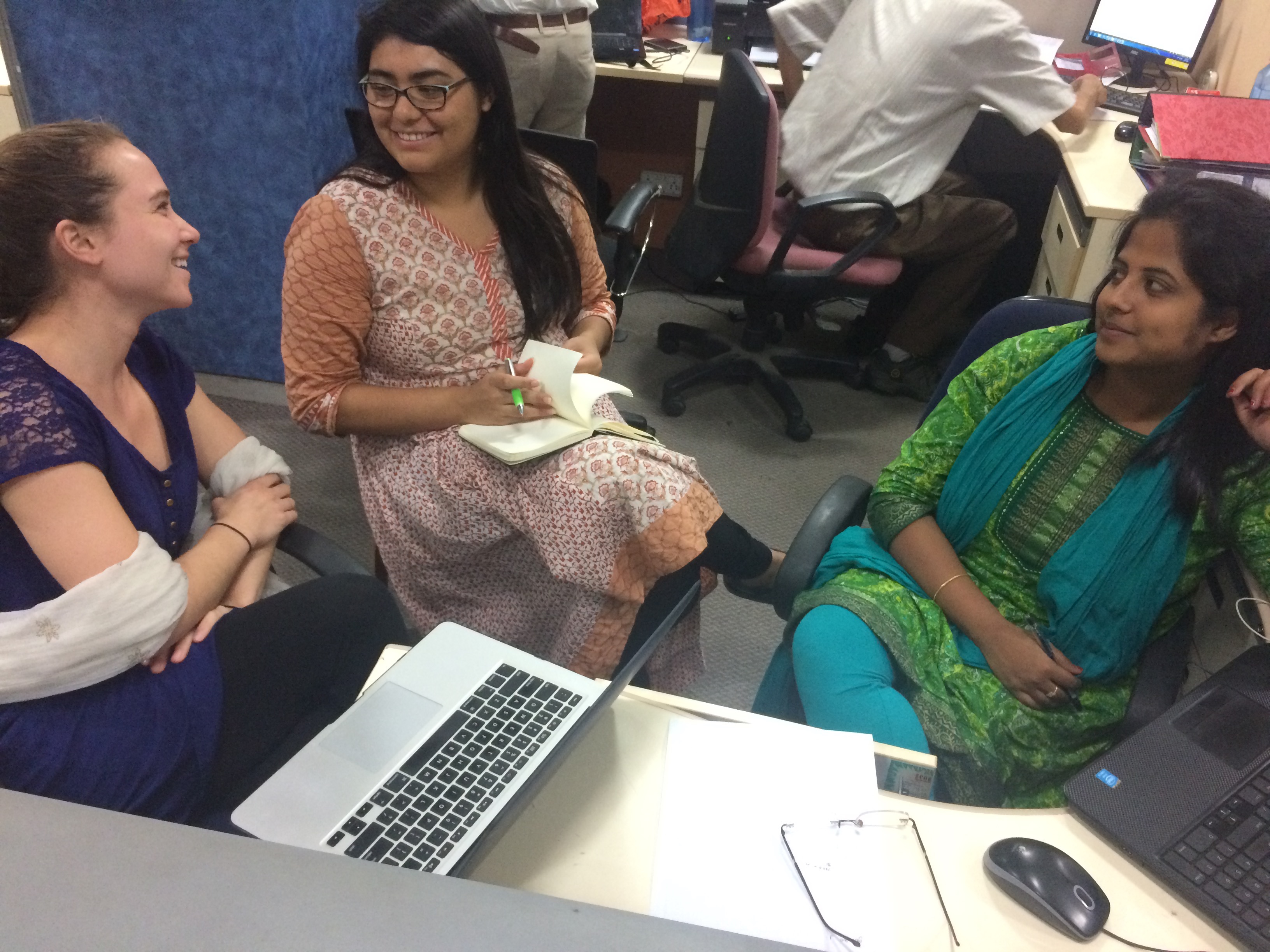
When I wrote my interview questions, I had no idea the response I would illicit with them both with the interviewees, and with myself. My main goal was to discover how empowered iMerit’s operators felt in their jobs, and whether they understood that they were an integral part of the processes of the company, and through this company, the technologically-connected world. I wanted to know if they understood what the data sets they were creating were used for. Internally, I feared that it would be too difficult, logistically, to communicate with these women. When I sat down for my first interview with one of iMerit’s operators, I was nervous. I became hyperaware of my otherness, and Western affectations. I wanted to be approachable, I wanted them to like me, and trust me with their responses. All my preparation had led me to this point. I had read a whole book about conducting interviews about technology usage and usability. But this book hadn’t prepared me for conducting interviews while simultaneously trying to bridge a language
and cultural barrier. I was worried, and sweating profusely, when I first interviewed Naima. She was patient and kind, listening to me intently, even when I stumbled over my own questions. I asked her a few questions about herself, she told me she had been at iMerit for a year, and that she loved to cook as a hobby. She told me that the data she was entered would be used for a “gesturing” technology. In my mind I became very angry at myself for my ignorance, in thinking that these women would be unable to comprehend technology at the same level that I could. I truly believe that living in Silicon valley can make us think that we are “smarter” than others. Nothing could be further from the truth. Some of iMerit’s operators had never even seen a computer before joining the company. Now they were participating in an essential part of the creation of new, machine learning algorithms to be used in a multitude of high tech computer vision and virtual reality products sold globally. Their ability and ingenuity to learn so much in such a short time far exceeds those in the West who are versed in technology practically since birth . I remember interviewing Roushan, an iMerit operator, who told me that told me that she loves the work she does because It makes her feel “important”. She was empowered through her work. Her smile was so bright, her headscarf framing her gentle face. She had ten people in her family. Ten mouths to feed, all on her income. Luckily, her income at iMerit was three times higher than the average income in Metiabruz, giving her a much needed economic boost. All those lives depending on her, and yet she still had that spark of creativity, of enthusiasm for life and learning.
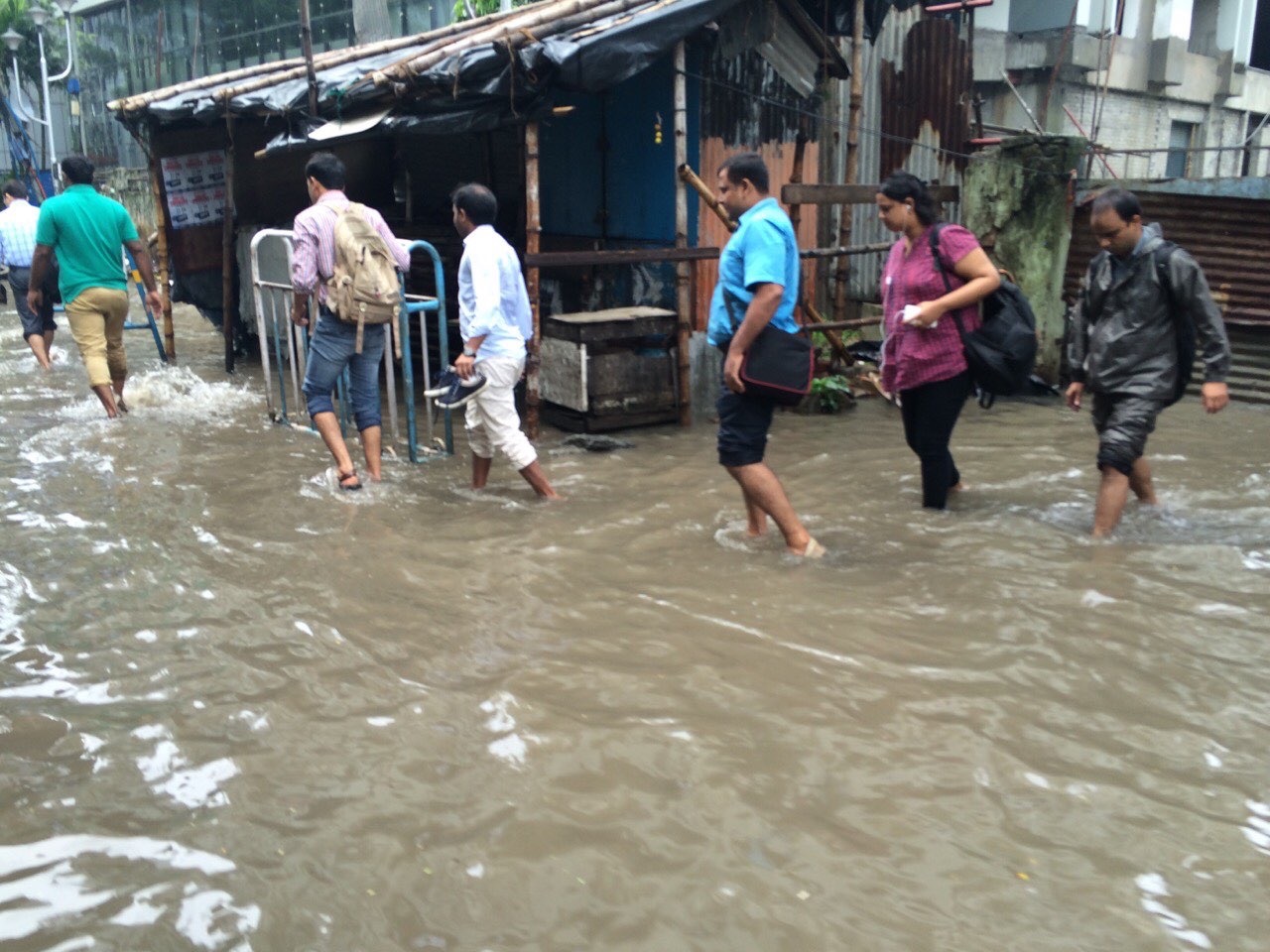
When the fire had first happened I had hardened my heart a bit, mostly out of fear of the unknown. After that night waking up to a smoke filled apartment, sleeping soundly was difficult. The thought had kept popping into my head, “what have I gotten myself into?” I was angry, angry that I was doubting myself and my commitment so early on in the trip. Many of the things that were different about the developing world began to annoy me. The noise of the traffic, the sights
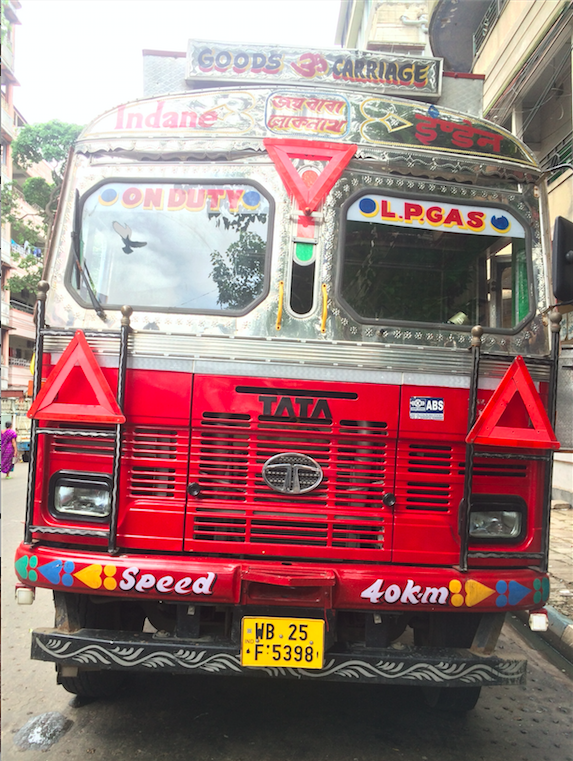
and smells. It was all dizzingly rich, and I fought it. In the end, I realized that fighting it got me no where. By focusing on my perceived negatives I was robbing myself of the best experience of my life. After that first day at Metiabruz, it was as though I could see clearly. You have to choose life, accept it, and let it take you. I finally let go of my inhibitions, my otherness and discovered how truly similar I was to many of the women I interviewed.
During this action research experience I learned a lot about myself. I learned that sometimes one needs to accept the help and kindness of others. For me that hasn’t always been easy. I learned that its ok to admit that you don’t know everything, and that showing a bit of vulnerability can lead you to connect with others in a more meaningful way. And most of all I learned that love can take many forms, whether that be through a home cooked south indian meal, or the ubiquitous but still supremely delightful Indian head wobble. A gesture of many meanings, but mostly one of recognition and mutual understanding.