
Discovering where I fit in has always been a challenge for me. I grew up in Hawai’i, a beautiful place with a collective spirit of aloha or love for the environment and for one another. I had the privilege of attending one of the most famous private schools in Hawai’i, Punahou School, the Alma mater of President Barack Obama. At Punahou, I was exposed to social justice and developed a deep empathy for humanity. I was also introduced to service-learning through the Luke Center for Public Service and also through an immersion trip to China.
In the summer of 2010 I participated in this service learning and immersion trip. Before our departure, I had studied 2 full years of Mandarin Chinese but even that could not fully prepare me for the difficulties of understanding a multitude of different dialects and the wonder of discovering new cultures of many minority ethnic groups of China.
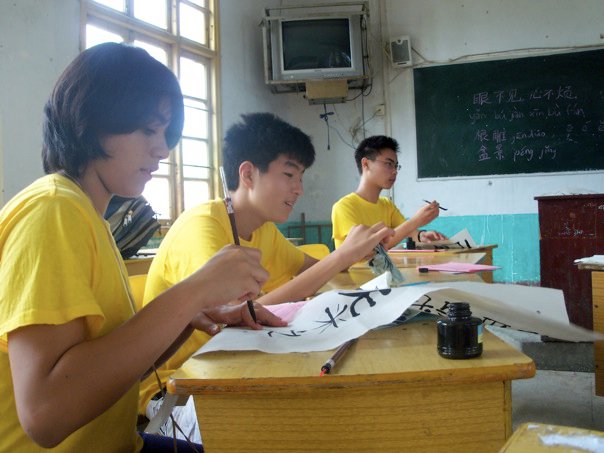
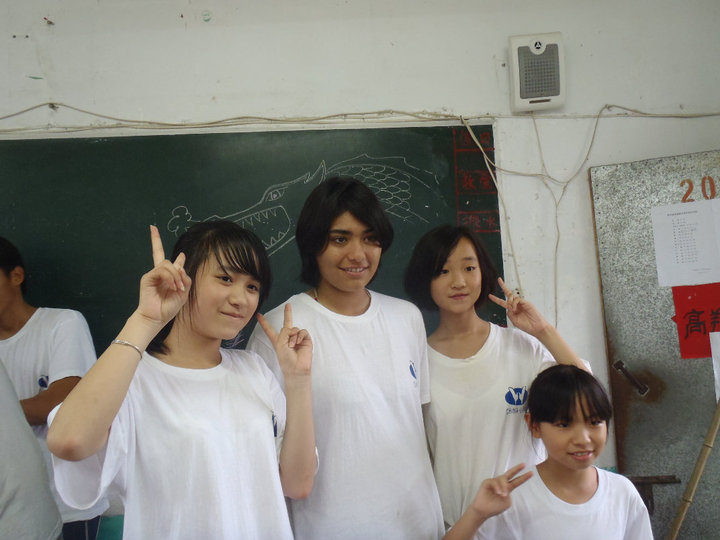
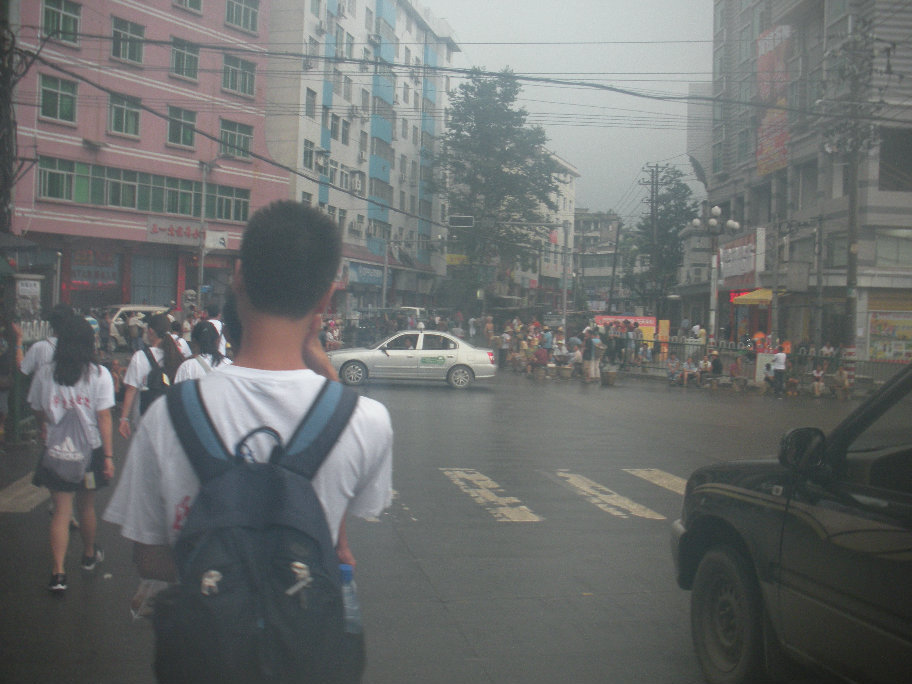
The part of the trip that influenced me the most was our month long stay in Baojing, a rural town in Hunan province. While we were there, our job was to act as Teaching Assistants for Chinese middle school students and facilitate their learning of English. Beyond this I interacted personally with many of the students and spent a great deal of time with them outside of our classroom experience. I was blown away by their hospitality and generosity even through they were fighting the grips of poverty. I learned a great deal on that trip, especially about the complex interconnection of poverty and education. For these children, the ability to speak English was their ticket out of the cycle of poverty. This trip also changed my preconceived image of poverty. While many of the children we taught lived in cramped and dirty dormitories, a good majority posess mobile phones and a small amount of disposable income. This dichotomy was very well illustrated by the town of Baojing as a whole. While the town’s infrastructure did not at all resemble western infrastructure, the interior of many of the citizens homes, though small and stained black by pollution, were very nicely decorated on the inside with a few having such comforts as flat-screen televisions.
This trip really opened my mind to understanding the reality of life out of the United States. However once I returned to America, I realized that our impact on these students’ lives was small at best. Poverty doesn’t just disappear when a Westerner visits a developing nation. Once I returned home I felt a sense of disillusionment. What had I really accomplished by going abroad? In addition to that I often felt I neglected aspects of
my own culture. My parents, first-generation Mexican-Americans moved to Hawai’i for work before I was born. They wanted me to assimilate, and did not pressure me to learn Spanish . While I grew to love indigenous Hawaiian culture, I constantly felt isolated, like a stranger in my own home. I was the only Mexican-American in my graduating class and had a difficult time connecting with some of my peers. I was often confronted with bold racism. It took me a while to realize that culture brings people pride in every context, and has since become incredibly important to me. I always strive to acknowledge and respect the culture of others and my own.
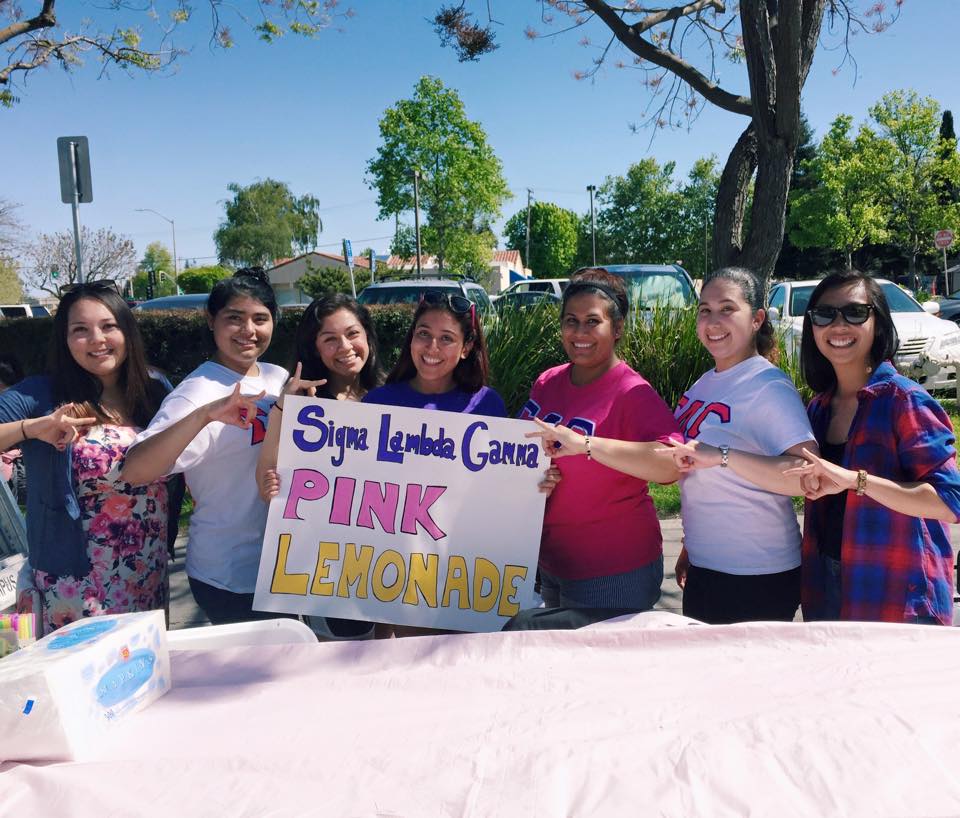
I came to Santa Clara University to develop my passions into a vocation. I’ve always been passionate about problem solving. I feel a great love for logic deep at my core. I’ve found incredible joy in mathematics, especially when I can apply them to change the world around me. This is why I chose to become a Computer Science major at Santa Clara. While I had never coded before I found myself becoming obsessed with my projects especially when I could finally compile my work and see the result. At Santa Clara I became aware of the fact that women, especially Latina women like myself were highly underrepresented in the world of computer science. I became an active member of ACM-W or the Association of Computing Machinery for women. In ACM-W I found many like-minded individuals who were passionate about bringing women into the tech industry. As the world becomes more technologically connected, women around the world should be able to participate and benefit from it in equal proportion to men.
I am a feminist and I want to empower women around the world, especially as women historically bear the harshest effects of poverty. I know that I am an enthusiastic, hardworking and compassionate computer scientist. I want to use my talents to establish unique and sustainable solutions to one of the most difficult problems plaguing the world today, global poverty. I know that these solutions must be viable in a cultural context.