Guataha

If one more person asks me what I’m going to do when I graduate, I might have a panic attack.

From where I stand, the future, the real world, seems mysterious and more than a little bit terrifying. But despite the giant question mark that is my future, now more than ever, I feel like I actually have an idea of what I want to do.

Over the course of my life I’ve wanted to be a movie star, an ambassador, a veterinarian and everything in between. If you asked me at seven, I would have said I wanted to be a history teacher. At twelve, an author of young adult novels featuring a strong-minded and badass heroine. At seventeen, a swanky advertizing executive with a corner office. But despite my myriad of fantasy careers, I never knew what being any of those things really meant. They all attracted me for a variety of reasons, but none of them called me. They were things I thought I might want to do for a few years, but nothing I ever saw myself wanting to commit my life to.
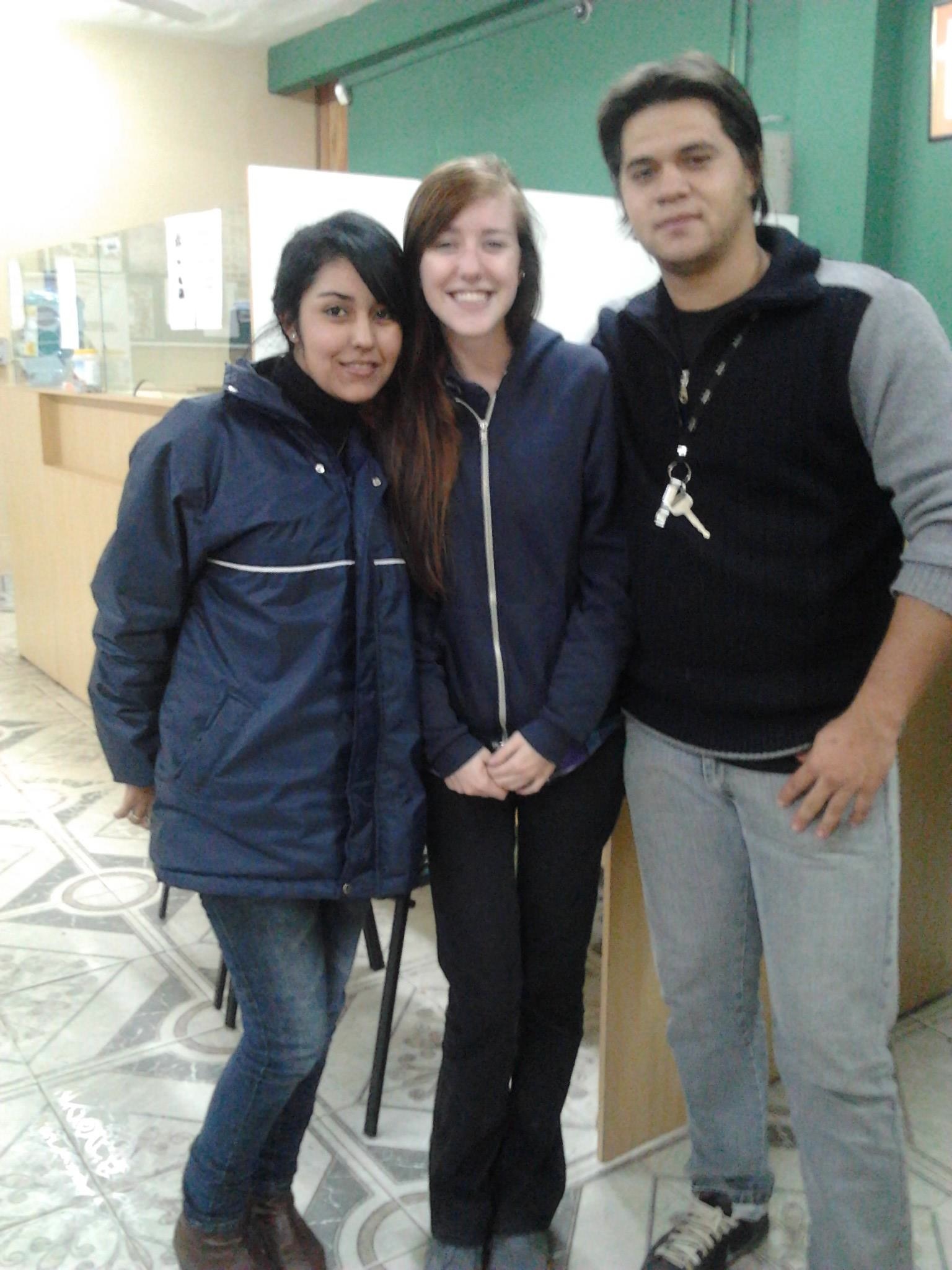
Me with Gloria, an asesora, and Marcello, a credit offical, at the Carapegua office

A year ago, I finally thought I had it figured out. (Past me always seems to think she has everything figured out.) In the midst of one of my regular existential crises, I had stumbled across the field of economic development. Now here was something I could give my life to. It was dynamic, innovative, international, and it had a positive goal. I had become disillusioned with the cutthroat business opportunities I saw in front of me, and this offered a tangible alternative – a chance to use the drive and decisiveness my business education had given me for something good. Here it is, I thought, here’s what I want to do with my life.

I very quickly threw myself into learning everything that I could about the field. I read numerous articles and researched the big names in the field. I was brimming with excitement at learning about all of the incredible development innovations going on around the world. I desperately wanted to be a part of such a unique and evolving field. But despite my enthusiasm, my first real experience was disappointing. While studying abroad in London, I volunteered for a few weeks at a non-profit that focused on development. I figured starting at any development-related organization would set me up for a job closer to my interests in the future. I found myself doing mostly busy work – making flyers, copying data into spreadsheets. I didn’t agree with some of their fundraising tactics, and I ultimately didn’t feel like I knew anything more about economic development than when I started. I was disappointed, but unwilling to give up on the field entirely.

I applied, and I was ecstatic when I was accepted into the program. I found out I was going to be going to Paraguay (which sounded romantically exotic) and interning at a microfinance organization. It finally seemed like everything was coming together.

The class was everything I expected and more. Learning about economic development and social entrepreneurship in the classroom continued to draw me in and excite my interest. But what I most looked forward to was the field experience. I felt that I had a lot riding on the experience – it was going to be a make or break moment in whether I really wanted to pursue this field.
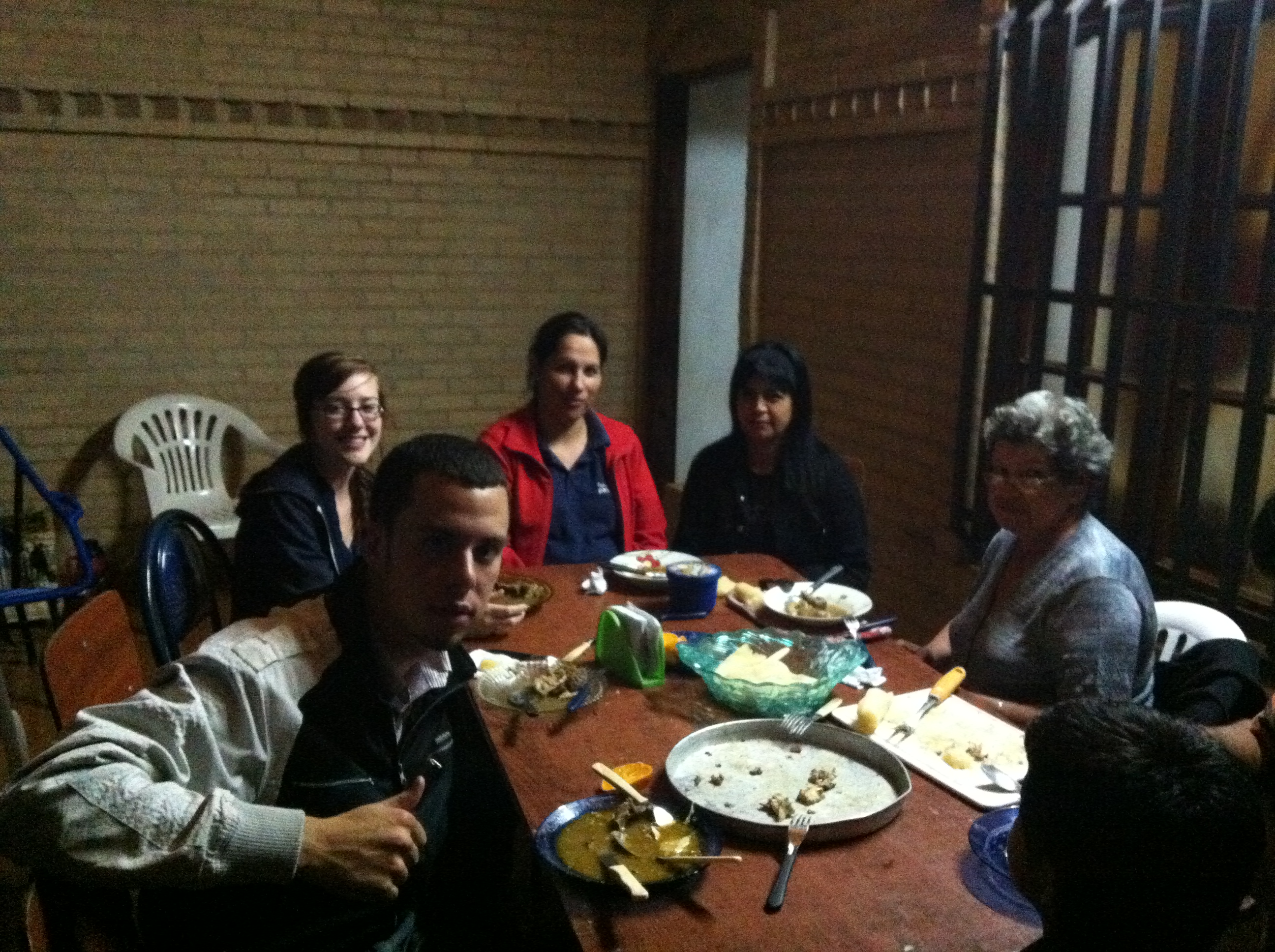
Dinner with my host family

Paraguay was incredible and eye-opening, but it was nothing like I expected. Every day there were incredible highs, tempered with disappointing lows. I was so enthusiastic in my anticipation of the experience that I had been looking at it through rose-colored glasses. The moments where I didn’t feel like I was accomplishing much, or where I was lost or confused, were undeniably difficult. Even more so because, no matter how many times I was warned that there would be challenges, I had convinced myself I would love every moment.
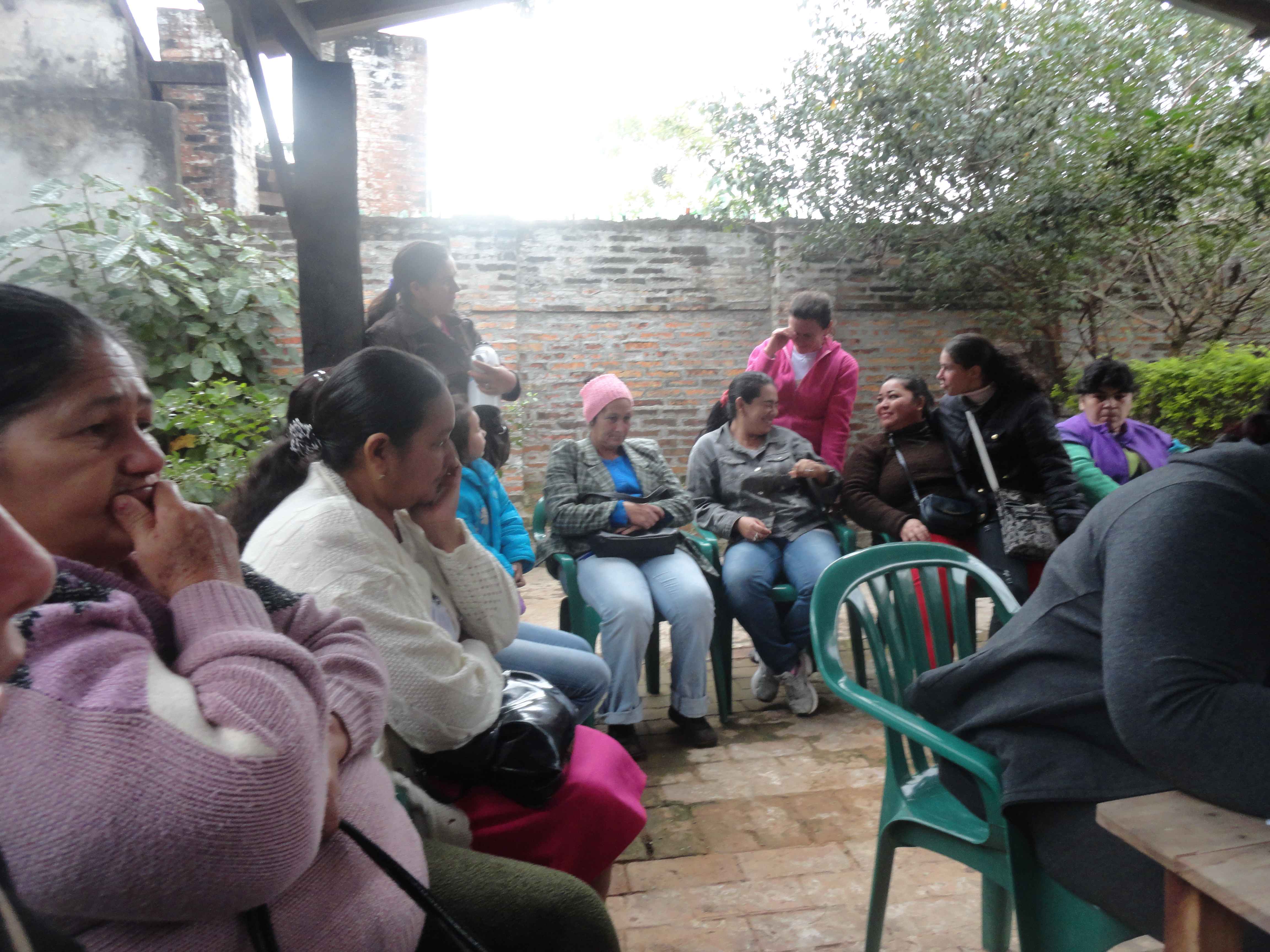
A women’s committee meeting near Coronel Oviedo, Paraguay

The truth is, I didn’t love every moment. Sometimes I was bored or cold or frustrated or uncomfortable. I came to realize that while I found microfinance interesting to study, I didn’t want to work at a microfinance organization long term. But for every moment I didn’t love, there was a moment I did. One of my coworkers brought me arroz con leche, insisting I had to try it. My host family brought me to a birthday party with the whole extended family. I learned to dance from girls at the agricultural school in Mbaracayu (which only further established my lack of rhythm). And I was continually impressed by the women’s committees I visited, who were able to turn what little they had into something viable to support themselves and their families. By the end of my time in Paraguay, I wasn’t thinking about how my experience would help me move onto the next step in my life, I was just enjoying it, living it.

The biggest thing I learned is that vocation is a journey, or a guataha in Guarani. I have always had the bad habit of thinking of events in my life as stepping-stones to whatever goal I have in mind. I’m a serial planner, and while I believe it’s good to look to the future, I found that was losing the present. Paraguay forced me to slow down and savor individual moments.

I found myself spending a lot of time on self-reflection. Why did I really want to
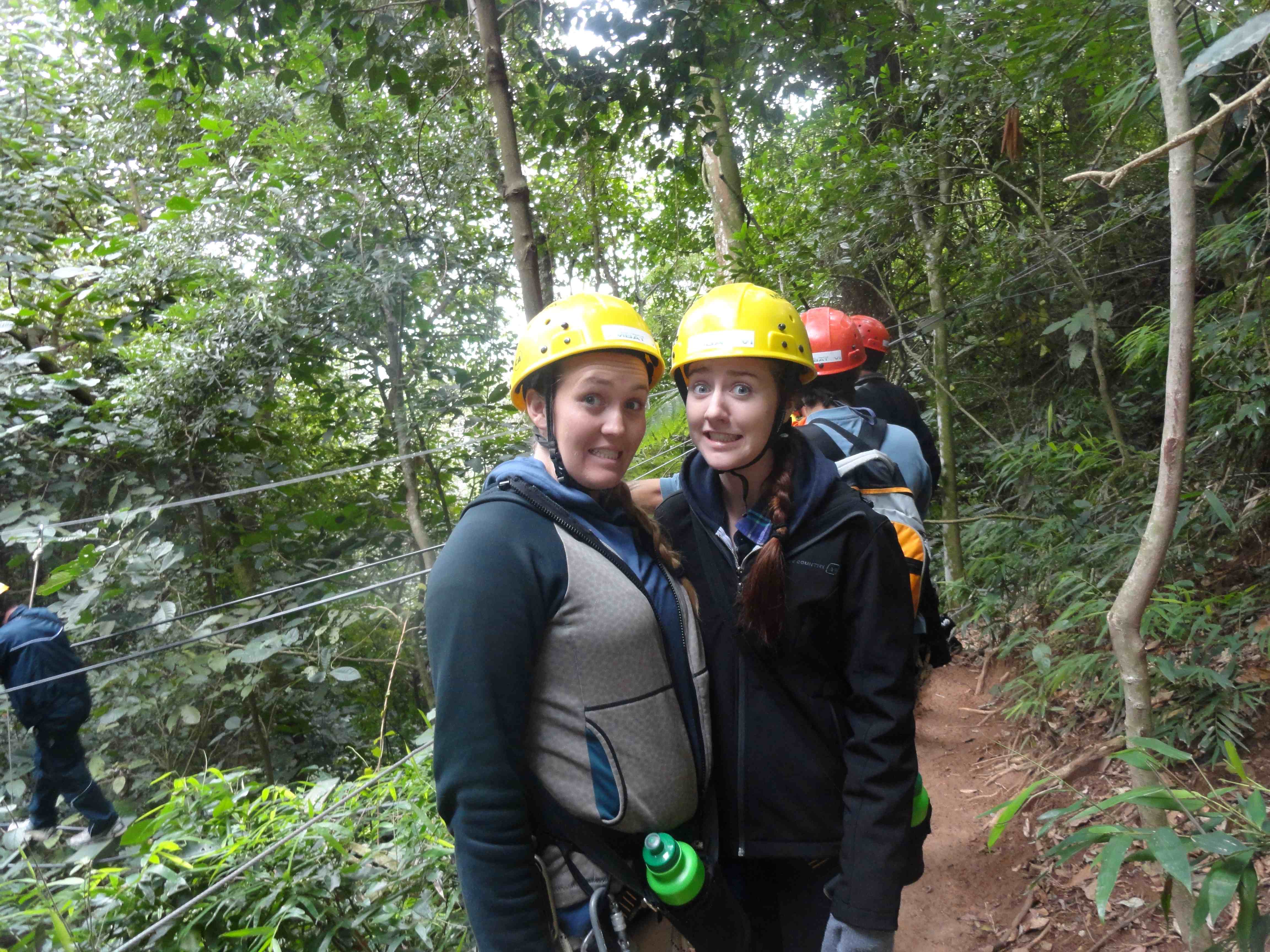
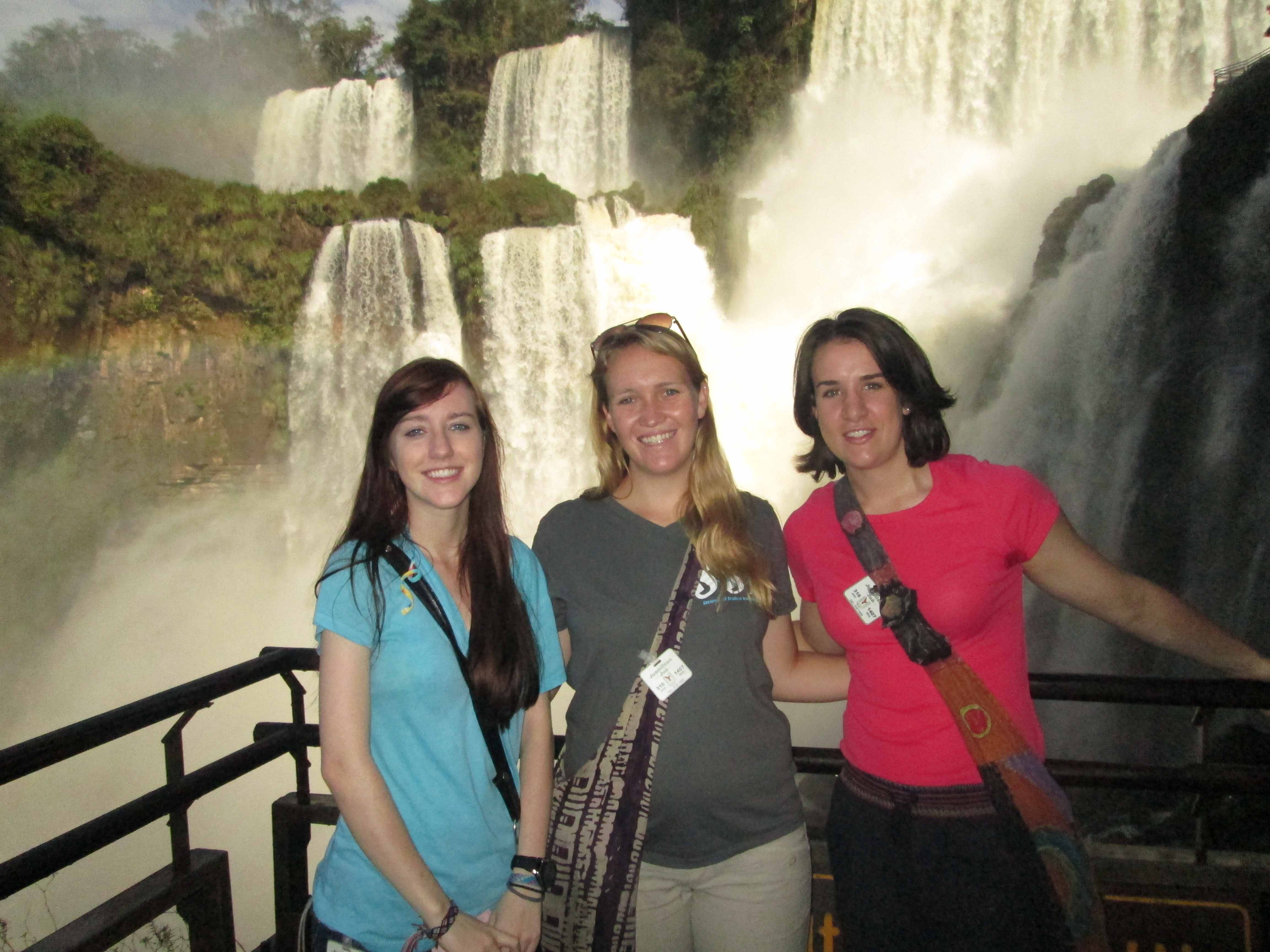
Michelle and I about to go zip-lining at the Mbatovi Nature Reserve

do this? Wouldn’t I just be more comfortable getting a regular business job that would support my shopping habit? But comfortable didn’t make me happy. I enjoy a challenge, the moment of being forced out of my comfort zone and realizing it’s not nearly as scary as I thought. It was like zip lining across a ravine or diving into a muddy Paraguayan river. At first, I was skeptical that I would enjoy those experiences, but once I took the plunge it was exhilarating. Living outside my comfort zone forced me to be self-aware and to grow from that self-awareness.

I don’t know what exactly I want to do with the rest of my life, but I no longer feel like I have to know right now. I found my path in a field that I love. Right now it is the journey along that path that is important to me. I am still discovering and honing my greatest gifts, and I am still exploring the way my gifts fit with the worlds needs. And I am ok with that.
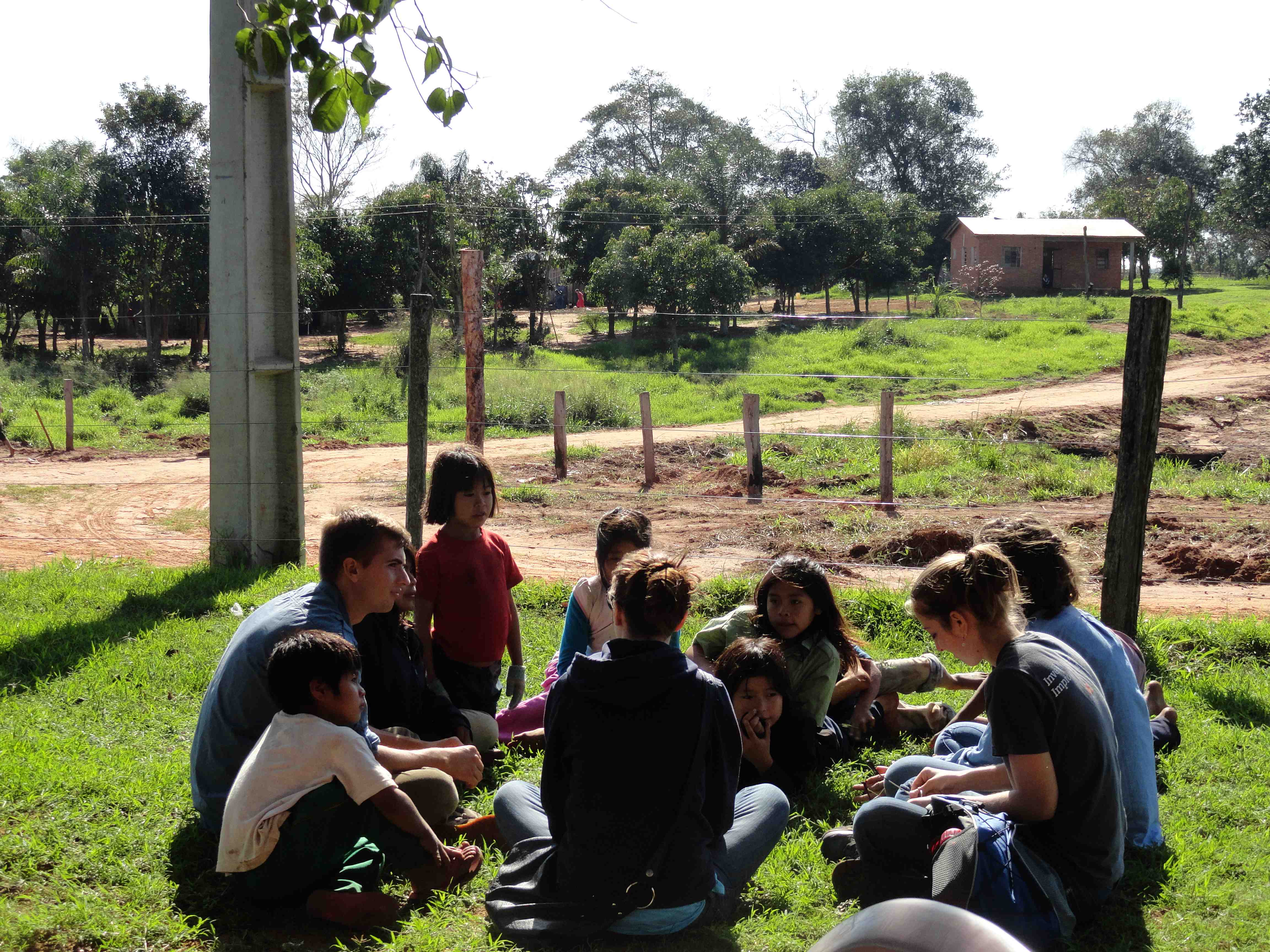
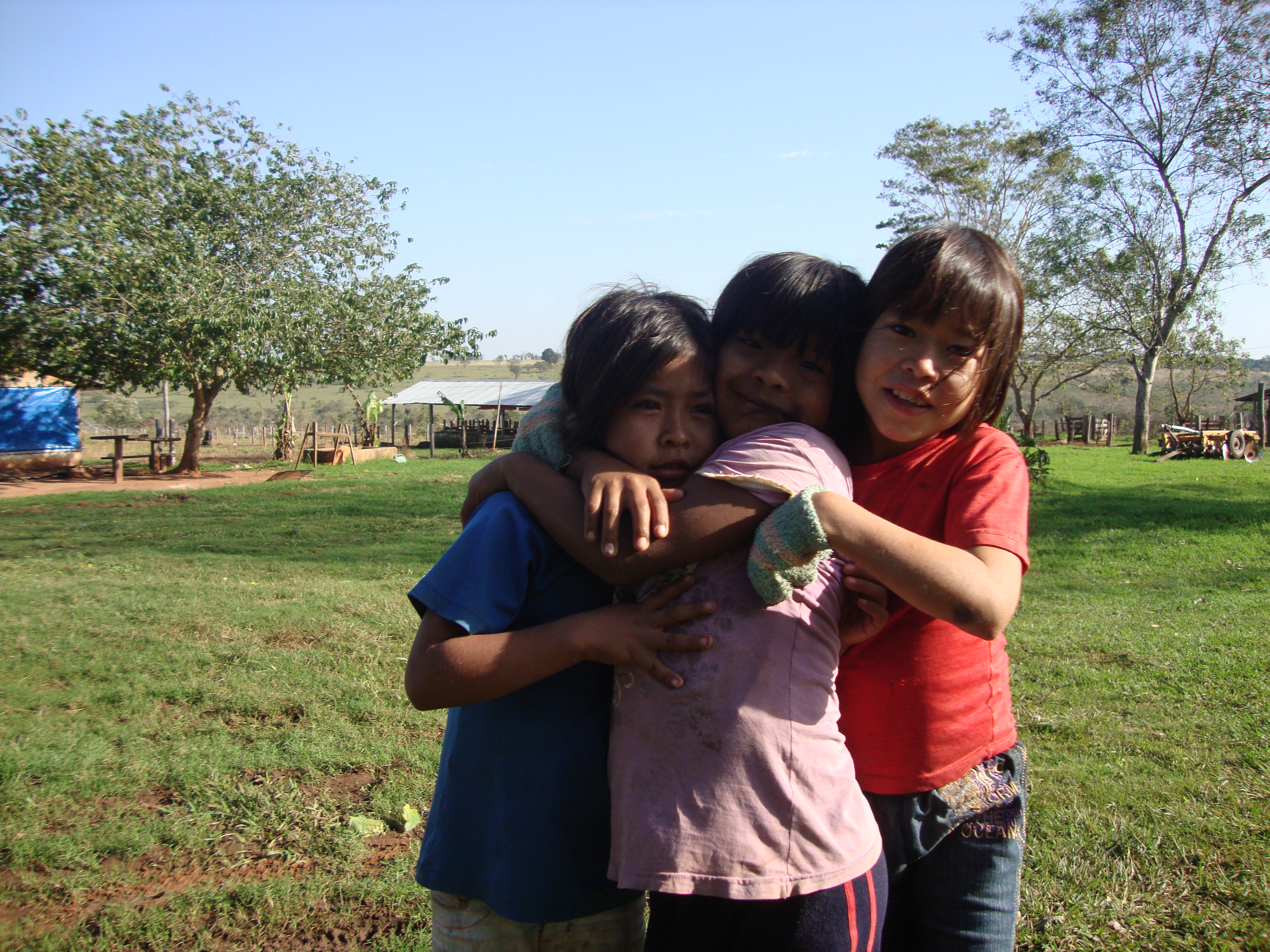
Hanging out with children at the Mbaracayu Reserve

As I continue my journey and learn more about economic development and social entrepreneurship, I feel like I am closer to finding my niche within the field. Impact investing has recently begun to appeal to me because it engages the part of me that will always love the excitement of the business world and it would give me firsthand experience interacting with amazing social businesses that are innovating at the margin. But I am open to exploring many aspects and avenues of development.

From where I stand, the future, the real world, seems mysterious and more than a little bit terrifying. But it is also exhilarating, and I cannot wait to continue my journey.
A Dreamer Among the Humblest

My first surprise when I got to Carapegua, Paraguay was that the weather was not warm. At all. Back in June, when I was jittery with anticipation for my first big global adventure, I didn’t put all that much thought into packing. As a self-confessed shopping addict, it was probably the first time in my life when I managed to not horrendously over-pack. I made a promise to myself that I would take this journey as simply as possible, and that included packing lightly. I threw in a few t-shirts thinking, it’s South America, right? It’s always warm!

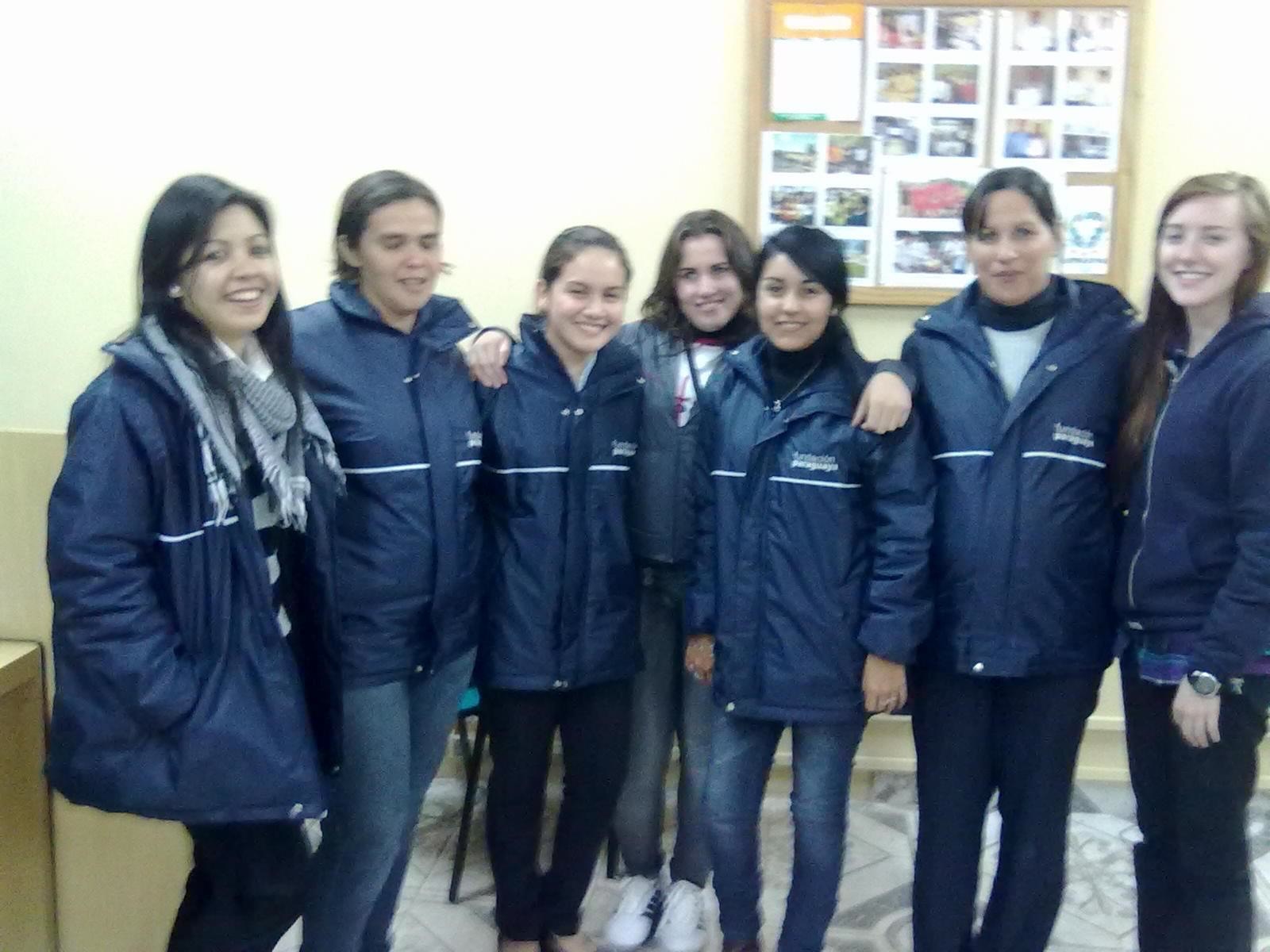
Some of my coworkers in Carapegua. (In our winter jackets!)

Wrong. Oh so wrong. I spent my first day in the field shivering on the back of a moto before I finally conceded to buying myself a jacket. (And believe me, I lived in that jacket.)

My experiences in Paraguay constantly challenged my assumptions. My time there marked both my first visit to South America and my first experience in a developing country. Before embarking on my journey south of the equator, I expected my biggest take-aways from the experience to be related to the internship. Post-graduation, I hope to explore the fields of social entrepreneurship and impact investing, and I felt that working with a microfinance organization would be great exposure to that kind of industry. And while the internship was incredibly informative, I came to realize I learned the most simply from being in Paraguay.

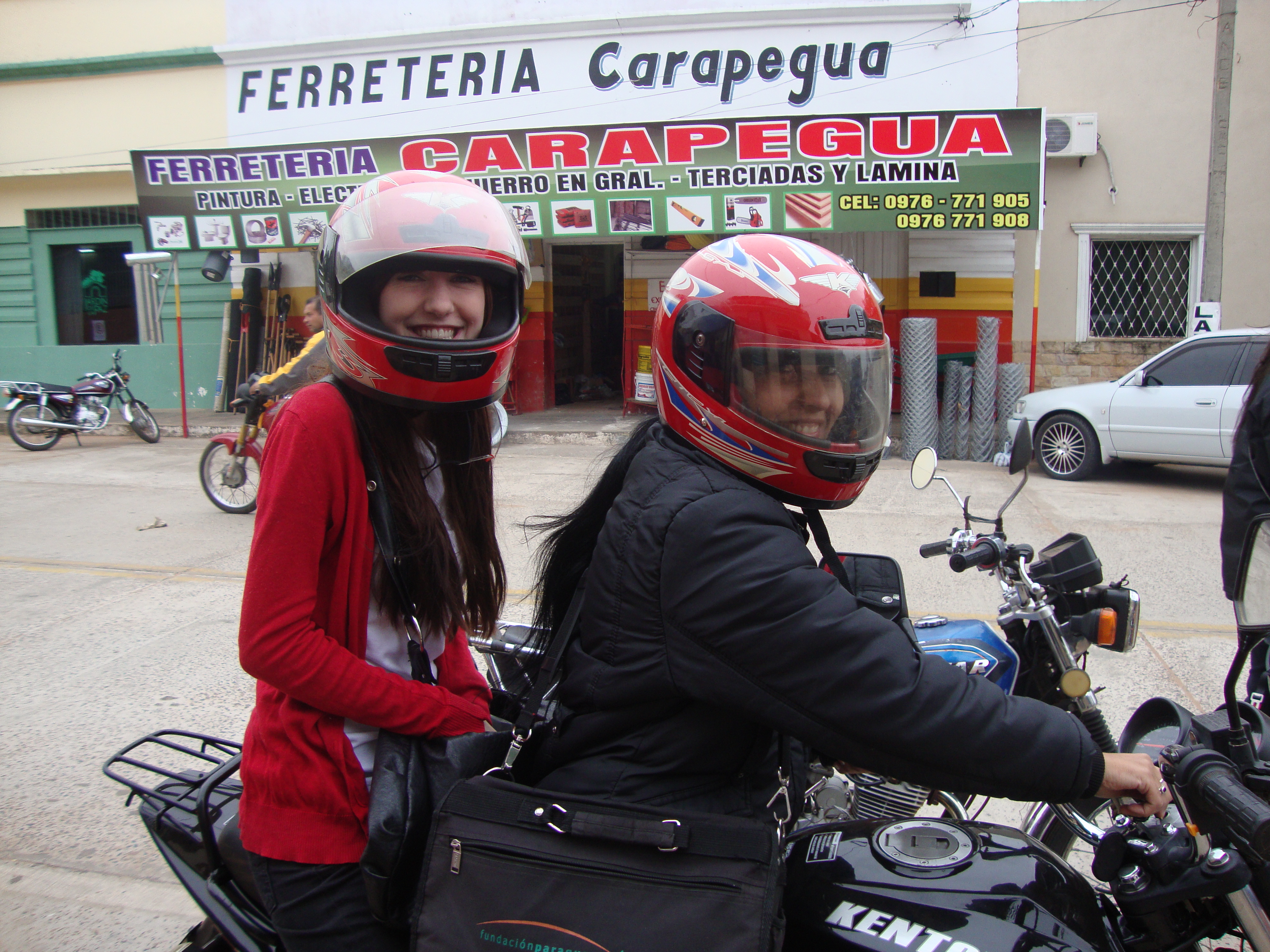
Riding a moto!

I learned that Paraguayans were some of the warmest people I had ever met. They took the time to try to puzzle through my oft-garbled attempts at Spanish despite the fact that few foreigners ever venture into their country. They were always quick to offer good food and a smile or a story. I had the incredible good fortune of meeting a huge cross-section of the Paraguayan population. I hitched a ride with a businessman who was trying to connect trade routes between the US, Paraguay, and China; I helped shuck corn at a girl’s school; I listened to groups of

Indigenous children in the Mbaracayu Reserve

women’s committees commiserate about life’s daily challenges; I played alongside children from the indigenous population who did not even speak a word of Spanish. Each of these people had a story, and my interactions with them helped me to truly understand the depth and breadth of the country.

I also learned a lot just from being on my own in a developing country. I learned to take buses that had no designated routes or schedules and, as a historically picky eater, I learned to try new foods I’d never heard of before. I had the opportunity to experience one of the least-visited UNESCO world heritage sites in the world, where I marveled at the beauty and serenity of centuries-old Jesuit missions. I truly fell in love with my journey, the uniqueness of every day and every experience.

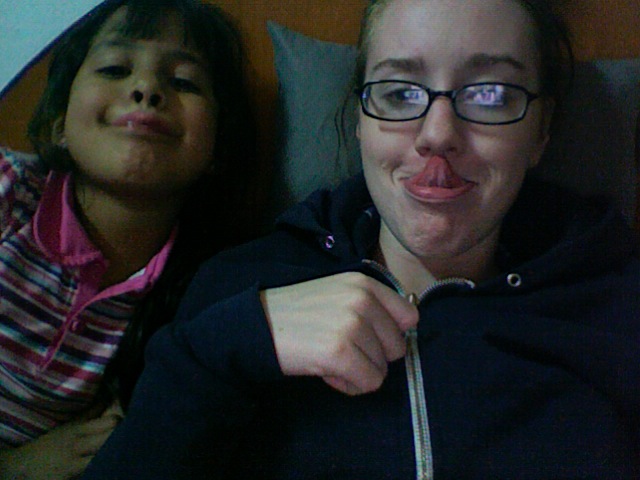
Bonding with Cecilia, my host sister

Literally each and every day I experienced something new and adjusted my worldview. I’ll freely admit that I’m a planner and an organizer. While at school, I run myself on a strict schedule. I’m bound to get frustrated when people don’t reply quickly or aren’t as on top of things as I am. But in Paraguay, I had to let that go. I’m not sure if it’s the nature of South America, the nature of non-profits, or of both, but nothing ever quite runs on a set schedule, not even the buses. Things happen, life happens, and the attitude was generally come what may and not worry too much about it. It was refreshing, and incredibly freeing. I realized how much stress I place on myself in my day-to-day life with excessive deadlines and scheduling. I found it amusing that while the United States pride themselves on radical individualism, we have so many guidelines and rules, explicit and implicit, that control our lives. In Paraguay people simply are. They take care of themselves, and they do what they need to do.

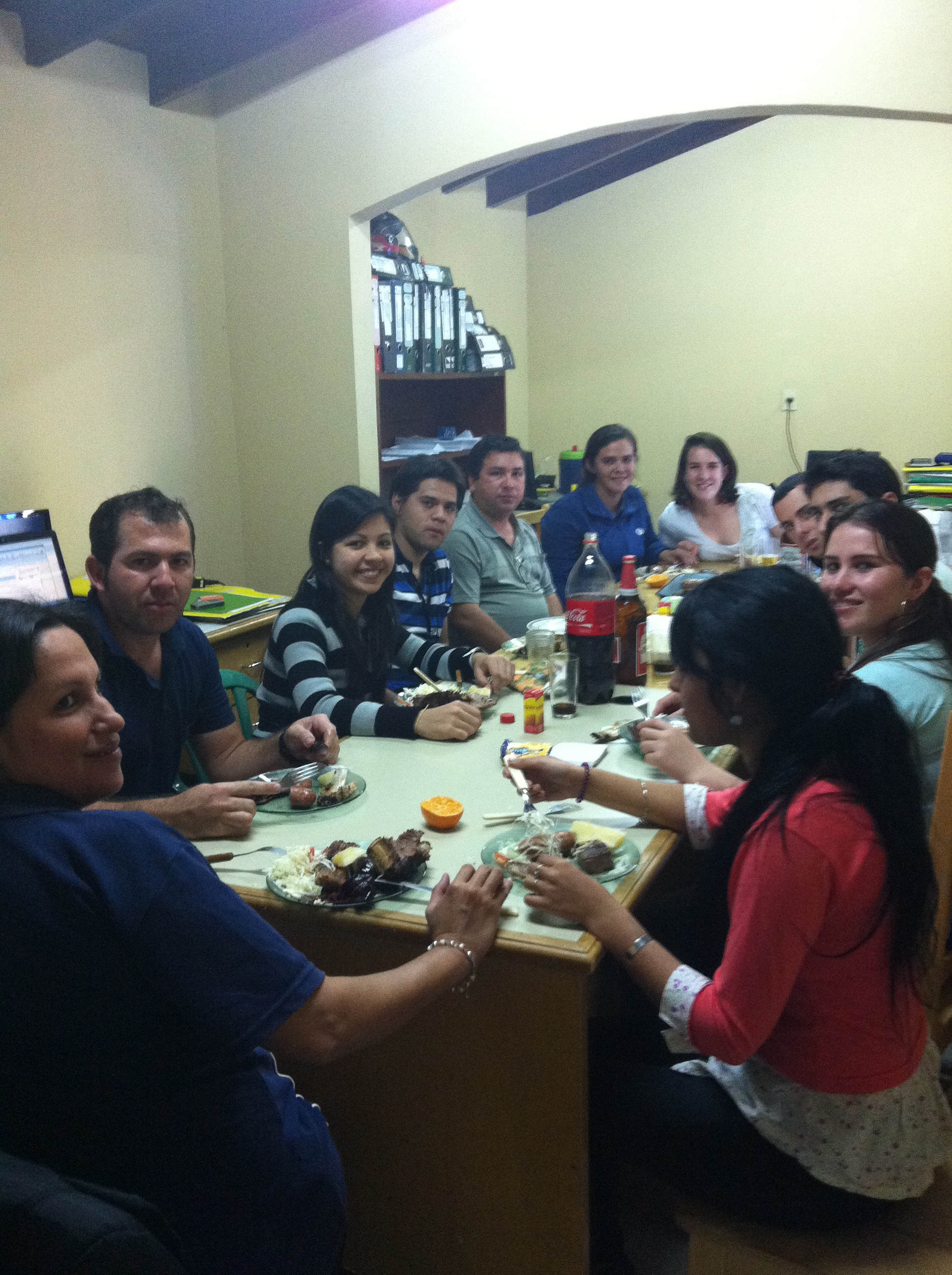
Having a meal with the office

I came to realize that life will never completely conform to some arbitrary schedule and structure I try to place on it, so I ought to embrace and even treasure those unexpected moments. And having this attitude did not dampen their mission or their accomplishments. True change can still be affected without stress and constant pushing. I hope to carry that lesson with me into all aspects of the future.

I will not pretend that the experience was easy. It was exhausting to be pushed outside of my comfort zone every day. I struggled with the language, the pace and sometimes the nature of work, and your typical college existential crises as much as I learned from them. But it was also incredibly rewarding. I began to realize this element of life experience and human interaction was critical in pushing my interest in social businesses beyond a job and into a vocation. It is the wholeness and immersive quality of the experience that I value most of all. Vocation should be whole and immersive in one’s life, and my role in Paraguay was more than simply an office internship. I don’t want my future to be exactly like my experiences in Paraguay, but I do want it color my life in new ways, to challenge me, push me, and inspire me.

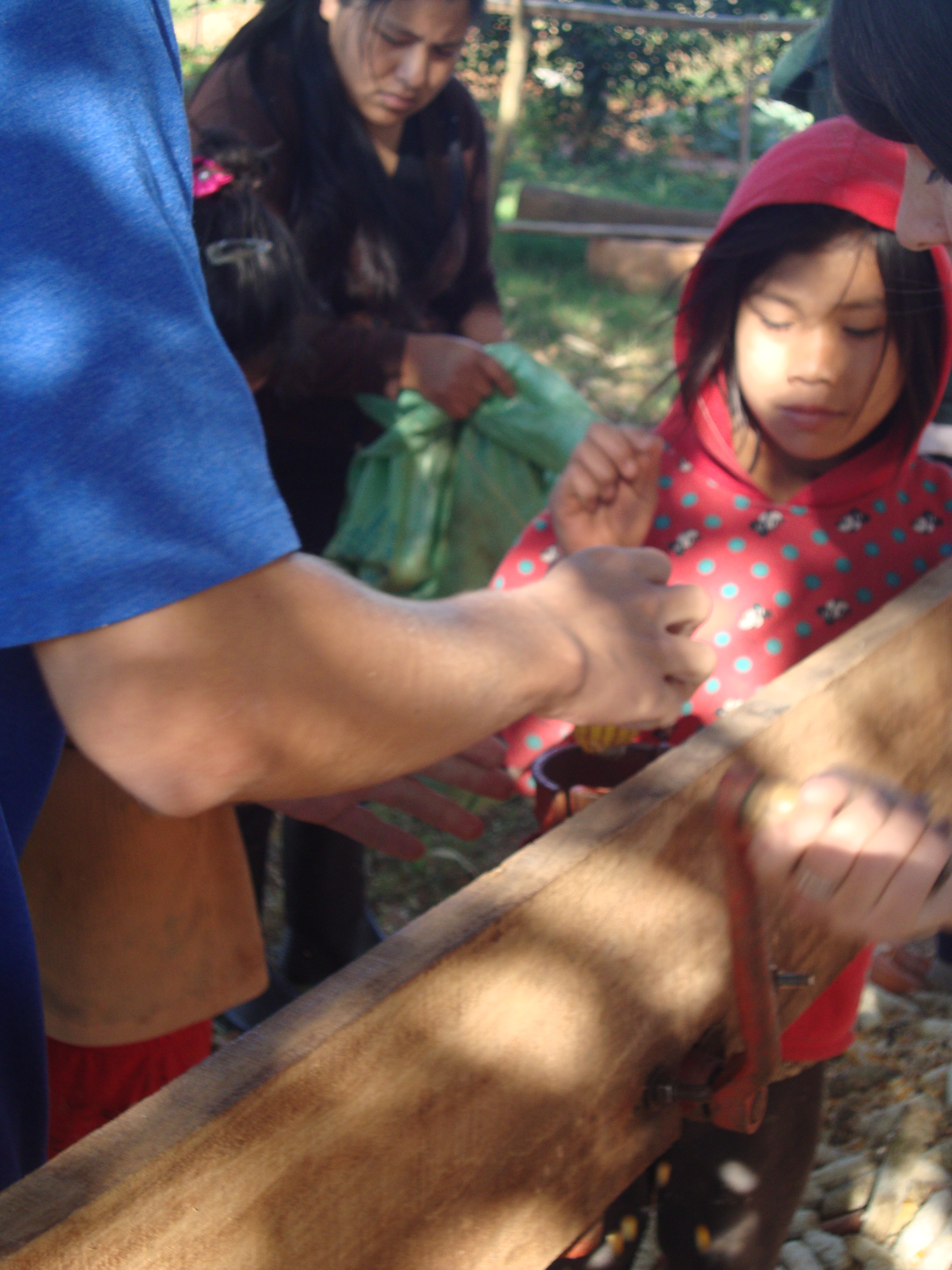
Shucking corn at a girls’ school with the help of indigenous children

There is a commonality and a strength in the human spirit that I cannot help but find beautiful. In moments when words failed me, or when cultural barriers got in the way, there was still a transcendent understanding of other beings. I never had a moment where I felt completely lost or alone. And thus, I come from this experience energized to pursue my dreams and my vocation.

A dear friend gave me Khalil Gibran’s The Prophet when I was young, and Gibran’s words have served to give me hope and peace in many dark moments. I particularly love his quote, “I prefer to be a dreamer among the humblest, with visions to be realized”. As I move forward from my Paraguayan adventure, I have many visions yet to be realized, readjusted and colored by my experiences. And I look forward to humbly taking the next steps to pursue those dreams, and the many more transformative experiences I hope to have in the future.

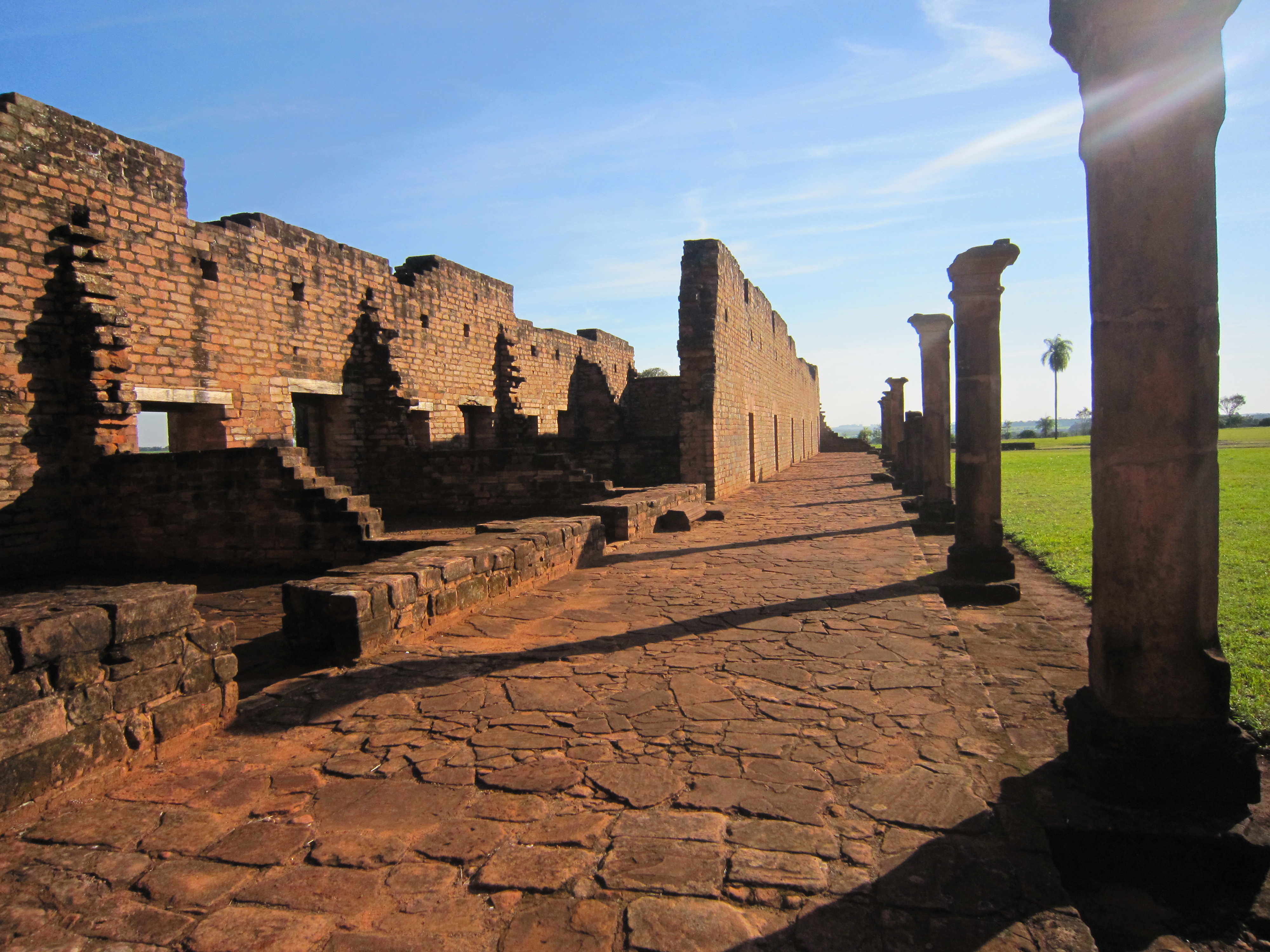
Jesuit Mission in Jesús, Paraguay

The Journey Here

If you had asked me in high school where I thought I would be in a few years, I certainly would not have guessed that it would be here. When I entered college, I had no concept of vocation. I had attended public school my entire life, and I had internalized the mindset of education as a means to an end. I wanted to achieve a success based on money and prestige. But upon my arrival at Santa Clara, I was suddenly exposed to the idea of working for others – using my own skills for the betterment of society as a whole. I realized that I want to seek a vocation, not just a career. As a student of both business and economics, the field of social entrepreneurship appeals to me immensely. It would give me the opportunity to apply the practical business knowledge I have cultivated to real world issues in a way that affects tangible and sustainable change.

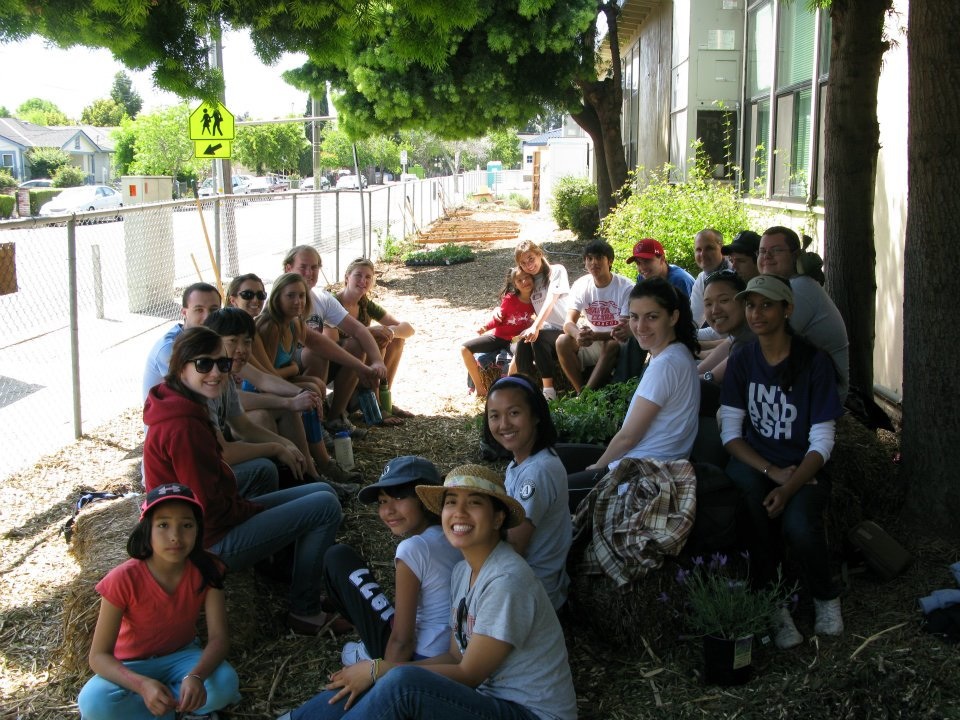
Community Service with CLASP

At Santa Clara, I have had incredible opportunities that have challenged my worldview and allowed me to examine my own strengths to in the context of the world’s needs. The initial seed was planted when I joined the Contemplative Leadership and Sustainability Program through the Leavey School of Business. As a part of CLASP, I was able to explore how sustainability relates to each major offered within the business school. I was blown away by the wealth of opportunities within the field of economics, particularly sustainable economic development. I became intrigued by the creation and implementation of systems to help the poor, the underprivileged, and the disadvantaged locally and around the world achieve greater economic success while still keeping in mind their own cultural context and the health of the environment. I knew that I had found a field that I could be passionate about, a field where I could make a real contribution.

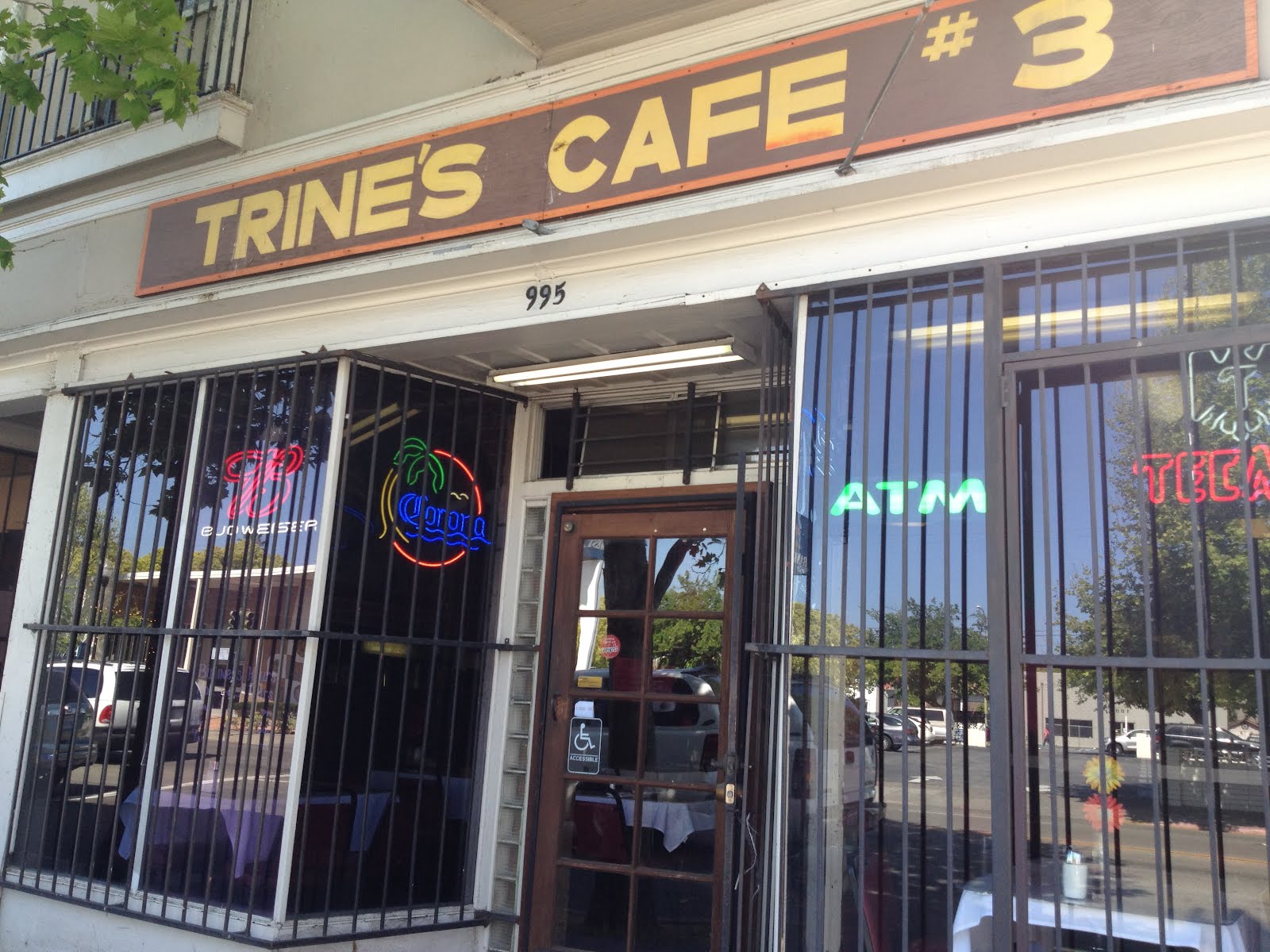
Trine's Cafe, one of the prominent businesses on South First Street

My first step in pursuing work in economic development was to get involved with Santa Clara’s new Neighborhood Prosperity Initiative. The Initiative seeks to create a long-term partnership between SCU’s Leavey School of Business and the struggling business district on South First Street in San Jose. As a part of the Initiative, I visited the community and helped interview business owners about their needs and their struggles. Our next step is to utilize the resources and connections here at Santa Clara to help address the strife within the community. I have been continuously struck with the passion and care that those small business owners put into their businesses. One restaurant owner drives down to Los Angeles every week just to get fresh ingredients in order to preserve the integrity and authenticity of the food he serves. I hope that the experiences I have had with local struggling communities with inform my experiences abroad and vice versa. I expect to find that these communities have more similarities than differences, and I hope that I can work with both to address their needs.

I credit my experiences at Santa Clara with exposing me to tangible experiences that have allowed me to explore my own concept of vocation. But there has also been one person in my life that has consistently inspired me to do better and to be better – my brother. He too is interested in pursuing a career that affects a positive change. At only eighteen, he has been involved in numerous volunteer projects, interned for a youth development non-profit, facilitated the launching of a youth center, and expressed interest in becoming a community organizer.

While he was interning at a non-profit focuses on youth development for the underprivileged, I once accompanied my brother to interview homeless youth at a transitional house. What was initially shocking to me was that the majority of those youths were younger than myself, and yet they had undergone so much more than I ever had to. I spoke to one boy who had hitchhiked to Seattle from the Midwest. He proceeded to explain to me how to find out which streets were safe for resting or sleeping in when first arriving in a new city. I had never before even considered how it must feel arriving in an unknown city and trying to determine the safest alley in which to spend the night. Their whole worldview was radically different from my own. They spoke of struggling to find food, of dealing with drug-addicted friends and relatives, of being separated from siblings by the foster system. I realized that I would never be able to fully understand these people, because their experiences were so dramatically different from my own. But I had so much to learn from them. Just simply by listening I was able to better grasp their needs and uncover ways to apply my own strengths and assets to address those needs.

Interestingly, my brother and I had vastly different opinions on what it would take to make a difference in the lives of the people we interviewed. I advocated more direct action such as implementing programming or connecting them to resources. He preferred a softer approach – first just talking to them and listening to their stories. The first thing they need, he told me, is some sort validation without judgment. They need someone to listen. I agree, but I still believe more in tangible action. We may never fully agree, but my continued dialogue with him has helped to shape and challenge my own concept of vocation.

The Global Social Benefit Fellowship has offered me the perfect opportunity to explore and pursue my vocation.  Social entrepreneurship is a viable avenue towards sustainable economic development, and this fellowship is giving me a hands-on opportunity to be a part of it. To learn what works and doesn’t work from social entrepreneurs in the field and directly from the people they serve is a key step to understanding how to promote sustainable economic development across the world. I look forward to the challenges that this fellowship and my field placement will present me with. I hope to continue my internal dialogue and refine my understanding of who I am, who I want to be, and where I want to go in the world.