In “The Craft of Research” Chapter 16, Wayne C. Booth explains how to effectively use introductions and conclusions. The introduction is composed of a pattern that Booth calls, “Context + Problem + Response,” and setting the foundation of the introduction with “common ground.” This introduction is clearly effective in the examples made; however, I found that the introduction becomes bland insanely quick, especially when the same style is read consecutively.
Many of the introductions in “The Craft of Research” lack the attention-grabbing factor that I believe is integral in a successful introduction. I enjoy anecdotes that tell a personal and unique story that can put a special spin onto a piece of writing. Although the introduction provided by Booth uses questions to make it interesting, the purpose of the question as the context makes the questions lose the interesting factor that it could have had.
I agree that establishing common ground is important in an introduction as to not lose the reader’s attention in the first paragraph. Yet, there are many ways to make an introduction captivating that are not the mentioned methods in chapter 16.
WWrinkler’s video, “What Makes a Hero” showcases the similarities in heroes throughout all mediums, whether it be books or movies. The video explains the cycle of a hero’s adventure and connecting the cycle to real life. The comparison opened my eyes to see this pattern in different types of media. Even relating back to my religion class, I see this cycle from the Bible in the story of Moses and his calling.
This definition of a hero by Wrinkler dives into the concept that everyone can be a hero. Art often mimics real life. I believe the mind sees the concept of the rising through challenges with a will to continue as an image of being a hero, and thus, the “hero myth” is born.
Throughout our past readings, we can see this hero cycle lived out in real life. Emma Gonzalez rose through the adversity that struck her high school. Yusra Mardini saved lives through fighting the cold waters. Each role model emerged through each obstacle with a new purpose and high understanding of life. Although I can definitely see the heroic merits that surround many of these extraordinary acts of bravery and perseverance, I cannot agree with the fact that everyday people are heroes because participate in “baseball tryouts” or “audition for a school play.”
There is value in seeing those acts as brave; however, I would not go as far as to call the individuals participating in them as heroes. They may be set on the path of becoming a hero, but they still have a while to go.
Reading Anne Lamot’s “Shitty First Drafts” spoke wonders to me and my own personal conflict with not only writing, but with many aspects of my life in fact. At first glance, understanding the idea that even great authors “feel like [they] are pulling teeth” when writing” provided of a sense of assurance that I was not the only one in this struggle of forming masterpieces of literature. However, this lesson of multiple drafts seemed very obvious to me; after all, this concept is something that has been taught to me from the beginning of my academic education. Therefore, the point Lamot is trying to emphasize is the “word vomit” part of making first drafts, something I tend to avoid and neglect. It is important to simply pour out ideas that come to mind when writing to create a foundation full of potential.
“Every artist has thousands of bad drawings in them and the only way to get rid of them is to draw them out.” -Chuck Jones
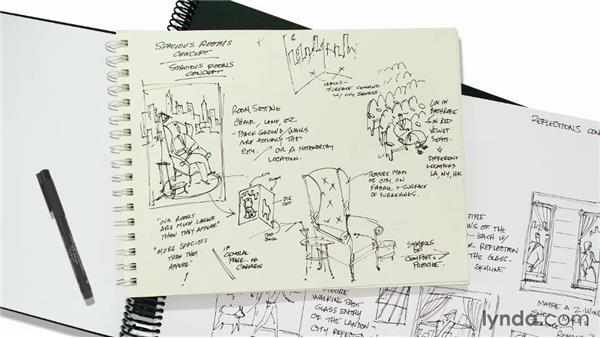
Reflecting, I realized that doing many things require a series of shitty firsts before anything. When in art, thumbnail sketches are essential to help artist visualize the overall composition and color scheme of a piece. In cooking and developing recipes, multiple failed attempts are bound to happen. Life itself is full of shitty firsts that need to be done before any real success begins to show itself.
In the end, it is what is learned from each horrible first draft that propels us to do better the next time. The significance that comes from messy drafts is that each one is one step closer to the final product in mind.
“They Say/ I Say” opens the idea of using templates within academic writing. The preface and the introduction itself even utilizes the format of a template to prove its point of increased creativity with the methods, including the summary of the benefits of writing models to contrasting it with the many well-known arguments against it (reflecting an “I say, they say” model). From the get-go, I was surprised by how much I was able to relate to the author’s comments. One particular sentence struck a chord within my experiences, from page xxii, on how “seasoned writers pick up these moves unconsciously through their reading.”
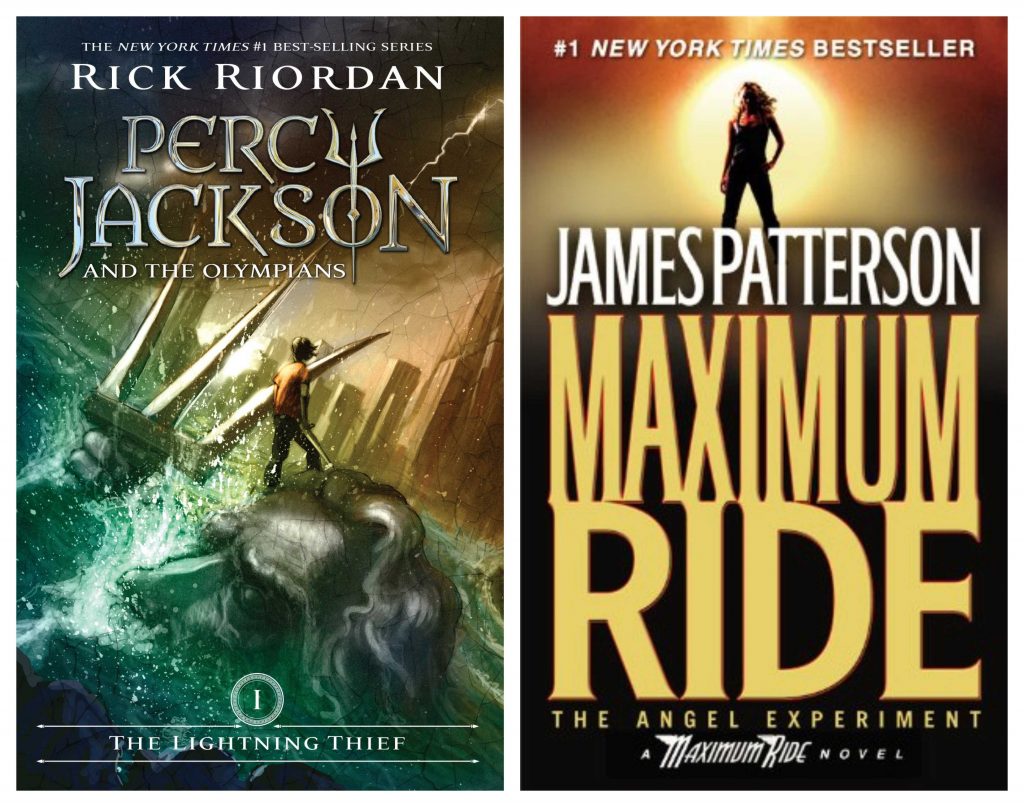
I reflected on my own style of writing when I was younger reading my beloved authors, Rick Riordan and James Patterson.
Both of these writers have similarly styled characters, all carrying the trait of using sarcastic humor. As I continued to delve into the story containing these characters, I noticed that in my process of creating fictitious characters for my own novels, each imaginative person began to closely resemble the heroes and villains of Riordan’s and Patterson’s books. This revelation is what Graff and Birkenstien is attempting to uncover in every person. However, it is difficult to say that this is a good thing. By making templates a habit, it can be difficult for writing pieces to break the mold and for writers to form unique writing styles. In fact, I find the act of relying on templates, although may be useful as guides, is a lazy person’s way of writing. Yes, personal analysis or thoughts may be unique, but using guides will limit how well your own viewpoints can transfer onto paper as words. Afterall, there isn’t a search bar that can find a specific fill-in-the-blank template that will fit with an argument you are trying to make in every essay situation.
“They Say/ I Say” highlights the formulaic nature of writing that allows for the organic thoughts to form naturally. Although this viewpoint merits good points, I find it hard to see any long term progress that can be made through such methods. At one point, this methodic nature idea is reflected in songwriting which reminds me of an interesting little number I stumbled upon on YouTube.
In fact, the idea that even songwriters follow templates to produce great hits makes me wonder what else in the world builds its foundation on modelling after others? Will anything in this world be unique anymore?