
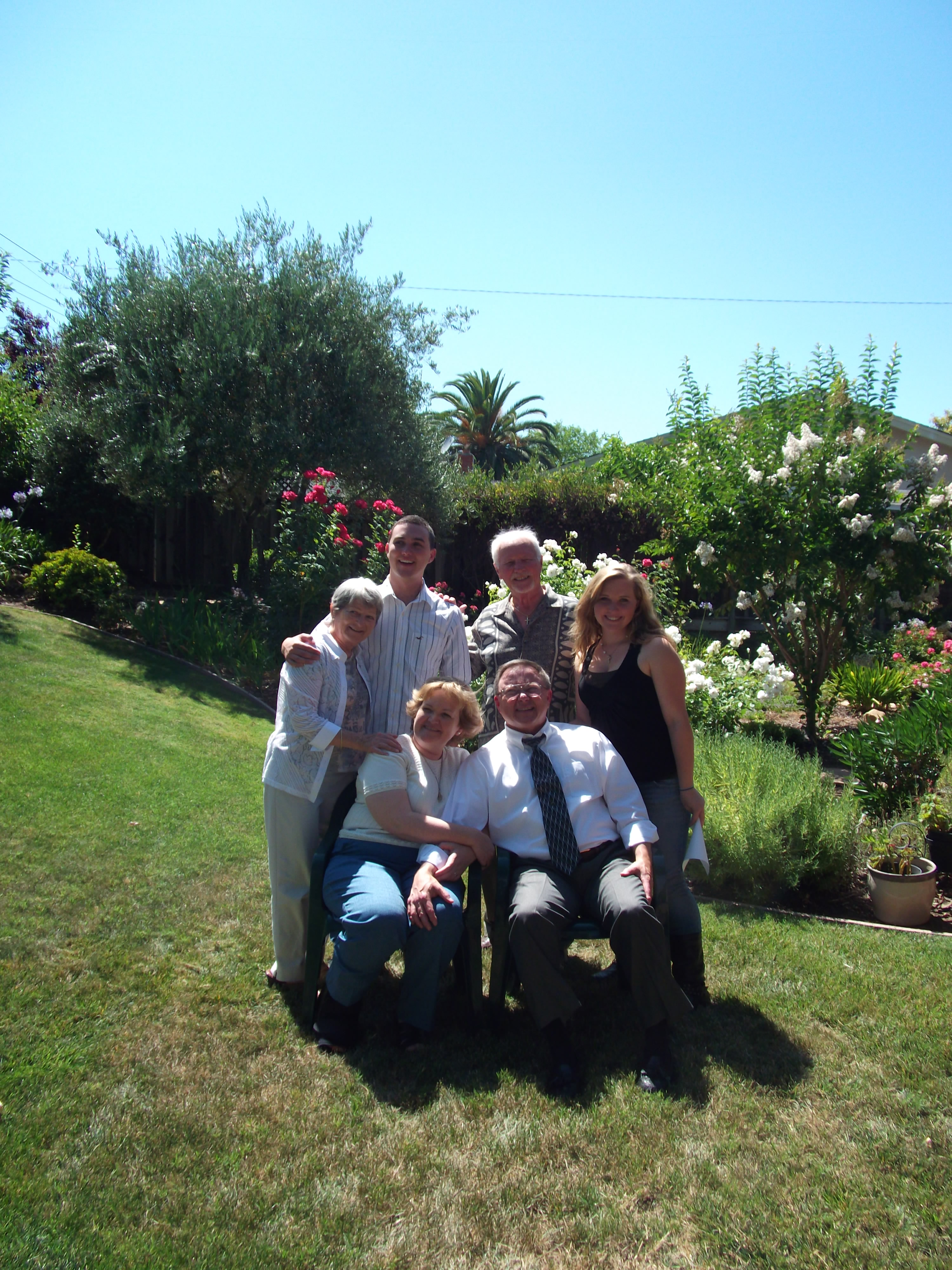
Figure 1: my family – these are the people who taught me how to love the world with passion and fire, unconditionally, the way God loves His world.
I was raised by your average Irish Catholic parents, and by average, I mean radically progressive and globally, socially conscious parents. Some of my earliest memories from childhood involve helping my dad serve at the soup kitchen he ran in Washington D.C. The homeless men that walked through our doors opened me up to a world vastly different than my own. As I sat at the tables with them, trying to stay out of my dad’s way as he worked, I learned to appreciate their stories and relate to their hardships. These men taught me at an early age that the life I was blessed with didn’t get handed to everyone equally. This was one of the best lessons my parents could have provided me with, and they did this by introducing me to the world around me.
Countless people used to tell me I was going to grow up to be a social worker, a psychologist, or an urban school teacher. While these are all noble careers, I was not overly excited about the career path my friends and family had prescribed for me. Throughout high school I found myself actively trying to change the current structures in place around me that appeared unjust. I ran for Speaker of the House of my high school and became the student representative on the County School Board. As I attended weekly meetings with the elected local officials, I challenged them, questioning why our students weren’t receiving the same educational opportunities as other districts in our area. My high school was struggling academically, and therefore financially, after No Child Left Behind legislation went into effect.
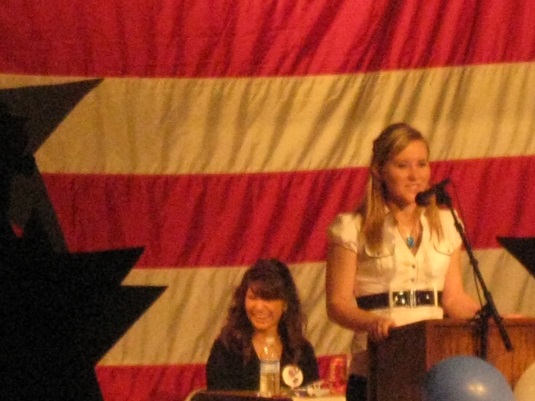
Figure 2: Running for Speaker of the House with the goal of providing all students at my school with the support to get to college.
I noticed from day one that certain students, those with college-educated parents and who were driven academically, had all the resources they needed to succeed. Students who did not have this privilege fell between the cracks without any support from the administration to help them aim for college. As I watched some of my close friends slip through these cracks and not receive the necessary support to get themselves out of their cycles of poverty, I knew that education was the key to helping people help themselves out of poverty. I am still guilt-ridden as I see my high school classmates post Facebook statuses about their dreams that they don’t have the tools or opportunities to turn into reality without a college education.
During my Junior and Senior year of high school, I went on mission trips to Rosarito, Mexico. While there, we served in orphanages, helped build shelters, and spent time in the local community. Both trips lasted for three days and were filled with praise and worship, prayer, and fellowship. I was totally entrenched in the mission of doing service for those in need. Both times I came back though something did not sit right with me. My youth pastor and my church praised us for doing good work for those less fortunate and told us that we were great young men and women of God. I struggled after the experience with what “good” I actually did while I was there. Yes, we helped lay brick and clear bush from a construction site—but anyone could have done that. Yes, we played with the kids who were parentless and lost—but they would never remember my name, their lives were not changed by my weekend visit. Regardless of my field trip, these children were still in poverty, they were more than likely going to struggle to find livelihoods and support their families as they grow up, and their lives were not changed because I sacrificed one weekend of my senior year spring semester to go down to Mexico with friends. While I will always remember Javier, the 4 year old who was crying in the corner from a cut knee as I first arrived at the orphanage, Javier does not remember me. When I left Mexico to go home, Javier stayed in the orphanage, not knowing that his mother, while still alive, did not want to raise him as she worked on the streets of Mexico. Ever since these experiences, I have realized that mission and immersion trips are intended to change something in us, not those we are coming into community with.
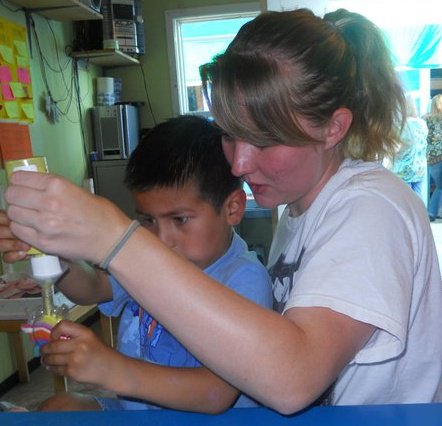
Figure 3: Javier and I making sand art in Rosarito, Mexico- Spring 2010
I quickly realized that service for the sake of self-growth was not what I was looking to do with the rest of my life. I did not want to travel the world to simply witness poverty and heartache. I want to be a part of something that helps people find ways to lift themselves and their families out of these poverty traps. I want to work to develop strategies that will end poverty, not something that places Band Aids on the existing inequalities of our world. Now, as I look ahead to my life after college, I do not know exactly what I’ll be doing but I do know that everything I do will be driven to make our world more equal.
I first heard the term “vocation” through my involvement in the Christian Life Community at Santa Clara University. I struggled for years before trying to mend my passion for serving the world with society’s focus on paychecks and brand name clothes. Reflecting on my vocation taught me that the tugs on our hearts matched the needs of the world where God is calling us individually. For me, this involves providing access to education and livelihoods for those around the world whose talent is being held captive by the chains of poverty.

Figure 4: Regarding the equality of education and empowerment of women