
After almost six weeks in South Africa, my research partner and I were still unsure of how we could provide value to the enterprise that had so graciously hosted us. IkamvaYouth had been more supportive and encouraging of our work that I had ever anticipated. Yet, even after receiving feedback on an online survey from hundreds of tutors and conducting dozens of interviews, we felt lost as to how to turn our research into something tangible and beneficial to the organization. We asked Zoe Mann, IkamvaYouth’s Community Coordinator, to meet with us to discuss some preliminary research findings and try to discern potential deliverables.
Our research findings contained trends that indicated some major issues regarding the organization’s ability to engage with and retain its volunteers, the driving force behind its key activities. We did our best to frame the findings in a positive, solution-oriented light. Yet, it was overwhelmingly clear that we were going to have to report to Zoe some disheartening findings. We were nervous that we might be overstepping our boundaries and inadvertently disrespecting an organization that works tirelessly to improve the plights of its beneficiaries.
We delivered our findings to Zoe and waited anxiously for her response. Yet, when she began to speak, it was not with any tone of defensiveness or frustration. She seemed absolutely delighted and thanked us profusely for having gathered such valuable information. We were shocked. Zoe explained that IkamvaYouth had grappled with these same issues before but that past attempts to address them had been unsuccessful because people had been too concerned with protecting IkamvaYouth’s perfect image or insulting its employees and members. She thanked us for finally providing a researched, objective, and practical evaluation of the organization’s weaknesses.
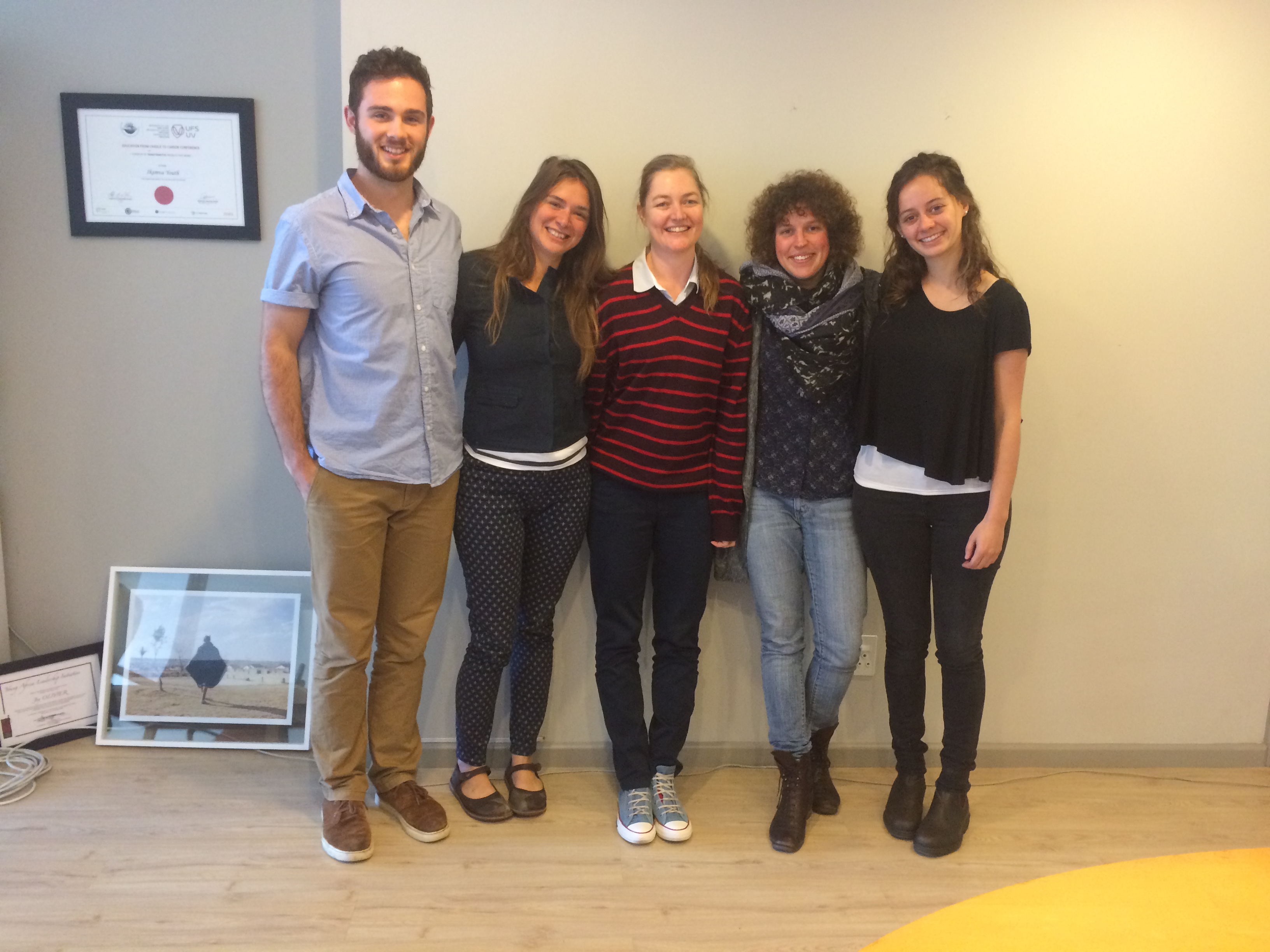
Some of the exemplary IkamvaYouth national staff: Alex Smith (Fundraising Coordinator), Joy Olivier (Co-Founder & Director), Zoe Mann (Community Coordinator)
As we moved forward in the process of developing valuable deliverables to address these key findings, I was profoundly moved by Zoe’s candid response during that meeting. She had every right to question our understanding of the organization and to discredit our research on the basis that we were simply undergraduate students without any “real world” experience. She could have become defensive, rationalizing the findings rather than courageously addressing them. She could have asked us to shift our focus towards topics that weren’t so sensitive in nature. Rather, she exemplified the nature and composure of a truly inspiring leader.
___
The fellowship gave me the space to fully realize and appreciate the value of humility. For me, the concept of humility is rooted in the understanding that everyone, despite their education, experience, age, or salary, is inherently ignorant in some regards. Yet, we should not be afraid or defensive of this ignorance, for it is what defines our future potential. When Zoe graciously welcomed our critical research findings, she recognized that our unique insights could help IkamvaYouth in areas that it did not yet have sufficient information.
The fellowship also gave me an opportunity to understand my potential contributions to the future of social engagement. I firmly believe that my ignorance, of IkamvaYouth’s inner working, culture, and practices, was the basis of my value to the organization. Because I was acutely aware of my own ignorance but was neither too proud nor shy to ask questions and critically evaluate IkamvaYouth’s practices, I learned far more than if I had remained silent. Furthermore, these questions unearthed some key issues that had not been addressed by the organization in some time.
I realized, through this process of exploration, that I work best in an environment that allows me to be immersed in the action. Whenever possible, I tutored leaners, witnessing firsthand some the issues tutors discussed during interviews. I ate with the tutors during lunch breaks, learning about their lives outside of IkamvaYouth. I spent evenings with IkamvaYouth staff, discussing their vision for the future of the organization. These constant, informal experiences gave me insight into the culture of the organization and a profound respect for its members. Simultaneously, I felt like they began to reciprocate trust and respect. I felt valued and knew that my work was taken seriously.
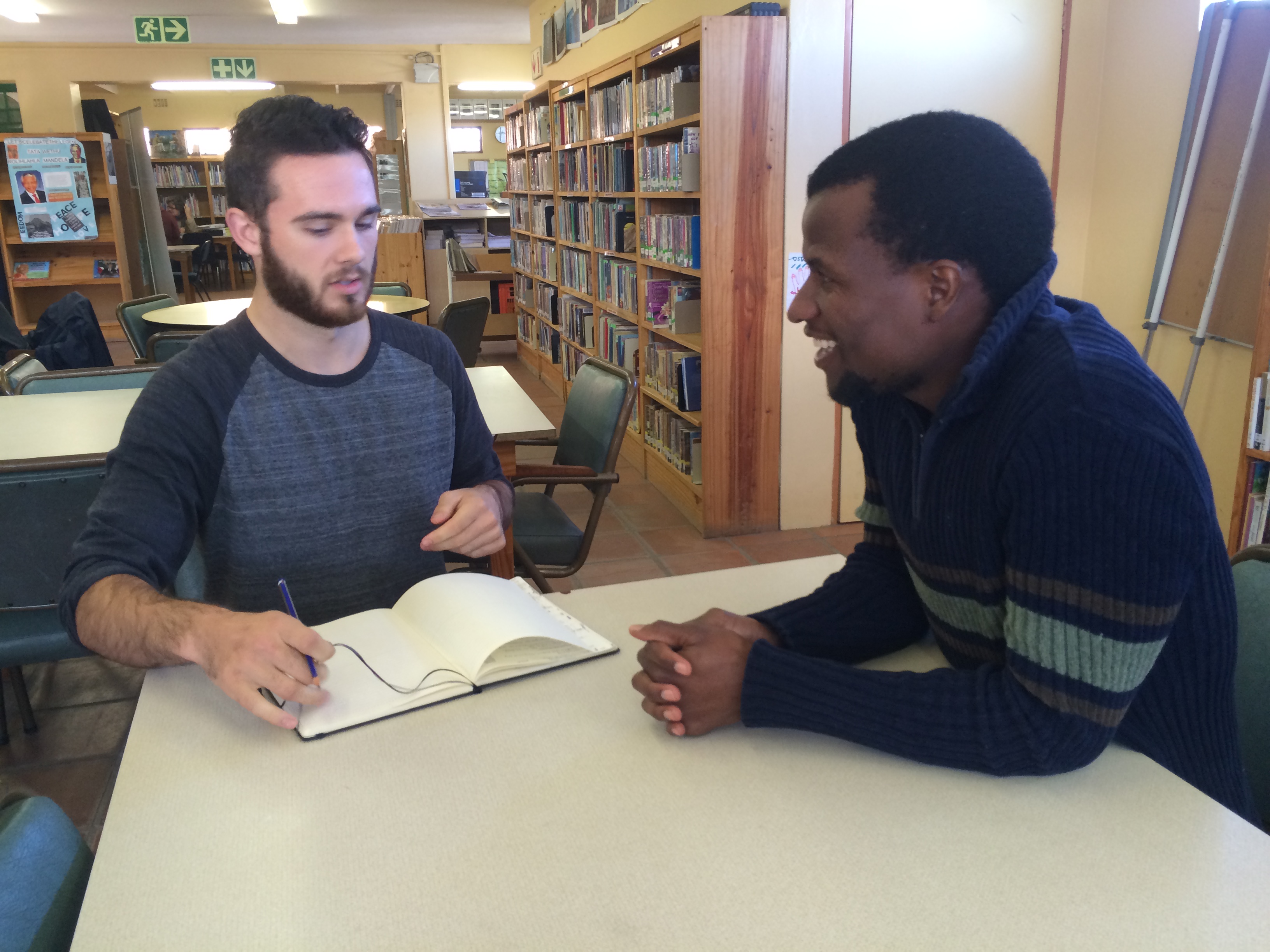
Tutors like Farai Mudi of the Masiphumelele branch made me feel welcomed and taught me as much about hospitality as they did about IkamvaYouth as an organization
Thanks to these informal discussions with learners, tutors, and staff, I began to understand the culture, tone, and vision of the organization. I feel that I have the potential to contribute to social engagement in the future by bringing this same acknowledged ignorance; although I do not necessarily have the answers, I can certainly ask the right questions.
___
The fellowship has been an unexpectedly magnificent asset to my own vocational discernment. As mentioned earlier, I pursued the fellowship as a means of experiencing unconventional education outside the classroom. I did not expect to be paired with an enterprise whose primary mission was rooted in education.
Working with IkamvaYouth allowed me to reflect upon my conception of the meaning and value of education. I saw youth, carrying the heavy baggage of challenging upbringings, fighting tooth and nail to earn their education. I saw tutors dedicating countless hours in order to ensure that the next generation had access to the support that many of them had lacked during their childhood. I saw staff working unreasonably hard to change entire communities through education.

Staff, like Zukiswa Gavu of the Masiphumelele branch, work tirelessly to mentor and support their learners
As I saw these amazing things, I reflected upon the way I had previously regarded my own education. I returned to school with a view of education that was less rooted in prestige—GPA, professor references, class rankings—and more concerned with its contribution to my future potential and development. I have since enrolled in a masters program, less anxious to “escape” the classroom and more excited to have the means and capability to expand my skills through education.
I refuse to continue to view education as an inconvenient given out of respect to those disadvantaged youth who fight so hard to secure it. I am fortunate enough to have been given the time and space to come to this conclusion on my own. I am hopeful that, through the hard work of organizations like IkamvaYouth, more and more youth around the world will be given the same opportunity to realize the value of their education before it is too late.
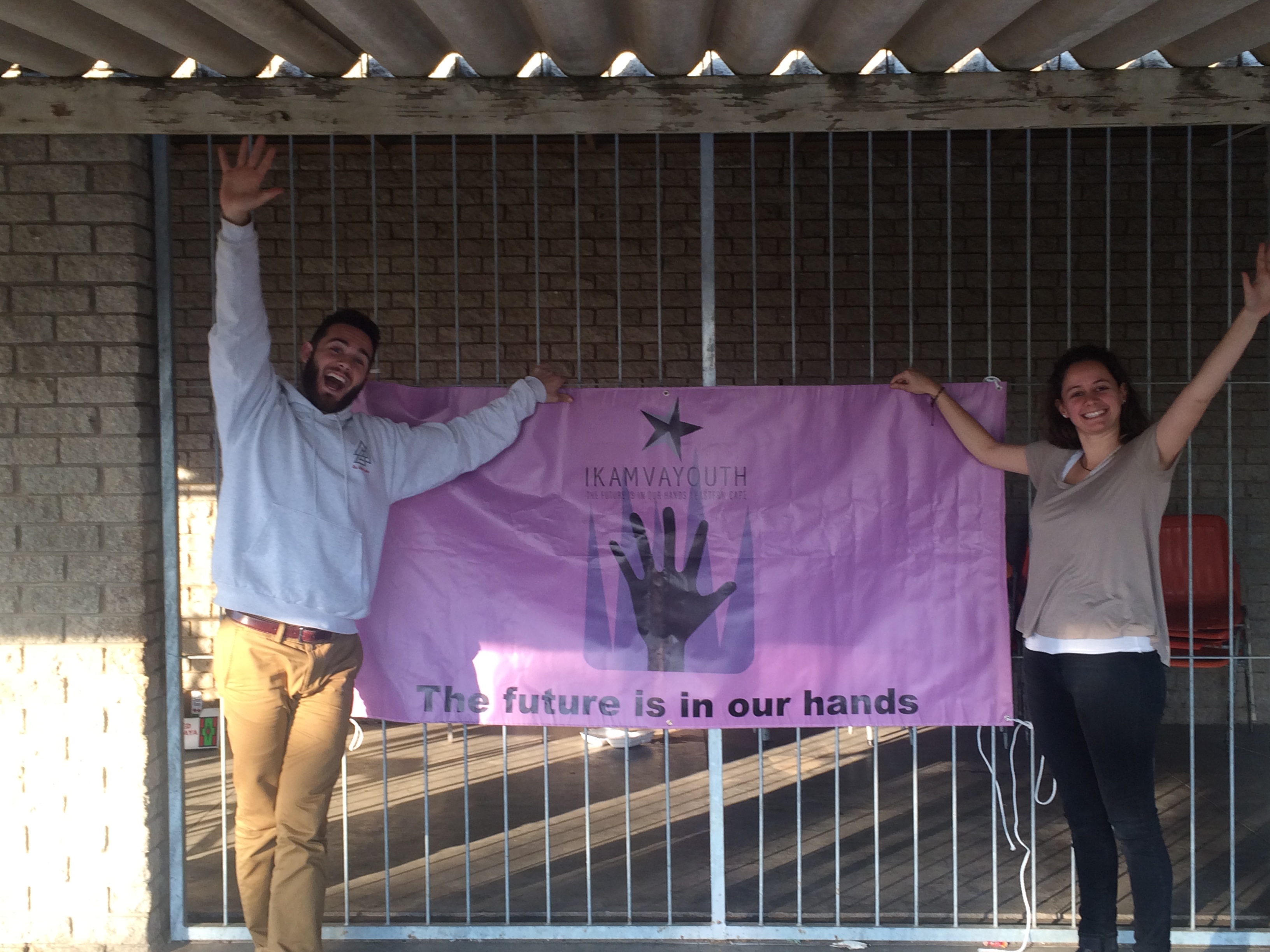
Our final day with the rural Joza branch in Eastern Cape
___
My experiences throughout the fellowship have changed my perception of my own personal capabilities because it constantly put my self-confidence to the test. I applied to the fellowship with little knowledge about social entrepreneurship and without any particular set of skills that set me apart. When I was accepted to the program, I knew that the tough was about to get going.
The first real challenge was developing a coherent research plan. Neither my research partner nor myself had experience in almost any of the areas in which we were expected to conduct research. We worked tirelessly with one another and our mentors, slowly rewriting, revising, and refining our plan right up until the day we departed for South Africa.
When we arrived and began conducting interviews and distributing surveys, we once again were forced to acknowledge the fact that we were not experienced enough to work completely independently. We reached out to IkamvaYouth staff who assisted us through every step of the research process. And as our research began to take shape, so did our understanding of the organization.
Yet, as the research developed, we were forced to face the fact our original plan no longer aligned with the reality of the needs of the organization. With Zoe’s help, we pivoted and developed several entirely new deliverables that will have a far more impactful effect on the organization than we had originally planned.
Finally, after returning to the United Sates and beginning to develop our deliverables, my research partner and I came to the sobering realization that we did not have enough information to produce the deliverables we intended to develop. When we reached out to IkamvaYouth for support, they dedicated an entire group of individuals to assisting us in gathering all of the relevant information.
I list these experiences not to “pat ourselves on the back,” but to point out the fact that, each time we were faced with adversity, we were able to revive our commitment to the project by seeking the support of others. I originally pursued the fellowship because I was, frankly, fed up with conventional learning, in which students work towards a predetermined answer. The fellowship more than lived up to my expectations in this regard. I was forced to work on tasks with which I had absolutely no prior experience and to address each and every obstacle with tenacity and creativity.
I slowly came to the realization that just about every other person on this earth is also improvising on a daily basis in order to solve real problems. By coupling a positive mindset and self-confidence with the support of allies, I was able to achieve far more than if I had assumed that my worth was determined by my prior experience. I believe that this ideology is central to IkamvaYouth’s culture, in which learners and tutors refuse to be limited by what they lack, be it resources, knowledge, financial support. Rather, they rely on one another and their drive to improve in order to pull themselves from poverty through education. I thank my research partner, mentors, professors and the IkamvaYouth learners, tutors, and staff for exemplifying and helping me to appreciate the value of mutual support.
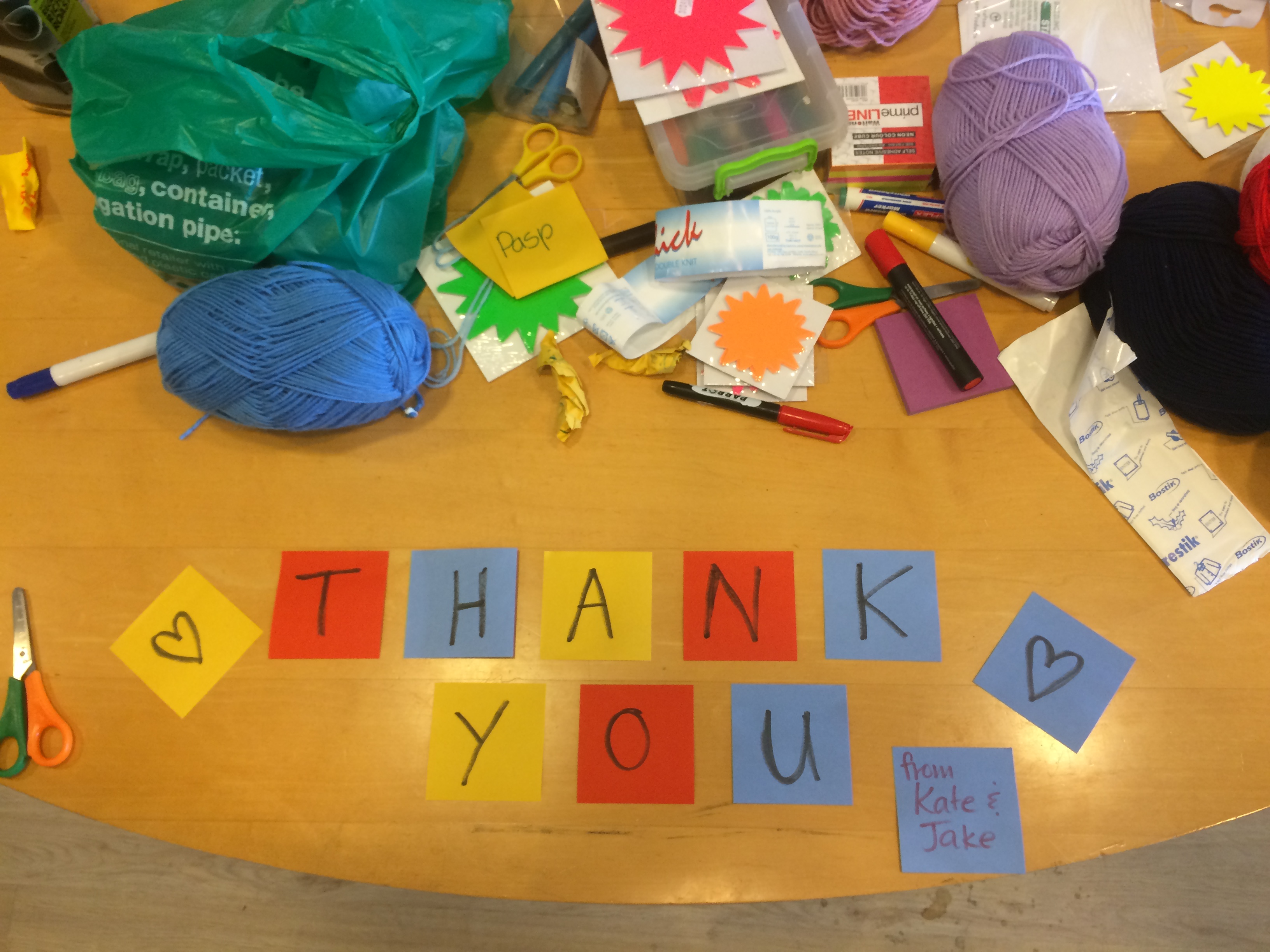
The final goodbye we left for IkamvaYouth
Cheers