Looking Back
During my first three years at Santa Clara University, I remember the huge amount of stress I placed on myself to get perfect grades, form concrete relationships with my professors, and always be on the prowl for career opportunities. I very well remember the stress I put on myself when I missed that organic chemistry problem on the test when I knew I had dedicated all my time studying for it. This stress built up this recurring source of anxiety within myself, and for a while, I really doubted my abilities and lacked the self-awareness and self-efficacy that Chris Lowney’s book, Heroic Leadership, emphasizes.
India
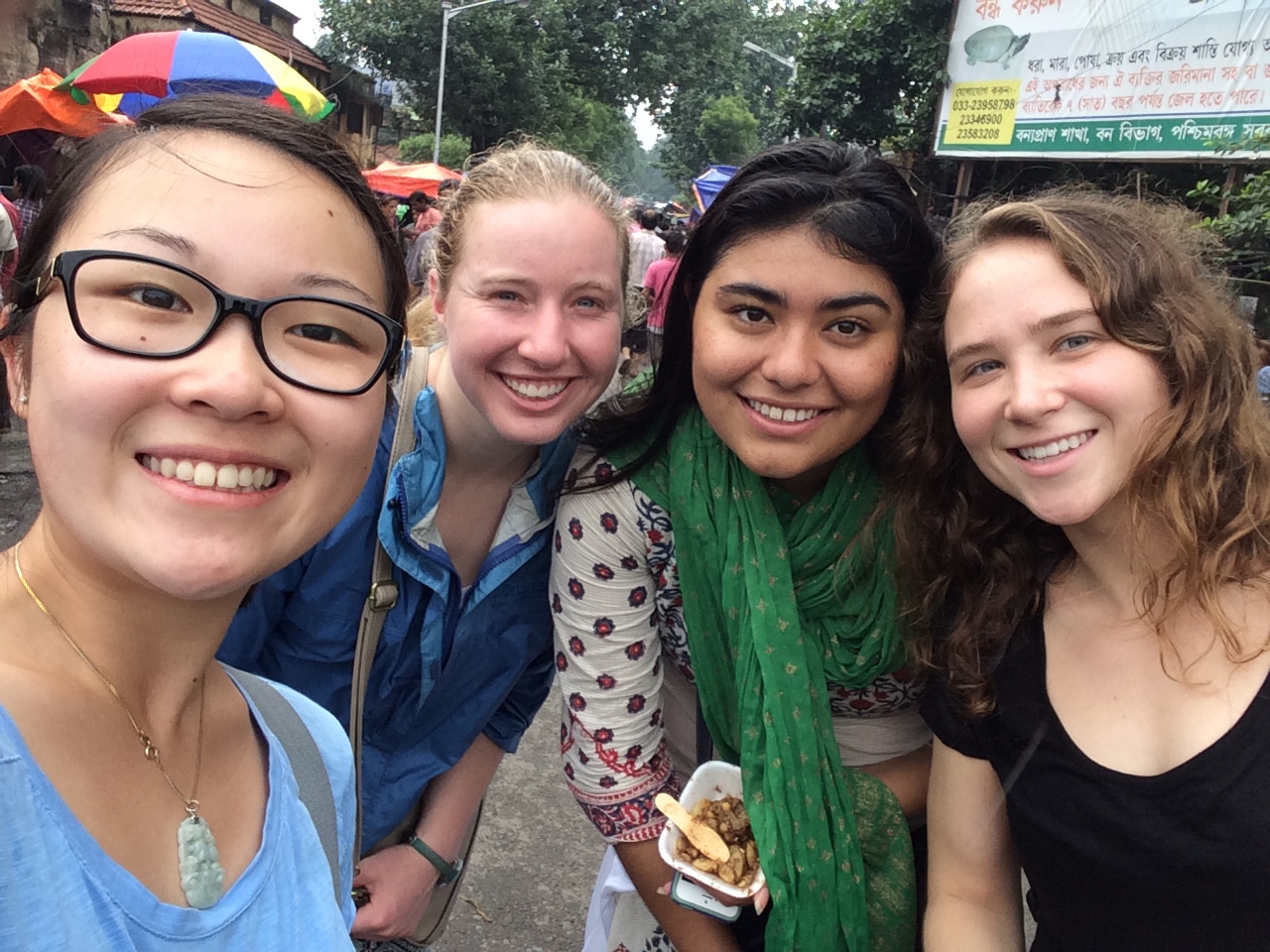
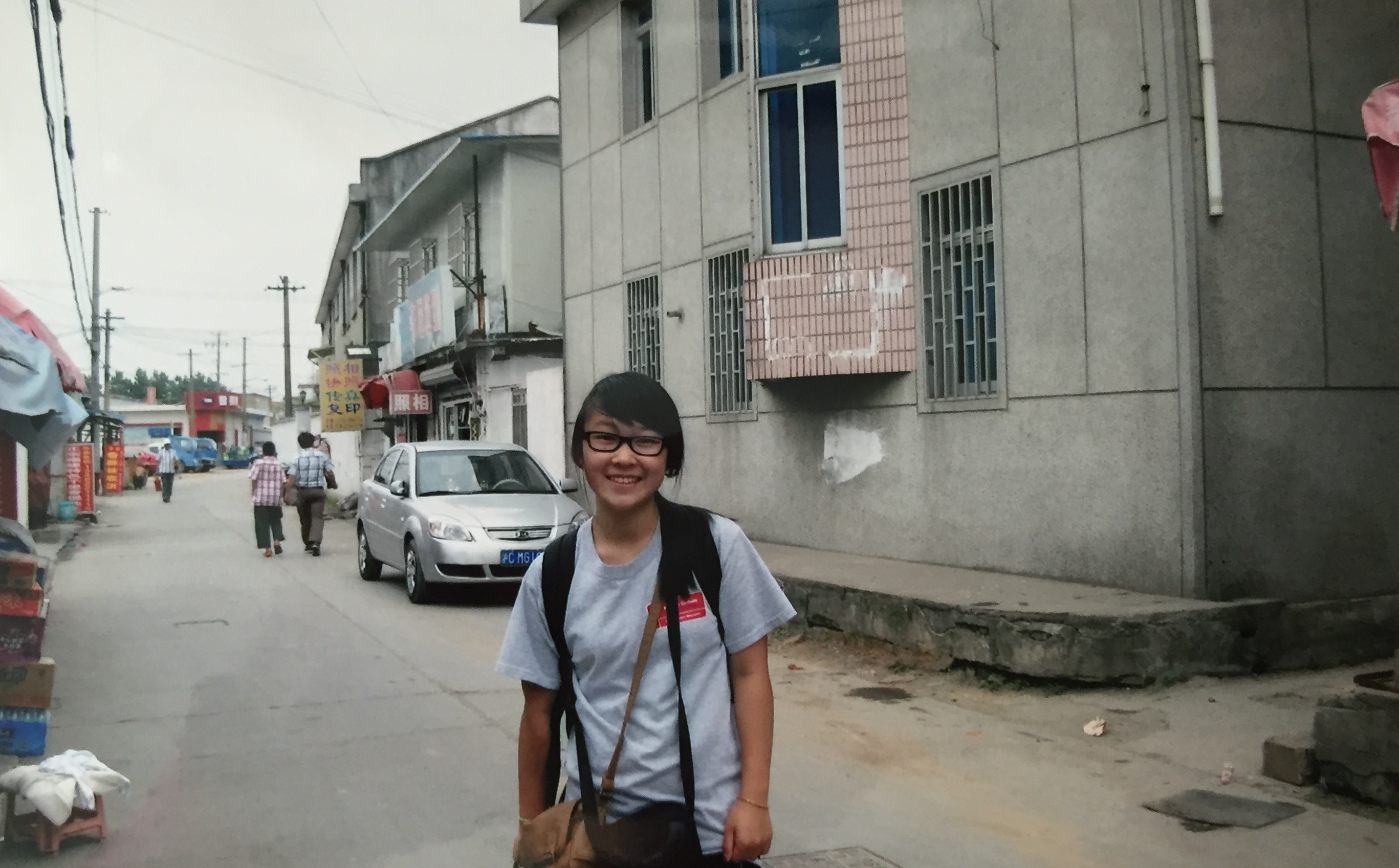
Selfies in Kolkata’s pet market.
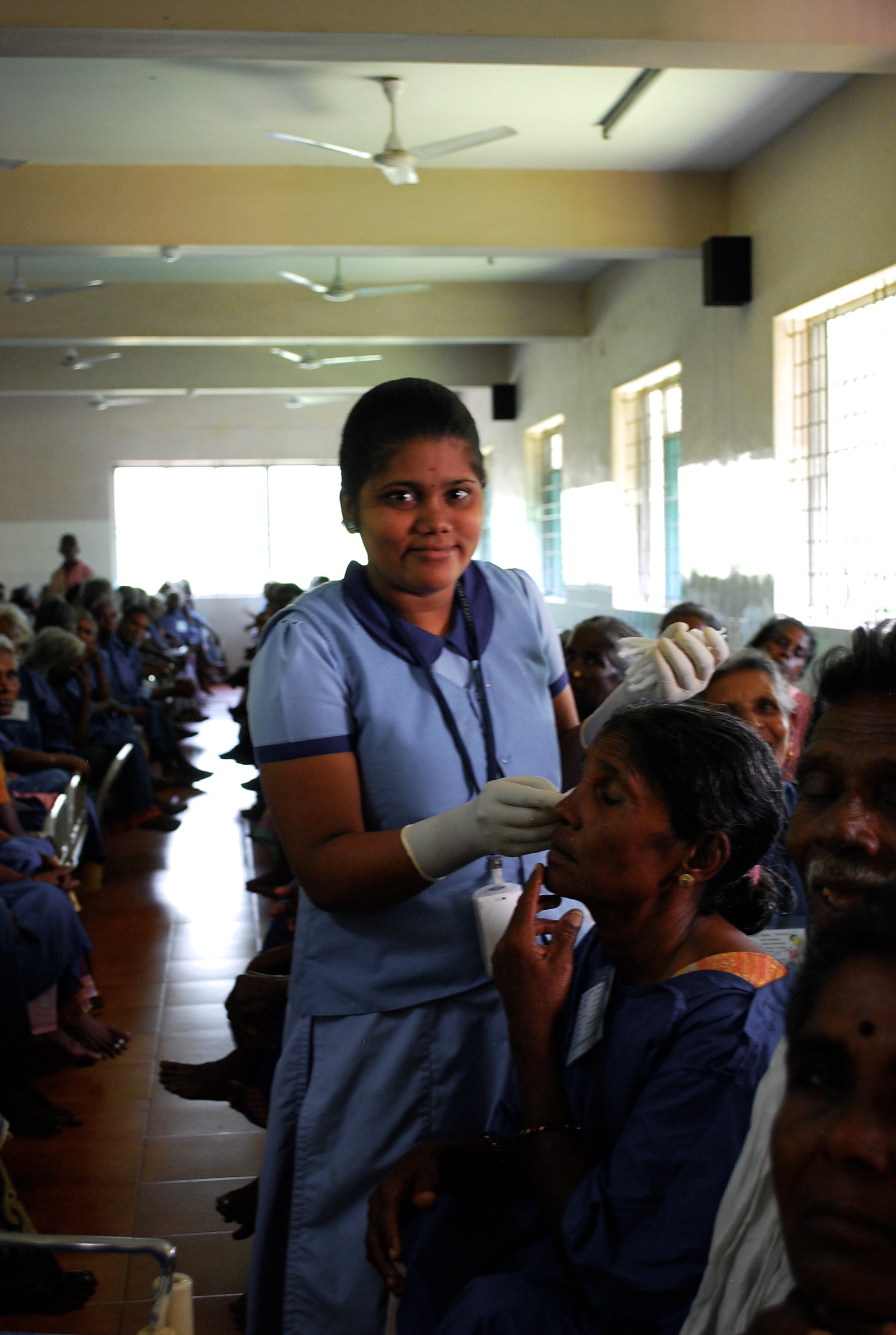
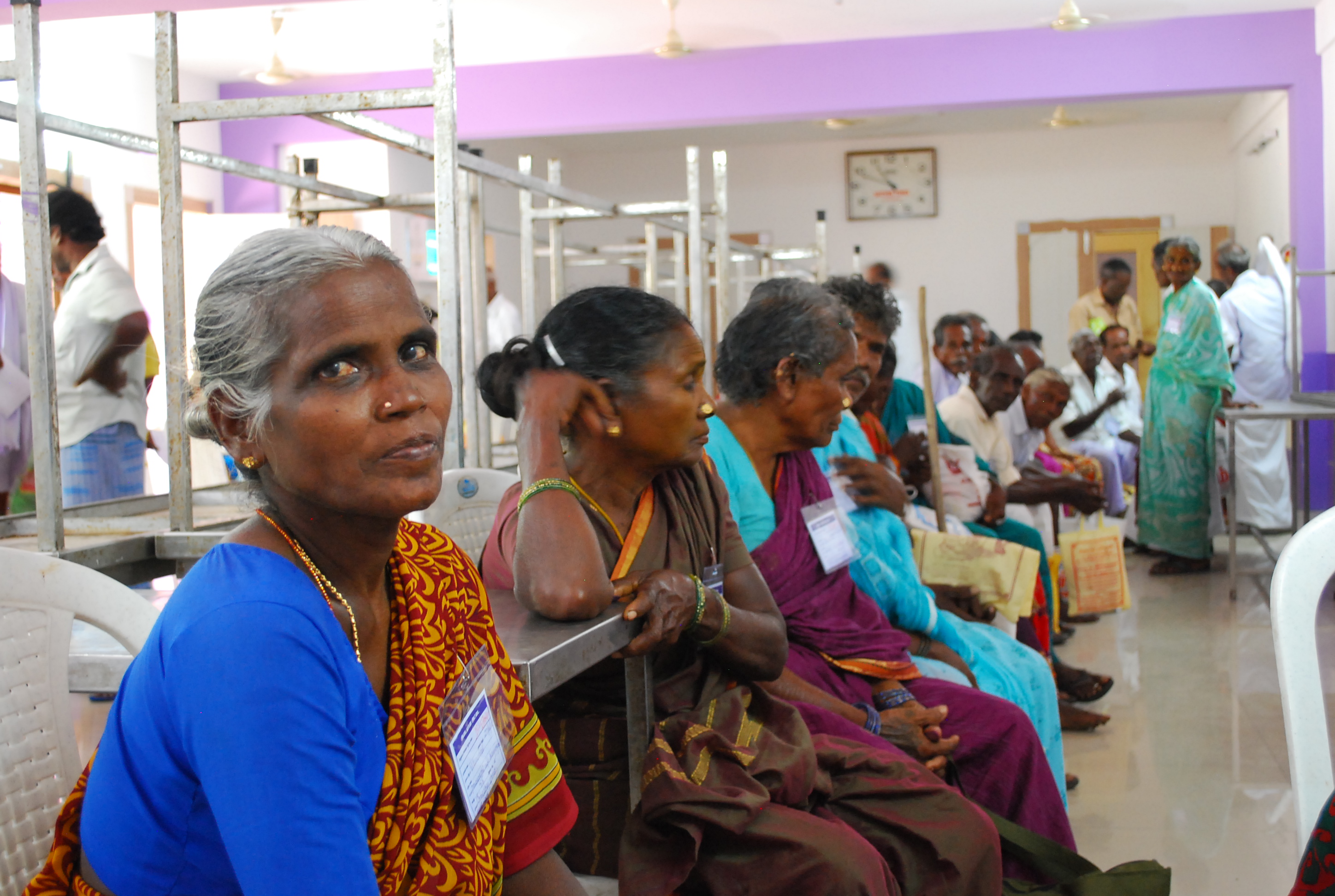
I came to terms with my own self-awareness in India. My placement pushed me to embrace self-awareness – more than I have ever done. In the beginning of the placement, it was clear that I did not fit in – my looks, my apparel, my mannerisms, and my silky dark hair were no match for my environment. I wanted to feel included among the large groups of young women and be a part of the Vision Care Technician club. I found myself wanting to understand what VCTs were whispering in Tamil. Unfortunately, though, my efforts to converse with VCTs always led to some sort of miscommunication, which killed the conversation and left everyone involved more confused than before the conversation had started. Maybe I should have just kept quiet.
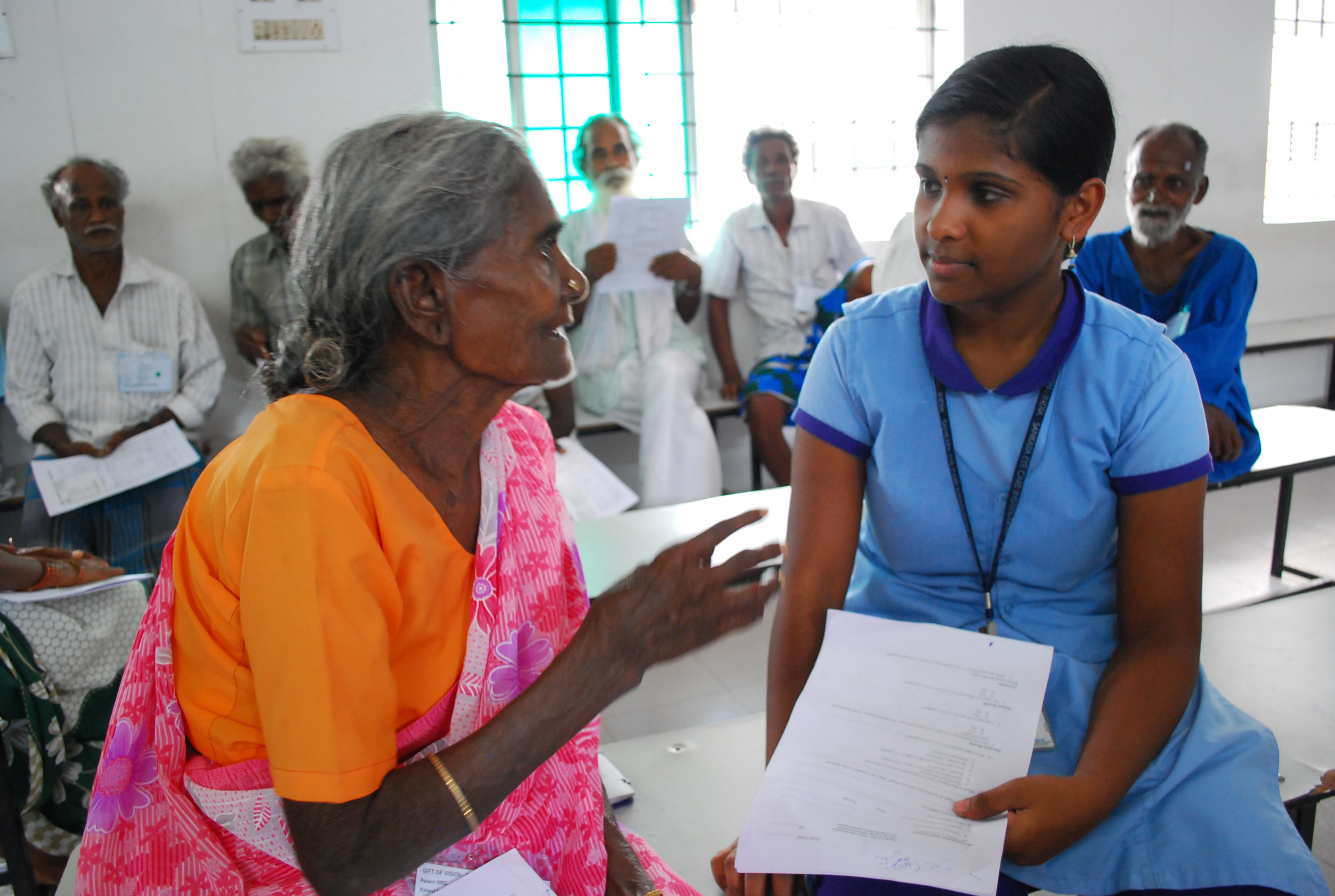
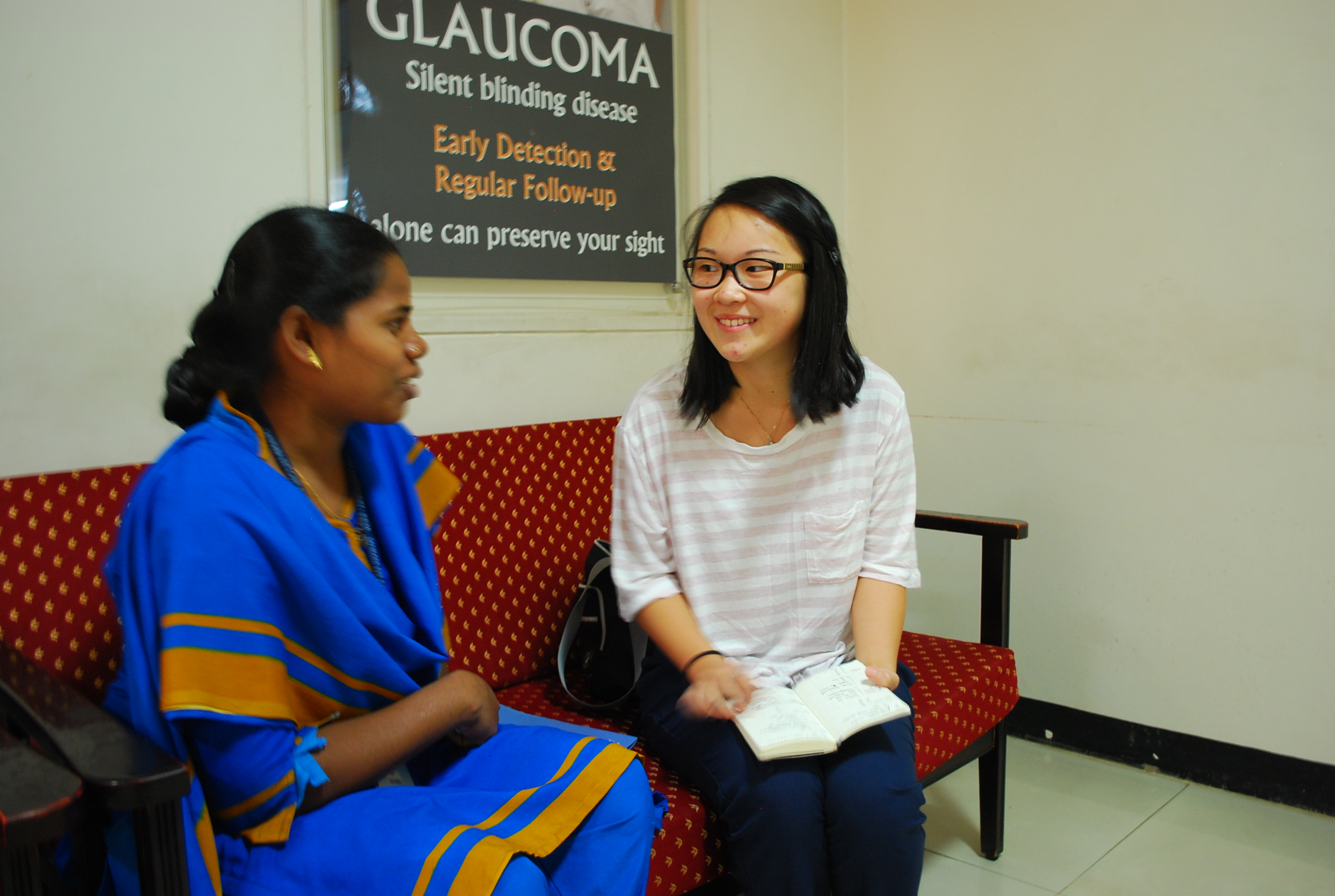
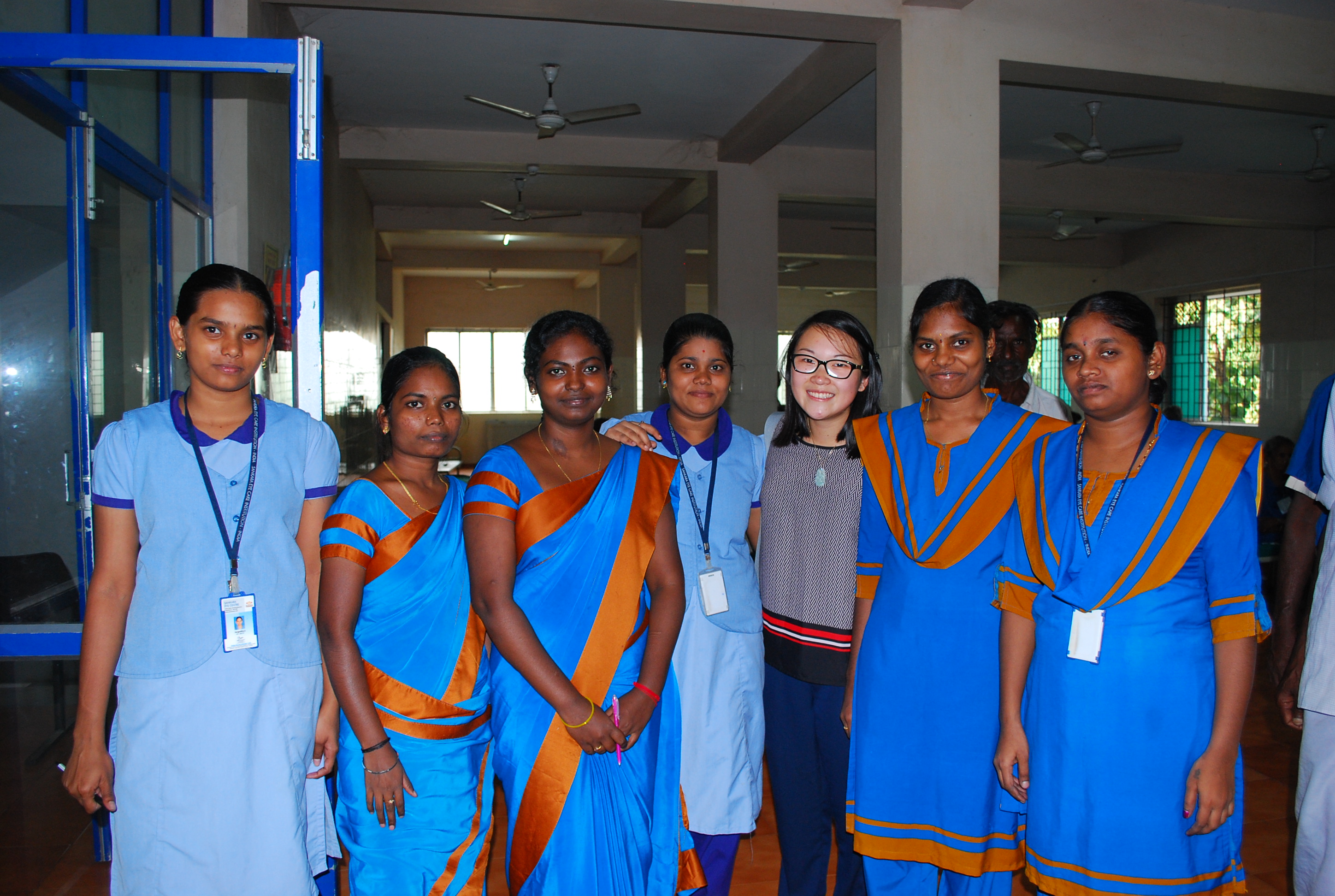
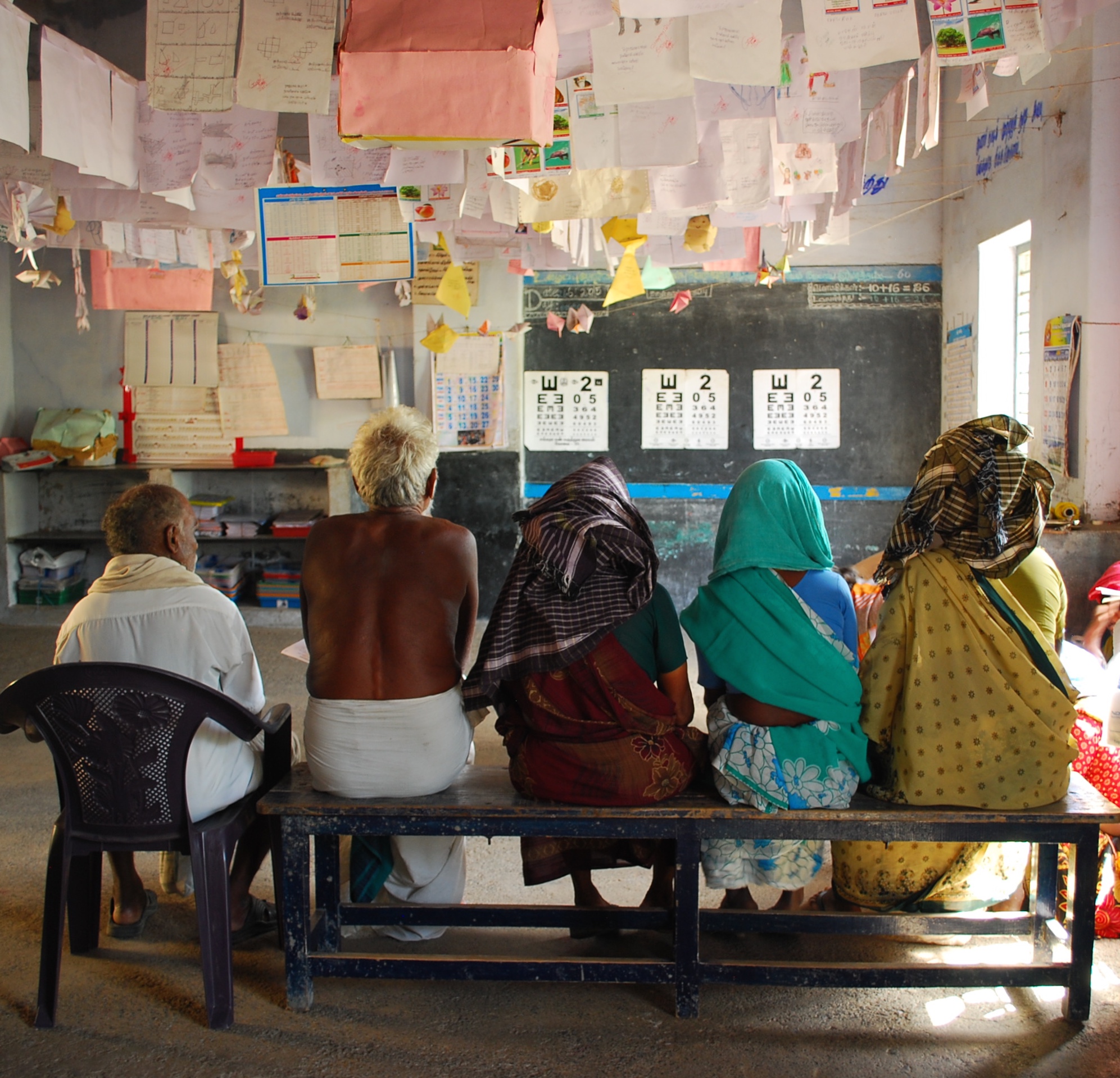
However, as our Gift of Vision study hit a standstill and our focus shifted towards the VCT study, I had come to the realization of how hard working and dutiful the technicians’ were to their families through the hundred or so interviews we conducted with them. During one of the eye camp excursions, a VCT spoke about all the food she missed from home, and I, having resonated so strongly with homesickness, felt for once the mutual bond between this VCT and I. From there, I realized that I have this unique skill of developing interpersonal relationships with few individuals that I cannot do within a larger group. I started visiting VCTs at work and making small-talk with the technicians during their breaks, which developed my relationships with them further. Even though there was a huge language barrier when speaking to the VCTs, their nonverbal cues and emotional expressions were enough for me to empathize with what they tried to say. Thus, while my Myers Briggs results pegged me as an extrovert, I often feel that I am only an extrovert among smaller focus groups with a maximum of five people; groups larger than this often reveal my introverted side, two realizations that I may not have noticed if I were not in the field. This is the kind of social engagement I feel works best for the nature of my work and the ways in which I can thrive within an organization.
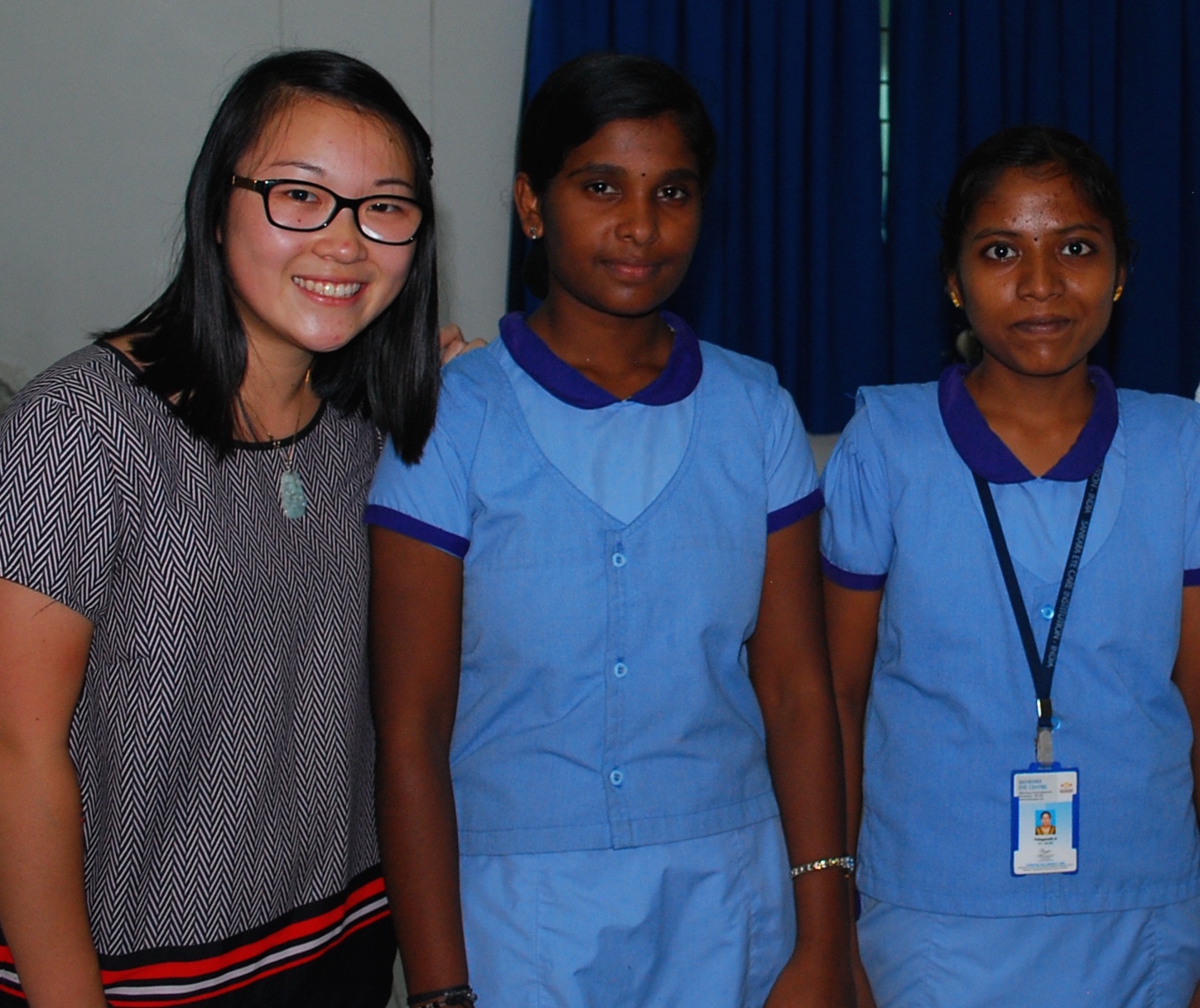
My closest Vision Care Technician friends.
The Ecology of Global Citizenship
I learned so much from my immersive experience in Indian culture, but the most important concept I will take away is the supportive atmosphere that aided in the discovery of my own self-awareness within global citizenship. Who am I? What do I enjoy doing? What are my talents? What motivates me? I have asked all these questions while doing field work in Sankara and am now pondering my career goals as I apply for employment post-graduation. I have always understood organizations as being disjointed, rarely communicating with each other; through my work experience in India and traveling in different states, I have come to the conclusion that we are a part of this larger human ecology, where individuals work in an interdisciplinary fashion to understanding our natural, social, and individual environments. I had never before been so aware of the larger ecology I am in that is more important than the grades I received on an exam or in a class. Instead, the bottom line is recognizing the ways I could make a difference in the world.
The fellowship has not only provided a strong foundation in learning about my own strengths and weaknesses, but it has also taught me to be more critical about the opportunities that land in front of me. Based on the six informational interviews I have done, I am starting to identify small businesses and start-ups that could use my skills, which was never a type of organization I considered working for. Analyzing an organization’s mission and vision statements have allowed me to critically ask myself whether or not the organization aligns with my own personal goals.
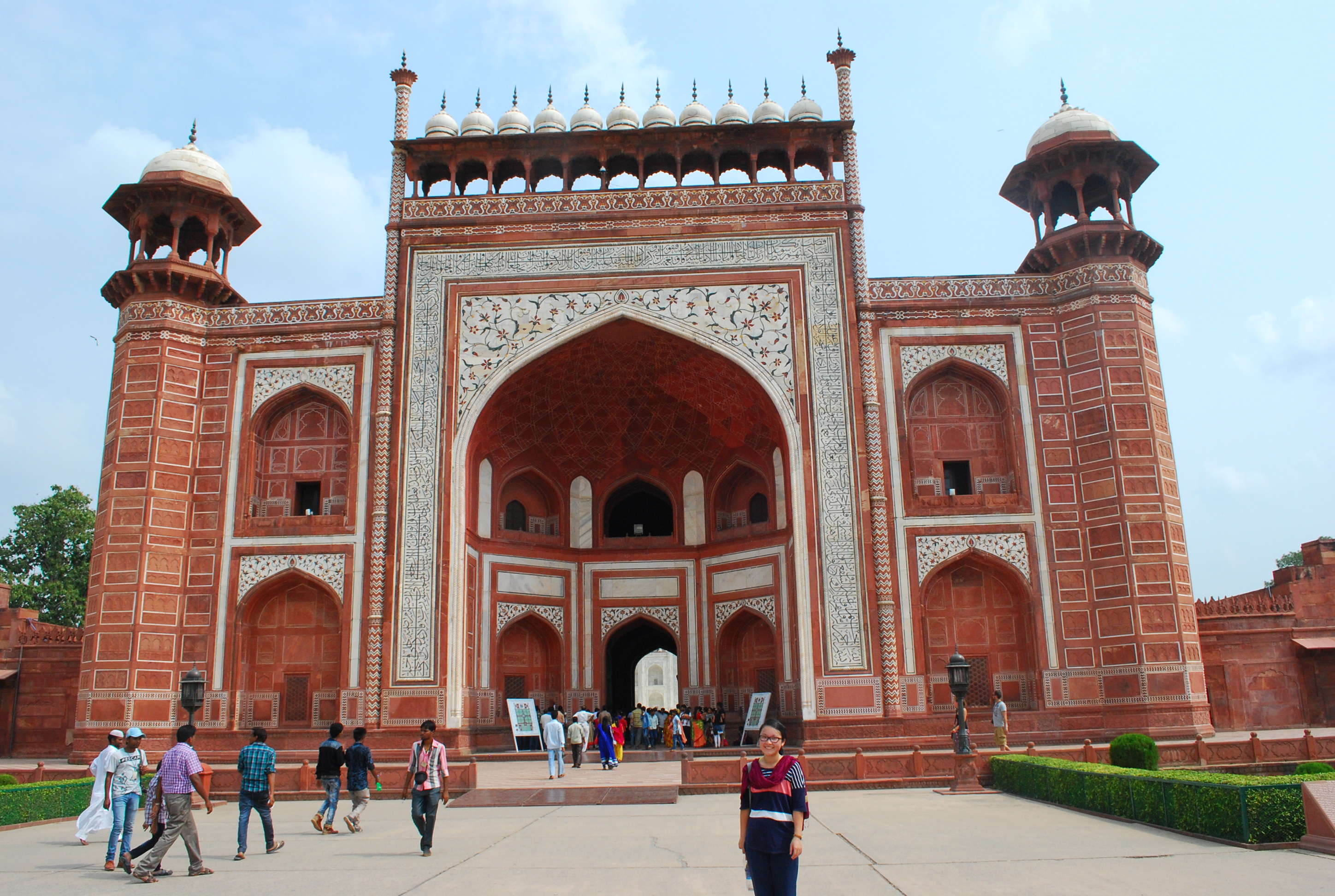
A contrast of how small I am to the world around me.
Confidence for the Future
As I approach the very end of this 9-month journey, I can feel that I have much more direction in the field I want to pursue. I have thought extensively about becoming a social scientist and working in the global health sector. A year ago, I strongly considered a career in health administration, but the thought of being stuck in an office processing paperwork now terrifies me. On the bright side, through this fellowship, I have discovered that I love doing field work and being part of a team that collaborates with each other in order to drive social change. I identify more with the “social” aspect of social entrepreneurship, leveraging the importance of interpersonal relationships to convey meaningful insights that are valuable to an organization. This is what I did at Sankara Eye Foundation India this summer. Despite the trouble of fitting in towards the beginning of my fellowship, I persisted and provided value to this social enterprise. Since turning in my final deliverable and explaining my work to the Santa Clara University community, I have felt at peace with myself, my work, and my capabilities. I know what impact I want to make. I know the change-agent I want to become.
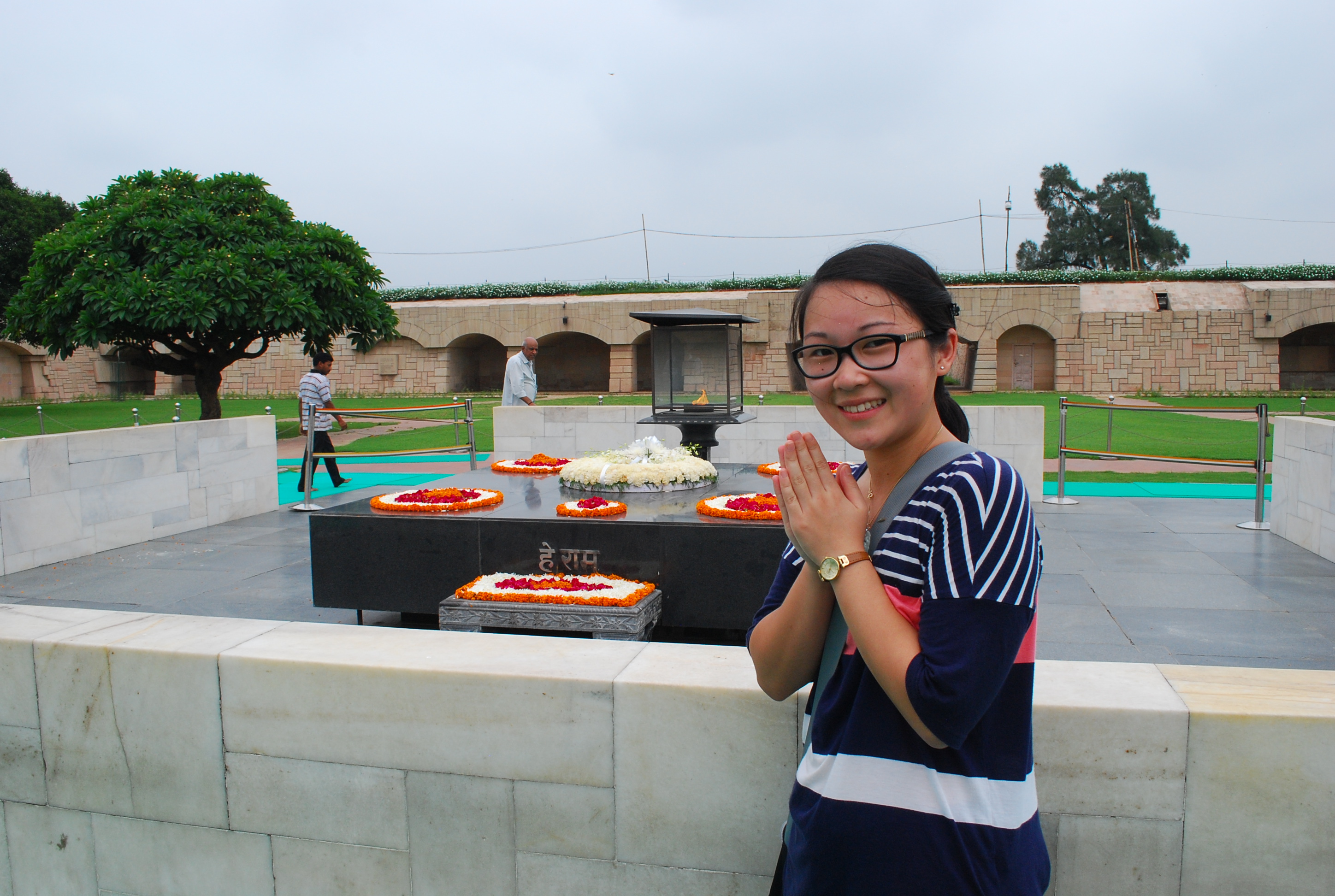
“Be the change you wish to see in the world.” – Mahatma Ghandi; One of my favorite quotes that I remembered while visiting Ghandi’s memorial in New Delhi, India.