On Friendship

Upon returning from India, I have found it difficult to process everything I saw in the eight weeks. When my family and friends ask how my trip to India was, I find myself wanting to give them a complete summary of everything I saw in India, but I did not know how. I could either tell them about my really negative experience, which consisted of fighting a nasty bacterial bug that would continue to assert its dominance all the way back to the U.S.  On the other hand, I could tell them about my recent trip to the stunning Taj Mahal.  Both of these, however, were not what I wanted to share, and for lack of a better word, I figured describing my India experience as “crazy,” would suffice.
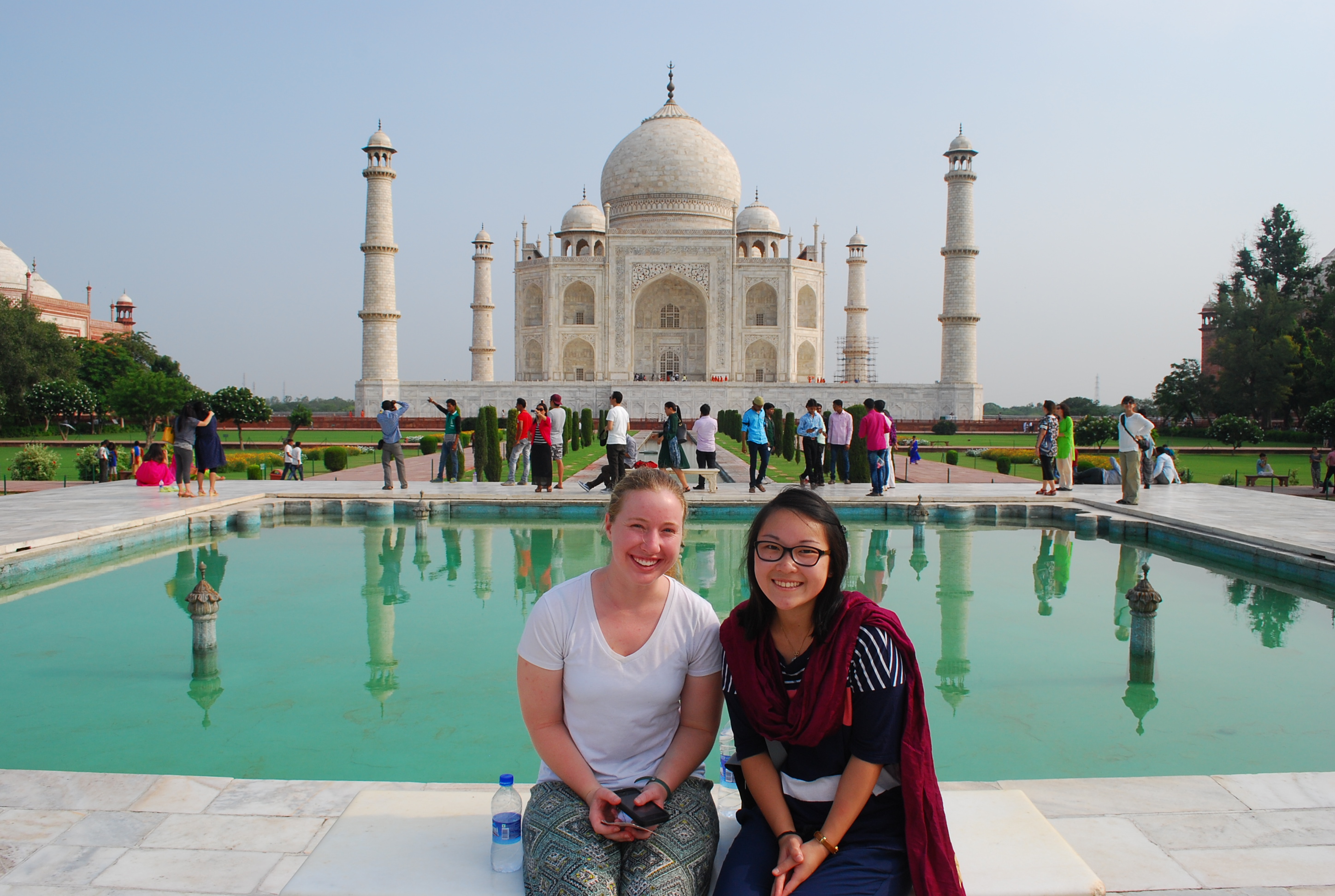
The Taj Mahal: one of the greatest Wonders of the World.

The Taj Mahal: one of the greatest Wonders of the World.


The VCT Club

“Jana, sister, where are you from?” I turn and gaze intently at 4 Vision Care Technicians (VCTs), ready to hear my answer. “America or U.S., sister,” I answer. At Sankara, everyone addresses each other by name, followed by “sister”.  They look at each other inquisitively, whisper something in Tamil, and turn back to me saying, “but…your face is from China.” For eight weeks in India, I have had to explain why it is that my perfect English did not match my outward appearance. For about the first month in South India, I would cringe at this very question, not only because I was tired of constantly explaining where my home was, but also because my homesickness had started to kick in. At about the fifth week on my fellowship journey, Arthi, our research translator who also happened to be a VCT, was starting to introduce me to her friends and always explaining to them where I was from. It was during these informal introductions and reading her friends’ confused and doubtful facial expressions, that I realized what they knew about America was severely limited to the stereotypical American culture they saw in the movies – fast-food chains and Caucasian people with blond hair and blue eyes. I, being Chinese and living in America, happened to be the most interesting specimen to walk the wards of Sankara Eye Hospital in Coimbatore.
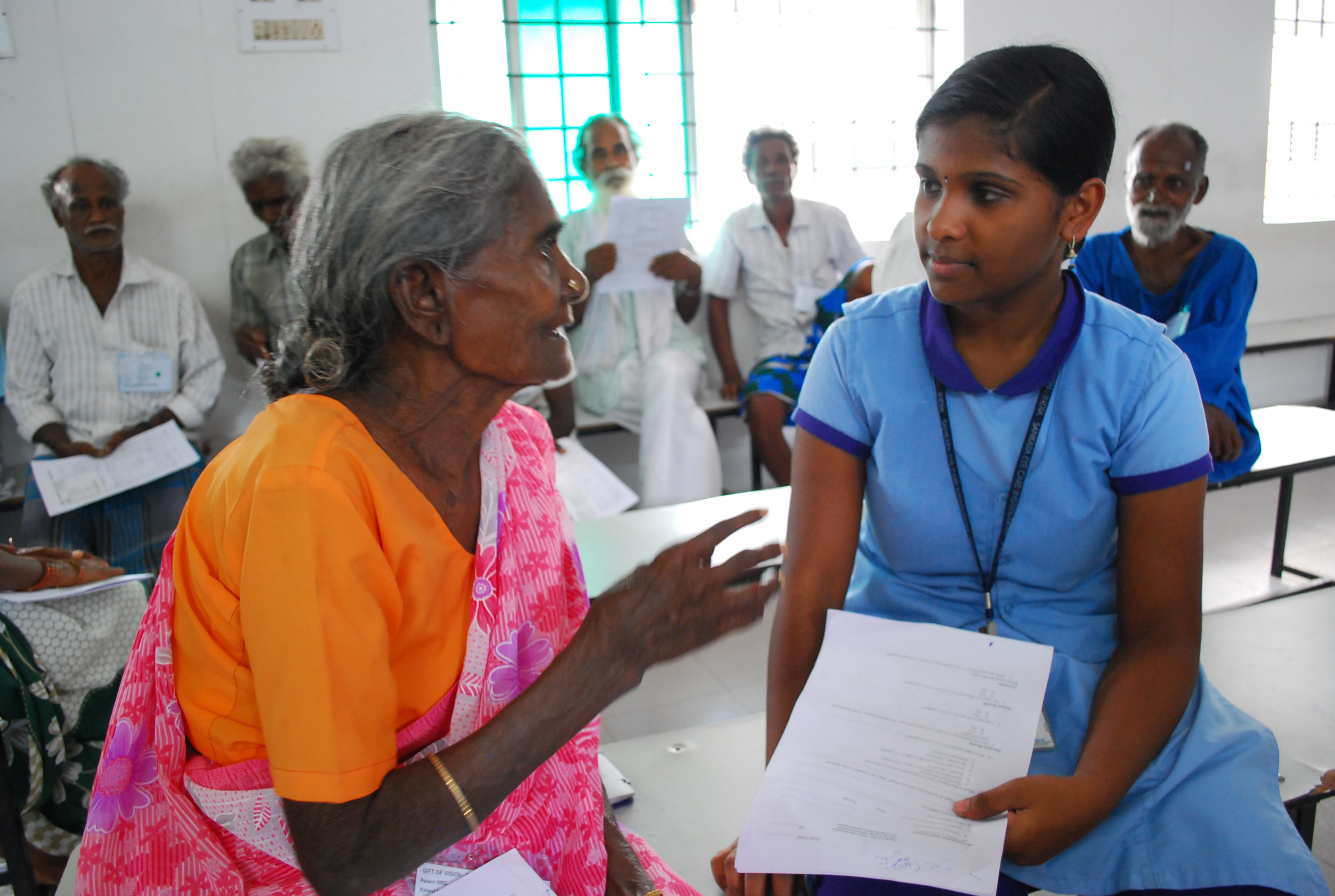
Arthi, one of my closest VCT friends, helping to translate English to Tamil.

Arthi sister, one of my closest VCT friends, helping to translate English to Tamil.

While our first month at Sankara was focused on creating pre- and post-surveys for the Gift of Vision impact study, our time was limited in terms of engaging with the VCTs. However, mid-way into the eight weeks, we began to interview these women to capture the impact of the VCT program for the Sankara employees. In the beginning, doing the interviews felt awkward because the VCTs did not understand why they were being questioned. Asking them personal questions about their marital status, how they use their VCT stipend, and their highest level of education attained are not the best conversation starters. Moreover, after every interview, we asked them to sign consent forms, which, because some women were illiterate, were signed with their thumbprints. Our initial data seemed too surface-level, and with the frustrating language barriers between Tamil and English, it did not seem to fully capture if and how life-changing their VCT experiences were. Instead, I discovered more about the harsh reality of the VCTs when chatting with them outside of our research project; usually afternoons at the hospital lead to some down-time, where VCTs themselves would chat for a few minutes in the corner of the nurses ward, as patients would be resting their eyes after their cataract surgery. Questions like: “Do you miss home?” and “What’s your favorite candy bar?” could elicit strong emotions and vivid memories about their lives back at home. Once, several VCTs and I sat around the Sankara hospital beds (those that were not occupied by patients) and talked about what we missed most. Arthi shared of the amazing chicken, seafood, and rice her mother would always make; Keerthana, would giggle about the make-up products she left in her village. It was times like these that I felt included into the society around me, and I, too, would then share the thing I missed most about home: the diverse cuisines prominent in the Bay Area.  Although it was hard for the VCTs to understand what Mexican or Vietnamese cuisine was, they made an effort to understand where I came from.  I felt grateful to meet friends like them.  Even through the broken English, what enhanced the bond that we shared was the laughter and good times we had in the hospital.
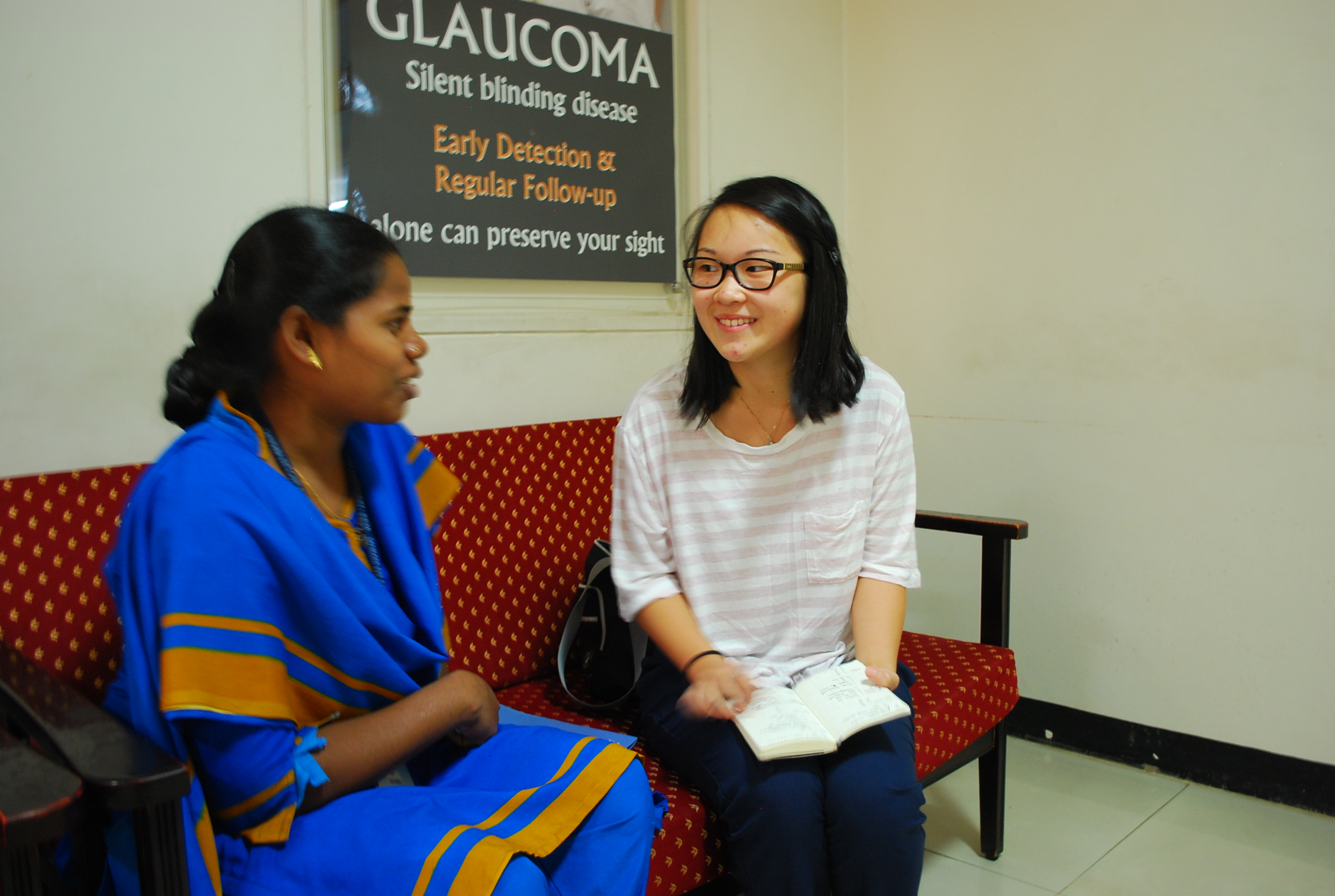
Interviewing VCTs made us ask invasive questions, especially if I had not spoken to the VCT before.

Interviewing VCTs made me ask invasive questions, especially if I had not spoken to the VCT before.
DSC_0419

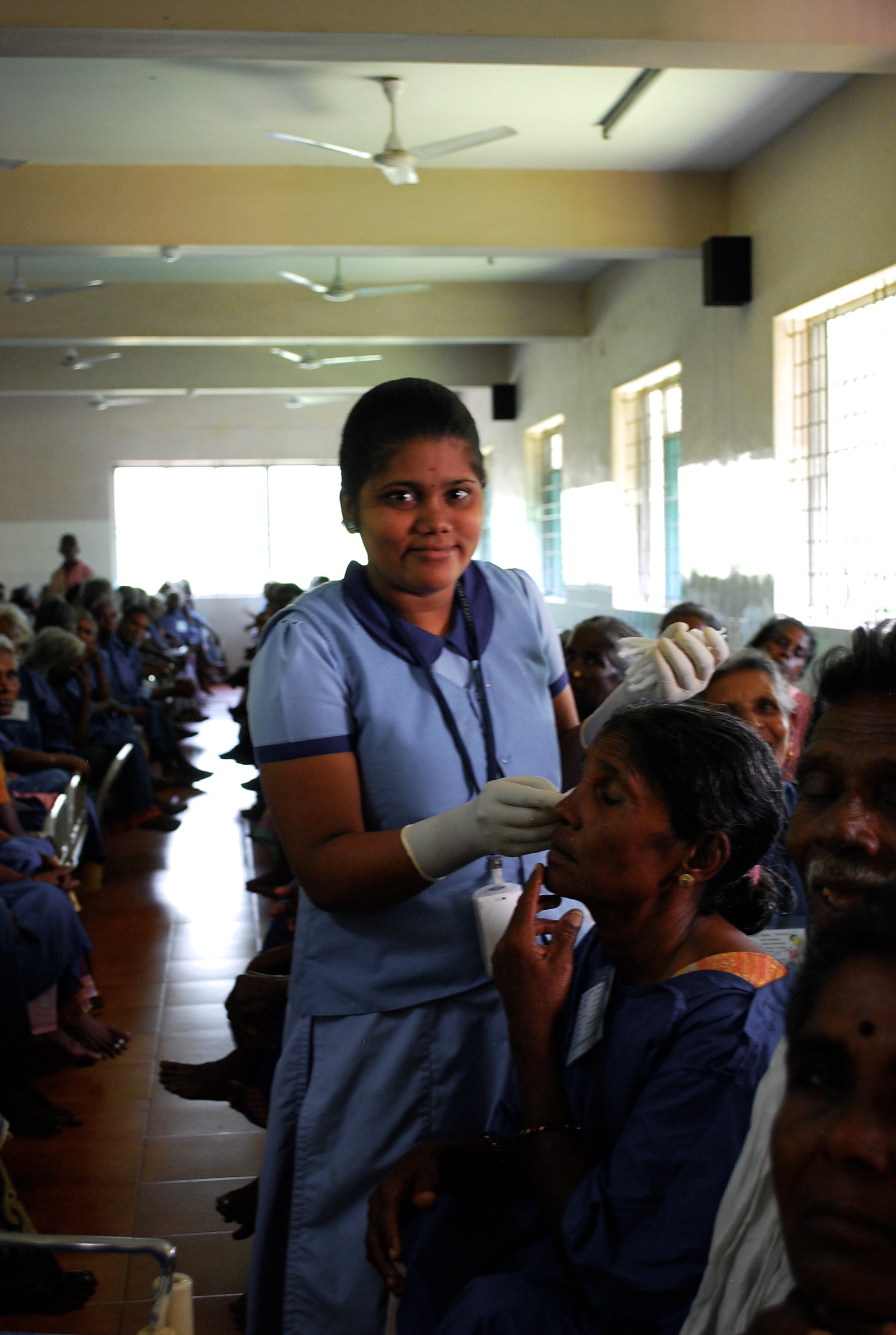
After being uncomfortable being photographed, Keerthana sister eventually gave me permission to take her photo.

Life After India

I started to revert back to my usual routine, but after a few days back from India, I felt what might be described as “culture shocks.” I started to really miss the people in India – everyone had been so hospitable to me. I had remembered the last days at Sankara were especially hard, as I could see in the VCTs eyes that the chances of me seeing them in the future were slim. Fortunately, I had added some of the VCTs on Facebook, so that keeping in touch would be easy. One VCT named Yuvadharani, still messages me every week to see how I am doing.  There was no doubt that not knowing Tamil or English had been difficult to communicate, but in the end, I felt that the VCTs and I developed our own language – one that resembled imperfect English and smiling faces.

Overall, this experience showed me how communication on an interpersonal level could enhance my research project.  Because of my friendships with the VCTs, I have a better understanding of how these young women live and most importantly, how the Sankara program has helped them achieve their own career goals.  Action research in developing countries is a difficult task when you are in a foreign place like South India.  The Global Social Benefit Fellowship has been a deeply transformative journey, but the most meaningful experiences came from the interpersonal relationships I built with the VCTs.
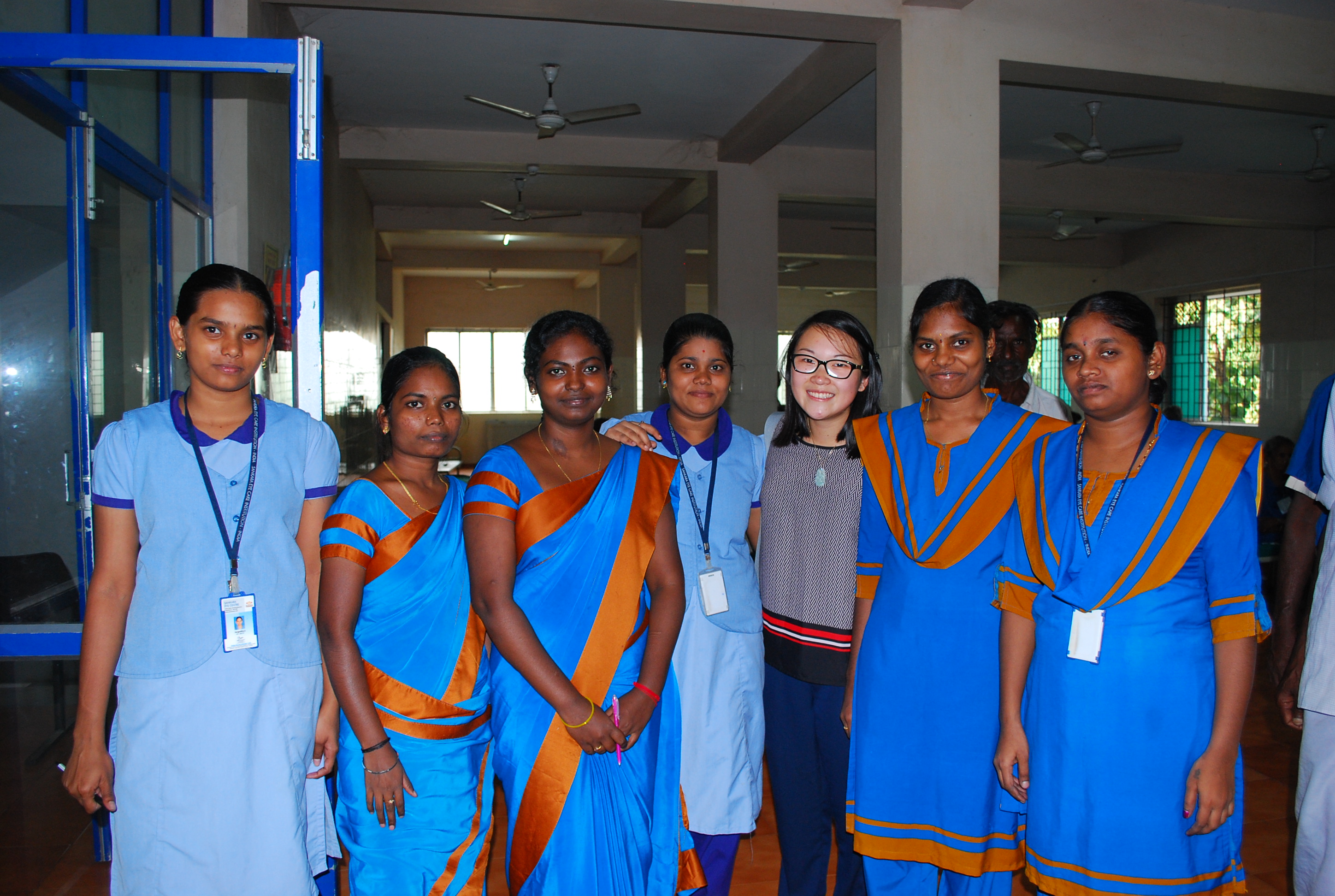
My VCT Family.
My VCT Family.

#Janindia

Today marks the end of three whole weeks spent in Coimbatore, Tamil Nadu, South India.  Wow.  With just 16 days spent at Sankara Eye Hospital, I have learned to expect the unexpected.  While our first four days of the Fellowship consisted of plane food, checked baggage, and temporary stays, our very first day at Sankara was an eye-opening experience.

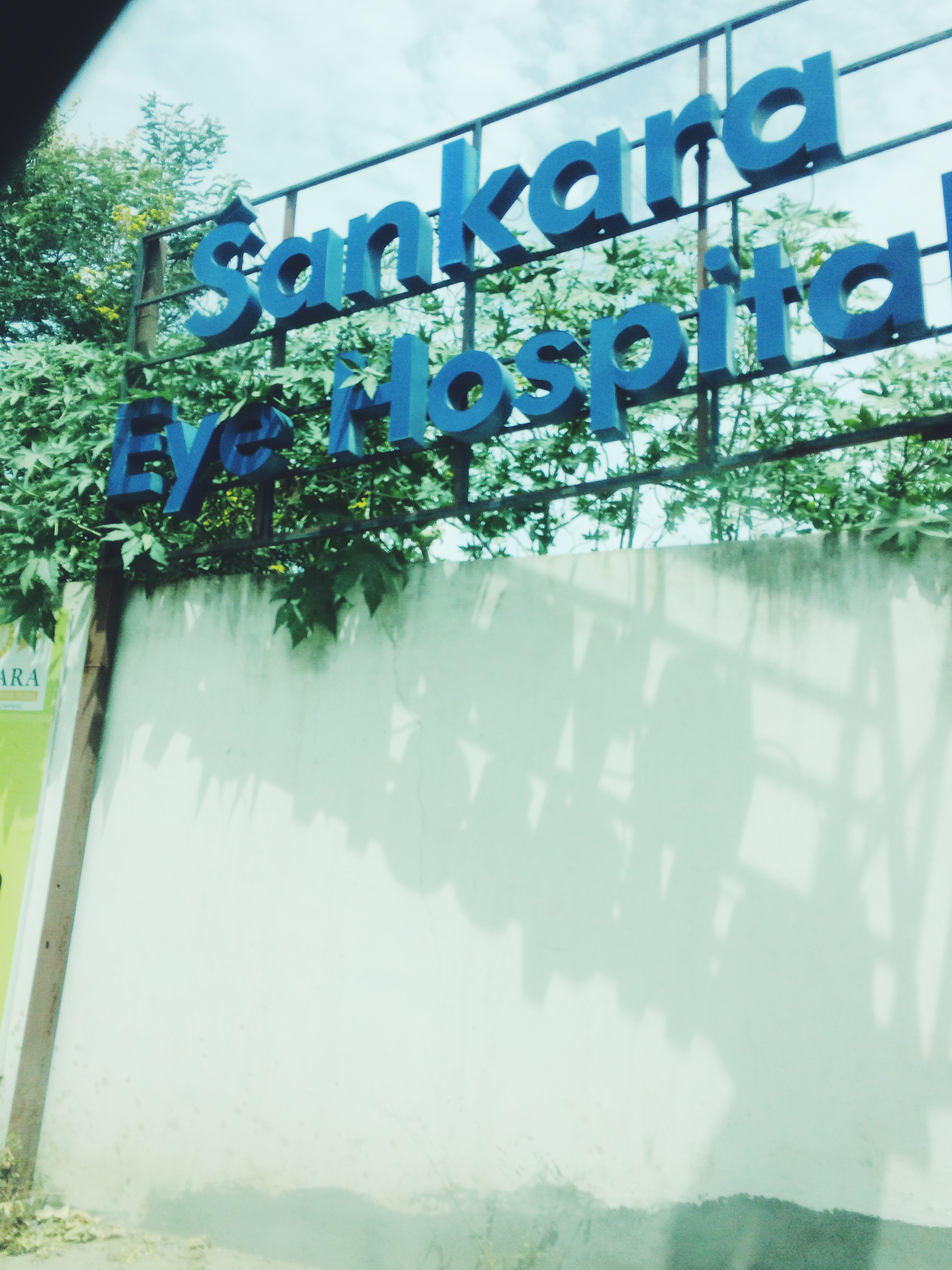
The front entrance sign to Sankara!

The front entrance sign to Sankara!

Stepping on the larger-than-expected Sankara campus, we were quickly met by blank stares.  I could immediately imagine what dialogue was happening inside people’s heads: “Who are those people?  Where are they from?  Why are they here?”  I have lost count of how many times Maggie and I have made someone double-take, that is, make someone look at us twice!  Meandering through four floors of the massive hospital, I could not help but notice how busy the hospital headquarters were.  Everywhere we looked, there were patients, attenders, security guards, vision care technicians, doctors, and medical students – all under the same roof.  We had a series of meetings with Dr. R.V. Ramani (the founder of Sankara), Mr. Bharath Balasubramaniam, and other Sankara personnel, who welcomed us with such kind hospitality that I quickly felt at home.

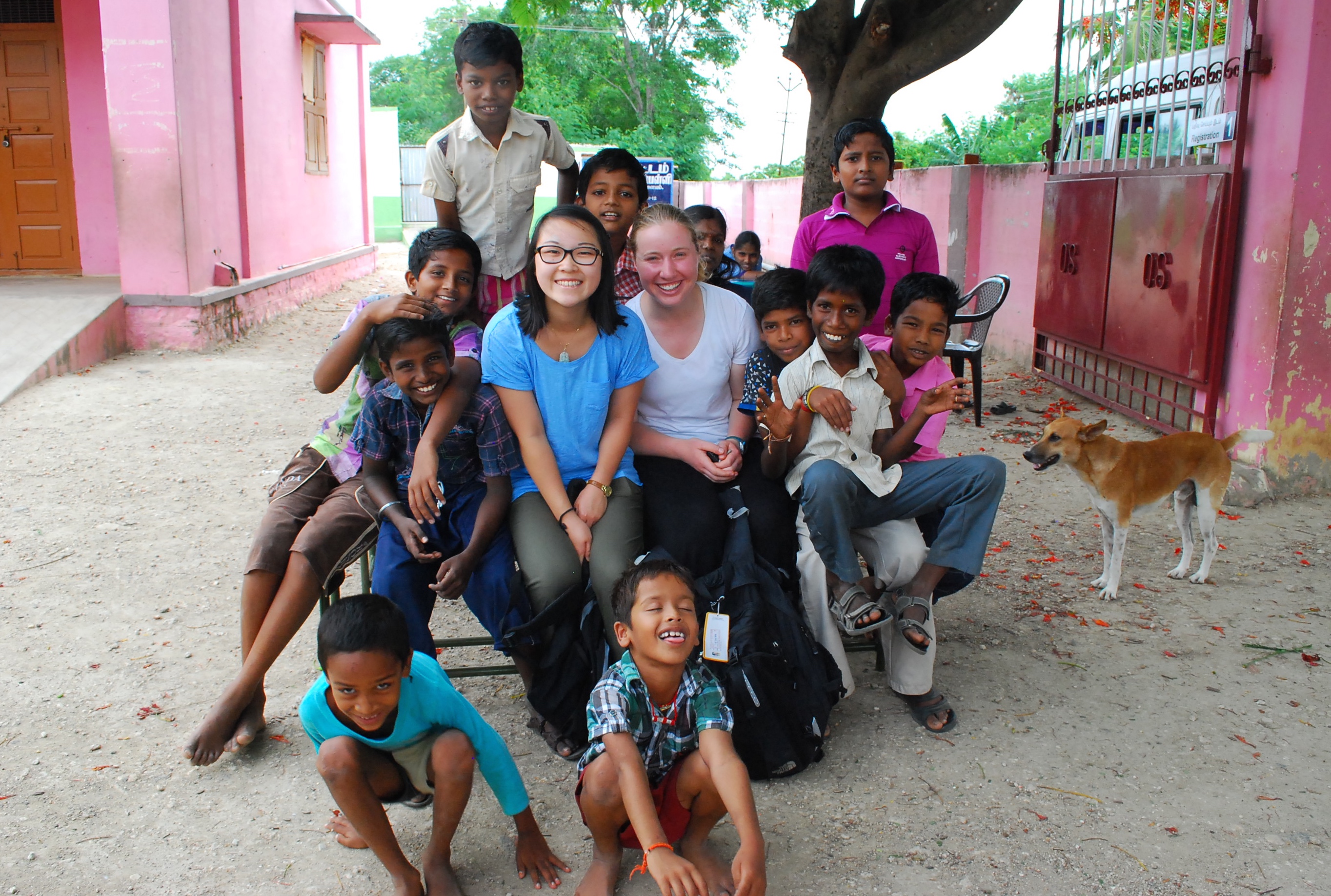
Dr. Pooja Sanghvi, our awesome Sankara contact, has made it so easy for us to adjust to life on campus.  Upon our third day of arrival, we were already invited to observe a local field camp in Coimbatore.  As I had studied this past spring quarter, I was thrilled to see how the field camp functioned because this is a crucial way that Sankara obtains their non-paying beneficiaries.  We joined a team of 3-4 vision care technicians (basically nurses), a doctor, and three volunteers, taking photographs of the field camps.  This was so cool!  Since this was an eye camp frequented by Sankara, the locals were familiar with the eye camp process and children awaited us eagerly – but this time, they were in for a surprise: Americans!  While neither Maggie nor I could speak Tamil, the primary language of the state, the children were proud to show off the limited English that they learned in school.  “What is your name?  Where are you from?  I come visit you in America!  Oooh, camera!” were many phrases the children used, but the most unexpected phrase I encountered was when a little girl asked me: “why is your skin so white?”  While the old Jana would have probably taken offense to this question, the new Jana was soaking in everything about India with an open heart.  Laughing at her question and commenting at her keen ability to make observations, I knew that I would enjoy the field research aspect of this fellowship.

All smiles at our first eye camp!

All smiles at our first eye camp!

During our second week, I experienced a rollercoaster of emotions as “fitting in” at Sankara proved harder than I thought.  As I learned that the web application was a bust, I felt as though compiling case studies was going to be a little bit too easy.  Was it normal to feel somewhat bored?  How am I going to last eight weeks here if we are just doing case studies?  These questions bothered me, as I was discovering that I wanted to do more with my time in India.  I found myself wanting to contribute something that would require meticulous thought and planning; something that Sankara would gratefully accept after my eight-week fellowship experience.

Then, it hit us.  After multiple conversations with Pooja, I learned that our research project was something far different from what we had planned it on being.  Better yet, in addition to a few case studies, we are expected to complete two social impact assessments and research an archival system that Sankara can use.  Wait… what?  I felt overwhelmed with the nature of these assignments and probably had my first “freak-out moment” in India.  However, I then slowly started to realize that our assessment had actually pivoted in becoming something that I already love doing – experimental quantitative research!

With our assignment is being understood pretty early on in the fellowship, Maggie and I were extremely busy perfecting a pre-operation assessment before our Friday deadline.  We were off to go to another two eye camps, which would take up an entire weekend of festivities.  However, this time we would actually be collecting data for our project – so much excitement!

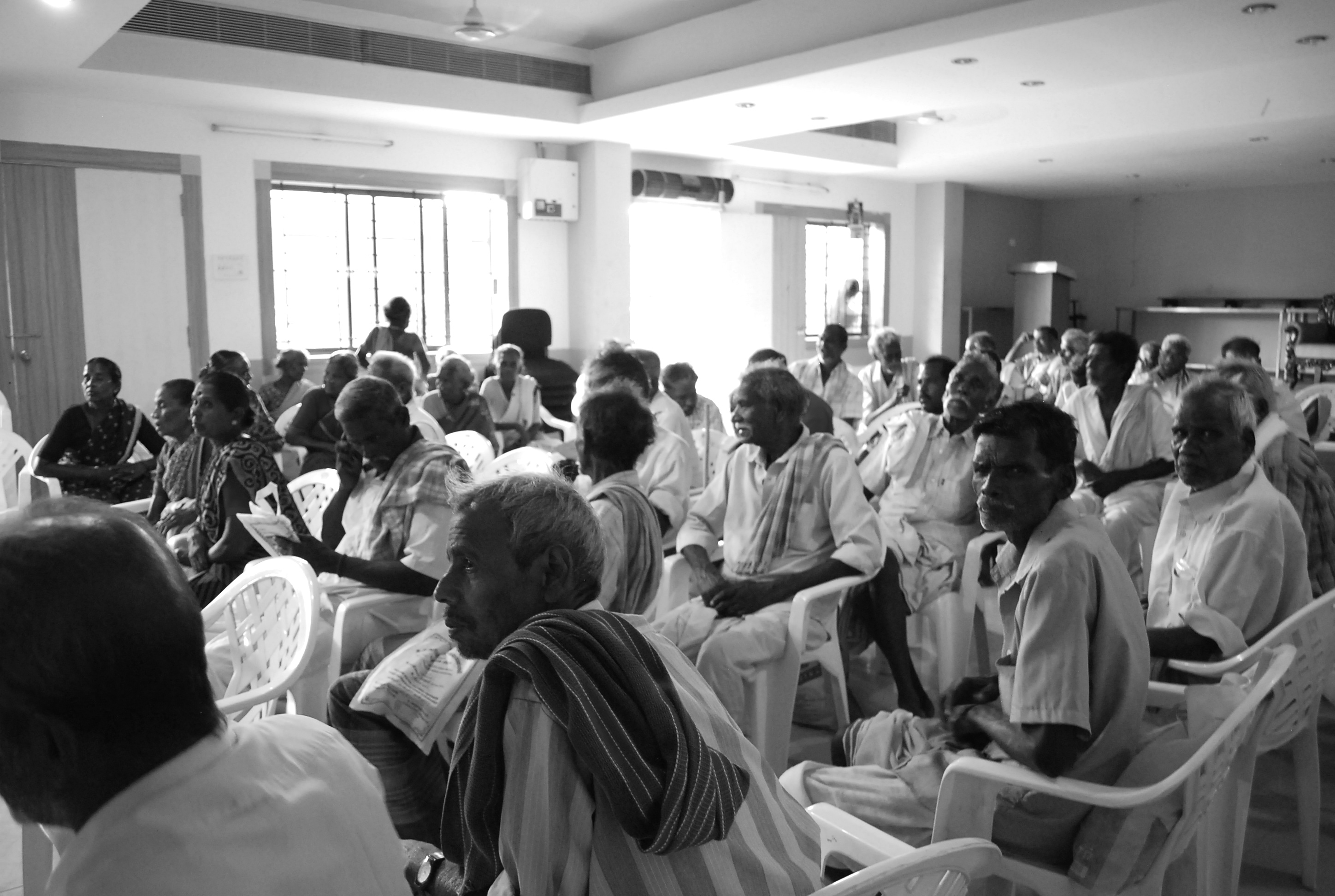
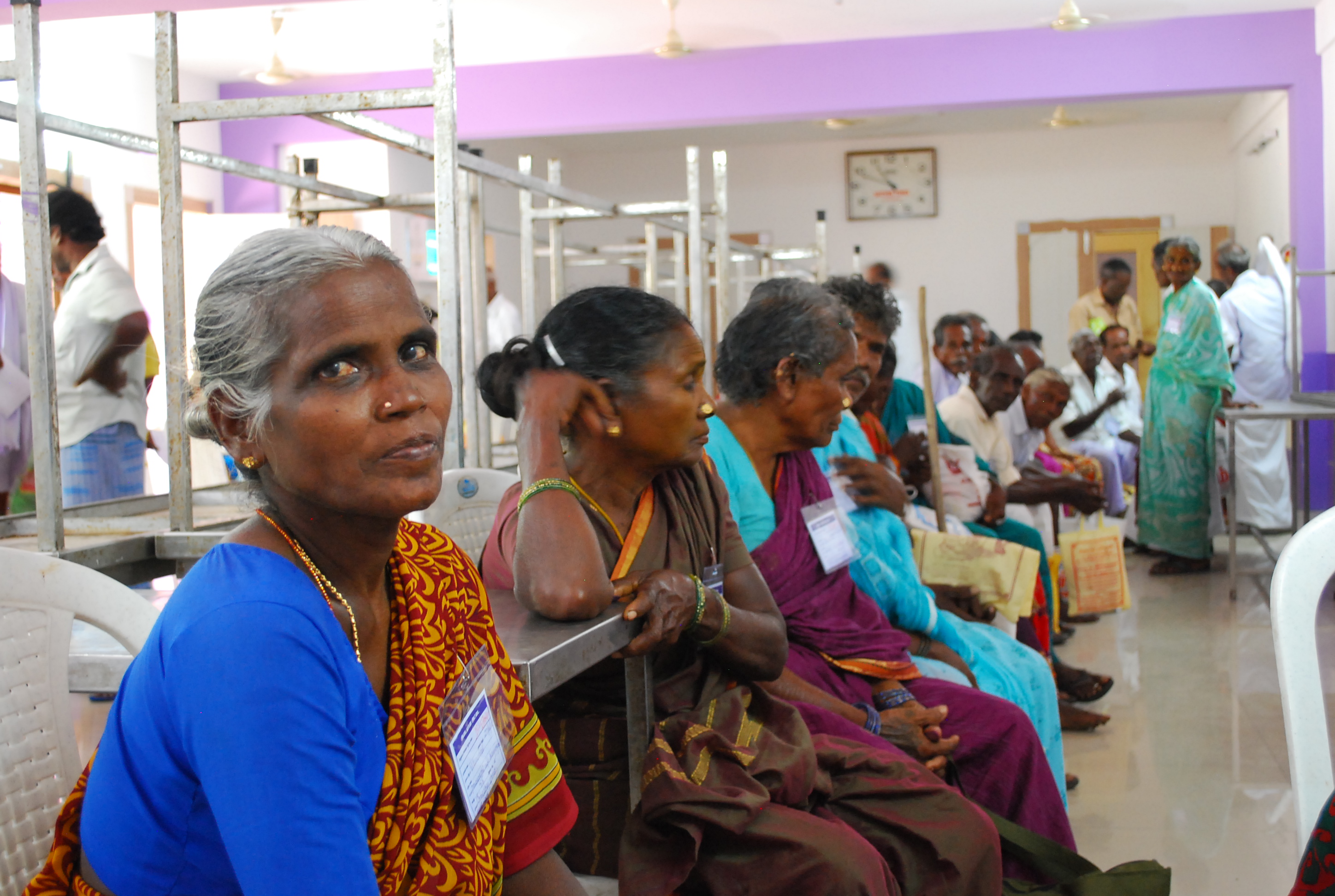
Patients waiting to be called up for registration.

Patients waiting to be called up for registration.

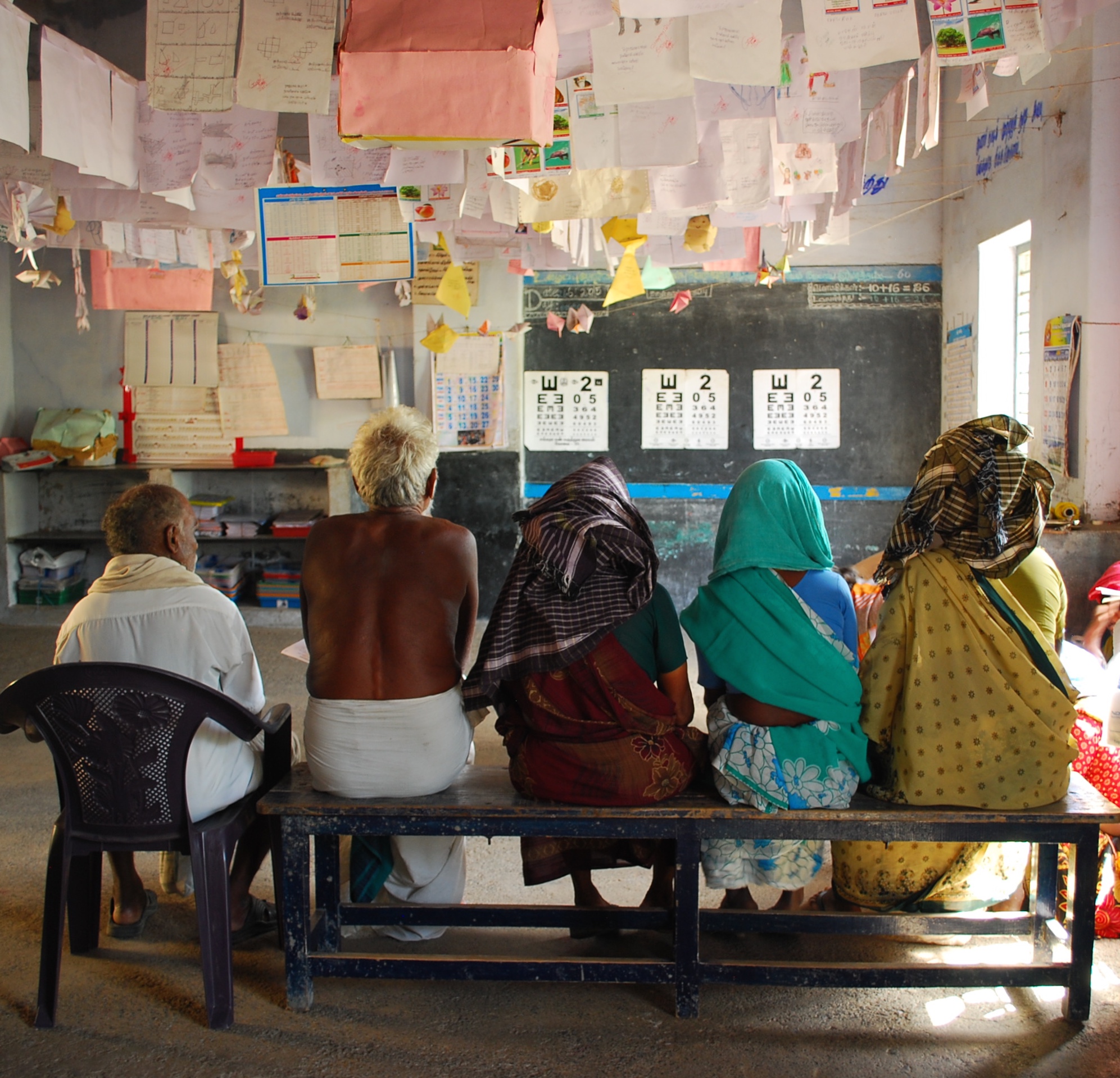
A long line of patients waiting to be interviewed by us.

A long line of patients waiting to be interviewed by us.

Screening 177 patients in Mangalore village is no easy task.  Yet, the patience these patients have is ridiculous!

Screening 177 patients in Mangalore village is no easy task. Yet, the patience these patients have is ridiculous!

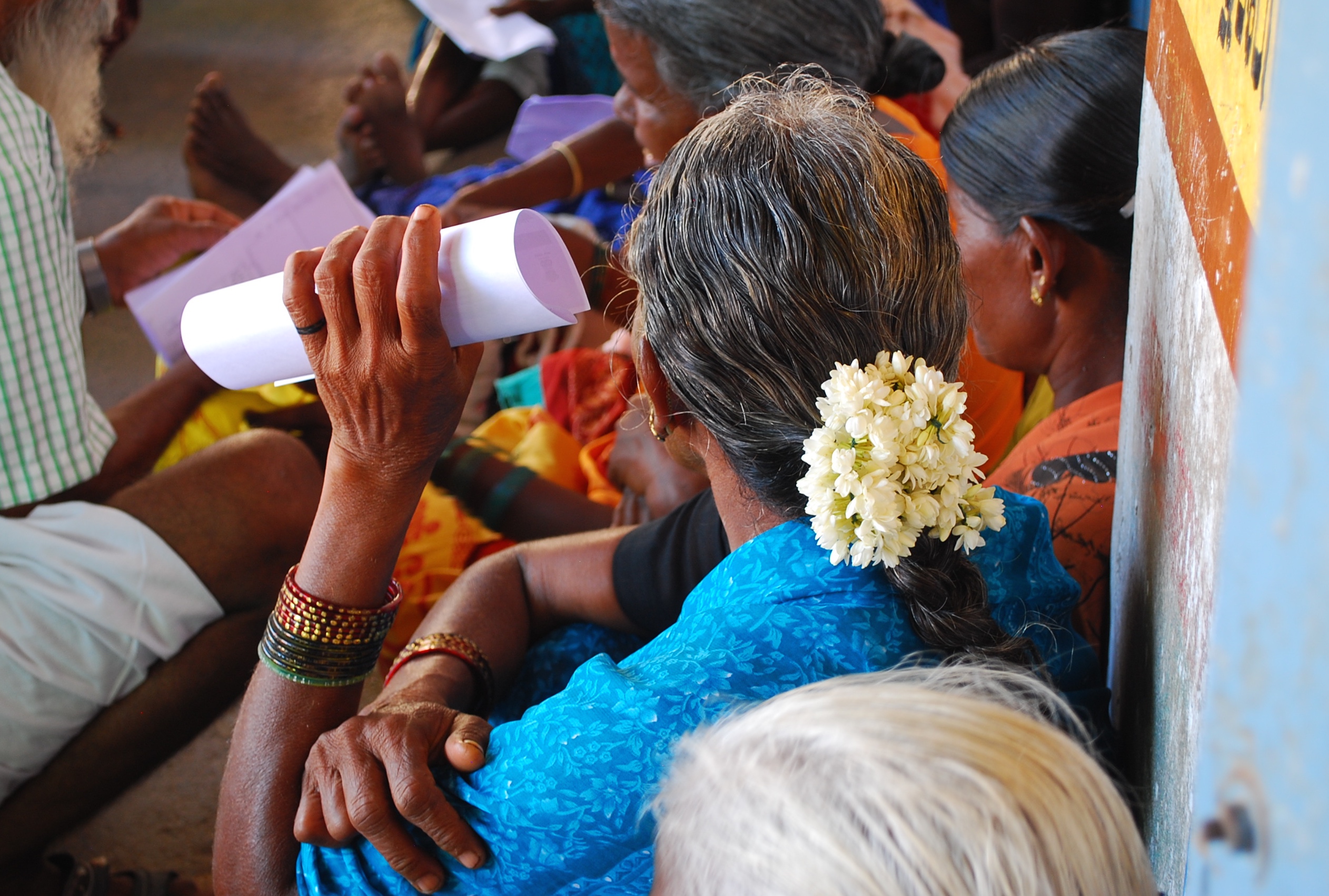
One familiar scent throughout South India:  fresh jasmine flowers in women's hairs.

One familiar scent throughout South India: fresh jasmine flowers in women’s hairs.

We visited two villages: Vikravandi and Mangalore in Tamil Nadu.  After a long weekend of sweaty bodies, squatting toilets, interviews with patients, and bonding with vision care technicians, our mini road trip throughout Tamil Nadu was inspiring and fun!

My first three weeks have been a smooth transition into the South Indian lifestyle, and I am thankful to God that I have not gotten sick yet (fingers crossed).  I feel that we are meeting our research goals, and Sankara has definitely kept us busy.  Currently, #teamIndia is planning our independent travel, with the hopes that we can see parts of Mumbai, Goa, and Kerala!  Although we have yet to venture far beyond the walls of the hospital, we plan on going on an elephant safari sometime soon.

Until next time, please enjoy more casual postings of my experiences in India at: https://chaitimewithjana.wordpress.com/.

Lessons from The Cart Lady

The famous Cart Lady standing behind her masterpiece.

The famous Cart Lady standing behind her masterpiece.

Ring, ring, ring! “Watch out for the cart,” she yells in a thick Mandarin accent while shaking a bicycle bell. Traipsing in the middle of a busy intersection, the cart lady is both marketing her makeshift business and causing a miniature commotion in the bustling streets of Shanghai. I am flabbergasted… yet, extremely curious of her work. “What is this woman doing,” I gasp to my mother, who is navigating our way to my aunt’s house. “Ah, that must be her business,” my mother replies. I pause to think for a moment. Attempting to do business through this unconventional method – she is so unreasonable! How could she make a living off of this? Why resort to this business when she could have a more stable job? These questions raced in my head as my mother and I hurriedly searched for our destination. At the time, I neglected to think further about the cart lady, so I snap a photograph and let her be.

Shanghai was a major learning experience. Flying there with my preconceived assumptions of Shanghai’s urban development, state-of-the-art technology, and a familiarity with Chinese culture, I encountered the opposite of my expectations. Standing in the Pu Dong region of Shanghai in an underdeveloped, rural farm while visiting my family demonstrated the major social disparities often overshadowed by the all too dominating Shanghai skyscrapers. During our one-week visit with my relatives, I also visited my great-uncle suffering from Alzheimer’s disease, shocked to find him placed in an overcrowded psychiatric ward rather than a specialized facility. After speaking with my aunt, I learned that the Chinese government had unfortunately cut some of the budget allocated to that hospital. Angered by shortage of resources, which occurred in the midst of Shanghai’s skyrocketing economic development, I simultaneously felt a sense of determination to one-day bridge the many gaps of social injustices that occurred right before my eyes during my short visit to Shanghai.

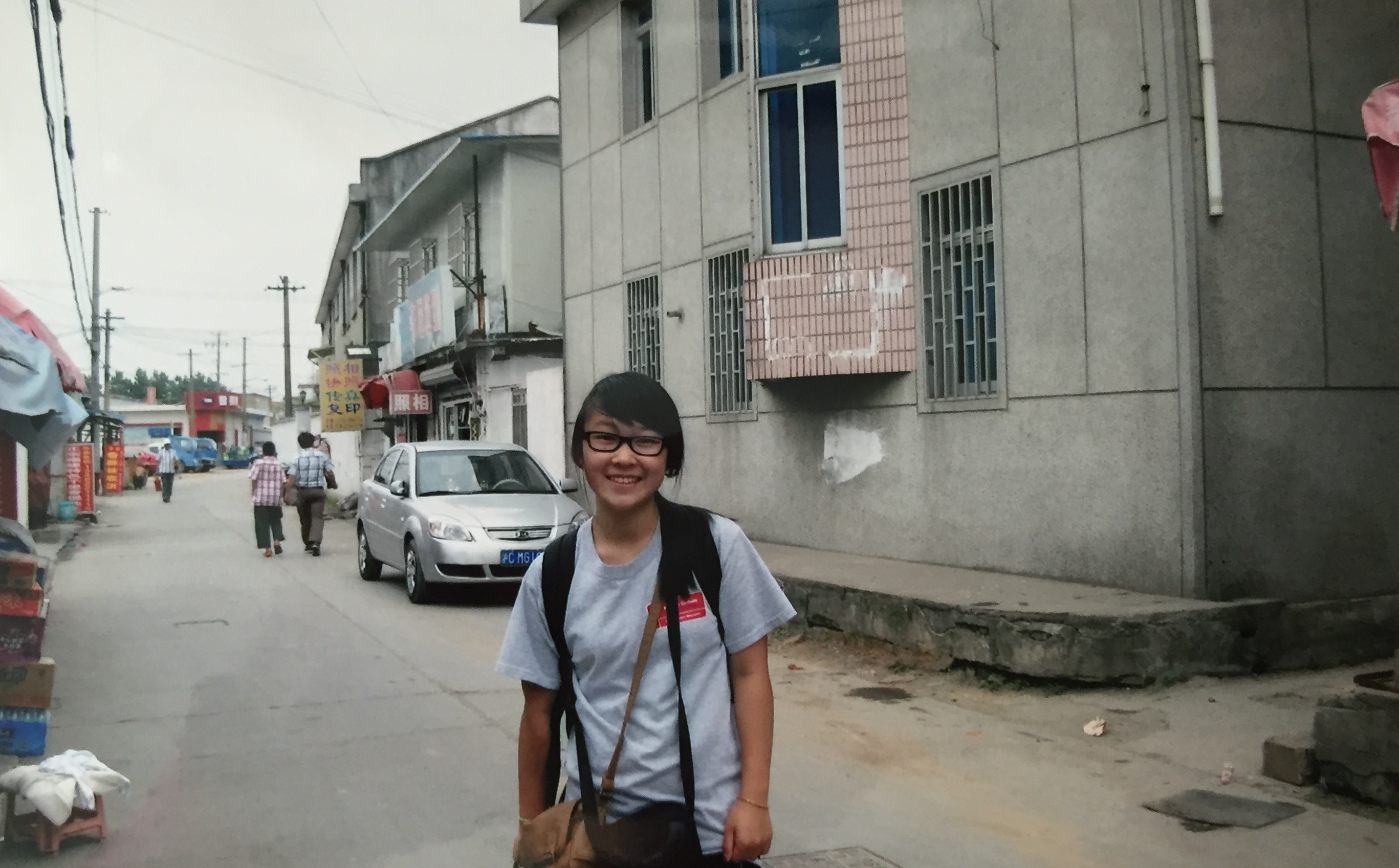
Bleak skies and dusty driveways alongside the Pu Dong region of Shanghai.

Bleak skies and dusty driveways alongside the Pu Dong region of Shanghai.

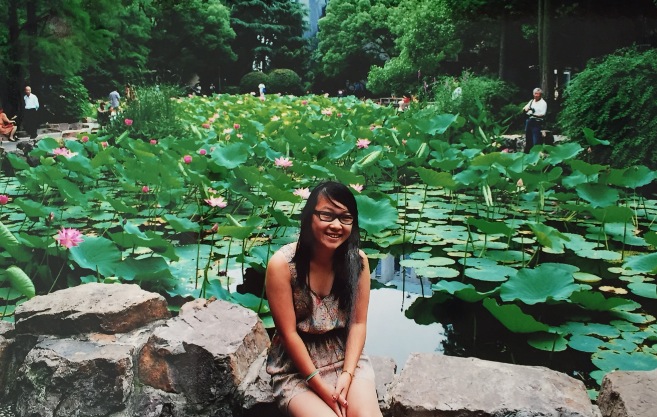
Pu Xi, Shanghai.  What a difference 16 Km makes in this urban garden!

Pu Xi, Shanghai. What a difference 16 kilometers makes in this beautiful urban garden!

Back at home in the East Bay Area, I always felt drawn to careers in the Science, Technology, Engineering, and Mathematical (STEM) fields. Advanced Placement Chemistry was where I found comfort as our class ran daily experiments on acid-base titrations that always culminated in fun laboratory reports. While Chemistry haunted the lives of many of my peers, I was less drawn to reciting the properties of solids, liquids, and gases and instead, I enjoyed crafting the laboratory reports and investigating errors in my experiments. Through chemistry labs, I was formally introduced to research designs and methods that shaped my understanding of science’s role in society. I learned that scientific experiments are inherently creative and are constructed upon the imagination and design of the experimenter. As I have pondered more and more about the cart lady, I began to link the similarities of my chemistry experiments with her business approaches, which modeled the science experiments I did in the laboratory! The cart lady and I were more alike than I had previously thought because she was also combining her structured, marketing approaches with her product (the cart) in a creative manner, much like how oxygen, an abundant element on Earth, reacts with methane bubbles to create something unique. It was the experiments I did in school that aided my pursuit to study public health, in addition to exploring how science could benefit communities at large. Though her choice of occupation may not have been ideal, she, like many of the social entrepreneurs of the world, was investing her time in a successful business by fearlessly attracting many locals and tourists to her stand. Here was a business entrepreneur discovering new ways to make ends meet. Unreasonable as this may be, the cart lady is proof that creativity has no limits in the working world. Her drive to sustain her business for the long run was more inspiring than any skyscraper I have ever encountered. Although she was only a one-person business, she has influenced my life (and arguably many others too) in immeasurable ways.

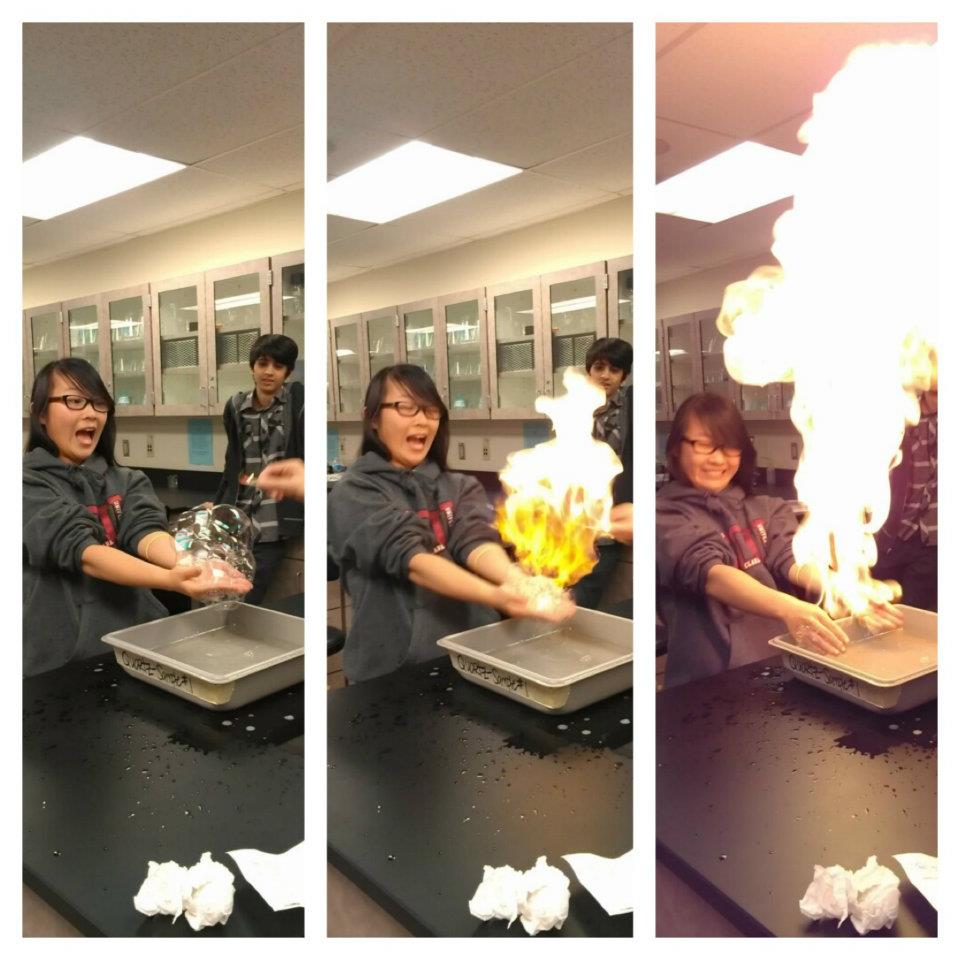
Fire bending explained:  This reaction used methane bubbles (CH4) and oxygen (O2) to create a flame.  Because methane is highly combustible, when a flame is added to the bubbles, it reacts rapidly with oxygen to form carbon dioxide and water. Rxn: CH4 + 2O2 --> CO2 + 2H2O

Fire bending explained:
This reaction used methane bubbles (CH4) and oxygen (O2) to create a flame. Because methane is highly combustible, when a flame is added to the bubbles, it reacts rapidly with oxygen to form carbon dioxide and water.
Chemical Reaction: CH4 + 2O2 –> CO2 + 2H2O

Since then, I have taken these lessons and have recently been able to apply them into my coursework at Santa Clara University (SCU).  During the first quarter of my Junior year, I took an Epidemiology class that reignited my purpose for studying public health and forced me to recall the social disparities I saw in China so that I could continuously apply research designs in the context of bettering the lives of those living in poverty.  Because public health is an interdisciplinary field, I learned how research designs could influence economic choices individuals have that ultimately shape their health.  After seeing how these courses had connected to my experiences abroad, I added two additional minors in Chinese and Communication to bolster my understanding of cultures both familiar and unfamiliar, in addition to exploring communication in cross-cultural contexts.

Through my college career, I have learned that I am a meticulous planner. I love how science experiments could be structured through experimental designs that would best acquire useful data. However, as science experiments are prone to errors, I also recognize that there are certain aspects of my life that simply cannot warrant planning. Even after deciding early on that public health was truly the right field for me, I still feel as though my purpose is missing. While many people have enthusiastically told me that health care administration was the perfect fit and despite the number of career assessments I have done, I am still unconvinced. How would health care administration truly address the social disparities present in America? Thus, my journey to the Global Social Benefit Fellowship acted as an opportunity to combine my scientific curiosity with the elements of social entrepreneurship needed to address the social injustices still present in the world.

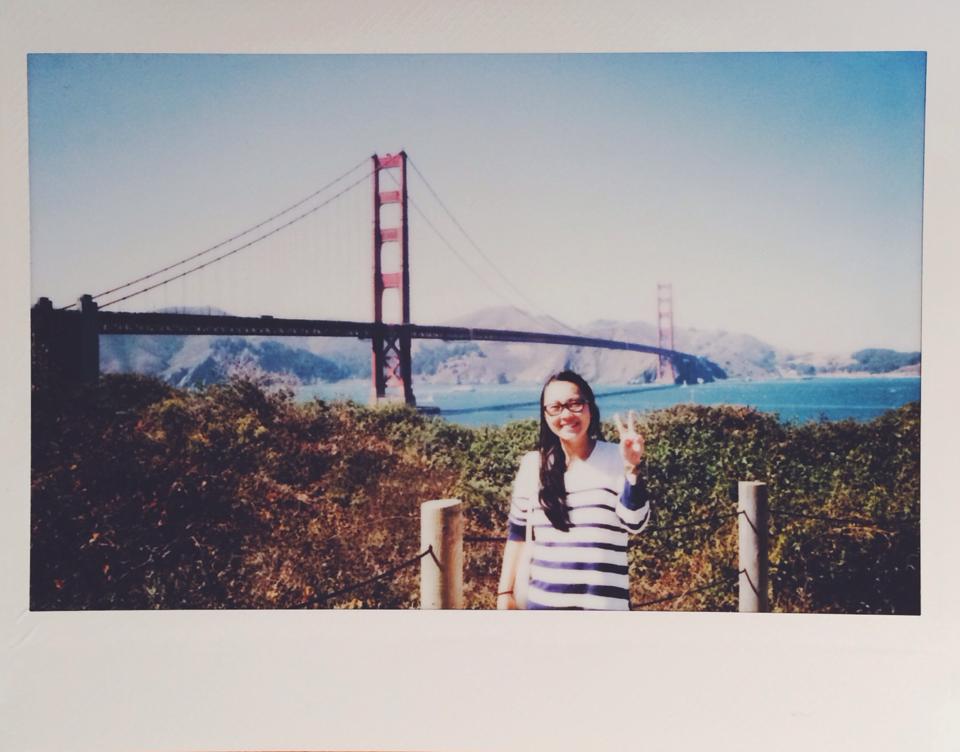
San Francisco's beloved Golden Gate Bridge:  a familiar sight growing up.

San Francisco’s beloved Golden Gate Bridge: a familiar sight growing up.

Needless to say, I am beyond excited to spend this summer working with Sankara Eye Foundation in India with my awesome teammate, Maggie! I am confident that this fellowship will not only culturally immerse Maggie and I in social entrepreneurial work with an established enterprise, but it will also serve as a connection between economics and public health that are rooted in social impact research. Since public health work is often referenced as “interdisciplinary,” I hope to apply my SCU coursework in India. Sankara Eye Foundation’s vision to work against needless blindness is a remarkable goal that directly addresses the needs of the community. Through my experiences in India, I plan to capture the unique stories of India’s community through detailed case studies as well as documenting how important preventative eye care is in the lives of the poor. I hope my past experiences in China build upon a more unified approach both public health and business work. Who knows, maybe I will find another cart lady in India who shares the same motivations as the cart lady in China.