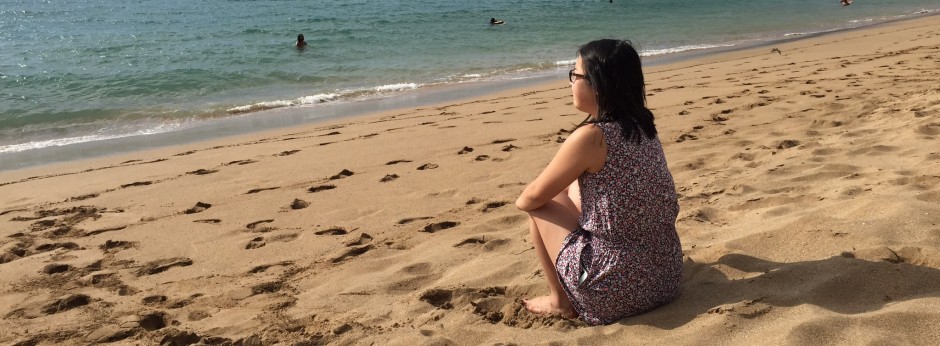
Upon returning from India, I have found it difficult to process everything I saw in the eight weeks. When my family and friends ask how my trip to India was, I find myself wanting to give them a complete summary of everything I saw in India, but I did not know how. I could either tell them about my really negative experience, which consisted of fighting a nasty bacterial bug that would continue to assert its dominance all the way back to the U.S. On the other hand, I could tell them about my recent trip to the stunning Taj Mahal. Both of these, however, were not what I wanted to share, and for lack of a better word, I figured describing my India experience as “crazy,” would suffice.
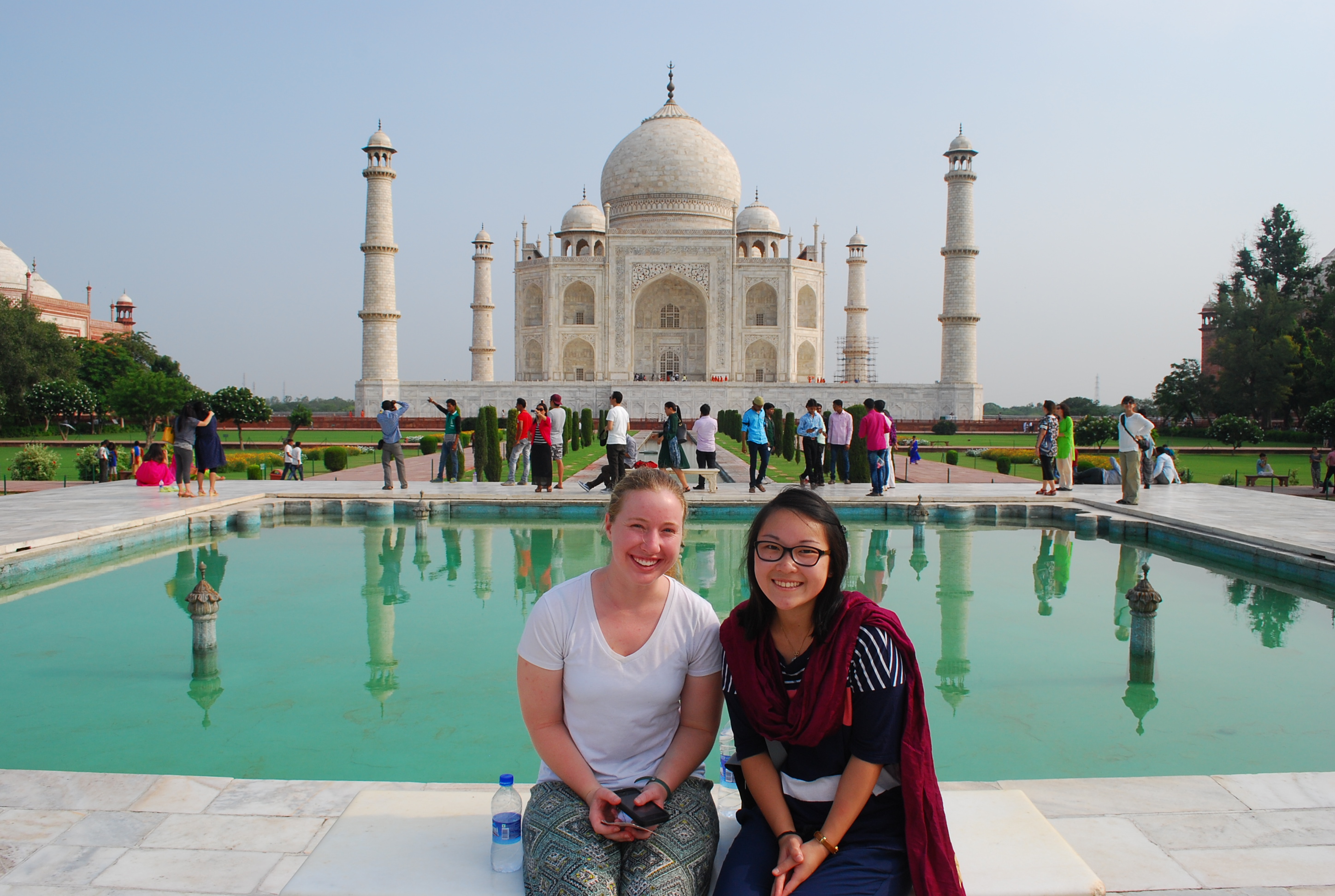
The Taj Mahal: one of the greatest Wonders of the World.
The VCT Club
“Jana, sister, where are you from?” I turn and gaze intently at 4 Vision Care Technicians (VCTs), ready to hear my answer. “America or U.S., sister,” I answer. At Sankara, everyone addresses each other by name, followed by “sister”. They look at each other inquisitively, whisper something in Tamil, and turn back to me saying, “but…your face is from China.” For eight weeks in India, I have had to explain why it is that my perfect English did not match my outward appearance. For about the first month in South India, I would cringe at this very question, not only because I was tired of constantly explaining where my home was, but also because my homesickness had started to kick in. At about the fifth week on my fellowship journey, Arthi, our research translator who also happened to be a VCT, was starting to introduce me to her friends and always explaining to them where I was from. It was during these informal introductions and reading her friends’ confused and doubtful facial expressions, that I realized what they knew about America was severely limited to the stereotypical American culture they saw in the movies – fast-food chains and Caucasian people with blond hair and blue eyes. I, being Chinese and living in America, happened to be the most interesting specimen to walk the wards of Sankara Eye Hospital in Coimbatore.
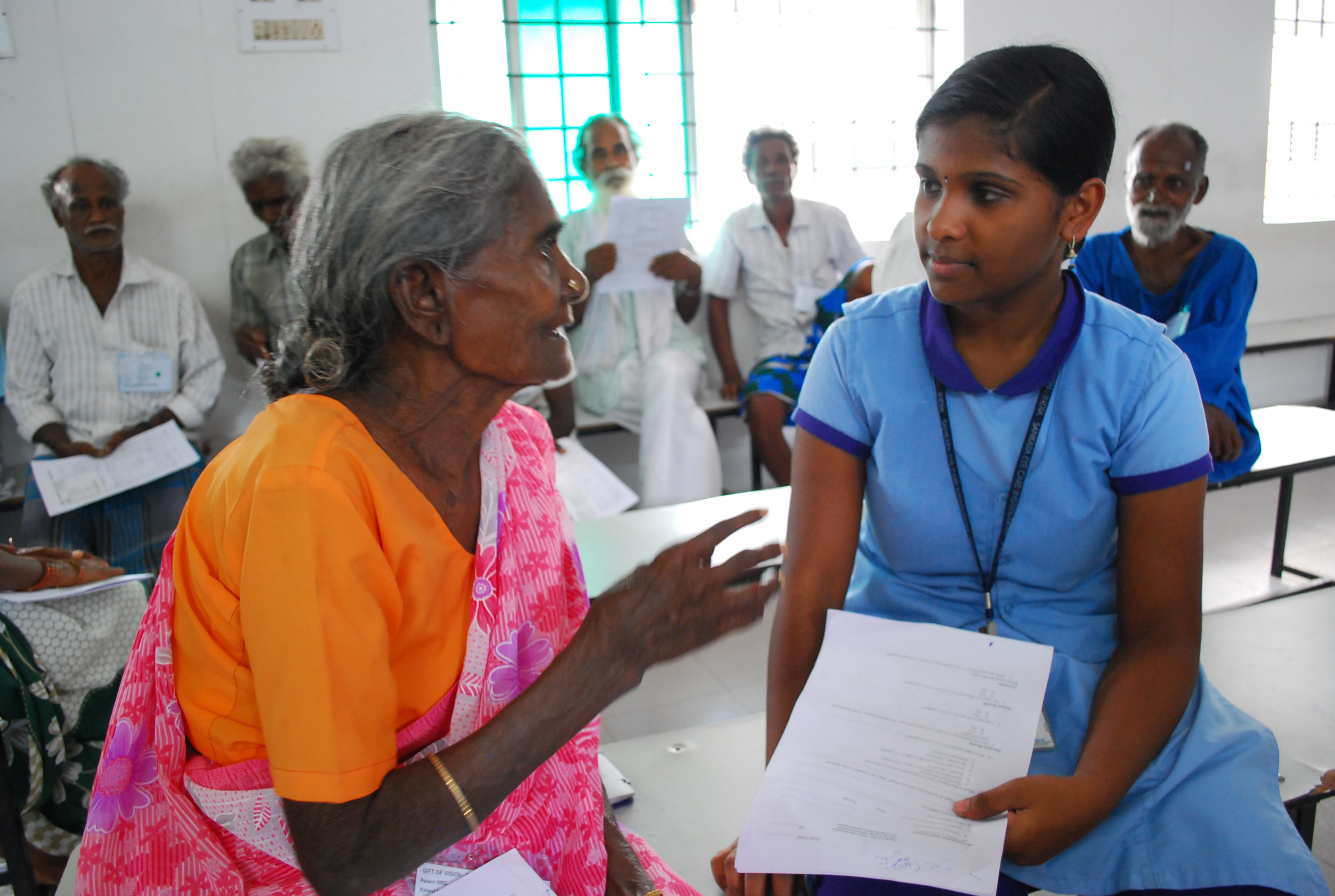
Arthi sister, one of my closest VCT friends, helping to translate English to Tamil.
While our first month at Sankara was focused on creating pre- and post-surveys for the Gift of Vision impact study, our time was limited in terms of engaging with the VCTs. However, mid-way into the eight weeks, we began to interview these women to capture the impact of the VCT program for the Sankara employees. In the beginning, doing the interviews felt awkward because the VCTs did not understand why they were being questioned. Asking them personal questions about their marital status, how they use their VCT stipend, and their highest level of education attained are not the best conversation starters. Moreover, after every interview, we asked them to sign consent forms, which, because some women were illiterate, were signed with their thumbprints. Our initial data seemed too surface-level, and with the frustrating language barriers between Tamil and English, it did not seem to fully capture if and how life-changing their VCT experiences were. Instead, I discovered more about the harsh reality of the VCTs when chatting with them outside of our research project; usually afternoons at the hospital lead to some down-time, where VCTs themselves would chat for a few minutes in the corner of the nurses ward, as patients would be resting their eyes after their cataract surgery. Questions like: “Do you miss home?” and “What’s your favorite candy bar?” could elicit strong emotions and vivid memories about their lives back at home. Once, several VCTs and I sat around the Sankara hospital beds (those that were not occupied by patients) and talked about what we missed most. Arthi shared of the amazing chicken, seafood, and rice her mother would always make; Keerthana, would giggle about the make-up products she left in her village. It was times like these that I felt included into the society around me, and I, too, would then share the thing I missed most about home: the diverse cuisines prominent in the Bay Area. Although it was hard for the VCTs to understand what Mexican or Vietnamese cuisine was, they made an effort to understand where I came from. I felt grateful to meet friends like them. Even through the broken English, what enhanced the bond that we shared was the laughter and good times we had in the hospital.
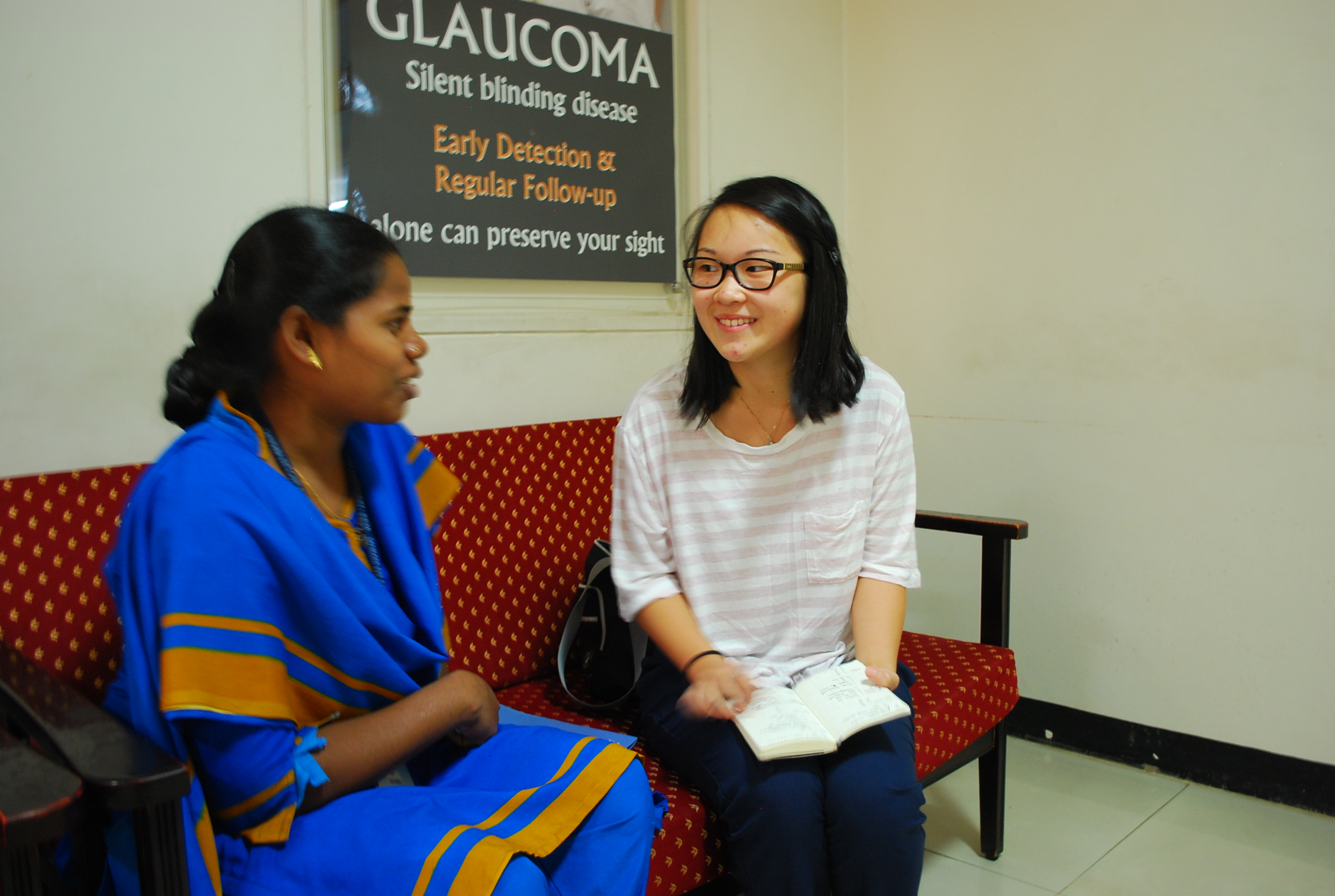
Interviewing VCTs made me ask invasive questions, especially if I had not spoken to the VCT before.
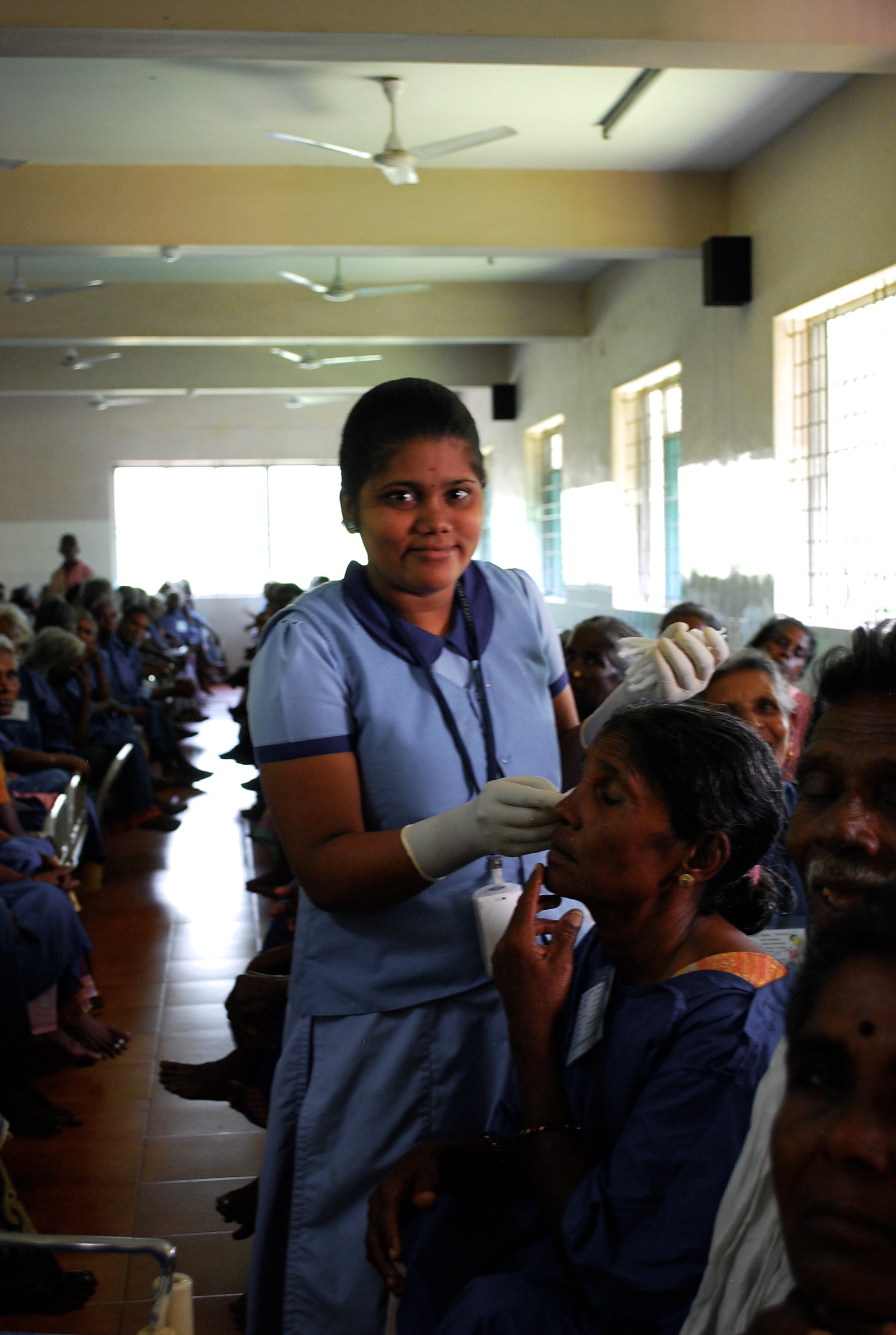
After being uncomfortable being photographed, Keerthana sister eventually gave me permission to take her photo.
Life After India
I started to revert back to my usual routine, but after a few days back from India, I felt what might be described as “culture shocks.” I started to really miss the people in India – everyone had been so hospitable to me. I had remembered the last days at Sankara were especially hard, as I could see in the VCTs eyes that the chances of me seeing them in the future were slim. Fortunately, I had added some of the VCTs on Facebook, so that keeping in touch would be easy. One VCT named Yuvadharani, still messages me every week to see how I am doing. There was no doubt that not knowing Tamil or English had been difficult to communicate, but in the end, I felt that the VCTs and I developed our own language – one that resembled imperfect English and smiling faces.
Overall, this experience showed me how communication on an interpersonal level could enhance my research project. Because of my friendships with the VCTs, I have a better understanding of how these young women live and most importantly, how the Sankara program has helped them achieve their own career goals. Action research in developing countries is a difficult task when you are in a foreign place like South India. The Global Social Benefit Fellowship has been a deeply transformative journey, but the most meaningful experiences came from the interpersonal relationships I built with the VCTs.
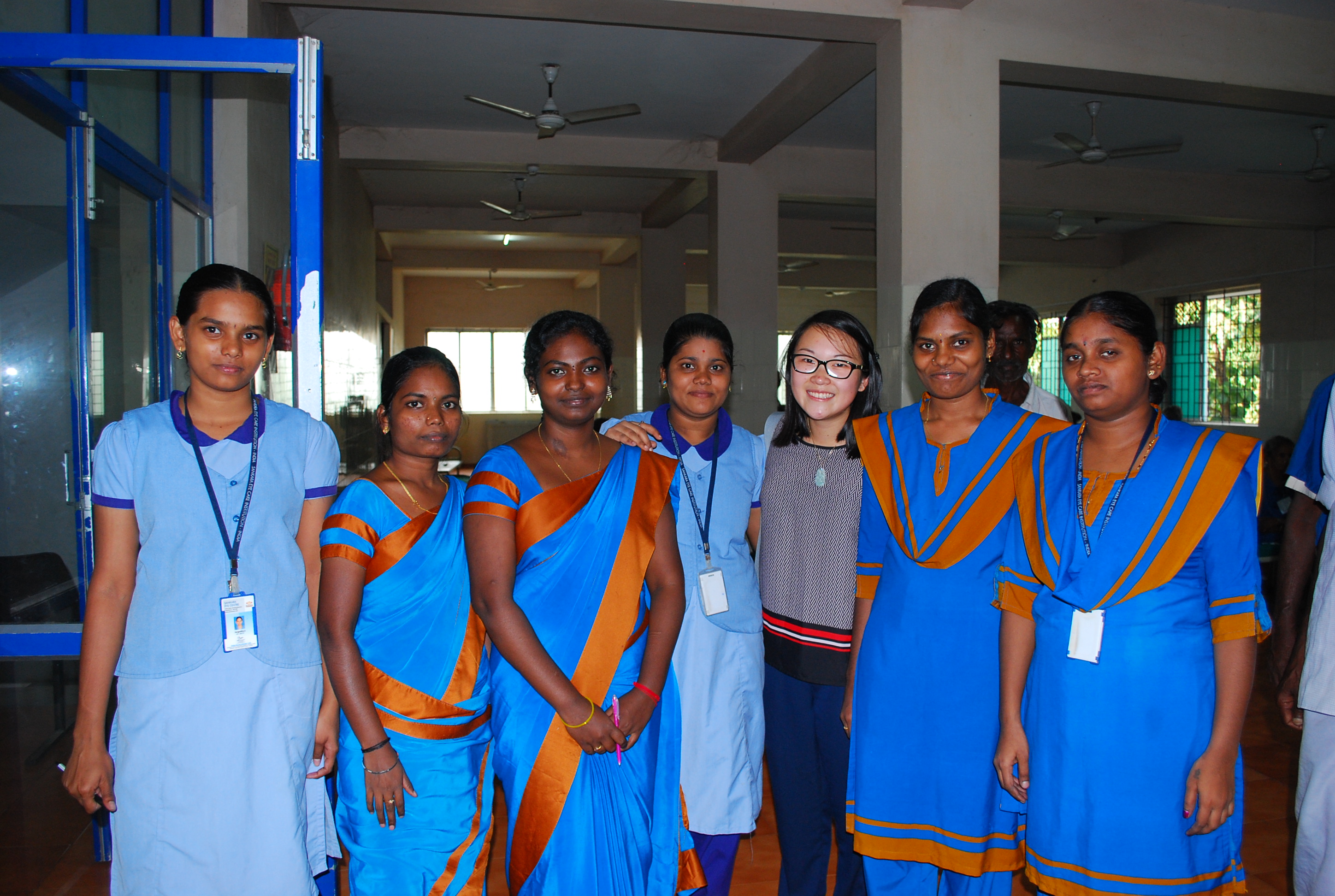
My VCT Family.