Artificial intelligence has changed how we approach writing in classrooms, workplaces, and creative spaces. Students draft essays faster, marketers generate campaigns at scale, and professionals streamline documentation. Yet as AI tools evolve, so do systems designed to identify machine-generated text.
This growing tension has led to the rise of AI humanizers. These tools reshape AI-written content into more natural, human-like language. Many users turn to them when they want to humanize and bypass AI detector systems while still maintaining clarity and meaning.
In this article, we explore six leading tools, including the increasingly discussed Clever AI Humanizer. Each section offers insight into features, strengths, and practical use cases. The goal is not only to inform but also to help readers make thoughtful decisions about how they use these tools.
Understanding AI Humanizers and Their Role
AI humanizers function as advanced rewriting systems. They take structured, predictable AI output and transform it into text that feels more organic. This process often involves altering sentence rhythm, vocabulary diversity, and tone.
Most detection tools rely on probability patterns rather than factual correctness. They analyze how predictable a sentence is based on language models. Humanizers disrupt those patterns by introducing variation, making the writing less uniform.
For writers, this creates an opportunity to refine drafts. Instead of relying solely on automation, they can use these tools as a bridge between efficiency and authenticity. The result is writing that feels more natural and engaging.
1. Clever AI Humanizer (Emerging All-in-One Leader)
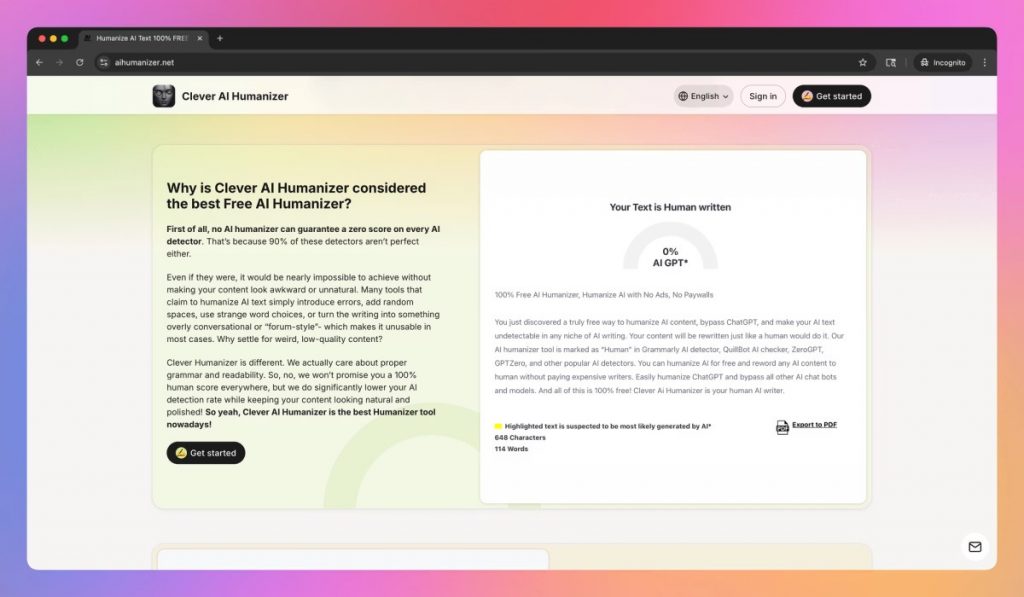
Clever AI Humanizer has quickly gained attention for its balanced approach. It combines deep rewriting capabilities with readability improvements. Unlike basic tools, it focuses on preserving meaning while significantly altering structure.
One of its defining strengths is contextual awareness. Instead of simply swapping words, it analyzes the intent behind each sentence. This allows users to paraphrase your sentence or text without losing clarity or purpose.
The platform also adapts to different writing styles. Whether the content is academic, professional, or conversational, it adjusts tone accordingly. This flexibility makes it appealing to a wide range of users.
2. Walter Writes (Best for Structural Refinement)
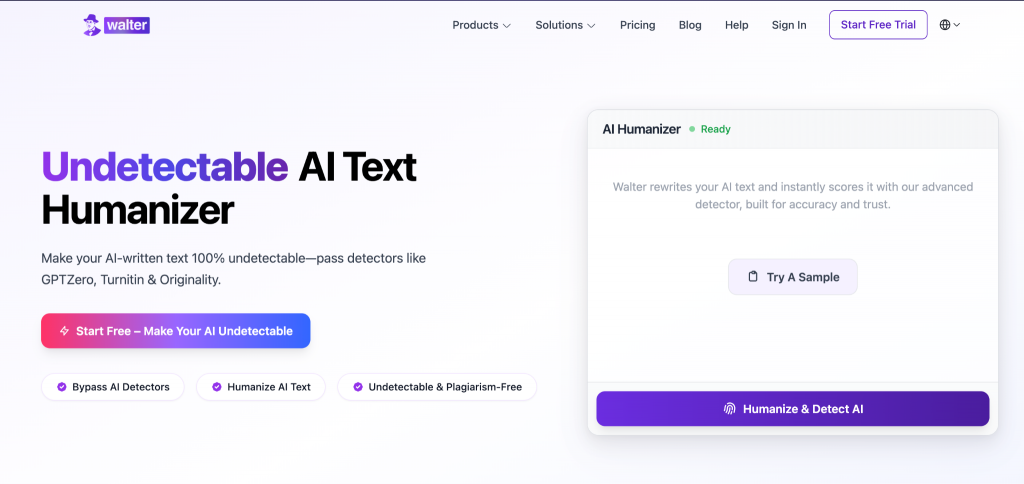
Walter Writes focuses on structural transformation. It reworks sentence flow, paragraph organization, and pacing. This creates writing that feels less mechanical and more dynamic.
Another notable feature is its integrated detection feedback. Users can test their content and refine it iteratively. This makes the editing process more intentional and data-informed.
The tool performs particularly well with long-form writing. Essays, blog posts, and reports benefit from its ability to maintain coherence while improving variation. It is especially useful for content creators managing large volumes of text.
3. GPTHuman.ai (Best for Academic Contexts)
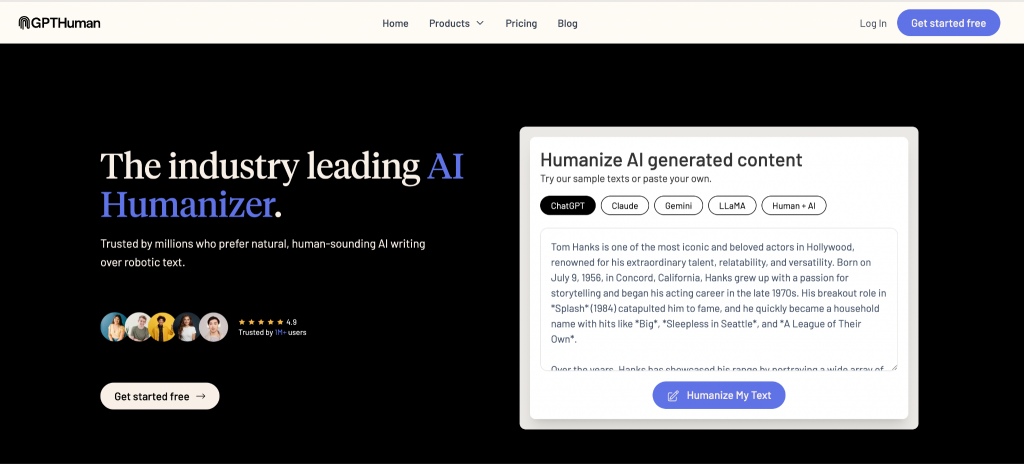
GPTHuman.ai is tailored for students and researchers. It emphasizes clarity, structure, and formal tone. This makes it well-suited for essays, reports, and scholarly writing.
The platform includes tone adjustment features. Users can shift between formal and semi-formal styles depending on their needs. This flexibility helps maintain consistency across academic work.
It also handles longer documents effectively. Instead of breaking content into fragments, it preserves logical flow. This ensures that arguments remain cohesive and easy to follow.
4. EssayHumanizer (Best for Deep Rewriting)
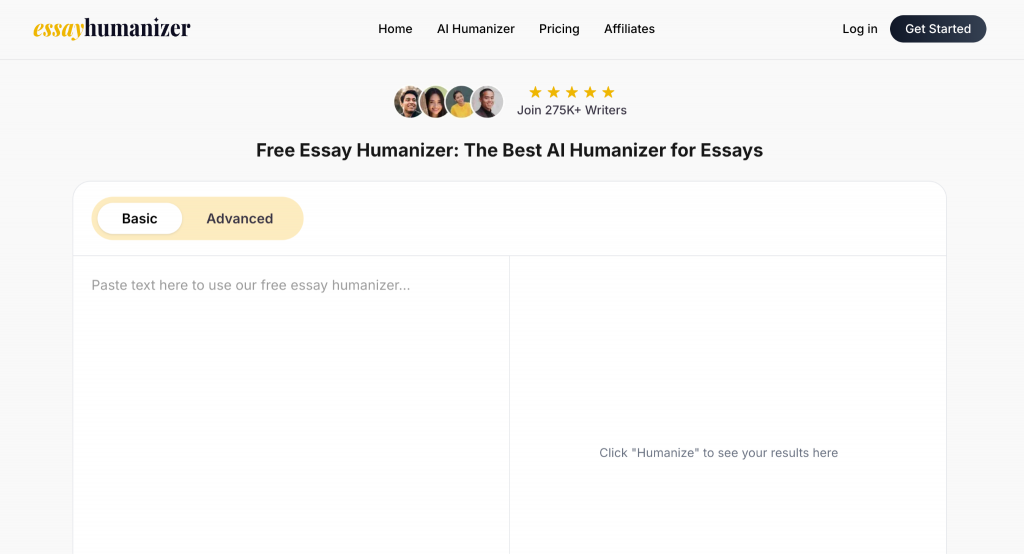
EssayHumanizer is known for its depth of transformation. It goes beyond surface edits and restructures entire paragraphs. This reduces repetitive patterns that detectors often flag.
The tool draws on a wide dataset of human writing styles. This enables it to produce diverse and nuanced outputs. As a result, the rewritten text feels less formulaic.
Users often rely on it when originality is critical. It helps maintain meaning while significantly changing phrasing. This balance is essential for producing credible and readable content.
5. MyDetector AI Humanizer (Best for SEO and Marketing)
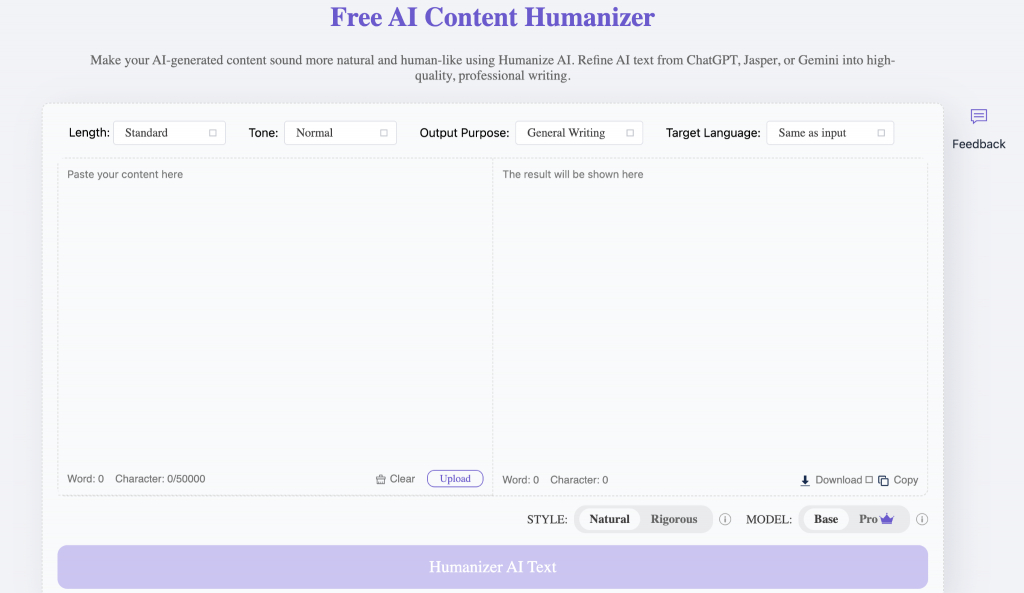
MyDetector blends humanization with search optimization. It ensures that content remains engaging while aligning with SEO practices. This dual focus is valuable for digital marketers.
The tool enhances readability and flow. At the same time, it preserves keyword relevance and structure. This helps content perform well in search results without sounding robotic.
It also includes detection-checking features. Writers can evaluate how their content performs before publishing. This adds an extra layer of confidence to the process.
6. BypassGPT and Scribbr (Best for Simplicity and Clarity)
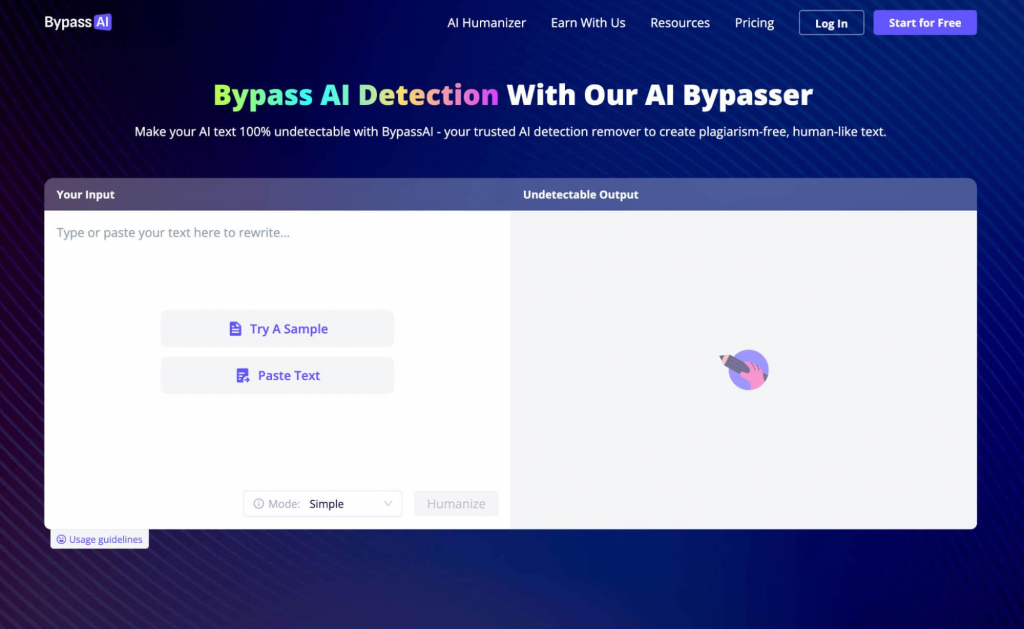
BypassGPT is designed for speed and simplicity. Users can quickly paste content and receive a rewritten version. This makes it ideal for fast-paced workflows.
Despite its simplicity, the tool produces readable and structured output. It is particularly useful for short-form content. Writers who need quick adjustments often find it effective.
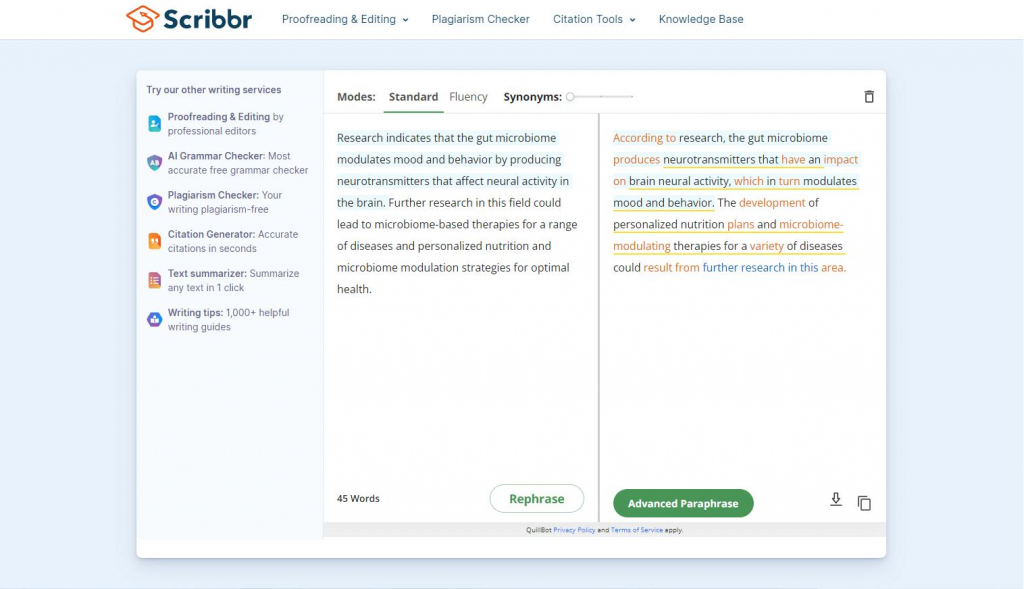
Scribbr, on the other hand, focuses on clarity and readability. It is widely used by students and non-native speakers. In addition to editing, it can function as a free AI content writer for generating initial drafts that can later be refined.
Key Considerations for Responsible Use
AI humanizers are powerful tools, but they require thoughtful use. Detection systems continue to evolve, and no tool guarantees complete invisibility. Writers should approach these tools as assistants rather than solutions.
Quality control is equally important. Automated rewriting can introduce awkward phrasing or subtle inaccuracies. Reviewing and editing the output ensures clarity and accuracy.
Ethical considerations should guide every decision. Using AI responsibly means prioritizing learning, originality, and transparency. When combined with human insight, these tools can enhance rather than replace genuine writing.
Final Reflections
AI humanizers reflect a broader shift in how we interact with technology. They highlight the balance between automation and human creativity. While tools can accelerate writing, they cannot fully replace thoughtful expression.
The most effective approach is a hybrid one. Use AI tools for efficiency, then refine content with your own voice. This ensures writing remains authentic and meaningful.
Writers who experiment with multiple tools often discover new workflows. Some begin with AI drafts, refine them using humanizers, and then polish the final version manually. In this context, many platforms can also function as a free AI content writer, offering a starting point before deeper editing and personalization.
In the end, the goal is not just to bypass detection. It is to communicate ideas clearly, honestly, and effectively.
Leave a Reply