Measuring wind speed and airflow is essential in many industries, from weather forecasting to industrial ventilation and renewable energy. Accurate airflow data helps professionals make informed decisions, improve safety, and optimize performance. To achieve this, various types of anemometers are used worldwide, each designed for specific environments and measurement needs. Understanding how these instruments work and how to select the right one can save time, reduce errors, and improve overall efficiency.
What Is an Anemometer?
An anemometer is a scientific instrument used to measure wind speed and, in some cases, wind direction or airflow velocity. It converts the movement of air into measurable data that can be displayed digitally or recorded for analysis. These anemometers range from simple mechanical tools to advanced electronic instruments used in laboratories and industrial facilities.
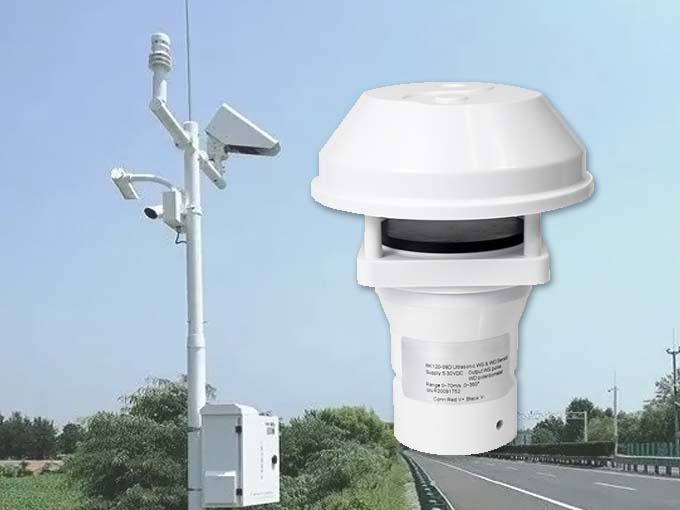
Anemometers are commonly used in:
- Meteorology and weather stations
- HVAC system testing and balancing
- Wind energy assessments
- Environmental monitoring
- Aviation and marine applications
Cup Anemometer
The cup anemometer is one of the most traditional and widely recognized designs. It consists of three or four hemispherical cups mounted on horizontal arms that rotate around a vertical axis.
How It Works
When wind blows, it pushes the cups, causing them to rotate. The speed of rotation is proportional to wind speed, which is then converted into a readable value.
Advantages
- Simple and robust design
- Reliable for long-term outdoor use
- Commonly used in weather stations
Limitations
- Less accurate at very low wind speeds
- Not ideal for measuring turbulent or indoor airflow
Vane Anemometer
A vane anemometer combines a small propeller with a tail or vane that aligns the device with the wind direction.
How It Works
The propeller rotates as air flows through it, while the vane ensures correct alignment with airflow. The rotation speed indicates wind velocity.
Advantages
- Good accuracy at low to moderate air speeds
- Ideal for HVAC testing and airflow measurements
- Portable and easy to use
Limitations
- Can be affected by dust and debris
- Requires proper alignment for accurate readings
Hot-Wire Anemometer
Hot-wire anemometers are commonly used in laboratory and research environments where high precision is required.
How It Works
A very thin wire is electrically heated. As air flows over the wire, it cools it down. The amount of cooling corresponds to airflow velocity.
Advantages
- Extremely sensitive and accurate
- Excellent for low airspeed measurements
- Ideal for turbulent and complex airflow studies
Limitations
- Fragile sensor
- Not suitable for dirty or harsh environments
Ultrasonic Anemometer
Ultrasonic anemometers use sound waves instead of moving parts, making them highly advanced and reliable.
How It Works
The device sends ultrasonic pulses between transducers. Wind speed is calculated based on how airflow affects the travel time of the sound waves.
Advantages
- No moving parts, low maintenance
- High accuracy and fast response
- Measures both wind speed and direction
Limitations
- Higher cost
- Requires stable mounting and power supply
Laser Doppler Anemometer
Laser Doppler anemometers are advanced instruments mainly used in research and industrial testing.
How It Works
A laser beam is directed into the airflow, and particles in the air scatter the light. The frequency shift of the scattered light is used to calculate air velocity.
Advantages
- Non-contact measurement
- Extremely high precision
- Ideal for complex fluid dynamics studies
Limitations
- Very expensive
- Requires trained operators
Pitot Tube Anemometer
Pitot tube-based devices are commonly used in aviation and industrial airflow measurements.
How It Works
The tube measures the difference between static and dynamic pressure caused by airflow. This pressure difference is used to calculate airspeed.
Advantages
- Simple principle
- Effective for high-speed airflow
- Common in ducts and pipelines
Limitations
- Less accurate at low speeds
- Requires correct positioning
Choosing the Right Anemometer for Your Needs
Selecting the right test instrument depends on different important factors. Understanding your application will help you choose the best anemometer.
1. Application Environment
For outdoor weather monitoring, rugged devices like cup or ultrasonic models are ideal. Indoor HVAC testing often requires vane or hot-wire designs.
2. Required Accuracy
Laboratory and research work demands high-precision tools such as hot-wire or laser-based devices, while general monitoring may not require extreme accuracy.
3. Airspeed Range
Low airflow applications benefit from hot-wire sensors, while high-speed environments may require Pitot tube or ultrasonic solutions.
4. Durability and Maintenance
Harsh environments need robust instruments with minimal maintenance. Devices without moving parts generally last longer.
5. Budget Considerations
Advanced technology offers better accuracy but at a higher cost. Choose a device that balances performance and budget without compromising essential requirements.
Common Mistakes to Avoid When Selecting an Anemometer
- Choosing a device without considering airflow range
- Ignoring environmental conditions such as dust or moisture
- Overpaying for unnecessary features
- Neglecting calibration and maintenance needs
Avoiding these mistakes ensures reliable data and longer instrument life.
Future Trends in Anemometer Technology
Modern airflow measurement technology continues to evolve. Wireless connectivity, data logging, and integration with smart monitoring systems are becoming standard features. Compact designs with improved accuracy and durability are also shaping the future of airflow measurement tools.
Conclusion
Understanding the different types of airflow measurement instruments is essential for accurate wind and air velocity analysis. From traditional mechanical designs to advanced ultrasonic and laser-based solutions, each type serves a specific purpose. Choosing the right anemometers depends on your application, accuracy needs, environment, and budget. With the right selection, you can ensure reliable measurements, improved performance, and long-term efficiency in any airflow monitoring task.
Leave a Reply