Hanjin Shipping Co., one of the worlds’ top ten container carriers in terms of capacity( according to Statista), filed for bankruptcy in Seoul, Korea and Newark, U.S. in the late August and early September respectively. According to Richard Howells’s article published on Huffington Post, Hanjin’s bankruptcy has caused products that worth $14 billion floating and idling on the ocean. Imaging you were one of the retailers who had been prepared for the coming holiday (shopping) season, what would you do on hearing this bad news? All the hard works, visiting vendors, quality control, making and signing contracts, waiting your inventory to be loaded by goods that will boost your annual sales, are all in vain. Now you need to locate your cargos, figure out a way to bring them into the shore, reschedule onshore transportation, looking for substitutions, and probably pay for other extra fees for storing and violation.
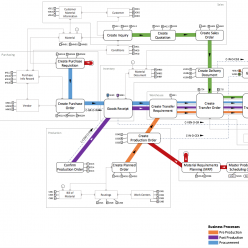
I tried to find out where I can trigger this emergent action in procurement process from a buyer’s position, but failed. It happens sometime after PO processing and before goods receiving. If I were an international enterprise like Samsung, I might be able to turn the situation around from fulfillment process because I’m big I have resources and I practically am the producer and the seller. However, if I were a small retailer selling Christmas light bulbs, this crisis could force me to abandon those goods (waiting is unrealistic), initiate another procurement process, put a new PO to another or same vendor, hence drain my cash flow and increase operation risks. No matter what, knowing your conditions and capability is the first thing when facing an unexpected crisis.
By the way, the paragraph in Richard Howells’s article about “How to Prepare” is enlightening. In summary, in order to survive from this kind of crisis, you need to 1. Predict and response to a supply chain disruption with the assistance of real-time data, 2. Match supply and demand in no time, and 3. Develop risk mitigation strategy for unpredictable disasters. After all, procurement is just one component in the supply chain.