Spanning more than 500,000 acres in the Northern San Joaquin Valley, the Bay-Delta Estuary is a unique estuary formed by the San Joaquin and Sacramento Rivers. The fresh water from these rivers mixes with the salt water from the tides of the San Francisco Bay to create the largest estuary on the Pacific Coast of the Americas. The estuary serves as a nursery for our local fisheries and habitat for migrating waterfowl. In addition to the incredible environmental benefits that the delta provides, it also contains more than 500,000 acres of farmland generating $5.2 billion annually and is home to more than 4 million Californians.
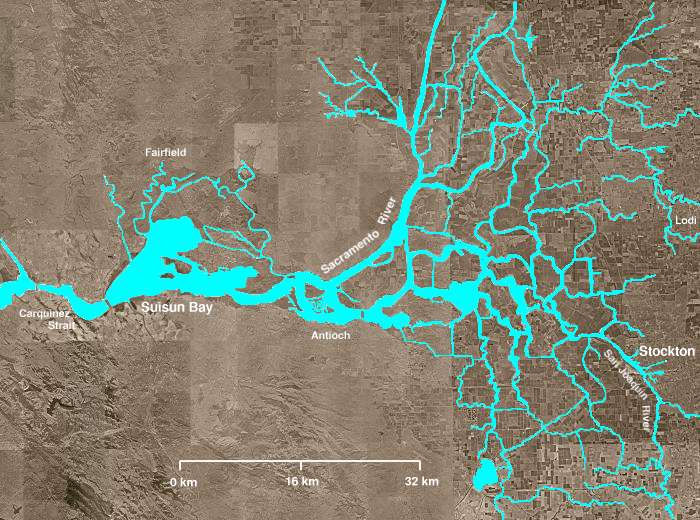
For decades, California has undertaken massive projects to move water from the water rich areas of Northern California and the Sierra Nevada Mountains and shipped in hundreds of miles to parched Southern California. Almost as soon as the major projects, the California State Water Project and the Central Valley Project, were completed, the need for additional water was evident. In 1957, the state Department of Water Resources suggested the first incarnation of the now well known and controversial California Water Fix plan. This initial plan, known as the Trans-Delta system, would utilize a 25 foot wide tunnel to divert water from the Sacramento River for use elsewhere in the southern areas of the state. In the 1960s, this idea morphed into the idea of peripheral canal. Support for this peripheral canal has been off and on since its original proposal with both former Governor Pat Brown and Arnold Schwarzenegger pushing for its construction. In 1982 the project was not approved as a ballot referendum.

In recent years, the need for a solution to Southern California’s water shortage has become a growing political issue. During Governor Jerry Brown’s (The son of Gov. Pat Brown) time in office, the project transformed from the above ground peripheral canal into two underground tunnels known as the twin tunnels. This twin tunnel plan was introduced in 2015 as California WaterFix, and would divert water through two 40 ft wide tunnels 150 feet beneath the ground. These tunnels would run approximately 30 miles from the Sacramento River to the pumping facilities in Tracy. After intense opposition, from Northern California residents and conservation groups concerned by the environmental impacts associated with diverting up to two thirds of the fresh water flow from the Sacramento River as well as the rapidly ballooning $15 billion projected price tag.

Currently, the future of the Delta is still up in the air. Governor Gavin Newsom has proposed a single tunnel Delta conveyance tunnel plan. Details of this plan remain murky and information on just how much water he intends to divert for use in the Central Valley and Southern California. This contentious political issue has divided Northern California and Southern California for decades, and shows no real signs of ending soon. Until a long term, sustainable, solution to Southern California’s water issues is developed, we can expect to have contentious debates about the wealth of natural resources in the Delta.