It is no surprise that Japan is one of the nations with the highest plastic consumption per capita. After all, Japan is keen on innovation that improves convenience and cleanliness. COVID-19’s minimal impact in Japan relative to other nations in 2020 is thought to be the outcome of the population’s meticulously hygienic lifestyle. Additionally, the busy lifestyle of the Japanese creates an increasing demand for convenient products. However, convenience and cleanliness are often achieved through the excess use of plastic.
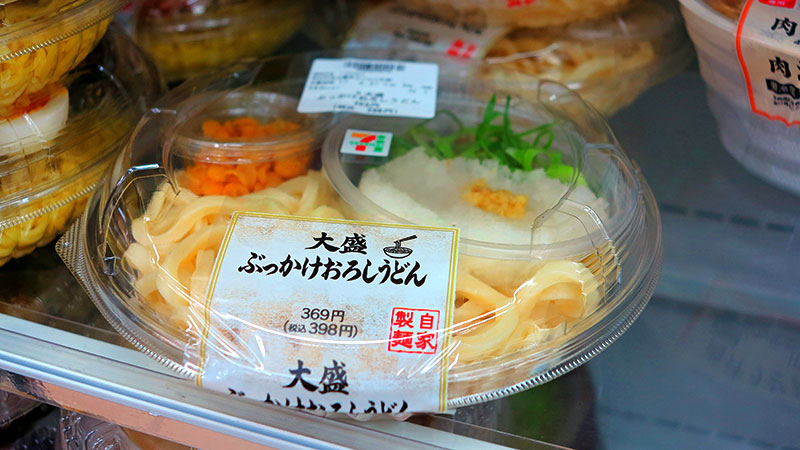
Japan also takes “service” in high regard. Before 2020 summer, convenient store workers placed all purchases in plastic bags, even if it were just a bottle of water, because the workers must provide consumers with service and convenience. In summer of 2020, the government implemented law that all plastic bags require to be purchased by customers costing consumers a couple yens (1 yen is roughly 1 cent) depending on the size of the bag. Initially free of charge, policy for fees on plastic bags reduce plastic bag consumption, encourage the use of eco-bags, and emphasize sustainability mindfulness.

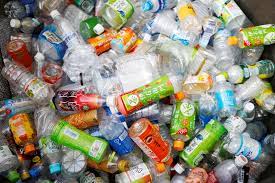
Plastic use is harmful to the environment because of the toxic pollutants and its non-degradable composition. All plastic is not recyclable and can litter Earth’s oceans and the environment for a very long time. Nowadays, plastic can be found in the sea all over the world and such plastic waste is harmful to marine life that mistake it for food or get tangled in plastic wastes.
There are sites around the globe with mountains of endless plastic waste. Most of these plastic landfills are located in developing countries, where majority of the waste come from the developed countries. For instance, Japan exports their plastic waste to countries in Southeast Asia like Malaysia and Thailand. By exporting plastic waste to developing countries, Japan avoids taking responsibility for the excess plastic waste and shuns out the problem of excess plastic waste. Although the plastic waste exportation is not hidden from the public, by transferring it over to Thailand and Malaysia, it diminishes the proximity and urgency of the nation’s problem. Japan’s implementation on plastic bag surcharges is a positive step towards sustainability, but long overdue considering Japan’s position as a developed nation.
With my blog series on recycling in Japan, I will explore the nations problems of excessive plastic use, recycling, and waste exportation with analyzing the busy culture of Tokyo. Japan is taking small steps towards sustainability and I will explore their sustainability strategy as one of the leading countries in Asia. Stay tuned for more on recycling in Japan!