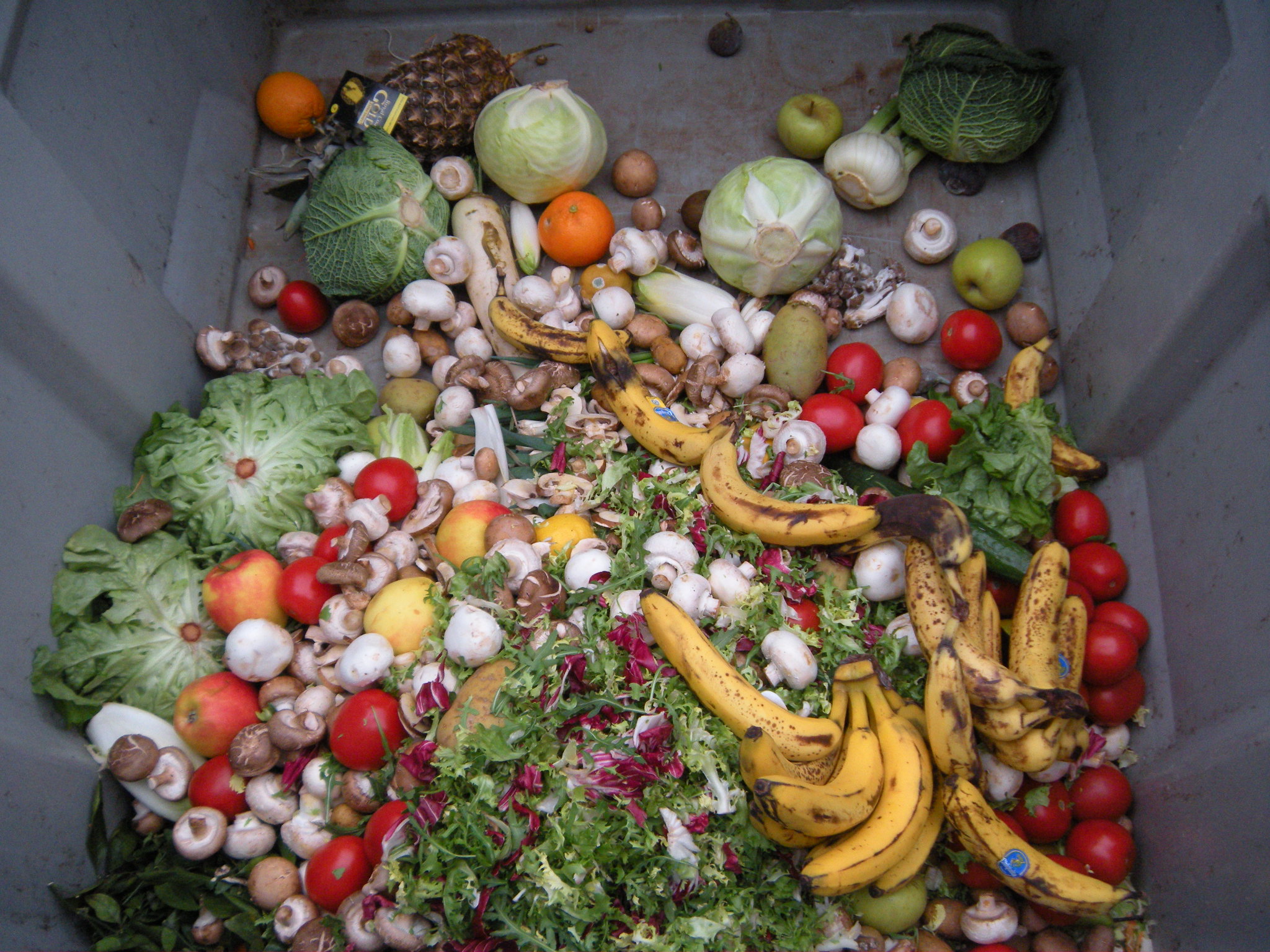
In the United States, approximately 30-40% of the food supply is wasted. Based on USDA estimates, 31% of this is at the consumer level. In 2010, this waste made up $161 billion dollars worth of food, which is a preposterous amount and amounted to over 1% of the entire US GDP. Only a tiny portion of this wasted food, if directed towards food banks, could alleviate all food insecure people in the US. Likewise, this wastage contributes to lost savings in excess food, as the average person in the US spends $370 per year on wasted food.
Reducing food wastage leads to numerous benefits. As I touched upon briefly, excess food can be reallocated to food insecure individuals–almost 50 million people in the US! Reducing food waste likewise saves water and greenhouse gas emissions as landfill contributions are lowered. And of course, there is a financial incentive as money is not wasted on unnecessary food and the fact that food donations can be written off for tax credits.
I plan to reduce my food waste and overall carbon footprint by meal prepping. Observing my waste over the last few months, I have noticed that much of my food waste comes not from expiring food, but from excess portions. Along with many other Americans, I suffer from a bad case of “my eyes being bigger than my stomach,” so meal prepping will allow me to eat exactly proportional meals with little, if any, food waste. Likewise, it reduces cooking time throughout the week and provides an opportunity to meet fitness goals through a stricter diet.
This strategy led me to consider other areas of waste, too. Many meal prepping fitness gurus utilize plastic containers, which they go through rather quickly, only to end up in a landfill. I have opted for reusable glass containers, and likewise replaced all Saran wrap with beeswax sheets, which can be reused, too. These shifts in consumption patterns won’t just lead to a healthier lifestyle, but a healthier planet.