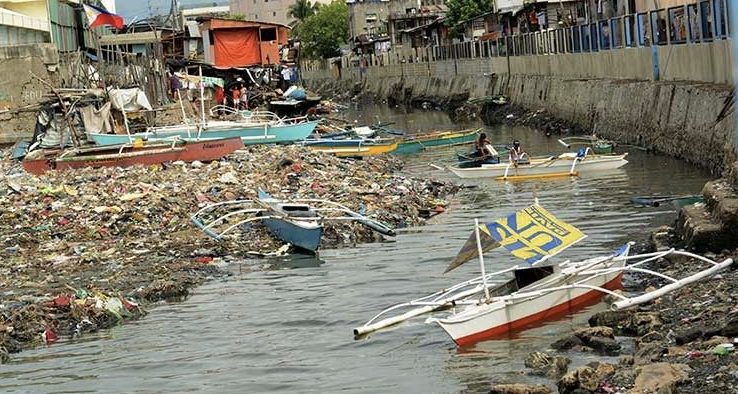
In an economy where most people are simply trying to make ends meet, buying sachets is the economical way to go. It’s cheaper, easy to budget, and simple to purchase at one’s local sari-sari store, where everything is packaged in single-use plastic good for one use. However, this will not benefit any community in the long run. The amount of waste that piles up every year is reaching a point where beach and other environmental clean-ups are not enough. In Malapascua, an island near Cebu, photos taken by Sergei Tomakov showed the beach and waters filled with trash – sachets, cans, bottles, sacks, and more. To solve this, there are cleanups and different drives to attempt to salvage the once plastic free areas. The issue doesn’t start and end in Malapascua though. The entire country is riddled with the question – how can we keep our oceans, beaches, and cities clean while within economical constraints?
A report published by GAIA discussed how our economy worked prior to sachets and single-use plastic. Certain stores used to sell items in bulk to sari-sari stores owners who would then resell these items in smaller amounts (tingi style). These items would range from cooking oil, vinegar, salt, sugar, ginger, onions, and more. Liquids would be sold to people who brought containers such as jars and bottles. Even glass bottles for sodas were accounted for. Customers would have to pay deposits on their bottles and would have to return the bottles back to the store once empty. The system was far more circular than linear as it is now.
The system didn’t stop and end at sari-sari stores. Markets had similar practices whether it be market goers bringing this brown bags, meat vendors wrapping items in banana leaves or bamboo twine. According to the report, some provinces still hold onto these practices but the majority have moved to the single-use plastic economy that the Philippines is currently.
Moving forward typically means never looking back, but in this case, I think it’s the only option.
Read more at:
- https://nolisoli.ph/48306/malapascua-waste-problem-pmiranda-20180903/
- https://drive.google.com/file/d/1V50Ck3TOmSX2Q5sxysRiD7Ec2TgGsIFC/view