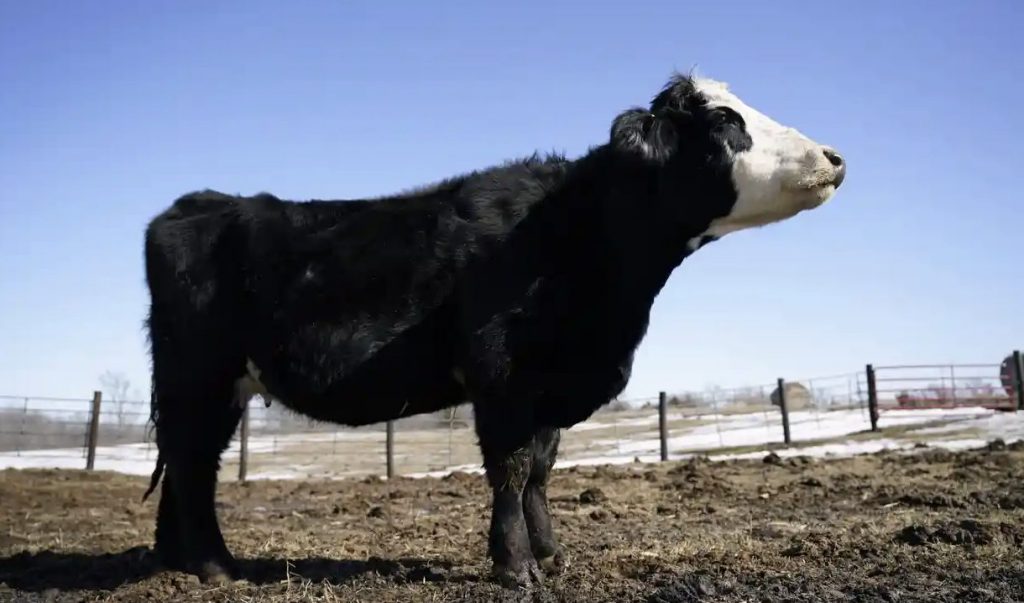
As climate change continues to impact our planet, we are still continuing to see harmful non-sustainable practices hurt the environment and atmosphere. Farming livestock, especially cattle, has larger repercussions on the environment than we think. Because we feed cows at such a high clip in the United States to cope with the demand for red meat, we are also seeing huge emissions as a result. Cows have evolved over time to eat grass, which is interesting because we feed them corn in America because it’s a cheaper input as we grow massive amounts of corn every year. This actually upsets the cow’s specialized stomachs and irritates them, causing them to emit methane. Methane is a greenhouse gas that has a warming impact 80 times that of carbon dioxide (CO2). When you think about this process, think about it on the scale of 30% of the world’s unfrozen land, because that is how much land is used for raising livestock. This leaves cows by themselves as a group as emitters of nearly 10% of the global anthropogenic greenhouse gas emissions through their methane emissions.
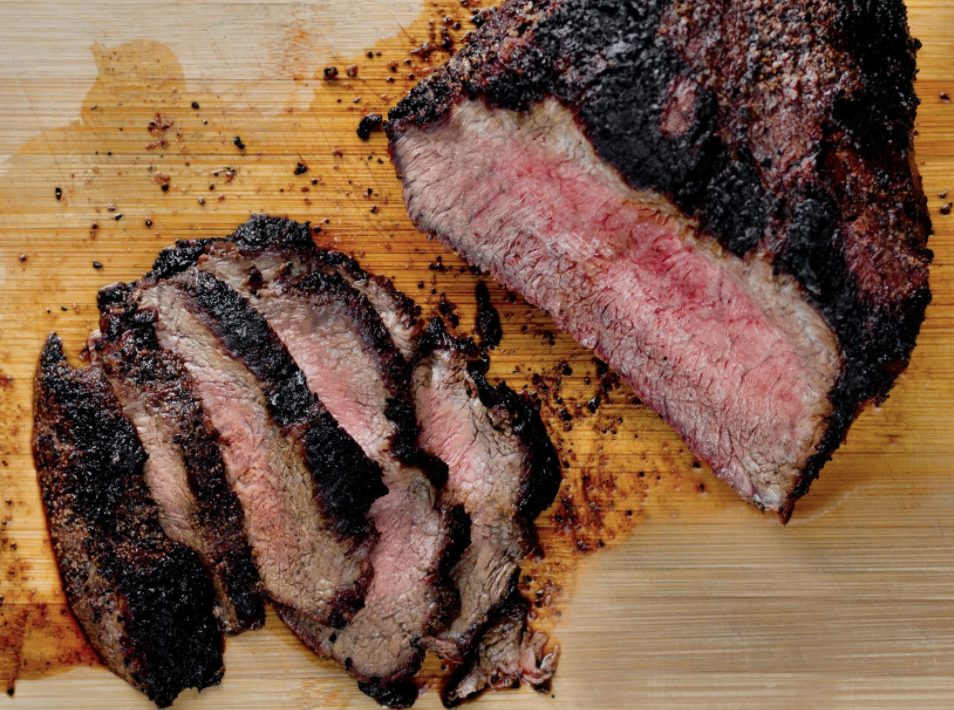
So what do we do? Just stop eating hamburgers? Well, not exactly. Most of our slaughtering of cows is for the specific cuts of meat that are expensive and heavily demanded. Impossible and beyond burgers with their alternatives to meat are promising, yet cows will still continue to be slaughtered for the steak cuts and not as much for the leftovers that are used for hamburgers. Our reliance has to shift away from cows and onto other meats or alternatives to meat. We also have a reliance on cattle from the dairy industry which also needs to be addressed as those are also contributors to methane emissions into the atmosphere. Another alternative that should be considered is whether or not cattle could be raised more sustainably. This means giving them range to graze their natural food, grass, instead of keeping them in inhumane conditions feeding them the wrong food. It’s worth noting too that the increased stress on cows from living in those industrial farms leads to them emitting more methane gas. Another interesting solution being tested now is feeding cows seaweed to cut back on their methane emissions. Studies have shown that emissions have been cut by up to 82% after feeding the cattle the seaweed. But that would mean us farming seaweed, opening up a whole other host of problems.
The main takeaway from this is that we have to stop eating so much beef as a society because that is one of the greatest influencers of GHG emissions and climate change. Raising cattle on the scale we do in America today was never meant to reach this size. The impact on our climate is starting to be undeniable as sea levels continue to rise and the climate fluctuates more and more annually. We will continue to see this phenomenon only get more out of hand as we dive further into the hole of consuming beef. It’s time for people to wake up and think about the impact that our consumption has on the planet before it’s too late.
Sources:
https://www.nytimes.com/2019/10/01/upshot/beef-health-climate-impact.html
https://www.edf.org/climate/methane-crucial-opportunity-climate-fight