If there is one thing that Californians have learned over the past decade, it is that water conservation is our new normal. Variations in precipitation and a rapidly changing climate has left the long term viability of California’s traditional water resources in doubt. For the past century, California has relied on the slow release of water from the snowpack in the Sierra Nevada Mountains. Hundreds of miles of aqueducts and canals have been constructed at extreme expense to taxpayers to transport this snowmelt from the (historically) water rich regions of Northern California to the arid agricultural centers of the Central Valley and the population dense Southern California coast. Importing water to serve our needs has been a viable solution for decades, but what do we do when the winter rainy season does not provide enough water for all 39 million residents?
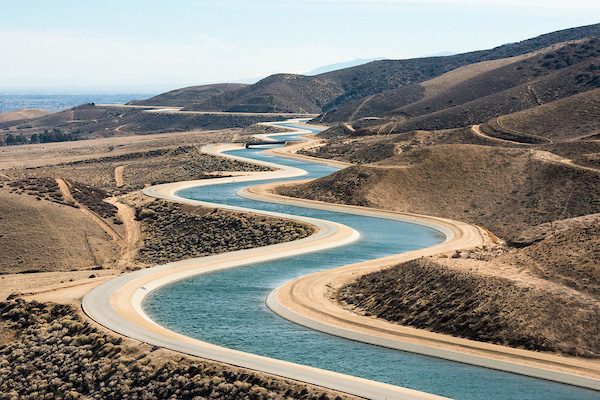
We conserve the water that we do have. Importing water is expensive, environmentally harmful, and is simply not a long term solution with the threats of climate change looming. As a result, we must rely on minimizing our water use to ensure that there is enough water to go around. A 2011 study commissioned by the California Department of Water Resources found that the average daily water use for a California household was more than 360 gallons, more than 100 gallons for each person every day!
In the decade following that study, California has faced major drought and has set an ambitious target of using just 50 gallons per person per day by 2030. How will California reach such an ambitious target? Through water conservation!
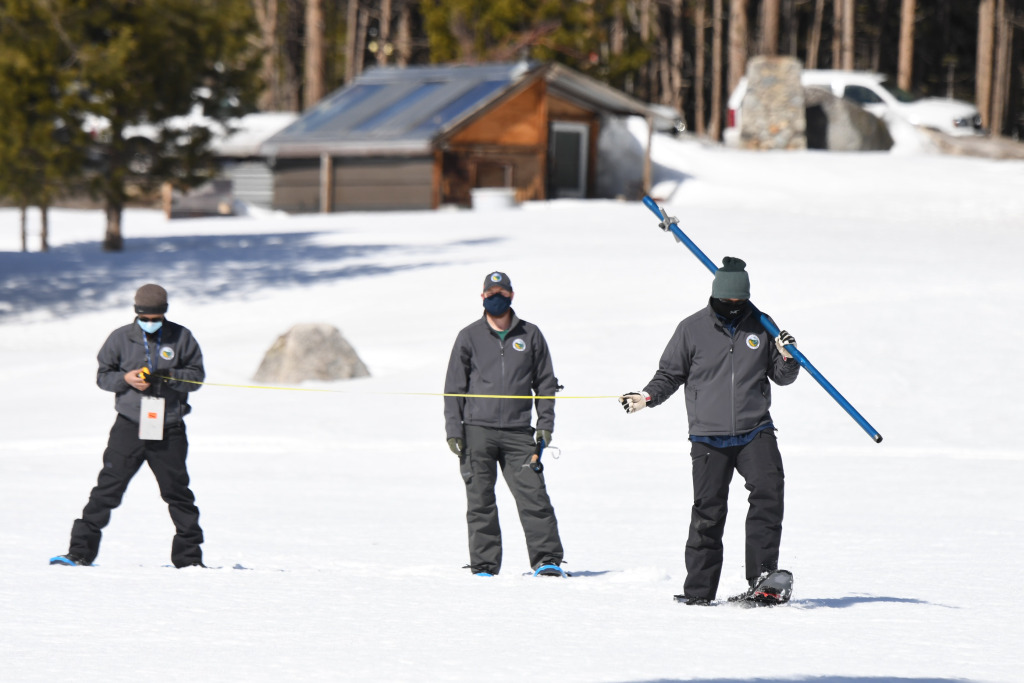
Over the past two years, I have worked for our local water district in the conservation department, working to communicate the importance of using California’s most valuable resource in a sustainable way. Across California, there are numerous free resources to help conserve water. From free sink aerators and low flow shower-heads to cash incentives for the removal of water hungry lawns, the resources to hit these water conservation targets are readily available. Following this particularly dry winter, a new drought looms on the horizon and mandatory water restrictions could be put in place (more on this to come in future posts), it’s time for us as Californians to be WaterWise and use our natural resources sustainably!