
Why Food Matters
When you think of the prominent topics relating to sustainability, renewable energy sources are what may first come to mind. Food is simply an afterthought. But as we enter a critical period of time in which all hands must be on deck, we must look to our own diets to make meaningful change.
Sustainability, in simplest terms, is about focusing on the needs of the present without compromising future generations from being able to meet their needs. Food, being essential for survival, is quite possibly the most important need, and so we must be confident that the planet has enough resources to be able to feed generations for years to come. However, current practices are putting that in serious jeopardy. “According to the World Heath Organization (WHO), food production accounts for 20-30% of global greenhouse gas emission and up to 66% of water usage” (Sustainable diet: Everything you need to know). The food groups that are primarily responsible for these environmentally destructive practices are meat, dairy, and eggs. This is because animal products require a tremendous amount of resources. Think about it this way; if you decide to plant crops in a field, you generally have two options. You can allocate the entirety of the crops towards human consumption, or towards feeding your livestock, which require not only food, but water and land. Farm animals in particular are also responsible for releasing methane, a form of greenhouse gas. “In 2014, the Food and Agriculture Organization of the United Nations noted that livestock in general make up 14.5% of human-induced emissions” (Sustainable diet: Everything you need to know). It is easy to see how reducing our dependency on animal products could prove to be extremely beneficial for the environment.
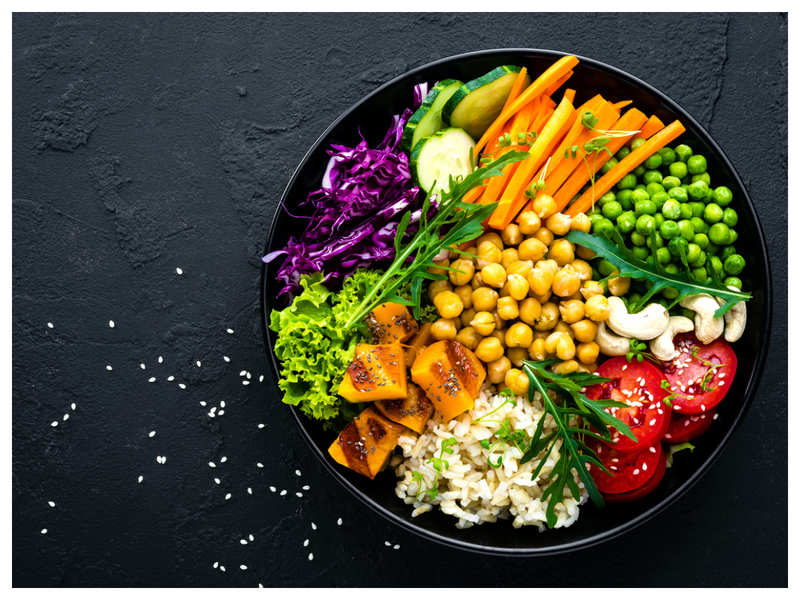
Adopting a sustainable diet may sound daunting, but in reality, it is not. A sustainable diet is simply one that is aware of the impact it has on the environment. The most ideal food groups, being the ones with the smallest impact, include fruits, vegetables, whole grains, nuts, and seeds. The least ideal food groups include the animal products, as were mentioned in the previous paragraph, as well as processed and sugary foods. But this does not mean that you have to immediately become a vegetarian! Just taking the time to educate yourself is a huge step in the right direction, and hopefully it can lead to sustainable practices down the road.
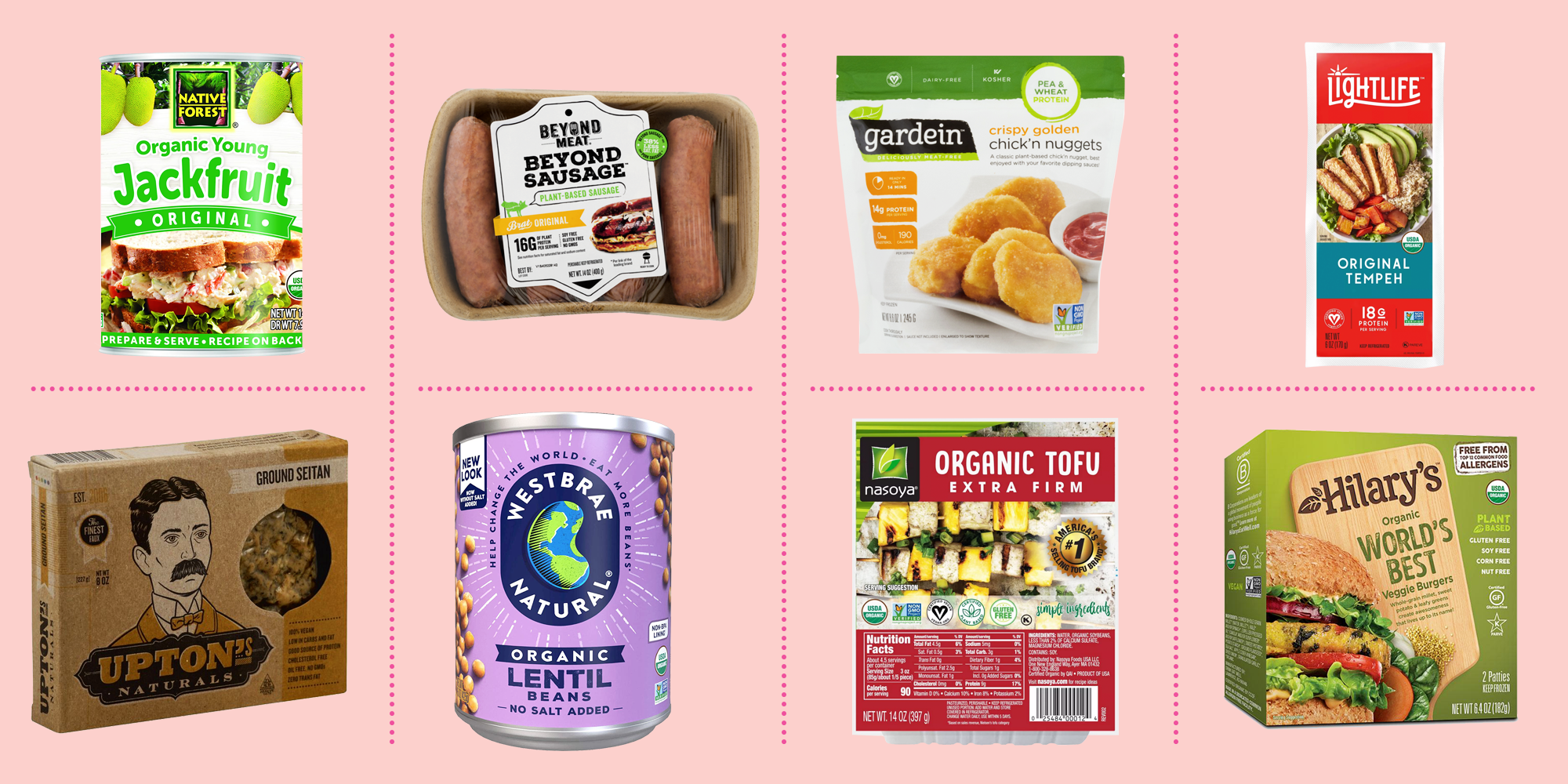
I first became seriously interested in this topic just over half a year ago, when I began living with my college roommates in our apartment. One of my roommates, following a unique diet and being a very healthy eater in general, opened my eyes to the wonders of meat alternatives. I had never really considered them before, but after trying them, I quickly realized that they not only replicated meat, but were tasty! Witnessing how easy it was for me to implement more environmentally-conscious food into my diet has inspired me to show others how to do the same.
I know that I am not the only Californian who has gotten sad driving through the Central Valley and seeing the thousands of cows packed together in farms. Many of our current practices relating to food production and consumption are simply unsustainable, and jeopardize future generations from being able to enjoy the pleasures that we today take for granted. It is my hope that we as a society can slowly move away from these practices to better alternatives. And that can start with you! As much as people like to criticize or disregard the idea of individual change, it still matters at the end of the day and represents something much more significant. Any action you take to adopt a more sustainable diet, whether that be to eat meat one less day each week, or to go fully vegetarian, is admirable. Food matters.
Source: https://www.medicalnewstoday.com/articles/327314#how-to-get-started
How to Get Involved!
If you are looking for additional ways to help the movement for achieving a sustainable future, I would like to point to 3 organizations that are actively working in this movement, specifically in relation to food.
Fresh Approach
Fresh Approach is a non-profit committed to educating and providing fresh food to underserved communities in the Bay Area. They have a variety of programs that teach people how to implement sustainable lifestyle changes. In addition, by mobilizing farmers’ markets, they not only give people access to food that they would otherwise not have, but they support the local farmers throughout the process. By donating, you can be confident that you are helping ensure that everyone gets to enjoy healthy food.
Website link: https://www.freshapproach.org/

Alliance
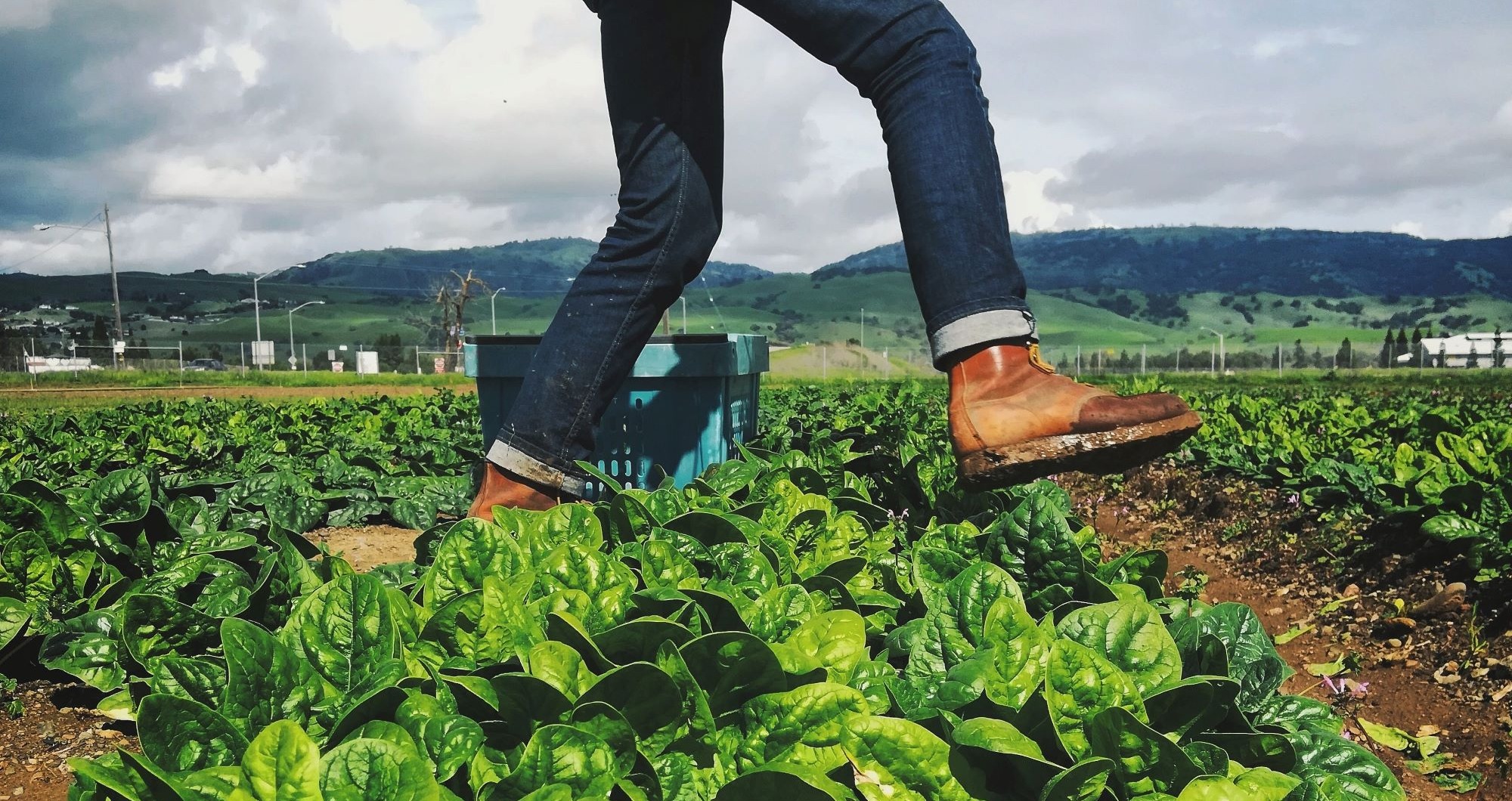
The Santa Clara County Food System Alliance (Alliance) is a group that is actively working to improve food distribution in the South Bay. They collaborate with shareholders of similar interest and offer many ways for people to buy directly from local farmers, whether that be through CSAs, farmers’ markets, or free meals/emergency food. This is a great resource to have, especially if you are looking to learn more about environmental policy.
Website link: http://fsa-scc.squarespace.com/
Forge Garden
The Forge Garden is highlighted through Santa Clara University’s Center for Sustainability as a hub for sustainable food system education. Under normal conditions, the garden is open to all those who want to participate in workshops, volunteer, or simply enjoy nature. Although it is currently closed to the public due to COVID-19, it is still being actively used to provide for families in need. Be on the lookout for updates related to reopening!
Website link: https://www.scu.edu/sustainability/programs/theforge/

What is Happening Now?
Sustainability has never been more relevant than right now, and this relevance will continue to increase as we become more aware of what the future may hold. I would like to provide some news stories, specifically at local, national, and international levels, to highlight this fact, and give insight into what is being done.

Local Level: The Bay Area
This article explores the challenges of the farming industry in California in regards to land access, financing, and the overwhelming need for a “youth revival.” Green Valley Farm + Mill, which is situated just north of San Francisco, is aiming to help jumpstart this movement towards sustainable land management. Through the interview that is conducted, you learn about their dedication towards land stewardship, which is critical for sustaining healthy food systems and ecosystems. The reality is that our dependence on local farmers is increasing as we look to intertwine sustainability and food.
Article link: https://www.nrdc.org/experts/paloma-sisneros-lobato/small-farm-big-tale-sustainable-farming-bay-area
National Level: The United States
The University of Michigan conducted a study to learn more about the U.S. food system and its impact on the environment. The plethora of statistics that are provided help highlight how grossly inefficient and wasteful the country is with current practices. Because agriculture and the food system as a whole have become dependent on fossil fuels, we must start looking to alternatives that are more sustainable. Eating less red meat, reducing waste, using less refrigeration, and prioritizing local and organic food is essential.
Article link: http://css.umich.edu/factsheets/us-food-system-factsheet

International Level
This report explores the findings from a team of international researchers who analyzed national food based dietary guidelines (FBDGs). They determined that the impact of implementing healthier and more sustainable guidelines would greatly benefit both humans as well as the environment. Mortality rates, specifically in relation to chronic diseases, would decrease, and greenhouse gas emissions would also decrease. These findings seem quite obvious, but we have yet to see any sort of significant progress towards reformation begin. It is my hope that we can become more educated about this issue, and that starts by thinking ahead.
Article link: https://www.sciencedaily.com/releases/2020/07/200715190754.htm
Event Spotlight: “Seeds of Our Ancestors”
I had the recent opportunity to participate in tUrn Week, which is a university-wide program at Santa Clara University that is dedicated to climate-crisis awareness and action. Throughout the week, one is able to learn about a variety of topics related to sustainability through virtual events. I would like to highlight one event in particular: “Seeds of Our Ancestors.”

“Seeds of Our Ancestors” focused on the Ted Talk presented by Winona LaDuke; a renowned international activist who has worked with indigenous people and promoted sustainable development. Winona stressed how food is so much more than just something you buy at the store; it tells a story, and invites you to have a meaningful relationship with it. We have seen how society has gradually moved farther and farther away from that, with industrialized food (backed by mega-corporations) replacing traditional, natural food. It is time we acknowledge that our current practices are not only bad for ourselves, but for the environment. Let’s help pave the way for local, organic food!
Link to tUrn Week: https://www.scu.edu/turn/goals-/
https://www.youtube.com/watch?v=pHNlel72eQcTom Colicchio: Bridging Politics and Food
My family and I have always enjoyed watching cooking shows together, for as long as I can remember. So when I was doing research and found out that Tom Colicchio, celebrity chef and head judge of Bravo TV show Top Chef, has been actively involved in the sustainable food movement for years, I was thrilled!

To highlight the work that Colicchio has done over the past decade, I included his TedTalk from a couple of years back. The 13-minute video gives one an idea of just how passionate he is about bringing the food movement to the forefront of the political agenda. In 2012, he helped create Food Policy Action, which is dedicated to inviting leaders to come together and voice their concerns about food policy. Every year, the organization releases a “Scorecard” that ranks members of Congress based on how they voted on food issues. And while he recently resigned due to “differences in creative vision,” he is by no means reducing his efforts to educate the country about our broken food system. Eating food from the local market, or taking the time to listen to farmers and their stories, or promoting other sustainable action, is not just for yourself. It is for the betterment of the entire planet. Vote food!
https://www.youtube.com/watch?v=SDjLpMj3BDUSeaspiracy: Exposing the Brutal Reality of the Fishing Industry
I am sure that anyone reading this has heard of the recently trending documentary, Seaspiracy. It was made by Ali Tabrizi, a British filmmaker, in attempts to enlighten viewers about the single greatest threat to our oceans: fishing. What started off as simply a quest for Tabrizi to learn more about the ocean, get involved with sustainable companies, and advocate for the reduction of plastic use, turned into something much more significant. The documentary serves as a wake-up call to anyone who considers themselves to be “sustainable,” and although it is downright disturbing at times, it is also incredibly informative and inspirational. I highly recommend that everyone take the time to experience it for themselves; I have not come across another body of work that has opened my eyes like Seaspiracy has.
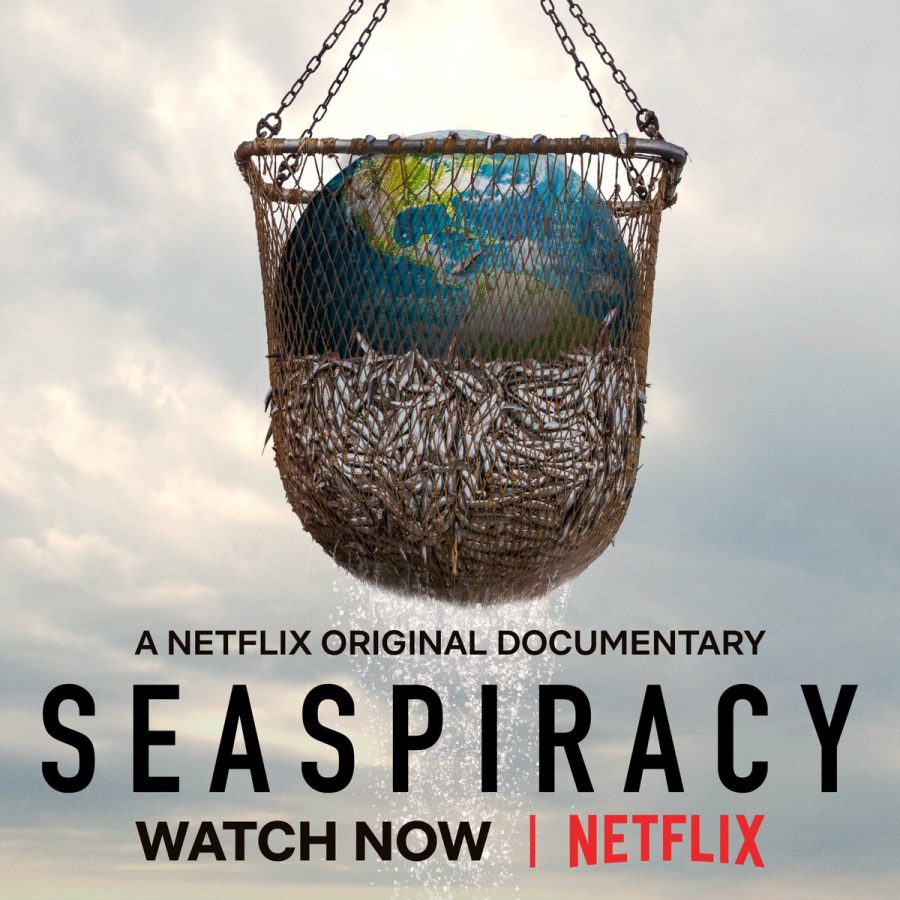

The documentary begins with Tabrizi affirming his love for the ocean, specifically dolphins and whales, which he has carried with him for his entire life. Curiosity led to him discovering that the ocean is in fact in a lot of trouble; every sustainable company, news article, and report he turned to was claiming that plastics were the primary cause of this. Tabrizi’s efforts to reduce his own plastic usage and become an active member of the sustainable community did not lead him very far, so he continued his search to see what was really happening. News of Japan’s efforts to resume whaling, which was a practice not though to have been used in decades, caught his attention and led him to Taiji, Japan. Much to his surprise, Tabrizi watched as the fishermen slaughtered countless numbers of whales and dolphins, seemingly without reason. But the shocking discoveries did not end there; a visit to a nearby seaport led to him stumbling upon the largest tuna port in the entire world. He learned that both tuna and shark industries are worth a ridiculous amount of money, so much in fact that the fishermen go out of their way to kill dolphins to ensure that they do not compete with them. Claiming that dolphins are “pests” and killing them, among the other species of marine life that are integral to a healthy ecosystem, causes irreversible damage that few seem to understand.
Tabrizi, disgusted by his findings, went to the sustainable companies that he had supported all his life to see what their thoughts were on the matter. All of these companies heavily advertise “sustainability” and “reducing plastic usage,” but little to nothing can be found in regards to the consequences of commercial fishing around the world. After dozens of declined interviews, Tabrizi connected the dots and and realized that many of these companies depend on the fishing industry for their own gains. The fact of the matter is that the fishing industry is backed by money and power; there are so many players involved that it can seem impossible to raise awareness around the issues at hand. However, that is not to say that we do not have a role to play. Seaspiracy concludes with a simple message from Tabrizi: stop eating fish. The actions that each and every individual takes, big or small, go a long way. That is perhaps the most valuable lesson that one can receive from this documentary.
To learn more about Seaspiracy, click on the following link:
https://www.seaspiracy.org/
Urban Village Farmers’ Market Association
We cannot talk about sustainability and food without talking about farmers markets. As people become more environmentally-conscious and seek out organic, local food, it is critical that we support the markets that make it all happen. The process begins when local farmers use sustainable practices to grow their produce, unlike many of the mega-corporations who they compete with. The farmers collaborate to provide this healthy produce to their local communities, who in turn provide the money necessary for the farmers to continue in their work. It is a mutually-beneficial relationship; one that sheds light on how we can reshape our entire approach towards food.
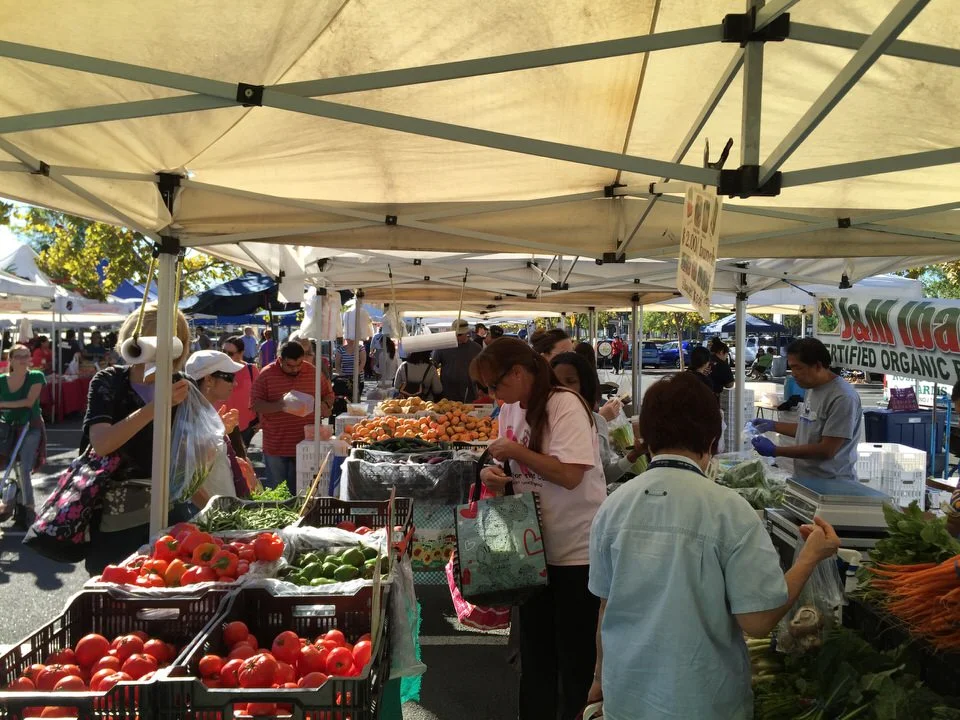
Urban Village Farmers’ Market Association is a non-profit organization that was formed in 1997 to help bring farmers and their communities together. It has market locations scattered across the Bay Area, and has inspired many to change the way they shop. While UVFM is local to me, that does not mean that there are no options for you and your community! Farmers markets have been popping up all over the world; if you just take a look around you will bump into one. It is my hope that we continue to spread awareness of all the economic and ecological good these markets are doing. They represent the future of food done right.
If you are in the Bay Area and would like to learn more about UVFM, follow this link to their website:
https://uvfm.org/
Very informative blog!
Excellent and compelling information about a critical subject that cries out for more attention. The future of our food supply depends on how seriously we respond to human-caused climate change. It’s not easy convincing people how crucial these ideas are. Those who don’t listen or don’t care, who are fundamentally opposed to change, are ignoring the disastrous consequences of their inaction. Thank goodness many young people are well-informed about this situation and are willing to take action to spread awareness, and to make changes in their lives to actually make a difference.