When I was a 15-year-old freshman in high school I went with my mom, second cousin, and grandparents to the Guatemalan highlands to visit my grandparents’ various humanitarian projects. During this trip, it became apparent to me that I was of almost no use whatsoever. I didn’t have any hard skills to offer, which made me just a spectator. Although I appreciated the value of experiencing other cultures, especially poverty-stricken ones, I didn’t like the feeling of being in a developing country for my own benefit, when there was clearly so much need surrounding me. My feeling of inadequacy was reaffirmed when I read Tracy Kidder’s “Mountains Beyond Mountains”, a book about a doctor’s (Paul Farmer’s) efforts to help heal people in needy parts of Central and South America. Like the work of my grandparents, I found Paul Farmer’s work inspiring. However, what specifically it inspired in me, with regards to my vocation, I am still figuring out.
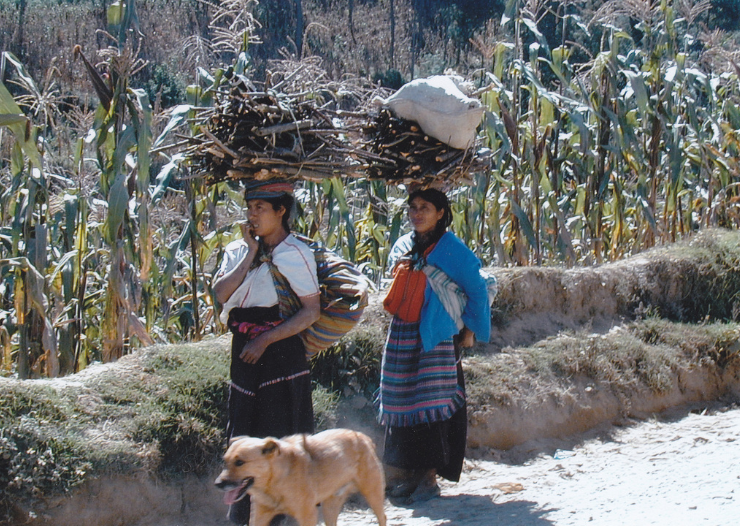
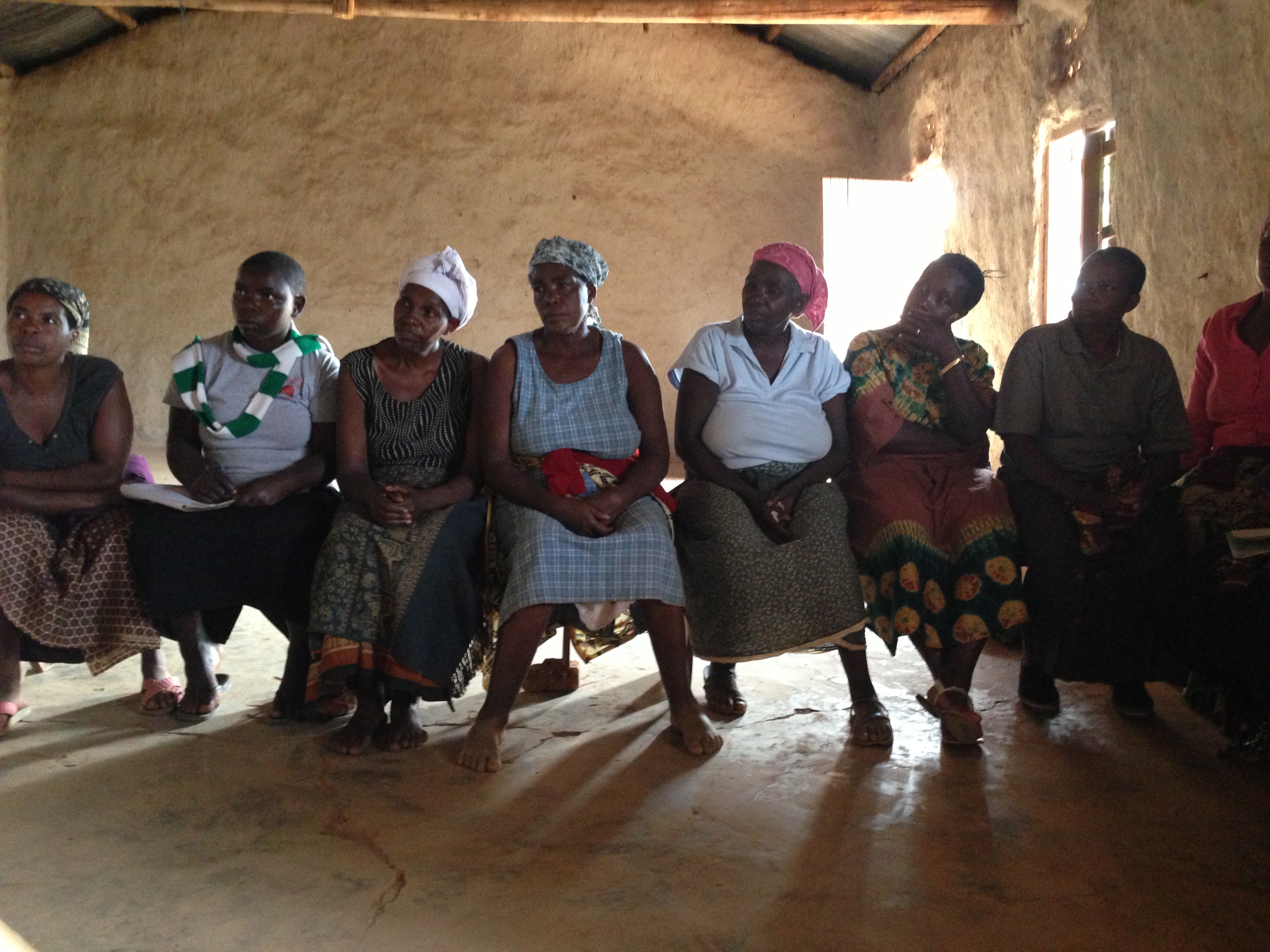
Women carrying wood in the highlands of Guatemala
My choice to study engineering in college was very much related to this desire to have a skill to contribute. Although I had three quarters of a mechanical engineering degree when I went to Uganda for my summer research fellowship in 2013, I didn’t feel all that much more qualified to make a positive impact on the poverty around me. Perhaps as a result of all the research I had done on the developing world, I knew all too well that technology solutions are only one piece of the puzzle. In Africa, as in Guatemala, I felt somewhat helpless when faced with social problems that were so pervasive.
I wanted to go to Africa and be inspired. I wanted to go to Africa and find my passion. I wanted to go to Africa and make a concrete difference in someone’s life. I realize these are the lofty ambitions of an idealistic college student, but there you have it. My ideal scenario involved something along the lines of me arriving in Africa, beginning the research project I had planned with my teammates, seeing it through to completion, and developing extremely helpful data sets and business recommendations to help the various social enterprises with which we collaborated. I wanted to meet fascinating people along the way, have conversations that lasted until the wee hours of the morning, learn in ways I could never have expected, and feel the incredible warmth that people talk about from places like Uganda. I wanted to leave feeling like I had had a unique and life-changing experience, and that I had made a difference.
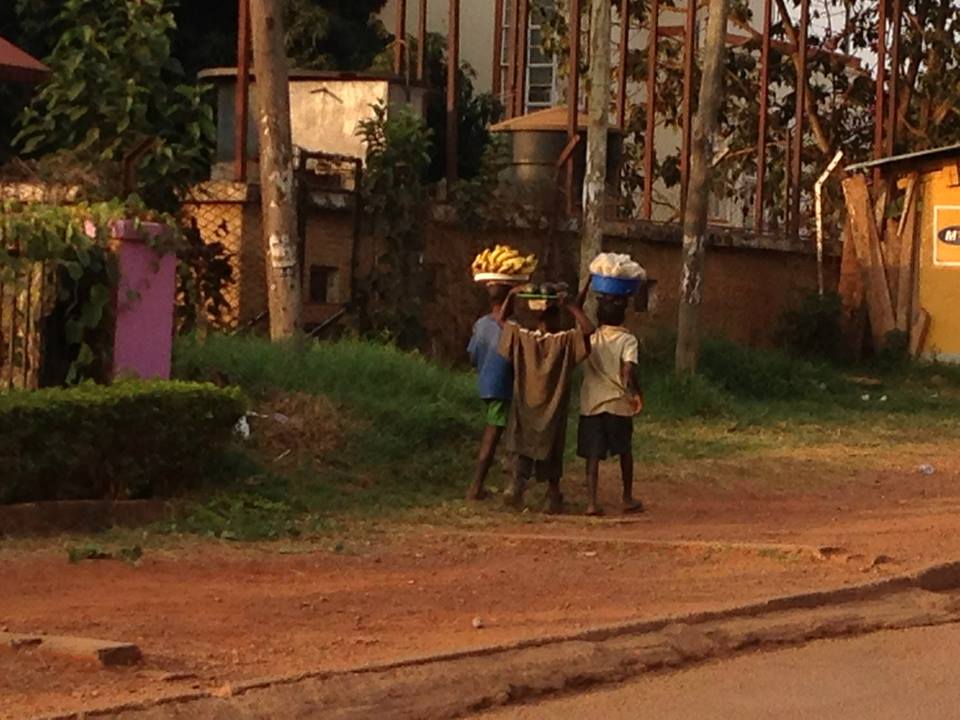
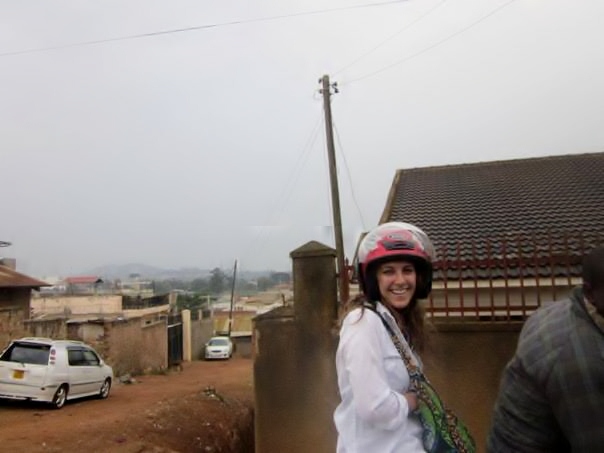
Africans transporting daily goods in Kampala
This isn’t quite how it shook out. This is not to say that I didn’t achieve any of my goals—I did. Rather, the adjustment I would make to my ideal scenario, if I were given the chance to do it all over again, is to change the way I approach my goals. A common thread throughout my time in Guatemala, Uganda, and even at home, is the focus of experiences in the developing world on the visitor, the observer, the spectator. There is something compelling for us about the developing world, I think. It reminds us of how human we are, how much we depend on our earth, and how far modern humans have come in making life incredibly easy. Of course, the inequality we see evokes in us a sense of injustice, and we feel the desire to help lift others out of poverty. However, I think that sometimes people like me get caught up in their “ideal scenarios” and construct their experiences around what they think they want. It has been my observation that this kind of a visit comes at the expense of meaningful attention to the impoverished populations.
When the focus of a visiting person’s trip is to absorb and experience the culture, to be inspired, to find their passion, even to change peoples’ lives for the gratification it can bring to the visitor, then the focus is not in the right place. When we focus too heavily on what we want for our own gratification, we forget the real reason we were drawn to service. From my summer in Africa, I learned that the people who truly make an impact are the people who are in it for the long run. They are the kind of people who honestly do not seek recognition for their work, they are persistent beyond belief, and they care deeply for the populations which they serve. Developing a compassion this deep necessarily takes time. This doesn’t mean that there is no use to very brief trips, just that there is a profound difference between the kind of impact that takes place over a single summer, and the kind of impact that comes with prolonged interactions. I felt like I was something of a fraud, since I knew my visit was to be relatively short (seven weeks), and that I would inevitably leave having learned a lot more than I could give back. In other words, I benefited from my experience more than the people of Uganda could have benefited from my visit. For me, in was an incredible learning experience. I walked away with a new appreciation for the difficulties of working in the developing world, the magnitude of the work that there is to be done in Africa, and the amazing people that are making it happen.
It is the same strain of logic, manifesting itself in a slightly different way, that led me, back in high school, to feel that I needed a concrete skill to be useful in a place like Guatemala. I have never wanted to be that visitor from the developed world observing with interest, engaging in a modern and somewhat less offensive version of what Joseph Conrad would call “the fascination of the abomination”. I always wanted to have something concrete to contribute. There is nothing that bothers me more than feeling idle and superfluous. I think that my experiences in Uganda taught me that I thrive in an environment where I can lead or give input to an effort to create a product or process.
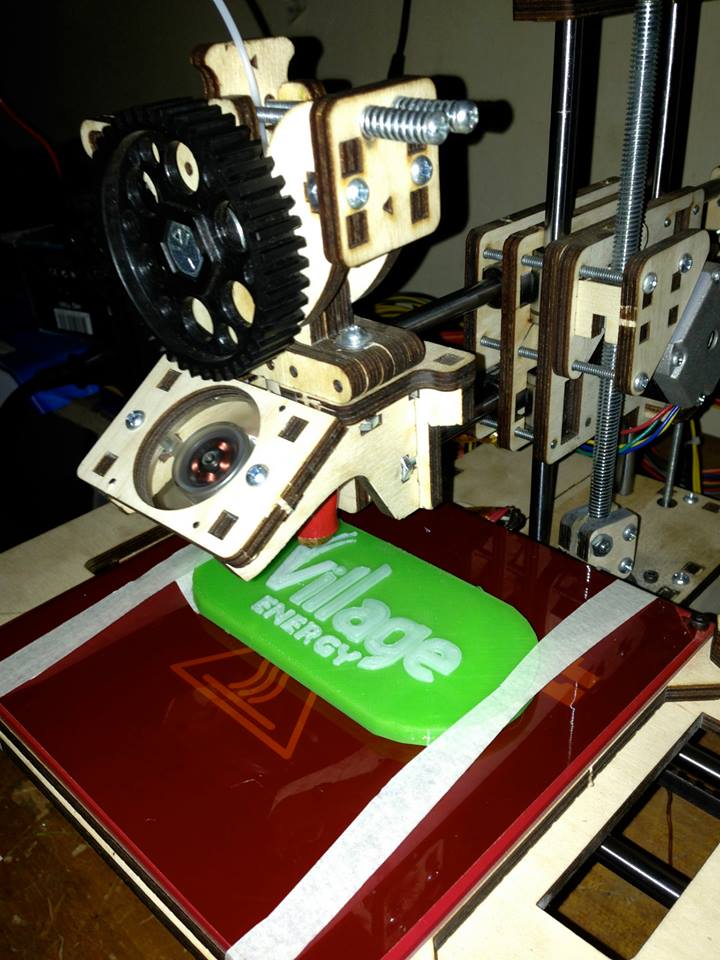
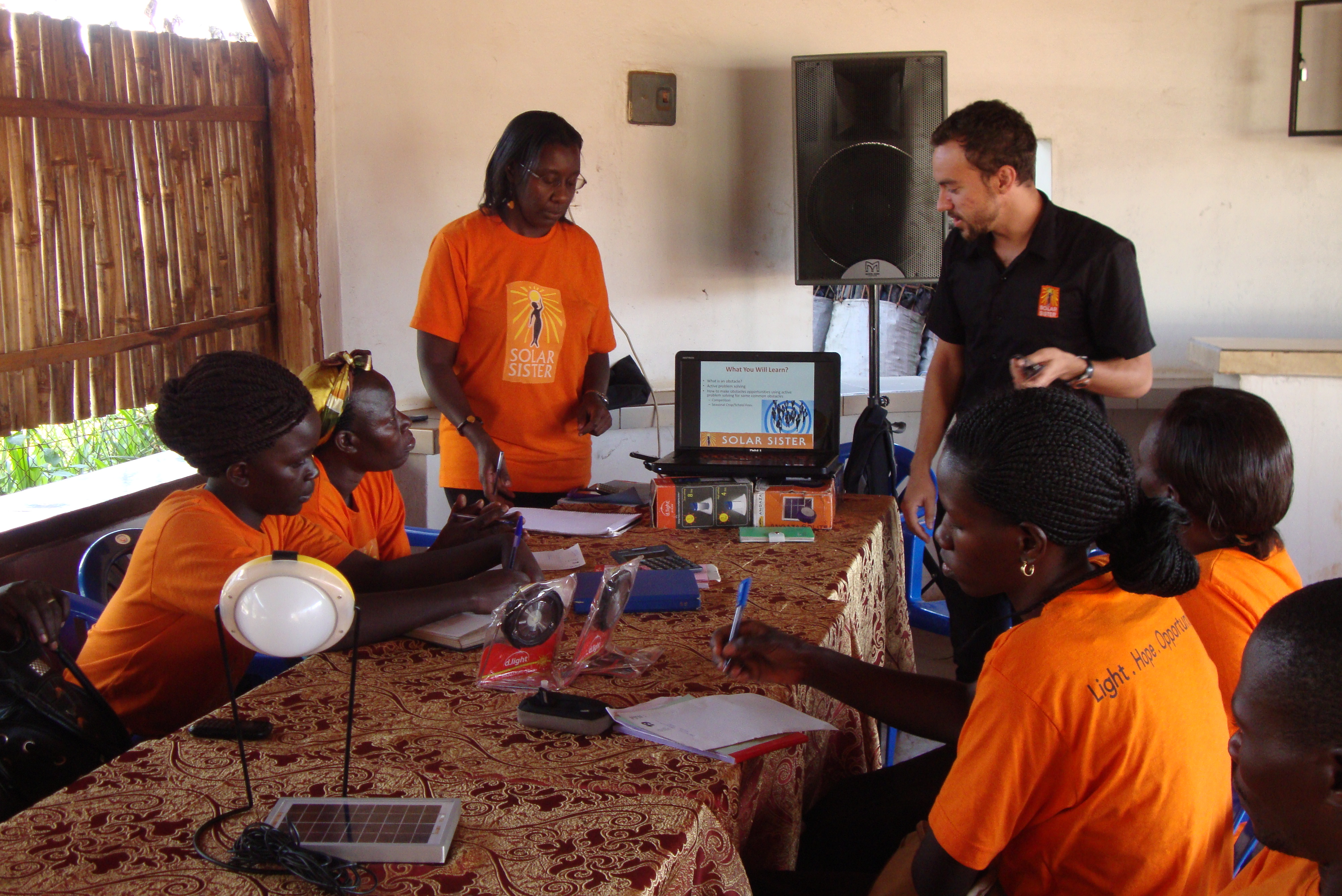
3D printing pilot project with Village Energy
Although I only spent seven weeks in Uganda, in the sixteen weeks since I came home I am still in the process of realizing the depths of what I have truly walked away with. I learned more about myself than I could have expected, what drives my passions, what leaves me feeling unfulfilled, and what kind of people I work best with. Many of my peers spent the past summer doing traditional internships, many of which have led to traditional jobs in office buildings with good salaries. At first I felt like the alternative path I chose—a fellowship in Africa instead of an internship in an American city—would be a disadvantage when it came to looking for jobs post-graduation. However, as I spoke to more friends, family, and potential employers, I have realized my unique and multi-faceted time in Uganda will continue to open doors for me. Not only does it continue to teach me about who I am as a person, but it helps to define the person I am now and that I am becoming.
I have not decided definitively what I want to do with my life, but I now know that I cannot work without some amount of personal fulfillment. As I spoke about before, I am only interested in social work with a long term, genuine commitment and real benefits. Discovering the intersection between my greatest gifts and the world’s greatest needs is an ongoing process, one which is only now becoming real for me as I search for my next move after graduation. This year marks the first time that I enter a world free from the structure of the education process I have been a part of since I can remember.
Uganda has taught me to keep my mind absolutely open to the possibilities that surround me. I come from a very privileged part of the world, and I am well-positioned right now to do any number of things once I graduate from college. My chosen college major–Mechanical Engineering–has given me some hard skills to bring to any developing country. My experience overseas this past summer showed me that I do not have to follow the status quo that many of my peers consider almost mandatory. I can keep my options open—to travel, learn, research, invent, or work. My vocation is to be determined—but it will in no small part be influenced by my thoughts and reflections from my summer working in Uganda.