Mad Max: Furiosa

Mad Max is certainly one of the best action movies made to date and one of the things that make it so amazing it is refusal to stick to typical action movie tropes. The movie is set up in an apocalyptic world with a ruling patriarchal society and Joe, the warlord and ruler, who chooses which women will bear his children. In class on Friday, we touched on many aspects of the film that show how it is a feminist film. For example, despite the white clothing and hose, the women in the film are not sexualized and their bodies are not shown off, and the action scenes in the film are smoother and provide more of a story which show teamwork in the women.

However, one thing that stood out to me that was never discussed much in class was the role of Furiosa and Max in the film. Despite all the typical action movie tropes of the man being the hero, and especially with the title of the film being “Mad Max”, one would expect Max to be the star of the movie. However, the filmmakers do not follow this trope at all. It seems more like Max is just a passenger on the wild ride of Furiosa’s journey. In the end it is Furiosa that kills Joe, she is the one that sacrifices herself and flirts with death, and she is the one that is cheered on at the Citadel for the death of Joe. Max is only the one who blends into the crowd at the end as he slips away.

New Female Powers

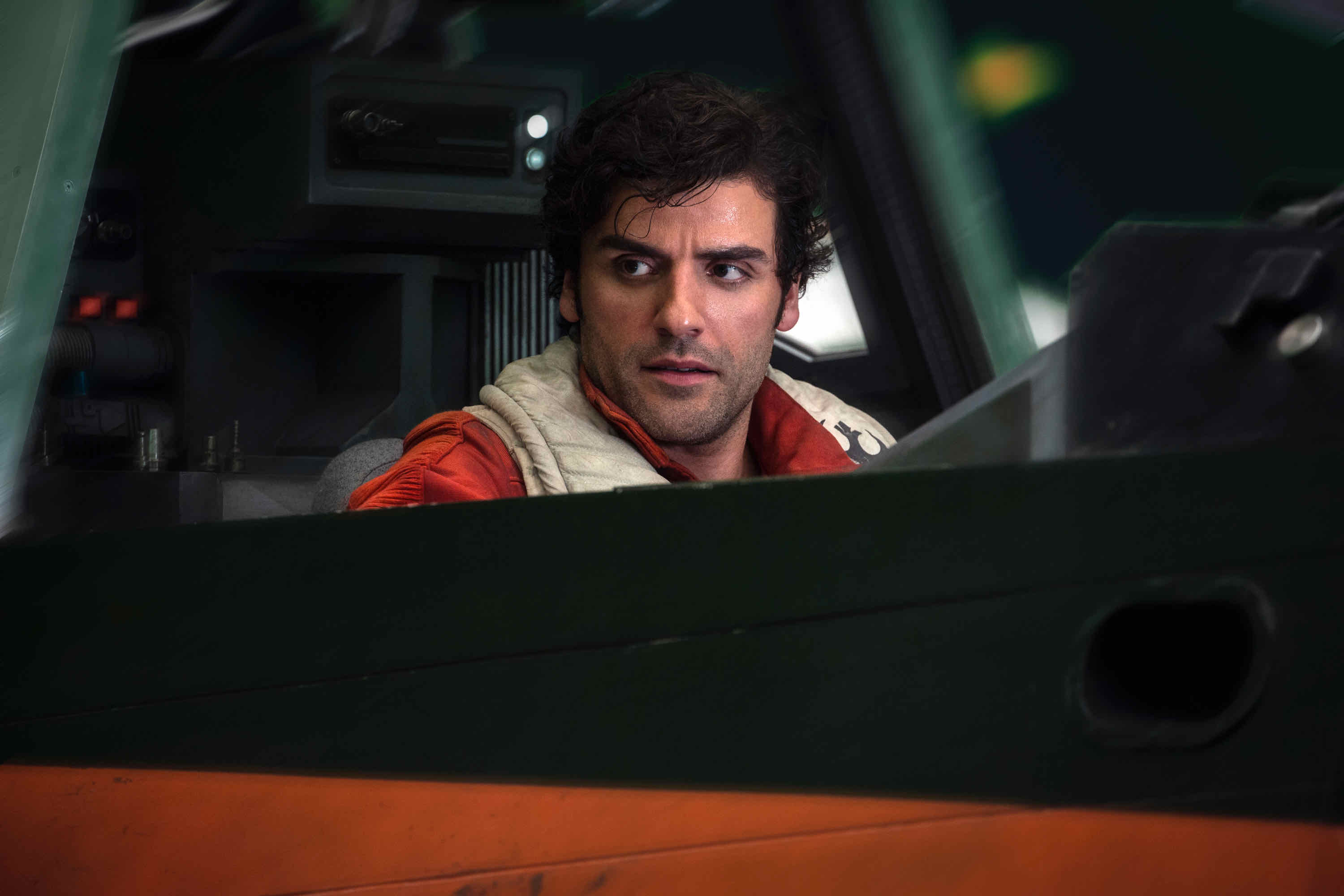
In Arkady Martine’s article, “Star Wars’ Vice-Admirable Holdo and Our Expectations for Female Military Power,” she talks about how Holdo represents a new female mode of power that the Star Wars franchise because of how her character was developed. However, I disagree with the message that Holdo holds for feminism. Martine talks about how we perceive Holdo as a traitor because of how she appears and how we, the audience are conditioned as viewers to perceive people like this. Martine talks about how her slender dress, fancy hair, slim figure, all contribute to a femme fatale look. Poe voices Martine’s thoughts when he shows his disbelief over Admiral Holdo at their first encounter.

Image result for last jedi

The audience are so used to these femme fatale figures going behind the backs of our heroes, such as Poe, in order to get what they want. However, in my opinion, it is for different reasons that we as the audience view Holdo as a traitor and it is not because of her femme fatale look, but rather it is because of how these plot points were revealed in order to set up shock value. While I do agree that Holdo may have that femme fatale look, we do not trust her as an audience because she had no reason to withhold plans from Poe. She literally stated to Poe that she knew his type and how he was the maverick who would go out and act rashly. However, if she truly believed that, she should have told Poe about the plan in order to make sure he knows what is going on rather than leaving him in the dark ensuring he will go out and take action. However, I do agree that Holdo is a strong female power in a film already filled with so many strong leading female characters. I just believe that her unexpected hero status was due to bad plot or directing rather than expectations from the audience.


Pressures of Presidential Elections

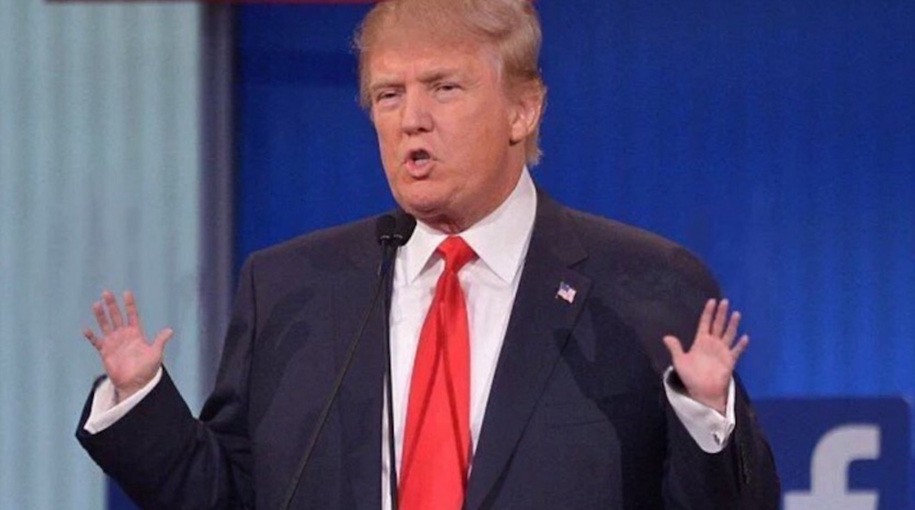
Last Friday in class, we discussed the impact of feminism, or lack of, in the last elections for the President of United States. In her blog post, “Likable”, Sady Doyle makes the argument that we all should admire Hillary Clinton “[b]cause the fact that she’s dealt with [all the misogyny], and kept her shit together, is admirable.” However, while I do agree that Hillary Clinton is great for her ability to keep her cool in these types of situations, I think it is not necessarily a part of the political system that will go away, even if we solve misogynistic practices. Even people like Donald Trump still receive many offensive remarks like criticism over the size of his hands, his hair, or even his skin tone.

However, what made Hillary Clinton so much more admirable than Donald Trump was how she responded and presented herself in times of criticism. Clinton did not lash out in Twitter to insult others whenever it seemed like she was angry,  and she certainly did not address every single insult thrown at her in an attempt to boost her own ego. However sadly, she was not elected in the end. Personally, I disagree with Doyle’s last statement. While it would be nice for presidential candidates to “not have to climb over a barbed-wire fence of hatred in order to change the world,” I think it is a necessary part of the election to help train future presidents to be able to act properly under pressure. A president that holds his cool in an election, even when it seems like they have all the world against them, would be one that performs well under the pressures of everyday office work.

The Feminist Word

Just like Whedon, I was always uncomfortable with the feminist movement. To me, I always visualized an angry lady with crazy hair and glasses screaming that all men are pigs and that men deserve to be put down in society.

One thing that stood out to me from the Whedon video is how important it means to be a “feminist”. For hooks’, one of the major problems is how feminism is defined For Whedon, he looks at feminism through the significance of being called a feminist. Personally, I think of one of the biggest points he makes is how the “ist” part of feminist implies that a role to be taken. I agree with him on how it feels weird to be asked if you are a “feminist” because it should be an idea instilled into everyone, that all human beings are equal, rather than a role you have to take on. I wish that the movement could be described like Whedon wishes it to be, as an issue that we have moved past. Ultimately, I feel like the definition of a feminist for many people, how men and women should be treated equally, should not be a definition but rather a moral belief taught to children. I hope that children can be taught that they should treat each other equally and doing this should make them a good person, not just a “feminist”. I hope that just like Whedon, the word to describe these types of problems will be used as if it is a problem that we can start to put past us. Maybe I will start using genderist just like Whedon suggests.