
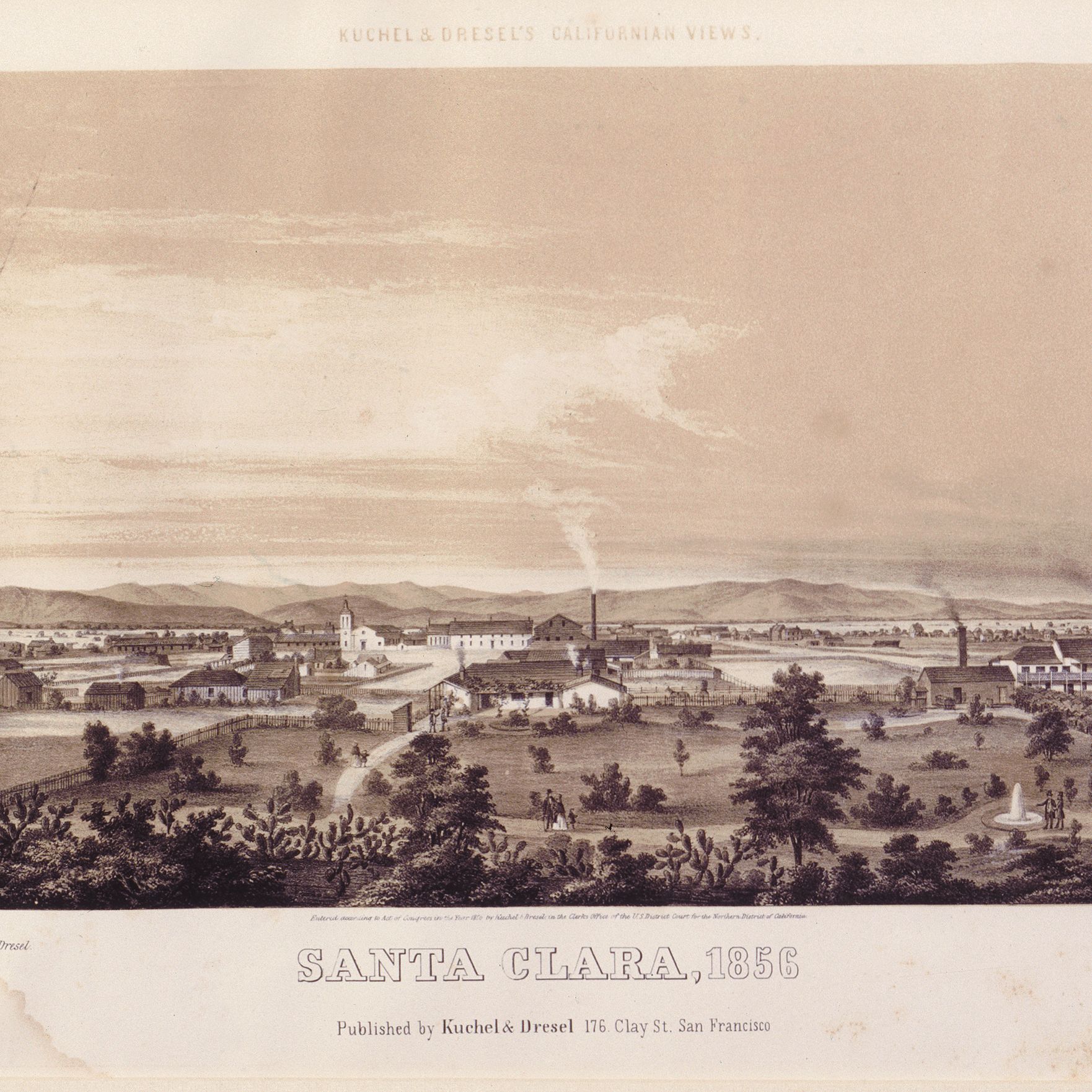
In celebration of the founding of Santa Clara University 175 years ago, SCU Archives & Special Collections is reflecting upon its early days when it was still called Santa Clara College. There is a new display in the St. Clare Room on the 3rd floor of the Library (LLC 316) featuring images of the college and student life in those early days. Over the next quarter, we will have more blog posts about Santa Clara College and its continued legacy from our student worker, Charlotte McManus!
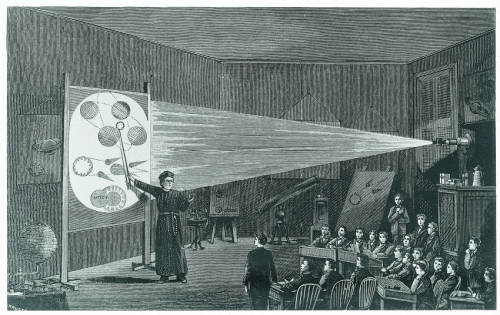
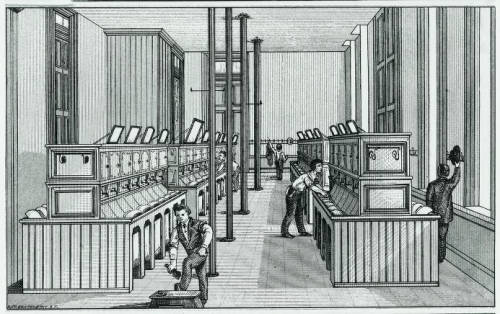
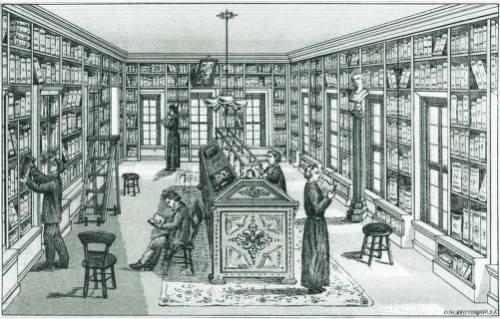
Founding of Santa Clara College
The university celebrates its Founders’ Day on March 19th every year, and today marks its 175th! On March 19th, 1851, Father John Nobili, S.J., formally took possession of Mission Santa Clara and its properties. An inventory of the holdings was signed over to him by the last remaining Franciscan, Fray José María del Refugio Suárez del Real (Foreward, pg. v, Spearman). The founding of the university on the day traditionally celebrated as the Feast of St. Joseph gives the university a second patron saint along with its namesake, St. Clare.
The college founders, Fathers John Nobili, S.J., and Michael Accolti, S.J., were both Jesuits from Turin, Italy. They had come to California to look into starting a new school to serve the many new families that had come to the state after the Gold Rush and its growing Catholic population. When the bishop of California, Joseph Sadoc Alemany, offered the mission lands to the Jesuits in March of 1851, the wheels were set in motion to open Santa Clara College. The first class of a dozen students were admitted in May, increasing rapidly over the next decades.
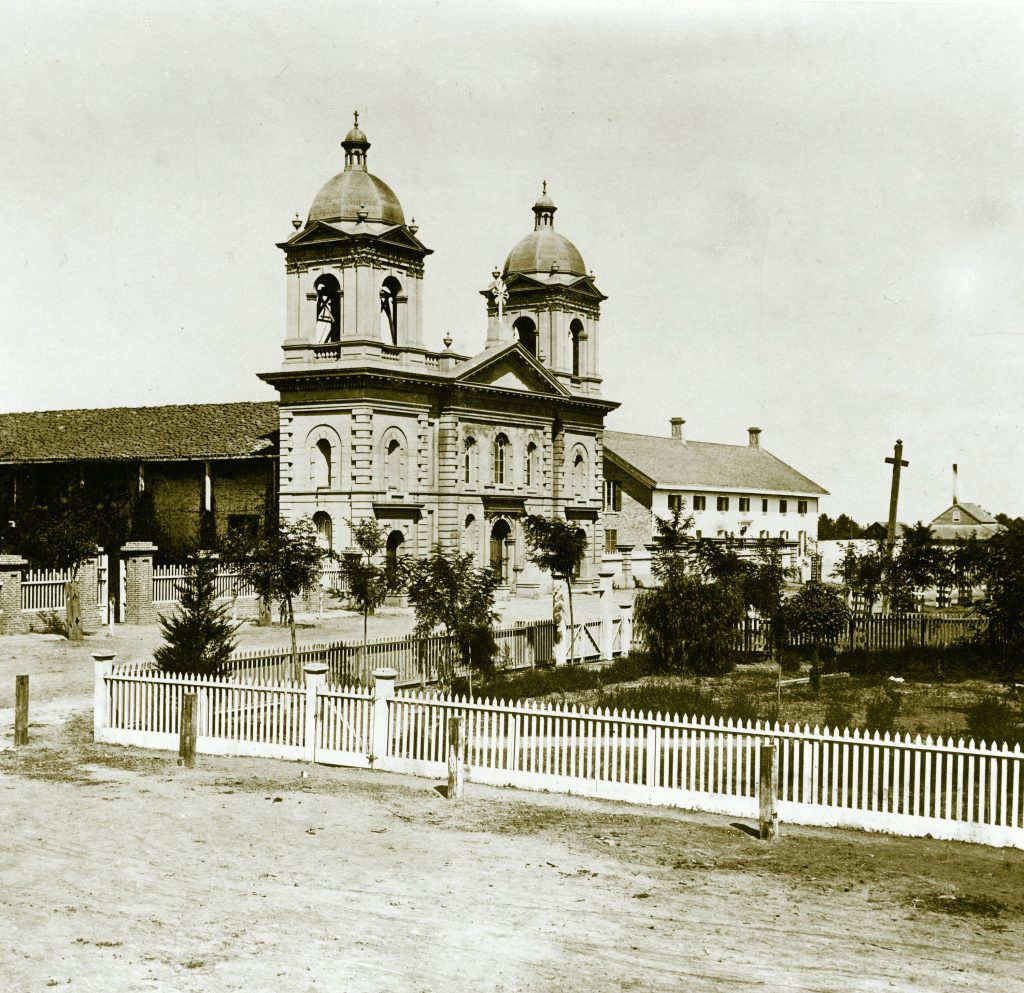
These founding Jesuits left an Italian footprint on the campus, not only by planting formal gardens with grape arbors and teaching a traditional Jesuit curriculum rooted in classics, but also in the design of the early buildings. They even added an Italianate façade to the adobe walls of the mission church (of course, Santa Clara history fans know that the current mission was rebuilt after the 1926 fire).
Santa Clara College Boys
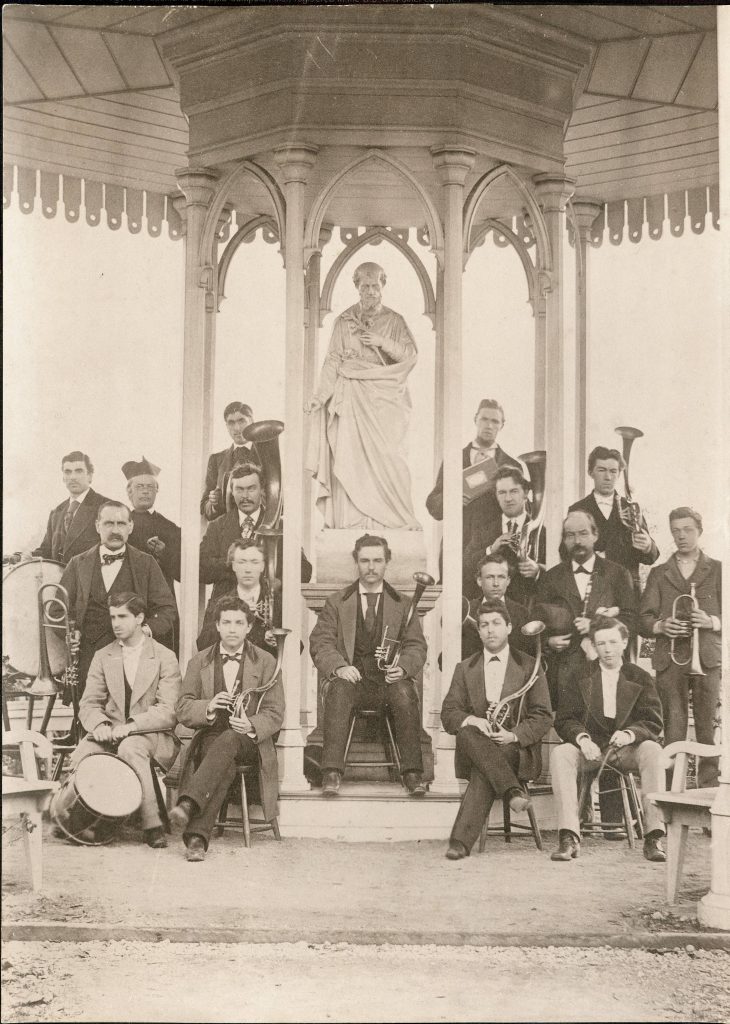
While the faculty were mostly Italian Jesuits in the earliest years, the students were more representative of the local population. Many were Spanish speaking (unsurprisingly, since California was part of Mexico until the year before the college’s founding), while others were from families of pioneers who crossed the Sierras in search of fortune, including many new Irish and Italian immigrants. While most were Catholic, the school was always open to students of any faith.
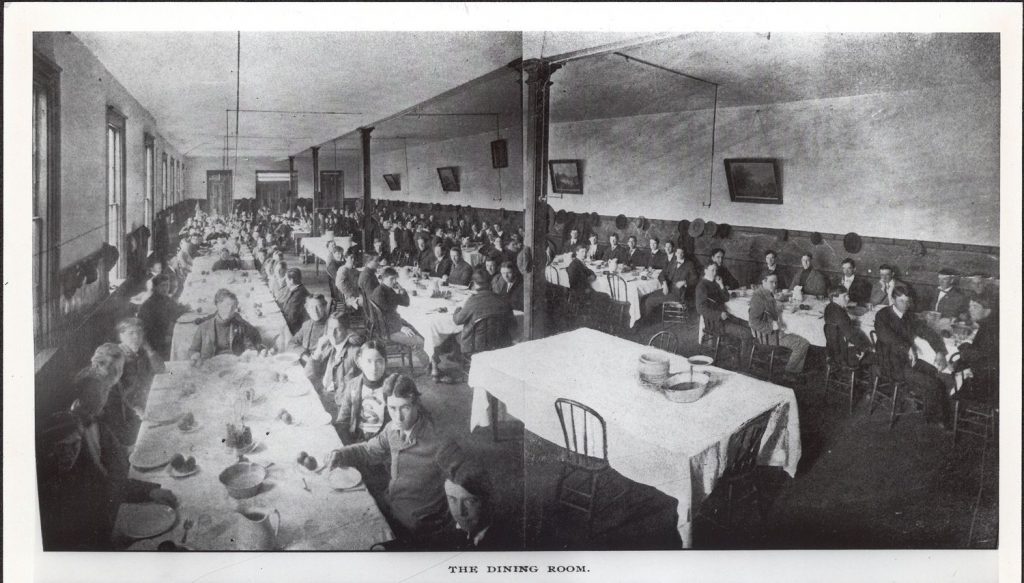
At the time of its founding, Santa Clara College was a comprehensive boarding school for boys of all ages. There were children as young as 7 years old up through college age students. Students slept in large dormitories and had shared bathrooms. While certain aspects of student life were similar to today–especially the many extracurricular activities from band, drama, student publications and sports–aspects of daily living were far more regimented and restricted. This was not only because of the range in age of the students, but differing expectations: the college was expected to act in place of their parents. They saw their role as shaping their student’s moral character and habits. Students could not leave campus without a chaperone, correspondence would be inspected by the president, and students were only allowed home for Christmas holidays, among other rules. The full regulations and directions were printed in the school catalog (see pgs. 8-10), along with recommendations for personal goods such as how much pocket money a student could be allowed to have per week (a max of 25¢ in 1872).
Of course, Santa Clara continued to change with the times even in the college days. The rules loosened, students had more choice in their studies (dropping requirements for Greek and even Latin), student numbers continued to rise, bringing us closer to the university we know today. There were second, third and even fourth generation Santa Clara College alumni who continued to influence the character of the institution. The first American president of Santa Clara College, Robert E. Kenna, S.J. (1844–1912), was first a SCC student before becoming a Jesuit. The final commencement of Santa Clara College was held in 1912. The next year–a new era–it became a university with its nascent law school and a steady focus on undergraduate education.
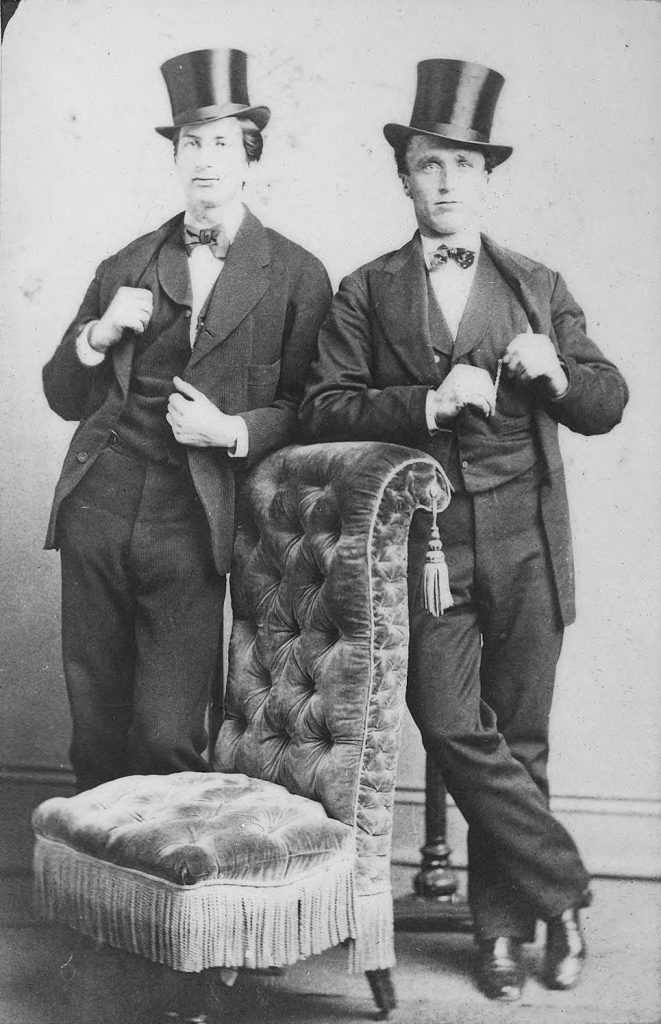
Portrait of Students Manuel Torres and Charles Graves, late 1860s 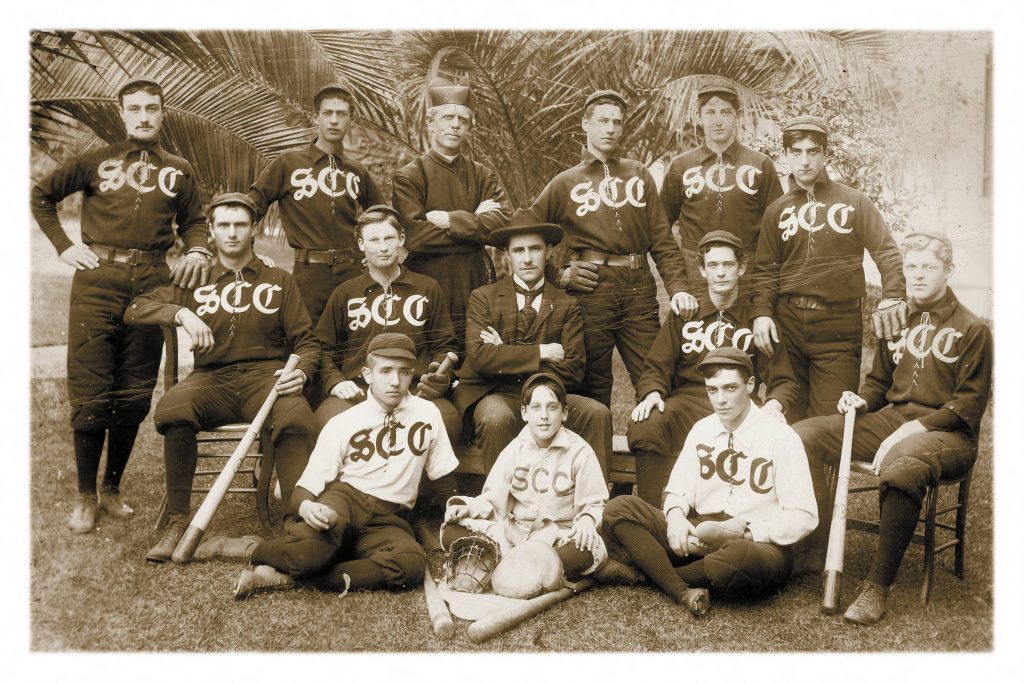
Santa Clara College Baseball Team, c. 1896 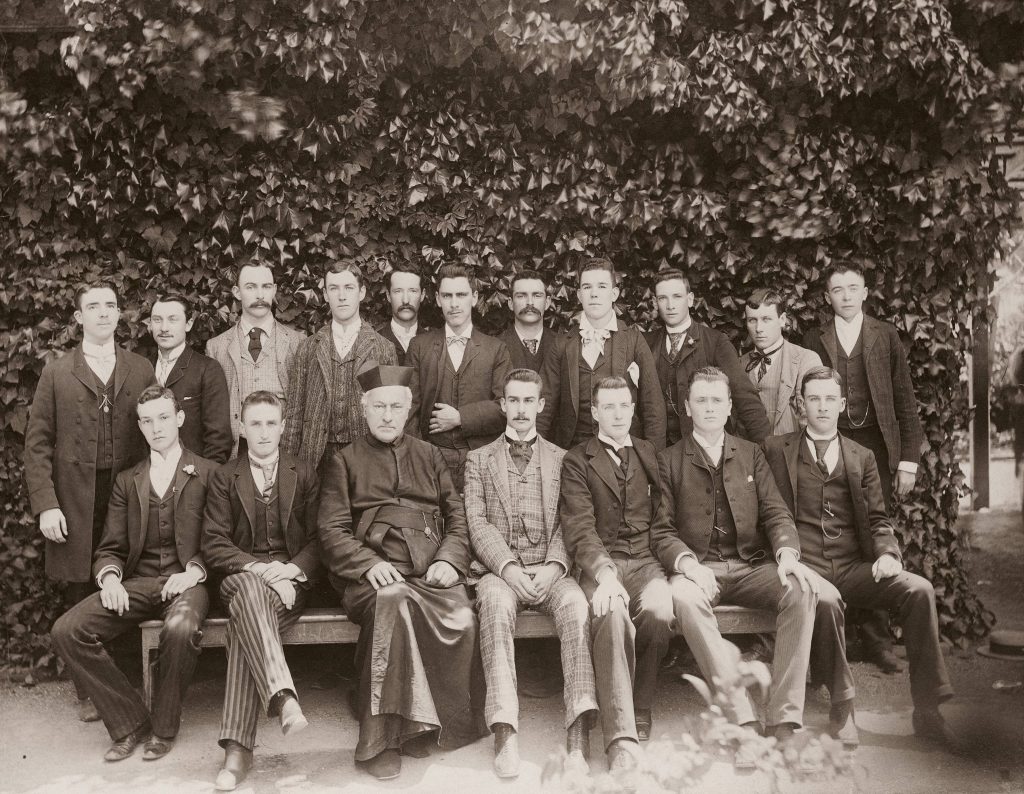
Class of 1890, Santa Clara College 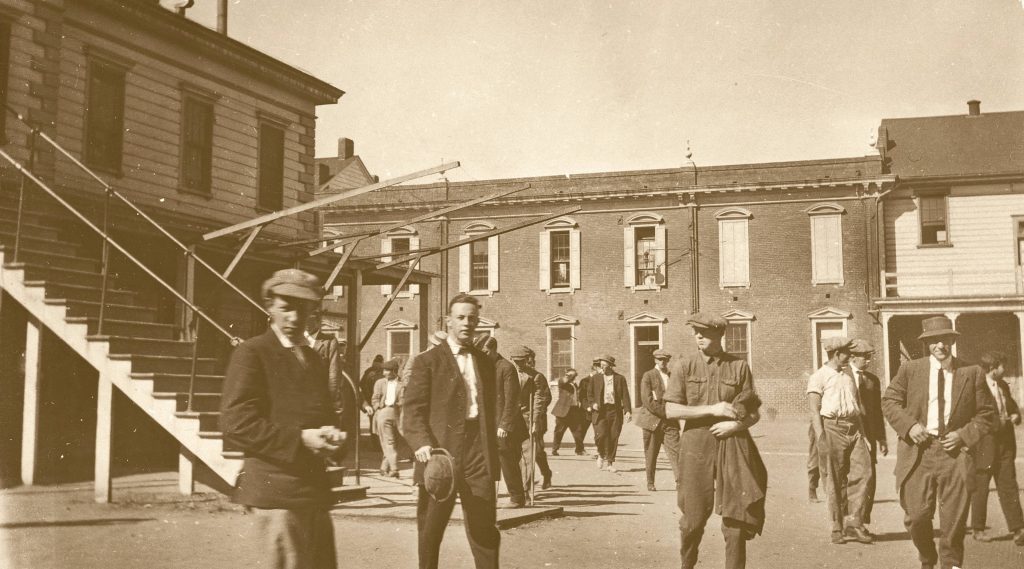
Students walking to class, circa 1900 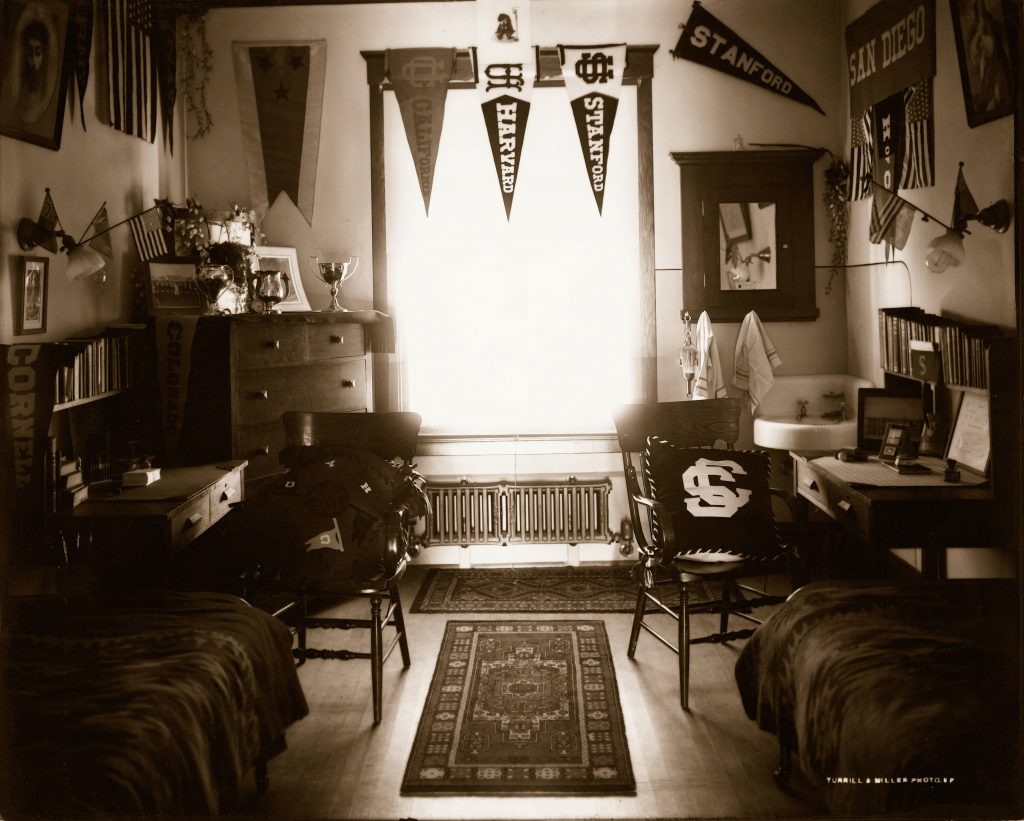
Bert Hardy’s Room in O’Connor Hall at the very start of the university era, 1913
Reference & Selected Digital Collections
Giacomini, George F., and Gerald McKevitt. Serving the Intellect, Touching the Heart: A Portrait of Santa Clara University, 1851-2000. Santa Clara University, 2000.
Early SCU Histories Digital Collection. This collection, taken from books and pamphlets in the Santa Clara University Archives & Special Collections Department, features histories of Santa Clara College and University, and the Santa Clara Mission, from its founding days until the bicentennial mission celebration of 1977.
From College to University – SCU’s first 150 years Digital Collection. This collection tracks the development of the first 150 years of the university, including many photographs of Santa Clara Collection.
McKevitt, Gerald. The University of Santa Clara: A History, 1851-1977. Stanford University Press, 1979. (SCU Library Catalog Record)
Nobili Papers Digital Collection. The Nobili Papers contain most of the documents of the early days of Santa Clara College. Included are financial records, legal papers (particularly dealing with securing the former Mission land from various claimants), and correspondence with Church and State officials, parents, and merchants.
Santa Clara University Course Catalogs and Bulletins Digital Collection. Known variously throughout the years as a prospectus, catalogue, descriptive catalogue, bulletin, announcement, program, or catalog, each of these volumes documents the academic course offerings of Santa Clara, from its start in the 19th century as a young men’s college to its current university status. They provide information on regulations, history, buildings, attendance costs, campus culture, and more.
Spearman, Arthur D. The Five Franciscan Churches of Mission Santa Clara. Palo Alto, Calif. : National Press, [1963].
Turrill-Miller Photograph Digital Collection. The Turrill-Miller Photograph Collection consists of over 300 photographs documenting the historic buildings and campus life of Santa Clara College (now known as Santa Clara University), from 1905-1920.
Please note that in addition to the sources above, this post has been adapted from an A&SC departmental presentation that has been developed over many years.